In the evolving world of art exhibitions and installations, technology plays a crucial role in how artworks are presented and experienced. Among the many innovations transforming art display systems, LED displays stand out as a versatile and dynamic solution. From museums and galleries to public art installations and commercial spaces, LED technology offers unique advantages that enhance the visual impact and accessibility of art.
This article delves into the fundamentals of LED display systems, exploring their technology, benefits, applications, and considerations for artists, curators, and exhibition designers. By understanding how LED displays work and why they are increasingly favored, stakeholders in the art world can make informed decisions about integrating this technology into their projects.
Understanding LED Display Technology
What is an LED Display?
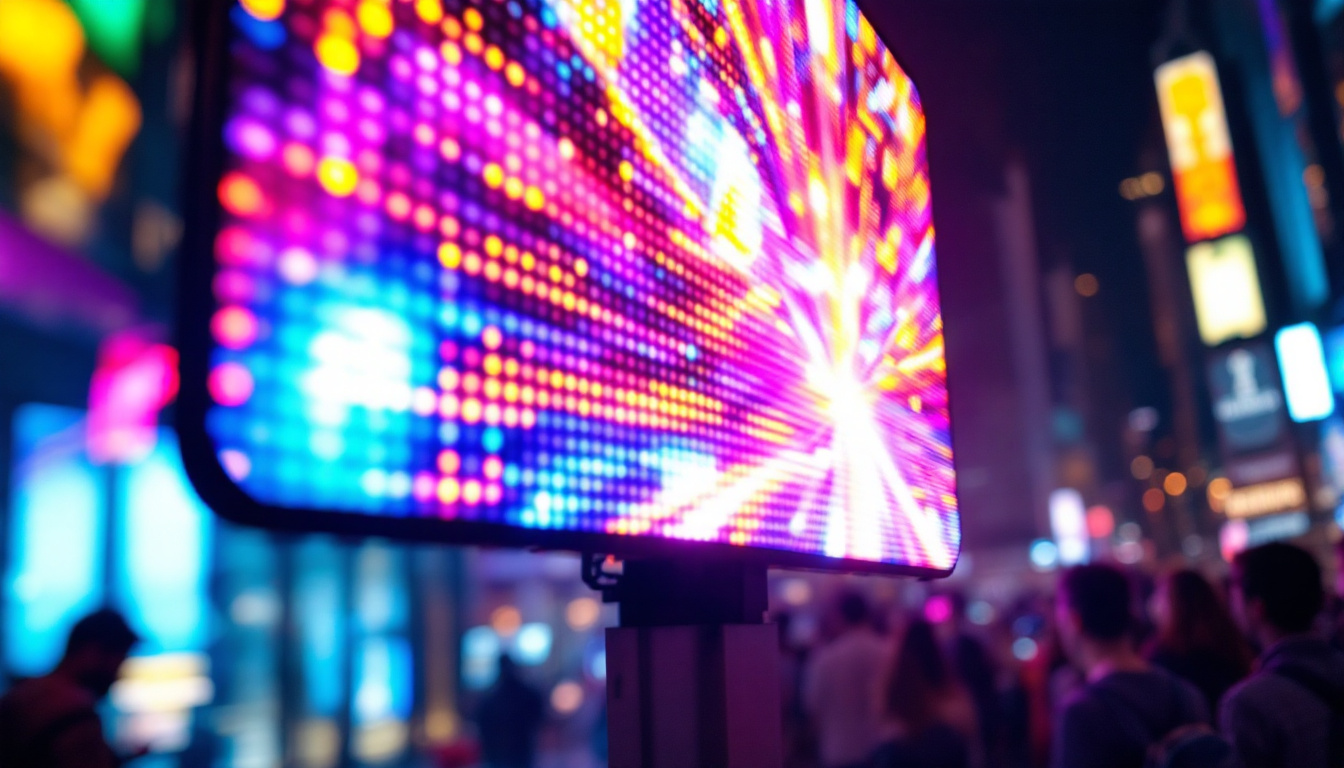
LED stands for Light Emitting Diode, a semiconductor device that emits light when an electric current passes through it. An LED display consists of an array of these tiny light sources arranged in a grid to form pixels. By controlling the brightness and color of each LED pixel, the display can render images, videos, and animations with remarkable clarity and vibrancy.
Unlike traditional display technologies such as LCD (Liquid Crystal Display) or projection systems, LED displays are self-illuminating, meaning they generate their own light rather than relying on a backlight. This fundamental difference contributes to several performance advantages, including higher brightness, better contrast, and wider viewing angles. Additionally, LED technology is energy-efficient, consuming less power compared to older display technologies, which makes it a more sustainable choice for both commercial and artistic applications.
Types of LED Displays Used in Art
LED displays come in various forms, each suited to different artistic and exhibition needs:
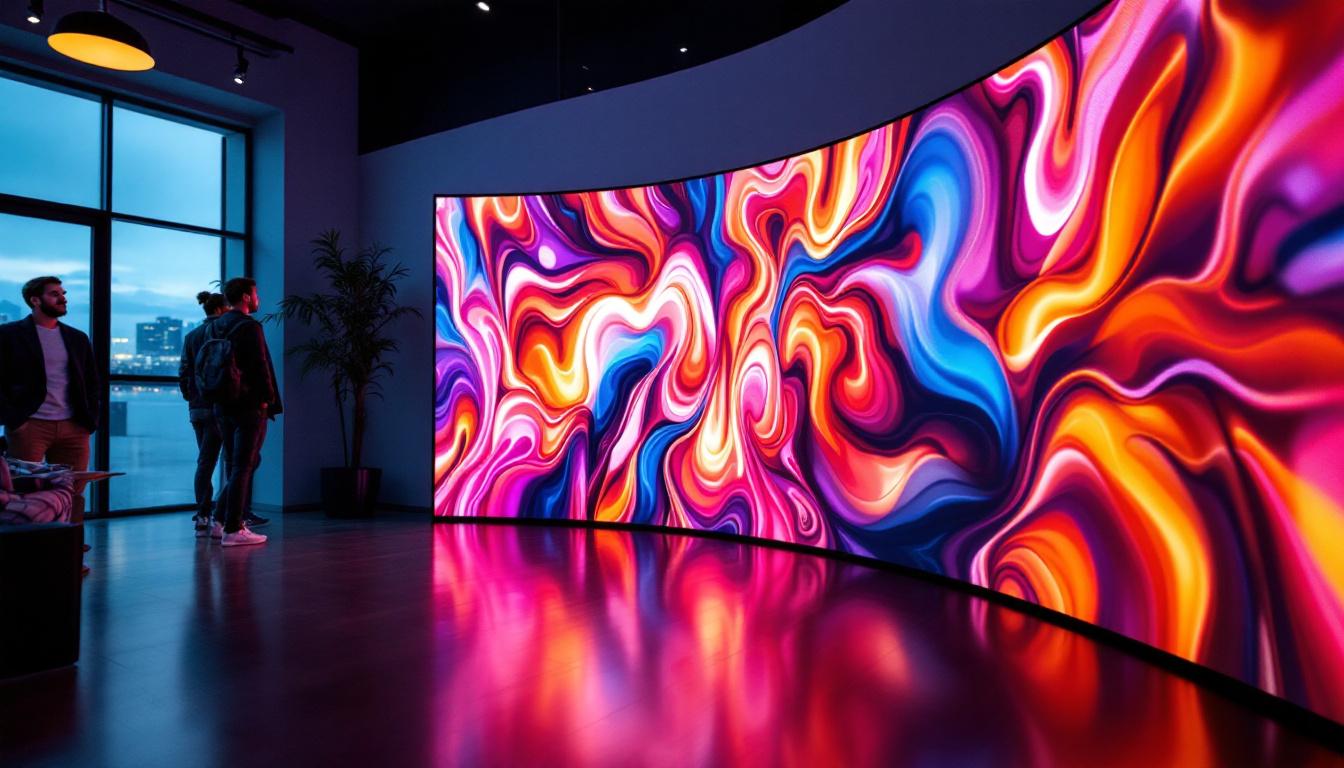
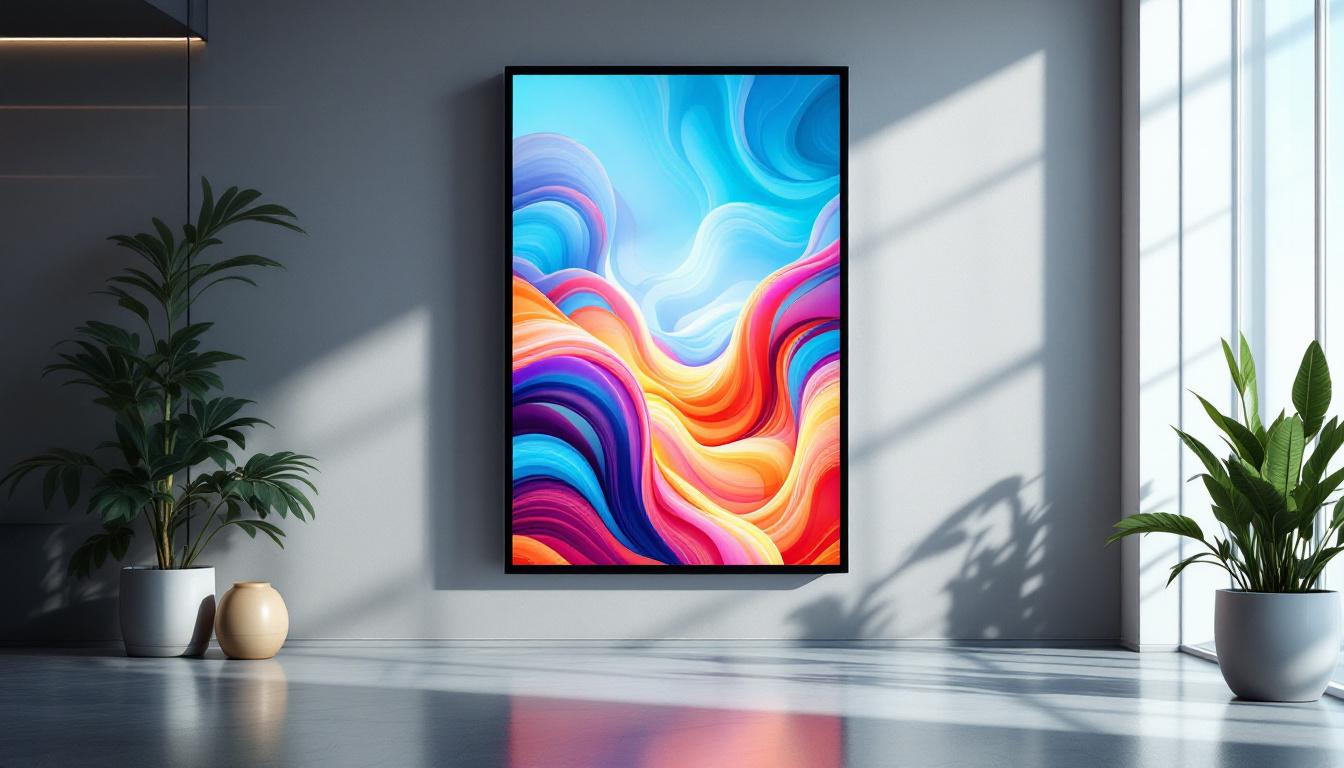
- Indoor LED Displays: Designed for controlled lighting environments, indoor LEDs offer high resolution and fine pixel pitch, making them ideal for detailed artworks and close viewing distances. These displays are often utilized in galleries and museums, where the focus is on delivering an immersive experience without distractions from ambient light.
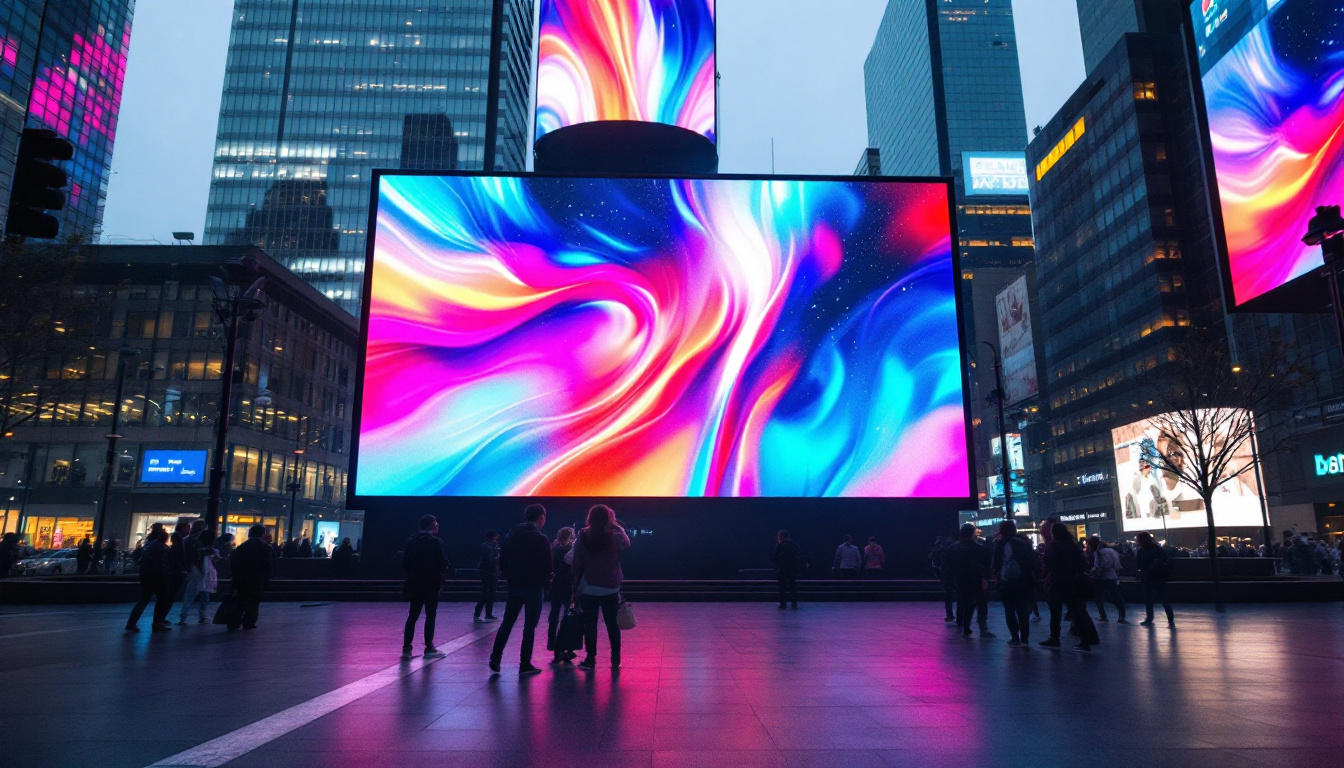
- Outdoor LED Displays: Built to withstand weather conditions and ambient light, outdoor LEDs are brighter and more durable, suitable for public art installations and large-scale projections on building facades. These displays often feature advanced weatherproofing and UV-resistant materials, ensuring that the artwork remains vibrant and intact despite exposure to the elements.
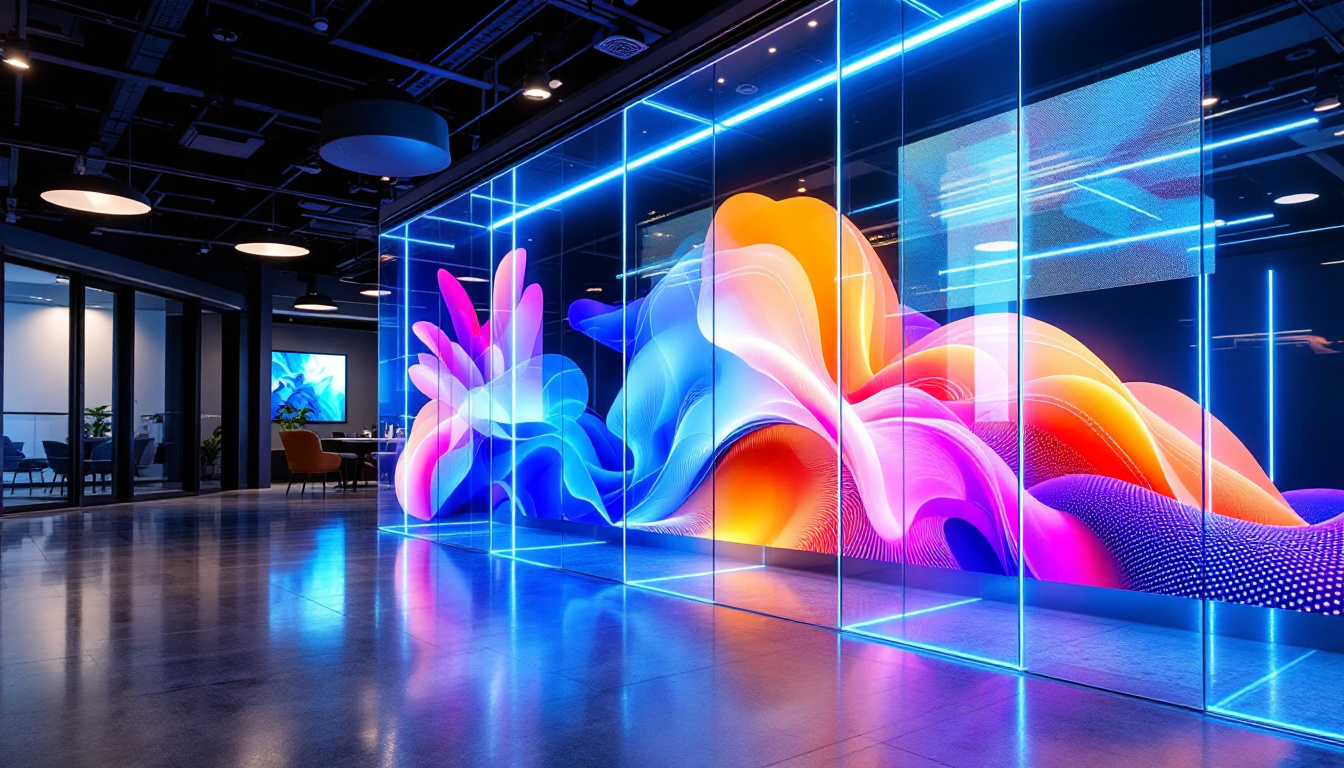
- Flexible and Transparent LED Displays: These innovative formats allow for curved surfaces or see-through effects, expanding creative possibilities for interactive and immersive art experiences. Artists can integrate these displays into their installations, creating dynamic environments that blend digital and physical elements seamlessly.
Resolution and Pixel Pitch
Resolution in LED displays refers to the number of pixels within a given area, while pixel pitch is the distance between the centers of two adjacent pixels, typically measured in millimeters. A smaller pixel pitch means higher resolution and sharper images, which is essential for displaying fine details in artworks.
For example, indoor art displays often use pixel pitches ranging from 1.2mm to 2.5mm, enabling crisp visuals at close range. Outdoor displays, due to larger viewing distances, typically have pixel pitches between 4mm and 10mm or more, balancing resolution with brightness and durability. The choice of pixel pitch not only affects the visual quality but also influences the overall design and installation process, as artists and curators must consider viewer proximity and the intended impact of the artwork on the audience.
Moreover, advancements in LED technology have led to the development of high-definition and ultra-high-definition displays, which can support resolutions up to 8K. This level of detail allows for intricate designs and lifelike representations that can captivate viewers, making LED displays a powerful medium for contemporary artists. As the technology continues to evolve, we can expect even more innovative applications in the realm of digital art, pushing the boundaries of creativity and expression.
Advantages of LED Displays for Art Presentation
Vibrant Color and High Brightness
One of the most compelling reasons to use LED displays in art is their ability to produce vivid colors and intense brightness. LEDs can achieve brightness levels upwards of 1,000 nits indoors and over 5,000 nits outdoors, far surpassing traditional display methods. This capability ensures artworks remain visually impactful even in brightly lit environments or direct sunlight.
Moreover, LED displays support a wide color gamut and high dynamic range (HDR), allowing artists to showcase subtle gradients, deep blacks, and luminous highlights that faithfully reproduce their creative vision. This technological advancement not only enhances the viewing experience but also allows for a more immersive engagement with the artwork. Artists can experiment with color in ways that were previously unattainable, pushing the boundaries of their creativity and inviting viewers to experience their work from multiple perspectives.
Flexibility and Customization
LED technology offers unparalleled flexibility in terms of size, shape, and configuration. Modular LED panels can be combined to create displays of virtually any dimension, from small digital frames to expansive walls. This adaptability enables curators and designers to tailor the display system to the spatial and thematic requirements of an exhibition.
Additionally, LED displays can be programmed to show static images, dynamic videos, or interactive content, providing artists with a broad canvas for experimentation and storytelling. This interactivity can transform the viewer’s role from a passive observer to an active participant, engaging them in a dialogue with the artwork. For instance, artists can incorporate sensors that respond to viewer movements or touch, creating a unique experience that evolves with each interaction. Such innovative approaches not only captivate audiences but also deepen their connection to the art being presented.
Energy Efficiency and Longevity
Compared to other lighting and display technologies, LEDs are highly energy-efficient, converting a greater proportion of electricity into visible light with minimal heat generation. This efficiency reduces operational costs and environmental impact, important considerations for institutions aiming for sustainable practices.
LED displays also have a long operational lifespan, often exceeding 50,000 hours, which means fewer replacements and maintenance interventions over time. This reliability is crucial for permanent installations or long-running exhibitions. Furthermore, the durability of LED technology makes it suitable for various environments, including outdoor installations that face the elements. Artists and curators can confidently install these displays in diverse settings, knowing they will maintain their performance and aesthetic appeal over time. As a result, the integration of LED displays not only enhances the art but also aligns with a growing commitment to sustainability and innovation in the art world.
Applications of LED Displays in the Art World
Museums and Galleries
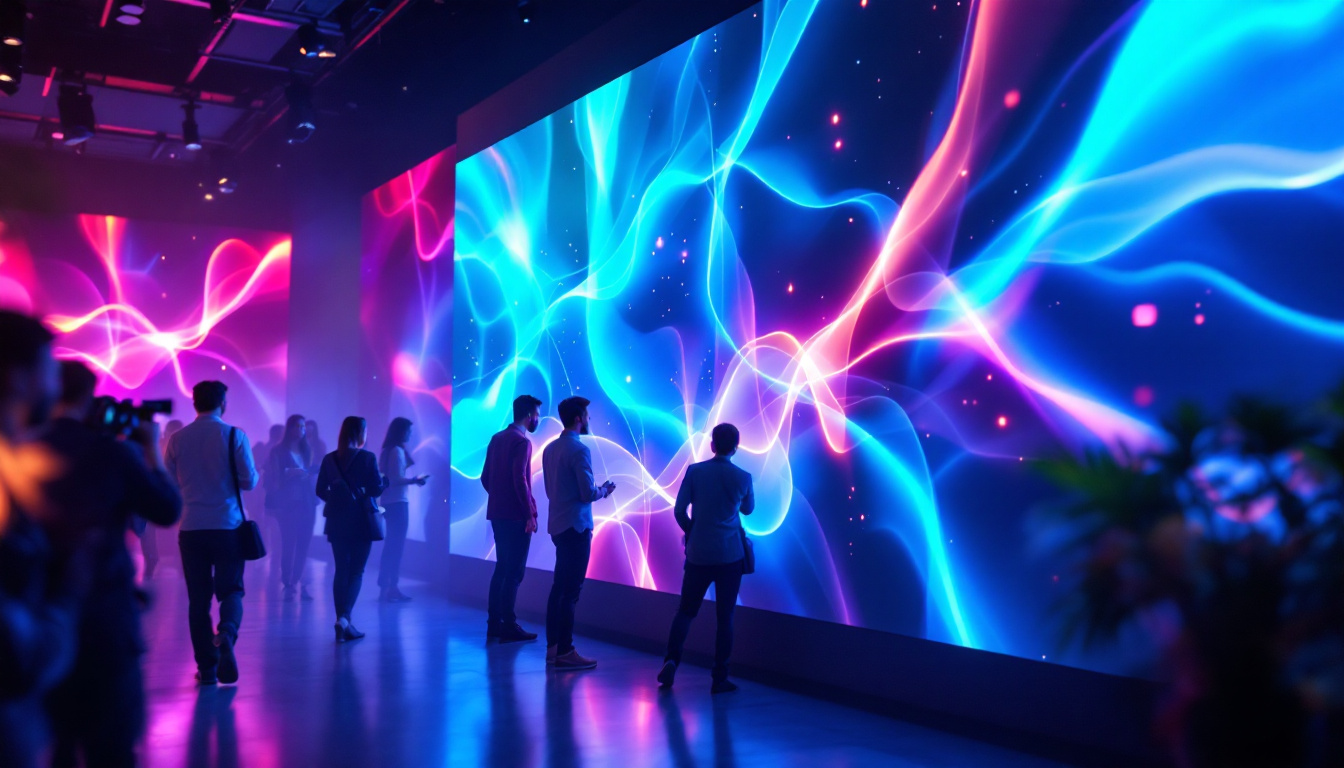
Museums and galleries increasingly incorporate LED displays to complement traditional artworks or to present digital art forms. For example, contemporary art museums use high-resolution indoor LED walls to exhibit digital paintings, video art, and interactive installations that engage visitors in new ways.
LED displays also facilitate rotating exhibitions by allowing curators to quickly change content without physical modifications to the space. This adaptability supports diverse programming and reduces costs associated with printing and framing.
Public Art and Urban Installations
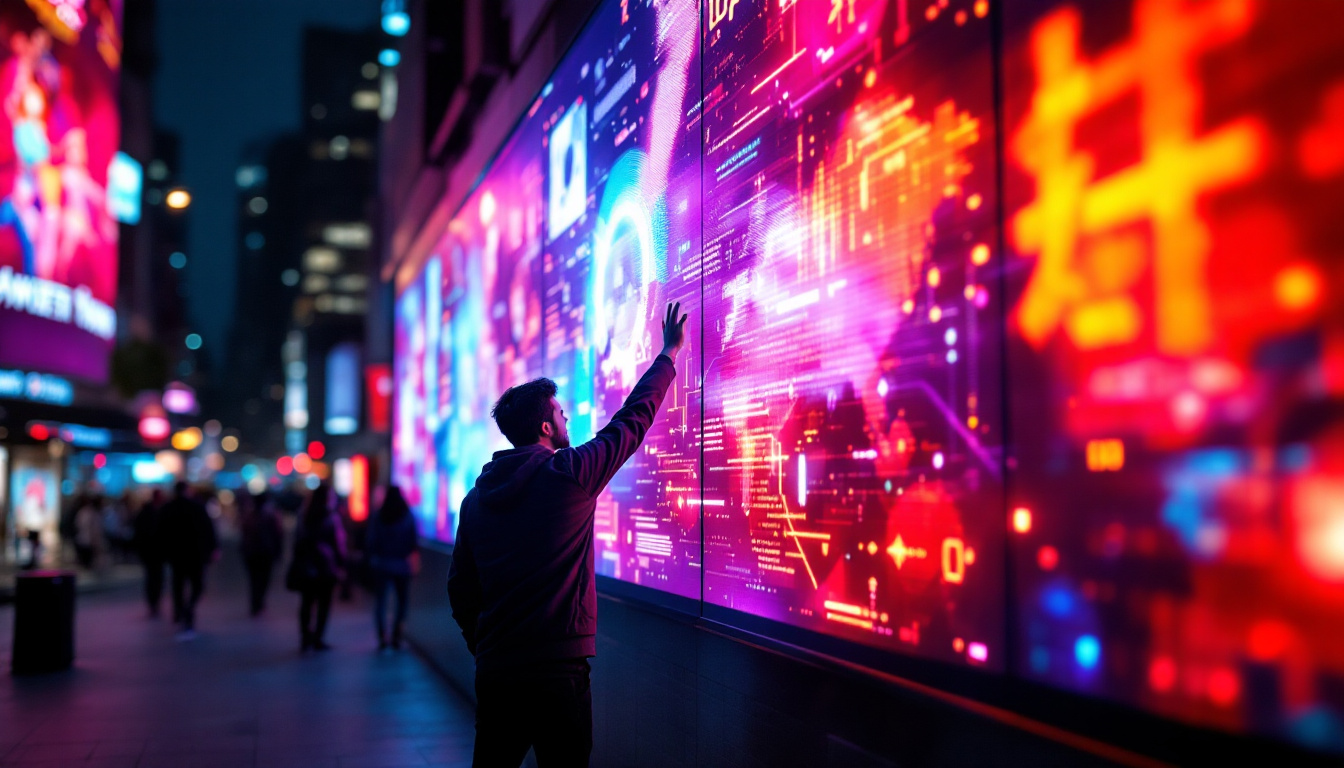
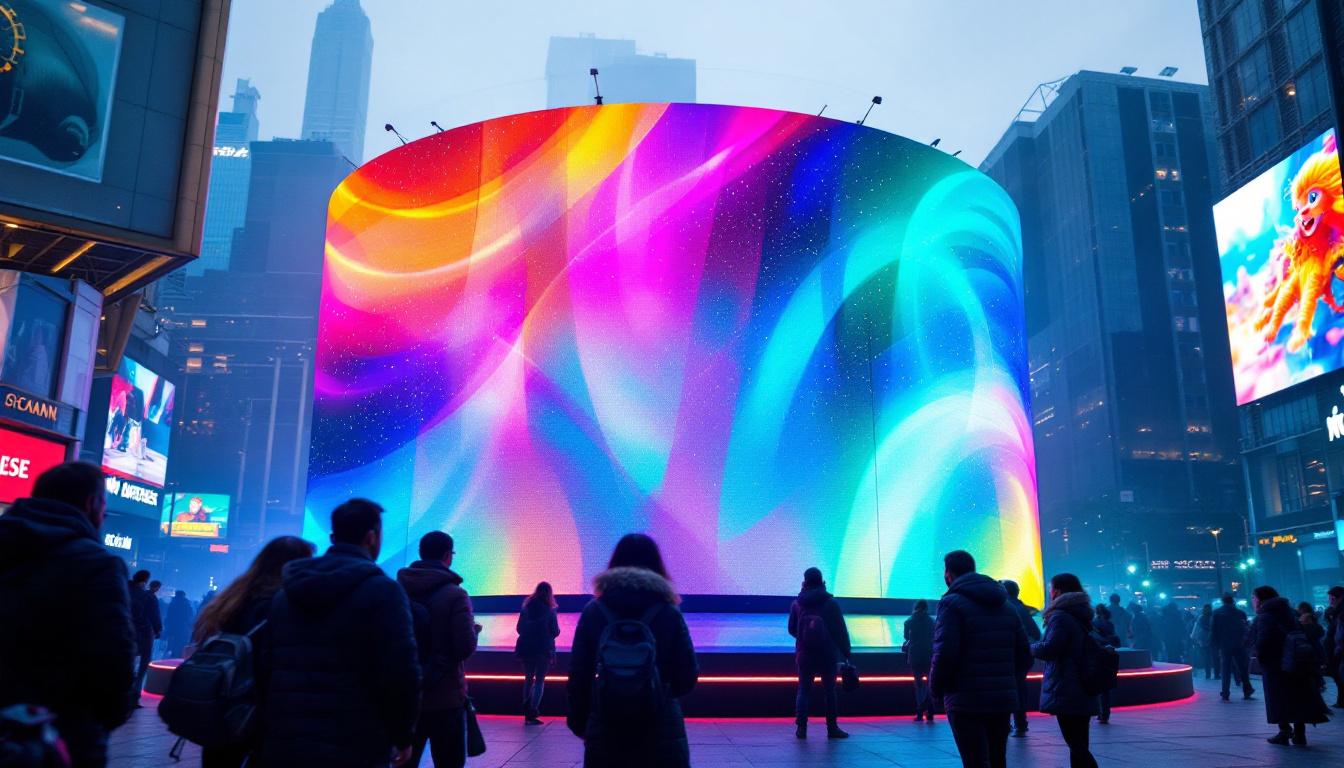
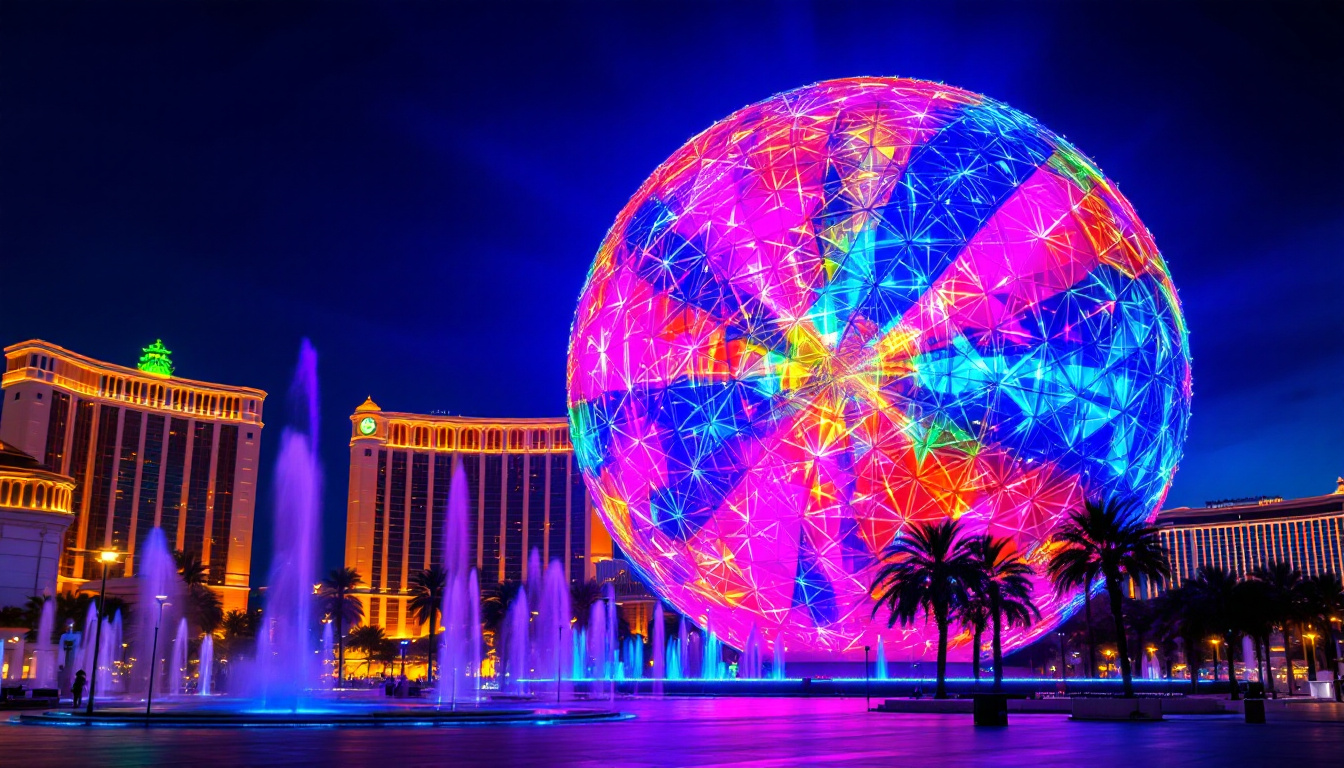
Outdoor LED displays have revolutionized public art by enabling large-scale, dynamic installations that interact with their environment. Cities worldwide use LED facades on buildings, LED sculptures, and digital murals to enliven urban spaces and foster community engagement.
For instance, the “Digital Water Pavilion” in Zaragoza, Spain, used LED technology to create an immersive, ever-changing light environment that blended architecture and art. Such projects demonstrate how LED displays can transform public perception of art and space.
Commercial and Event Spaces
Art integrated into commercial environments—such as hotels, corporate lobbies, and retail stores—benefits from LED displays’ ability to combine branding with artistic expression. Dynamic LED installations can enhance ambiance, attract attention, and provide interactive experiences that differentiate spaces.
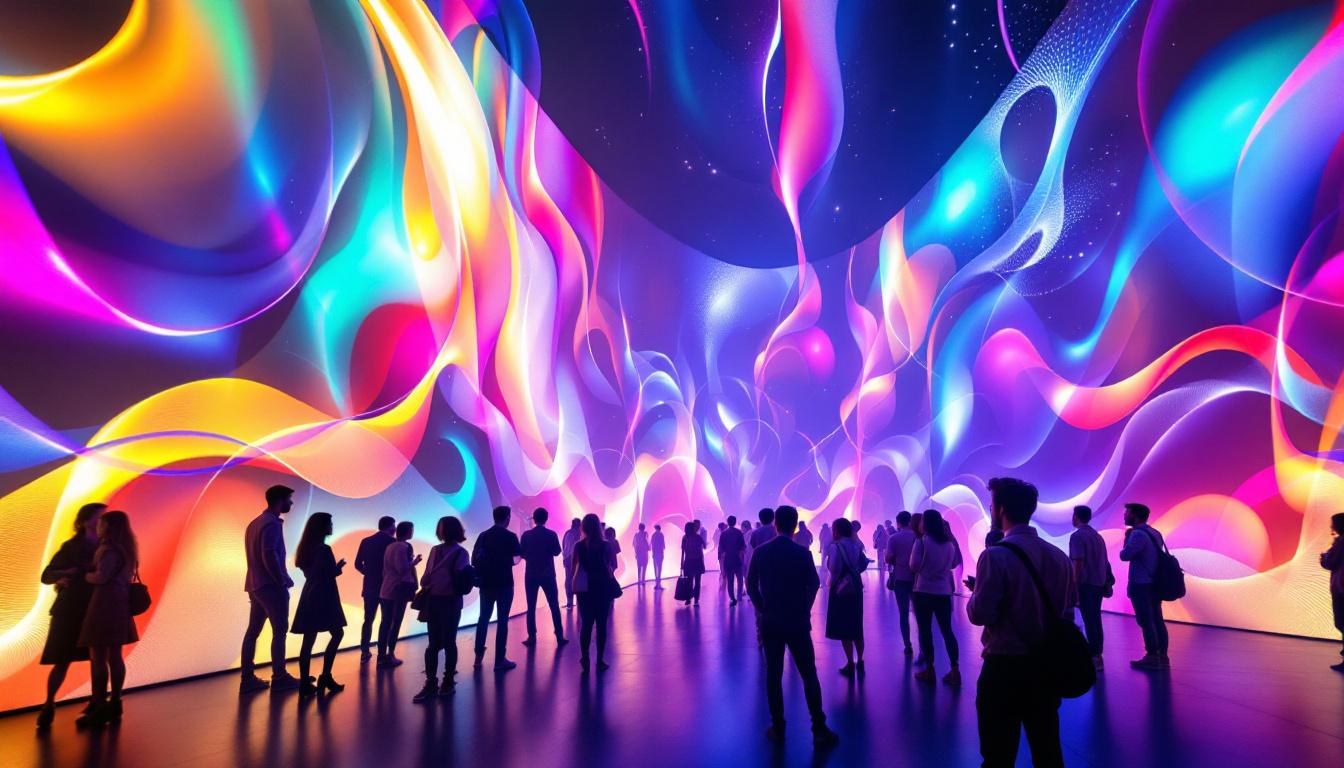
At events and festivals, LED walls serve as versatile backdrops and canvases for live performances, digital art showcases, and multimedia presentations, enriching the audience experience.
Considerations When Choosing LED Displays for Art
Image Quality and Viewing Distance
Selecting the right LED display involves balancing resolution, pixel pitch, and viewing distance. High-resolution displays with fine pixel pitch are necessary for artworks requiring close inspection, while larger pixel pitches suffice for installations viewed from afar.
Understanding the typical audience interaction and spatial constraints helps optimize the display choice to preserve the integrity and impact of the artwork.
Installation and Maintenance
LED display installations can be complex, requiring structural support, electrical infrastructure, and environmental controls. Collaboration with experienced technicians and designers ensures that the display integrates seamlessly with the exhibition space and operates reliably.
Maintenance considerations include cleaning, software updates, and potential repairs. Many modern LED systems offer remote monitoring and diagnostics to minimize downtime.
Cost and Budgeting
While the initial investment in LED displays can be significant, the long-term benefits often justify the expense. Factors influencing cost include display size, resolution, brightness, and additional features such as interactivity or transparency.
Institutions should consider total cost of ownership, including installation, maintenance, and energy consumption, alongside the artistic and experiential value provided.
The Future of LED Displays in Art
Emerging Technologies and Trends
Advancements in LED technology continue to expand creative possibilities. MicroLED displays, offering even higher resolution and energy efficiency, are on the horizon, promising ultra-thin, flexible, and highly durable panels.
Integration with augmented reality (AR) and artificial intelligence (AI) is also opening new frontiers, enabling responsive and personalized art experiences that adapt to viewer behavior and environmental conditions.
Enhancing Accessibility and Engagement
LED displays contribute to making art more accessible by enabling multilingual content, real-time translations, and interactive features that accommodate diverse audiences. This democratization of art fosters greater inclusion and participation.
Furthermore, the ability to update content digitally supports ongoing engagement, allowing exhibitions to evolve and remain relevant over time.
Conclusion
LED display systems represent a transformative tool in the presentation and experience of art. Their vibrant color reproduction, adaptability, energy efficiency, and durability make them an attractive choice for a wide range of artistic applications. From intimate gallery settings to expansive public installations, LED technology empowers artists and curators to push creative boundaries and connect with audiences in compelling new ways.
As the technology continues to evolve, embracing LED displays offers exciting opportunities to redefine how art is displayed, perceived, and interacted with in the 21st century and beyond.
Explore the Future of Art Display with LumenMatrix
As you consider the boundless possibilities LED displays offer for art presentation, LumenMatrix stands at the forefront of this technological evolution. Our commitment to innovation ensures that every LED display module we create—from Indoor and Outdoor LED Walls to Custom and Transparent Displays—embodies the pinnacle of quality, versatility, and visual excellence. Whether you’re looking to elevate a gallery experience or transform a public space, LumenMatrix provides the tools to bring your vision to life. Check out LumenMatrix LED Display Solutions and join us in shaping the future of visual artistry.