In today’s fast-paced business and educational environments, effective communication and collaboration tools are essential. One of the most innovative solutions gaining traction is the huddleboard equipped with LED display technology. Combining the simplicity of traditional whiteboards with the dynamic capabilities of LED screens, huddleboards are transforming how teams brainstorm, present, and interact.
This article delves into what a huddleboard is, how LED displays enhance their functionality, and why they are becoming indispensable in modern workplaces and learning spaces.
What Is a Huddleboard?
A huddleboard is a collaborative tool designed to facilitate quick, informal meetings—often called “huddles”—where team members can share ideas, track progress, and solve problems in real-time. Traditionally, huddleboards were simple whiteboards or corkboards placed in common areas. However, advances in display technology have enabled the evolution of these boards into interactive digital platforms.
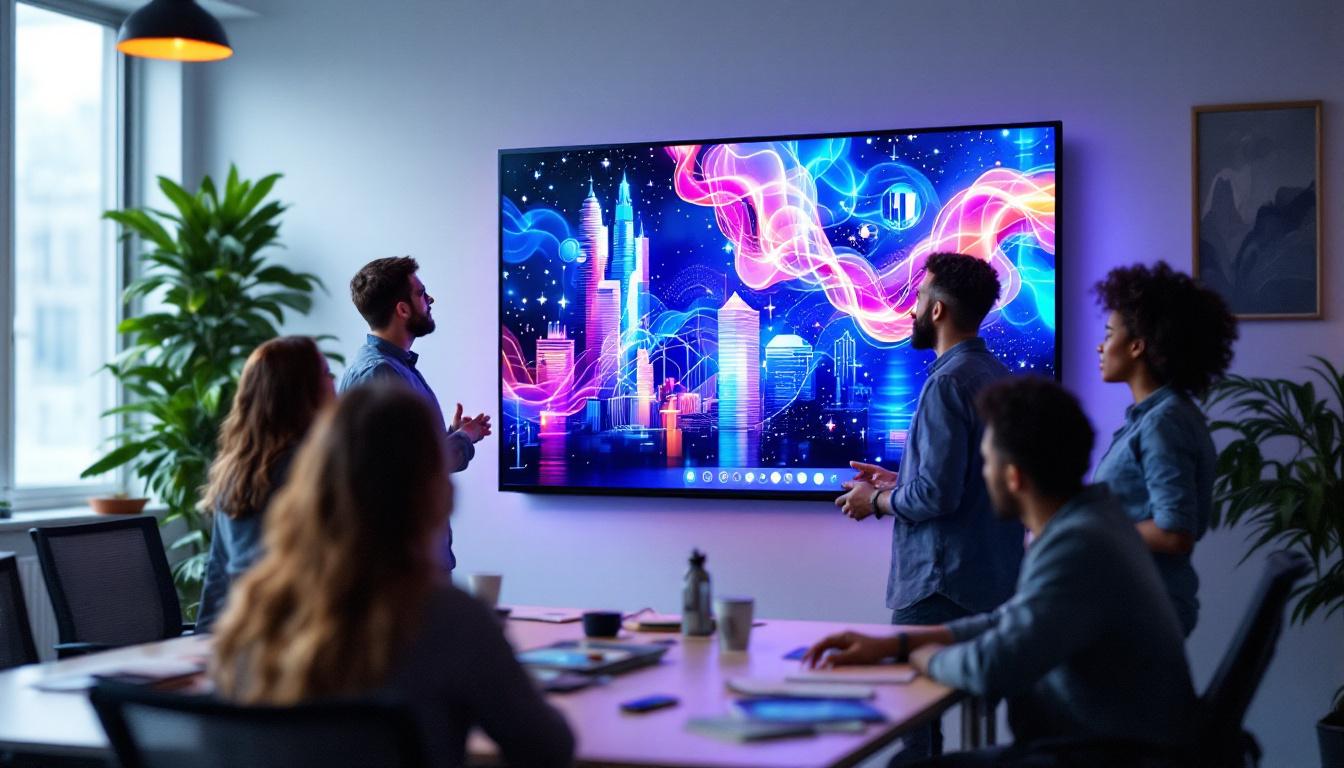
Modern huddleboards integrate LED displays to provide a vibrant, dynamic surface that supports multimedia content, interactive annotations, and seamless connectivity with other devices. This fusion of physical and digital elements enhances engagement and productivity during team interactions. The ability to share visual data instantly not only streamlines communication but also fosters a culture of transparency and collaboration among team members, making it easier to align on goals and objectives.
The Evolution from Whiteboards to LED Displays
Whiteboards have been a staple in offices and classrooms for decades, valued for their ease of use and flexibility. Yet, they have limitations, such as the inability to save content digitally or display multimedia. LED displays address these challenges by offering high-resolution screens that can show everything from static notes to live video feeds. This capability is particularly beneficial in a world where remote work is becoming increasingly common, allowing teams to connect and collaborate effectively regardless of their physical locations.
Moreover, LED technology allows huddleboards to be more versatile, supporting touch interactivity and integration with cloud-based collaboration tools. This evolution reflects a broader trend towards digital transformation in workplace communication. As teams become more distributed and diverse, the need for tools that can bridge geographical gaps and enhance real-time collaboration becomes paramount. Huddleboards not only serve as a focal point for team discussions but also act as a repository for ideas and decisions, helping to create a more organized and efficient workflow. In this way, they contribute significantly to the overall productivity and morale of the team, as members feel more connected and engaged in their collective efforts.
“`html
Understanding LED Display Technology in Huddleboards
LED, or Light Emitting Diode, displays are known for their brightness, energy efficiency, and long lifespan. When applied to huddleboards, LED technology brings several advantages that make these devices superior to traditional display options.
How LED Displays Work
LED displays consist of numerous tiny diodes that emit light when an electric current passes through them. These diodes are arranged in a matrix to create images and text with vivid colors and sharp contrast. Unlike LCDs, which require backlighting, LEDs produce their own light, resulting in better brightness and viewing angles.
In huddleboards, this means content is visible even in brightly lit rooms, an essential feature for collaborative spaces where lighting conditions vary. The ability to maintain image quality in diverse environments enhances the effectiveness of presentations and discussions, allowing teams to focus on the content rather than struggling to see it.
Types of LED Displays Used in Huddleboards
There are several types of LED displays, but the two most relevant for huddleboards are:
- Direct View LED (DVLED): This type uses individual LEDs as pixels, creating bright, seamless images. DVLED displays are ideal for large-format huddleboards that require high visibility from various angles.
- LED-backlit LCD: These displays use LEDs as a backlight source for LCD panels. They offer good color accuracy and are typically more affordable, making them suitable for smaller or mid-sized huddleboards.
Choosing the right LED technology depends on factors such as room size, budget, and intended usage. For instance, larger teams or those who frequently host remote participants may benefit more from DVLED displays, while smaller teams might find LED-backlit LCDs sufficient for their needs.
Benefits of LED Displays in Collaborative Settings
LED displays offer several benefits that enhance the huddleboard experience:
- Brightness and Visibility: High brightness ensures content is clear even in well-lit rooms, reducing eye strain and improving comprehension.
- Energy Efficiency: LEDs consume less power compared to older display technologies, lowering operational costs and environmental impact.
- Durability: LED displays have longer lifespans and are more resistant to damage, making them reliable for frequent use.
- Color Accuracy and Contrast: Vibrant colors and deep blacks improve the readability of charts, graphs, and multimedia content.
Moreover, the rapid response time of LED displays ensures that dynamic content, such as videos or animations, is rendered smoothly without blurring or ghosting effects. This feature is particularly beneficial during brainstorming sessions where ideas are shared in real-time, allowing for a more engaging and interactive experience. Additionally, many modern LED displays come equipped with features like touch interactivity, enabling users to manipulate content directly on the screen, which can further enhance collaboration and creativity among team members.
Another significant advantage of LED technology in huddleboards is its scalability. Organizations can easily expand their display setups by adding more screens or integrating with existing technology, making it a future-proof investment. As collaboration tools evolve, the adaptability of LED displays ensures that teams can keep pace with new methods of communication and presentation, fostering a culture of innovation and teamwork.
“`
Key Features of Modern Huddleboards with LED Displays
Beyond the display technology itself, modern huddleboards incorporate a suite of features designed to maximize collaboration and ease of use.
Interactive Touch Capabilities
Many huddleboards feature multi-touch screens, allowing multiple users to write, draw, and manipulate content simultaneously. This interactivity mimics the tactile experience of traditional whiteboards but with added digital flexibility.
For example, teams can highlight key points, annotate documents, or rearrange ideas with simple gestures. This hands-on approach fosters engagement and helps ideas flow more naturally.
Real-Time Collaboration and Connectivity
Integration with cloud services and collaboration platforms enables users to share the huddleboard content instantly with remote participants. Whether through video conferencing tools or shared digital workspaces, teams can collaborate across different locations without losing momentum.
Additionally, huddleboards often support wireless screen mirroring and device pairing, making it easy to project laptops, tablets, or smartphones onto the display.
Content Saving and Sharing
Unlike traditional whiteboards, digital huddleboards allow users to save sessions, export notes, and distribute meeting summaries effortlessly. This feature reduces the risk of losing important information and supports accountability and follow-up actions.
Customizable Templates and Tools
Preloaded templates for brainstorming, project tracking, and decision-making help teams structure their discussions effectively. Combined with digital pens, shapes, and color options, these tools make the huddleboard a versatile platform for diverse workflows.
Applications of Huddleboards with LED Displays
The versatility of huddleboards equipped with LED displays makes them valuable across various industries and use cases.
Corporate Environments
In business settings, huddleboards facilitate agile project management, strategic planning, and quick problem-solving sessions. Companies adopting these tools report improved meeting efficiency and enhanced team alignment.
For example, a 2023 survey by the Collaborative Technology Association found that 68% of organizations using interactive huddleboards experienced a measurable increase in team productivity.
Education and Training
Educational institutions leverage huddleboards to create interactive lessons, promote student participation, and support hybrid learning models. The ability to integrate multimedia content and collaborate in real-time enriches the learning experience.
Teachers can save annotated notes and share them with students instantly, ensuring continuity and accessibility.
Healthcare and Medical Teams
In healthcare, huddleboards assist multidisciplinary teams in patient care coordination, case reviews, and shift handovers. The clarity and immediacy of LED displays help reduce errors and improve communication in high-stakes environments.
Choosing the Right Huddleboard with LED Display
Selecting the ideal huddleboard involves considering several factors to ensure it meets the specific needs of the organization or team.
Size and Resolution
Room size and viewing distance dictate the appropriate screen size and resolution. Larger rooms benefit from bigger, higher-resolution displays to maintain clarity for all participants.
Touch and Interaction Features
Determine whether single-touch or multi-touch capabilities are necessary based on the typical number of users interacting simultaneously. Additional features like palm rejection and pressure sensitivity can enhance the writing experience.
Connectivity Options
Ensure the huddleboard supports the necessary wireless and wired connections, including HDMI, USB, Wi-Fi, and Bluetooth, to integrate seamlessly with existing devices and networks.
Software Compatibility
Check compatibility with collaboration platforms such as Microsoft Teams, Zoom, Google Workspace, or proprietary software. Some huddleboards come with built-in apps tailored for specific workflows.
Budget and Maintenance
Consider the total cost of ownership, including installation, software licenses, and potential maintenance. LED displays generally require less upkeep than traditional projectors or LCD screens, but warranty and support services remain important.
Future Trends in Huddleboard and LED Display Technology
The landscape of collaborative technology continues to evolve rapidly, with several emerging trends poised to shape the future of huddleboards.
Integration of Artificial Intelligence
AI-powered features such as voice recognition, automated note-taking, and intelligent content suggestions are becoming more common. These enhancements aim to reduce administrative burdens and streamline meeting workflows.
Enhanced Augmented Reality (AR) Capabilities
AR integration could allow users to interact with 3D models and data visualizations directly on the huddleboard, opening new possibilities for design, engineering, and education.
Improved Sustainability
Manufacturers are focusing on eco-friendly materials and energy-saving technologies to reduce the environmental impact of LED displays. This aligns with growing corporate responsibility initiatives.
Conclusion
Huddleboards with LED displays represent a significant advancement in collaborative technology, merging the tactile benefits of traditional whiteboards with the dynamic capabilities of digital screens. Their brightness, interactivity, and connectivity make them powerful tools for enhancing communication and productivity across diverse settings.
As organizations continue to prioritize agile teamwork and hybrid collaboration, investing in a high-quality huddleboard with LED display technology is becoming a strategic imperative. Understanding the features, applications, and future trends of these devices ensures informed decisions that can drive meaningful improvements in how teams work together.
“`html
Discover the Future of Collaboration with LumenMatrix
Ready to elevate your collaborative spaces with the latest in LED display technology? LumenMatrix offers a comprehensive range of LED display solutions, from Indoor and Outdoor LED Walls to innovative Transparent Displays, designed to bring your team’s communication and productivity to new heights. Experience the power of enhanced engagement and crystal-clear visual communication. Check out LumenMatrix LED Display Solutions today and transform the way you collaborate.
“`