In today’s fast-paced world, having instant access to weather updates is more than a convenience—it’s a necessity. Whether planning your day, preparing for travel, or managing outdoor activities, accurate and timely weather information can make all the difference. One of the most innovative ways to keep weather data at your fingertips is through LED displays integrated directly into your home screen or smart devices. This article explores how LED displays work to show weather information, their advantages, and how you can leverage this technology for a smarter living experience.
Understanding LED Displays and Their Role in Weather Visualization
LED (Light Emitting Diode) technology has revolutionized the way we interact with digital information. Unlike traditional LCD or OLED screens, LED displays use tiny diodes that emit light when an electric current passes through them. This technology offers vibrant colors, high brightness, and excellent energy efficiency, making it ideal for displaying dynamic content such as weather updates.
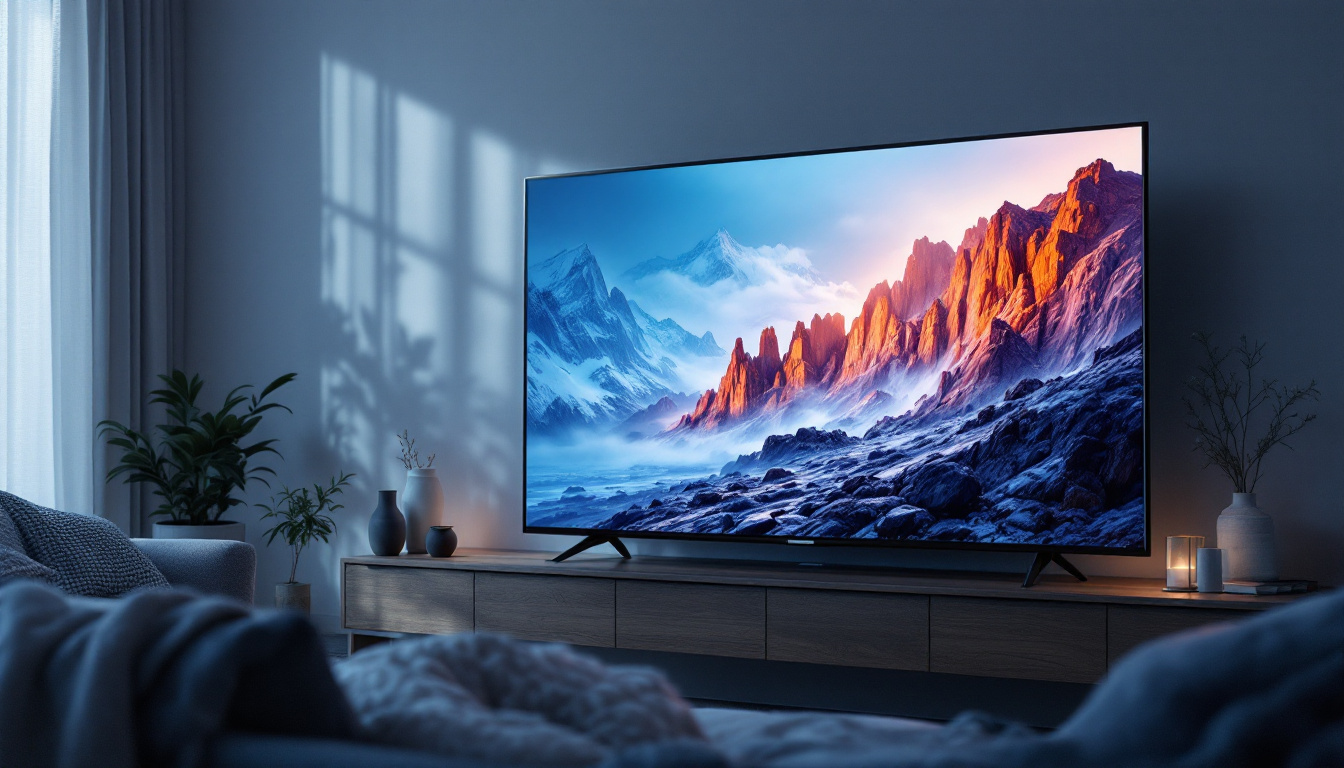
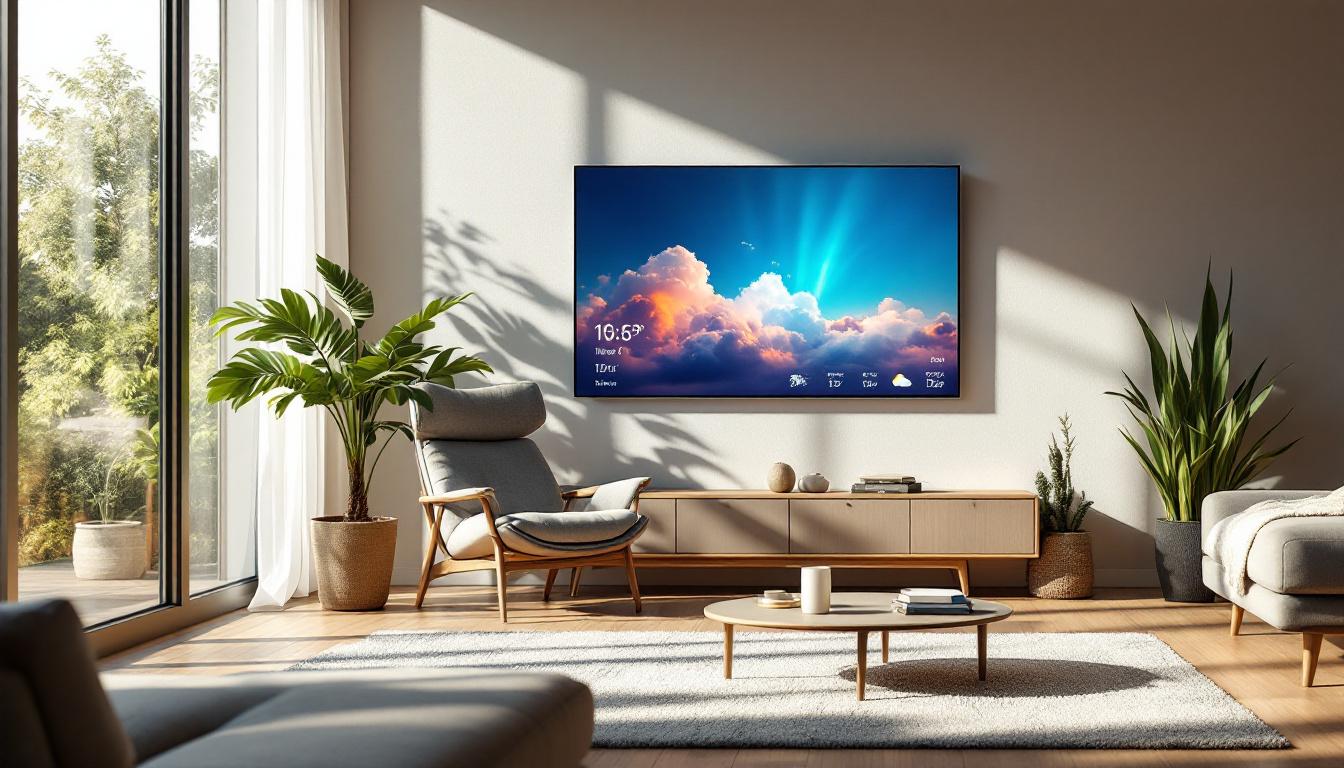
When integrated into home screens—whether on smartphones, smart mirrors, or dedicated weather stations—LED displays provide a clear and visually appealing way to present weather data. This can include temperature, humidity, precipitation forecasts, wind speed, and even severe weather alerts.
How LED Displays Present Weather Data
Weather data on LED displays is typically sourced from reliable meteorological services through APIs (Application Programming Interfaces). These APIs provide real-time weather information that the display device processes and converts into graphical and textual formats. For example, a smart home device might show a sun icon with a temperature reading during clear weather or a cloud and raindrop graphic when rain is expected.
The clarity and brightness of LED displays ensure that this information is easily readable from a distance and under various lighting conditions. This is especially useful for devices placed in kitchens, living rooms, or entryways where quick glances at the weather can help inform daily decisions.
Moreover, the adaptability of LED displays allows them to be programmed for different contexts and user preferences. For instance, a user might set their display to show not only the current weather but also a 7-day forecast, pollen counts, or even air quality indices. This level of customization enhances the user’s experience, allowing them to prioritize the information that matters most to them. Additionally, many LED displays can integrate with smart home systems, enabling them to adjust their brightness based on ambient light or even change content based on the time of day, ensuring that the information is always accessible and relevant.
Furthermore, the integration of LED technology with IoT (Internet of Things) devices has opened up new possibilities for weather visualization. For example, some advanced weather stations can collect data from multiple sensors placed around a property, providing hyper-local weather updates that are displayed in real-time. This not only enhances the accuracy of the information presented but also allows users to make informed decisions about outdoor activities, gardening, or travel plans based on localized weather conditions. As technology continues to evolve, the potential for LED displays in weather visualization will only expand, offering even more innovative ways to keep users informed and engaged with their environment.
Benefits of Displaying Weather on Home Screens Using LED Technology
Integrating weather information into LED home screens offers several advantages beyond mere convenience. These benefits highlight why this technology is gaining popularity among homeowners and tech enthusiasts alike.
Instant Access and Real-Time Updates
One of the primary benefits is the immediacy of information. Unlike checking a weather app on a phone or computer, an LED display on a home screen continuously updates and presents weather data without requiring user interaction. This passive access means you can effortlessly stay informed throughout the day.
For example, smart LED displays can automatically update every 15 minutes or even more frequently during severe weather conditions, ensuring you receive the latest forecasts and warnings without delay.
Energy Efficiency and Longevity
LED displays consume less power compared to other display technologies, which is crucial for devices meant to run continuously. Their long lifespan—often exceeding 50,000 hours—means that these displays are reliable and cost-effective over time. This makes them an excellent choice for dedicated weather stations or integrated smart home panels.
Customization and Aesthetic Appeal
Many LED weather displays offer customizable interfaces, allowing users to choose what weather parameters to show and how they appear. From minimalist temperature-only readouts to detailed forecasts with animated icons, the flexibility enhances user experience and complements home decor.
Additionally, LED displays can be designed in various sizes and shapes, from compact desk units to wall-mounted panels, fitting seamlessly into different living spaces.
Popular Devices and Platforms Featuring LED Weather Displays
The market for smart home devices with LED weather displays has expanded rapidly, catering to diverse user needs and preferences. Below are some of the most popular categories and examples that illustrate how this technology is applied.
Smartphones and Tablets
Many modern smartphones feature LED notification lights or always-on displays that can show weather icons and temperature at a glance. For instance, Android devices often support widgets that use LED-like graphics to display real-time weather on the home screen, providing quick access without unlocking the device.
Apple’s iOS devices also offer weather widgets that integrate seamlessly with the home screen, though they rely on OLED or LCD technology rather than discrete LEDs. Nonetheless, the concept of instant weather display remains central to user experience.
Smart Mirrors and Home Hubs
Smart mirrors equipped with LED displays are becoming increasingly popular in bathrooms and bedrooms. These mirrors can show the current weather alongside news headlines, calendar events, and traffic updates. The LED technology ensures that weather icons and data remain visible even in low-light conditions.
Similarly, smart home hubs like Amazon Echo Show or Google Nest Hub use LED-backlit screens to present weather forecasts in a visually engaging way. While these are not purely LED displays, they leverage LED backlighting to enhance clarity and brightness.
Dedicated Weather Stations
For weather enthusiasts and professionals, dedicated LED weather stations provide detailed and accurate meteorological data. Devices such as the Netatmo Weather Station or Ambient Weather WS-2902C use LED displays to show temperature, humidity, barometric pressure, and forecast trends. These units often connect to smartphone apps for deeper analysis but offer immediate data visualization on the device itself.
How to Set Up Weather Displays on Your Home Screen
Setting up a weather display on your home screen using LED technology can range from simple widget installations to configuring dedicated devices. Here’s a guide to help you get started.
Using Weather Widgets on Smartphones
Most smartphones support weather widgets that can be placed on the home screen. To add one:
- Long-press on an empty area of your home screen.
- Select “Widgets” from the menu.
- Find the weather widget provided by your preferred weather app.
- Drag and drop the widget onto your home screen.
- Customize the widget settings to display the desired weather information.
These widgets often use LED-style graphics for clear visibility and can update automatically throughout the day.
Installing Smart Home Weather Displays
For those interested in dedicated devices, the setup usually involves:
- Connecting the device to your home Wi-Fi network.
- Downloading the companion app to configure preferences.
- Selecting the location for accurate local weather data.
- Customizing display options such as units (Celsius/Fahrenheit), update frequency, and alert settings.
Once configured, these devices provide continuous weather updates via their LED displays, often with minimal maintenance required.
Integrating Weather Data with Smart Home Systems
Advanced users can integrate weather displays into broader smart home ecosystems. Platforms like Apple HomeKit, Google Home, and Amazon Alexa allow for automation based on weather conditions. For example, smart blinds can close automatically if rain is detected, or heating systems can adjust based on outdoor temperatures.
Many of these systems utilize LED displays on central control panels or smart assistants to provide visual weather updates, enhancing the overall smart home experience.
Future Trends in LED Weather Displays
The intersection of LED technology and weather visualization continues to evolve, driven by advances in display technology, data accuracy, and user interface design.
MicroLED and Flexible Displays
Emerging MicroLED technology promises even brighter, more energy-efficient, and flexible displays. This could lead to weather displays integrated into unconventional surfaces such as windows, furniture, or clothing, providing weather updates in innovative and unobtrusive ways.
Enhanced Data Visualization and AI Integration
Artificial intelligence is enabling smarter interpretation of weather data, allowing displays to show personalized forecasts and actionable insights. For example, an LED display might suggest the best time to water plants based on humidity and rainfall predictions or recommend appropriate clothing for the day.
Increased Connectivity and IoT Integration
As the Internet of Things (IoT) expands, LED weather displays will become more interconnected with other smart devices. This integration will facilitate comprehensive home automation, where weather information directly influences lighting, security, and energy management systems.
Conclusion
Displaying weather on home screens using LED technology offers a blend of convenience, efficiency, and aesthetic appeal that enhances everyday living. From smartphones to smart mirrors and dedicated weather stations, LED displays provide clear, real-time weather information that helps users make informed decisions quickly.
As technology advances, these displays will become even more integrated, intelligent, and versatile, making them an indispensable part of smart homes worldwide. Whether you are a casual user or a weather enthusiast, leveraging LED weather displays can bring the power of accurate meteorological data right into your living space.
Explore the Future of Weather Display with LumenMatrix
Ready to elevate your home with the latest in LED display technology? LumenMatrix is at the forefront of creating immersive visual experiences that go beyond traditional weather updates. From captivating Indoor LED Wall Displays to dynamic Outdoor LED Wall Displays, and even specialized solutions like Vehicle LED Displays and LED Sports Displays, LumenMatrix offers a wide array of options to fit your unique needs. Embrace the future of smart living and check out LumenMatrix LED Display Solutions today to discover how you can transform your space with clarity, engagement, and style.