In today’s fast-paced world, clear and effective communication is essential for businesses, healthcare providers, and community organizations alike. Hillsboro Family Vision, a trusted eye care provider in Oregon, understands the importance of engaging with their patients and community members through modern technology. One of the most impactful tools they have embraced is the LED display. But what exactly is an LED display, and why has it become such a popular choice for businesses like Hillsboro Family Vision? This article will explore the technology behind LED displays, their benefits, and why they are an excellent investment for organizations aiming to enhance their visibility and communication.
Understanding LED Display Technology
What is an LED Display?
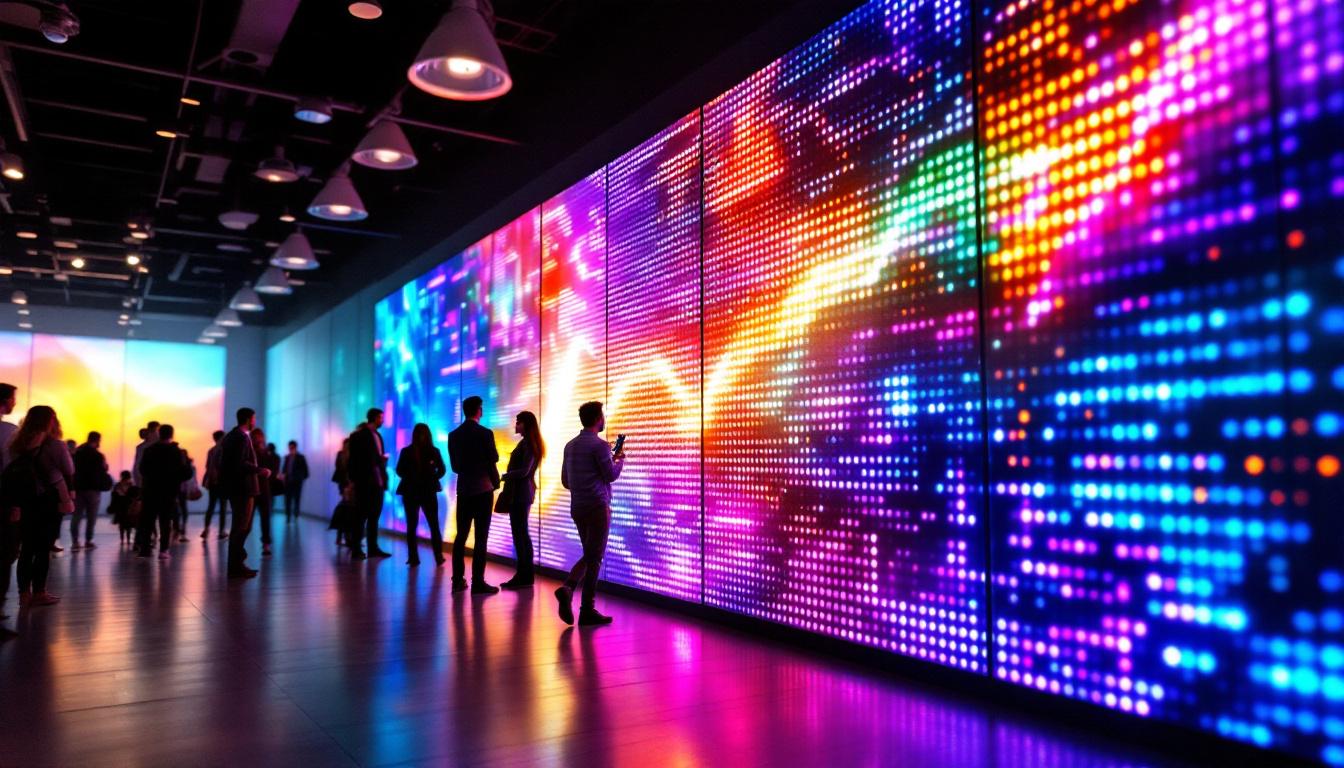
LED stands for Light Emitting Diode, a semiconductor device that emits light when an electric current passes through it. An LED display is a flat panel display that uses an array of light-emitting diodes as pixels to create images, videos, or text. These displays are widely used in various applications, from digital billboards and traffic signs to indoor screens in retail stores and medical offices.
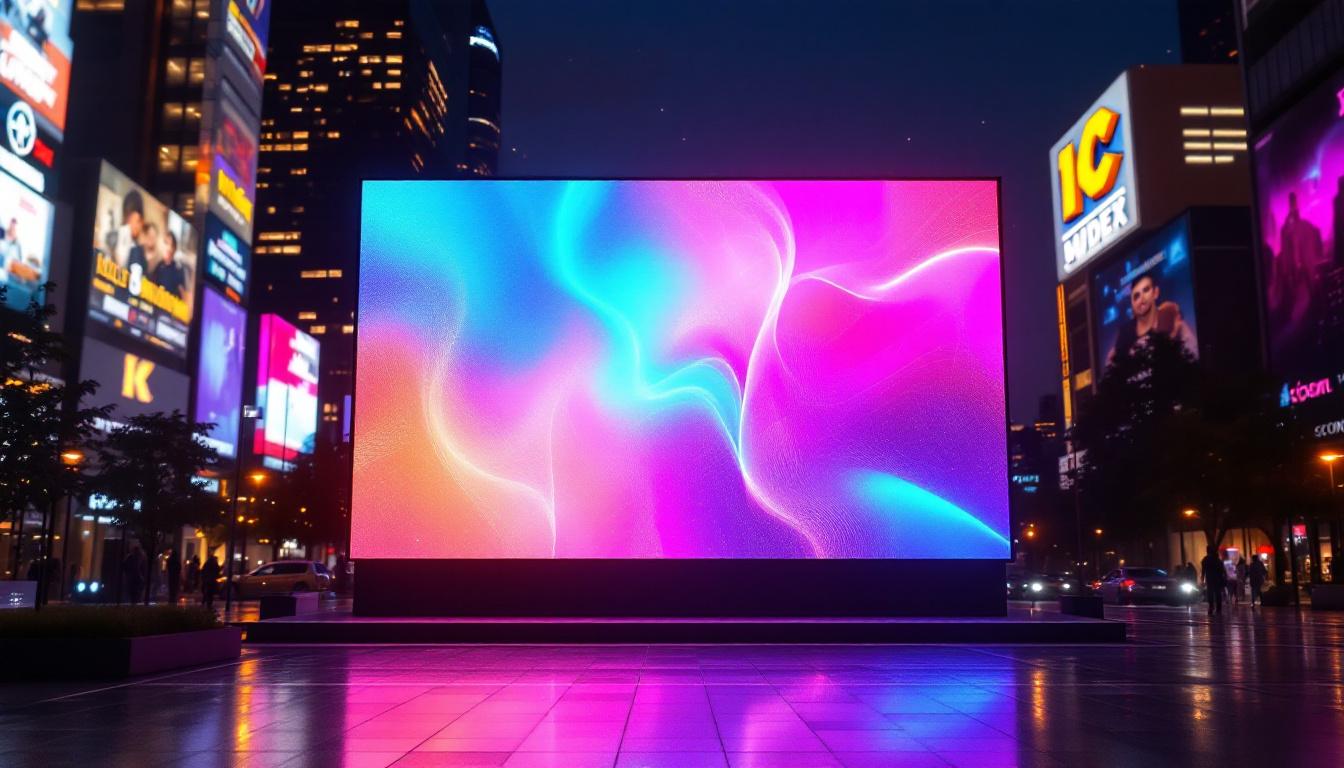
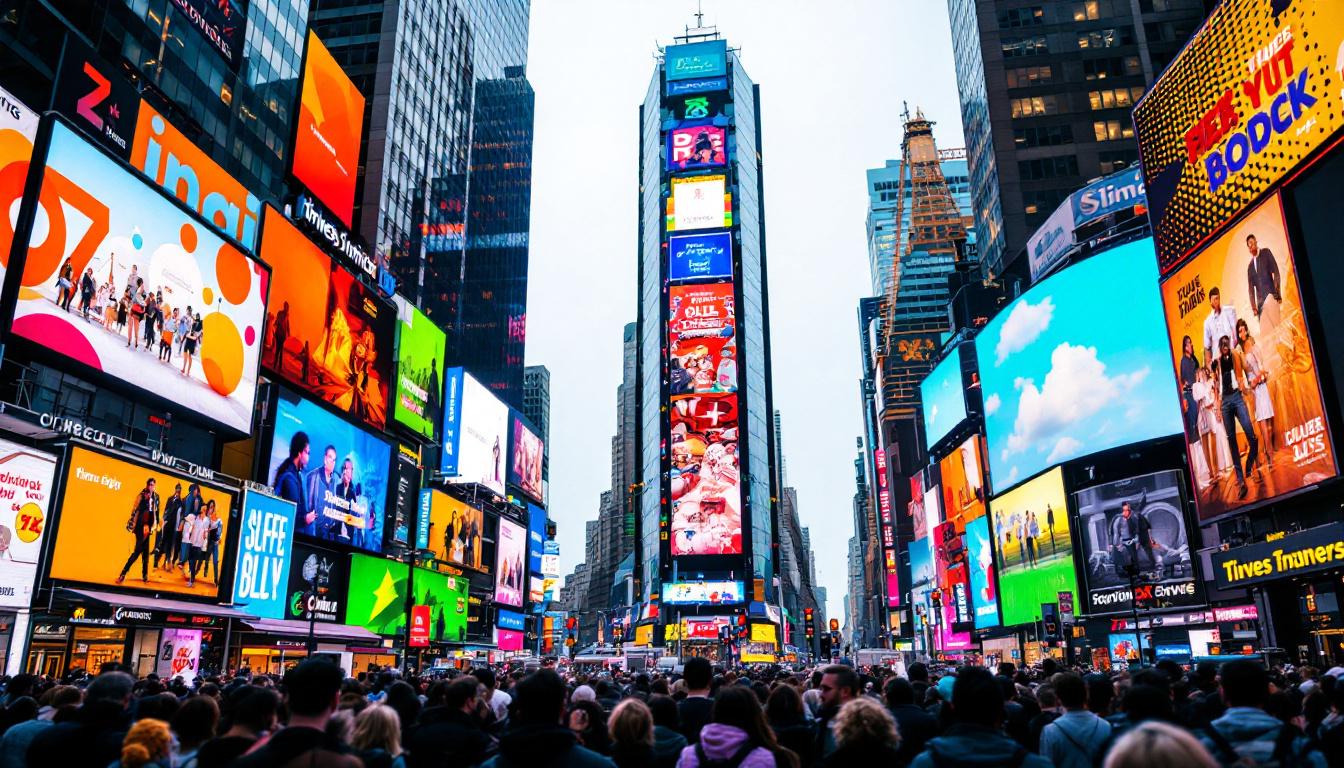
Unlike traditional LCD or plasma screens, LED displays offer superior brightness and contrast, making them highly visible even in direct sunlight. This feature is particularly important for outdoor signage or locations with strong ambient lighting. Additionally, LED displays are energy-efficient, durable, and capable of producing vibrant colors, which makes them an ideal choice for dynamic and eye-catching messaging. The longevity of LED technology also means that these displays can operate for tens of thousands of hours, significantly reducing maintenance costs and the need for frequent replacements.
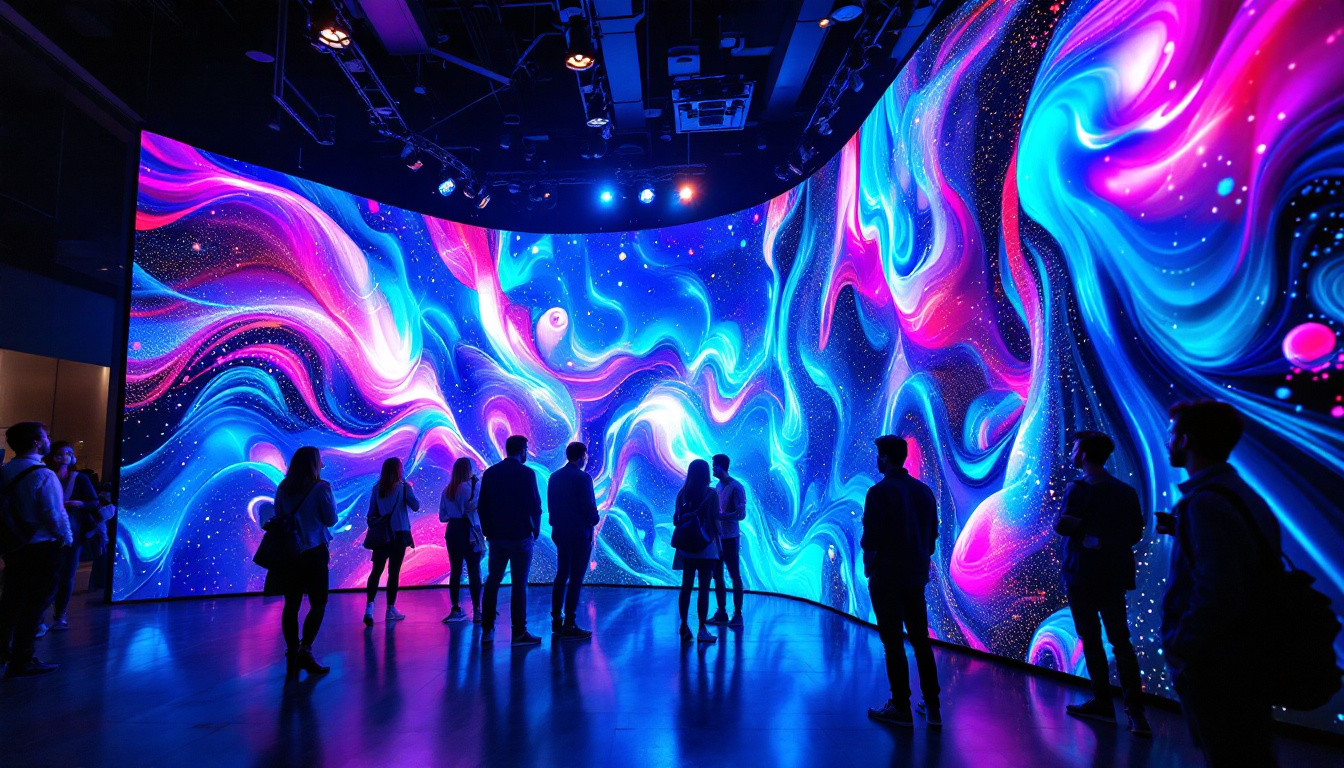
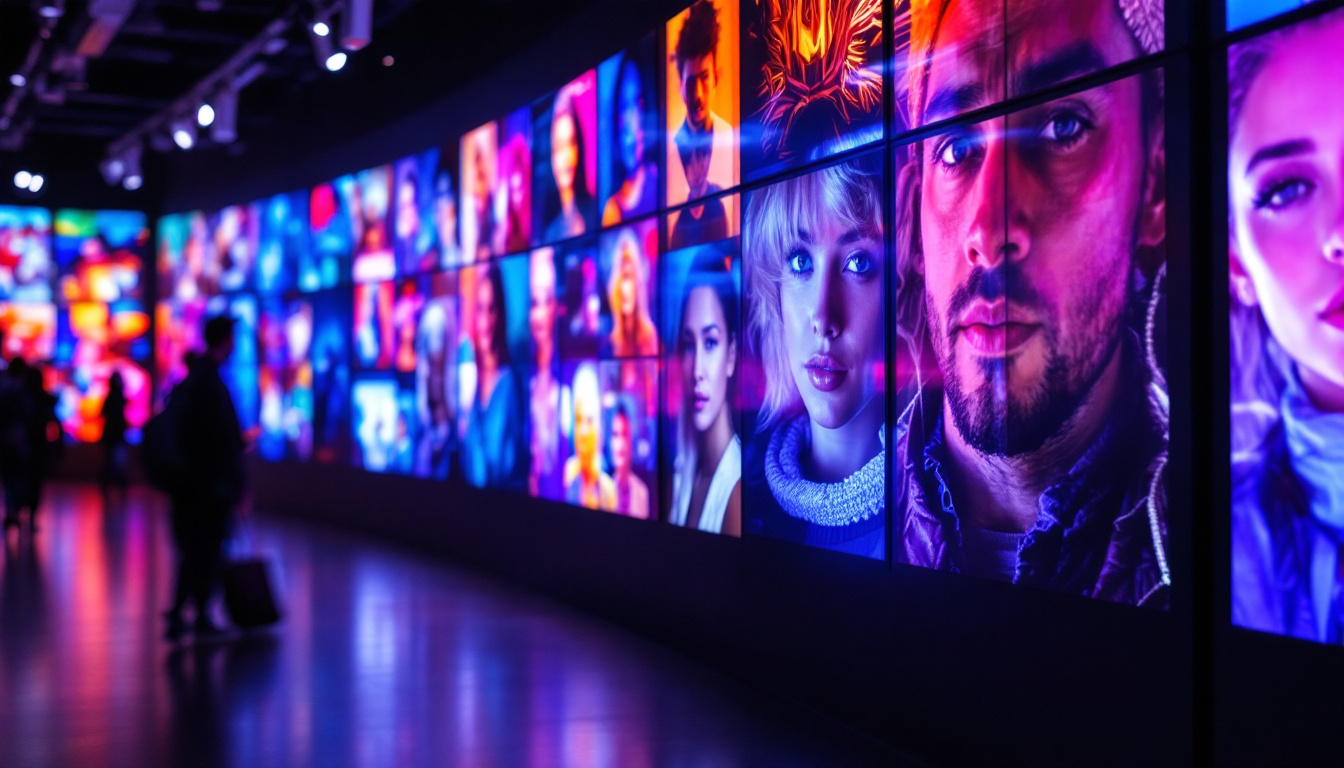
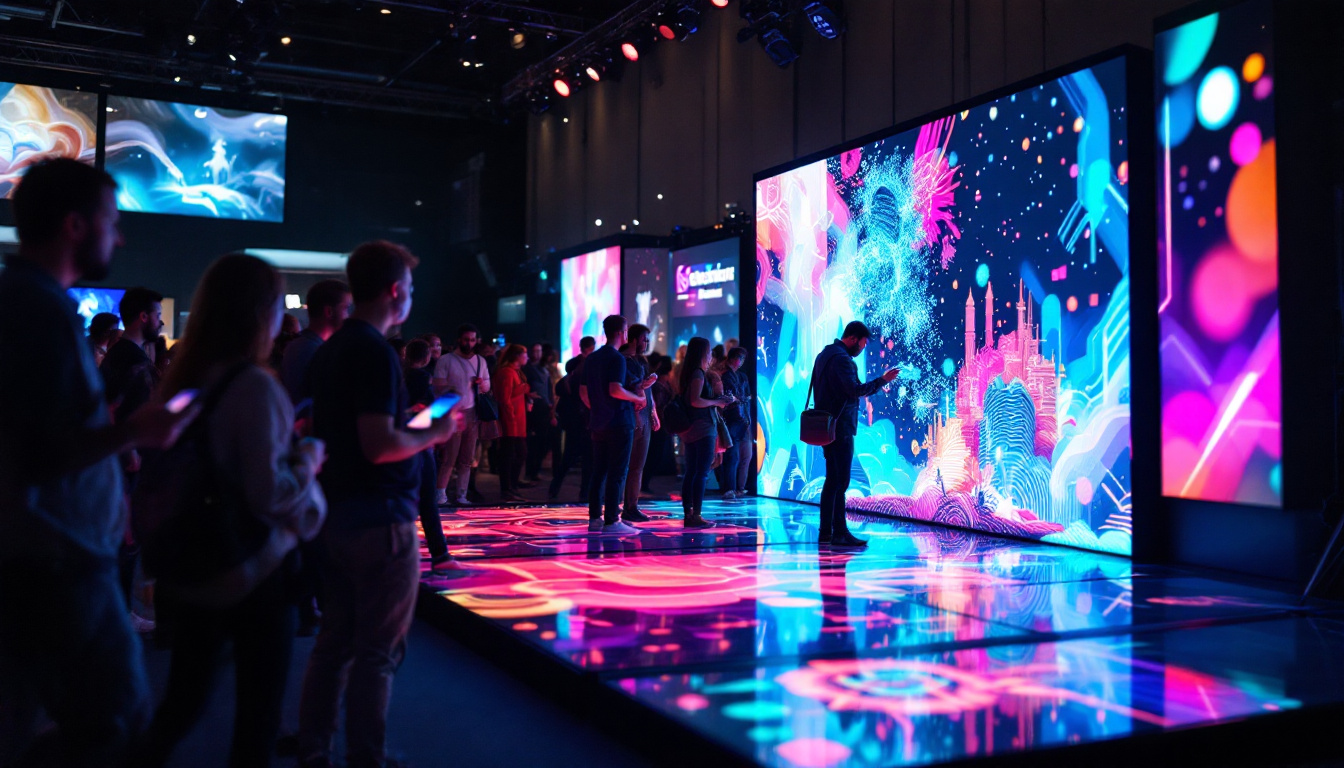
Furthermore, the versatility of LED displays extends beyond mere advertising; they are increasingly being used in artistic installations and entertainment venues. For instance, large-scale LED screens are often featured in concerts and festivals, where they enhance the visual experience by synchronizing with music and performances. The ability to create stunning visuals that captivate audiences has made LED displays a popular choice in the entertainment industry, where innovation and creativity are paramount.
How Do LED Displays Work?
At the core of an LED display are thousands of tiny LEDs arranged in a grid. Each LED acts as a pixel, and by varying the intensity of the light emitted by each diode, the display can produce a wide range of colors and images. Modern LED displays use red, green, and blue (RGB) diodes to create full-color images through a process called additive color mixing.
The display is controlled by a computer or a dedicated controller that sends signals to the LEDs, telling them when to light up and at what brightness. This allows for real-time updates, animations, and video playback, making LED displays incredibly versatile for different types of content. Additionally, advancements in technology have led to the development of smart LED displays that can connect to the internet, enabling remote management and content updates. This connectivity allows businesses to change their messaging instantly based on time of day, audience demographics, or even current events, making them a powerful tool for targeted marketing.
Moreover, the integration of sensors and AI technology into LED displays is paving the way for interactive experiences. For example, some displays can detect the presence of viewers and adjust their content accordingly, creating a more personalized engagement. This level of interactivity not only enhances user experience but also provides valuable data analytics for businesses, allowing them to understand viewer behavior and preferences better. As LED technology continues to evolve, the possibilities for its application seem limitless, promising even more innovative uses in the future.
Benefits of LED Displays for Healthcare Providers
Enhancing Patient Communication
For healthcare providers like Hillsboro Family Vision, effective communication with patients is crucial. LED displays offer a dynamic platform to share important information, such as office hours, health tips, appointment reminders, and promotional offers. Unlike static signs, LED displays can be updated instantly, allowing the practice to tailor messages based on time of day, season, or specific campaigns.
This flexibility helps improve patient engagement and satisfaction by keeping them informed and connected. For example, during flu season, the display can highlight vaccination reminders, while at other times, it might promote new eyewear collections or special discounts on eye exams.
Improving Visibility and Brand Presence
In a competitive healthcare market, standing out is essential. An LED display at the entrance or in the waiting area of Hillsboro Family Vision not only attracts attention but also reinforces the brand’s modern and patient-focused image. The bright, vivid visuals are more likely to catch the eye of passersby compared to traditional signage.
Studies have shown that digital signage can increase foot traffic by up to 30%, making it a valuable marketing tool. For a family vision center, this means more potential patients discovering their services and ultimately contributing to business growth.
Energy Efficiency and Long-Term Savings
LED displays are known for their low power consumption compared to other lighting technologies. This energy efficiency translates into lower operational costs for healthcare providers. Although the initial investment in an LED display may be higher than traditional signage, the long-term savings on electricity and maintenance make it a cost-effective solution.
Furthermore, LEDs have a longer lifespan, often exceeding 50,000 hours of continuous use. This durability reduces the need for frequent replacements and repairs, minimizing disruptions to the practice’s operations.
Types of LED Displays Suitable for Hillsboro Family Vision
Indoor LED Displays
Indoor LED displays are perfect for use inside the clinic, such as in waiting rooms or reception areas. These screens can display educational content about eye health, introduce the medical team, or showcase testimonials from satisfied patients. By providing engaging and informative content, the practice can create a more welcoming and comfortable environment.
Indoor LED displays typically have higher resolution and pixel density than outdoor models, ensuring crisp and clear images at close viewing distances. They come in various sizes and can be customized to fit the available space.
Outdoor LED Displays
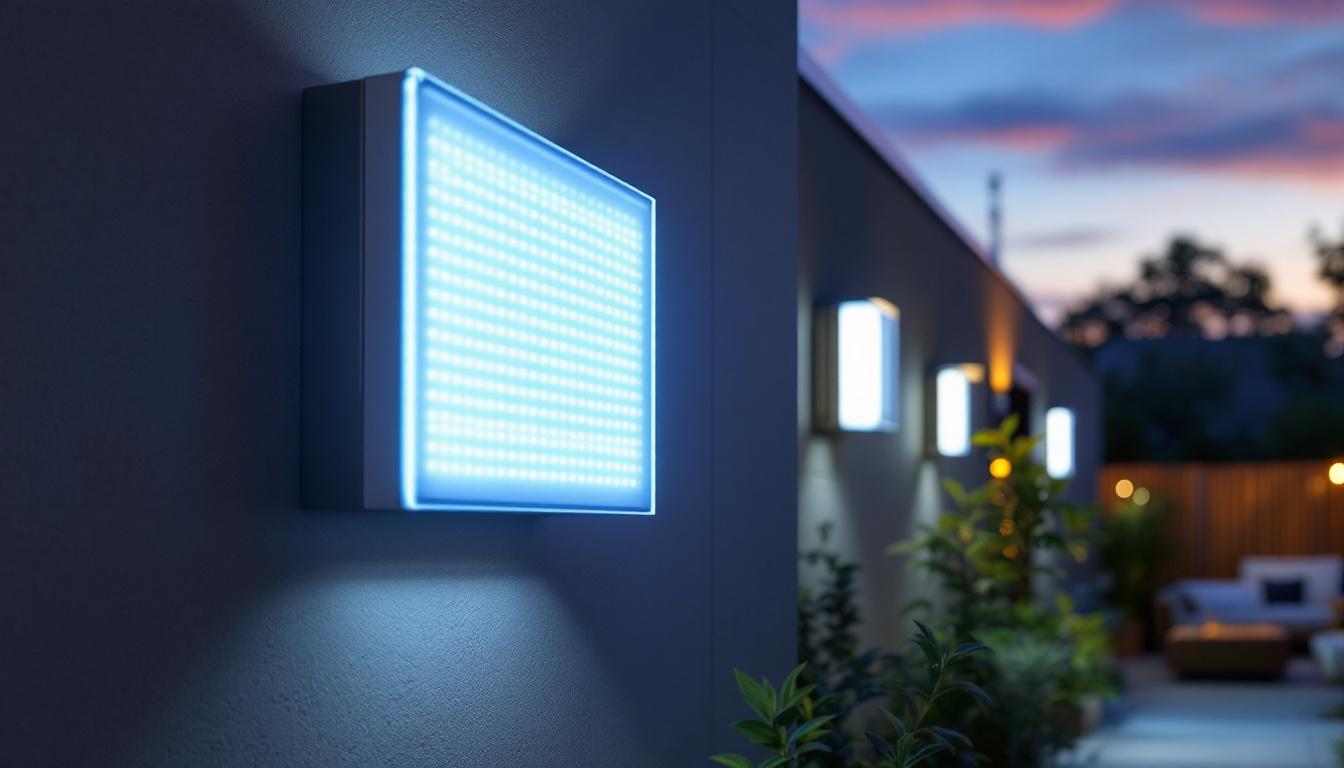
Outdoor LED displays are designed to withstand weather conditions such as rain, wind, and sunlight. For Hillsboro Family Vision, installing an outdoor LED sign can significantly enhance curb appeal and attract attention from drivers and pedestrians. These displays are built with waterproof and dustproof materials and offer high brightness levels to maintain visibility even in direct sunlight.
Outdoor LED signs can be programmed to show different messages throughout the day, such as welcoming patients in the morning, promoting special offers during business hours, or sharing community health announcements in the evening.
Interactive LED Displays
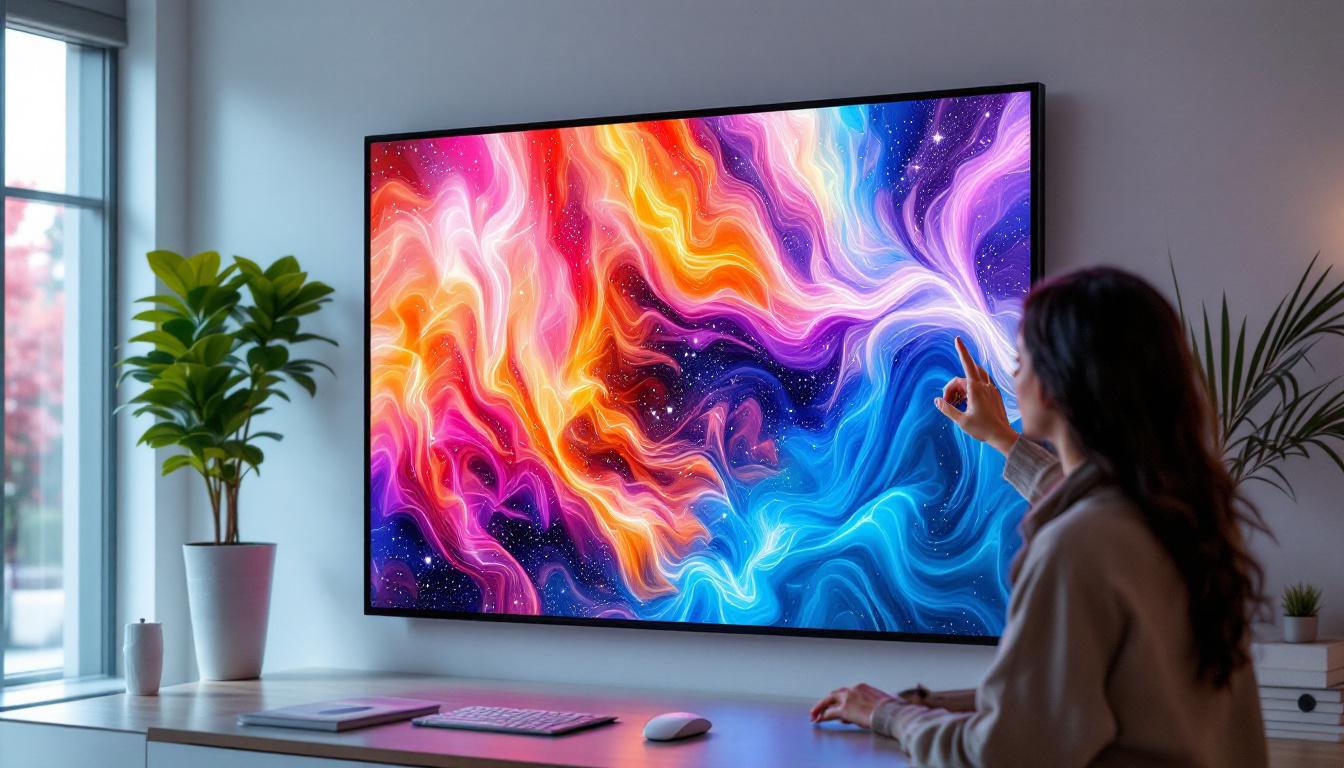
Interactive LED displays incorporate touch technology, allowing users to engage directly with the content. While more common in retail environments, these displays can also be valuable in healthcare settings. For example, Hillsboro Family Vision could use an interactive screen to help patients explore eyewear options, learn about eye conditions, or even check in for appointments.
Interactive displays enhance patient experience by providing personalized and hands-on information, which can improve understanding and satisfaction.
Implementing LED Displays: Best Practices for Hillsboro Family Vision
Content Strategy and Design
To maximize the impact of an LED display, it’s essential to develop a clear content strategy. Messages should be concise, visually appealing, and relevant to the audience. Using high-quality images and videos can capture attention more effectively than text alone.
Healthcare providers should focus on educational content that adds value, such as tips for maintaining eye health, explanations of common procedures, and updates about new services. Additionally, incorporating patient testimonials and staff introductions can build trust and rapport.
Scheduling and Updating Content
One of the advantages of LED displays is the ability to update content quickly and remotely. Hillsboro Family Vision should establish a schedule for rotating messages to keep the display fresh and engaging. For instance, morning messages might focus on appointment reminders, while afternoon content could highlight eyewear promotions.
Regular updates also ensure that information remains accurate and timely, which is critical in a healthcare environment where guidelines and recommendations can change frequently.
Compliance and Accessibility Considerations
When using LED displays in a medical setting, it’s important to ensure compliance with relevant regulations, such as the Health Insurance Portability and Accountability Act (HIPAA) in the United States. Content should avoid sharing any patient-specific information without consent.
Moreover, accessibility is a key consideration. Text should be legible with appropriate font sizes and color contrasts to accommodate patients with visual impairments. Audio features or complementary printed materials can also enhance accessibility.
The Future of LED Displays in Healthcare
Integration with Smart Technologies
As technology advances, LED displays are increasingly integrated with smart systems and the Internet of Things (IoT). This integration allows for automated content updates based on real-time data, such as weather conditions, traffic, or patient flow. For Hillsboro Family Vision, this could mean displaying wait times or directing patients to available parking spots.
Smart LED displays can also connect with mobile apps and social media platforms, enabling interactive campaigns and personalized messaging that enhance patient engagement.
Environmental Impact and Sustainability
With growing awareness of environmental sustainability, LED displays offer a greener alternative to traditional signage. Their energy efficiency and long lifespan contribute to reducing the carbon footprint of healthcare facilities. Additionally, many LED products are now manufactured with recyclable materials and designed for easy disassembly at the end of their lifecycle.
By adopting LED technology, Hillsboro Family Vision not only improves communication but also demonstrates a commitment to environmental responsibility, which resonates with many patients today.
Conclusion
LED displays have transformed the way businesses and healthcare providers communicate with their audiences. For Hillsboro Family Vision, investing in LED technology offers numerous advantages, from enhanced patient communication and increased visibility to energy efficiency and sustainability. Understanding the technology, selecting the right type of display, and implementing best practices in content management are key to maximizing the benefits of LED displays.
As the healthcare landscape continues to evolve, embracing innovative tools like LED displays can help practices like Hillsboro Family Vision stay connected with their communities, improve patient experiences, and reinforce their reputation as leaders in eye care.
Discover LumenMatrix LED Display Solutions
Ready to elevate your patient experience and clinic visibility with the latest in LED technology? Explore LumenMatrix’s comprehensive range of LED display solutions, designed to captivate and engage. From Indoor and Outdoor LED Wall Displays to specialized options like Vehicle, Sports, and Floor LED Displays, LumenMatrix has the perfect fit for your healthcare communication needs. Embrace the future of visual engagement with our Custom, All-in-One, and Transparent LED Displays. Check out LumenMatrix LED Display Solutions today and transform your practice’s approach to patient communication and brand presence.