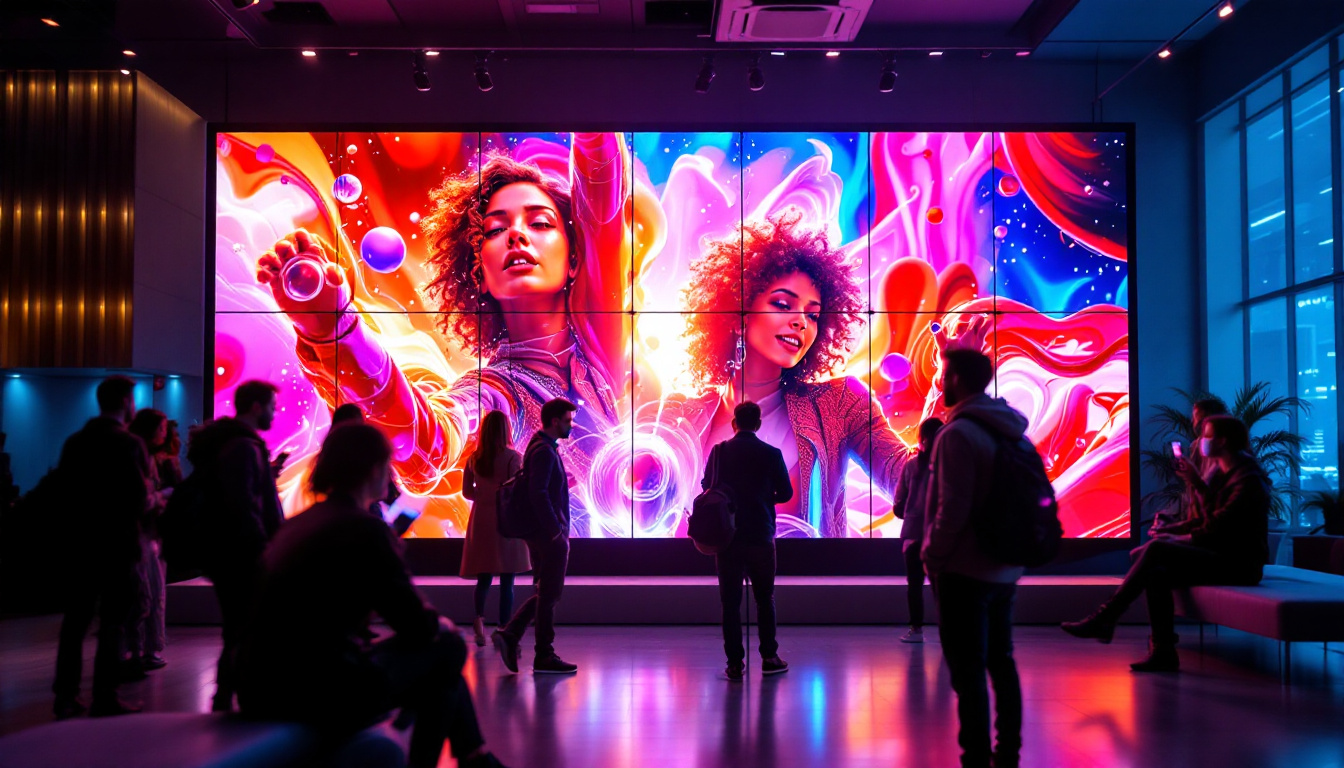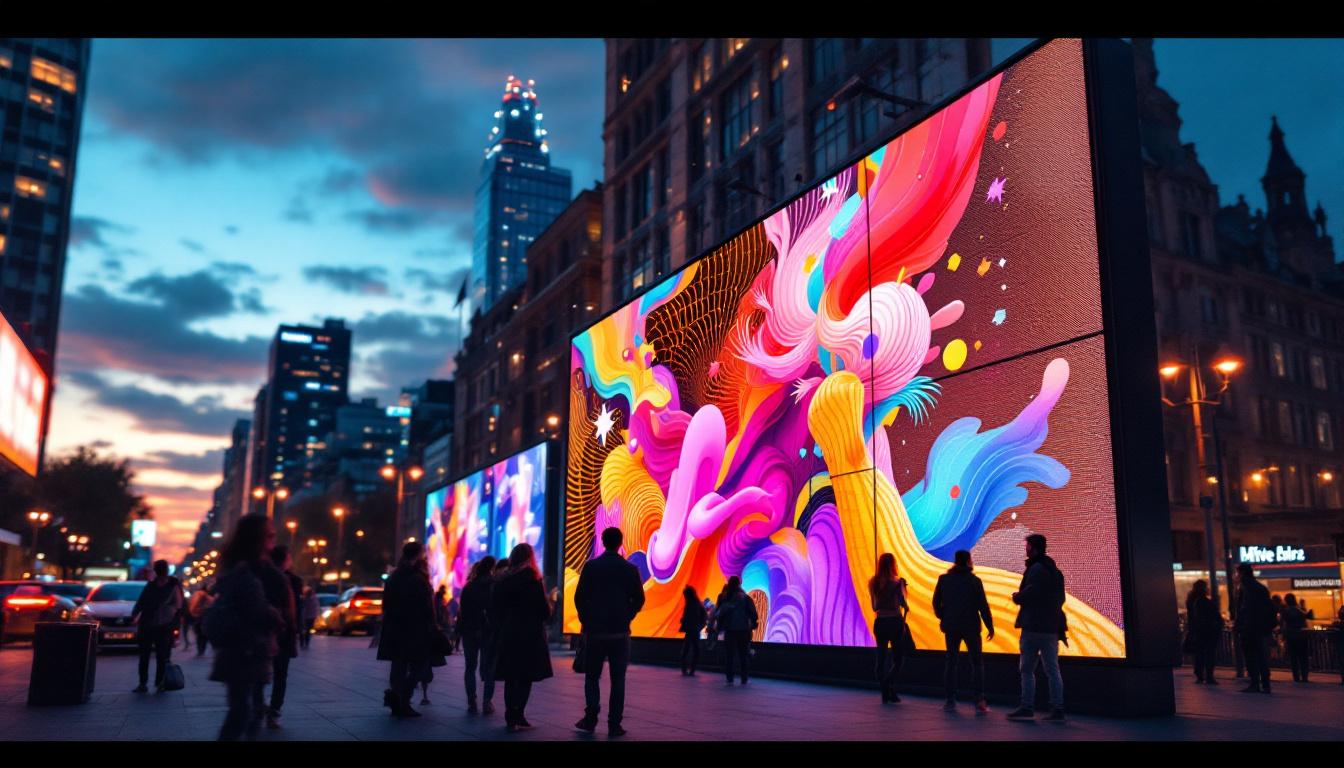
In today’s fast-paced world, communication is key, especially in public spaces where information needs to be conveyed quickly and effectively. Outdoor LED display boards have emerged as a powerful tool for businesses, municipalities, and event organizers to capture attention and deliver messages dynamically. But what exactly are these LED displays, how do they work, and why have they become so popular? This article delves deep into the world of outdoor LED display boards, explaining their technology, applications, benefits, and considerations for choosing the right display.
Understanding Outdoor LED Display Boards
What is an Outdoor LED Display Board?
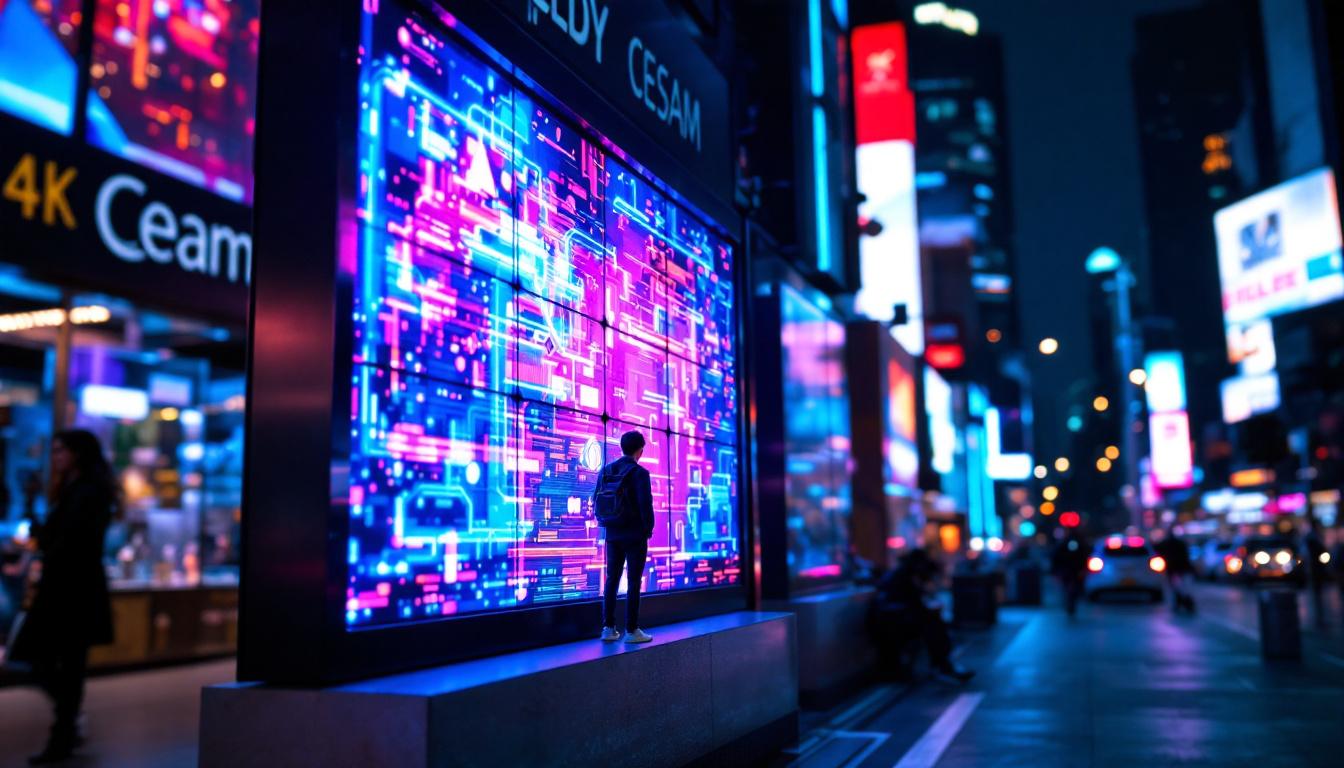
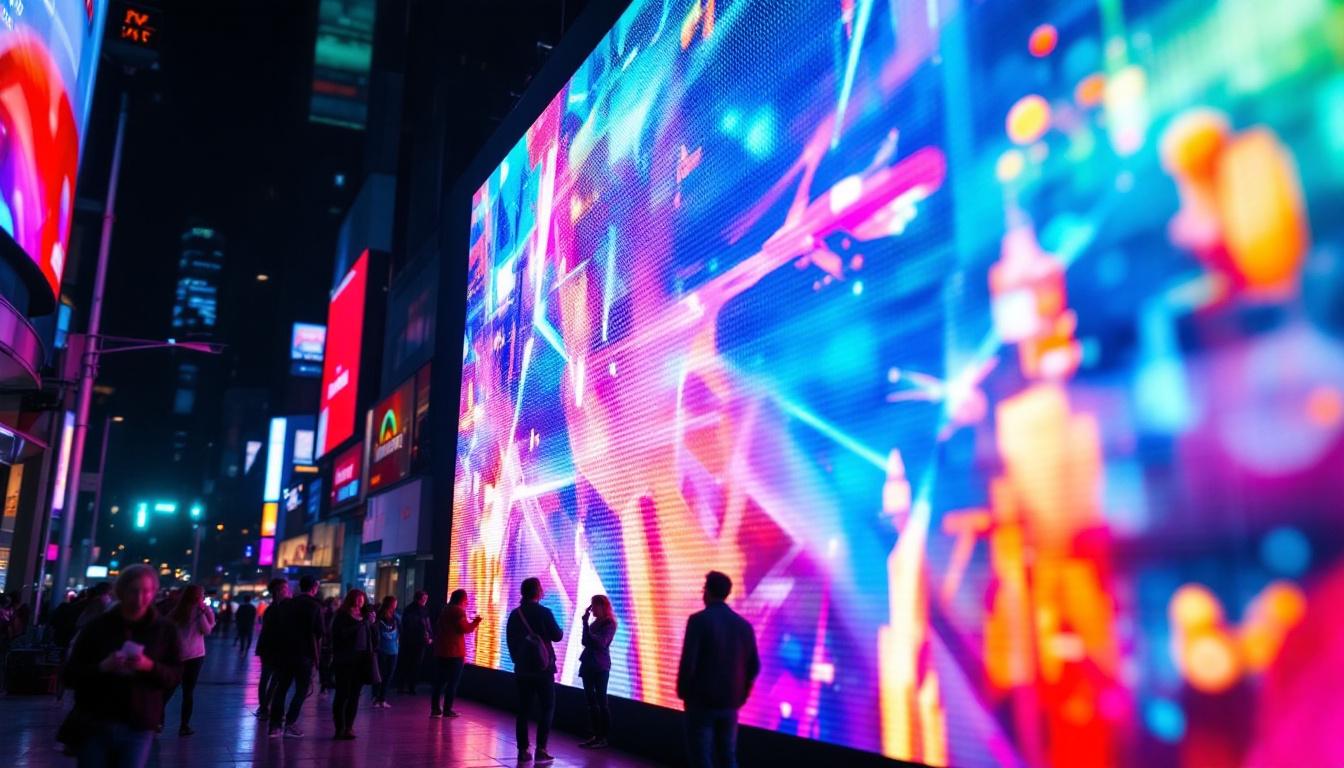
An outdoor LED display board is a large digital screen made up of light-emitting diodes (LEDs) that can display text, images, videos, and animations. Unlike traditional static billboards, LED displays are dynamic and programmable, allowing content to be updated in real-time. These boards are designed specifically for outdoor use, meaning they are built to withstand harsh weather conditions such as rain, wind, and direct sunlight.
The core technology behind these displays is the LED itself—a semiconductor device that emits light when an electric current passes through it. By arranging thousands of tiny LEDs in a grid, the display can produce vibrant, high-resolution images that are visible even from long distances and under bright daylight. This capability makes outdoor LED display boards an ideal choice for advertising, public announcements, and entertainment, as they can capture the attention of passersby more effectively than traditional signage.
Additionally, outdoor LED displays are often equipped with features such as high refresh rates and wide viewing angles, ensuring that the content remains sharp and clear from various perspectives. The energy efficiency of LEDs also contributes to their popularity; they consume significantly less power compared to other lighting technologies, making them a more sustainable option for businesses looking to reduce their carbon footprint.
How Do Outdoor LED Displays Work?
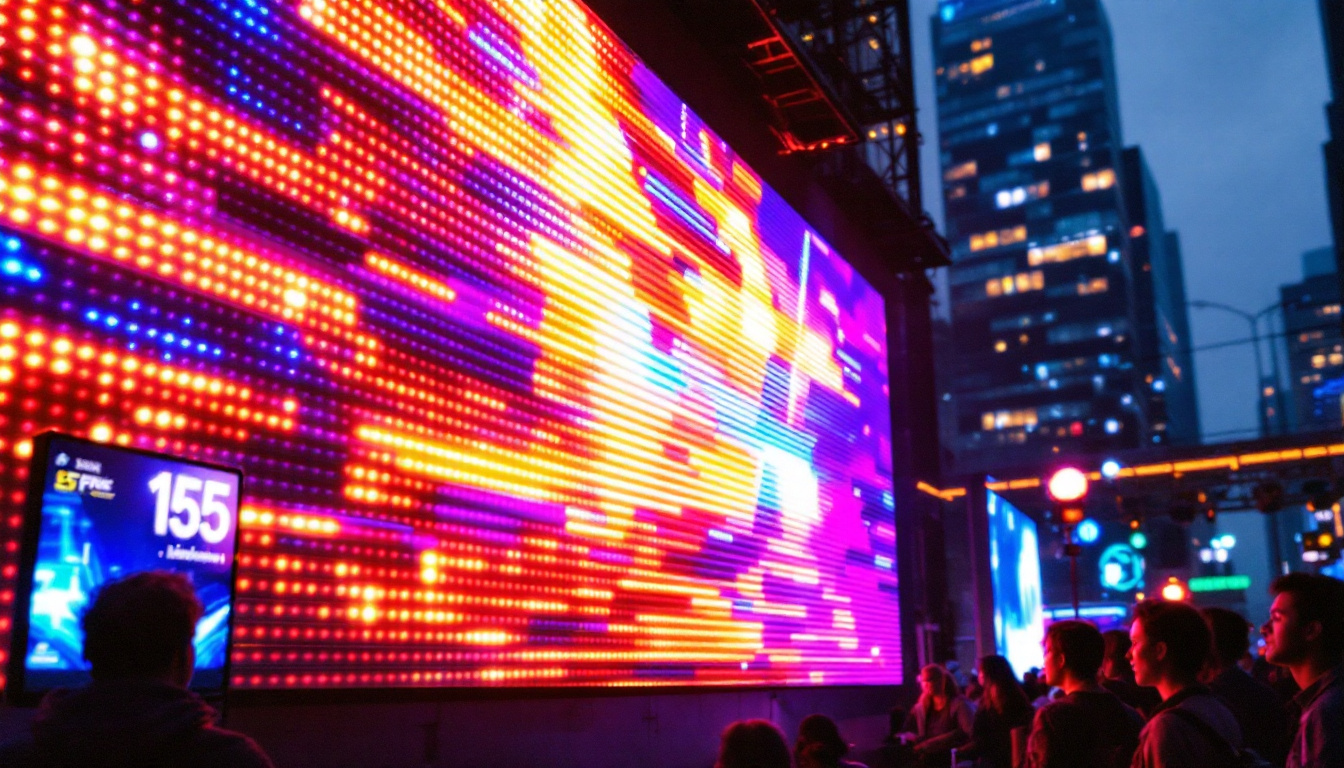
Outdoor LED display boards operate by illuminating clusters of red, green, and blue LEDs in varying intensities to create a full spectrum of colors. Each cluster, known as a pixel, combines these three primary colors to produce the desired color output. The display controller manages the timing and brightness of each LED, enabling the screen to render complex images and videos smoothly. This pixel-based technology allows for intricate designs and animations that can be tailored to specific marketing campaigns or events.
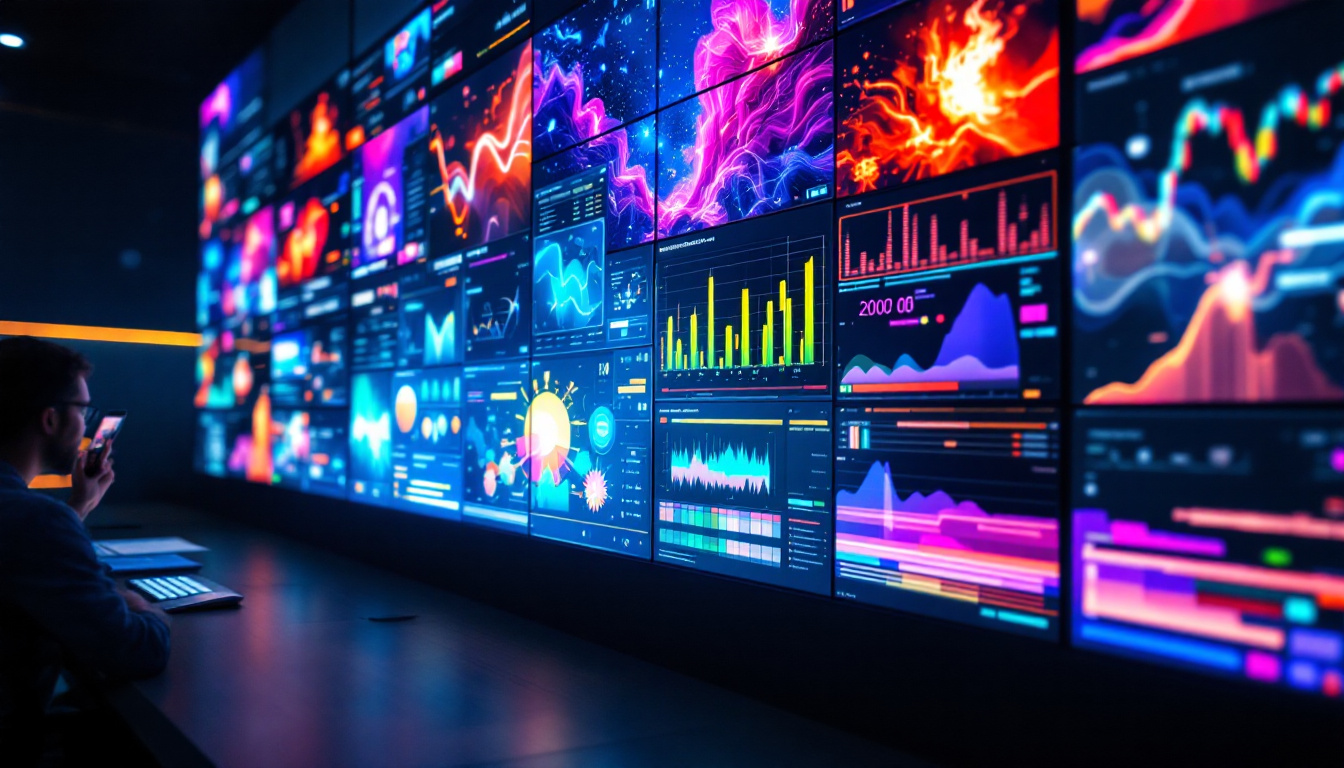
Modern outdoor LED displays use advanced control systems that connect to computers or cloud-based platforms. This allows users to schedule content, adjust brightness automatically based on ambient light, and even integrate live data feeds such as news, weather, or social media updates. The modular design of these boards also means that individual LED panels can be replaced or maintained without dismantling the entire display. Furthermore, many outdoor LED displays are equipped with sensors that monitor environmental conditions, ensuring optimal performance and longevity by adjusting settings based on temperature and humidity levels.
Another fascinating aspect of outdoor LED displays is their ability to engage audiences through interactive features. Some boards are designed with touch capabilities or can respond to mobile devices, allowing users to participate in polls, contests, or games directly from their smartphones. This interactivity not only enhances viewer engagement but also provides valuable data for businesses to analyze consumer behavior and preferences. As technology continues to evolve, the potential applications for outdoor LED display boards will only expand, making them an essential tool for communication in public spaces.
Applications of Outdoor LED Display Boards
Advertising and Marketing
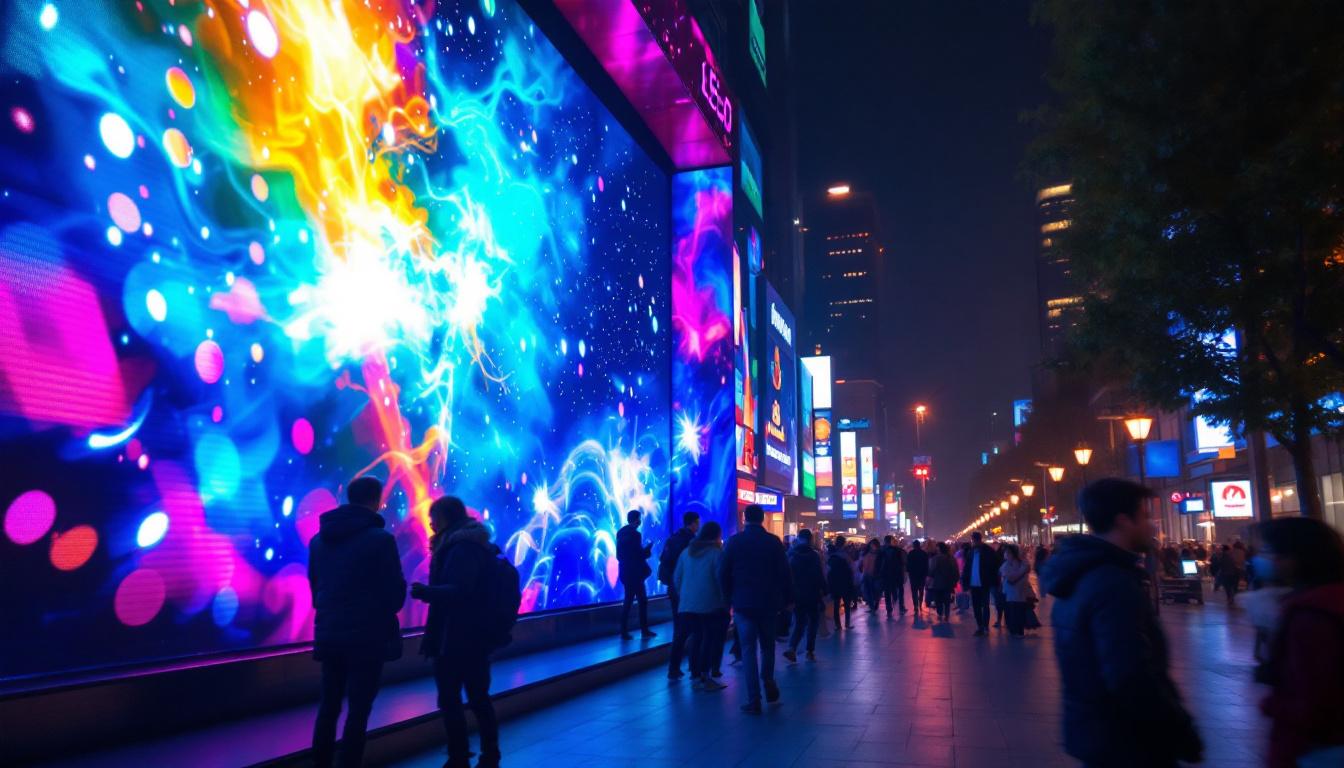
One of the most common uses of outdoor LED display boards is in advertising. According to a 2023 report by the Digital Signage Federation, digital out-of-home advertising, which includes LED displays, has grown by over 15% annually worldwide. These displays offer advertisers the flexibility to showcase multiple campaigns throughout the day, target specific audiences based on time or location, and create eye-catching animations that static billboards cannot match.
Retailers, shopping malls, and restaurants frequently use LED boards to promote sales, new products, or special events. The ability to update content remotely means advertisers can respond swiftly to market trends or competitor activity, maximizing the impact of their campaigns.
Public Information and Safety
Municipalities and government agencies utilize outdoor LED displays to communicate important public information such as traffic updates, emergency alerts, weather warnings, and community announcements. For example, during natural disasters, LED boards can broadcast evacuation routes or safety instructions in real-time, potentially saving lives.
Transportation hubs like airports, train stations, and bus terminals also rely on LED displays to provide travelers with up-to-date schedules and gate information. The high visibility and clarity of LED screens make them ideal for environments where timely communication is critical.
Events and Entertainment
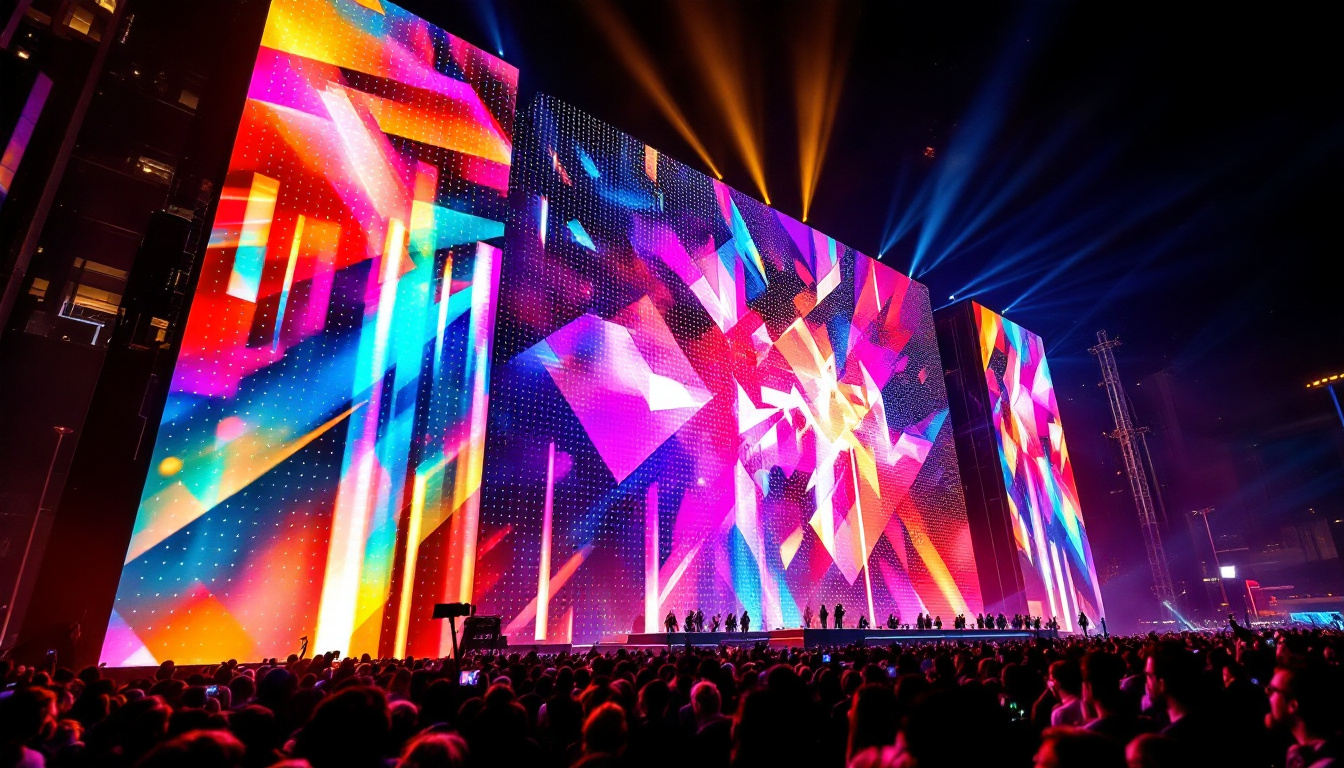
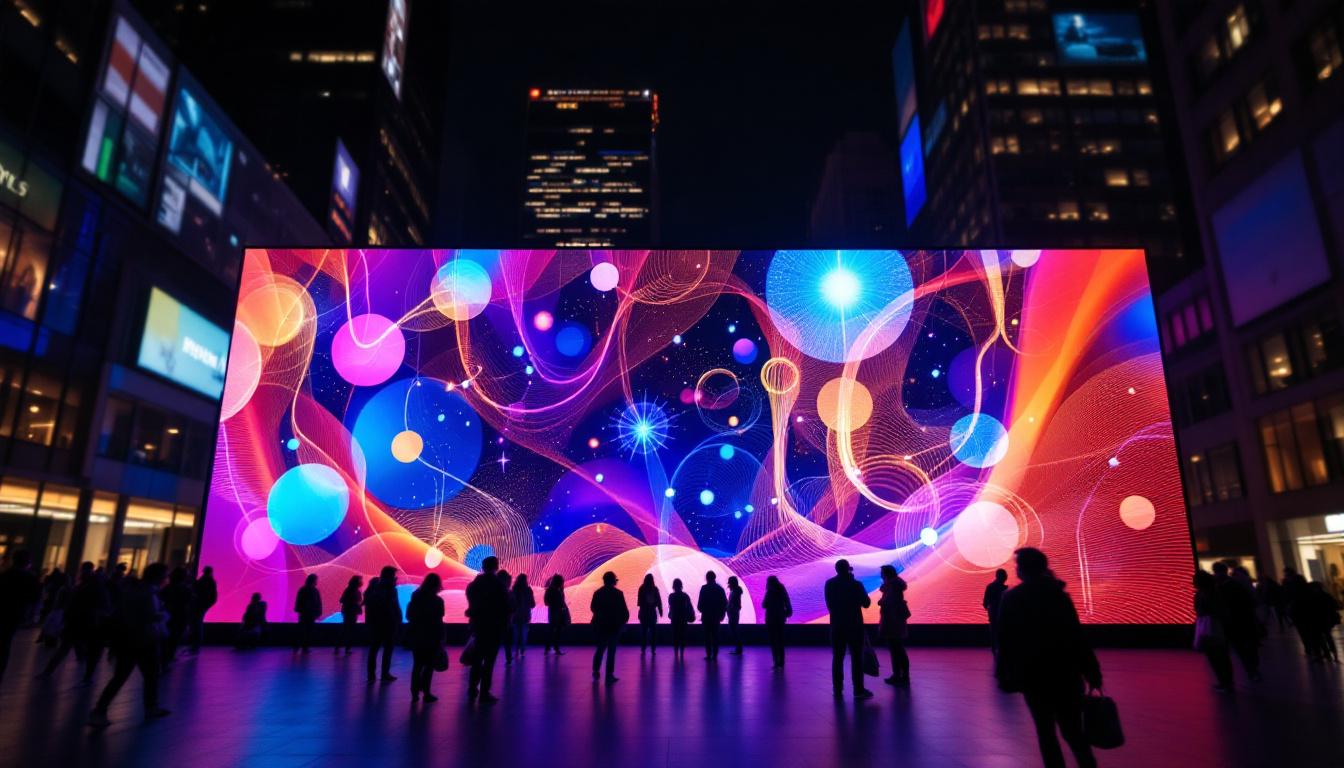
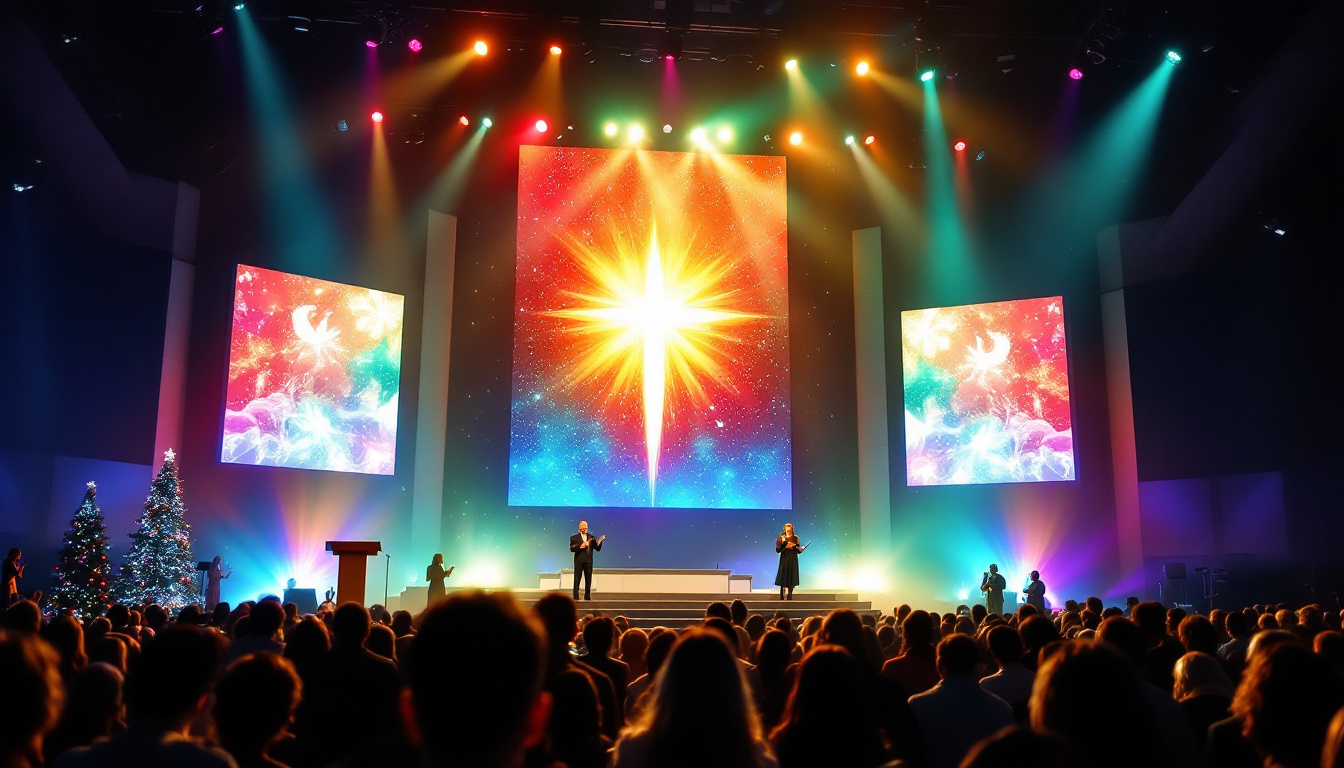
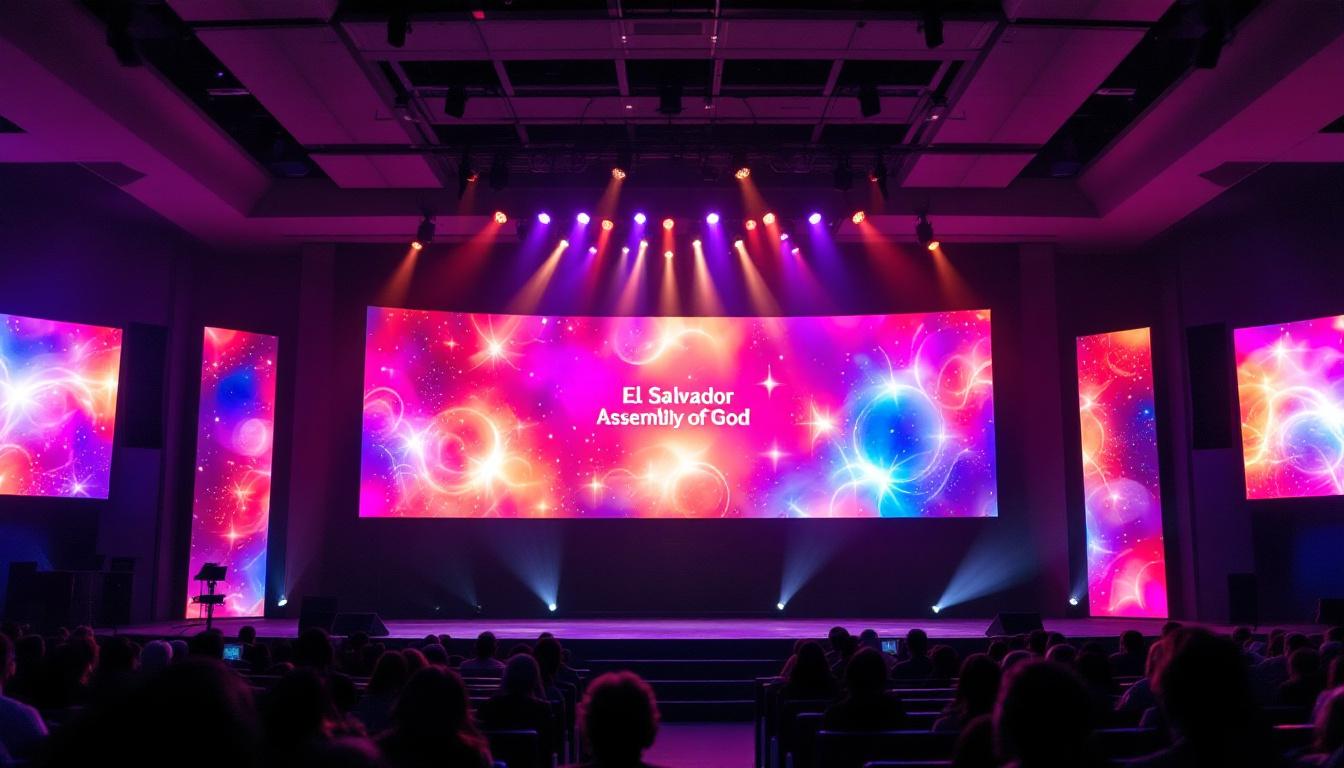
Outdoor LED display boards have become a staple at concerts, sports events, festivals, and outdoor exhibitions. They enhance the audience experience by displaying live footage, scores, advertisements, and interactive content. Large stadiums often feature massive LED screens that can be seen from every seat, ensuring no one misses the action.
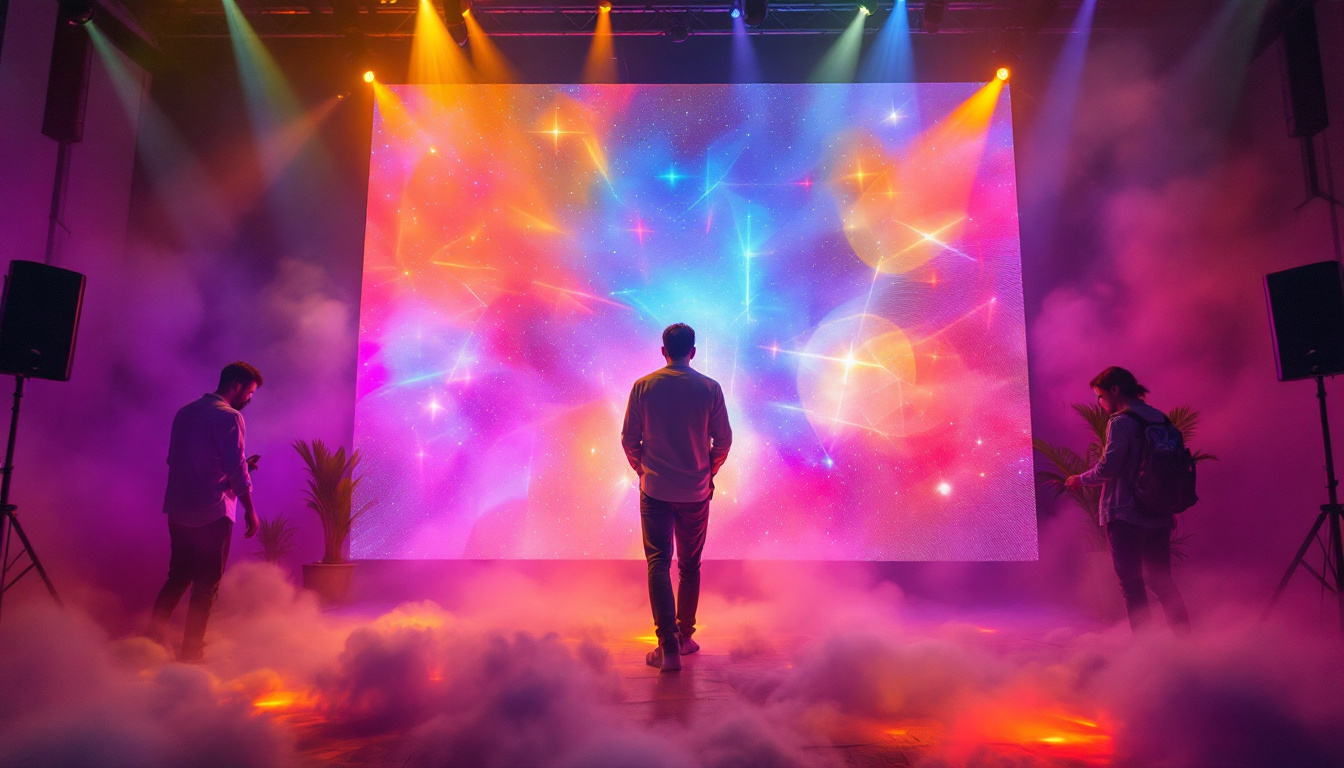
Additionally, event organizers use LED displays to create immersive environments with dynamic lighting and visuals, adding to the overall atmosphere and engagement.
Key Benefits of Outdoor LED Display Boards
High Visibility and Brightness
One of the standout advantages of outdoor LED displays is their exceptional brightness. Unlike LCD or projection screens, LEDs can produce intense light levels, sometimes exceeding 5,000 nits, making them easily readable even in direct sunlight. This ensures that messages remain clear and vibrant regardless of weather or time of day.
Energy Efficiency and Longevity
LED technology is known for its energy efficiency compared to traditional lighting and display methods. Outdoor LED boards consume significantly less power while delivering superior brightness. Advances in LED manufacturing have also extended the lifespan of these displays, with many rated for over 100,000 hours of operation. This translates to lower maintenance costs and a better return on investment for users.
Flexibility and Dynamic Content
Unlike static signs, LED displays offer unparalleled flexibility in content management. Users can schedule different messages for different times of day, incorporate animations or videos, and even display real-time information feeds. This adaptability makes LED boards suitable for a wide range of applications and allows for creative marketing strategies.
Durability and Weather Resistance
Outdoor LED display boards are engineered to withstand extreme environmental conditions. They typically feature waterproof casings, anti-corrosion materials, and robust cooling systems to prevent overheating. This durability ensures consistent performance and reduces downtime caused by weather-related damage.
Choosing the Right Outdoor LED Display Board
Resolution and Pixel Pitch
When selecting an outdoor LED display, resolution and pixel pitch are critical considerations. Pixel pitch refers to the distance between the centers of two adjacent pixels, usually measured in millimeters. A smaller pixel pitch means higher resolution and sharper images, which is important for displays that will be viewed up close.
For large roadside billboards or stadium screens, a pixel pitch of 10-20 mm is common, as viewers are typically farther away. For displays in plazas or retail storefronts where viewers are closer, a pixel pitch of 4-6 mm or less provides better clarity.
Brightness and Viewing Angle
Brightness is measured in nits, with outdoor LED displays generally ranging from 3,000 to 8,000 nits. Higher brightness ensures visibility under bright sunlight, but it’s also important to consider automatic brightness adjustment features to prevent glare at night.
The viewing angle determines how well the display can be seen from different directions. Wide viewing angles (typically 120 degrees or more horizontally and vertically) are essential for public spaces to ensure the message reaches as many people as possible.
Size and Installation Location
The physical size of the LED display should be chosen based on the installation location and intended audience distance. Larger displays are suitable for highways or stadiums, while smaller boards fit better in urban settings or storefronts.
Installation considerations include mounting options (wall-mounted, freestanding, or pole-mounted), power supply access, and environmental factors such as wind load and exposure to sunlight.
Control Systems and Connectivity
Modern outdoor LED displays come with sophisticated control systems that allow for remote content management via Wi-Fi, Ethernet, or cellular networks. Some systems support cloud-based platforms, enabling users to update content from anywhere in the world.
Integration with sensors, cameras, or data feeds can enhance functionality, allowing for interactive or context-aware displays.
Maintenance and Operational Considerations
Routine Maintenance
To ensure optimal performance, outdoor LED display boards require regular maintenance. This includes cleaning the surface to remove dust and debris, inspecting for damaged LEDs or panels, and checking electrical connections. Many manufacturers provide maintenance contracts or guidelines to help users keep their displays in top condition.
Energy Consumption and Cost Management
While LED displays are energy-efficient, their power consumption can add up, especially for large installations operating 24/7. Implementing energy-saving features such as ambient light sensors and scheduled power-down periods can help reduce operational costs.
Compliance and Safety
Outdoor LED displays must comply with local regulations regarding brightness, placement, and content, especially in residential or sensitive areas. Ensuring compliance helps avoid fines and community complaints. Additionally, proper electrical safety measures and weatherproofing are essential to prevent accidents and equipment damage.
The Future of Outdoor LED Display Technology
Advancements in LED Technology
Ongoing innovations continue to improve the quality and efficiency of outdoor LED displays. MicroLED technology, for instance, promises even higher resolution and brightness with lower power consumption. Flexible and transparent LED panels are also being developed, expanding the possibilities for creative installations.
Integration with Smart City Infrastructure
As cities become smarter, outdoor LED displays are increasingly integrated with urban data networks. This enables real-time traffic management, environmental monitoring, and interactive public services. For example, LED boards can adjust their messages based on traffic congestion or air quality data, enhancing urban living experiences.
Enhanced Interactivity and Personalization
Future outdoor LED displays are expected to incorporate more interactive features such as touch sensitivity, facial recognition, and augmented reality. These capabilities will allow advertisers and public agencies to deliver personalized content, improving engagement and effectiveness.
Conclusion
Outdoor LED display boards have revolutionized the way information is communicated in public spaces. Their vibrant visuals, dynamic content capabilities, and robust design make them an indispensable tool for advertising, public safety, entertainment, and more. Understanding the technology behind these displays, their applications, and the factors to consider when choosing and maintaining them is essential for maximizing their benefits.
As LED technology continues to evolve, outdoor displays will become even more versatile and integrated into everyday life, shaping the future of urban communication and engagement.
Illuminate Your Message with LumenMatrix
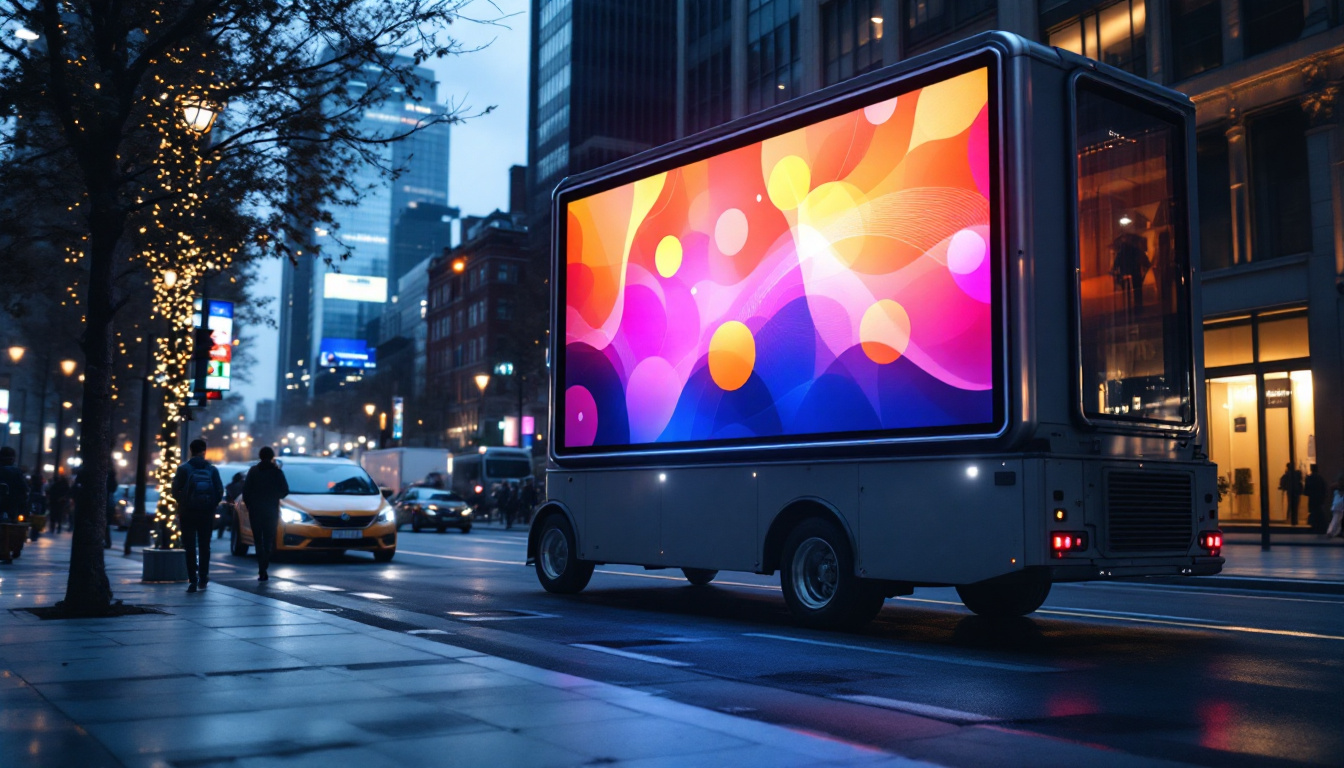
Ready to elevate your public communication and captivate your audience with unparalleled clarity? Discover LumenMatrix’s innovative LED display solutions, where cutting-edge technology meets creative design. From bustling city centers to thrilling sports arenas, our diverse range of products, including Indoor and Outdoor LED Wall Displays, Vehicle LED Displays, and more, are crafted to transform any space into a dynamic visual experience. Don’t just share your message—make it shine with the brilliance it deserves. Check out LumenMatrix LED Display Solutions today and step into the future of digital signage.