In recent years, video LED walls have transformed the way businesses, event organizers, and advertisers communicate visually with their audiences. From massive outdoor billboards to immersive indoor displays at concerts and conferences, LED video walls have become a staple of modern digital signage. But what exactly is a video LED wall, how does it work, and why is it gaining such widespread popularity? This article dives deep into the technology behind LED displays, their applications, benefits, and future trends shaping this dynamic industry.
Understanding Video LED Walls: The Basics
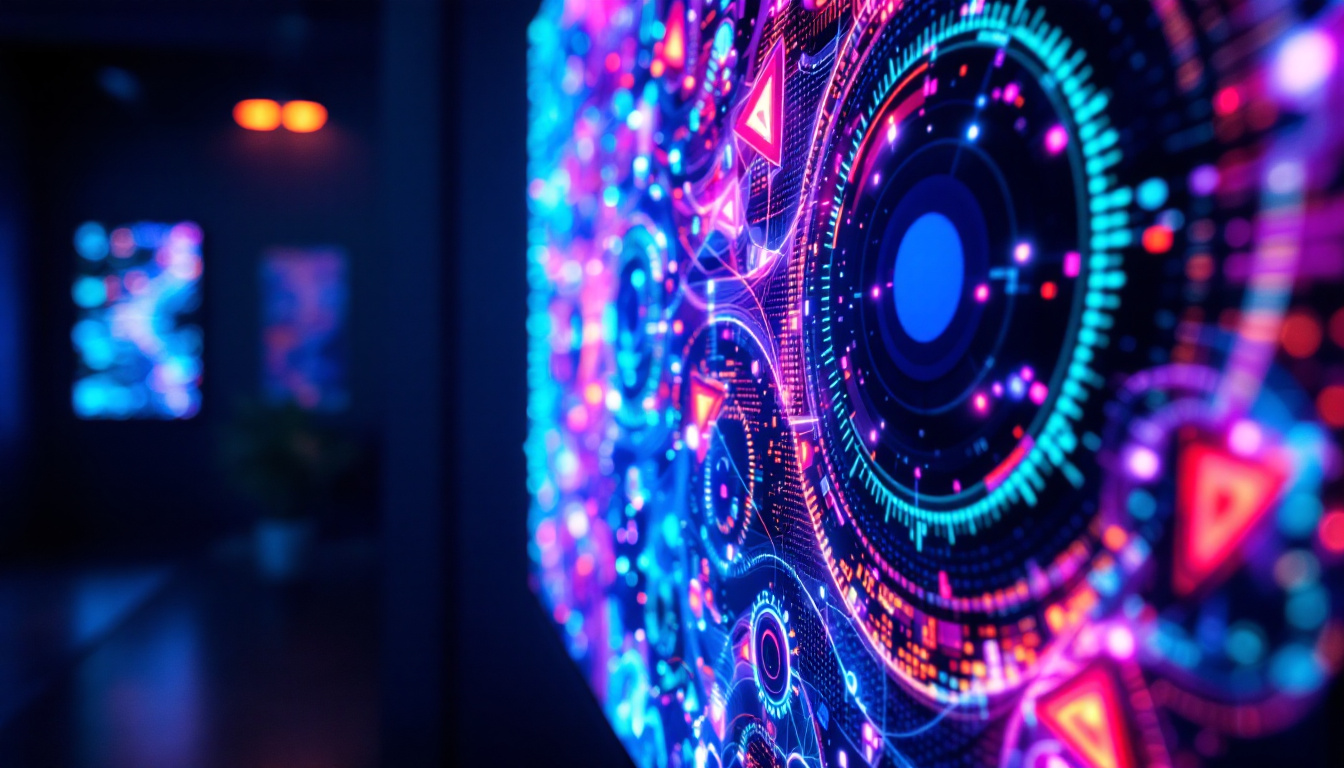
At its core, a video LED wall is a large-scale display made up of multiple LED panels seamlessly tiled together to create one continuous screen. Unlike traditional LCD or projection screens, LED walls use light-emitting diodes (LEDs) as individual pixels to produce bright, vivid images that can be viewed clearly from long distances and wide angles.
What Is an LED Display?
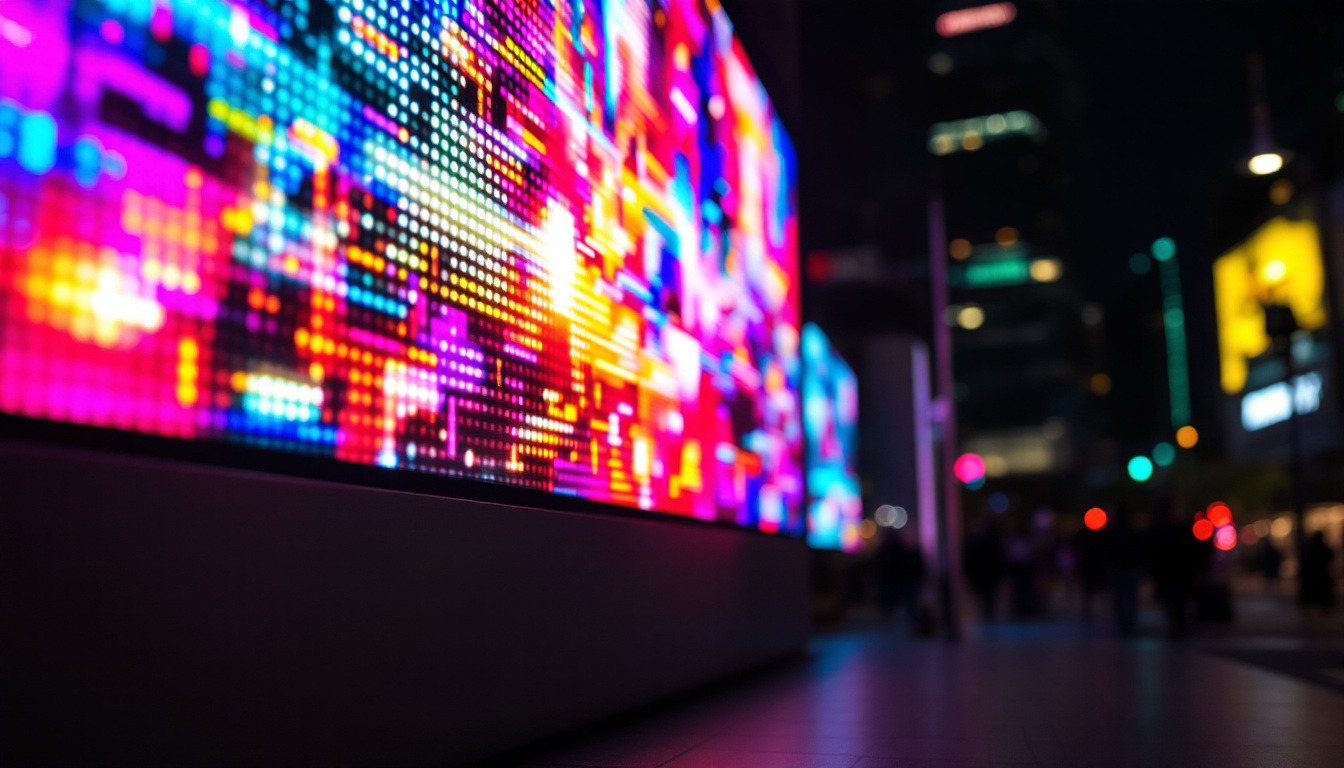
LED stands for Light Emitting Diode, a semiconductor device that emits light when an electric current passes through it. In LED displays, thousands or even millions of these tiny diodes are arranged in a grid pattern. Each diode acts as a pixel that can emit red, green, or blue light, the primary colors used to create a full spectrum of colors through color mixing.
Because LEDs emit their own light, LED displays are self-illuminating, which means they don’t require a backlight like LCD screens. This fundamental difference allows LED walls to achieve much higher brightness levels and contrast ratios, making them ideal for environments with high ambient light, such as outdoor settings or brightly lit indoor venues. Furthermore, the energy efficiency of LED technology contributes to lower operational costs, making it a more sustainable choice for large-scale displays.
How Are Video LED Walls Constructed?
Video LED walls are built by assembling modular LED panels, often called “tiles” or “cabinets.” Each panel contains a matrix of LEDs, driver circuits, and control electronics. These panels are designed to fit together with minimal gaps, creating a nearly seamless display surface. The size and resolution of the video wall depend on the number of panels used and the pixel pitch — the distance between the centers of two adjacent pixels.
Pixel pitch plays a critical role in image quality. Smaller pixel pitches (e.g., 1.2mm to 2.5mm) mean higher resolution and sharper images, suitable for close viewing distances such as indoor installations. Larger pixel pitches (e.g., 4mm to 10mm or more) are common for outdoor displays where viewers are farther away. Additionally, advancements in technology have led to the development of flexible LED panels that can be curved or shaped to fit unique architectural designs, allowing for creative installations that enhance the visual experience in various environments.
Beyond just construction, the installation of video LED walls involves careful planning and consideration of factors such as viewing angles, ambient light conditions, and the intended content. This ensures that the display performs optimally and captivates audiences effectively. Moreover, modern LED walls often come equipped with sophisticated software that allows for real-time content management, enabling users to change visuals on-the-fly, synchronize multiple displays, and even integrate interactive elements, providing a dynamic platform for advertising, entertainment, and information dissemination.
Key Technical Features of LED Video Walls
Understanding the technical specifications of LED video walls helps in selecting the right display for specific applications. Here are some of the most important features to consider:
Brightness and Contrast
LED walls are known for their exceptional brightness, often ranging from 1,000 to over 5,000 nits (candelas per square meter). This high brightness ensures visibility even under direct sunlight, a major advantage over LCD and projection systems. Contrast ratio, the difference between the darkest black and the brightest white, is also superior in LED displays, contributing to vivid and lifelike images.
Viewing Angle
LED video walls typically offer wide viewing angles, often exceeding 160 degrees horizontally and vertically. This means the image quality remains consistent even when viewed from the side or above, making LED walls suitable for large venues where audiences are spread out.
Refresh Rate and Color Depth
Refresh rate, measured in Hertz (Hz), indicates how many times per second the display updates its image. Higher refresh rates (above 3,000 Hz) reduce flickering, which is especially important for video recording or broadcasting. Color depth refers to the number of colors the display can produce; modern LED walls support 16-bit or higher color depth, allowing for smooth gradients and realistic images.
Durability and Weather Resistance
Outdoor LED walls are built to withstand harsh weather conditions. They often have IP65 or higher ratings, meaning they are dust-tight and protected against water jets. This durability ensures reliable performance in rain, wind, and extreme temperatures, making them ideal for sports arenas, outdoor advertising, and public events.
Applications of Video LED Walls
The versatility of LED video walls has led to their adoption across a wide range of industries and use cases. Their ability to deliver dynamic, eye-catching content makes them invaluable tools for communication and entertainment.
Advertising and Digital Signage
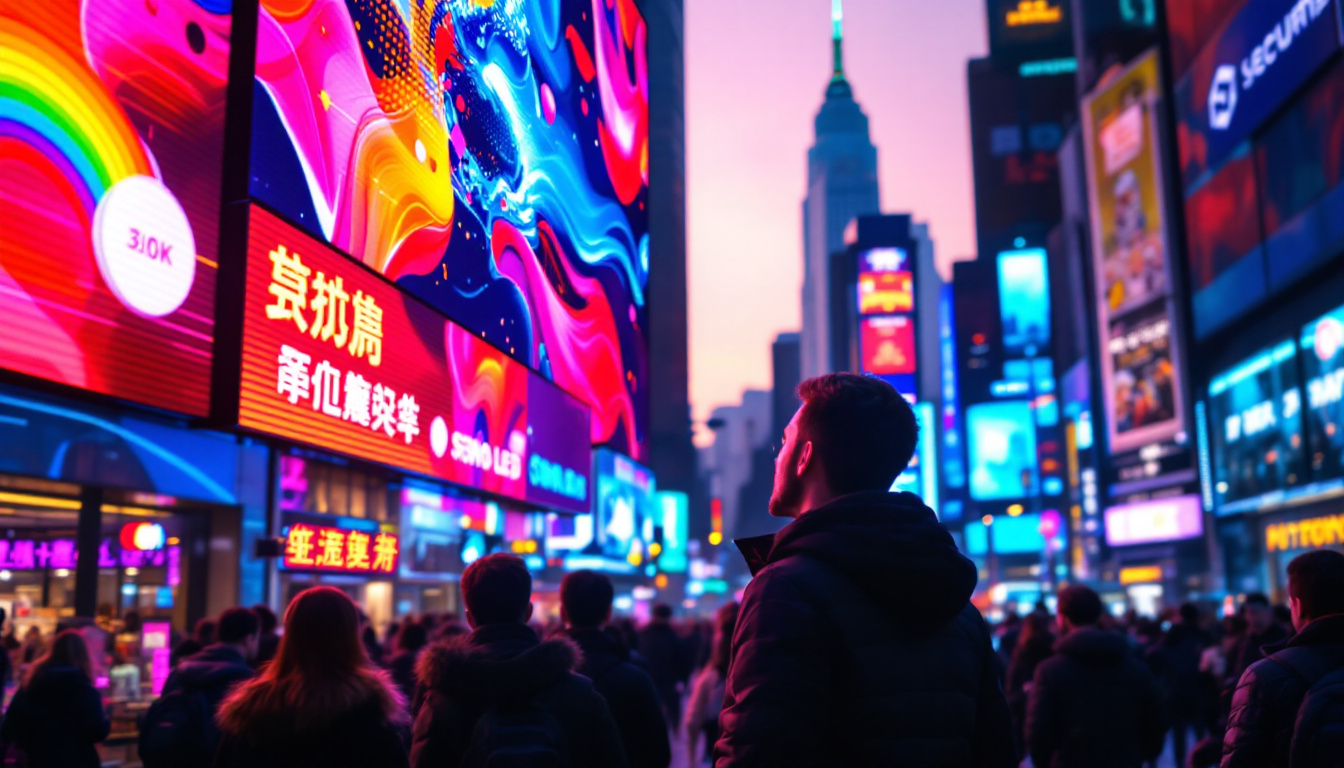
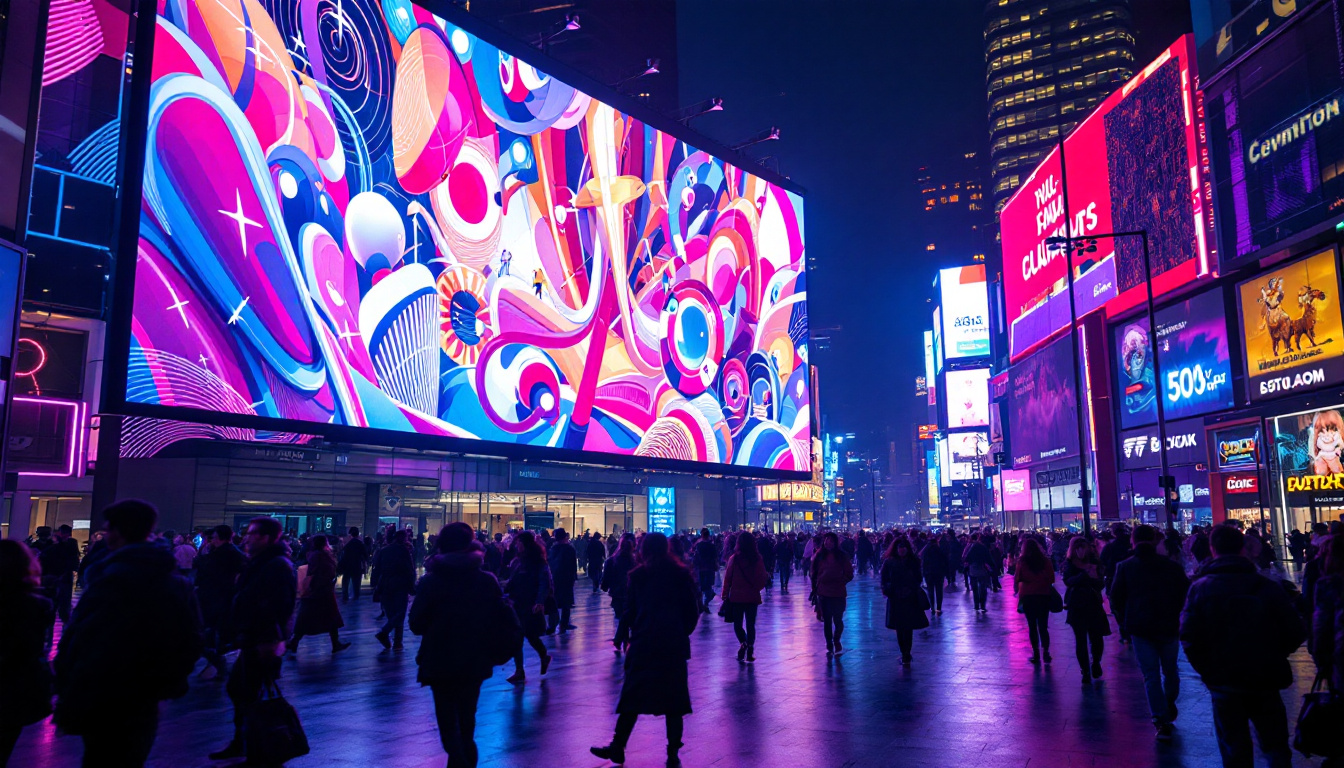
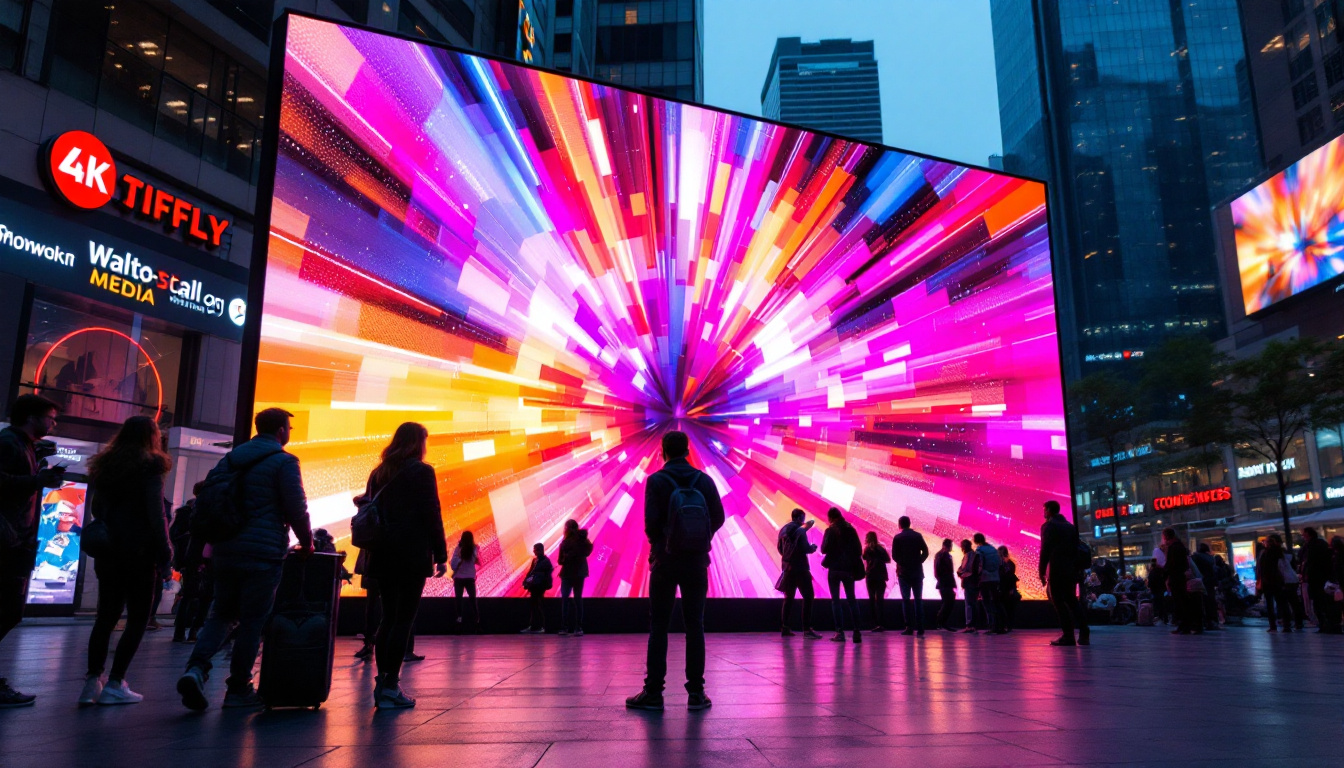
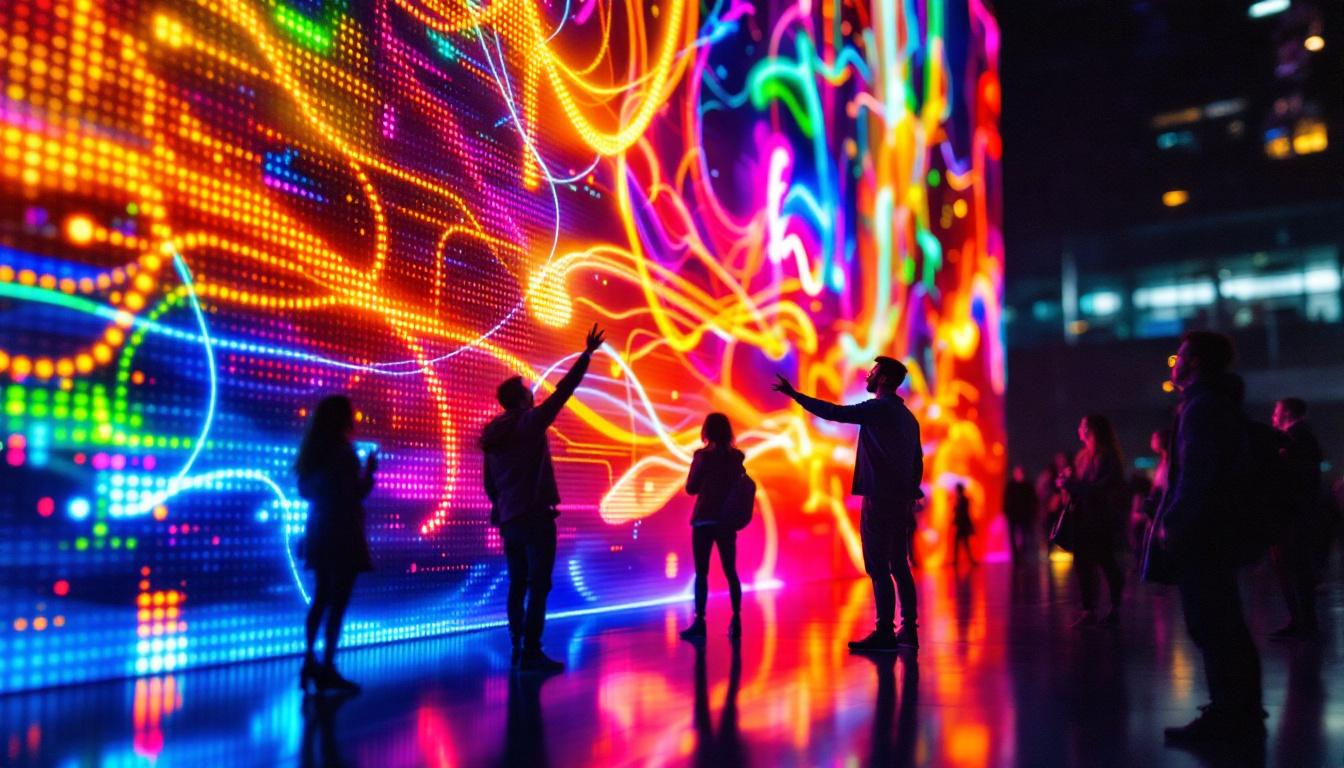
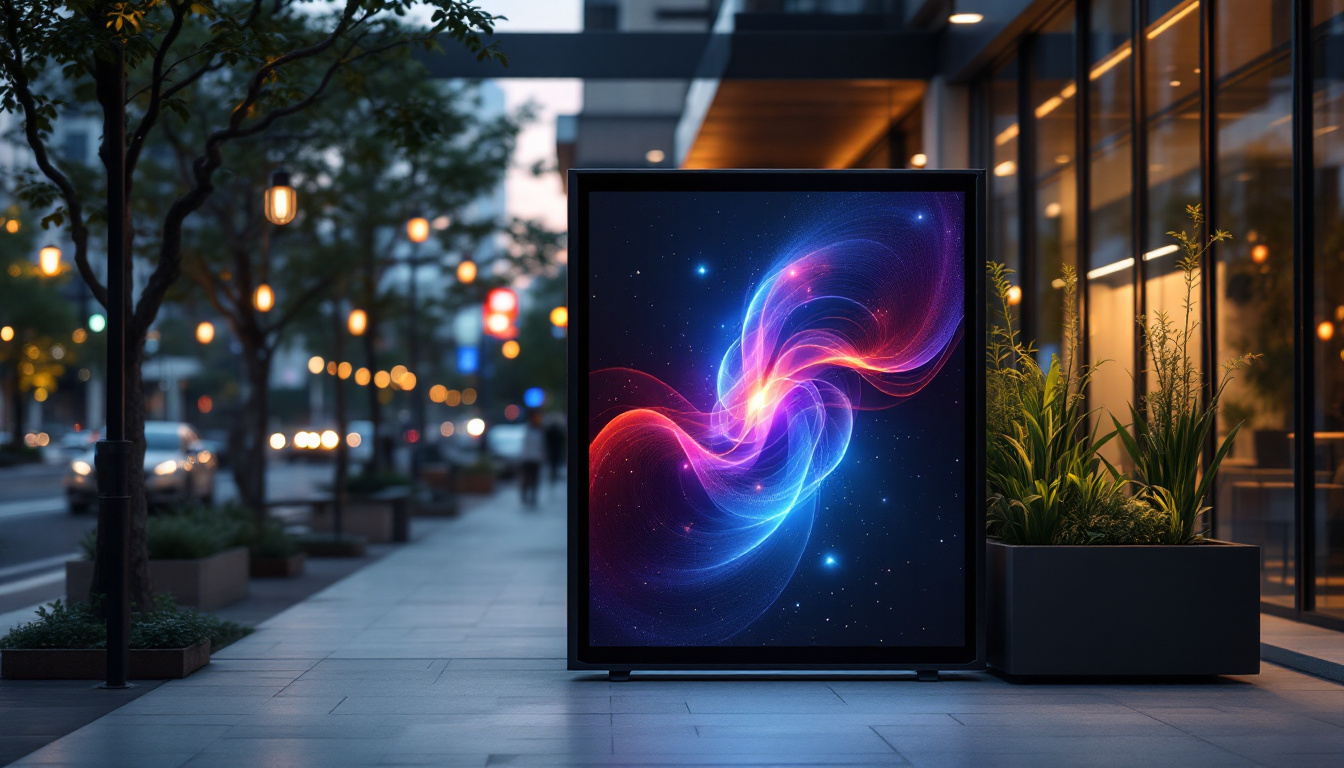
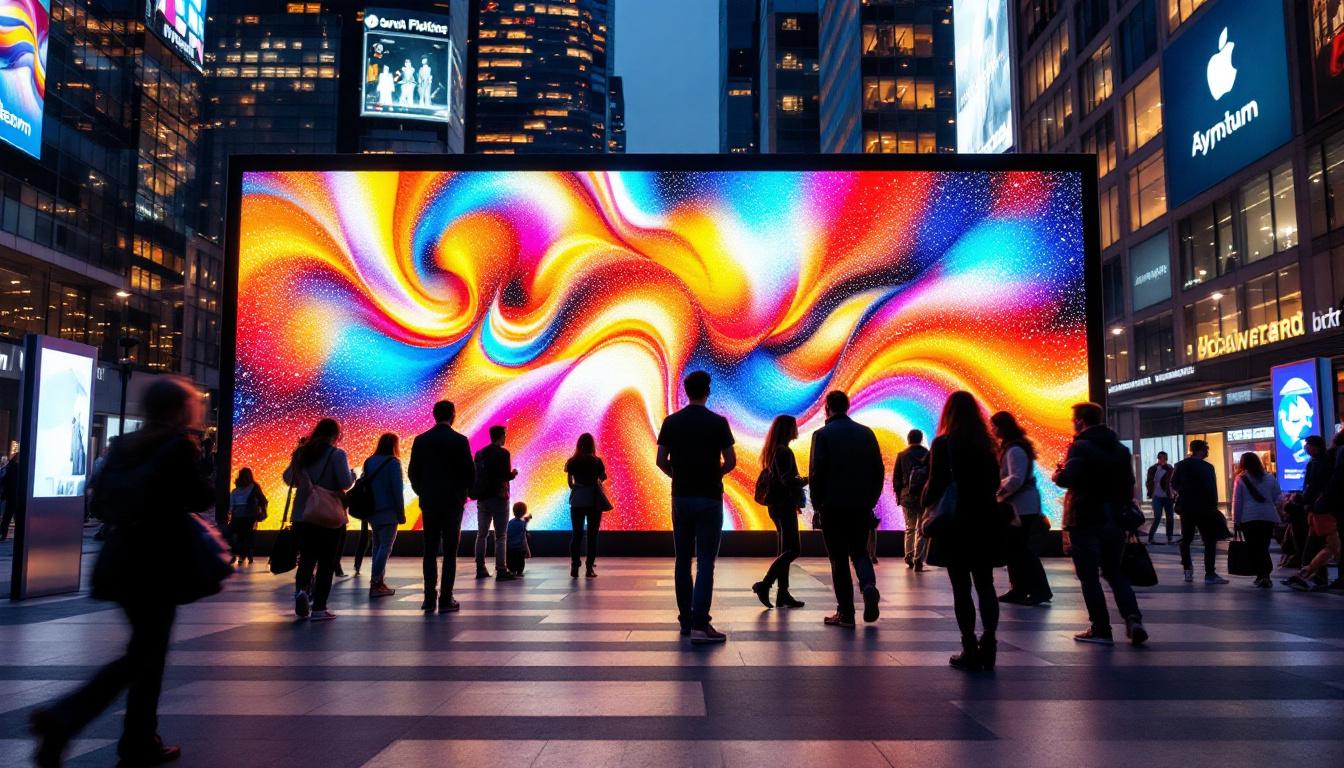
One of the most common uses of LED video walls is in outdoor advertising. Iconic locations such as Times Square in New York City and Piccadilly Circus in London showcase massive LED billboards that captivate millions of viewers daily. These displays allow advertisers to run vibrant, animated campaigns that can be updated remotely in real-time, maximizing impact and flexibility.
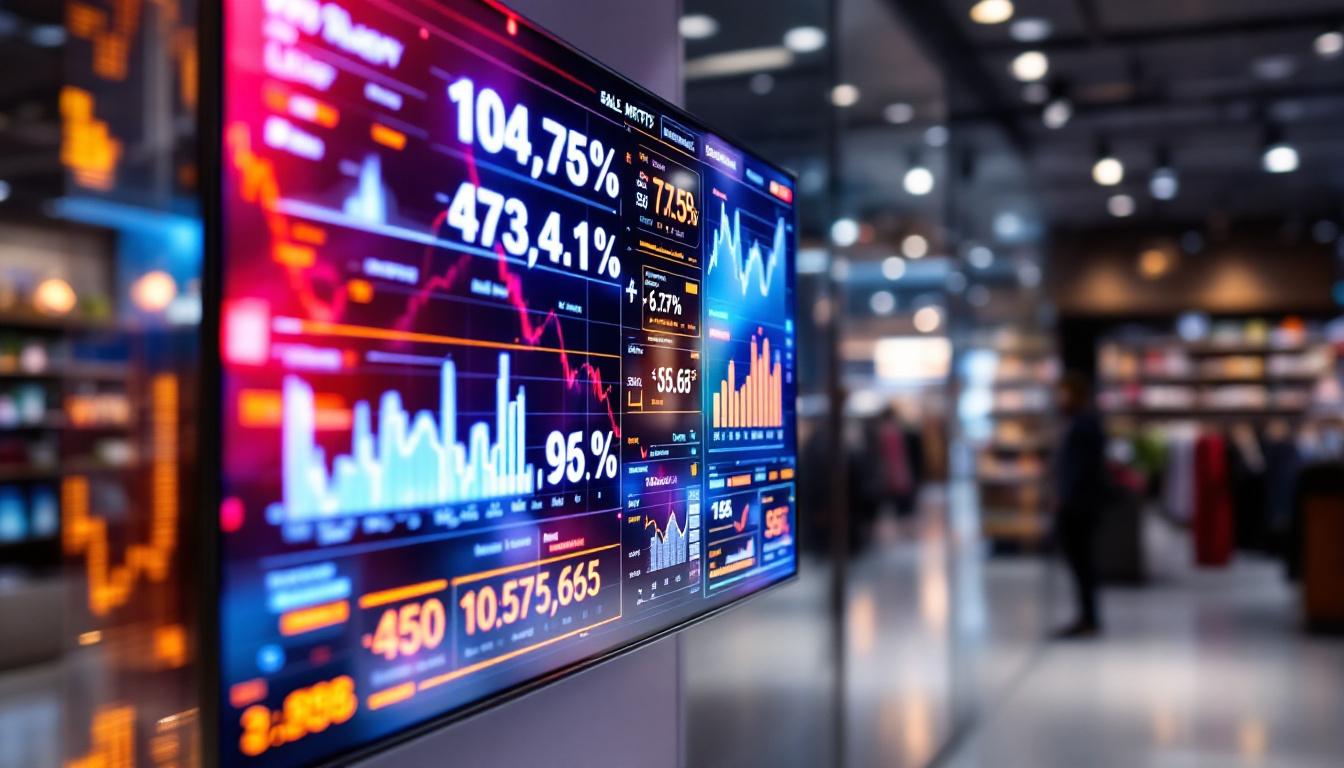
Retail environments also leverage indoor LED walls to create engaging brand experiences, promote products, and guide customers. The high resolution and brightness ensure messages are clear and compelling even in busy shopping centers.
Entertainment and Events
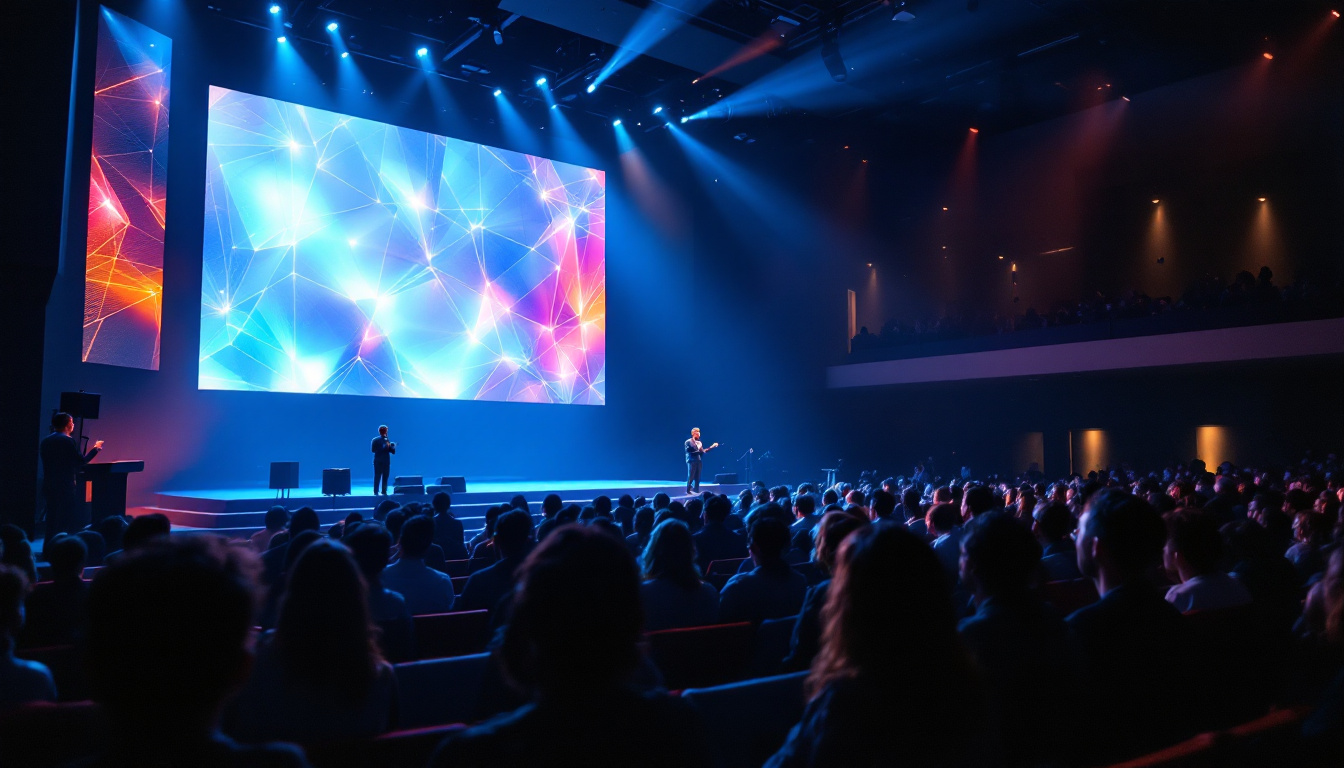
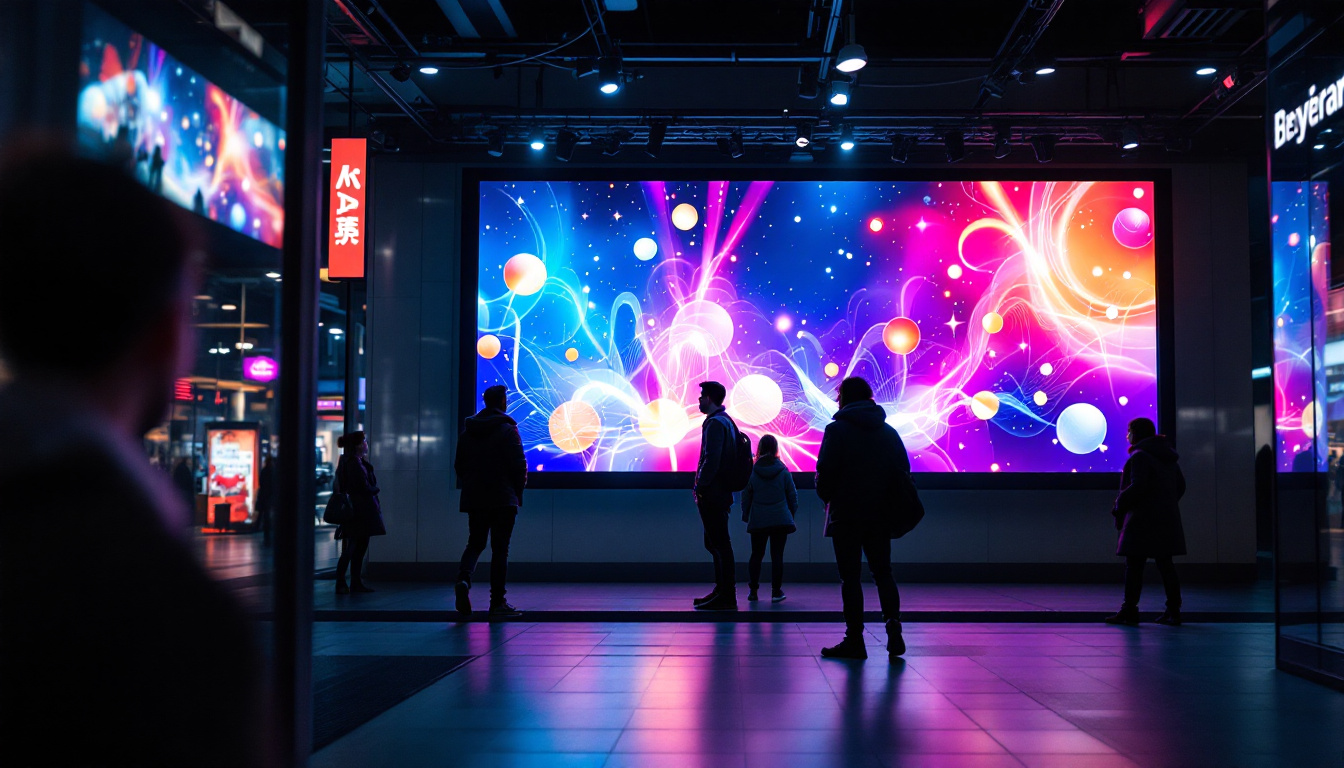
Concerts, festivals, and live events frequently use LED walls as backdrops and stage elements. These walls enable immersive visual storytelling, synchronized with music and performances to enhance audience engagement. The modular nature of LED panels allows for custom shapes and sizes, adapting to the creative vision of event producers.
Sports venues utilize LED walls for scoreboards, instant replays, and advertising, improving the spectator experience both in the stadium and for broadcast audiences.
Corporate and Educational Use
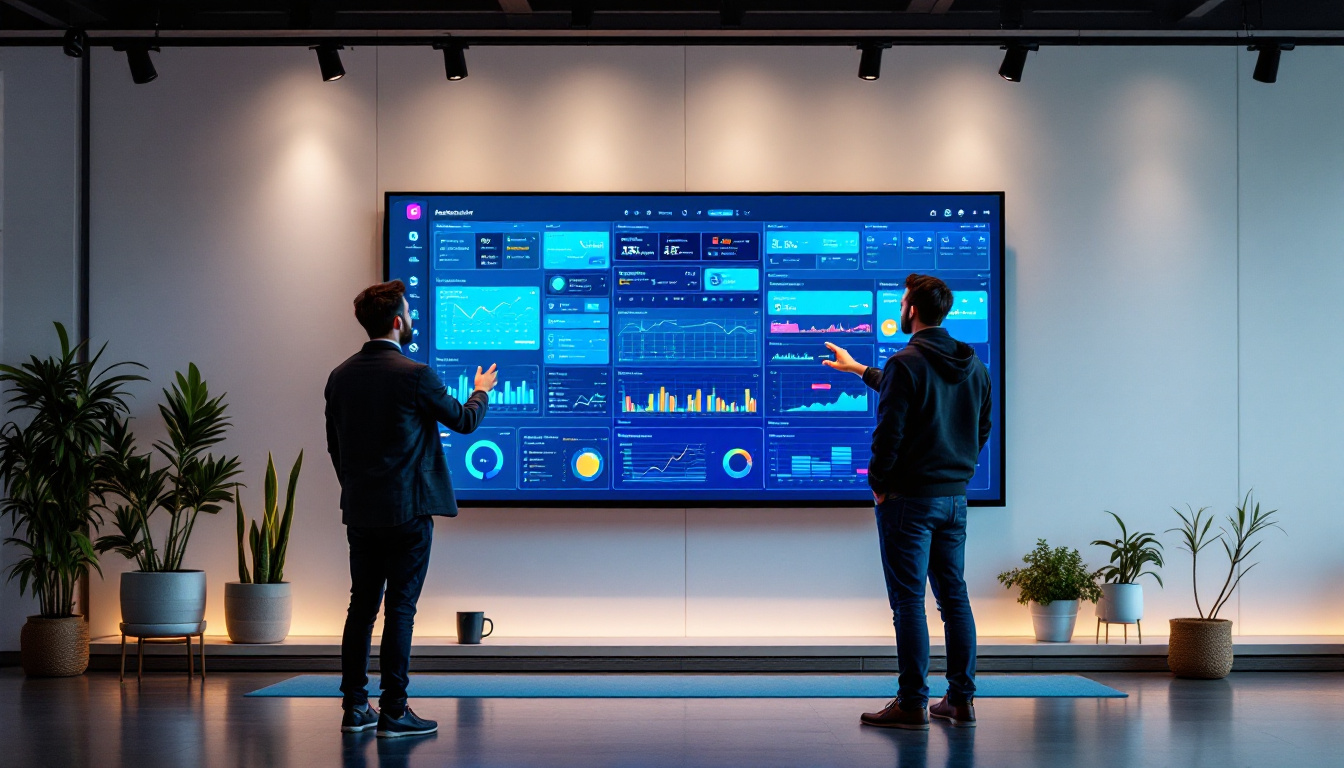
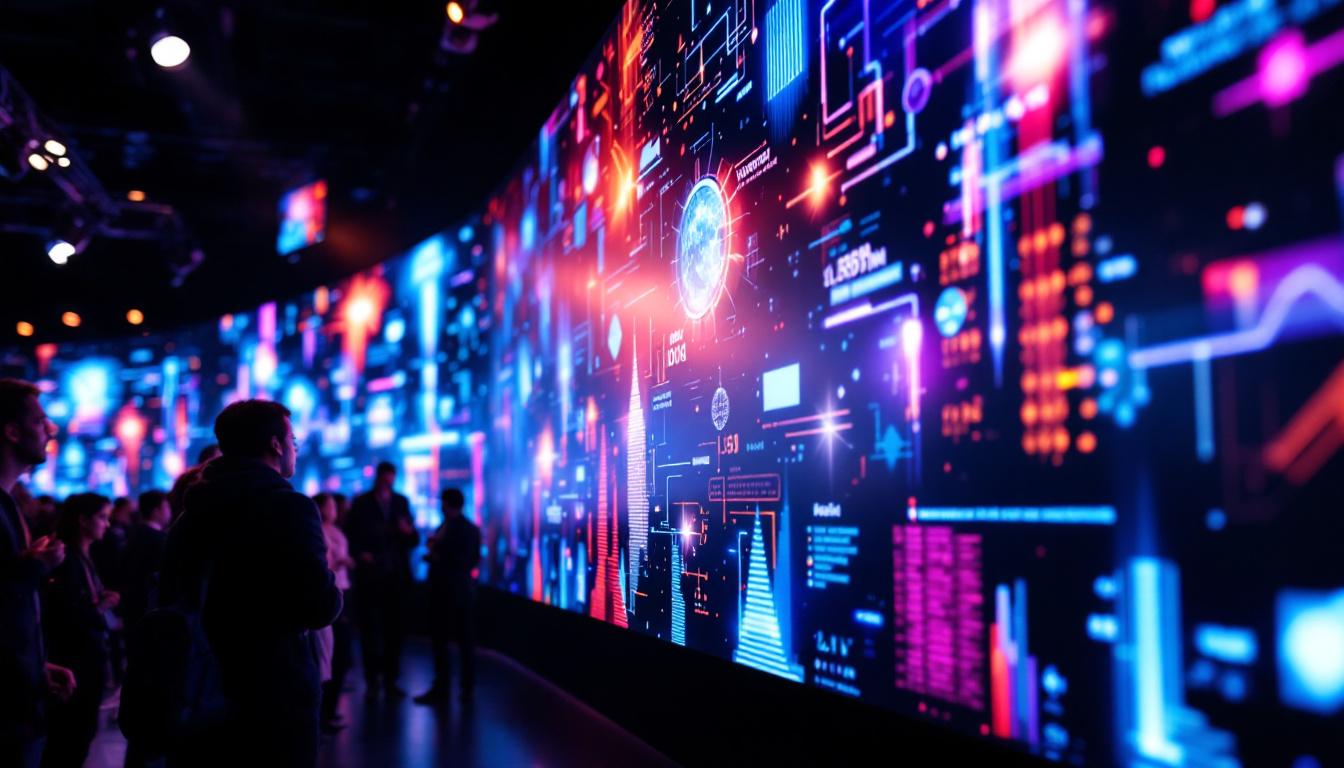
In corporate settings, LED video walls serve as dynamic presentation tools in boardrooms, lobbies, and trade shows. They facilitate clear communication of data, videos, and interactive content during meetings and conferences. Educational institutions use LED displays for digital signage, lecture halls, and campus events, enhancing information dissemination and engagement.
Advantages of LED Video Walls Over Other Display Technologies
While LCD and projection systems have been popular for decades, LED video walls offer several distinct advantages that have accelerated their adoption.
Superior Brightness and Visibility
Unlike LCDs that rely on backlighting, LED walls emit their own light, resulting in much higher brightness levels. This makes LED walls visible in direct sunlight and brightly lit environments where other displays would struggle.
Scalability and Flexibility
Because LED video walls are modular, they can be scaled to virtually any size and configured into various shapes. This flexibility allows designers to create custom installations tailored to specific spatial and aesthetic requirements.
Energy Efficiency and Longevity
Modern LEDs are energy-efficient, consuming less power than comparable LCD or projection systems. Additionally, LED panels have long lifespans, often rated for 50,000 to 100,000 hours of operation, reducing maintenance and replacement costs.
Improved Color Accuracy and Contrast
LED technology delivers richer colors and deeper blacks due to its self-illuminating nature. This results in more vibrant and realistic images, enhancing viewer engagement and satisfaction.
Considerations When Choosing a Video LED Wall
Selecting the right LED video wall involves evaluating several factors to ensure optimal performance and return on investment.
Pixel Pitch and Viewing Distance
Choosing the appropriate pixel pitch depends largely on the typical viewing distance. For indoor applications where viewers are close, a smaller pixel pitch (1.2mm to 2.5mm) is essential for sharp images. For outdoor or large venue installations, a larger pixel pitch (4mm to 10mm) is sufficient and more cost-effective.
Resolution and Content Requirements
The resolution of the LED wall should match the type of content being displayed. High-definition videos and detailed graphics require higher resolution panels. It’s also important to consider the source content’s native resolution to avoid scaling issues.
Installation Environment
Environmental factors such as ambient light, weather exposure, and available mounting space influence the choice of LED wall. Outdoor installations require weatherproof panels with high brightness, while indoor walls can prioritize higher resolution and finer pixel pitch.
Budget and Maintenance
While LED video walls can be a significant investment, their long-term benefits often justify the cost. It’s important to factor in installation, content management systems, and ongoing maintenance when budgeting for an LED wall project.
The Future of Video LED Walls
As LED technology continues to evolve, video LED walls are becoming more advanced, versatile, and accessible.
MicroLED and MiniLED Innovations
Emerging technologies such as MicroLED and MiniLED promise even higher resolution, improved color accuracy, and greater energy efficiency. These advancements will enable thinner, lighter, and more flexible displays with enhanced performance.
Interactive and Smart LED Walls
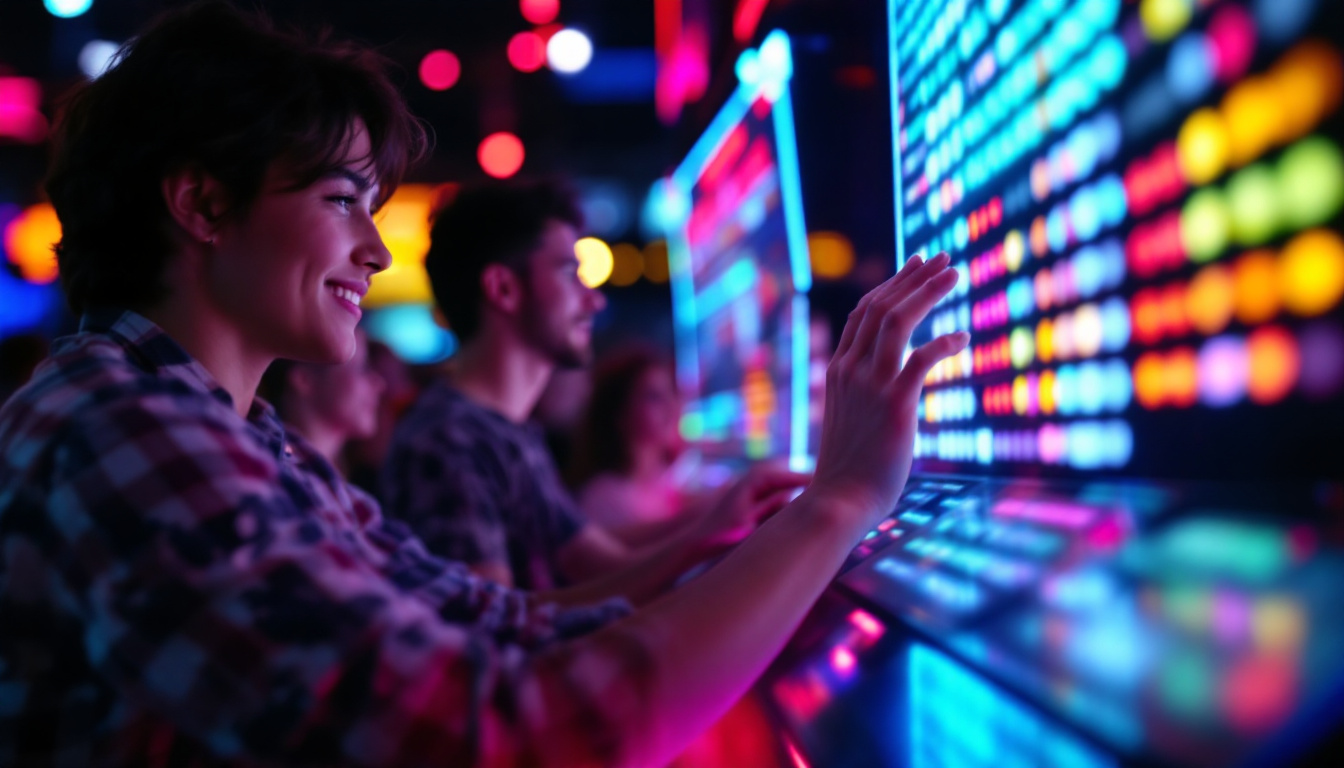
Integration of touch and gesture controls is making LED walls interactive, opening new possibilities for retail, education, and corporate environments. Smart LED walls connected to IoT platforms allow for dynamic content updates based on real-time data and audience engagement metrics.
Sustainability and Energy Efficiency
Manufacturers are increasingly focusing on eco-friendly materials and energy-saving features to reduce the environmental impact of LED displays. This aligns with broader corporate sustainability goals and regulatory requirements.
Conclusion
Video LED walls represent a powerful medium for visual communication, combining cutting-edge technology with creative flexibility. Their superior brightness, scalability, and durability make them ideal for a wide range of applications from advertising and entertainment to corporate and educational use. By understanding the technical aspects and practical considerations, organizations can harness the full potential of LED video walls to engage audiences and deliver impactful messages.
As the technology advances, LED video walls will continue to redefine the possibilities of digital displays, offering richer experiences and smarter solutions for the future.
Discover LumenMatrix LED Display Solutions
Ready to elevate your visual communication and create unforgettable experiences? LumenMatrix is at the forefront of LED display innovation, offering a diverse range of solutions tailored to your needs. From vibrant Indoor and Outdoor LED Wall Displays to dynamic Vehicle and Sports LED Displays, our technology is designed to captivate and engage. Explore our cutting-edge LED Poster Displays, interactive Floor LED Displays, and the sleek All-in-One LED Display options. For a truly unique presentation, inquire about our Custom and Transparent LED Displays. Embrace the future of digital signage with LumenMatrix and transform your space into a visual spectacle. Check out LumenMatrix LED Display Solutions today and bring your brand’s message to life with clarity and impact.