In recent years, LED technology has revolutionized the way we experience visual displays, from advertising billboards to indoor screens and architectural lighting. The term “LED paneles” refers to LED panels—flat, thin display units composed of light-emitting diodes (LEDs) arranged in a matrix. These panels have become indispensable in various industries due to their brightness, energy efficiency, and versatility. This article delves into the fundamentals of LED panels, their types, applications, and the technology behind them, providing a comprehensive understanding for professionals and enthusiasts alike.
Understanding LED Panels: What Are They?
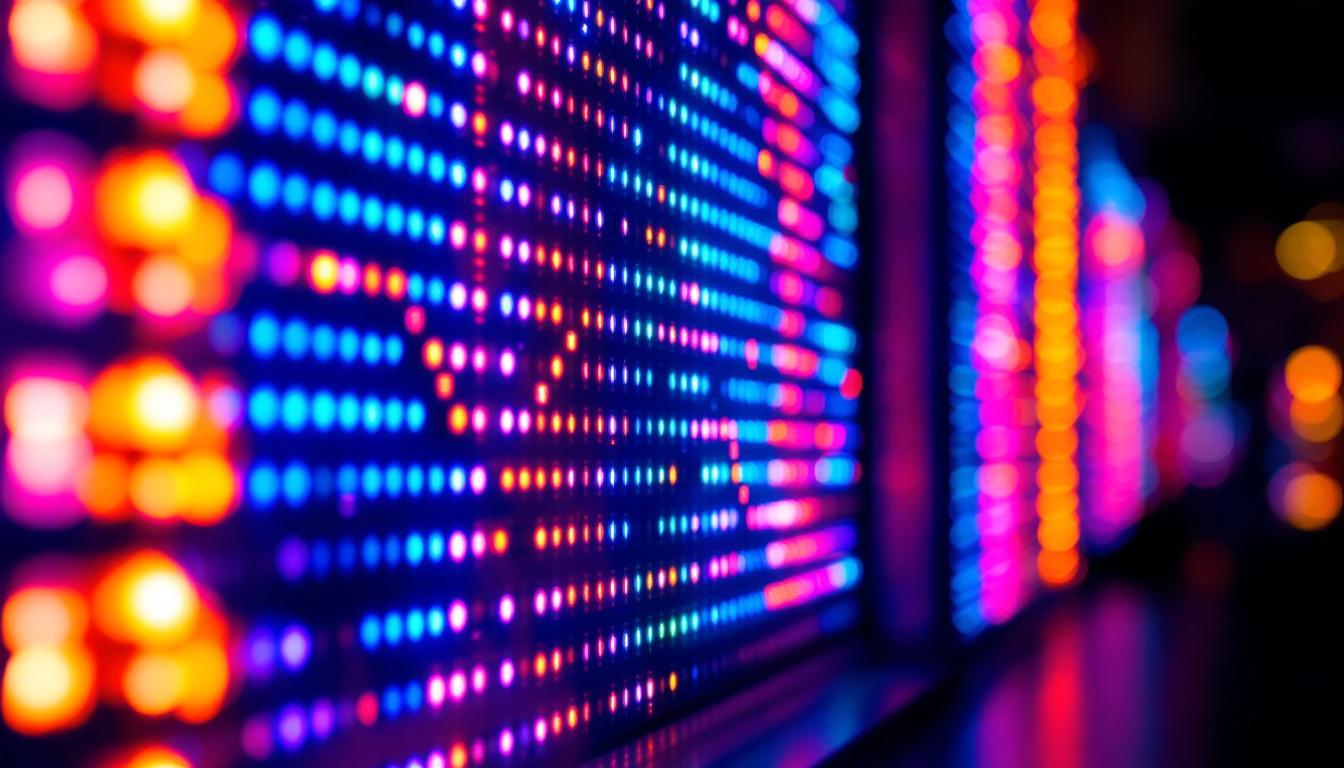
LED panels are display devices made up of numerous tiny LEDs that emit light when an electric current passes through them. Unlike traditional LCD or plasma screens, LED panels use direct light emission, which results in higher brightness and better contrast ratios. The LEDs are arranged in a grid or matrix, allowing the panel to display images, videos, or text by controlling the intensity and color of each diode.
The term “panel” generally refers to the flat, thin structure housing the LEDs, along with the necessary circuitry and protective layers. LED panels vary in size from small indoor display units to massive outdoor billboards spanning several meters. Their modular design allows them to be combined seamlessly to create larger screens without visible gaps, making them ideal for large-scale installations. This versatility has made LED panels a popular choice for various applications, ranging from advertising and entertainment to information displays in airports and shopping malls.
How LED Panels Work
Each LED within the panel acts as a pixel or part of a pixel, emitting light in red, green, or blue wavelengths. By adjusting the brightness of these primary colors, the panel can produce a full spectrum of colors. This process is known as additive color mixing. The control system inside the panel manages the timing and intensity of each LED to render images or video content accurately.
Modern LED panels often incorporate sophisticated driver ICs (integrated circuits) and microcontrollers that enable high refresh rates and color accuracy. This technology ensures smooth motion display and reduces flickering, which is essential for both viewer comfort and professional applications such as broadcasting. Furthermore, advancements in LED technology have led to the development of energy-efficient options that consume less power while providing superior brightness and longevity. This not only benefits the environment but also reduces operational costs for businesses that rely on these displays for advertising or information dissemination.
Additionally, LED panels come in various types, including SMD (Surface-Mount Device) and DIP (Dual In-line Package), each suited for different environments and applications. SMD panels are typically used for indoor displays due to their high resolution and color fidelity, while DIP panels are more robust and suitable for outdoor use, as they can withstand harsh weather conditions. The choice of panel type can significantly impact the overall viewing experience, making it crucial for designers and engineers to select the right technology based on the intended use and location of the display.
Types of LED Panels
LED panels come in various types, each suited to specific environments and purposes. Understanding these types helps in selecting the right panel for a particular application.
1. Indoor LED Panels
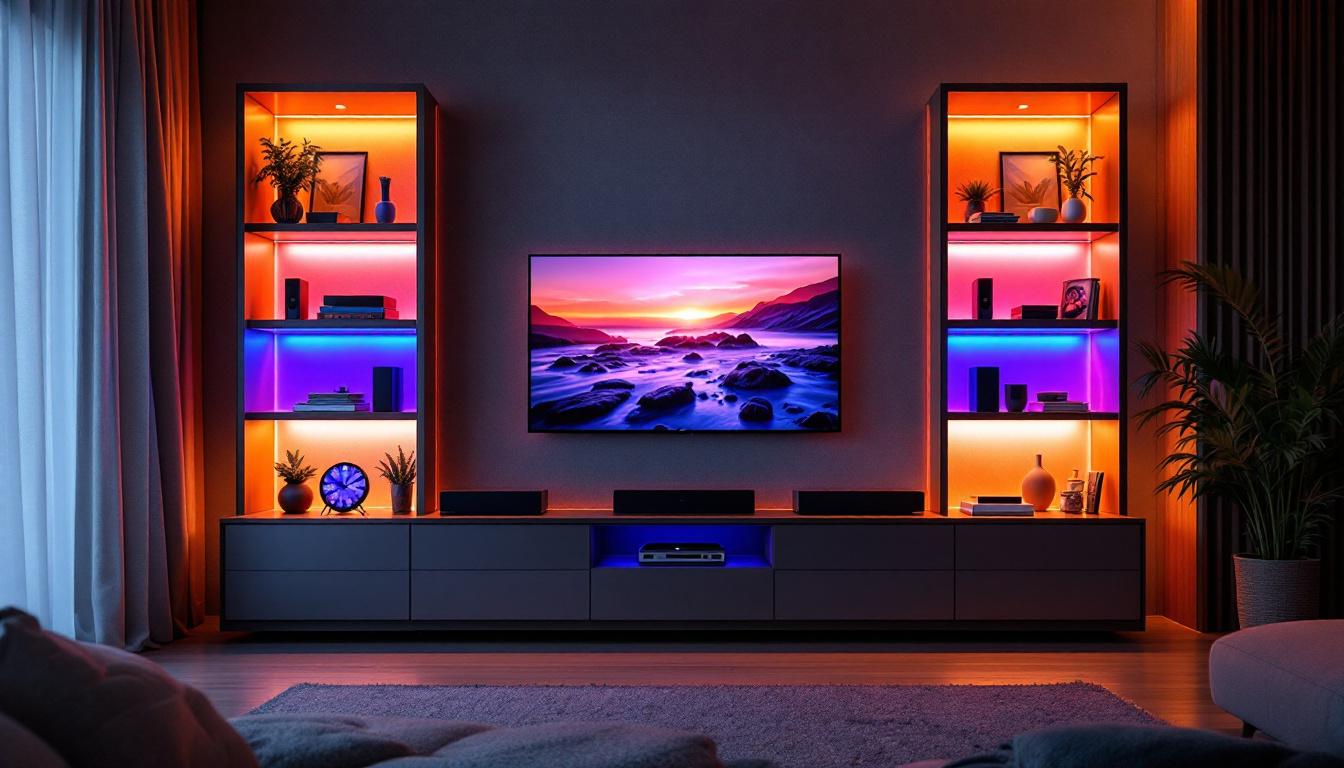
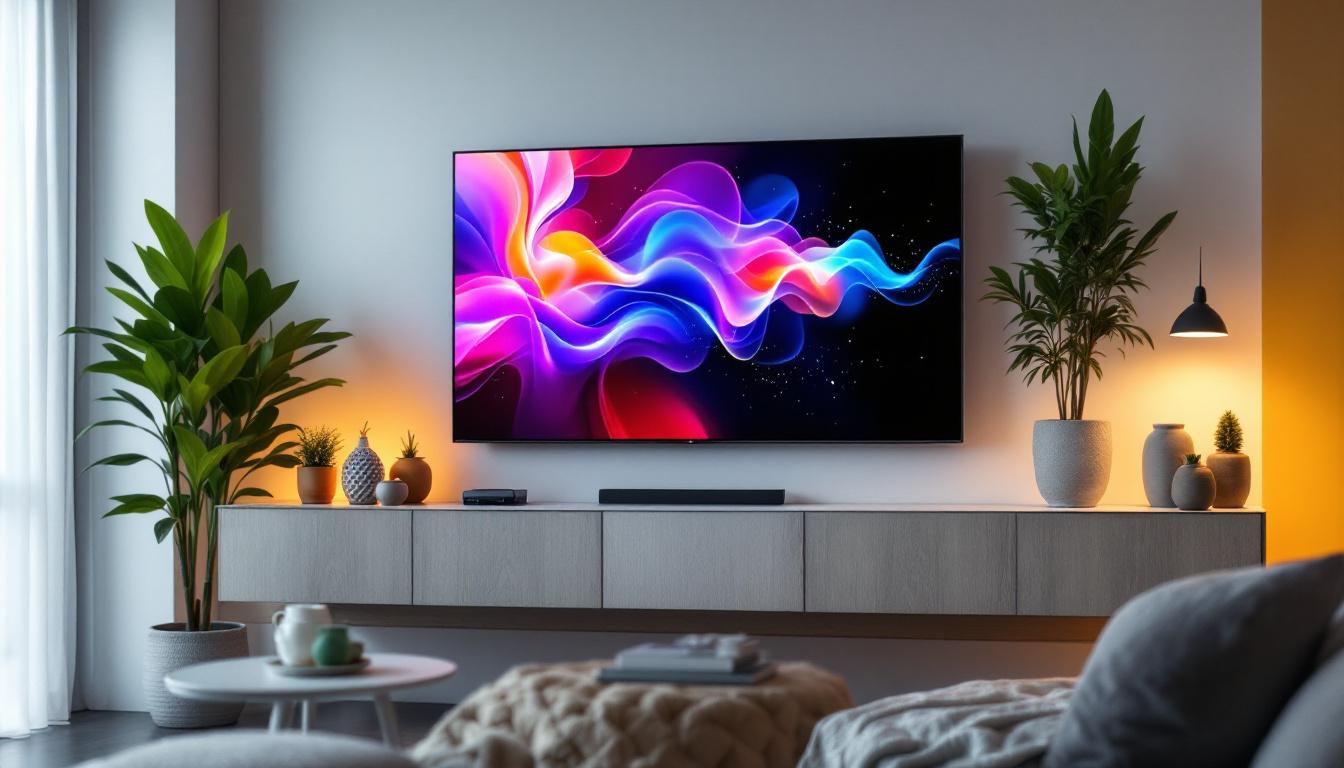
Indoor LED panels are designed for use in controlled environments such as offices, retail stores, conference rooms, and event venues. They typically have smaller pixel pitches—meaning the distance between individual LEDs is minimal, often ranging from 1.2mm to 4mm. This close spacing allows for higher resolution and sharper images when viewed from short distances.
These panels prioritize color accuracy and brightness levels appropriate for indoor lighting, usually between 800 and 1,200 nits. Additionally, they are built to be lightweight and thin, facilitating easy installation and integration with interior design.
2. Outdoor LED Panels
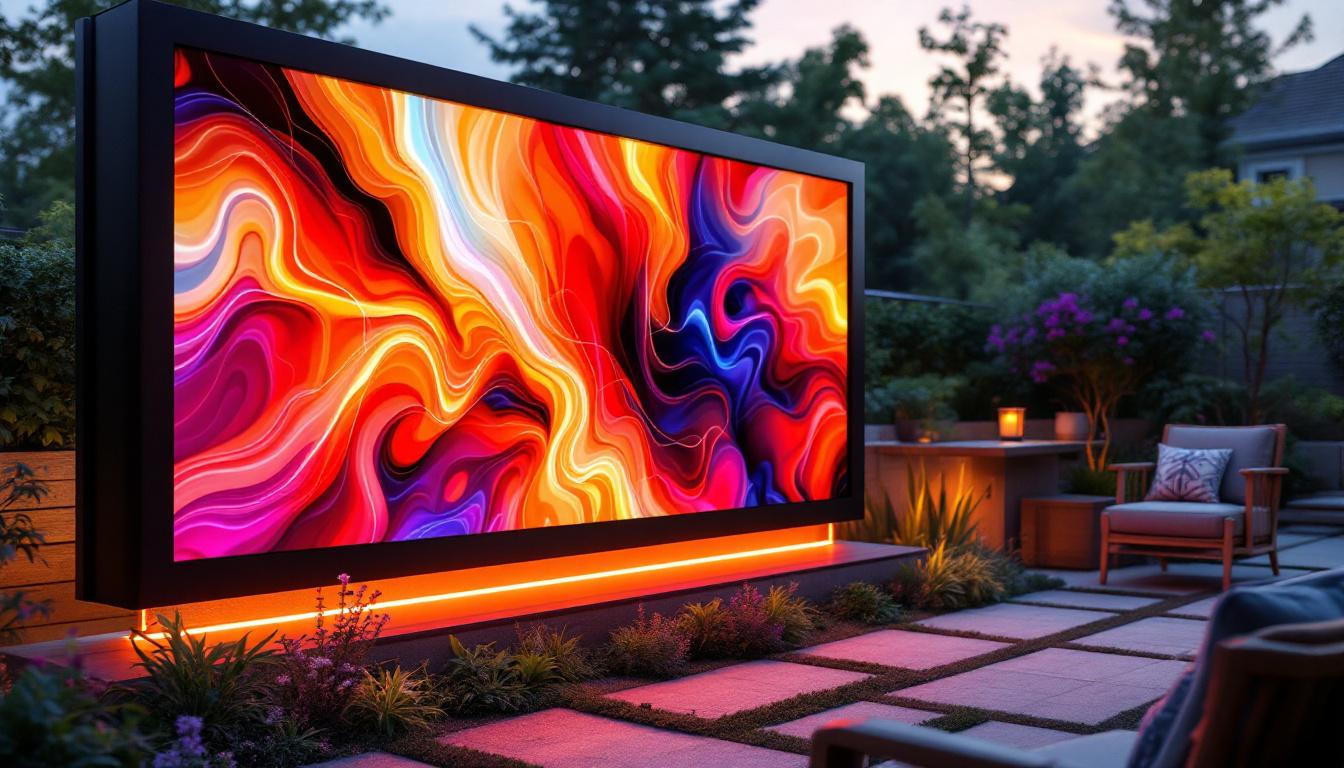
Outdoor LED panels are engineered to withstand harsh weather conditions, including rain, dust, and extreme temperatures. They feature robust enclosures with high IP (Ingress Protection) ratings, typically IP65 or higher, ensuring water and dust resistance.
Outdoor panels have larger pixel pitches, often between 6mm and 20mm, because they are viewed from greater distances. Their brightness levels are significantly higher, ranging from 5,000 to 10,000 nits, to remain visible under direct sunlight. These panels are commonly used for advertising billboards, sports stadium screens, and public information displays.
3. Transparent LED Panels
Transparent LED panels are an innovative type of display that allows viewers to see through the screen while still displaying vibrant images. These panels use specially designed LEDs and spacing to maintain transparency, making them ideal for retail windows, glass facades, and architectural applications.
The transparency rate can vary, typically between 40% and 80%, depending on the design. This technology enables businesses to combine advertising or informational content with natural light and visibility, creating a futuristic and engaging customer experience.
4. Flexible LED Panels
Flexible LED panels use bendable substrates, allowing them to be curved or shaped around surfaces. This flexibility opens up creative possibilities for designers and architects, enabling the integration of LED displays into unconventional spaces such as curved walls, ceilings, or wearable technology.
Although still emerging, flexible LED panels are gaining traction in entertainment venues, exhibitions, and innovative advertising campaigns due to their adaptability and visual impact.
Key Advantages of LED Panels
LED panels offer numerous benefits that have driven their widespread adoption across industries. Understanding these advantages helps explain why LED technology is preferred over traditional display methods.
Energy Efficiency
Compared to LCD and plasma displays, LED panels consume significantly less power. LEDs convert most of the electrical energy into light rather than heat, resulting in lower energy consumption and reduced cooling requirements. This efficiency translates into cost savings and a smaller environmental footprint, which is increasingly important for businesses aiming for sustainability.
Brightness and Visibility
LED panels can achieve extremely high brightness levels, making them visible even in direct sunlight. This quality is crucial for outdoor advertising and public displays, where ambient light conditions vary throughout the day. High brightness also enhances image clarity and color vibrancy, improving viewer engagement.
Longevity and Durability
LEDs have a long operational lifespan, often exceeding 50,000 hours of continuous use. This durability reduces maintenance costs and downtime. Additionally, LED panels are built to resist shocks, vibrations, and environmental factors, ensuring reliable performance in demanding settings.
Design Flexibility
The modular nature of LED panels allows for scalable screen sizes and custom shapes. Whether creating a small indoor display or a massive outdoor billboard, LED panels can be configured to meet specific spatial and aesthetic requirements. Their slim profile and lightweight construction also facilitate creative installations.
Applications of LED Panels
LED panels have transformed multiple sectors by providing dynamic, high-impact visual communication solutions. Below are some of the most prominent applications.
Advertising and Marketing
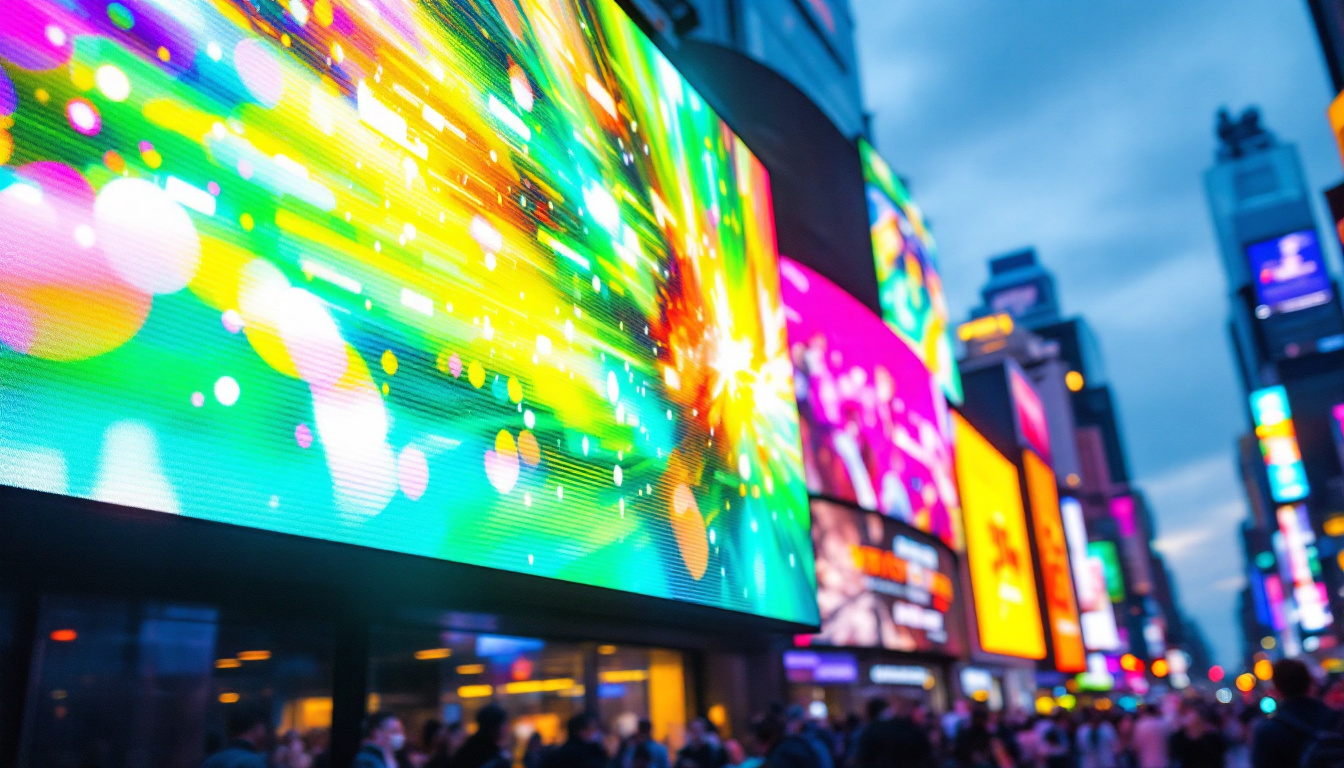
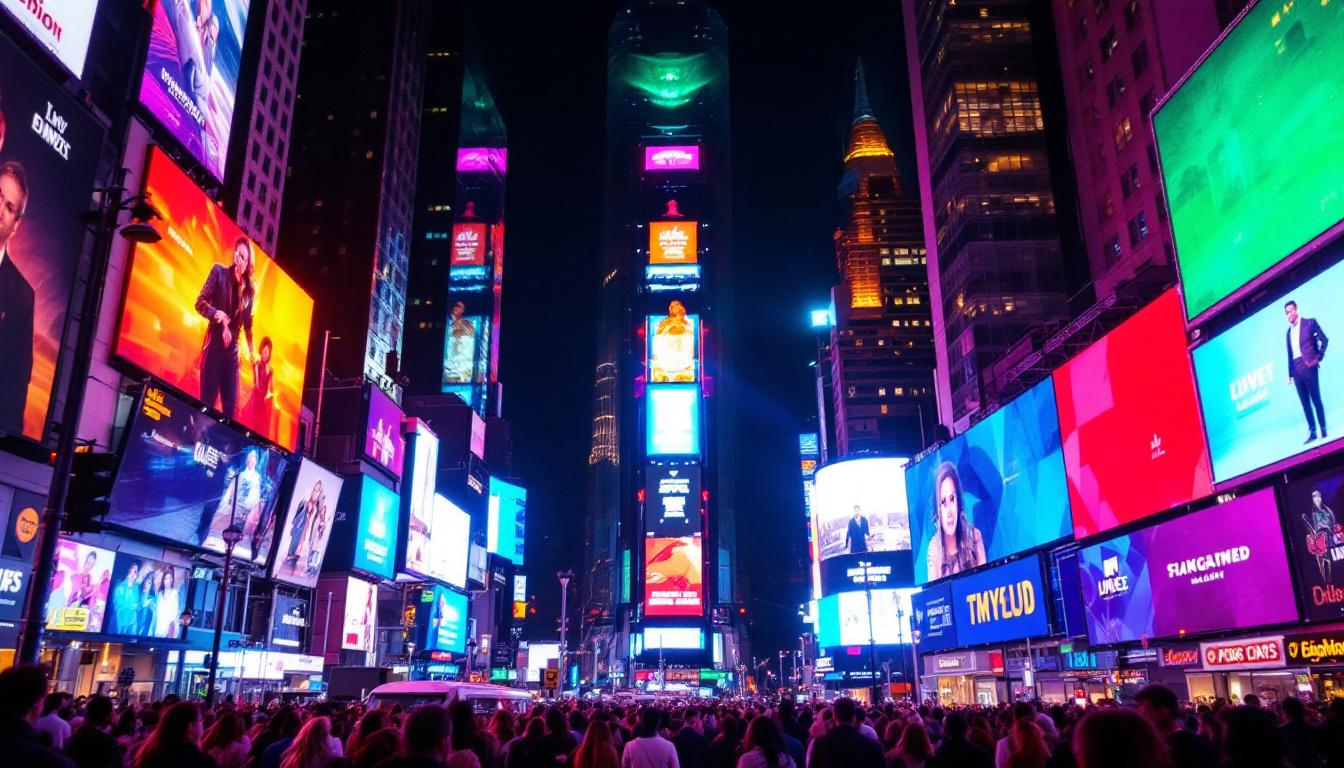
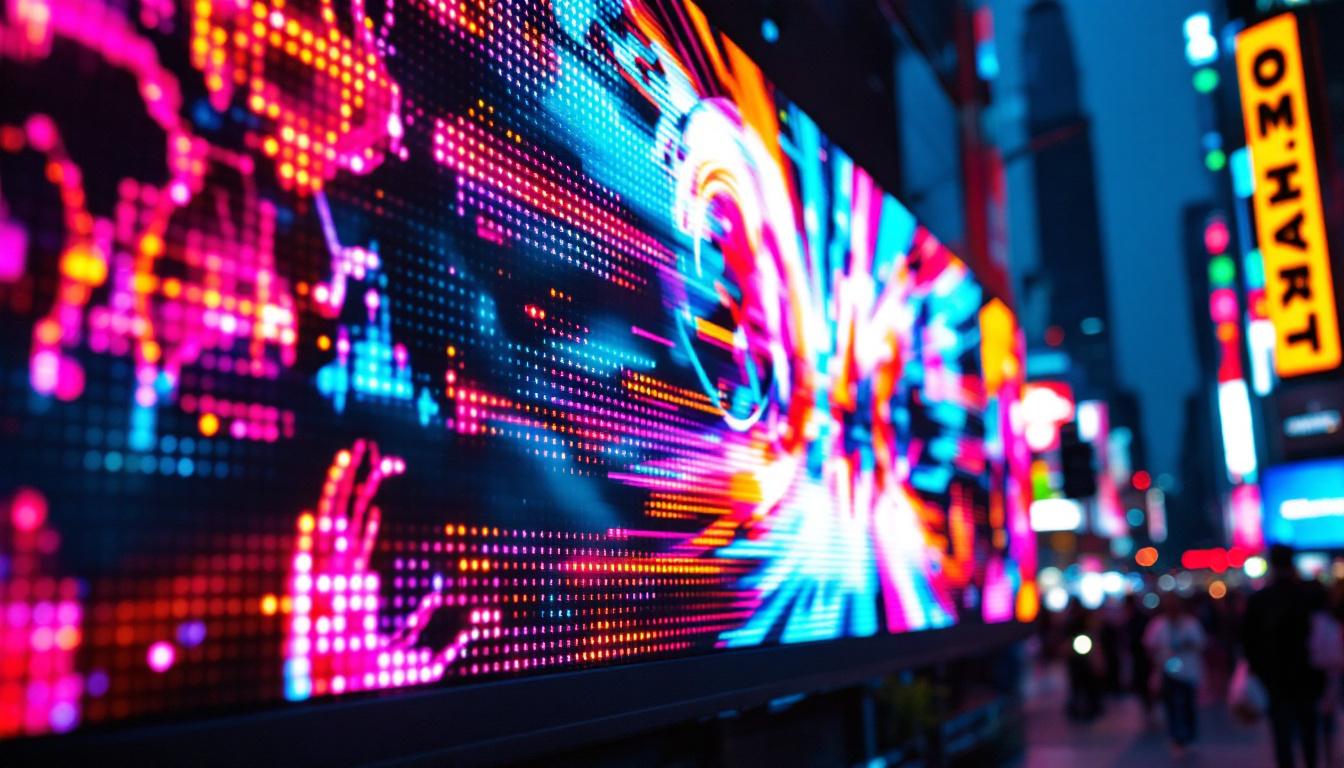
One of the most visible uses of LED panels is in outdoor and indoor advertising. From Times Square’s giant billboards to shopping mall digital signage, LED panels enable brands to deliver captivating content that can be updated in real-time. The ability to display video, animations, and interactive content enhances customer engagement and drives sales.
Events and Entertainment
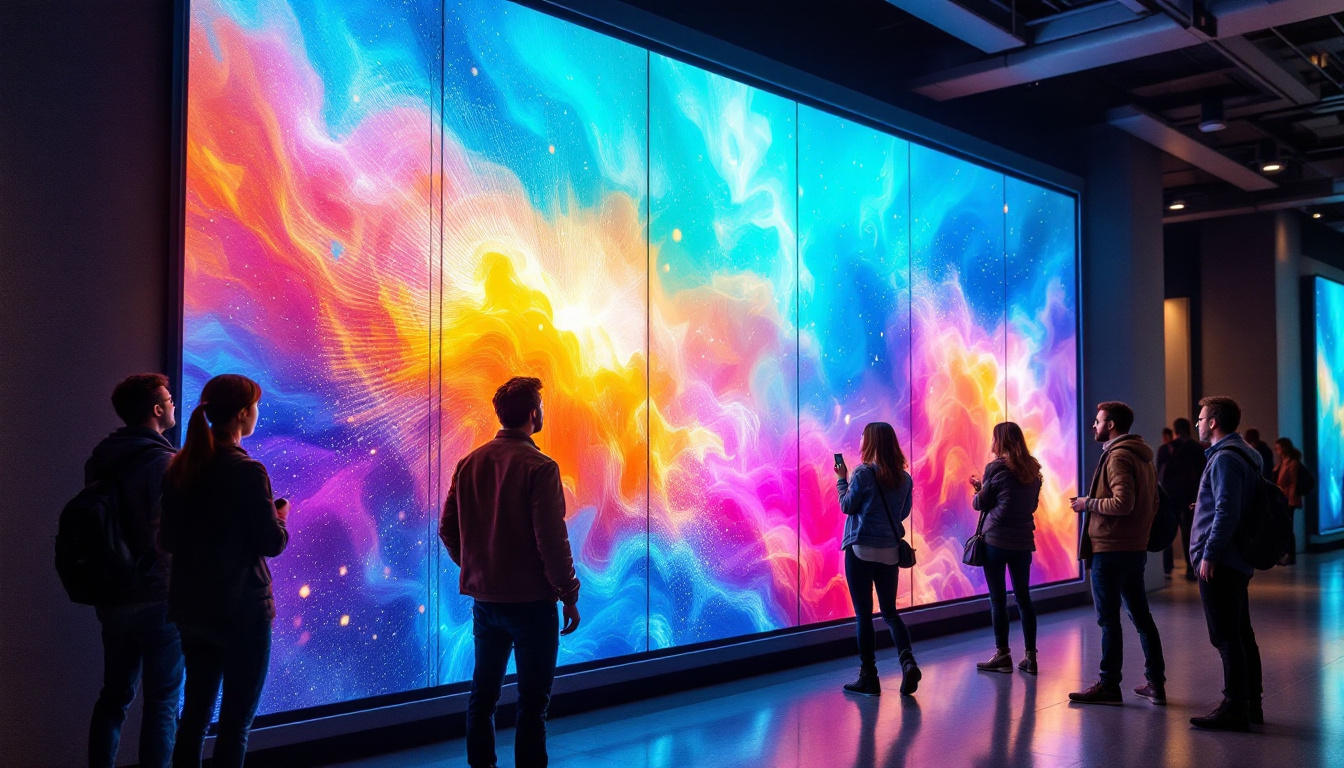
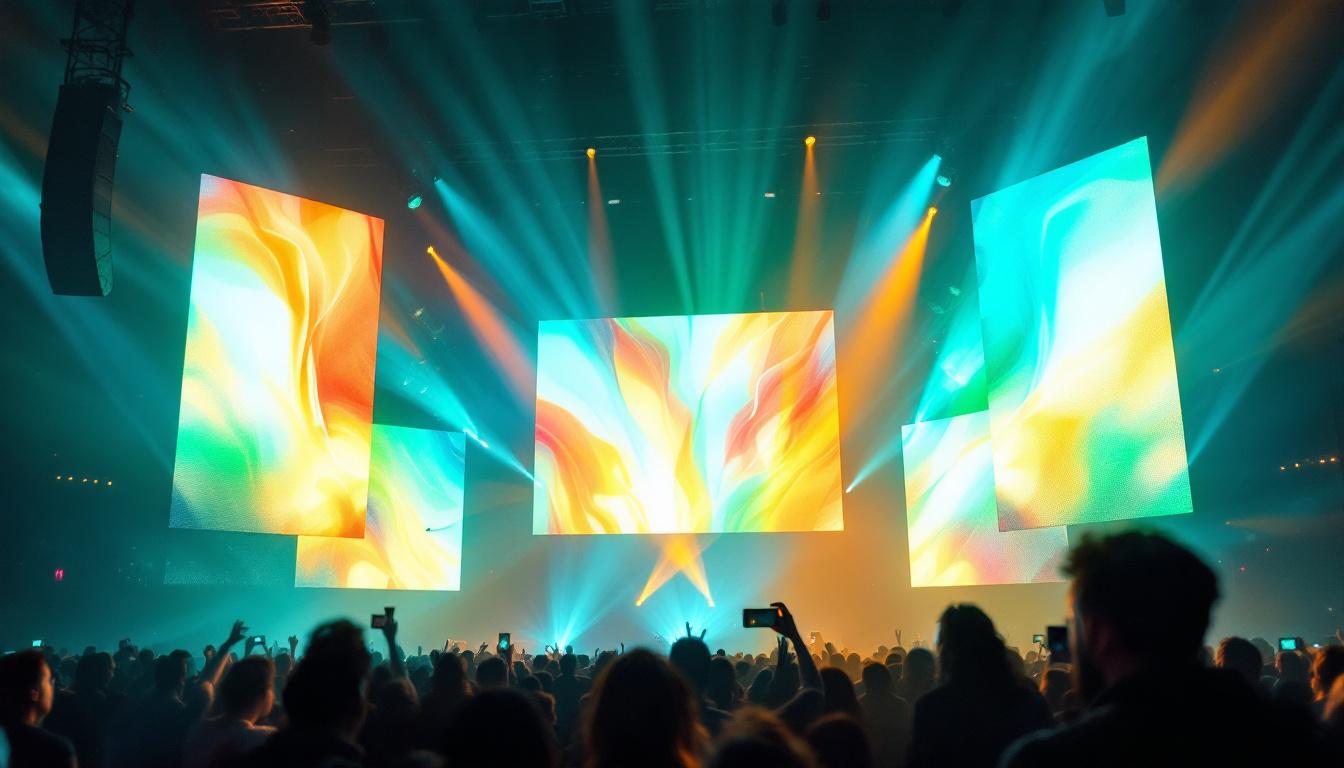
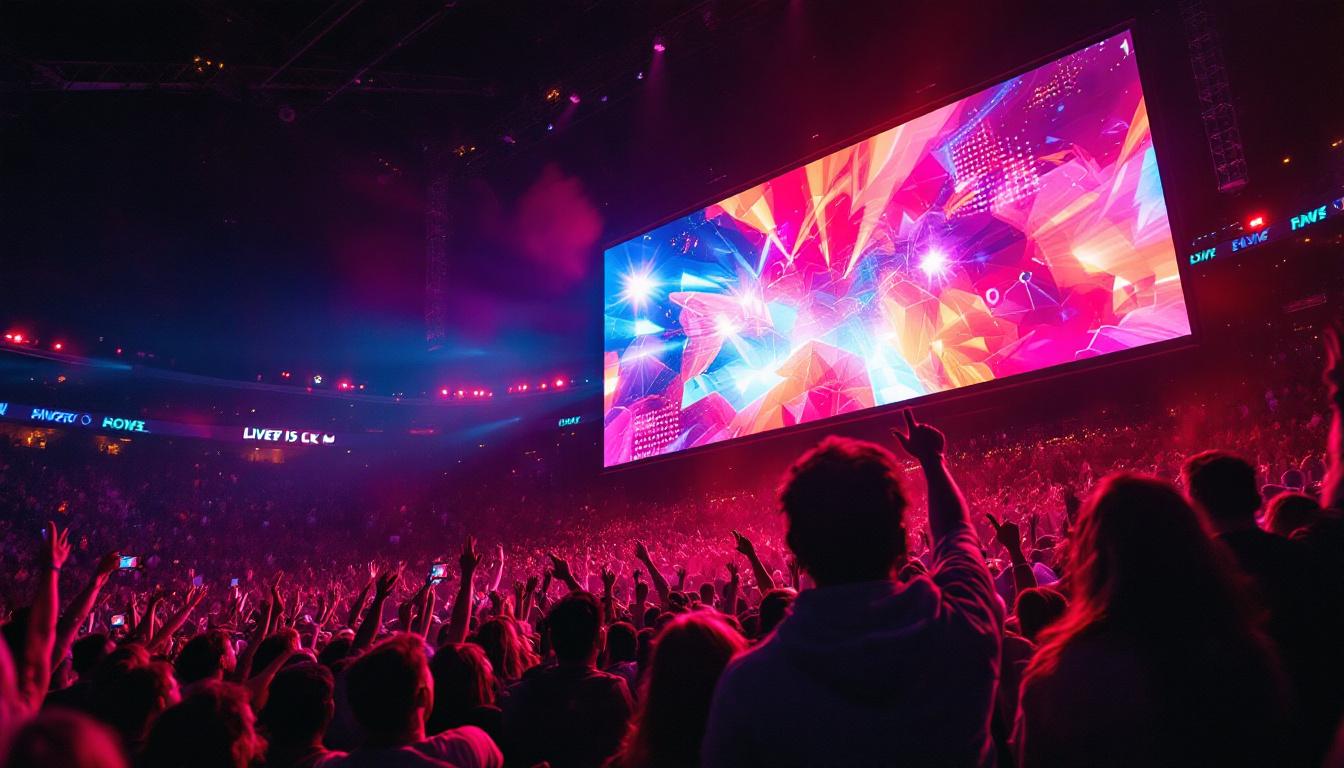
Concerts, sports arenas, and exhibitions rely heavily on LED panels for large-scale displays. They provide immersive experiences by showing live feeds, replays, and visual effects. The high refresh rates and color accuracy of LED panels ensure that audiences enjoy clear and vibrant visuals, even from a distance.
Corporate and Educational Settings
In conference rooms, lecture halls, and control centers, LED panels facilitate presentations, data visualization, and collaborative work. Their sharp images and customizable sizes make them ideal for conveying complex information clearly and effectively.
Architectural and Retail Design
Transparent and flexible LED panels are increasingly used in architectural projects to create dynamic facades and interactive retail displays. These installations enhance brand visibility and customer experience by integrating digital content seamlessly into physical spaces.
Choosing the Right LED Panel: Factors to Consider
Selecting the appropriate LED panel requires careful consideration of several factors to ensure optimal performance and return on investment.
Pixel Pitch and Resolution
The pixel pitch determines the resolution and viewing distance of the panel. Smaller pixel pitches offer higher resolution but come at a higher cost. For indoor use where viewers are close, a pixel pitch of 1.2mm to 4mm is ideal. For outdoor displays viewed from afar, 6mm to 20mm is more practical.
Brightness and Contrast
Assess the ambient lighting conditions where the panel will be installed. Higher brightness levels are necessary for outdoor or brightly lit environments. Contrast ratio impacts image depth and clarity, so panels with high contrast are preferable for detailed content.
Durability and Environmental Protection
Consider the environmental conditions such as temperature, humidity, and exposure to dust or water. Panels with appropriate IP ratings and robust construction will ensure longevity and reduce maintenance needs.
Installation and Maintenance
Evaluate the ease of installation and access for maintenance. Modular panels that allow for quick replacement of components can minimize downtime and service costs.
The Future of LED Panel Technology
LED panel technology continues to evolve rapidly, driven by advances in materials science, electronics, and manufacturing techniques. Emerging trends promise to enhance performance and open new applications.
MicroLED and MiniLED Innovations
MicroLED and MiniLED technologies represent the next generation of LED displays, offering even smaller pixel sizes, higher brightness, and improved energy efficiency. MicroLEDs, in particular, provide superior color accuracy and contrast without the burn-in issues associated with OLEDs, making them promising for premium displays.
Integration with Smart Technologies
Future LED panels are expected to integrate more seamlessly with IoT (Internet of Things) systems, enabling real-time data-driven content updates and interactive capabilities. This integration will enhance personalization and responsiveness in advertising and information dissemination.
Sustainability and Eco-Friendly Designs
Manufacturers are increasingly focusing on sustainable production methods and recyclable materials to reduce the environmental impact of LED panels. Energy-efficient designs and longer lifespans contribute to greener digital signage solutions.
Conclusion
LED panels have transformed the landscape of digital displays by offering unmatched brightness, energy efficiency, and design flexibility. From indoor corporate environments to massive outdoor advertising screens, LED technology enables vibrant, dynamic visual communication that captivates audiences and drives engagement.
Understanding the types of LED panels, their advantages, and applications is essential for making informed decisions when selecting display solutions. As technology advances, LED panels will continue to evolve, providing even more innovative and sustainable options for businesses and creators worldwide.
Discover LumenMatrix’s Innovative LED Solutions
Ready to elevate your visual display capabilities? Explore LumenMatrix’s comprehensive range of LED display modules, designed to bring your brand to life and captivate your audience. Whether you need an Indoor LED Wall Display, a vibrant Outdoor LED Wall Display, or specialized solutions like Vehicle LED Displays, LED Sports Displays, or even Custom LED Displays, LumenMatrix has the technology to transform your space. Embrace the future of visual communication with our cutting-edge LED display solutions. Check out LumenMatrix LED Display Solutions today and see how we can help you make a lasting impression.