In the rapidly evolving world of home entertainment and commercial display solutions, LED paneling for TV walls has emerged as a leading technology. Whether you’re designing a home theater, a corporate conference room, or a retail storefront, understanding LED displays and how paneling works is essential to making an informed decision. This article delves deep into the technology behind LED paneling, its benefits, installation considerations, and how it compares to other display technologies.
Understanding LED Display Technology
What is an LED Display?
LED stands for Light Emitting Diode, a semiconductor device that emits light when an electric current passes through it. An LED display is a flat panel display that uses these diodes as pixels to create images and videos. Unlike traditional LCD or plasma screens, LED displays can be assembled from multiple smaller panels, allowing for flexible sizing and shapes.
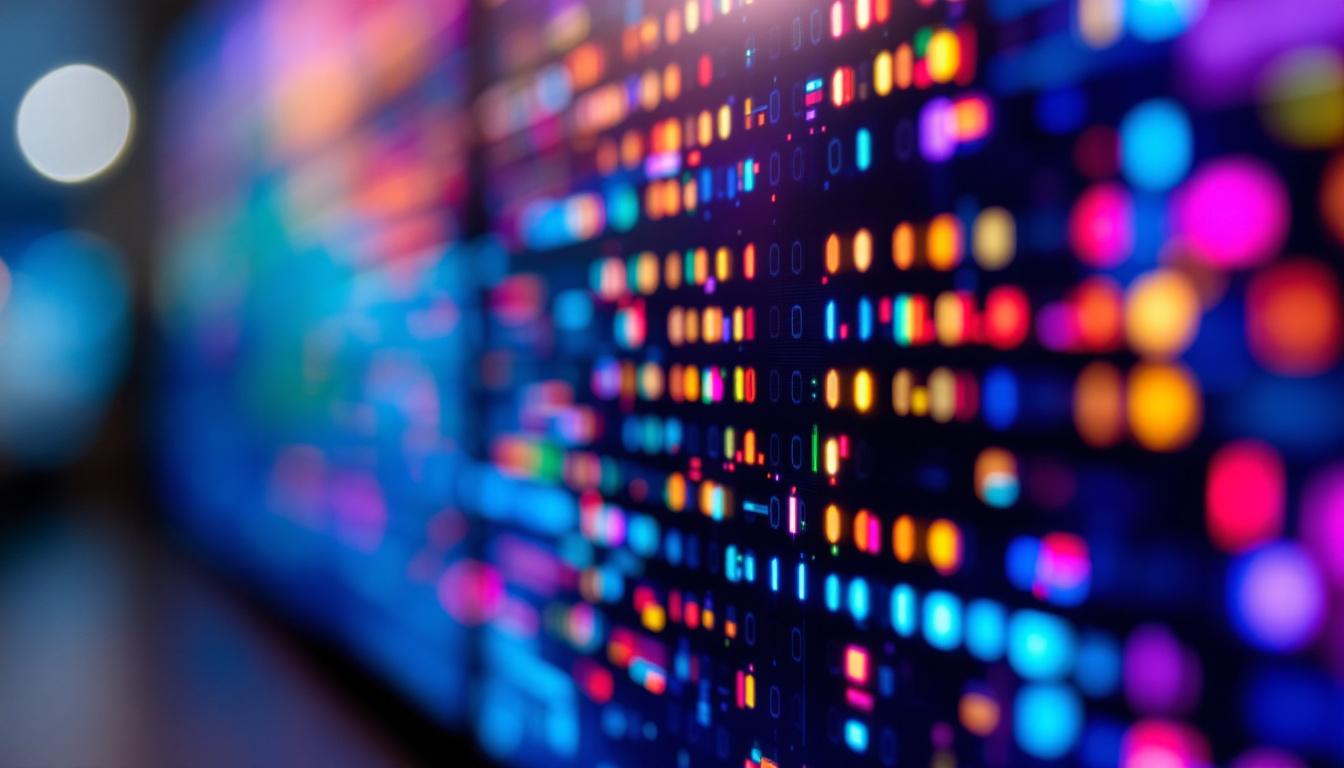
Each LED panel contains thousands of tiny diodes that can emit red, green, and blue light. By controlling the intensity of each diode, the display produces a full spectrum of colors. This technology is widely used in everything from smartphone screens to massive outdoor billboards.
Types of LED Panels for TV Walls
When it comes to TV wall paneling, LED displays generally fall into two categories: direct view LED (DVLED) and LED-backlit LCD. Direct view LED panels consist of LEDs that are visible to the viewer and form the image directly, while LED-backlit LCDs use LEDs as a light source behind an LCD screen.
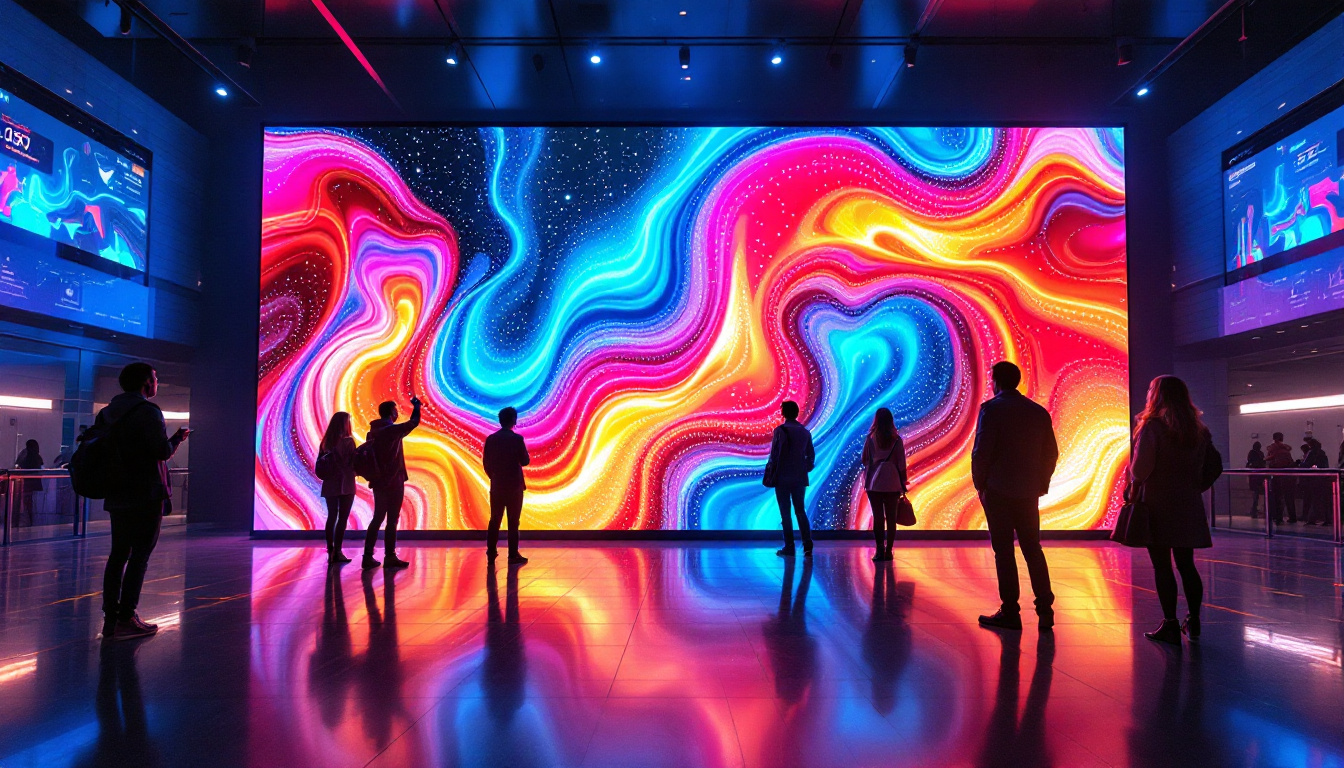
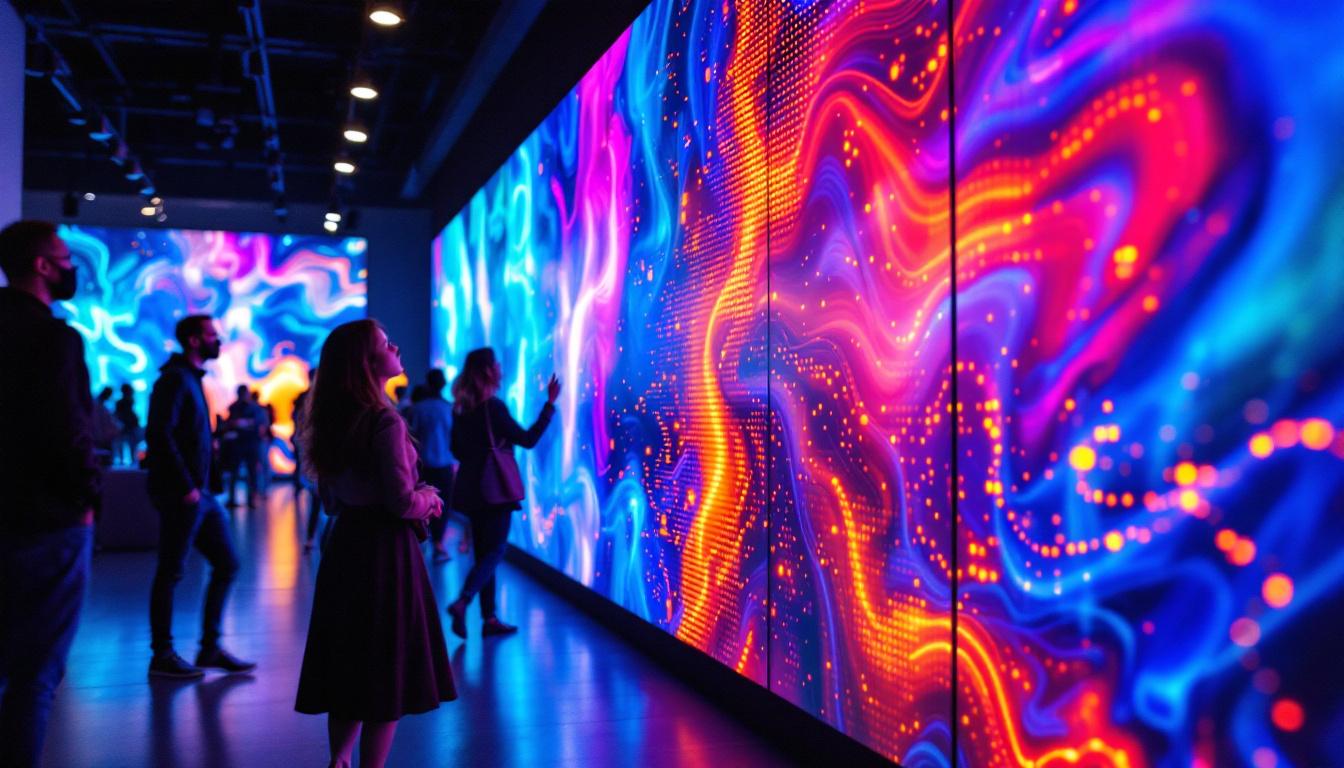
For large-scale TV walls, direct view LED panels are the preferred choice due to their superior brightness, contrast, and scalability. These panels can be seamlessly tiled to create ultra-large displays without visible bezels, making them ideal for immersive viewing experiences.
Advantages of Using LED Paneling for TV Walls
Superior Brightness and Contrast
One of the standout advantages of LED paneling is its exceptional brightness. LED displays can reach brightness levels of 1,000 to 3,000 nits or more, far surpassing the typical 300–500 nits of LCD TVs. This makes LED walls perfectly suited for environments with high ambient light, such as retail spaces, airports, or outdoor venues.
Moreover, LED panels offer remarkable contrast ratios. Because each pixel emits its own light, LEDs can achieve true blacks by turning off individual diodes completely. This capability results in vibrant images with deep blacks and vivid colors, enhancing the overall viewing experience.
Scalability and Customization
LED paneling is highly modular. Panels can be combined in various configurations to create displays of virtually any size and shape. This flexibility allows designers to tailor TV walls to specific spatial constraints and aesthetic preferences.
For example, companies can create curved or angled walls, panoramic displays, or even artistic installations that integrate seamlessly with architectural elements. This adaptability is a significant advantage over traditional single-panel TVs, which are limited in size and shape.
Durability and Longevity
LED panels are known for their durability. They are less prone to screen burn-in compared to OLED and plasma displays, making them ideal for applications where static images or logos are displayed for extended periods. Additionally, LEDs have a long operational lifespan, often exceeding 100,000 hours, which translates to many years of use without significant degradation.
This longevity reduces maintenance costs and downtime, which is especially important in commercial settings where display reliability is critical.
Key Considerations When Choosing LED Paneling for TV Walls
Pixel Pitch and Viewing Distance
Pixel pitch refers to the distance between the centers of two adjacent pixels, usually measured in millimeters. It is a crucial factor in determining the resolution and clarity of an LED display. A smaller pixel pitch means higher pixel density, resulting in sharper images.
For indoor TV walls viewed from close distances, pixel pitches between 0.9mm and 2.5mm are common. For example, a pixel pitch of 1.2mm is ideal for viewing distances of about 1 to 3 meters, providing crisp details without visible pixelation. Conversely, larger pixel pitches (e.g., 4mm to 10mm) are better suited for outdoor or large venue displays viewed from afar.
Resolution and Screen Size
The resolution of an LED TV wall depends on the number of panels and their pixel density. When planning a TV wall, it’s essential to balance screen size with resolution to ensure the image remains sharp and clear. A very large screen with low resolution can appear pixelated, while a smaller screen with high resolution may be unnecessarily costly.
For instance, a 4K resolution (3840 x 2160 pixels) is a popular standard for TV walls used in conference rooms or home theaters. Achieving this resolution requires a sufficient number of panels with a fine pixel pitch. Consulting with a professional installer can help optimize these parameters based on the intended use.
Installation and Maintenance
Installing an LED TV wall requires careful planning and expertise. Panels must be mounted securely and aligned precisely to avoid gaps or misalignment that can disrupt the image. Many modern LED panels feature magnetic mounting and quick-lock mechanisms to facilitate installation and servicing.
Maintenance considerations include access to the rear or front of the panels for repairs or cleaning. Front-serviceable panels are advantageous in tight spaces where rear access is limited. Additionally, regular calibration may be necessary to maintain color uniformity and brightness consistency across the entire display.
Comparing LED Paneling to Other TV Wall Technologies
LED vs. LCD Video Walls
While both LED and LCD technologies are used for video walls, LED displays generally offer better brightness, contrast, and viewing angles. LCD video walls rely on backlighting and often have visible bezels between panels, which can interrupt the visual flow. In contrast, LED panels can be bezel-less or feature ultra-thin bezels, creating a more seamless image.
However, LCD video walls can be more cost-effective for smaller installations or where ultra-high brightness is not required. They also consume less power in some cases, making them suitable for energy-conscious environments.
LED vs. OLED Displays
OLED (Organic Light Emitting Diode) displays are known for their excellent color accuracy and contrast due to their self-emissive pixels. However, OLED panels are typically limited in size and can suffer from burn-in issues, making them less suitable for large TV walls or commercial applications.
LED paneling, especially direct view LED, is better suited for large-scale installations because of its modularity, brightness, and durability. While OLED technology continues to advance, LED remains the dominant choice for expansive TV walls.
Applications of LED Paneling for TV Walls
Home Theaters and Luxury Residences
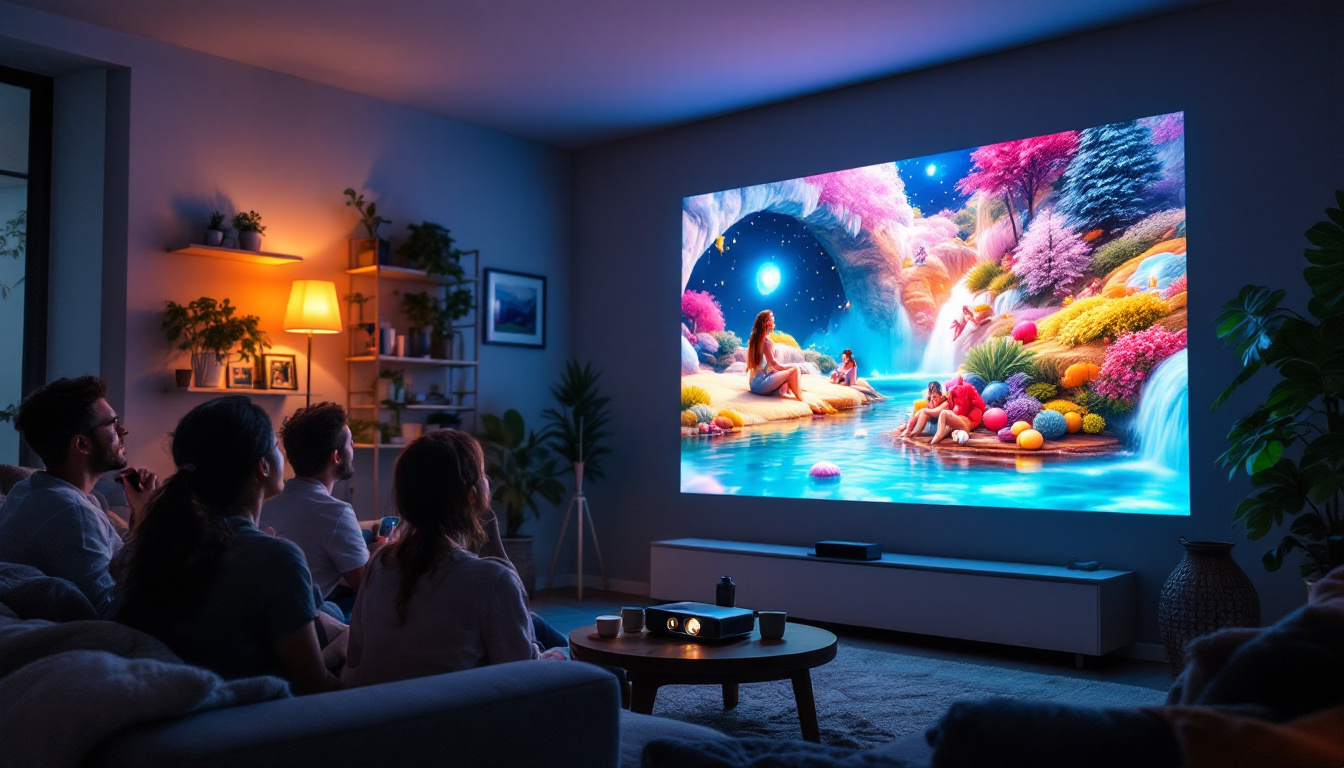
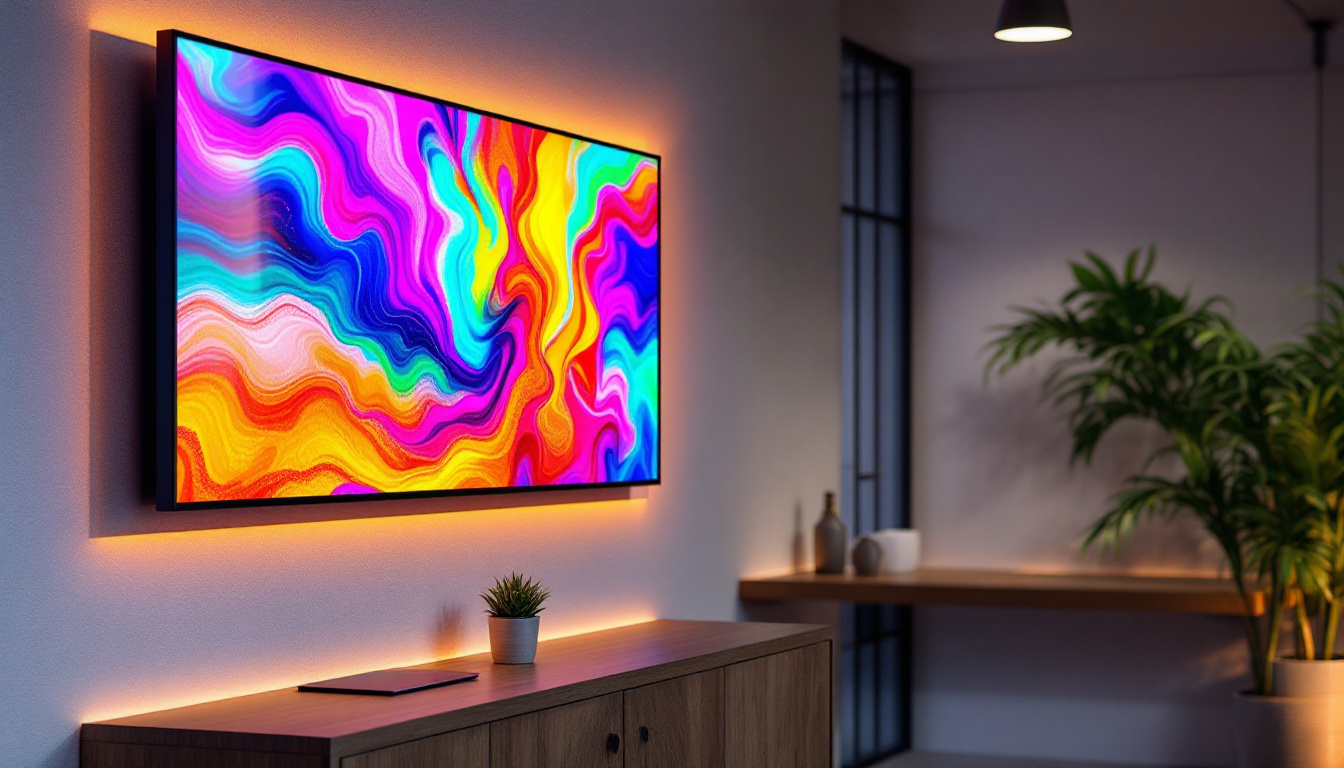
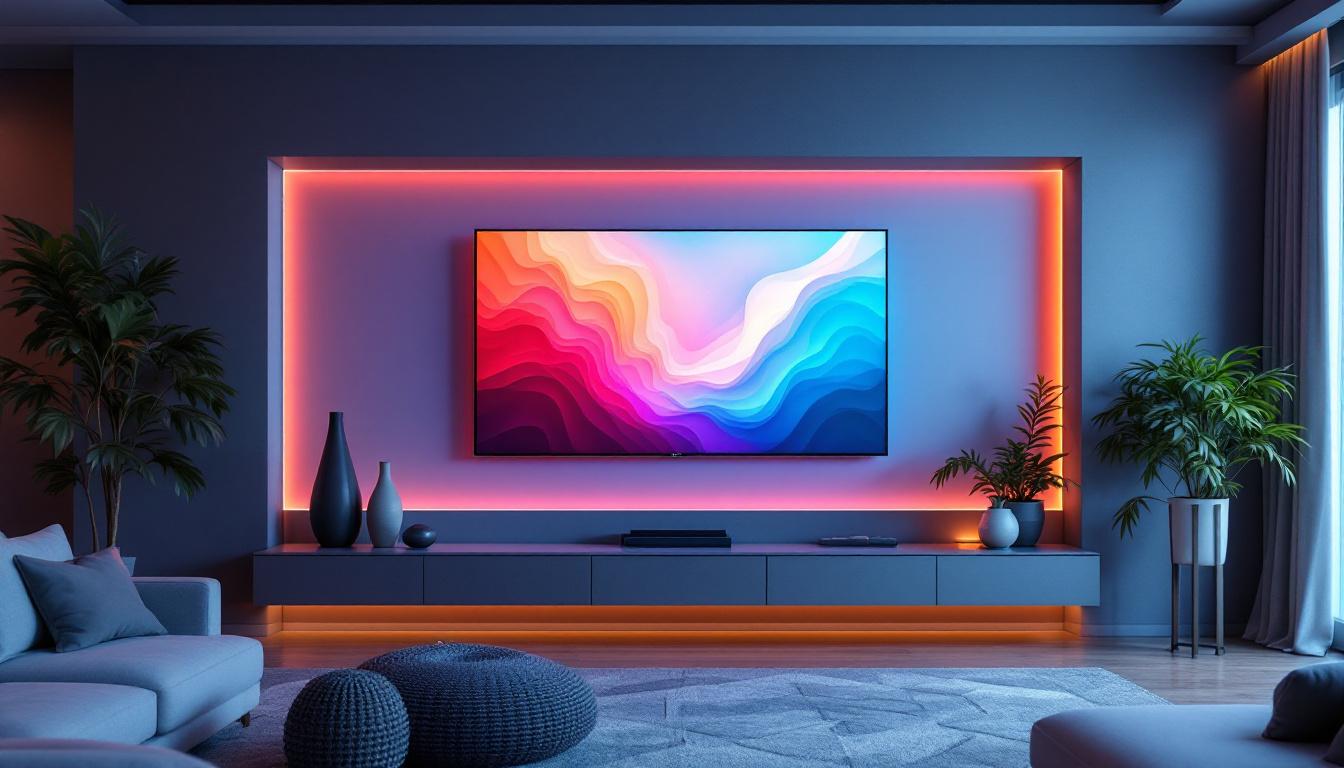
High-end home theaters increasingly incorporate LED paneling to deliver cinema-quality visuals. The ability to customize screen size and shape allows homeowners to create immersive environments tailored to their space and aesthetic preferences.
LED TV walls also provide superior brightness and contrast, enhancing the viewing experience for movies, sports, and gaming. Though traditionally more expensive than conventional TVs, prices have been decreasing, making LED walls more accessible to residential customers.
Corporate and Educational Environments
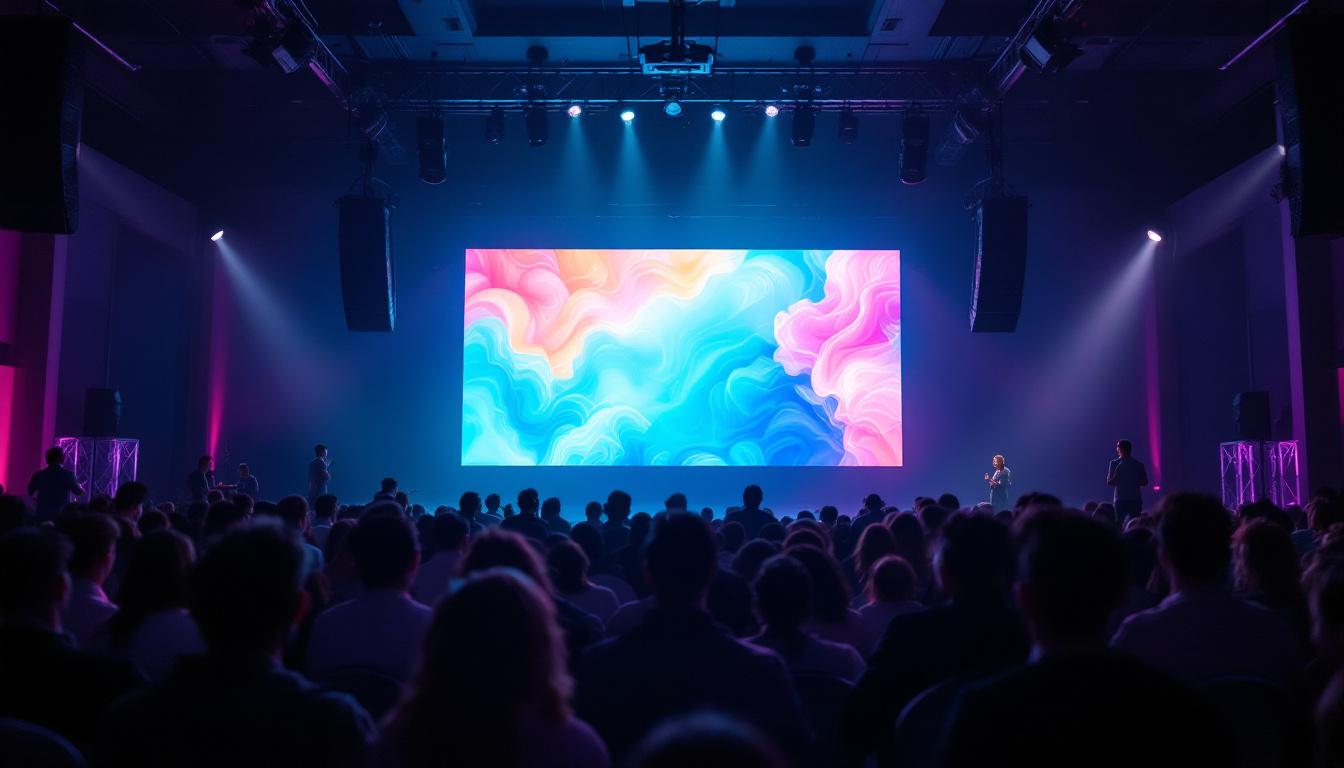
In boardrooms, auditoriums, and lecture halls, LED TV walls facilitate clear communication and dynamic presentations. Their scalability allows for large displays that can be viewed clearly from any seat, improving engagement and information retention.
Additionally, LED walls can integrate with video conferencing systems and interactive software, making them versatile tools for modern workplaces and educational institutions.
Retail and Advertising
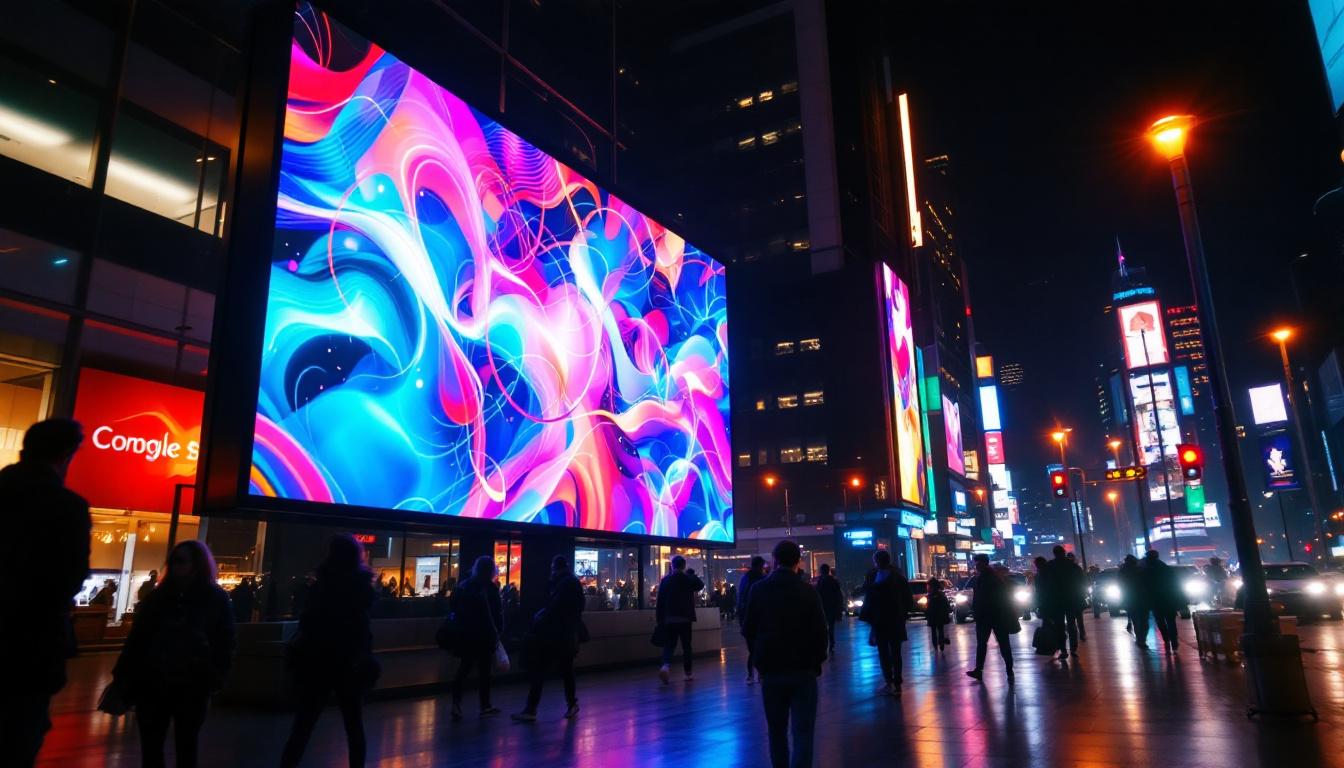
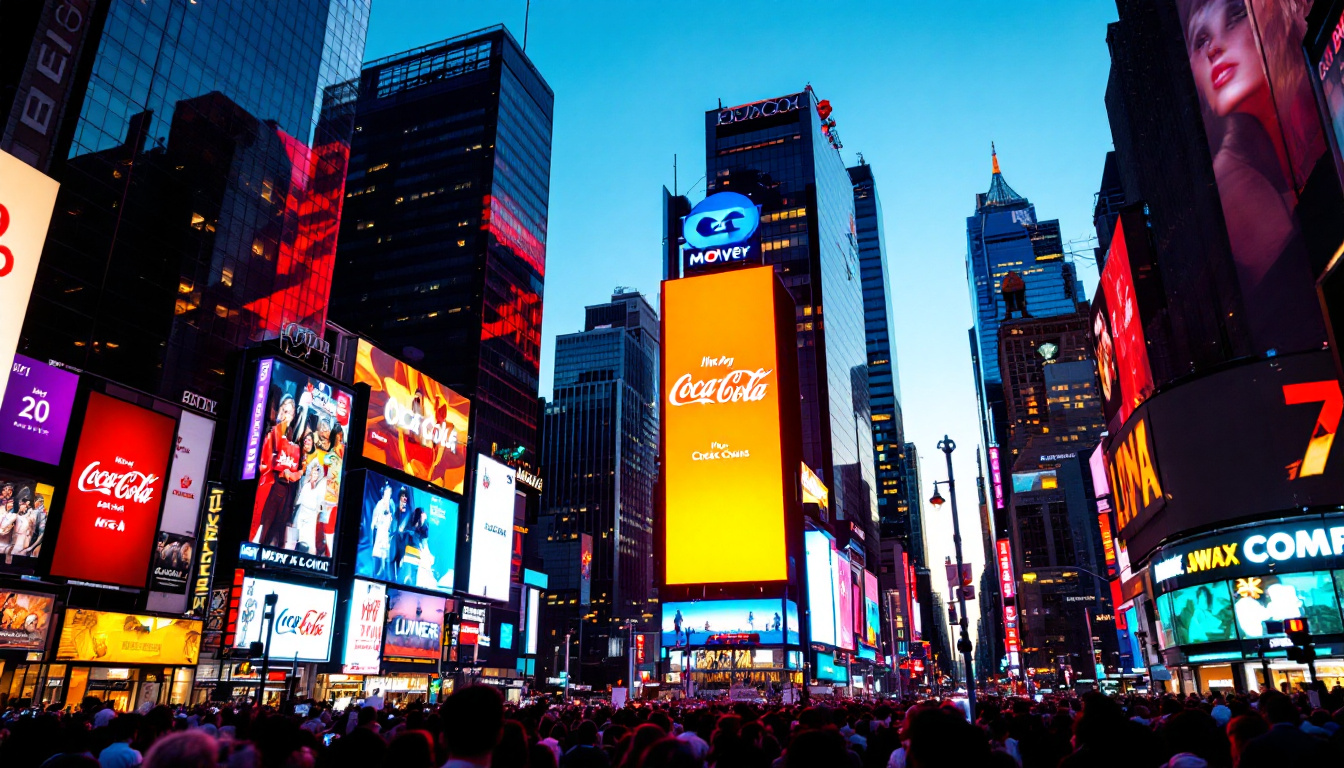
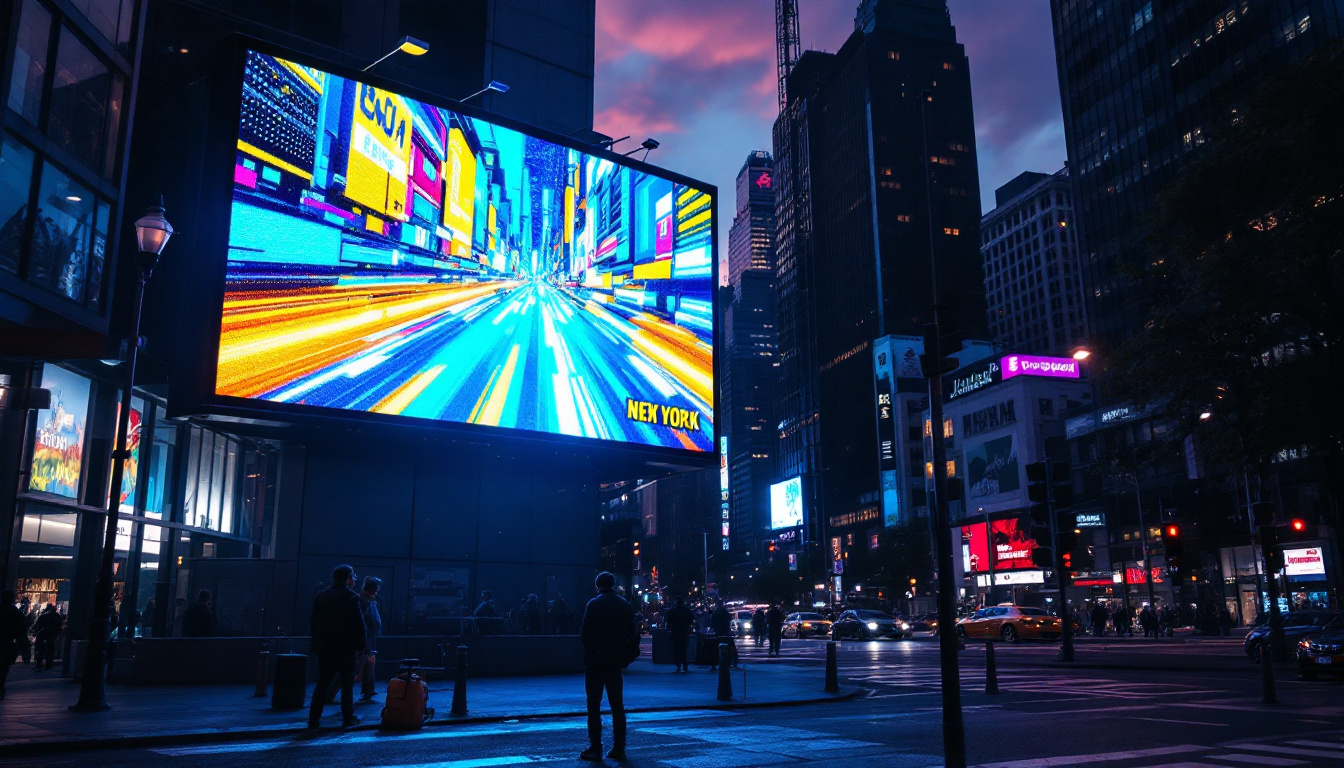
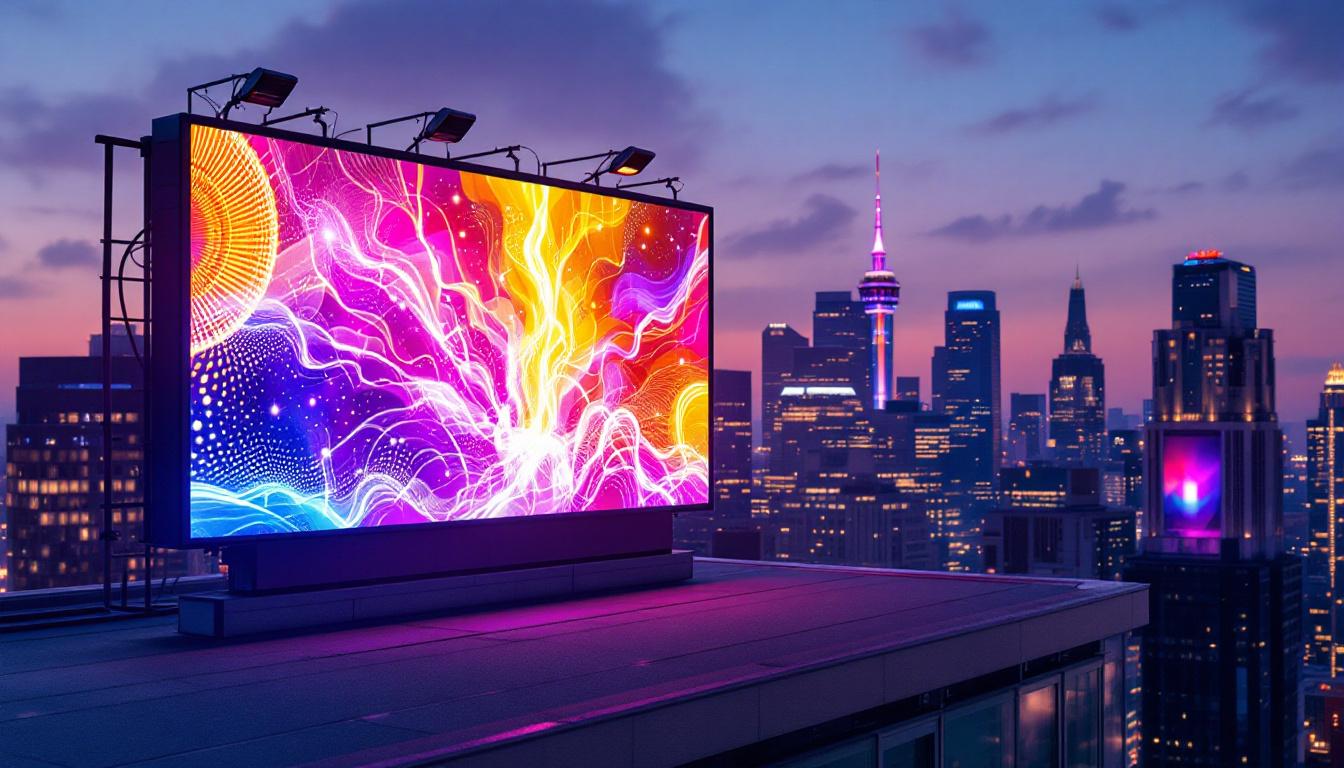
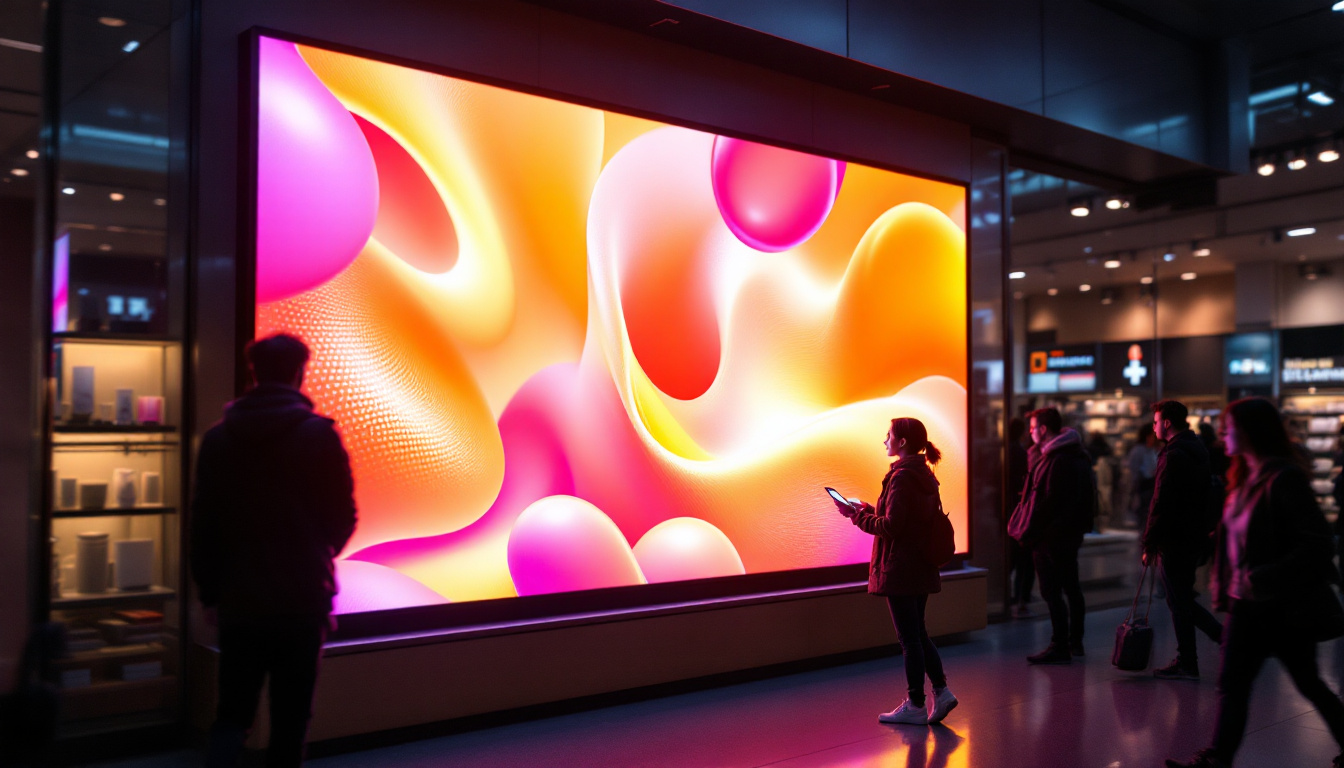
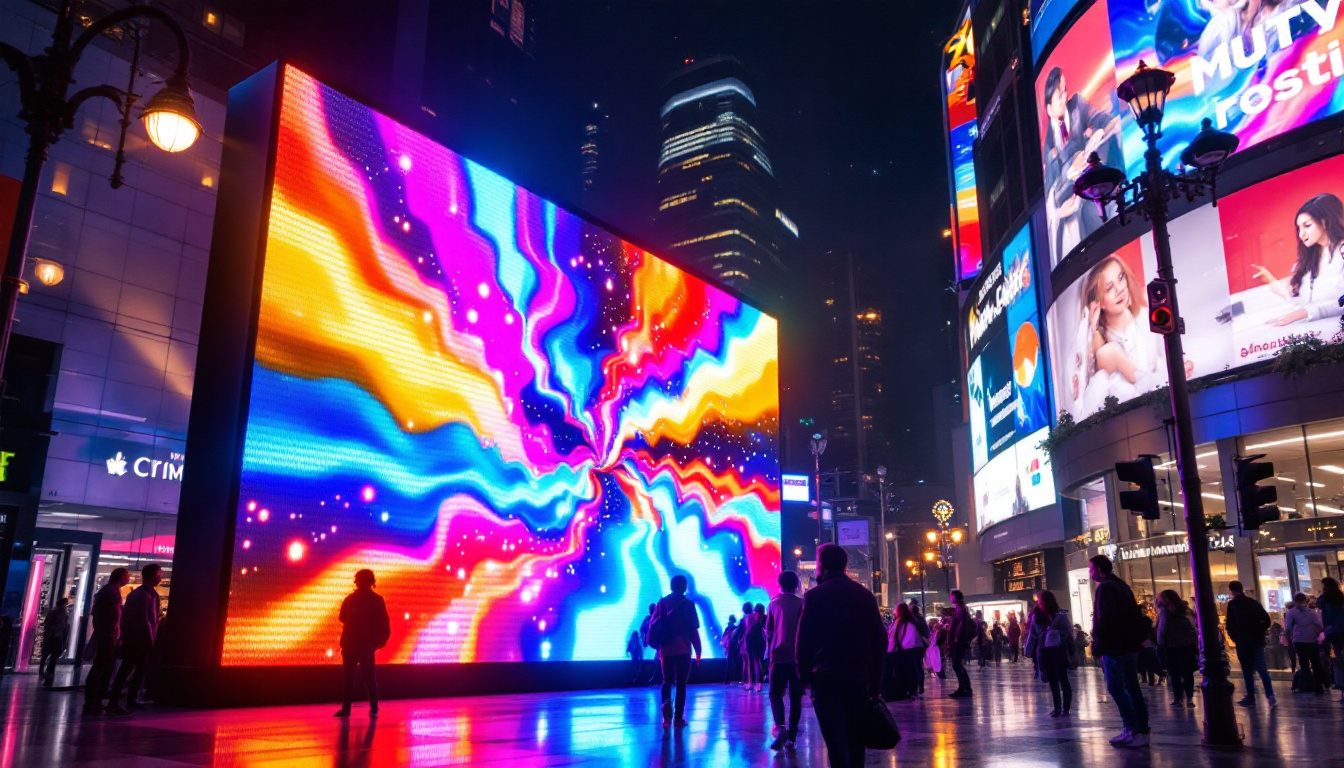
Retailers use LED paneling to create eye-catching digital signage that attracts customers and promotes products. The high brightness and vivid colors ensure visibility even in brightly lit stores or outdoor locations.
Dynamic content can be updated in real-time, allowing for targeted advertising and promotions. LED video walls also enhance brand presence and create memorable shopping experiences.
Entertainment Venues and Public Spaces
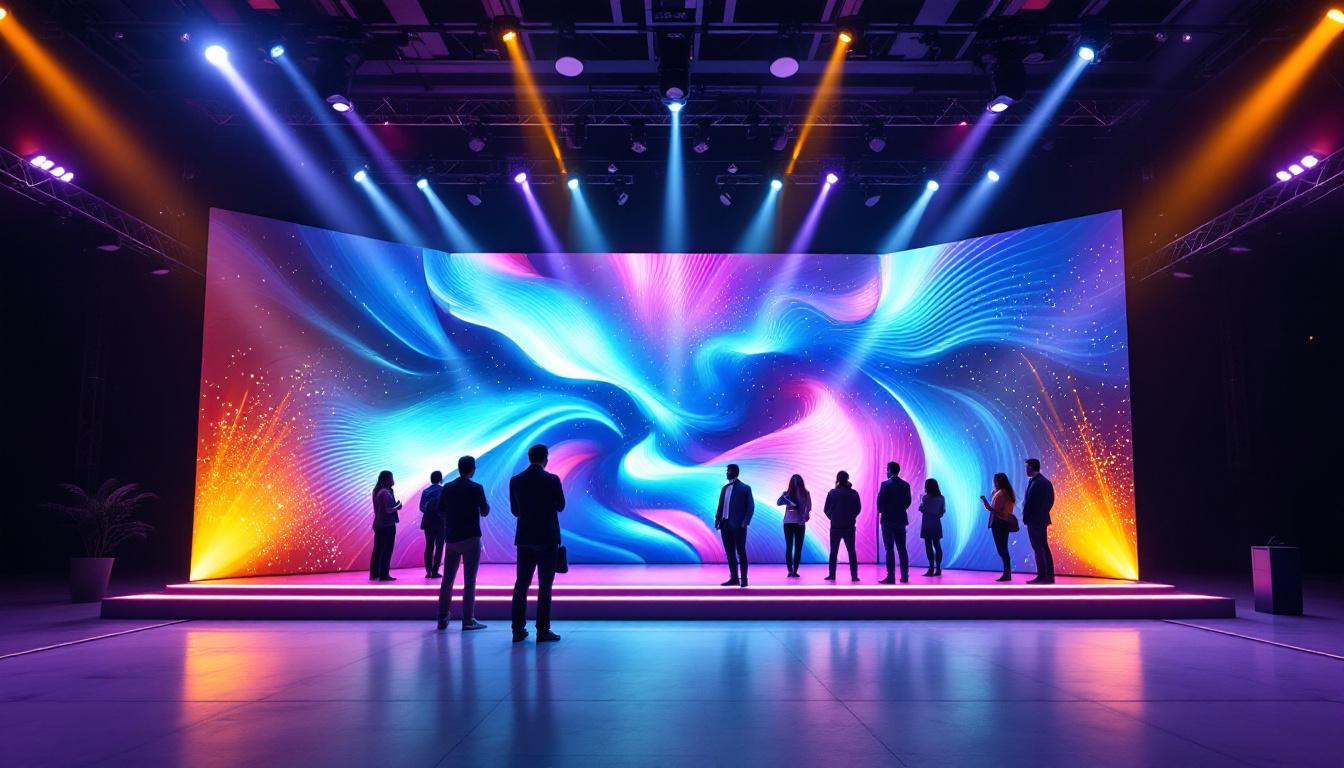
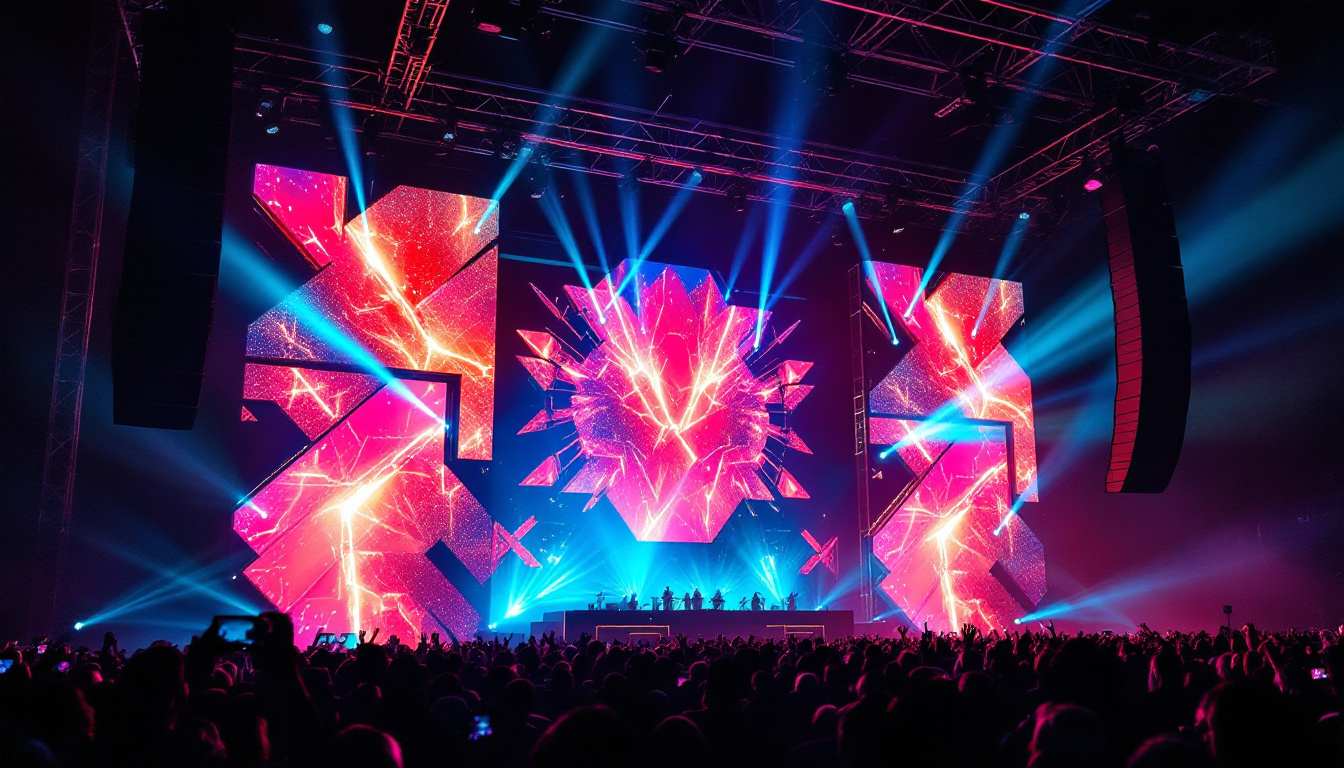
Concerts, sports arenas, and public gathering spaces rely on LED walls to display live feeds, scores, and advertisements. The durability and brightness of LED panels make them ideal for both indoor and outdoor use, even under challenging weather conditions.
These installations often require custom shapes and sizes, which LED paneling can accommodate with ease.
Future Trends in LED Paneling for TV Walls
MicroLED Technology
MicroLED is an emerging technology that promises to combine the best features of LED and OLED displays. MicroLED panels use microscopic LEDs to create images with exceptional brightness, contrast, and energy efficiency. They also avoid burn-in issues common to OLEDs.
While still in the early stages of commercialization, MicroLED could revolutionize TV wall paneling by offering even thinner, brighter, and more durable displays.
Improved Energy Efficiency
As sustainability becomes a priority, manufacturers are developing LED panels that consume less power without sacrificing performance. Innovations in diode materials and driving electronics contribute to lower energy costs and reduced environmental impact.
Integration with Smart Technologies
Future LED TV walls will increasingly incorporate AI-powered content management, interactive features, and seamless integration with smart home or building automation systems. This will enable more personalized and dynamic display experiences tailored to user preferences and contexts.
Conclusion
LED paneling for TV walls represents a versatile and high-performance solution for a wide range of applications, from luxury home theaters to large-scale commercial installations. Its superior brightness, contrast, scalability, and durability make it a compelling choice compared to other display technologies.
Understanding key factors such as pixel pitch, resolution, and installation requirements is essential to optimizing the benefits of LED paneling. As technology advances, innovations like MicroLED and smarter integration will continue to enhance the capabilities and appeal of LED TV walls.
For anyone considering a TV wall installation, investing time in research and consulting with experienced professionals will ensure the best outcome tailored to specific needs and environments.
Discover LumenMatrix’s Innovative LED Solutions
Ready to elevate your space with cutting-edge LED display technology? LumenMatrix offers a diverse range of LED solutions tailored to your unique needs. From immersive Indoor and Outdoor LED Wall Displays to dynamic Vehicle and Sports LED Displays, our products are designed to captivate and engage. Experience the future of visual communication with our Custom LED Displays, All-in-One solutions, and revolutionary Transparent Displays. Embrace the power of LED innovation and check out LumenMatrix LED Display Solutions today to transform your visual storytelling.