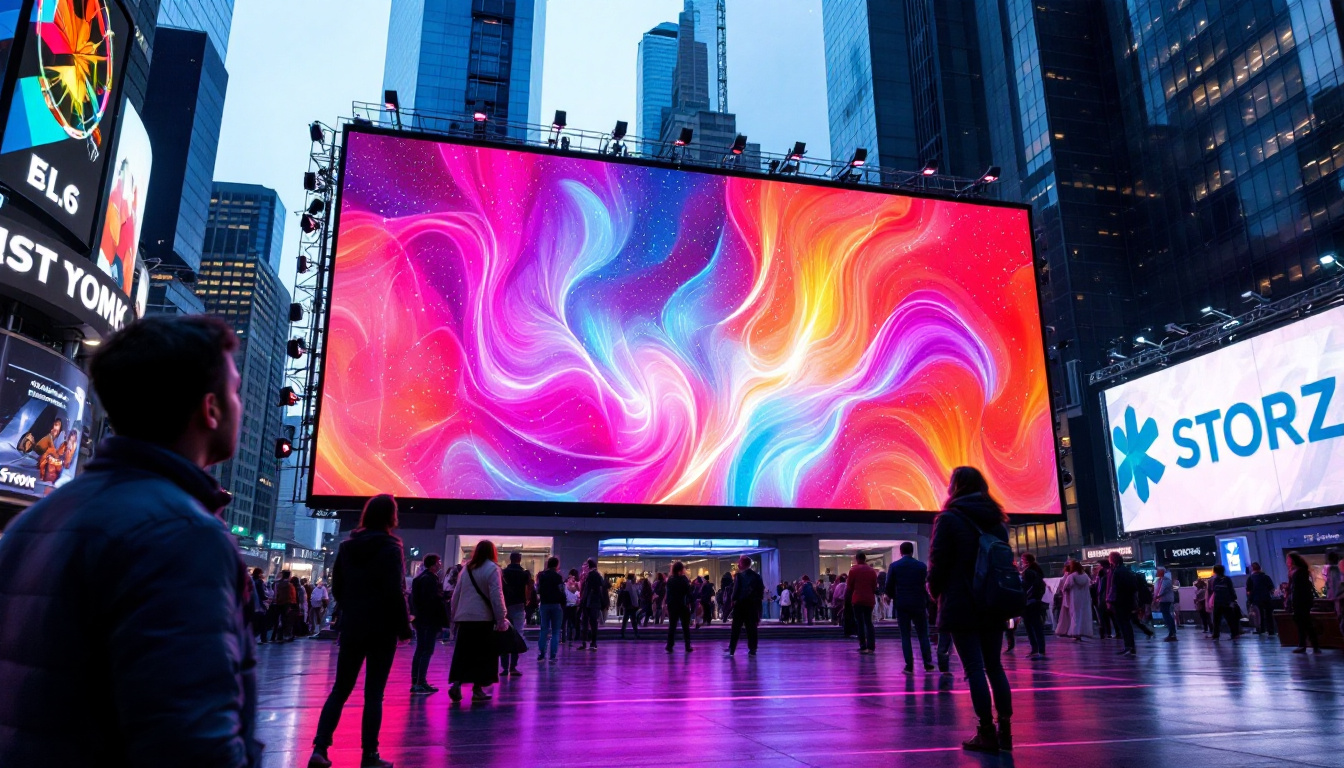
In the rapidly evolving world of digital display technology, kinetic LED walls have emerged as a groundbreaking innovation. Combining motion, dynamic visuals, and cutting-edge LED technology, these displays are transforming the way brands, artists, and venues engage with audiences. This article delves into what kinetic LED walls are, how they function, their applications, and why they represent the future of visual communication.
What is a Kinetic LED Wall?
A kinetic LED wall is an advanced digital display system composed of multiple LED panels that are mounted on motorized mechanisms, allowing the entire structure or individual modules to move or shift dynamically. Unlike traditional static LED walls, kinetic LED walls offer a three-dimensional, interactive experience by incorporating motion alongside vibrant LED visuals.
The term “kinetic” refers to movement, and in this context, it means the LED panels can rotate, tilt, or slide in choreographed sequences. This movement adds a physical dimension to the visual content, creating immersive environments that captivate viewers in ways static displays cannot.
These walls are typically custom-built, integrating LED technology with robotics, control systems, and creative programming to synchronize motion and imagery seamlessly. This fusion of hardware and software allows for spectacular visual storytelling, often seen in concerts, exhibitions, retail spaces, and large-scale events.
One of the most fascinating aspects of kinetic LED walls is their ability to adapt to various themes and narratives, making them a versatile tool for artists and designers. For instance, during a live performance, the kinetic elements can respond to the rhythm of the music, creating a symbiotic relationship between sound and sight. This dynamic interaction not only enhances the audience’s experience but also elevates the overall artistic expression, allowing for a more profound emotional connection with the content being presented.
Moreover, the technology behind kinetic LED walls is continuously evolving, with advancements in materials and control systems leading to even more complex and engaging displays. Some modern kinetic walls utilize artificial intelligence to analyze audience reactions and adjust movements in real-time, further personalizing the experience. This level of interactivity not only draws viewers in but also encourages them to engage with the installation, making it a memorable part of their experience, whether in a gallery, a corporate setting, or a public space.
How Do Kinetic LED Walls Work?
LED Technology Basics
At the core of a kinetic LED wall is LED (Light Emitting Diode) technology. LEDs are semiconductor devices that emit light when an electric current passes through them. LED panels are made up of thousands of tiny LEDs arranged in a grid, capable of producing bright, high-resolution images and videos.
Modern LED panels offer exceptional brightness, color accuracy, and energy efficiency compared to older display technologies such as LCD or projection. They are also modular, meaning individual panels can be combined to create displays of virtually any size and shape.
Incorporating Motion: The Kinetic Element
The “kinetic” aspect is achieved by mounting the LED panels on mechanical rigs equipped with motors, actuators, and sensors. These components allow the panels to move in various ways—rotating, folding, sliding, or undulating—according to pre-programmed sequences.
Control systems coordinate the movement of the panels with the visual content displayed on the LEDs. Sophisticated software platforms enable designers to choreograph complex animations where the physical movement of the panels complements or enhances the digital imagery.
Synchronization of Motion and Visuals
Synchronization is critical for kinetic LED walls to deliver a seamless experience. The control software manages timing, speed, and positioning of the panels while simultaneously driving the LED content. This integration ensures that the motion and visuals work harmoniously, creating effects such as 3D illusions, morphing shapes, or interactive storytelling elements.
For example, a kinetic LED wall might fold inwards while displaying a blossoming flower animation, giving the illusion that the wall itself is coming to life. Achieving this requires precise calibration and real-time communication between the motion controllers and LED content servers.
Applications of Kinetic LED Walls
Entertainment and Live Events
Kinetic LED walls have gained significant traction in the entertainment industry, especially in concerts, theater productions, and festivals. Artists and production designers use these dynamic displays to create immersive stage environments that enhance the audience’s experience.
For instance, major music tours often feature kinetic LED walls that move in sync with the music, creating dramatic visual effects that transform the stage. The kinetic movement adds depth and excitement, making performances more memorable.
Retail and Advertising
In retail environments, kinetic LED walls serve as eye-catching digital signage that attracts and retains customer attention. Brands use these displays to showcase products dynamically, tell brand stories, or create interactive shopping experiences.
Retailers benefit from the flexibility of kinetic LED walls, which can be reprogrammed to suit different campaigns or seasons. The movement of the panels can highlight specific products or create a sense of luxury and innovation, helping brands stand out in competitive markets.
Corporate and Event Spaces
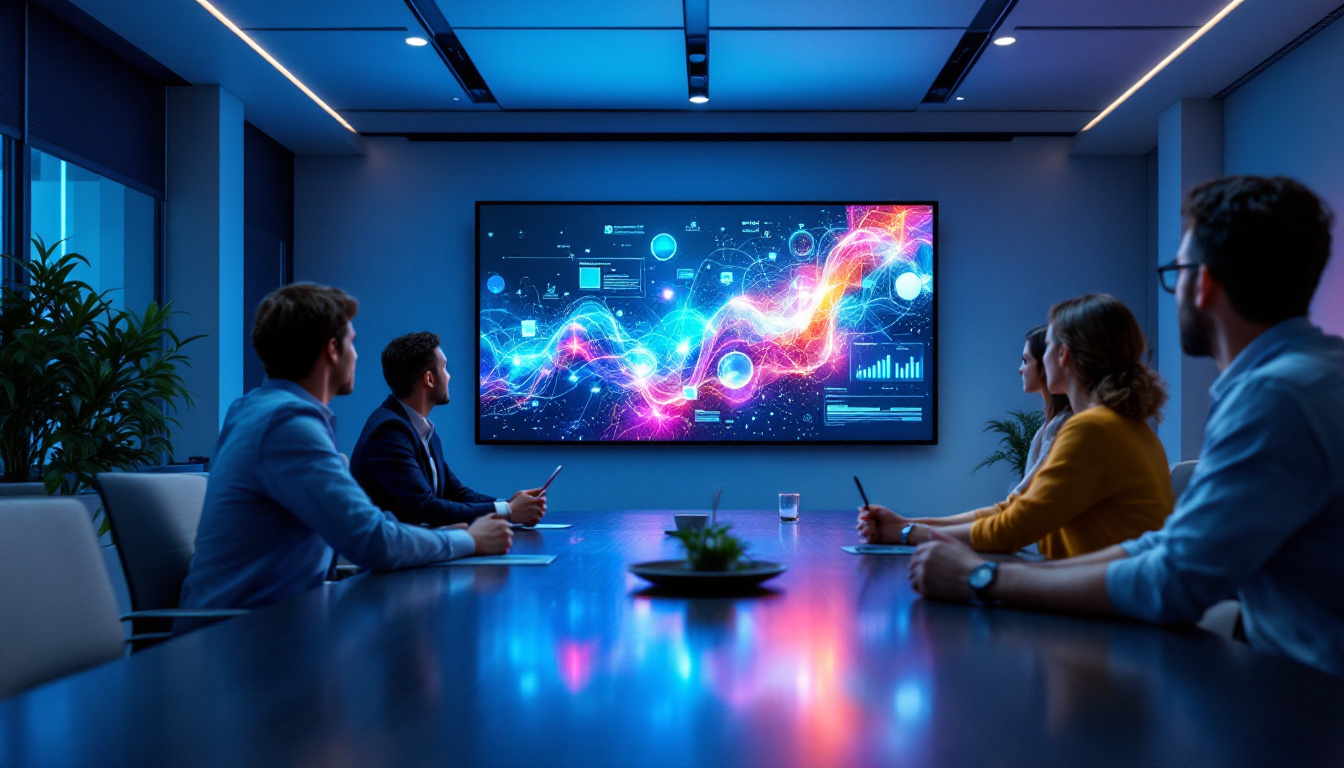
Corporate lobbies, conference centers, and event venues are increasingly adopting kinetic LED walls to enhance their spaces. These displays can be customized to reflect corporate branding, display real-time data, or provide engaging backdrops for presentations.
In events such as product launches or trade shows, kinetic LED walls offer a unique way to capture audience attention and communicate key messages dynamically. The ability to integrate motion with visuals creates a futuristic and professional atmosphere.
Museums and Art Installations
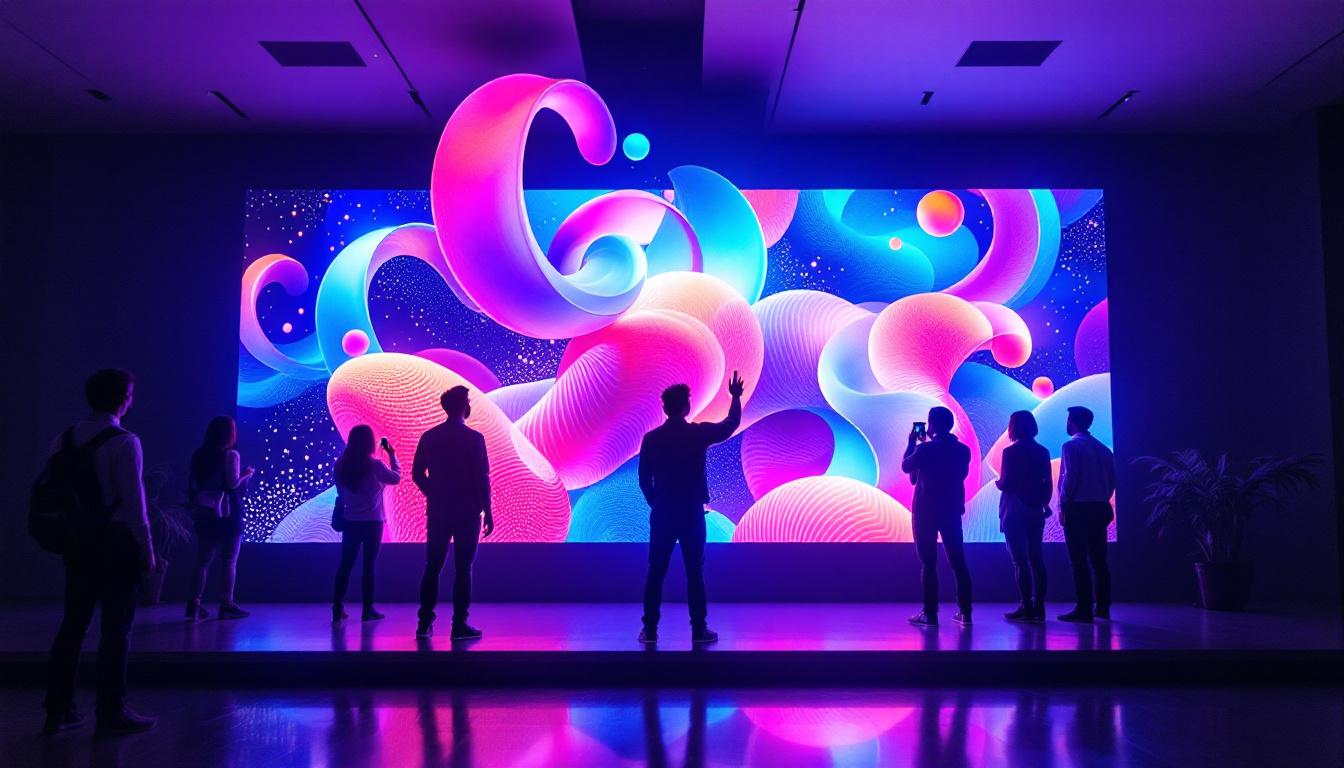
Artists and museums are exploring kinetic LED walls as a medium for digital art and interactive exhibits. The combination of motion and light allows for innovative storytelling techniques that engage visitors on multiple sensory levels.
These walls can respond to visitor movements or environmental cues, creating personalized experiences. The kinetic element adds a sculptural quality to the digital display, blurring the lines between technology and traditional art forms.
Benefits of Kinetic LED Walls
Enhanced Engagement and Immersion
The primary advantage of kinetic LED walls is their ability to captivate audiences through motion and light. Movement naturally draws human attention, and when combined with high-quality visuals, it creates immersive environments that hold viewers’ interest longer than static displays.
This heightened engagement is valuable in marketing, entertainment, and educational contexts, where capturing and maintaining attention is critical.
Versatility and Customization
Kinetic LED walls offer unparalleled flexibility. Their modular nature allows for custom shapes and sizes, while the programmable motion enables endless creative possibilities. Designers can tailor the display to specific themes, events, or brand identities.
This adaptability means kinetic LED walls can be reused and reconfigured, offering a cost-effective solution over time compared to traditional static signage or set pieces.
Improved Visual Impact
The combination of motion and vibrant LED visuals creates a powerful sensory experience. The kinetic movement adds depth and dimension, making images appear more lifelike and dynamic. This effect can enhance storytelling, product showcasing, or artistic expression.
Moreover, LED technology ensures bright, vivid colors visible even in well-lit environments, increasing the display’s effectiveness in various settings.
Energy Efficiency and Durability
Modern LED panels are energy-efficient and have long lifespans, reducing operational costs. Additionally, the mechanical components used in kinetic walls are designed for reliability and precision, ensuring consistent performance even with frequent movement.
Advances in materials and engineering have made kinetic LED walls more durable and easier to maintain, which is essential for commercial and public installations.
Challenges and Considerations
Technical Complexity
Designing and implementing a kinetic LED wall requires expertise in multiple disciplines, including LED technology, robotics, software programming, and structural engineering. Coordinating these elements to work seamlessly can be challenging and demands careful planning and testing.
Projects often involve collaboration between creative teams, engineers, and manufacturers to ensure the final installation meets aesthetic and functional goals.
Cost and Installation
Kinetic LED walls are typically more expensive than traditional static LED displays due to the added mechanical components and control systems. Installation can also be complex, requiring specialized equipment and skilled technicians.
However, the return on investment can be significant for applications that benefit from high engagement and brand differentiation.
Maintenance and Safety
Moving parts introduce additional maintenance requirements and potential points of failure. Regular inspections and servicing are necessary to ensure safety and reliability, especially in public or high-traffic environments.
Safety protocols must be rigorously followed to prevent accidents related to moving components, particularly when the kinetic wall is accessible to the public.
The Future of Kinetic LED Walls
As LED technology continues to advance and robotics become more accessible, kinetic LED walls are poised to become even more prevalent and sophisticated. Emerging trends include integration with artificial intelligence for adaptive content, enhanced interactivity through sensors, and greater energy efficiency.
Innovations in flexible and transparent LED panels may also expand design possibilities, allowing kinetic walls to blend seamlessly into architectural elements or create entirely new forms of digital expression.
Furthermore, the growing demand for immersive experiences in retail, entertainment, and public spaces suggests that kinetic LED walls will play a central role in the future of visual communication.
Conclusion
Kinetic LED walls represent a fusion of technology, art, and engineering that is reshaping the landscape of digital displays. By combining vibrant LED visuals with dynamic motion, these walls create immersive, engaging experiences that captivate audiences across industries.
While the complexity and cost of kinetic LED walls present challenges, their benefits in terms of engagement, versatility, and impact make them a compelling choice for brands, artists, and venues looking to push the boundaries of visual storytelling.
As technology evolves, kinetic LED walls will continue to inspire innovation and redefine how we interact with digital content in physical spaces.
Discover the Future of LED Displays with LumenMatrix
Ready to elevate your space with the latest in LED display technology? LumenMatrix is at the forefront of creating immersive visual experiences that captivate and engage. From dynamic indoor and outdoor LED walls to innovative solutions like vehicle displays, LED posters, and transparent screens, our products are designed to revolutionize how you communicate with your audience. Embrace the future of visual storytelling with LumenMatrix’s cutting-edge LED display modules. Check out LumenMatrix LED Display Solutions and transform your brand’s visibility today.