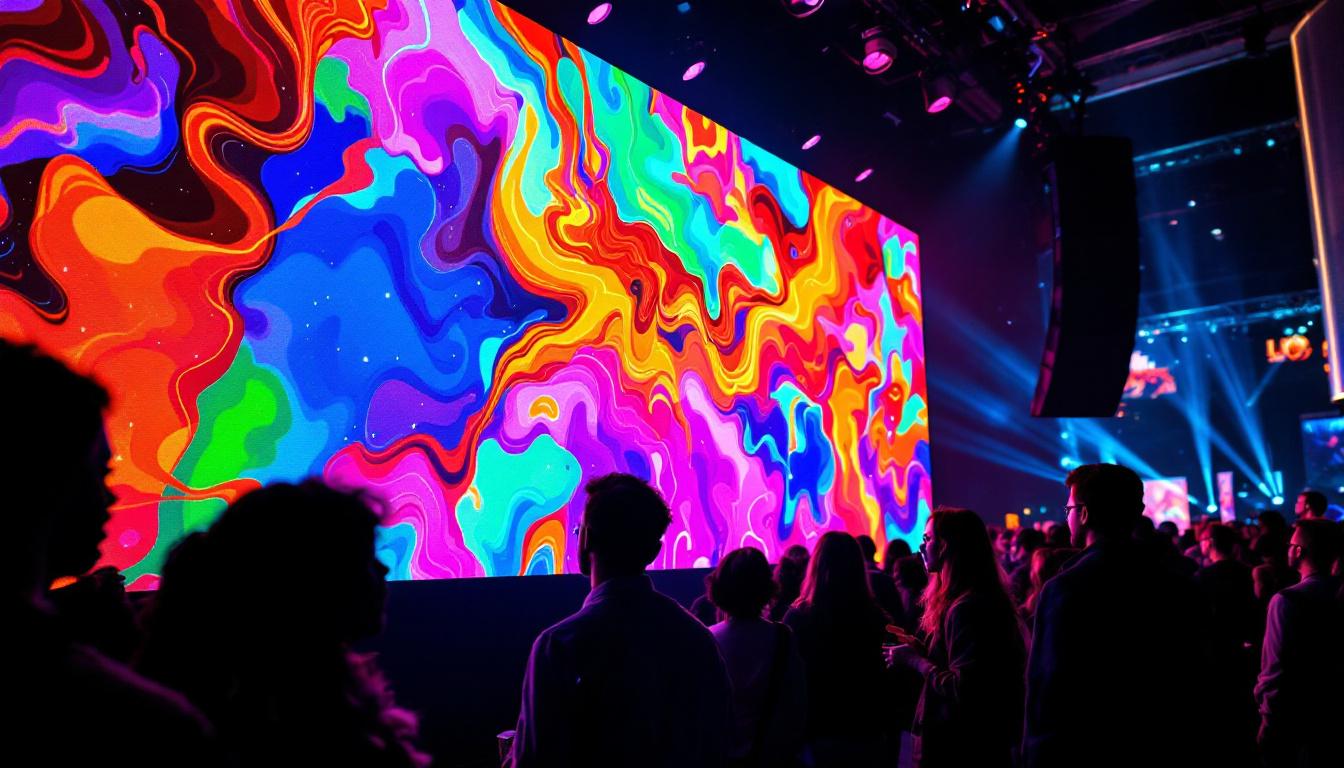
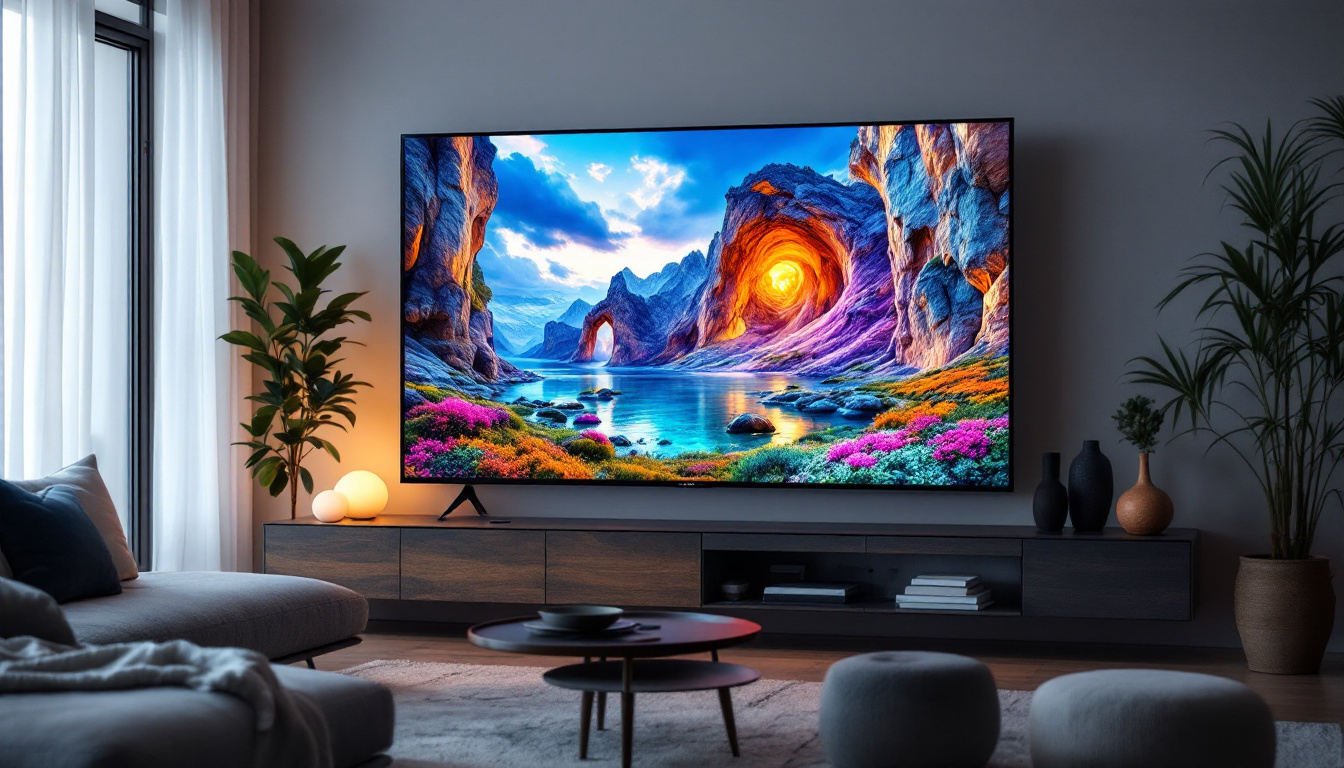
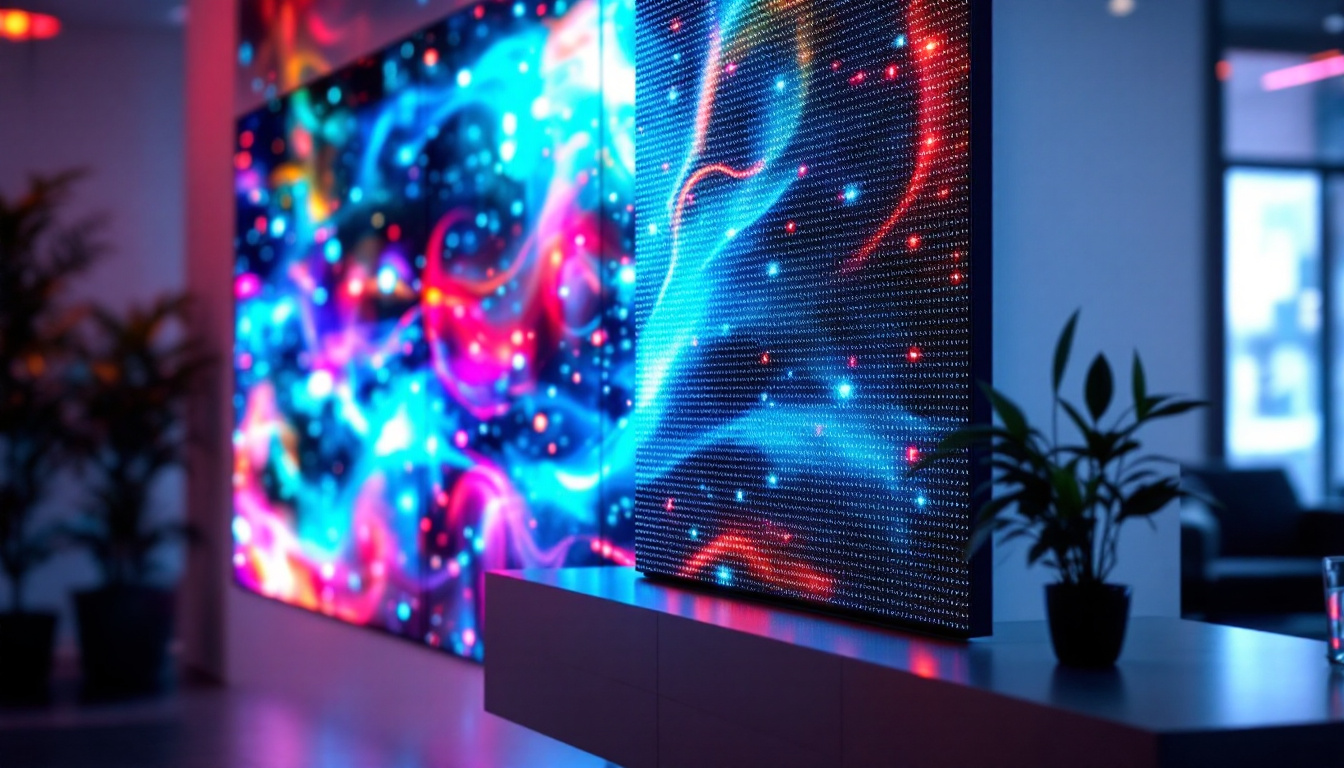
In today’s fast-paced digital landscape, captivating audiences and delivering impactful visual experiences are more important than ever. Interactive video walls, powered by advanced LED display technology, have emerged as a transformative medium across industries — from retail and corporate environments to entertainment and public spaces. This article dives deep into the world of interactive video walls, explaining the technology behind LED displays, their applications, and why they are reshaping how information and content are presented.
Understanding LED Display Technology
What is an LED Display?
LED, or Light Emitting Diode, displays are screens that use tiny light-emitting diodes as pixels to create images and videos. Unlike traditional LCD or projection screens, LED displays emit their own light, resulting in brighter, more vibrant visuals with superior contrast ratios. This self-illumination allows LED screens to perform exceptionally well in various lighting conditions, including direct sunlight.
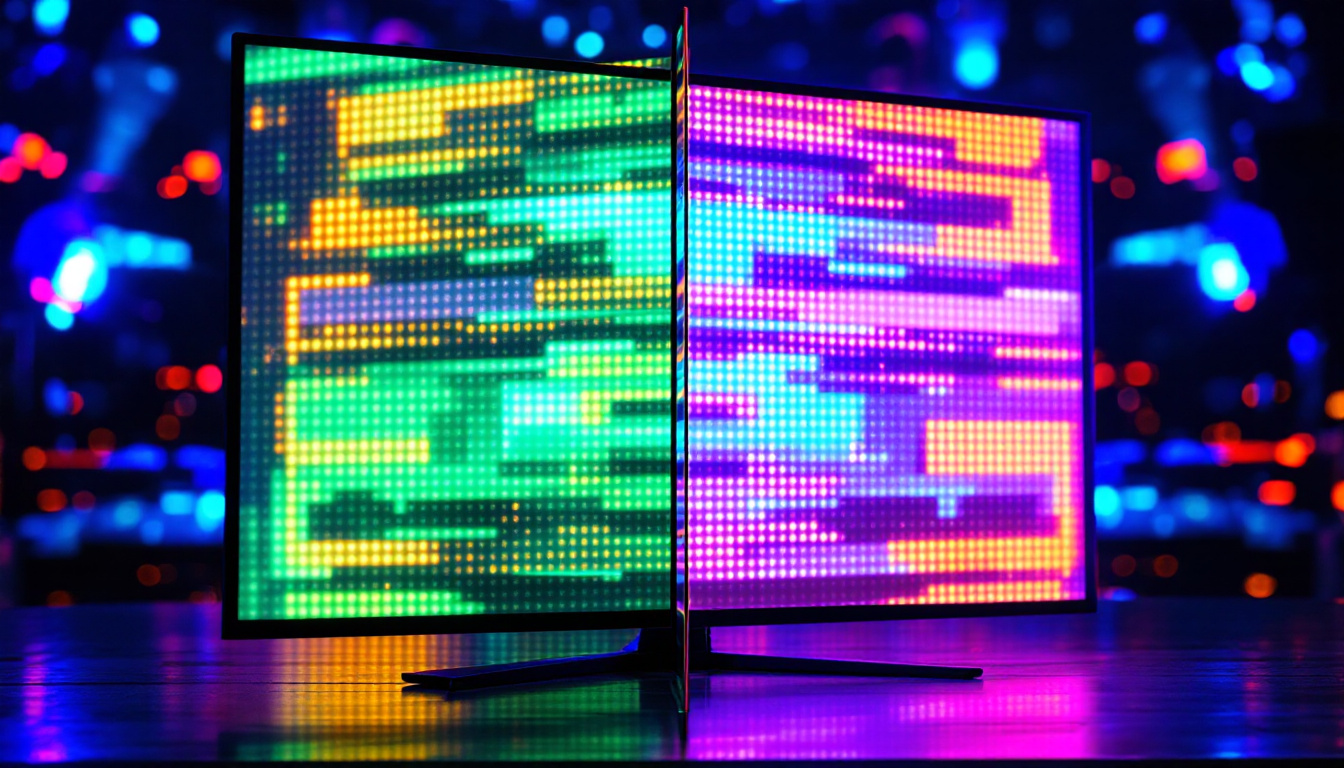
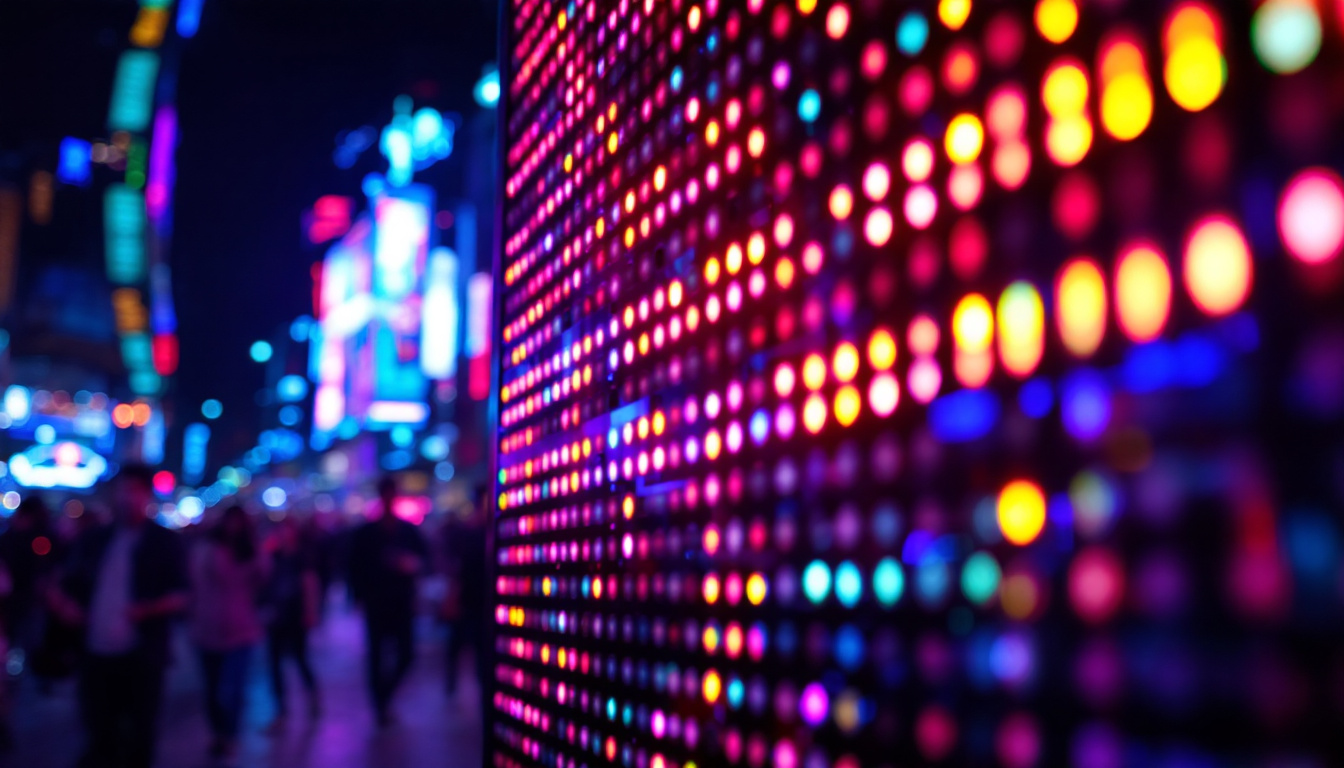
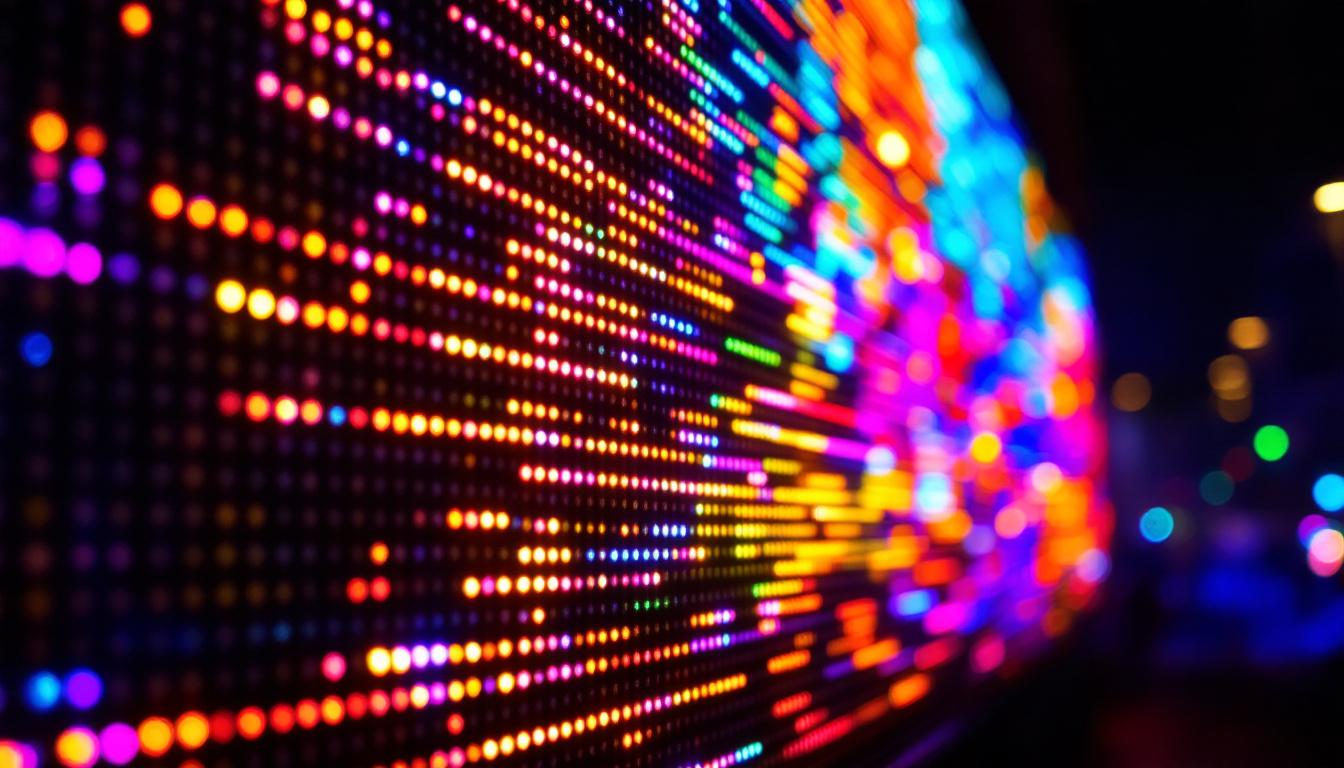
Modern LED displays are composed of thousands to millions of these diodes arranged in a grid. Each diode can be individually controlled to display different colors and brightness levels, creating detailed and dynamic images. This modular design also allows for flexible screen sizes and shapes, which is essential for constructing video walls of varying dimensions. Additionally, advancements in LED technology have led to the development of microLED displays, which utilize even smaller diodes to achieve higher pixel densities. This results in sharper images and allows for the creation of ultra-thin displays that can be seamlessly integrated into various environments, from retail spaces to high-end home theaters.
How Interactive Video Walls Work
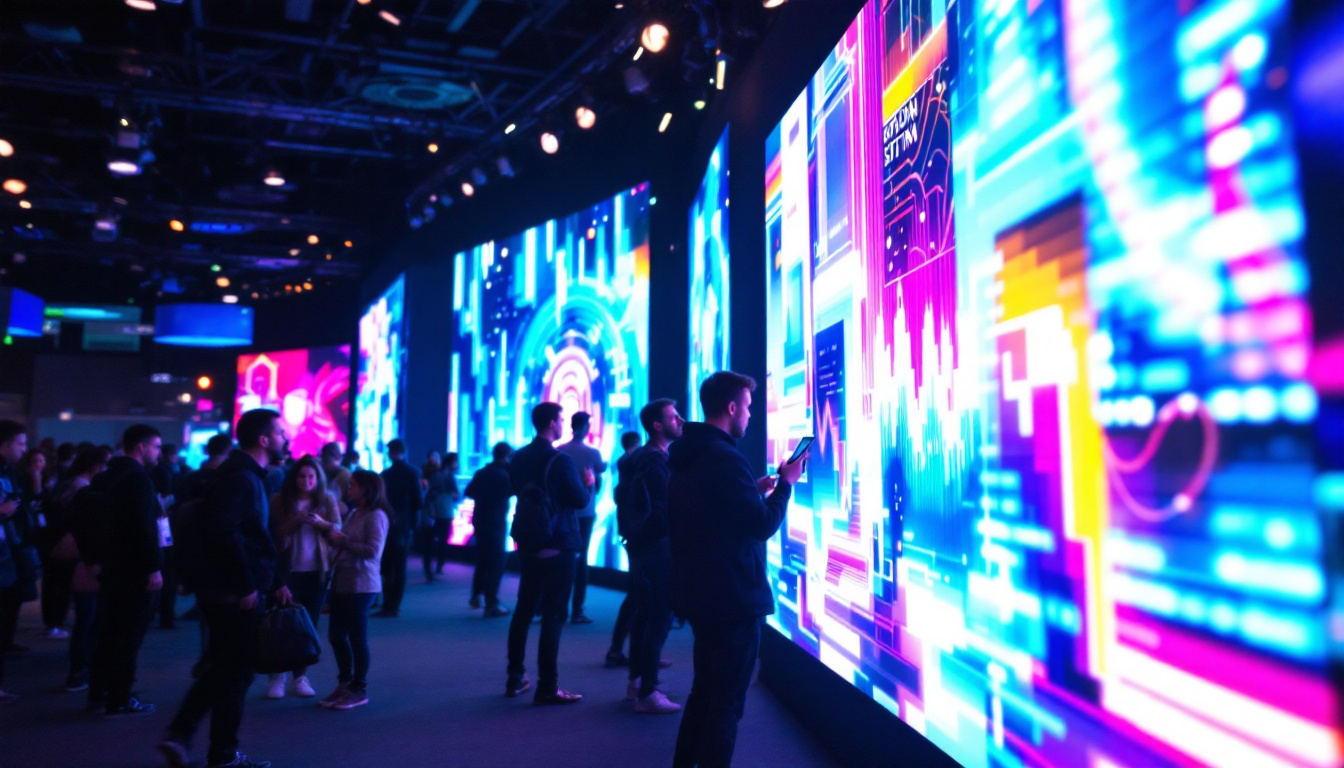
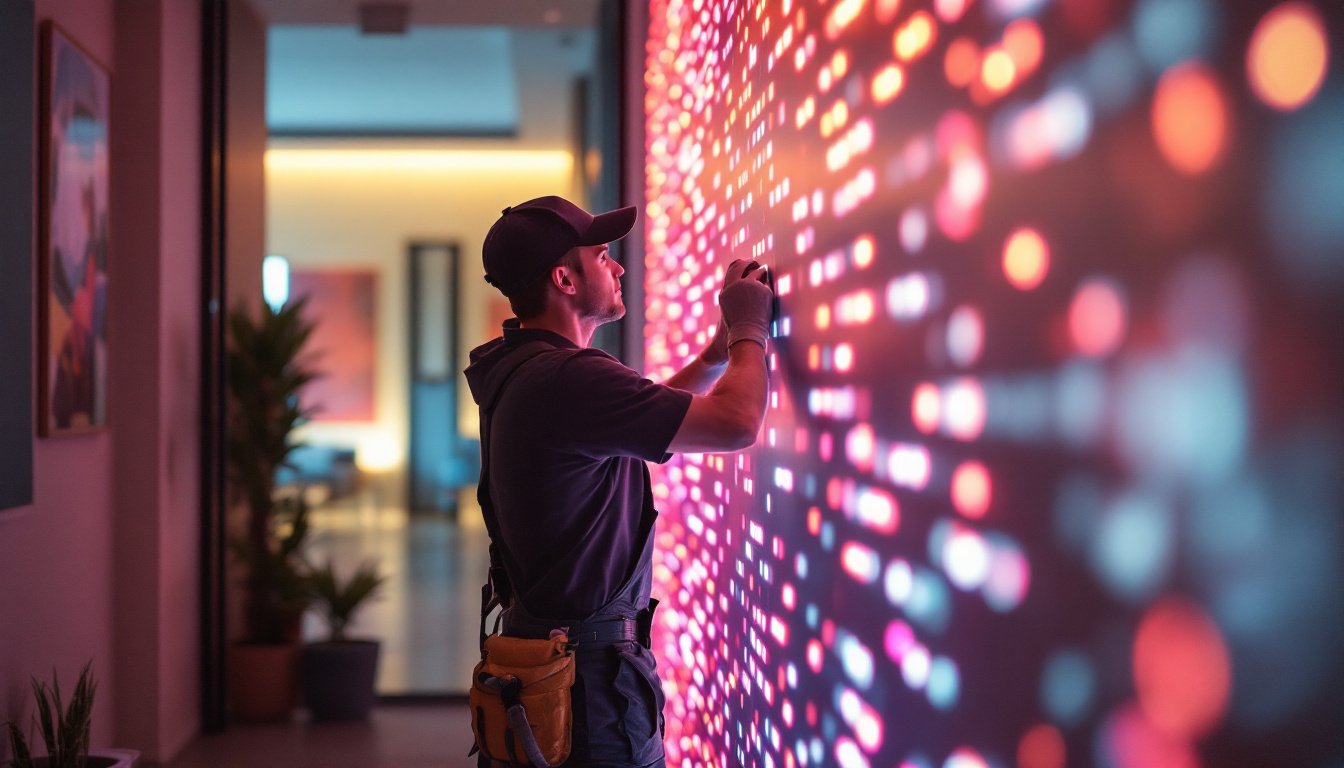
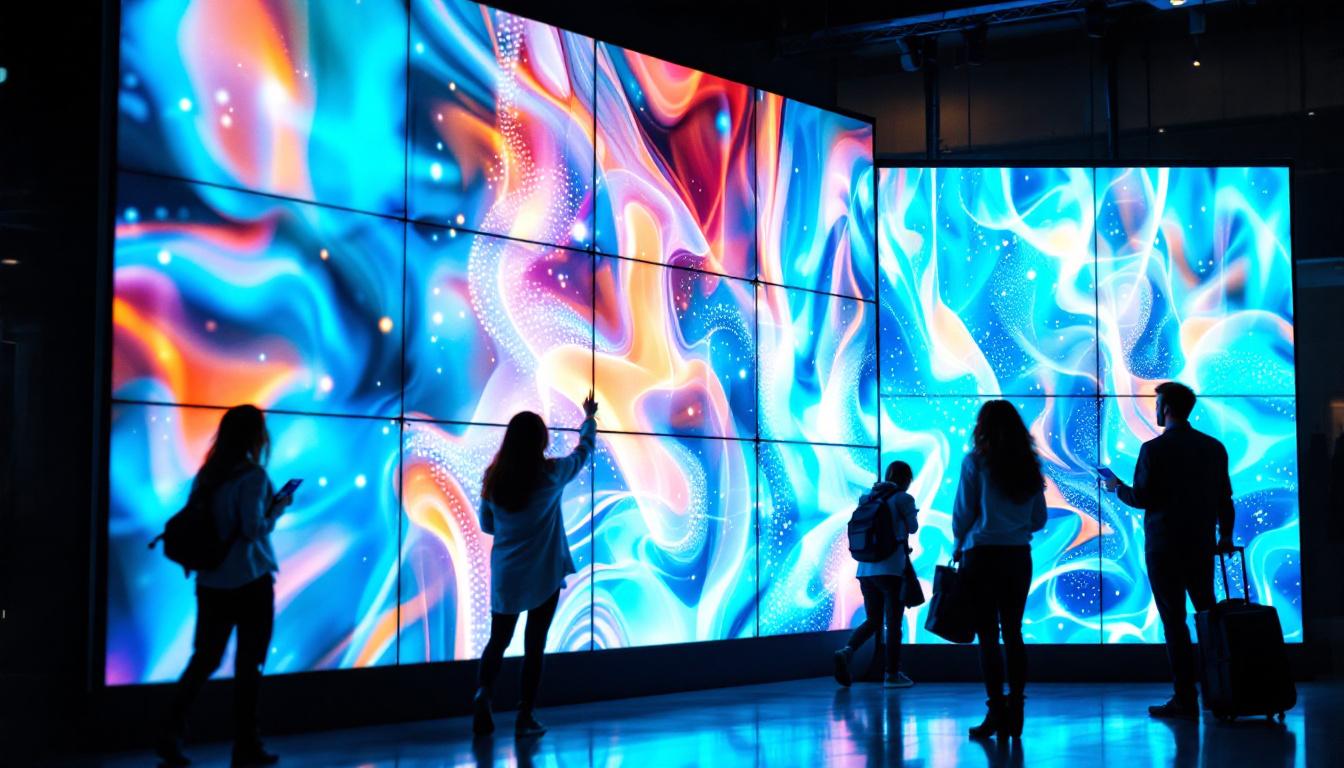
Interactive video walls combine LED display technology with touch or gesture-based interactivity. This means users can engage directly with the content on the screen, whether by touching, swiping, or using motion sensors. The integration of sensors and software transforms a passive display into an immersive, user-driven experience.
Typically, interactive video walls use capacitive touch technology or infrared sensors to detect user input. Advanced systems may also incorporate cameras and AI-driven gesture recognition to allow touchless interaction. The video wall’s software then processes these inputs to manipulate the visual content in real time, enabling dynamic presentations, interactive maps, product catalogs, or collaborative workspaces. Furthermore, the versatility of interactive video walls extends beyond mere entertainment; they are increasingly being utilized in educational settings, allowing students to engage with learning materials in a more hands-on manner. By fostering collaboration and creativity, these interactive displays can enhance the learning experience, making complex concepts more accessible and engaging for students of all ages.
Key Features and Advantages of Interactive LED Video Walls
High Resolution and Brightness
One of the most significant advantages of LED video walls is their ability to deliver ultra-high-resolution images with exceptional brightness. LED panels can achieve brightness levels exceeding 1,000 nits, making them visible even in brightly lit environments or outdoor settings. This ensures content remains clear and engaging regardless of ambient light conditions.
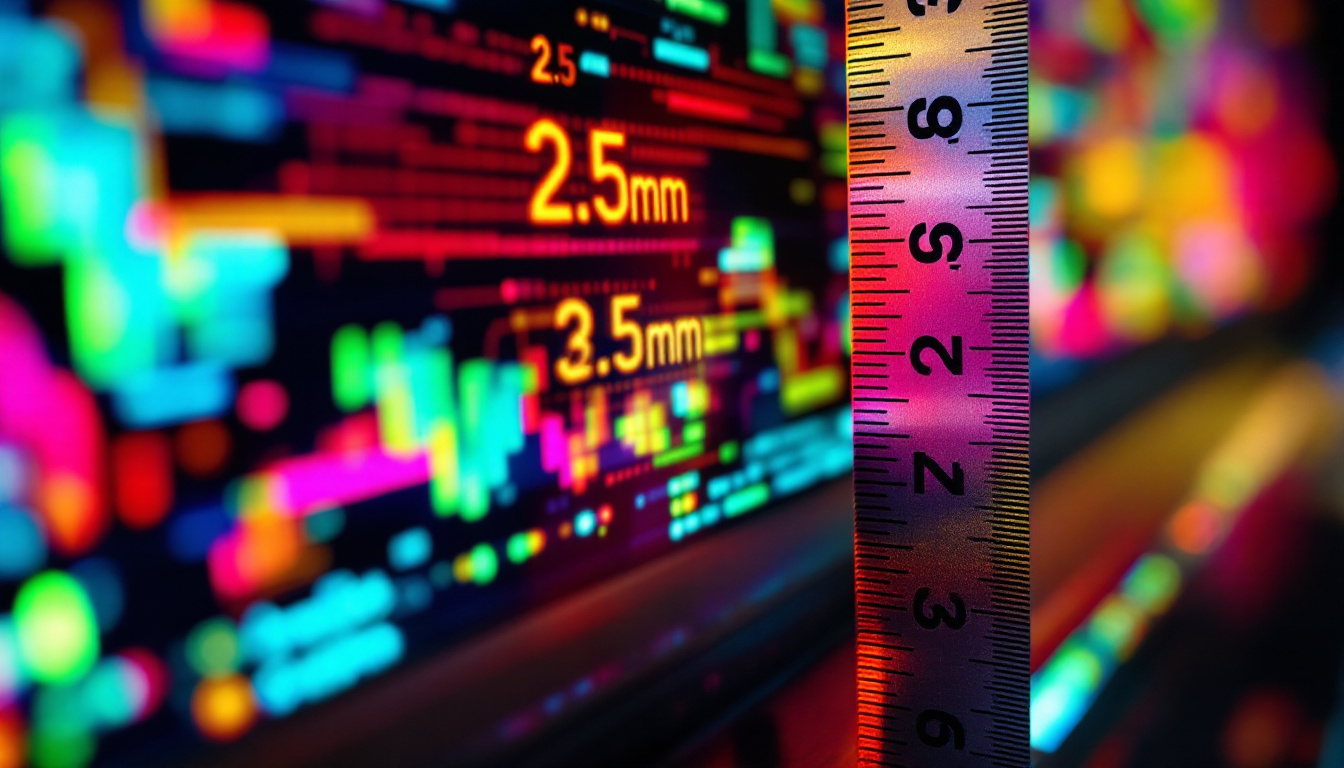
Moreover, the pixel pitch — the distance between individual LEDs — can be as low as 0.9 mm in fine-pitch LED displays, enabling razor-sharp images suitable for close viewing distances. This is particularly important in interactive applications where users engage directly with the screen. The high resolution not only enhances the visual experience but also allows for intricate details in graphics and videos, making it an ideal choice for advertising, exhibitions, and presentations that aim to captivate audiences.
Furthermore, the ability to display dynamic content in real-time adds another layer of engagement. Whether it’s a live feed, interactive data visualization, or a vibrant animation, the high brightness and resolution ensure that the content is not only seen but felt, creating a memorable experience for viewers.
Scalability and Flexibility
Interactive LED video walls are highly scalable. Because they are constructed from modular panels, they can be configured to fit virtually any size or shape, from small kiosks to massive multi-panel walls spanning entire building facades. This flexibility allows businesses and organizations to tailor the video wall to their specific spatial and functional requirements.
Additionally, LED panels can be seamlessly tiled without visible bezels, creating a continuous, immersive display surface. This is a considerable improvement over older video wall technologies that often suffered from distracting gaps between screens. The modular design also means that if a panel needs replacement or upgrade, it can be done without overhauling the entire system, thus saving time and resources.
Moreover, the adaptability of these video walls extends beyond size and shape. They can be used in various environments, from corporate offices to retail spaces and even outdoor venues. This versatility means that businesses can utilize the same technology for different purposes, such as advertising, information dissemination, or interactive customer engagement, making it a wise investment.
Durability and Energy Efficiency
LED displays are known for their long lifespan and durability. High-quality LED modules can operate reliably for over 100,000 hours, reducing maintenance costs and downtime. They are also more energy-efficient compared to traditional display technologies, consuming less power while delivering brighter images.
This efficiency is not only cost-effective but also aligns with growing environmental sustainability goals. Many modern LED video walls incorporate energy-saving features such as automatic brightness adjustment based on ambient light. This means that during the day, the display can adjust its brightness to conserve energy, while still providing optimal visibility.
In addition to energy savings, the robust design of LED panels makes them resistant to impacts and harsh weather conditions, especially in outdoor installations. This resilience ensures that they can withstand the rigors of daily use and environmental challenges, making them a reliable choice for long-term deployment. As a result, businesses can focus on their core activities without the constant worry of display failures or the need for frequent replacements.
Applications of Interactive Video Walls Across Industries
Retail and Advertising
Retailers leverage interactive LED video walls to create engaging shopping experiences that attract and retain customers. Interactive product catalogs, virtual try-ons, and personalized promotions displayed on video walls can significantly enhance customer engagement and increase sales conversions.
For example, luxury brands use interactive video walls in flagship stores to showcase product details, customer reviews, and style suggestions. Dynamic content can be updated in real time to reflect inventory changes or seasonal campaigns, providing a fresh and relevant shopping environment.
Corporate and Conference Environments
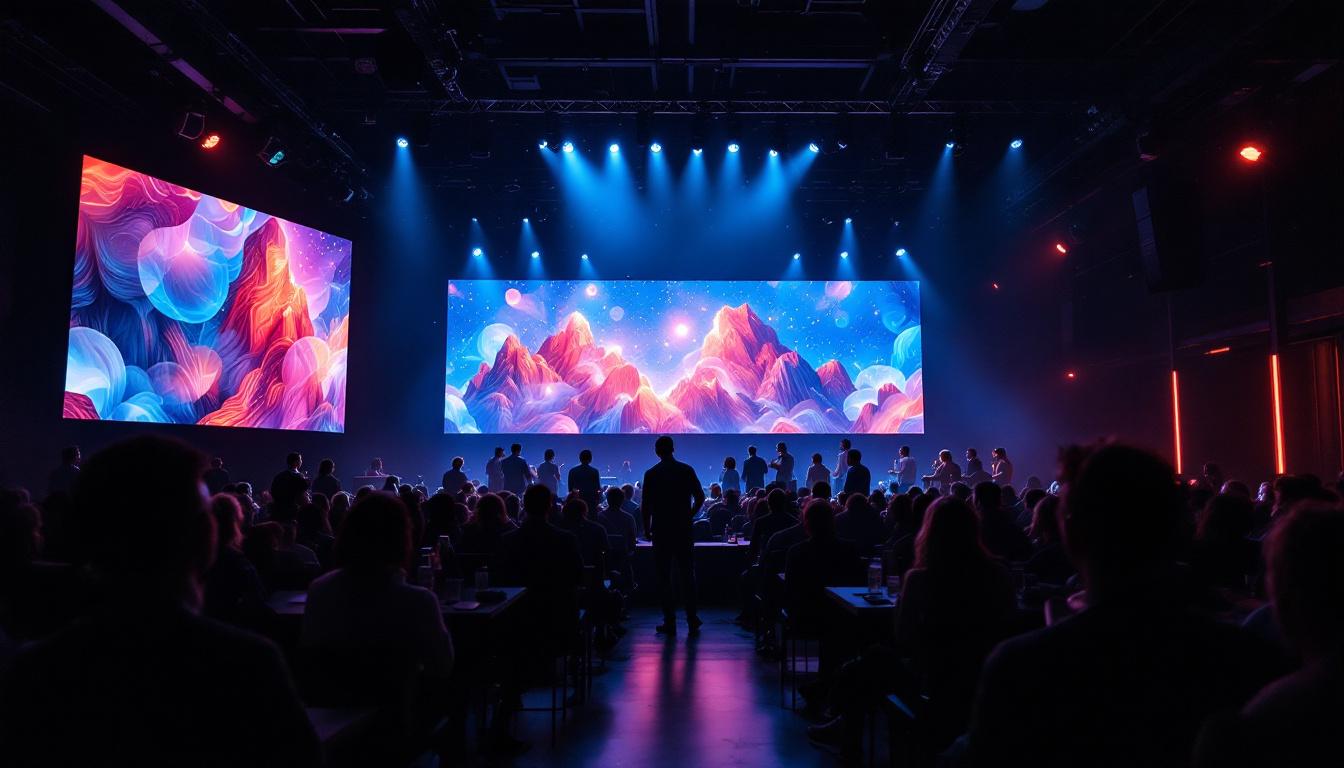
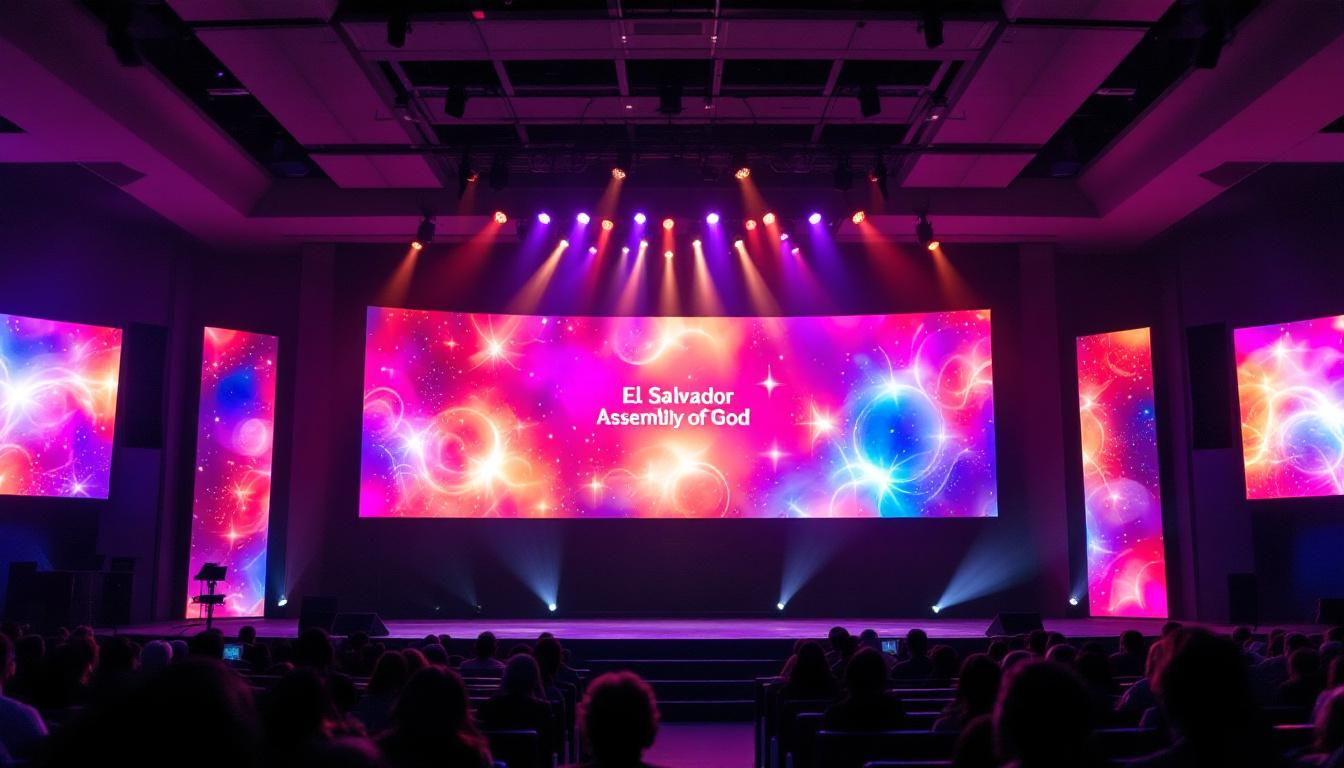
In corporate settings, interactive video walls facilitate collaboration, presentations, and data visualization. Large LED walls in boardrooms and conference centers enable teams to interact with complex datasets, annotate documents, and brainstorm ideas more effectively.
During virtual meetings or hybrid events, interactive video walls can display multiple video feeds, real-time analytics, and interactive whiteboards, enhancing communication and decision-making processes.
Education and Museums
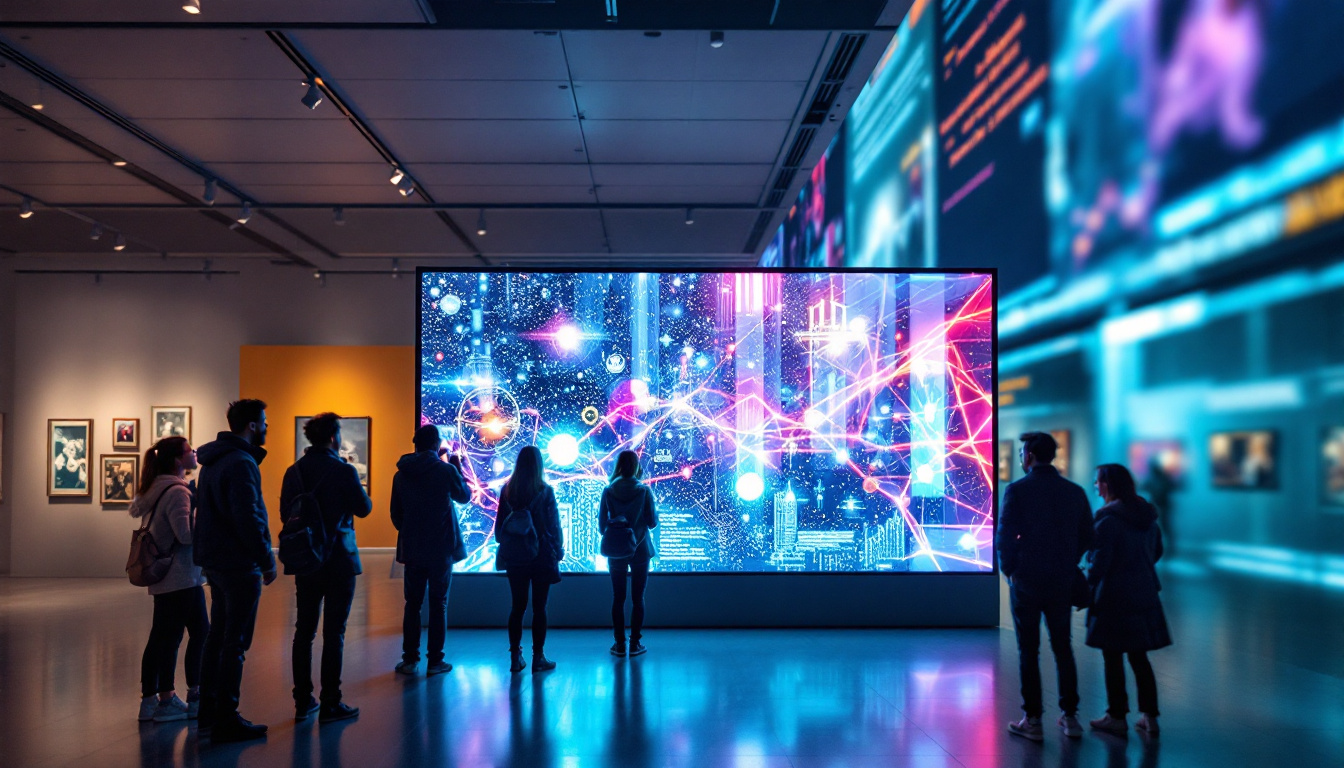
Educational institutions and museums use interactive video walls to create immersive learning experiences. Interactive displays can present historical timelines, scientific simulations, or art installations that respond to visitor input, making learning more engaging and memorable.
For instance, science museums often employ interactive LED walls to demonstrate complex phenomena like the solar system or human anatomy, allowing visitors to explore content at their own pace and depth.
Transportation and Public Spaces
Transportation hubs such as airports and train stations utilize interactive video walls for wayfinding, real-time updates, and passenger engagement. Touch-enabled maps and schedules help travelers navigate complex terminals efficiently.
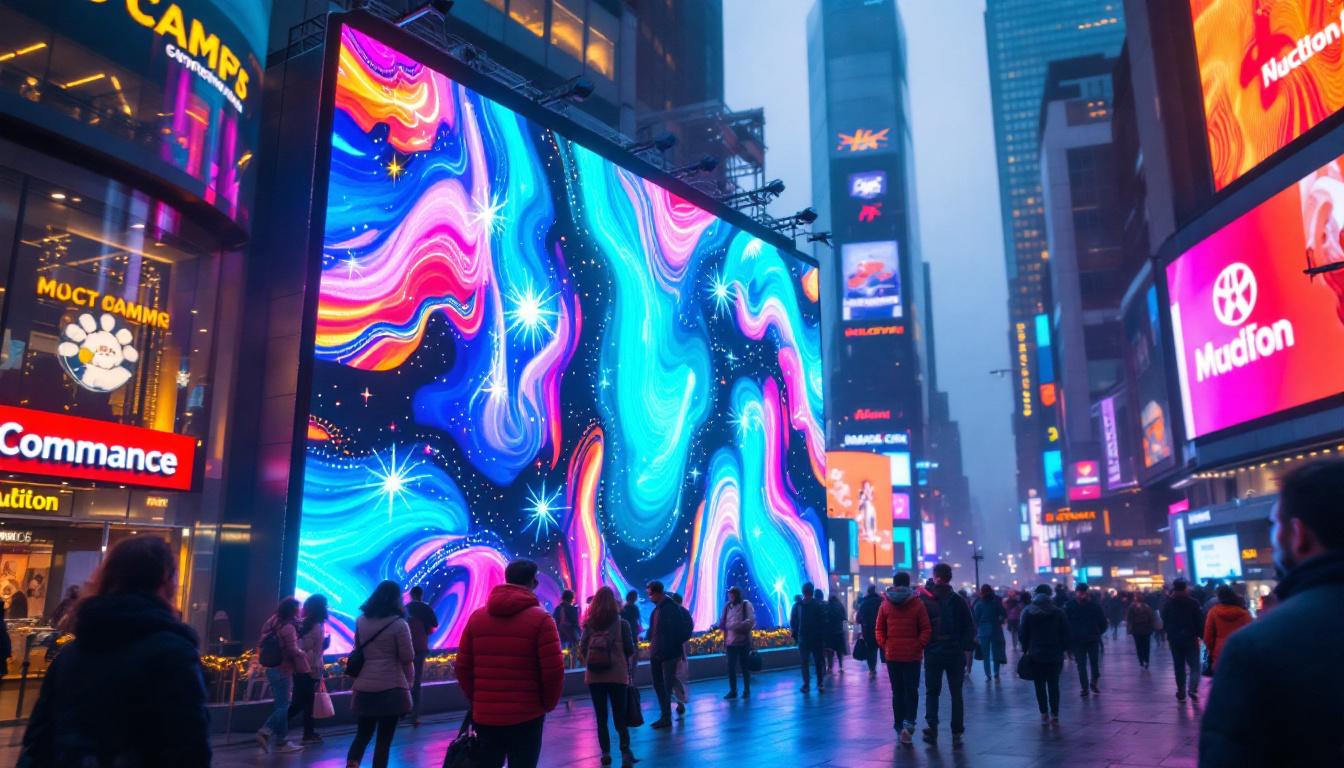
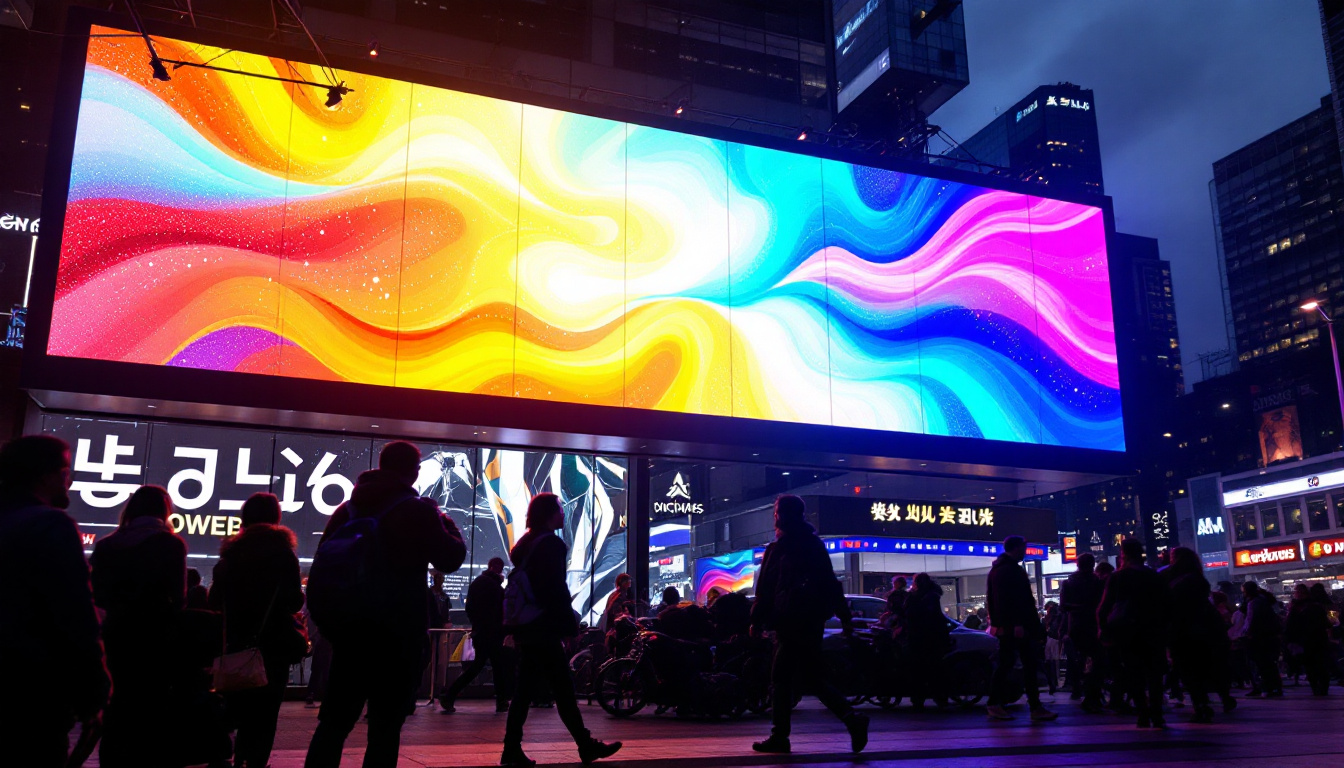
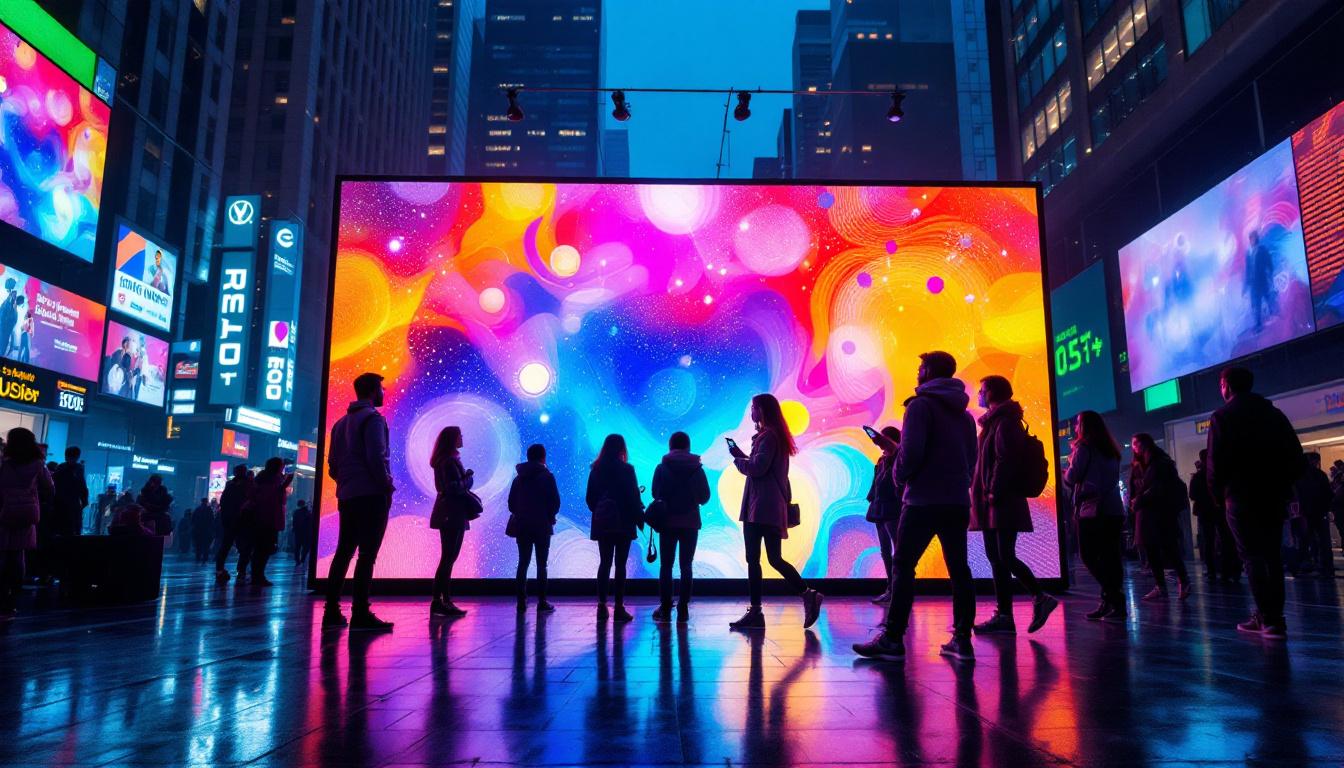
In public spaces, interactive LED walls serve as platforms for community information, advertising, and entertainment. They can display live news, social media feeds, or interactive art, fostering a sense of connection and vibrancy.
Choosing the Right Interactive LED Video Wall
Assessing Your Needs and Environment
Choosing the ideal interactive LED video wall requires a thorough understanding of the intended use case, viewing distances, ambient lighting, and user interaction types. For example, a retail store may prioritize high brightness and fine pixel pitch for close-up interaction, while an outdoor public installation may require weatherproofing and ultra-high brightness.
Additionally, consider the physical space available and the desired screen dimensions. Modular LED panels offer flexibility, but installation logistics, structural support, and accessibility for maintenance must be planned carefully.
Evaluating Software and Interactivity Options
The software driving interactivity is as critical as the hardware itself. Look for platforms that support multi-touch input, gesture recognition, and integration with existing content management systems. Intuitive user interfaces and customization options can enhance the overall user experience.
Furthermore, consider future-proofing by selecting systems that allow for software updates and scalability. This ensures the video wall remains relevant as technology and user expectations evolve.
Budget Considerations
Interactive LED video walls represent a significant investment, with costs influenced by size, resolution, interactivity features, and installation complexity. While upfront expenses can be substantial, the long-term benefits in engagement, brand impact, and operational efficiency often justify the investment.
It is advisable to request detailed proposals from reputable suppliers, including total cost of ownership estimates that factor in maintenance, energy consumption, and potential upgrades.
Future Trends in Interactive LED Video Walls
Advancements in MicroLED and MiniLED Technologies
Emerging microLED and miniLED technologies promise even higher resolution, improved color accuracy, and greater energy efficiency. These advancements will enable interactive video walls with unparalleled visual fidelity and thinner, lighter form factors.
As production costs decrease, microLED video walls are expected to become more accessible, expanding their adoption across various sectors.
Integration with Artificial Intelligence and Augmented Reality
Artificial intelligence (AI) is increasingly integrated with interactive video walls to provide personalized content and predictive analytics. For instance, AI can analyze user behavior to tailor advertisements or guide visitors through complex environments.
Augmented reality (AR) overlays on video walls will further enhance interactivity by blending digital content with the physical world, creating immersive experiences that engage multiple senses.
Wireless and Cloud-Based Solutions
Wireless connectivity and cloud-based content management systems are simplifying the deployment and operation of interactive LED video walls. Remote updates, real-time analytics, and multi-site synchronization become more manageable, enabling organizations to maintain consistent messaging and rapidly adapt to changing needs.
Conclusion
Interactive video walls powered by LED display technology are revolutionizing the way organizations communicate, engage, and inspire their audiences. Their vibrant visuals, scalability, and interactive capabilities make them a versatile tool for retail, corporate, educational, and public environments.
As technology continues to advance, the potential applications and impact of interactive LED video walls will only expand, offering new opportunities to create immersive, memorable experiences. For businesses and institutions looking to make a bold visual statement and foster deeper engagement, investing in interactive LED video walls is a forward-thinking choice that delivers measurable results.
Discover LumenMatrix’s Innovative LED Solutions
Ready to elevate your space with the cutting-edge technology of interactive LED video walls? LumenMatrix is at the forefront of this revolution, offering a wide array of LED display modules designed to bring your visual communication to life. Whether you’re looking to enhance your retail space, corporate office, or public venue, our solutions—including Indoor and Outdoor LED Wall Displays, Vehicle and Sports LED Displays, and even Custom and All-in-One LED solutions—provide the vibrancy and engagement you need. Experience the transformative power of our LED displays and join the visual revolution. Check out LumenMatrix LED Display Solutions today and see your vision become a brilliant reality.