In the world of modern event production, broadcast studios, and theatrical environments, cyc walls—short for cyclorama walls—play a crucial role in creating immersive visual experiences. Traditionally painted or lit backdrops, cyc walls have evolved with technology, and LED displays are now at the forefront of this transformation. However, understanding the cost implications of integrating LED displays into cyc walls requires a detailed examination of various factors.
This article explores the cost components of cyc walls equipped with LED displays, the technology behind them, and practical considerations for those looking to invest in this cutting-edge visual solution.
What Is a Cyc Wall and Why Use LED Displays?
The Traditional Cyc Wall
A cyc wall is a large, curved backdrop commonly used in studios and theaters to create a seamless background. Its smooth, continuous surface allows for versatile lighting and projection, enabling filmmakers, photographers, and event producers to manipulate the environment creatively. Traditionally, cyc walls are painted white or chroma-key green to facilitate various lighting effects or green screen compositing. The design of a cyc wall minimizes visible seams and distractions, ensuring that the audience’s focus remains on the subject in front of it. This makes cyc walls an essential tool for creating a polished and professional look in any visual production.
The Shift to LED Displays
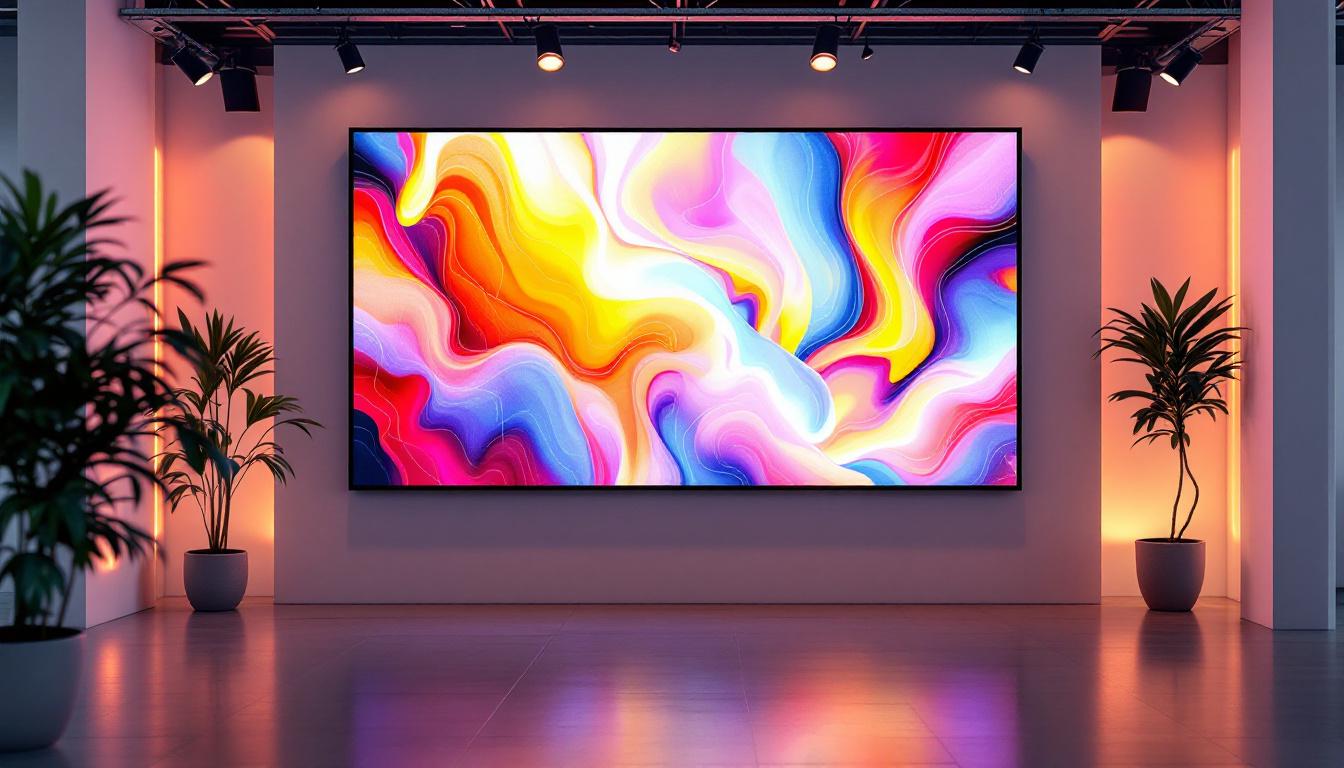
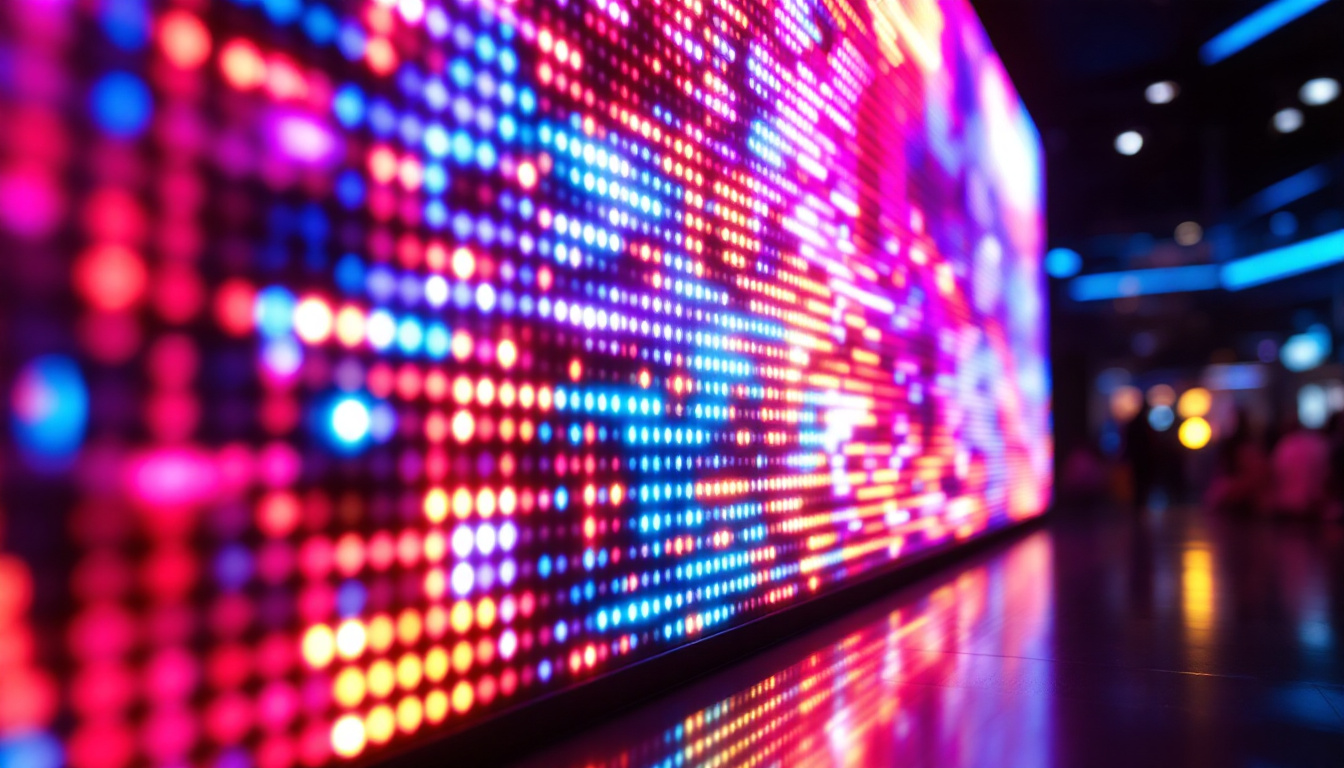
LED technology has revolutionized the concept of cyc walls by replacing static painted surfaces with dynamic, high-resolution digital screens. LED cyc walls offer several advantages:
- Dynamic Content: Unlike static backdrops, LED walls can display video, animation, and real-time graphics, enhancing storytelling and engagement.
- Lighting Consistency: LED panels emit their own light, eliminating shadows and uneven lighting common with traditional cyc walls.
- Flexibility: Content can be changed instantly, allowing for multiple scenes or themes without physical alterations.
- Improved Production Efficiency: Reduces the need for physical set changes, saving time and labor costs.
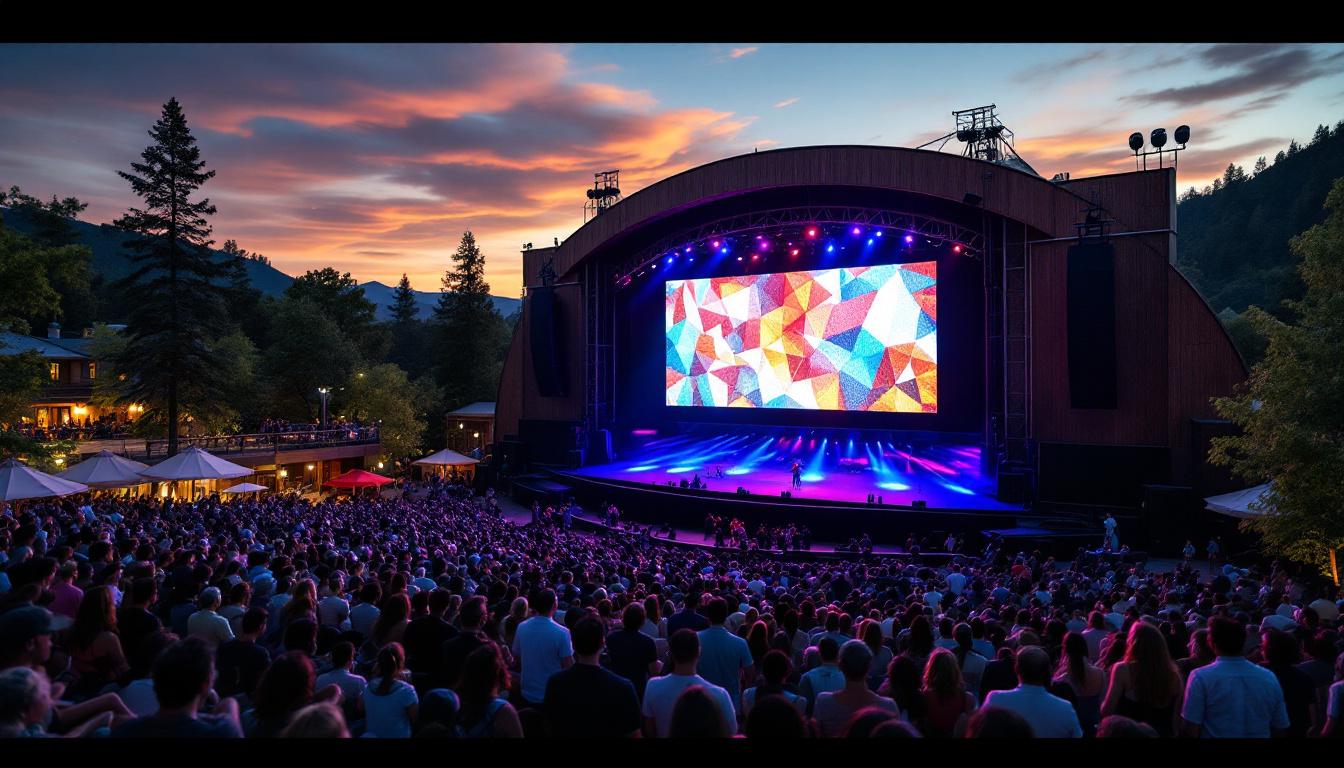
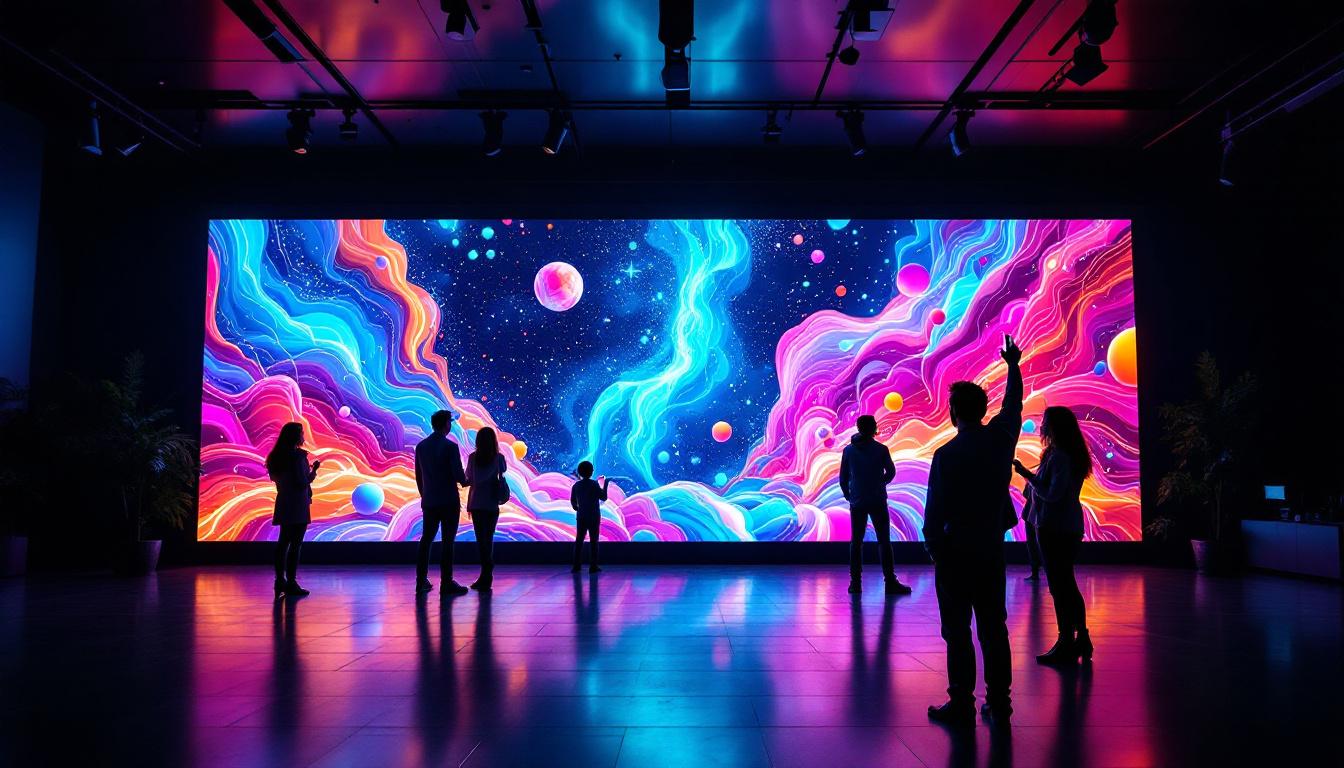
Given these benefits, LED cyc walls are increasingly popular in television studios, live events, virtual production, and immersive installations. The ability to create stunning visuals on demand has transformed how productions are designed, allowing for a level of creativity that was previously unattainable. For example, during a live concert, an LED cyc wall can switch from a serene sunset to a bustling cityscape in seconds, captivating the audience and enhancing the overall experience. Furthermore, with advancements in technology, these displays can now be integrated with augmented reality (AR) and virtual reality (VR), providing even more immersive environments that engage viewers on multiple sensory levels.
Moreover, the environmental impact of LED cyc walls is worth noting. As they consume less power than traditional lighting setups and can be reused for various productions, they contribute to more sustainable practices in the entertainment industry. This shift not only reflects a growing awareness of environmental issues but also aligns with the industry’s move towards more innovative and efficient production methods. As the demand for high-quality visuals continues to rise, LED cyc walls are set to become a staple in creative spaces, pushing the boundaries of what is possible in visual storytelling.
Key Factors Influencing Cyc Wall LED Display Costs
1. Size of the LED Wall
The size of the LED cyc wall is the most significant factor affecting cost. LED panels are modular, so the total area is measured in square meters or square feet. Larger walls require more panels, increasing both material and installation costs.
For example, a 10-meter wide by 4-meter high LED cyc wall (40 square meters) will cost substantially more than a smaller 5×3 meter setup. Prices per square meter for high-quality indoor LED panels typically range from $1,000 to $3,000, depending on resolution and brand. Additionally, larger installations may necessitate more complex logistics, such as transportation and handling, which can further inflate the overall budget. The increased size may also demand more extensive power supply systems and cooling solutions to ensure optimal performance, adding another layer of expense.
2. Pixel Pitch and Resolution
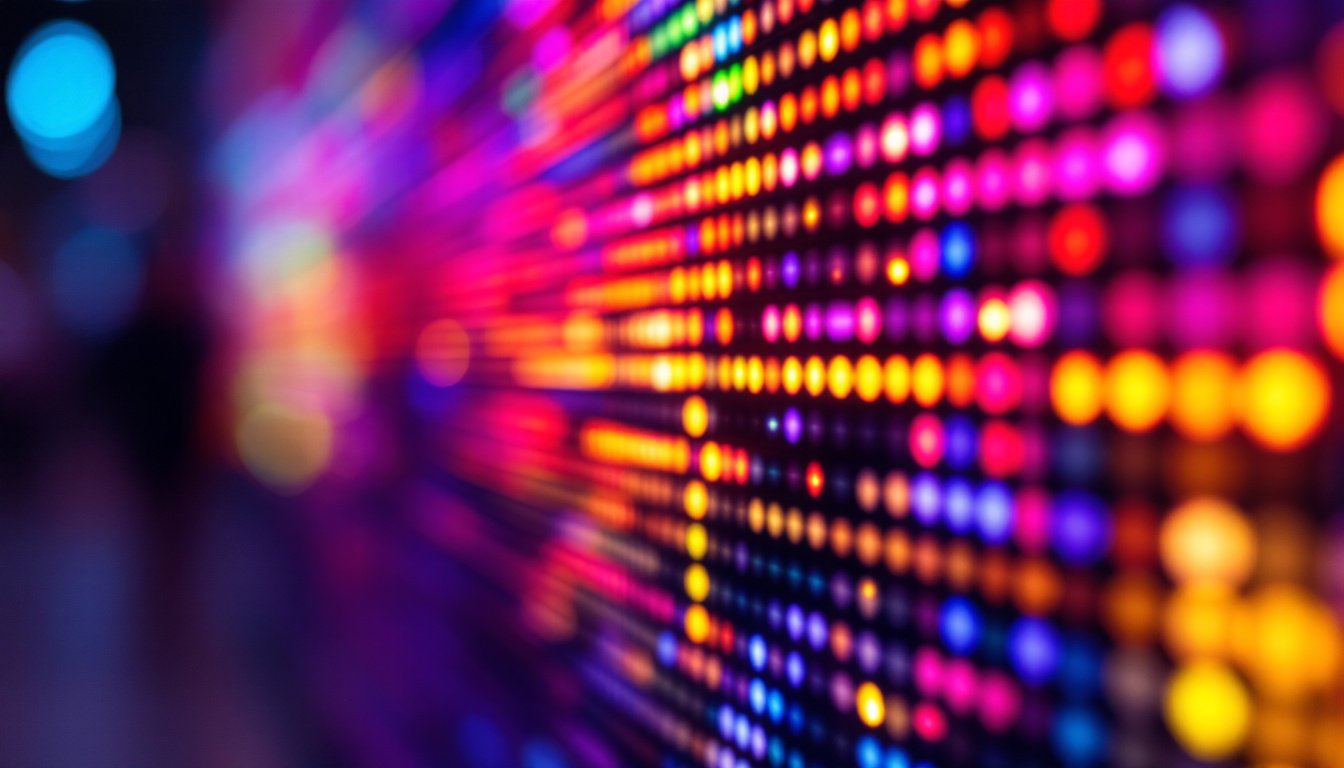
Pixel pitch refers to the distance between individual LED pixels, measured in millimeters. A smaller pixel pitch means higher resolution and sharper images, which is critical for close-up camera shots and detailed graphics.
Common pixel pitches for indoor LED walls range from 1.2mm to 4mm. Walls with a 1.2mm pitch can cost up to 50% more than 3mm pitch walls due to the increased density of LEDs and more sophisticated electronics. The choice of pixel pitch not only affects the visual quality but also the viewing distance; smaller pitches are ideal for venues where the audience is closer to the screen, such as in theaters or studios, while larger pitches may suffice for events viewed from a distance. This decision can significantly influence the overall design and functionality of the installation.
3. Panel Quality and Brand
Not all LED panels are created equal. Premium brands offer better color accuracy, brightness, and longevity, which can justify higher upfront costs. Cheaper panels may save money initially but could lead to higher maintenance or replacement expenses over time.
Investing in reputable manufacturers with proven track records ensures reliability and better support, which is essential for professional environments. Furthermore, brand reputation can also impact resale value; high-quality panels tend to retain their worth better than lower-end options. This aspect is particularly important for rental companies or studios that frequently update their equipment, as a well-regarded brand can attract more clients and command higher rental fees.
4. Installation Complexity and Structural Requirements
Installing an LED cyc wall involves more than just mounting panels. The curved nature of cyc walls requires specialized mounting frames and precise alignment to maintain a seamless visual surface.
Structural reinforcements, custom rigging, and integration with existing studio infrastructure can add to labor and material costs. Additionally, electrical and data cabling must be carefully planned and executed. The installation process can also vary significantly based on the venue; for instance, a permanent installation in a studio may differ greatly from a temporary setup at an event. Each scenario presents unique challenges, such as ensuring safety compliance and accommodating various environmental factors, which can further complicate and increase costs.
5. Control Systems and Software
LED walls require sophisticated control systems to manage content playback, color calibration, and synchronization with other production elements. Software licenses, media servers, and control consoles contribute to the overall cost.
Advanced systems that allow real-time content manipulation, interactive features, or integration with virtual production pipelines will increase expenses but provide greater creative flexibility. The choice of control system can also dictate the types of content that can be displayed; some systems may support advanced graphics and video formats, while others may be limited to more basic functionalities. This capability can be a crucial factor for productions that rely heavily on dynamic visuals, such as concerts or immersive experiences.
6. Maintenance and Operational Costs
While not part of the initial investment, ongoing maintenance costs should be considered. LED panels require periodic calibration, cleaning, and occasional repairs. Some providers offer service contracts that can be factored into the total cost of ownership.
Moreover, the operational costs can extend beyond maintenance; factors such as electricity consumption and staffing for technical support during events can also impact the overall budget. As LED technology continues to evolve, staying updated with the latest advancements can also incur additional costs, such as training personnel or upgrading software. These considerations are essential for ensuring the longevity and optimal performance of the LED cyc wall, ultimately affecting the return on investment for the entire setup.
Cost Breakdown: What to Expect When Budgeting
Initial Investment
Based on current market data, here is a rough breakdown of costs for a mid-sized LED cyc wall (around 40 square meters) with a 2.5mm pixel pitch:
- LED Panels: $80,000 – $120,000
- Mounting and Structural Frames: $10,000 – $20,000
- Control Systems and Software: $15,000 – $30,000
- Installation Labor: $10,000 – $25,000
- Miscellaneous (cabling, power supply, calibration): $5,000 – $10,000
Total Estimated Cost: $120,000 – $205,000
Cost Variations
Smaller LED cyc walls (under 20 square meters) can be found for less than $50,000, while large-scale installations exceeding 100 square meters may cost upwards of $500,000. Pixel pitch and panel quality heavily influence these numbers.
Additional Expenses
Content creation and management are often overlooked costs. High-quality video content, animations, and real-time graphics require skilled designers and operators. Budgeting for these creative services is essential for maximizing the LED cyc wall’s impact.
Comparing LED Cyc Walls to Alternative Solutions
Traditional Painted Cyc Walls
Painted cyc walls remain the most cost-effective option, with initial costs typically under $10,000 for a standard studio setup. However, they lack the flexibility and dynamic capabilities of LED walls.
Lighting and camera setups must be meticulously managed to avoid shadows and maintain consistent backgrounds, which can increase production complexity and time.
Projection-Based Cyc Walls
Projection systems offer dynamic backgrounds without the high cost of LED panels. However, they require controlled lighting conditions and can suffer from lower brightness and image sharpness, especially in brightly lit studios.
Projectors also need regular maintenance and bulb replacements, adding to operational costs over time.
LED Walls vs. Green Screen Technology
Green screens combined with virtual sets offer tremendous flexibility and cost savings in some contexts, but they require post-production compositing or real-time chroma keying technology. LED cyc walls provide in-camera visual effects, reducing post-production time and improving realism.
Future Trends and Innovations in LED Cyc Walls
MicroLED and MiniLED Technologies
Emerging MicroLED and MiniLED technologies promise higher brightness, better color accuracy, and longer lifespan with lower power consumption. Although currently more expensive, these technologies may reduce costs and improve performance in the near future.
Curved and Flexible LED Panels
Advancements in flexible LED panels allow for more complex cyc wall shapes and immersive environments. These panels enable seamless curves and innovative designs that were previously difficult or impossible to achieve.
Integration with Virtual Production
LED cyc walls are increasingly integrated with real-time game engines and virtual production workflows, enabling interactive and responsive environments. This trend is transforming film and television production, making LED cyc walls a critical investment for studios aiming to stay competitive.
Conclusion: Is an LED Cyc Wall Worth the Investment?
LED cyc walls represent a significant investment but offer unparalleled creative flexibility, production efficiency, and visual quality. For studios, event venues, and production companies seeking to future-proof their facilities and deliver cutting-edge content, the benefits often justify the costs.
When budgeting for an LED cyc wall, it is essential to consider not only the upfront expenses but also installation complexity, content creation, and ongoing maintenance. Partnering with experienced suppliers and integrators can help optimize costs and ensure a successful implementation.
Ultimately, the decision to invest in an LED cyc wall should align with the specific production needs, audience expectations, and long-term strategic goals of the organization.
Discover Cutting-Edge LED Cyc Walls with LumenMatrix
Ready to elevate your visual production to the next level? LumenMatrix is at the forefront of LED display innovation, providing a wide array of solutions that transform any space into a dynamic visual spectacle. From indoor and outdoor LED walls to specialized displays for vehicles, sports, and more, our technology is designed to captivate your audience and amplify your message. Don’t just take our word for it; check out LumenMatrix LED Display Solutions today and see how we can help you create unforgettable experiences.