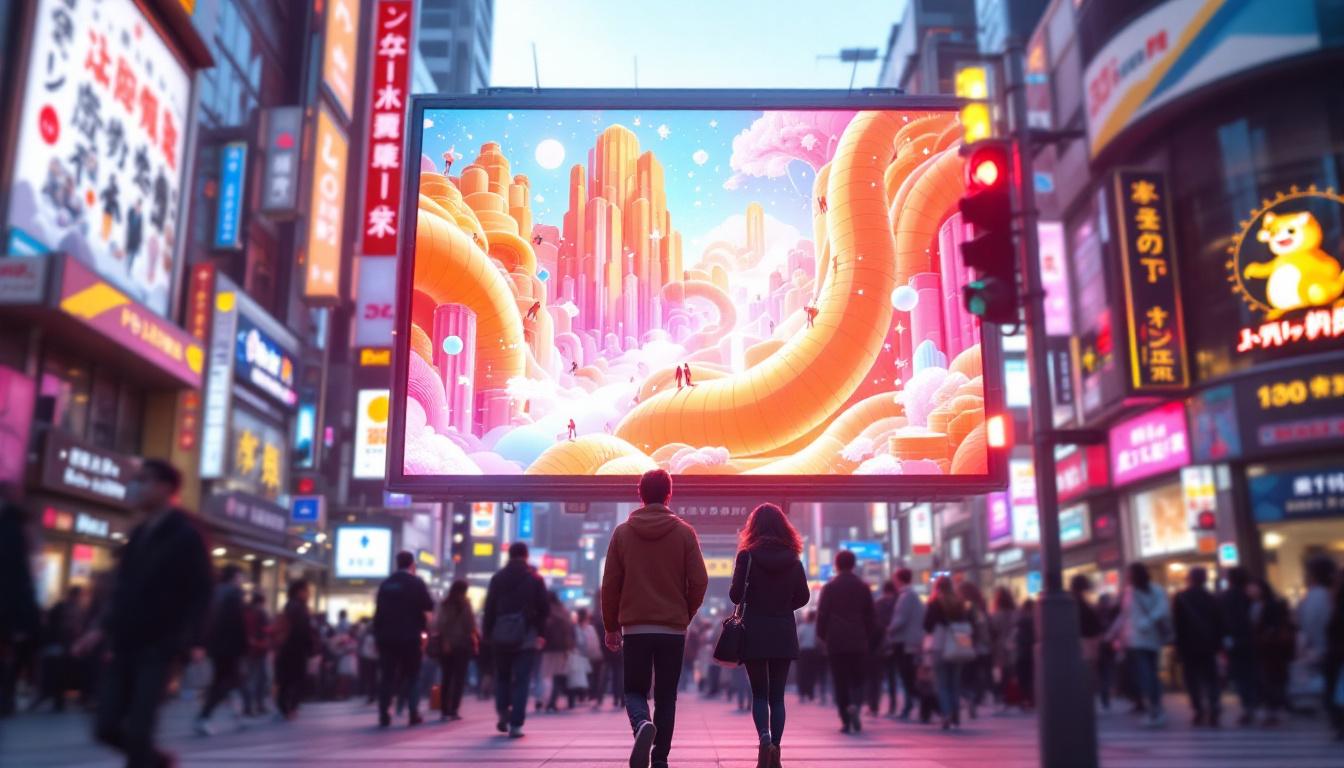
Japan has long been a global leader in technological innovation, seamlessly blending cutting-edge advancements with cultural aesthetics. One of the most captivating examples of this fusion is the emergence of 3D LED billboards, which have transformed urban advertising into immersive visual experiences. This article delves into the technology behind Japan’s 3D LED billboards, exploring how they work, their impact on advertising, and what the future holds for this dynamic medium.
The Evolution of Billboard Advertising in Japan
Billboard advertising in Japan has evolved significantly over the past few decades. From traditional printed posters to digital screens, the shift has been driven by the need for more engaging and flexible advertising formats. The densely populated urban centers of Tokyo, Osaka, and other major cities have become canvases for vibrant and interactive displays. These bustling metropolises, known for their unique blend of modernity and tradition, provide an ideal backdrop for innovative advertising strategies that capture the attention of millions of daily commuters and tourists alike.
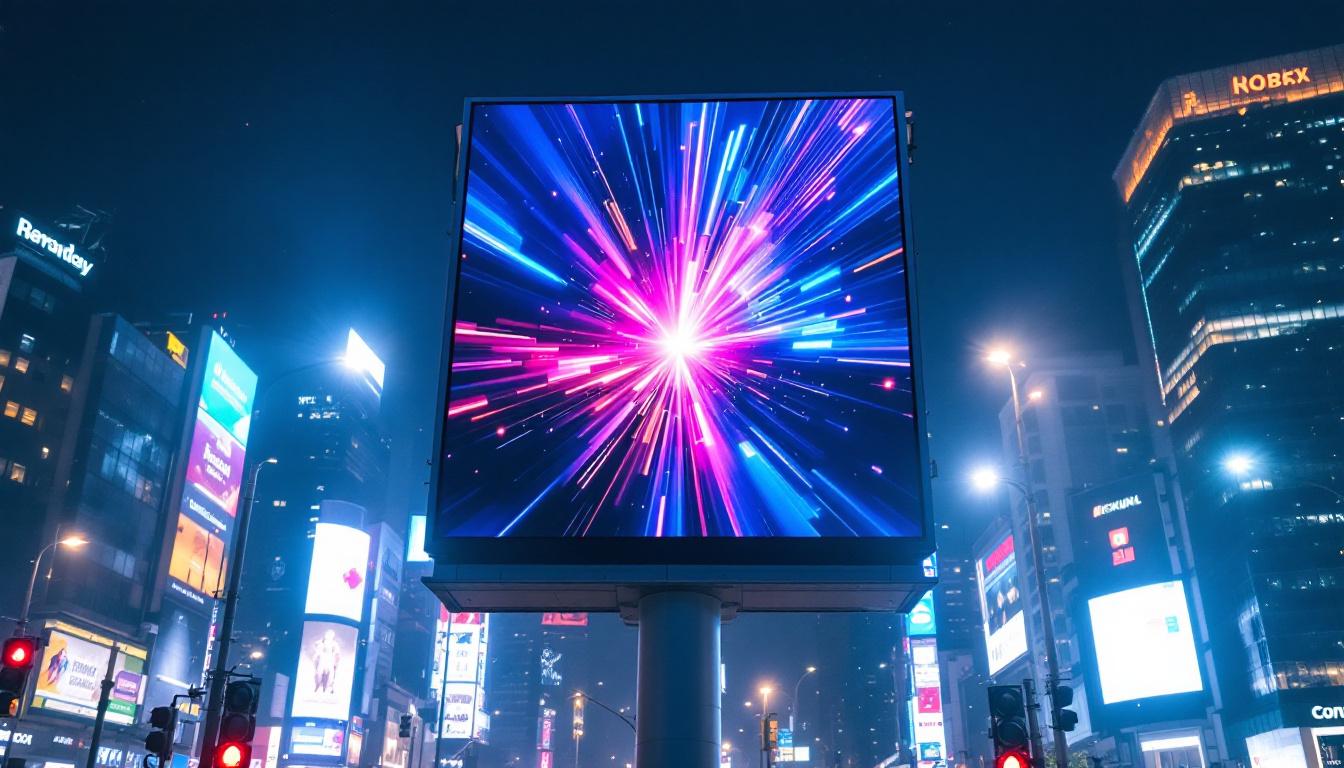
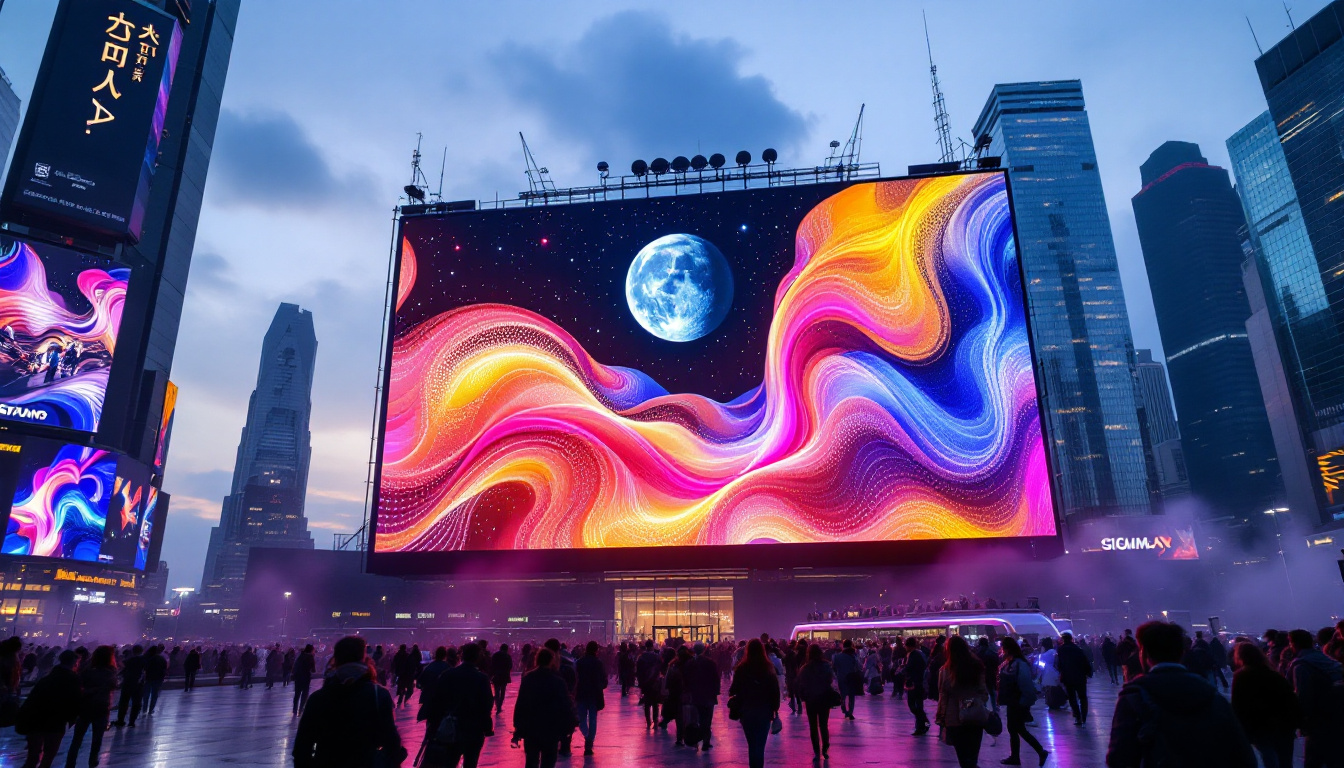
In recent years, the introduction of 3D LED billboards has marked a new chapter in this evolution. Unlike conventional flat screens, these displays create an illusion of depth and movement, captivating passersby and enhancing brand visibility. This innovation aligns with Japan’s reputation for embracing futuristic technology and pushing the boundaries of visual communication. Furthermore, these advanced billboards often incorporate augmented reality features, allowing viewers to interact with the advertisements through their smartphones, thus creating a more immersive experience. This interactivity not only engages consumers on a deeper level but also encourages social sharing, amplifying the reach of the advertising campaign.
Moreover, the integration of artificial intelligence into billboard advertising is beginning to reshape how brands connect with their audience. AI-driven systems can analyze foot traffic patterns and demographic data to display tailored content that resonates with specific groups at different times of the day. For instance, a billboard might showcase a popular coffee brand in the morning, targeting commuters looking for their caffeine fix, while promoting a trendy clothing line in the evening as people head out for dinner and nightlife. This level of personalization is revolutionizing the advertising landscape in Japan, making it more relevant and effective than ever before.
Understanding 3D LED Billboard Technology
What Makes a Billboard “3D”?
Traditional billboards are two-dimensional, relying on color, contrast, and motion to attract attention. A 3D billboard, however, uses optical illusions and advanced display technology to create the perception of three-dimensional objects projecting out of the screen. This effect can be achieved without the need for special glasses, making it accessible to all viewers.
In Japan, many 3D billboards employ a combination of high-resolution LED panels and carefully designed content that manipulates perspective and lighting. The result is a dynamic image that appears to float or move in space, engaging viewers on a deeper sensory level. This captivating technology not only draws in pedestrians but also encourages social media sharing, as people are often eager to capture and post their experiences with these stunning displays.
Moreover, the strategic placement of these billboards in high-traffic areas maximizes their visibility and impact. For instance, in bustling urban centers, 3D billboards can transform the skyline, creating a visual spectacle that competes with the natural beauty of the city. This innovative advertising method has led to a surge in creative campaigns, where brands push the boundaries of imagination to deliver unforgettable experiences.
Technical Components Behind 3D LED Displays
The core technology behind these displays includes ultra-bright LED modules, high refresh rates, and precise pixel control. The LED panels are composed of thousands of tiny diodes that emit light in various colors, enabling vivid and sharp images even in bright daylight.
To create the 3D effect, content creators use specialized software to design animations that simulate depth and motion. These animations take advantage of human visual perception, using shadows, highlights, and perspective shifts to trick the brain into seeing three dimensions on a flat surface. The complexity of these animations often requires collaboration between graphic designers, animators, and engineers, ensuring that every element works harmoniously to create a seamless viewing experience.
Furthermore, some installations incorporate physical elements such as angled screens or layered panels to enhance the illusion. These hybrid approaches combine digital and structural design to maximize the impact of the display. For example, a billboard might feature a rotating 3D object that appears to emerge from the screen, captivating audiences and creating a memorable interaction. As technology continues to advance, we can expect even more innovative applications of 3D LED displays, pushing the boundaries of what is possible in outdoor advertising.
Iconic Examples of 3D LED Billboards in Japan
Shibuya Crossing: The Heart of Tokyo’s Visual Culture
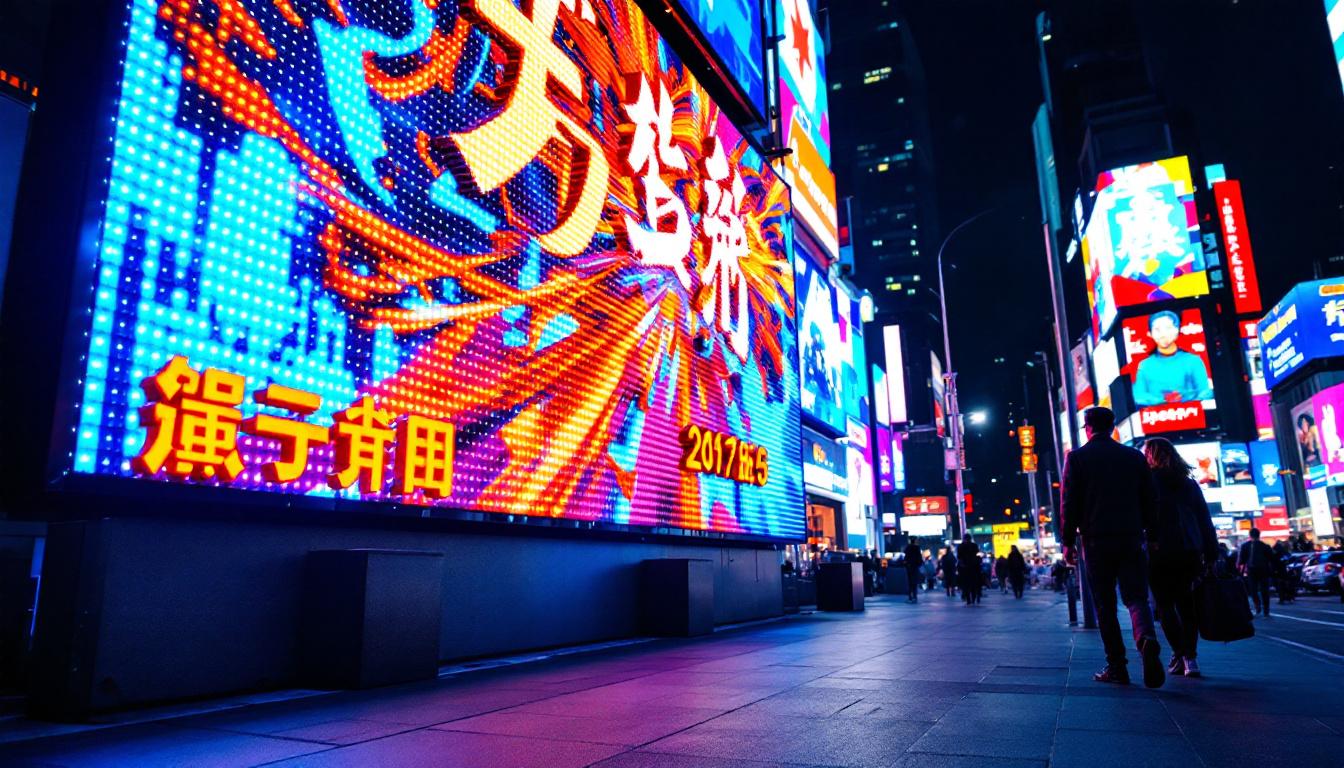
One of the most famous locations showcasing 3D LED billboards is Shibuya Crossing in Tokyo. Known as one of the busiest pedestrian intersections in the world, Shibuya has become a hotspot for advertisers aiming to reach a diverse and tech-savvy audience.
Several billboards in this area utilize 3D LED technology to display eye-catching advertisements. For instance, a recent campaign for a popular gaming console featured a giant character seemingly leaping out of the screen, interacting with the surrounding environment. This not only grabbed attention but also generated significant social media buzz, amplifying the campaign’s reach.
Osaka’s Dotonbori District: A Fusion of Tradition and Innovation
In Osaka, the Dotonbori district is renowned for its vibrant nightlife and neon-lit streets. Here, 3D LED billboards add a futuristic layer to the traditional urban landscape. Advertisements for luxury brands, entertainment venues, and technology products use 3D effects to stand out amidst the visual cacophony.
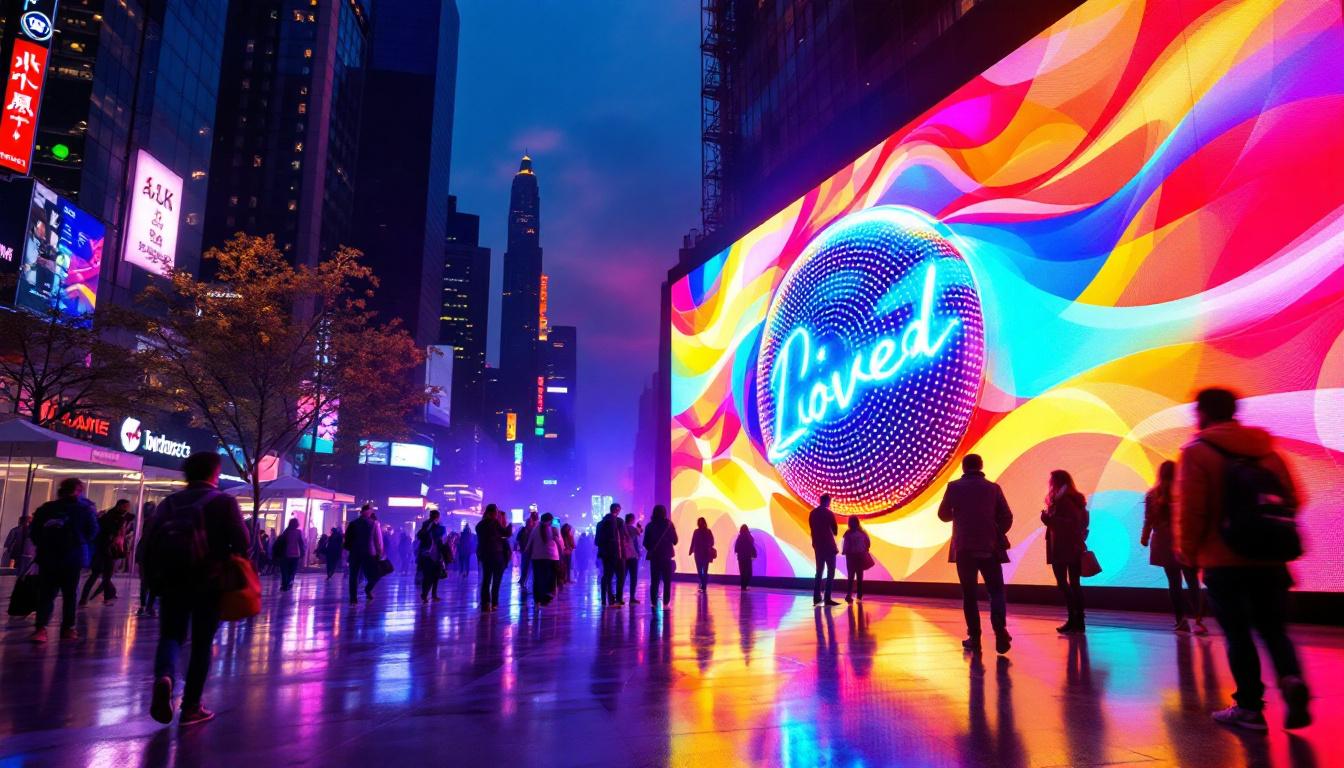
One notable example is a 3D billboard that displays a rotating globe with animated landmarks, symbolizing global connectivity. This installation not only promotes the advertiser’s message but also enhances the cultural atmosphere of the district.
The Impact of 3D LED Billboards on Advertising and Consumer Engagement
Increased Attention and Recall
Research indicates that 3D visuals can significantly boost viewer attention and memory retention. According to a 2023 study published in the Journal of Advertising Research, advertisements employing 3D effects saw a 35% increase in recall compared to traditional 2D displays. This is particularly important in crowded urban environments where consumers are bombarded with visual stimuli.
For advertisers, this means that investing in 3D LED billboards can yield higher engagement rates and better brand recognition. The novelty and immersive nature of these displays encourage viewers to pause and interact, whether by taking photos or sharing content online.
Enhancing Brand Image Through Innovation
Utilizing advanced technology like 3D LED displays signals that a brand is forward-thinking and innovative. In Japan’s competitive market, where consumers value quality and creativity, this can differentiate a company from its rivals.
Brands that adopt 3D billboards often position themselves as leaders in their industries, leveraging the technology to tell compelling stories and create memorable experiences. This emotional connection can translate into increased customer loyalty and positive word-of-mouth.
Challenges and Considerations in Deploying 3D LED Billboards
High Production and Installation Costs
Despite their benefits, 3D LED billboards require substantial investment. The cost of high-resolution LED panels, custom content creation, and structural modifications can be prohibitive for smaller businesses. Additionally, maintenance and energy consumption are higher than traditional billboards.
Advertisers must carefully evaluate the return on investment and consider whether the target audience and campaign goals justify the expense. Partnerships with experienced digital signage companies can help optimize costs and ensure technical reliability.
Content Creation Complexity
Producing effective 3D content demands specialized skills in animation, graphic design, and optical illusion techniques. Not all creative agencies have the expertise to develop visuals that maximize the 3D effect without causing visual discomfort or confusion.
Moreover, content must be tailored to the specific dimensions and viewing angles of each billboard, requiring close collaboration between designers and technical teams. This complexity can extend production timelines and necessitate iterative testing.
The Future of 3D LED Billboards in Japan and Beyond
Integration with Augmented Reality and AI
Looking ahead, 3D LED billboards are poised to become even more interactive and personalized. Integration with augmented reality (AR) technology could allow viewers to engage with advertisements via their smartphones, unlocking additional content or virtual experiences.
Artificial intelligence (AI) may also play a role in dynamically adjusting billboard content based on real-time data such as weather, traffic, or audience demographics. This would enhance relevance and effectiveness, making advertising more responsive and targeted.
Expansion to Other Urban Centers and Global Markets
While Japan remains at the forefront of 3D LED billboard innovation, the technology is gradually spreading to other major cities worldwide. Urban centers with high foot traffic and a focus on technology adoption, such as Seoul, Singapore, and New York, are exploring similar installations.
Japan’s pioneering efforts serve as a blueprint for these markets, demonstrating how to balance technological sophistication with cultural resonance. As production costs decrease and content creation tools become more accessible, 3D LED billboards are likely to become a staple of urban advertising globally.
Conclusion
Japan’s 3D LED billboards represent a remarkable convergence of technology, creativity, and urban culture. By transforming flat advertising spaces into immersive visual spectacles, they redefine how brands communicate with audiences in bustling city environments. Despite challenges related to cost and content complexity, the benefits in terms of engagement and brand perception are substantial.
As advancements in AR, AI, and display technology continue, the potential for 3D LED billboards to create even more dynamic and personalized experiences is immense. For advertisers and urban planners alike, embracing this innovation offers exciting opportunities to captivate audiences and shape the future of public visual communication.
Illuminate Your Brand with LumenMatrix
Ready to elevate your advertising to new dimensions? LumenMatrix is at the forefront of the LED display revolution, offering a vast array of innovative solutions that bring your brand to life. From Indoor and Outdoor LED Wall Displays to specialized options like Vehicle, Sports, and Floor LED Displays, our technology is designed to captivate and engage. Experience the future of visual storytelling with our Custom, All-in-One, and Transparent LED Displays. Check out LumenMatrix LED Display Solutions today and transform your brand’s visibility with unparalleled clarity and impact.