In recent years, the evolution of display technology has transformed the way we experience visual content. Among the most groundbreaking advancements is the 3D LED display, a technology that combines the brilliance of LED panels with three-dimensional imaging to create immersive and captivating visual experiences. This article explores the fundamentals of 3D LED displays, their technology, applications, and the future potential they hold for various industries.
Understanding LED Display Technology
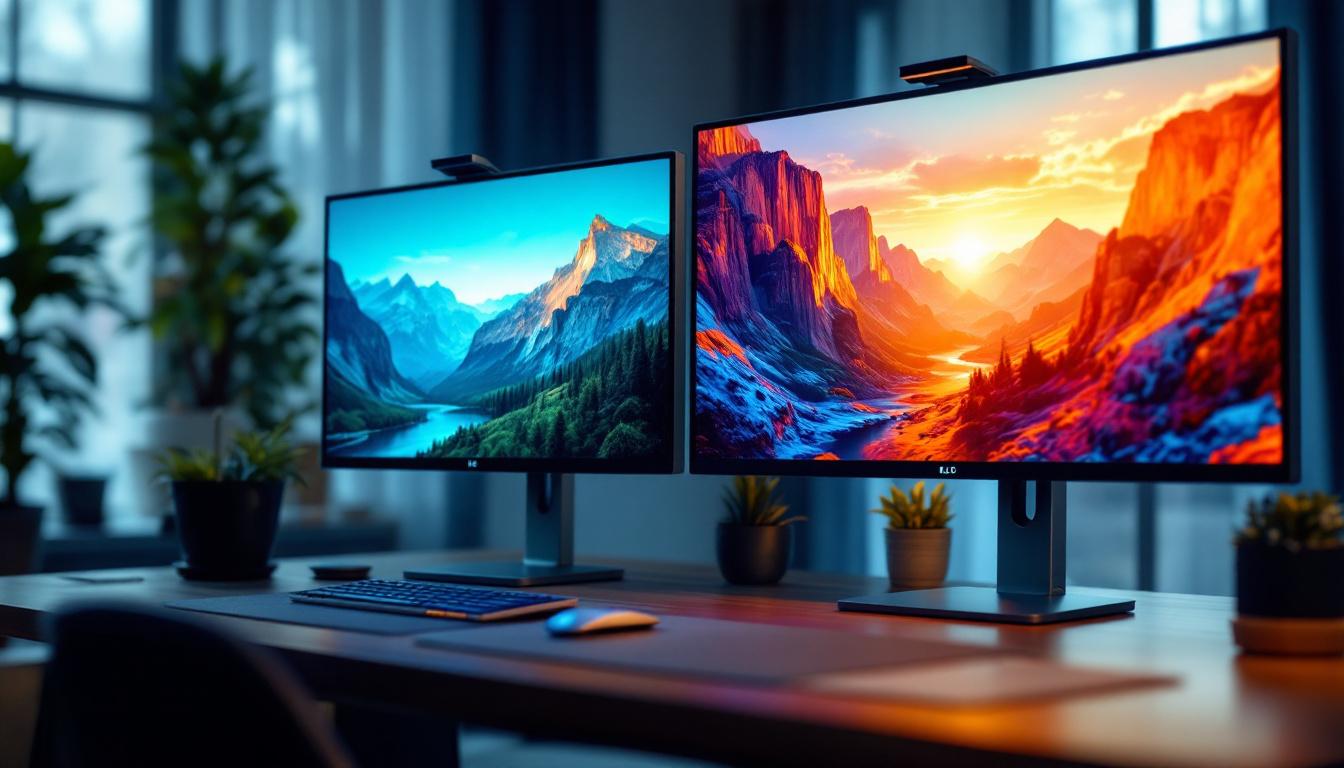
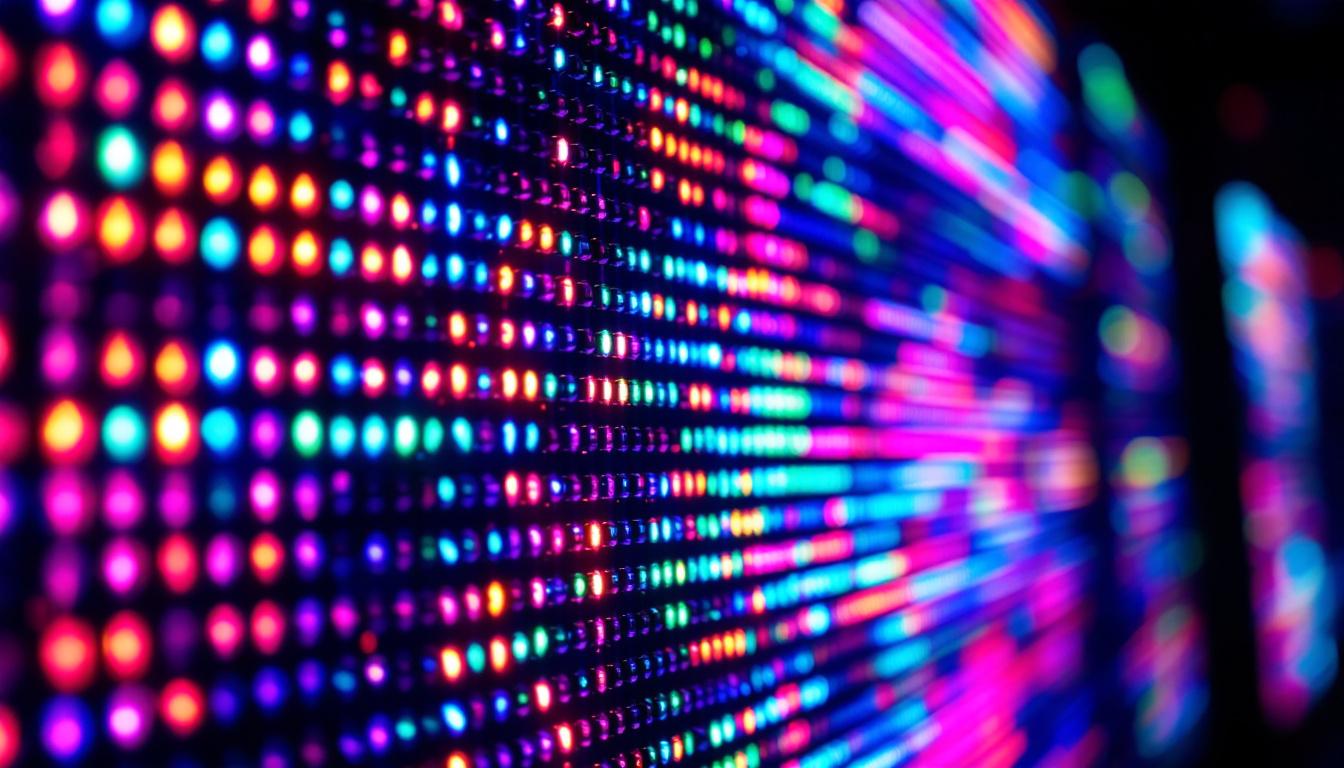
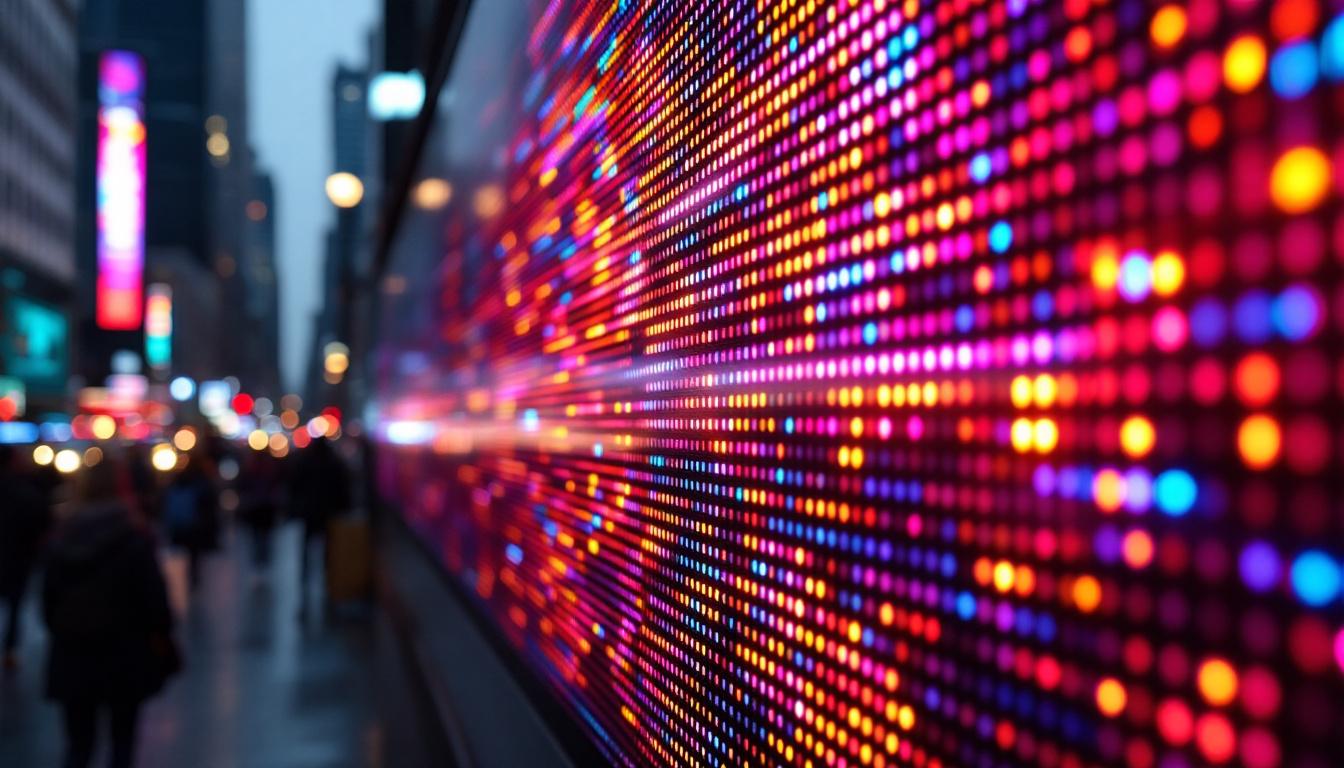
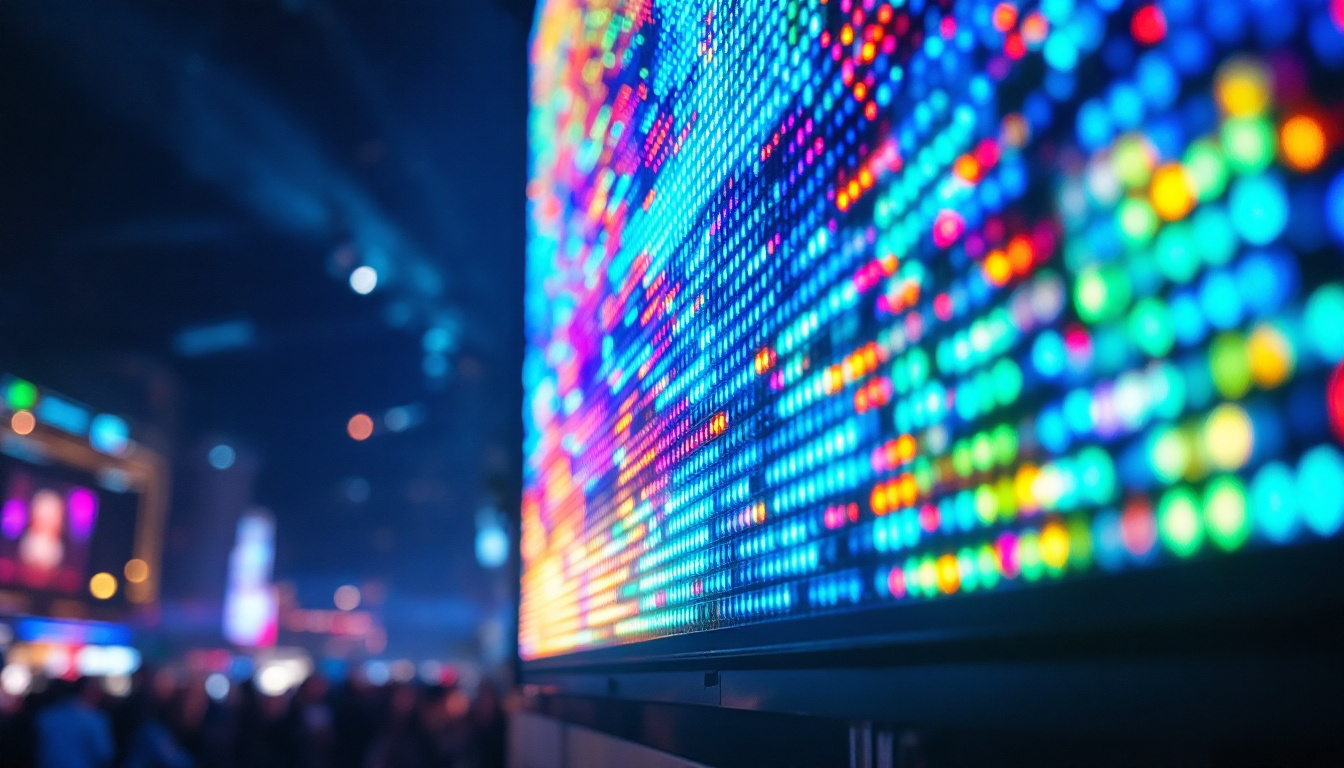
To appreciate the innovation behind 3D LED displays, it’s essential to first understand the basics of LED display technology. LED stands for Light Emitting Diode, a semiconductor device that emits light when an electric current passes through it. LED displays are composed of thousands to millions of these tiny diodes arranged in a matrix, which together produce images and videos with vibrant colors and high brightness. The technology has evolved significantly over the years, leading to the development of various forms of LED displays that cater to different needs and environments.
LED displays are widely used in a variety of settings, from outdoor billboards and stadium screens to indoor digital signage and televisions. Their advantages include energy efficiency, long lifespan, excellent brightness, and the ability to produce vivid colors even in direct sunlight. These characteristics make LED technology a preferred choice for large-scale and high-impact visual displays. Furthermore, advancements in LED technology have led to improvements in pixel density, allowing for sharper images and finer details that enhance the viewer’s experience. The continuous innovation in this field has also resulted in displays that are thinner and lighter, making them easier to install and integrate into various environments.
Types of LED Displays
There are several types of LED displays, each suited for different applications:
- Direct View LED Displays: These use LEDs as the actual pixels forming the image. They are commonly used for large outdoor screens and indoor video walls.
- LED-backlit LCD Displays: These combine LED backlighting with LCD panels, commonly found in televisions and computer monitors.
- OLED Displays: Organic LEDs where each pixel emits its own light, offering superior contrast and color accuracy but generally used in smaller screens.
3D LED displays primarily utilize direct view LED technology, enhanced with additional layers or techniques to create the perception of depth. This technology often incorporates advanced algorithms and content creation techniques that allow for the rendering of three-dimensional images without the need for special glasses. The immersive experience provided by 3D LED displays has made them increasingly popular in entertainment venues, trade shows, and advertising, where capturing the audience’s attention is paramount. As the demand for more engaging visual content grows, the integration of 3D capabilities into LED displays is expected to expand, pushing the boundaries of what is possible in visual communication.
What is a 3D LED Display?
A 3D LED display is an advanced form of LED screen that produces three-dimensional images without the need for special glasses or headgear. Unlike traditional 2D displays, which show flat images, 3D LED displays create a sense of depth and realism, making visuals appear as though they are popping out of the screen or floating in space.
This effect is achieved through various technologies that manipulate light and perspective, allowing viewers to perceive multiple angles and dimensions simultaneously. The result is a more engaging and interactive viewing experience that has applications ranging from advertising and entertainment to education and medical imaging.
How Do 3D LED Displays Work?
There are several technological approaches to creating 3D effects on LED displays, including:
- Parallax Barrier: This method uses a layer with slits that direct different images to each eye, creating a stereoscopic effect. It requires precise alignment and is often used in smaller displays.
- Lenticular Lens: A lenticular lens sheet is placed over the display, directing light to each eye differently to simulate depth perception. This technology is common in 3D billboards and signage.
- Volumetric Displays: These displays create 3D images in a physical volume of space, often using rotating LED arrays or light fields, allowing viewers to see the image from multiple angles.
- Holographic LED Displays: By projecting light patterns that interfere constructively and destructively, holographic displays produce lifelike 3D images floating in mid-air.
Among these, lenticular and volumetric LED displays are most prevalent in commercial 3D LED applications, offering a balance between image quality, viewing angle, and cost.
Applications of 3D LED Displays
The unique visual impact of 3D LED displays has led to their adoption across a wide range of industries. Their ability to attract attention and convey complex information in an intuitive manner makes them valuable tools for marketers, educators, and professionals alike.
Advertising and Marketing
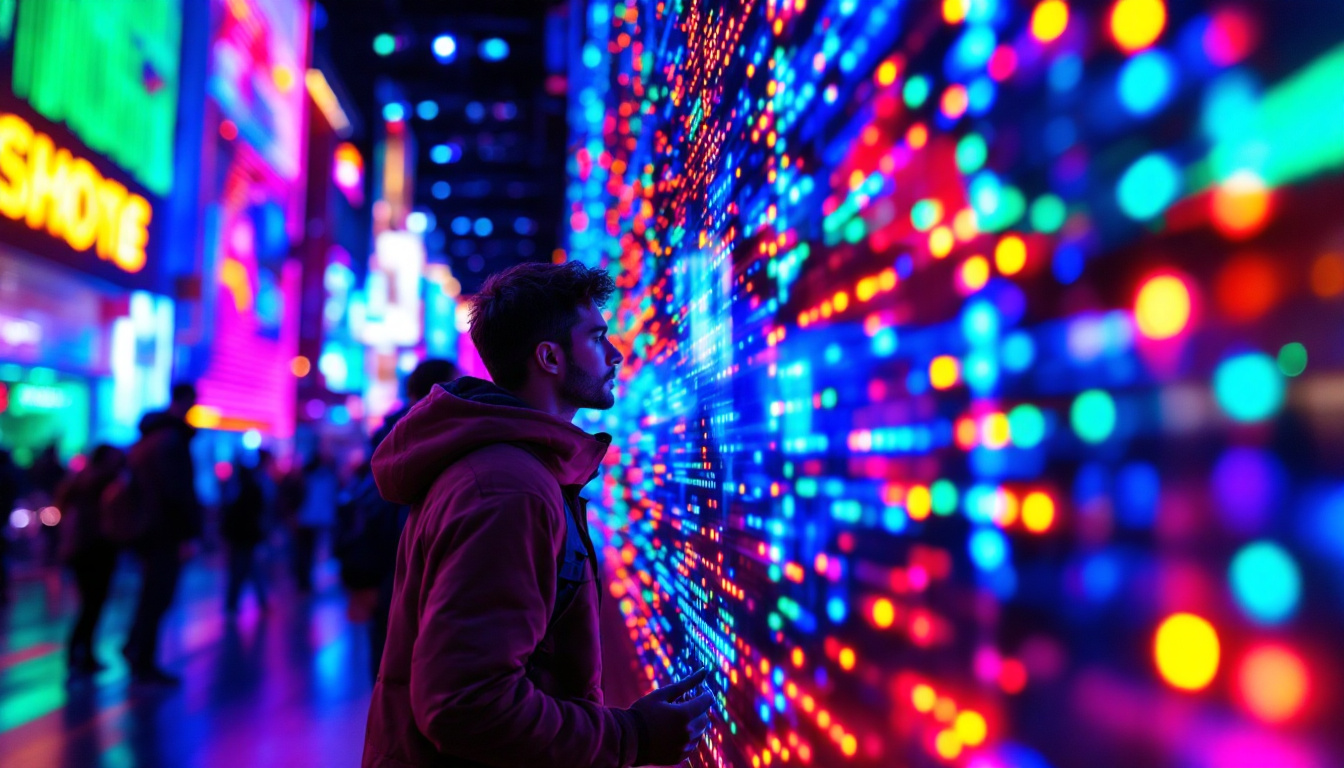
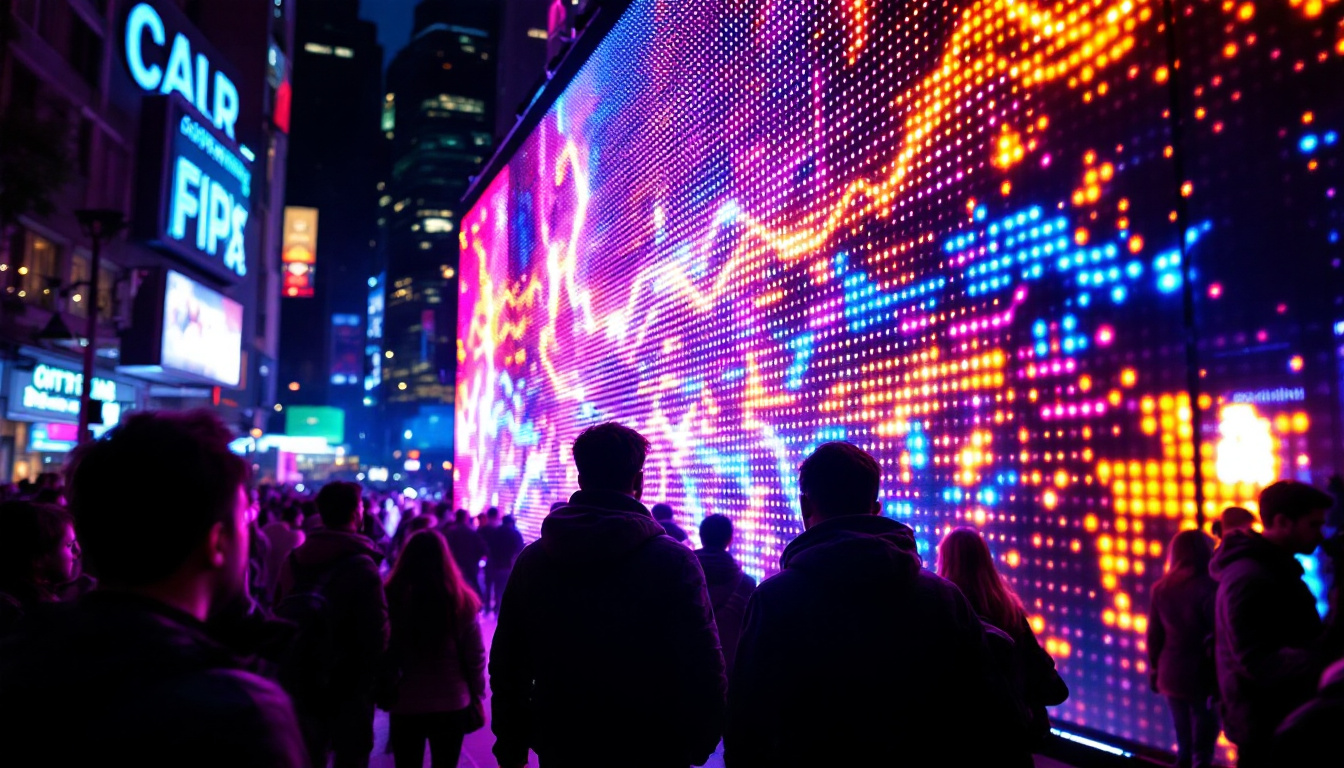
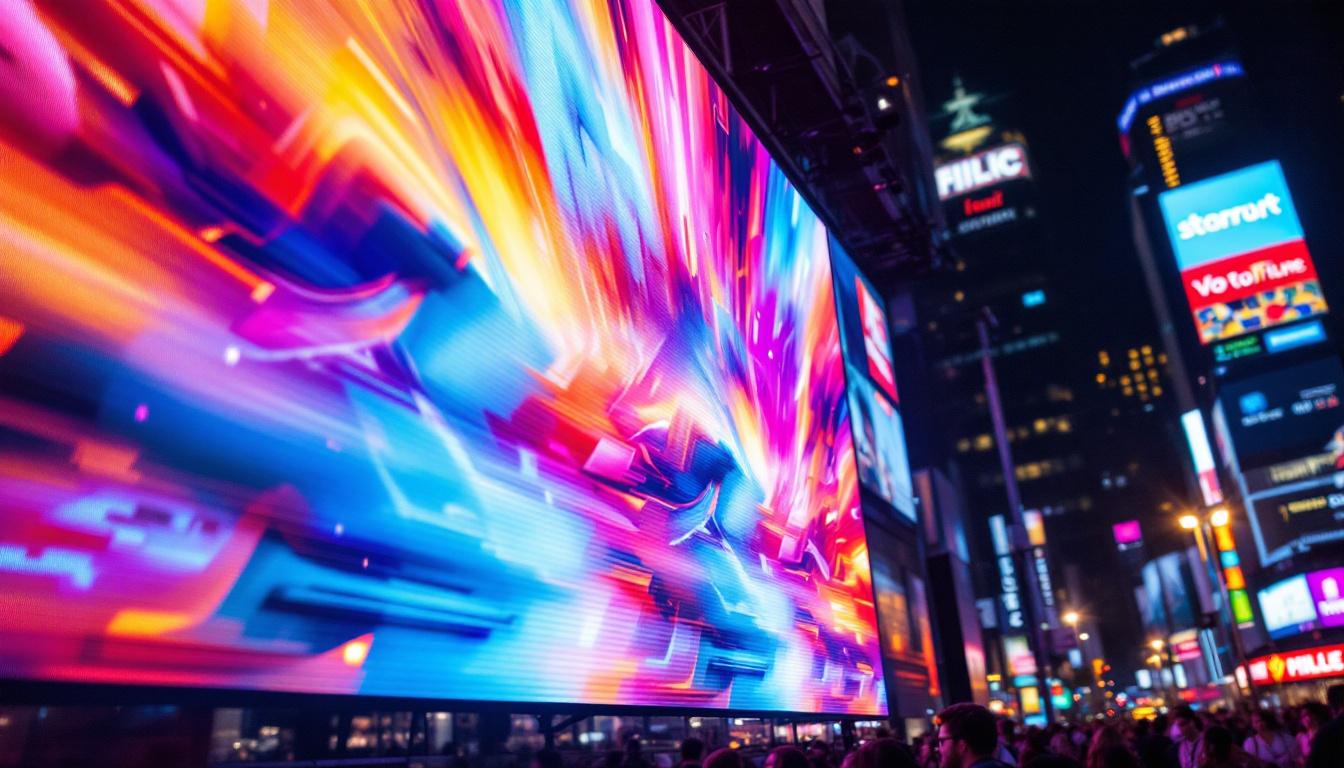
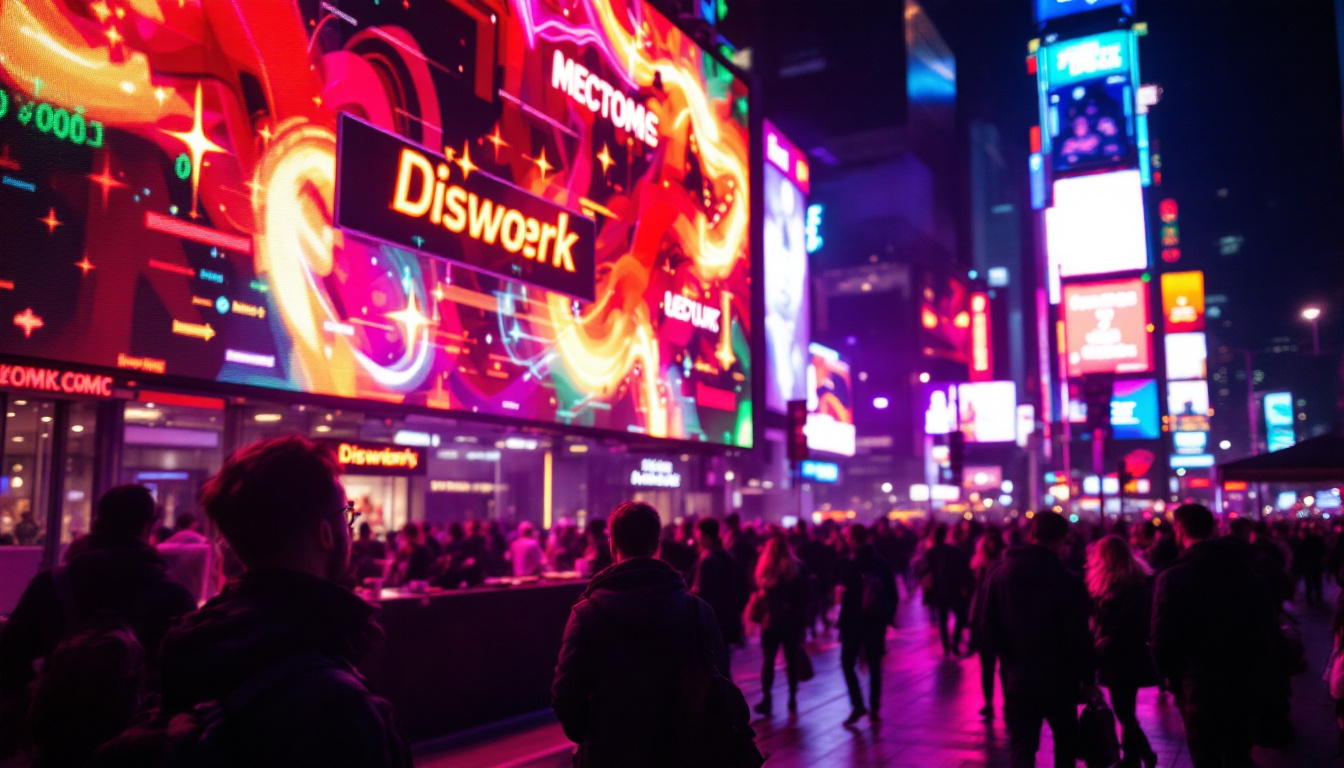
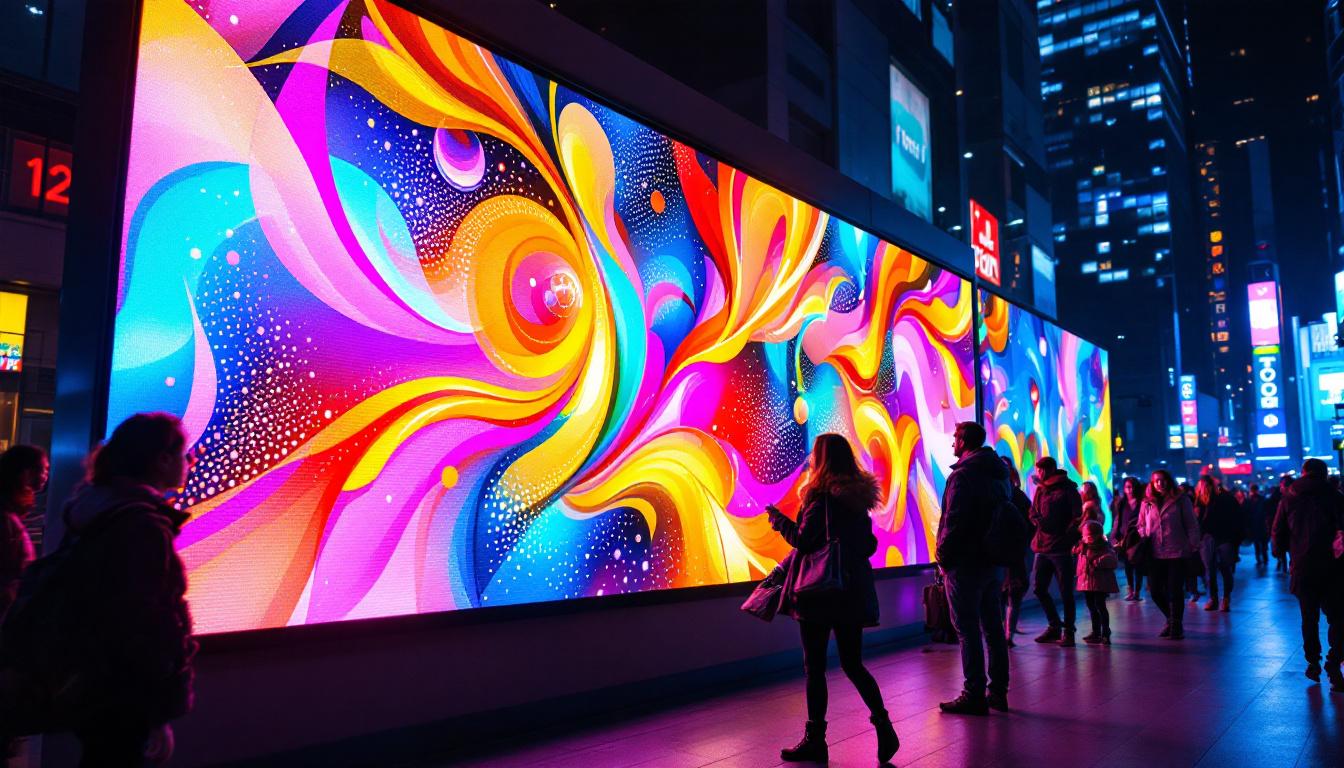
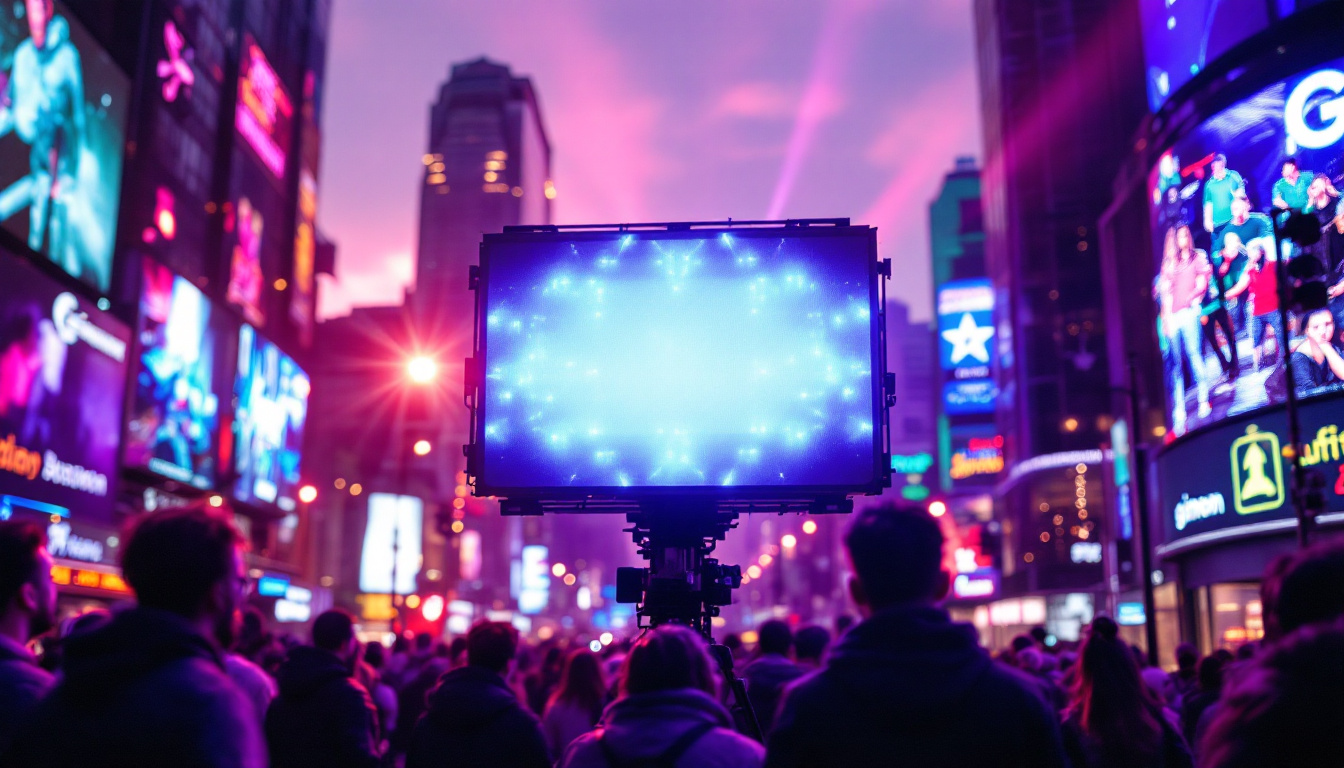
One of the most visible uses of 3D LED displays is in advertising, where brands seek to create memorable and eye-catching campaigns. For example, major cities like Tokyo, New York, and London feature large 3D LED billboards that showcase products with dynamic, lifelike effects. These displays can increase viewer engagement significantly; studies indicate that 3D advertisements can boost recall rates by up to 70% compared to traditional 2D ads.
Retail environments also benefit from 3D LED displays by enhancing window displays and in-store promotions. The immersive visuals help draw customers in and create a modern, tech-savvy brand image.
Entertainment and Events
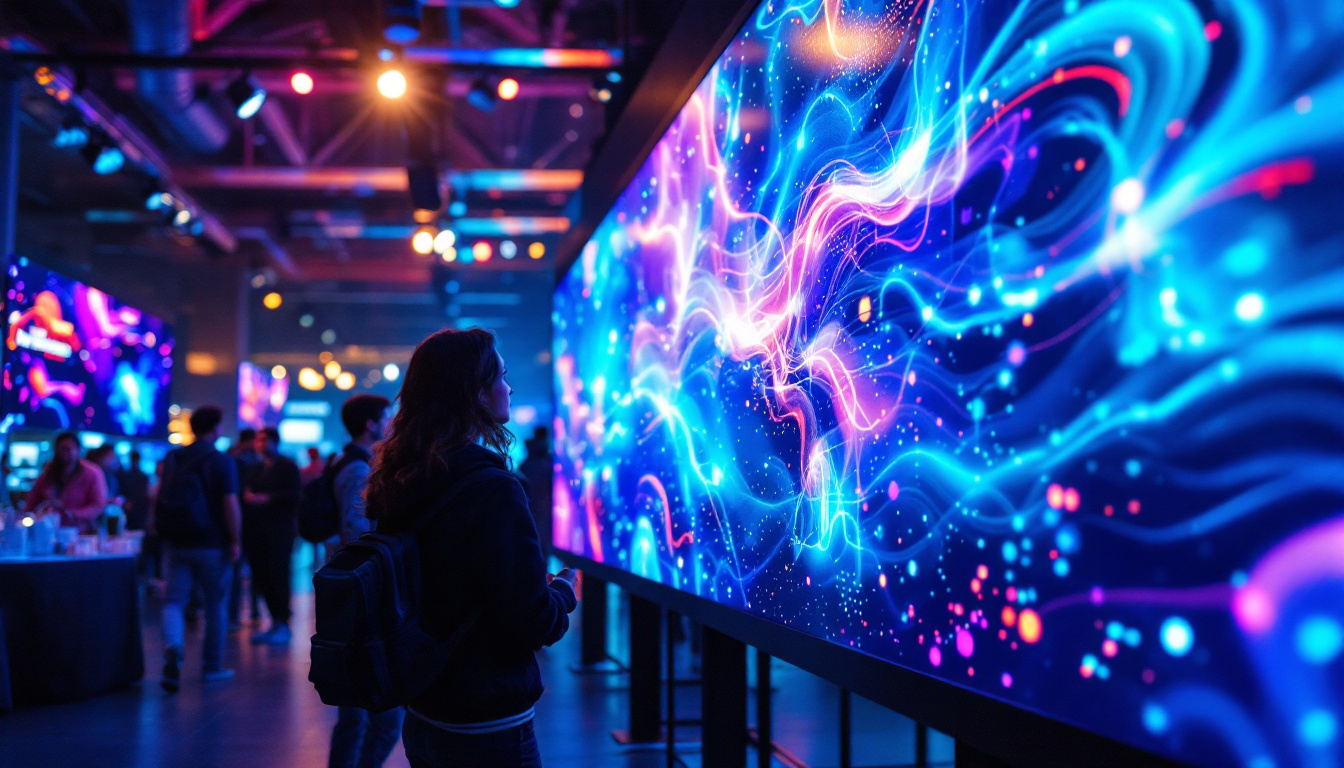
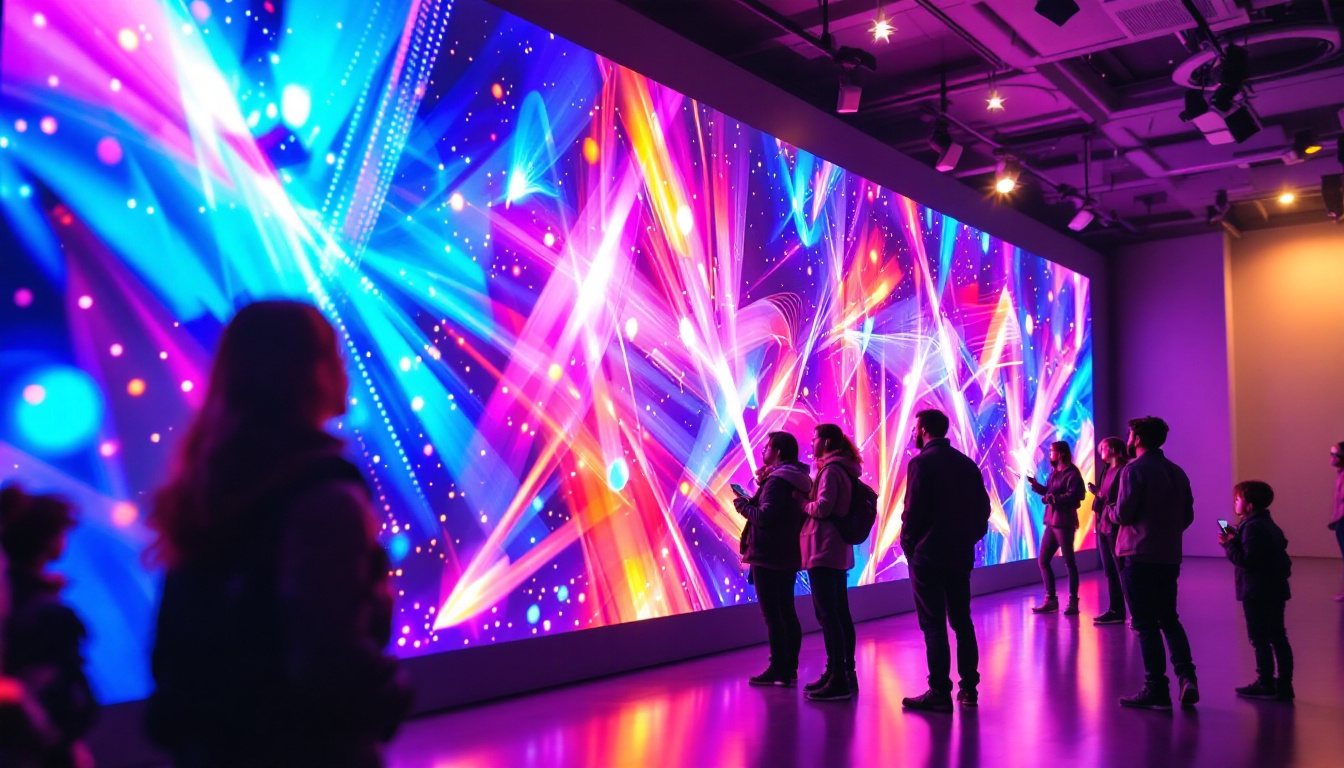
Concerts, exhibitions, and theme parks increasingly incorporate 3D LED displays to enrich the audience experience. For instance, stage backdrops with 3D visuals can transform performances by adding depth and realism, while museums use these displays to bring exhibits to life with interactive 3D content.
Sports arenas utilize large 3D LED screens to provide fans with dynamic replays and immersive game statistics, enhancing the overall spectator experience.
Education and Training
In educational settings, 3D LED displays offer new ways to present information, particularly in subjects like anatomy, engineering, and architecture. Students can view complex structures in three dimensions, improving comprehension and retention.
Similarly, professional training programs in fields such as medicine and aviation use 3D LED displays for realistic simulations, allowing trainees to practice skills in a controlled, immersive environment.
Medical Imaging
Medical professionals benefit from 3D LED technology by visualizing detailed anatomical structures in three dimensions. This capability aids in diagnosis, surgical planning, and patient education. Advanced 3D LED displays can render volumetric scans such as MRIs and CTs in a way that traditional 2D monitors cannot, offering clearer insights into complex medical data.
Advantages of 3D LED Displays
3D LED displays offer several advantages over conventional 2D screens, making them an attractive option for various applications:
- Enhanced Visual Impact: The depth and realism of 3D visuals capture attention more effectively, making content more memorable.
- Glasses-Free Viewing: Many 3D LED displays use autostereoscopic technology, allowing viewers to experience 3D effects without special eyewear.
- Wide Viewing Angles: Advanced lenticular and volumetric displays provide multiple viewing angles, enabling groups of people to enjoy the 3D effect simultaneously.
- Energy Efficiency and Brightness: Leveraging LED technology, these displays maintain high brightness levels and energy efficiency, even in outdoor environments.
- Customization: 3D LED displays can be tailored in size, resolution, and curvature to fit specific environments and use cases.
Challenges and Considerations
Despite their impressive capabilities, 3D LED displays come with challenges that must be considered before adoption:
Cost
3D LED displays are generally more expensive than traditional 2D LED screens due to the complexity of the technology and the additional components required. This can be a significant investment, especially for large-scale installations.
Viewing Distance and Angle
While many 3D LED displays offer wide viewing angles, the 3D effect can diminish if viewed from extreme angles or distances. Proper placement and calibration are essential to maximize the impact.
Content Creation
Producing effective 3D content requires specialized skills and software. Content must be designed to exploit the depth capabilities of the display without causing visual discomfort or confusion.
Technical Complexity
Installation and maintenance of 3D LED displays can be more complex than standard LED screens, requiring expertise in both hardware and software systems.
The Future of 3D LED Displays
The future of 3D LED display technology is promising, driven by ongoing advances in materials science, optics, and computing power. Emerging trends include:
- Higher Resolution and Pixel Density: Improvements in LED miniaturization will enable sharper, more detailed 3D images.
- Integration with Augmented Reality (AR): Combining 3D LED displays with AR technologies could create interactive environments where digital and physical worlds blend seamlessly.
- Flexible and Transparent Displays: Innovations in flexible LED panels and transparent screens will allow 3D displays to be integrated into windows, vehicles, and wearable devices.
- AI-Enhanced Content: Artificial intelligence will play a role in generating and optimizing 3D content dynamically based on viewer behavior and context.
As these technologies mature, 3D LED displays are expected to become more accessible and versatile, expanding their reach across industries and everyday life.
Conclusion
3D LED displays represent a significant leap forward in visual communication, offering immersive and dynamic experiences that captivate audiences like never before. By combining the proven benefits of LED technology with innovative 3D imaging techniques, these displays open new possibilities for advertising, entertainment, education, and beyond.
While challenges such as cost and content creation remain, ongoing technological advancements are steadily addressing these issues, paving the way for broader adoption. For businesses and organizations looking to make a lasting impression, investing in 3D LED display technology can provide a competitive edge in an increasingly visual world.
As this exciting field continues to evolve, staying informed about the latest developments will be crucial for leveraging the full potential of 3D LED displays in the years to come.
Discover the Future of Visual Experience with LumenMatrix
Ready to elevate your visual communication and engage your audience with unparalleled clarity and depth? Explore LumenMatrix’s comprehensive range of cutting-edge LED display solutions, from Indoor and Outdoor LED Walls to innovative Transparent Displays. Embrace the future of advertising, entertainment, and education with our advanced 3D LED technology designed to make your brand stand out. Check out LumenMatrix LED Display Solutions today and join the revolution in immersive visual storytelling.