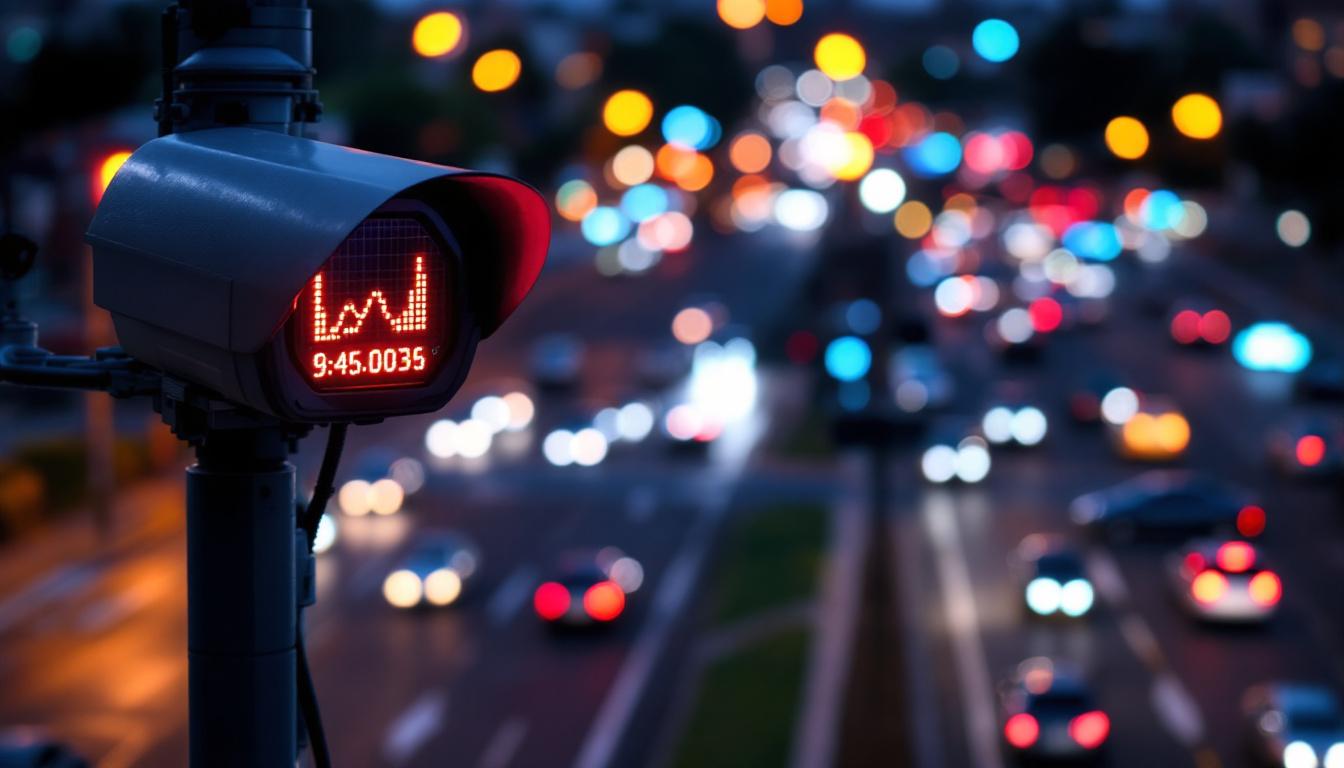
Traffic management in urban areas has become increasingly sophisticated, leveraging advanced technology to ensure safety, efficiency, and smooth flow on roadways. Beaverton, Oregon, is no exception, employing a network of traffic cameras equipped with LED displays to provide real-time information to drivers and city officials alike. This article delves into the role of traffic cameras in Beaverton, focusing specifically on the LED display technology integrated into these systems, explaining how they work, their benefits, and their impact on traffic management.
The Role of Traffic Cameras in Beaverton’s Transportation Network
Traffic cameras are a critical component of modern traffic management systems. In Beaverton, these cameras serve multiple purposes, from monitoring traffic flow and detecting incidents to enforcing traffic laws. The city’s investment in camera technology reflects a commitment to improving road safety and minimizing congestion.
According to the Oregon Department of Transportation, cities that utilize traffic camera systems experience a reduction in traffic accidents by up to 20%, primarily due to enhanced monitoring and quicker response times. Beaverton’s traffic cameras contribute to this trend by providing continuous surveillance of key intersections and highways.
How Traffic Cameras Improve Safety and Efficiency
By capturing real-time footage, traffic cameras help city officials identify accidents, stalled vehicles, or hazardous conditions immediately. This rapid detection enables prompt dispatch of emergency services or road maintenance crews, reducing the likelihood of secondary accidents and minimizing traffic delays.
Moreover, the cameras assist in enforcing traffic regulations such as red-light compliance and speed limits. Automated ticketing systems linked to cameras have been shown to decrease violations by encouraging safer driving behaviors.
In addition to their role in safety and law enforcement, traffic cameras also play a vital part in urban planning and infrastructure development. The data collected from these cameras can be analyzed to understand traffic patterns, peak hours, and areas of congestion. This information is invaluable for city planners who are tasked with designing more efficient roadways and public transport systems. By understanding how traffic flows in real-time, Beaverton can make informed decisions about where to invest in new infrastructure, such as additional lanes, traffic signals, or even public transit options that better serve the community.
Furthermore, the integration of traffic cameras with smart city technology is paving the way for a more connected and responsive transportation network. With advancements in artificial intelligence, these cameras can not only monitor traffic but also predict congestion and suggest alternative routes to drivers through connected apps. This proactive approach not only enhances the driving experience but also contributes to reducing emissions by minimizing idle time in traffic. As Beaverton continues to embrace these technologies, the potential for a safer, more efficient transportation network becomes increasingly attainable.
Understanding LED Displays in Traffic Camera Systems
LED (Light Emitting Diode) displays have become a standard feature on many traffic camera installations in Beaverton. These displays provide dynamic, visible information to drivers and pedestrians, enhancing communication and situational awareness on the road.
What Are LED Displays and How Do They Work?
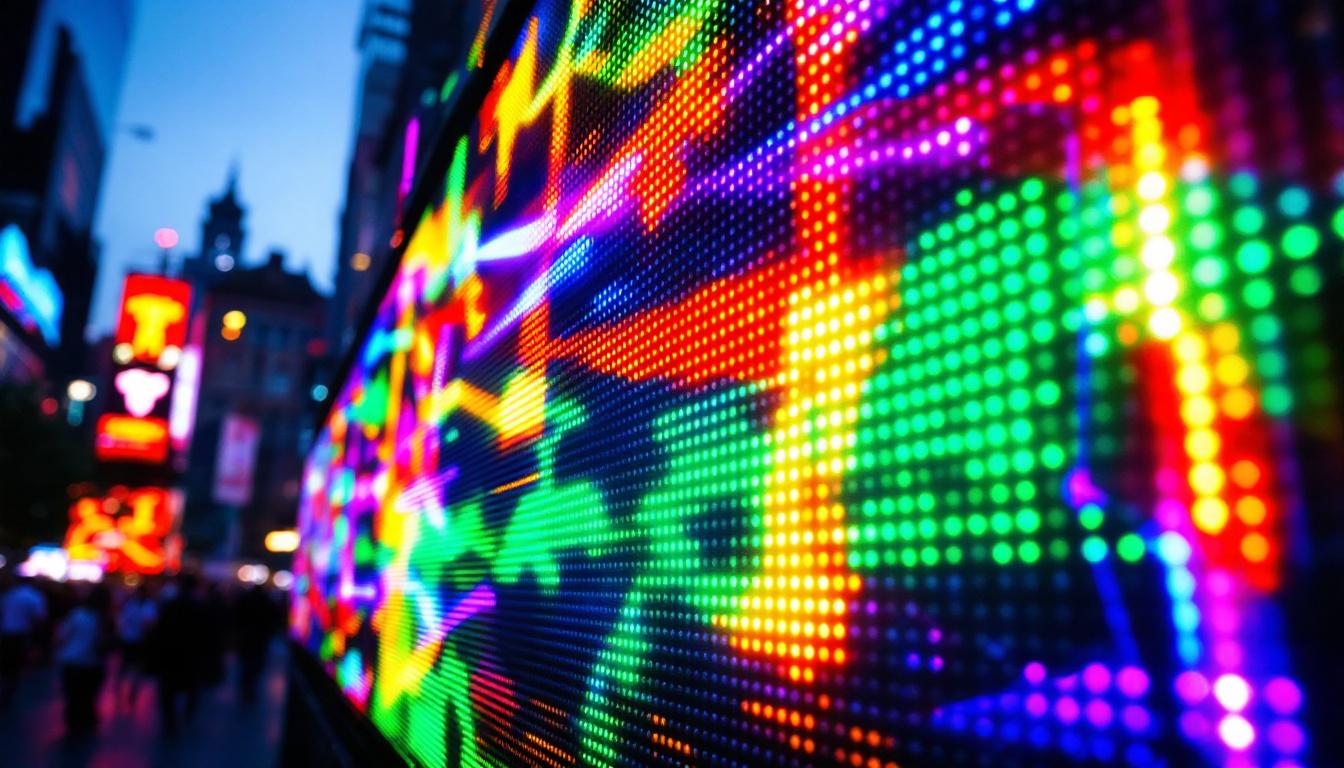
LED displays consist of numerous tiny light-emitting diodes arranged in a matrix to form characters or symbols. They are highly visible in various lighting conditions, including bright sunlight and nighttime, making them ideal for outdoor use in traffic environments.
In traffic camera systems, LED displays are typically integrated into message boards or directly on the camera housing. They can show a range of information, from speed limits and warnings to real-time traffic updates and emergency alerts. The technology behind these displays allows for rapid changes in messaging, ensuring that drivers receive the most current information as they approach critical areas.
Moreover, the integration of LED displays with advanced traffic management systems enables them to communicate with sensors and cameras that monitor traffic flow. This real-time data processing allows for the display of pertinent information, such as accident alerts or detours, which can significantly improve traffic safety and efficiency.
Advantages of LED Displays Over Traditional Signage
Traditional static signs, while useful, lack flexibility. LED displays offer several advantages:
- Dynamic Messaging: Messages can be updated instantly to reflect changing road conditions, construction zones, or emergency situations.
- Enhanced Visibility: Brightness and contrast can be adjusted automatically to ensure readability in all weather and lighting conditions.
- Energy Efficiency: LEDs consume less power than other lighting technologies, reducing operational costs and environmental impact.
- Longevity and Durability: LED displays have long lifespans and resist damage from weather, vibration, and temperature fluctuations.
In addition to these advantages, LED displays are also more environmentally friendly compared to traditional signage. Their energy efficiency not only lowers electricity consumption but also contributes to reduced greenhouse gas emissions. Furthermore, the ability to easily update messages means that outdated or irrelevant information can be quickly replaced, minimizing the risk of driver confusion and enhancing overall road safety.
Another significant benefit of LED displays is their potential for integration with smart city technologies. As urban areas increasingly adopt intelligent transportation systems, LED displays can be synchronized with traffic signals and other infrastructure to provide cohesive and timely information to road users. This interconnectedness fosters a more informed driving experience, allowing for smoother traffic flow and reduced congestion, ultimately leading to a safer and more efficient transportation network.
Applications of LED Displays in Beaverton’s Traffic Cameras
Beaverton’s traffic management system employs LED displays in several key applications, each designed to improve driver awareness and traffic flow.
Speed Feedback Signs
One of the most common uses of LED displays is in speed feedback signs. These signs detect the speed of approaching vehicles and display it back to drivers, often accompanied by messages encouraging them to slow down if they exceed the limit.
Studies show that speed feedback signs can reduce average vehicle speeds by 5-10%, contributing to safer road conditions, especially in residential areas and school zones. In Beaverton, these signs are strategically placed near schools, parks, and high-traffic pedestrian areas.
Real-Time Traffic Updates and Alerts
LED displays on traffic cameras can broadcast real-time updates such as lane closures, detours, or accident alerts. This immediate communication helps drivers make informed decisions, potentially rerouting to avoid congestion or hazards.
For example, during peak commuting hours, LED message boards may inform drivers of delays ahead on Highway 217 or suggest alternate routes through surface streets, reducing bottlenecks and improving overall traffic flow.
Emergency and Safety Notifications
In emergency situations, LED displays play a vital role in disseminating critical information quickly. Whether it’s a hazardous weather warning, Amber Alert, or instructions during a major incident, these displays ensure that drivers receive timely alerts directly on the road.
This capability enhances public safety by providing clear, immediate guidance, reducing confusion, and helping emergency responders manage situations more effectively.
Technical Aspects of LED Displays in Traffic Cameras
Behind the visible messages lies a complex integration of hardware and software that ensures LED displays function reliably and effectively within Beaverton’s traffic camera systems.
Integration with Traffic Management Systems
LED displays are connected to centralized traffic management centers via wired or wireless communication networks. This connectivity allows traffic operators to update messages remotely based on live traffic data, weather reports, or emergency broadcasts.
Advanced software platforms analyze data from multiple sources, including cameras, sensors, and GPS devices, to generate relevant messages displayed on LED boards in real time.
Display Control and Customization
Operators can customize the content, duration, and frequency of messages shown on LED displays. For example, during routine traffic conditions, the displays might show speed limits or safety reminders, while during incidents, they switch to urgent alerts or detour instructions.
Some LED systems also support multilingual messages or graphical symbols to accommodate diverse populations and enhance comprehension.
Maintenance and Reliability Considerations
Maintaining LED displays involves regular inspections to ensure brightness levels, pixel integrity, and electronic components are functioning correctly. Beaverton’s traffic department employs proactive maintenance schedules to minimize downtime and ensure continuous operation.
Durability against environmental factors such as rain, snow, and temperature extremes is critical. LED units used in Beaverton are rated for outdoor use with weatherproof enclosures and temperature regulation features.
Impact on Drivers and Community
The integration of LED displays with traffic cameras in Beaverton has a measurable impact on driver behavior and community safety.
Enhanced Driver Awareness and Compliance
Real-time feedback and clear messaging encourage drivers to adhere to speed limits and traffic rules. The visibility and immediacy of LED displays make them more effective than passive signs in influencing behavior.
For instance, speed feedback signs have been shown to reduce speeding incidents by alerting drivers who may be unaware of their speed, fostering safer driving habits over time.
Community Benefits and Public Perception
Residents of Beaverton benefit from reduced traffic congestion and improved safety resulting from the city’s investment in traffic camera and LED display technology. Public surveys indicate a high level of approval for these systems, with many respondents citing increased confidence in road safety.
Additionally, the presence of visible, up-to-date information helps reduce driver frustration and stress, contributing to a more positive driving experience.
Future Trends and Innovations in Traffic Camera LED Displays
As technology evolves, Beaverton’s traffic management systems are poised to incorporate new features and capabilities to further enhance urban mobility.
Integration with Smart City Initiatives
Beaverton is exploring integration of traffic cameras and LED displays with broader smart city platforms. This includes using artificial intelligence to predict traffic patterns and automatically adjust messaging to optimize flow and safety.
Connected vehicle technology may also enable personalized messages or alerts directly to drivers’ in-car systems, complementing LED displays and creating a multi-channel communication network.
Environmental and Energy Considerations
Future LED display systems are expected to incorporate even more energy-efficient components and solar-powered options to reduce environmental impact. Advances in LED technology promise brighter, more durable displays with lower power consumption.
Enhanced Data Analytics and Reporting
Data collected from traffic cameras and LED display interactions will provide valuable insights for urban planners and traffic engineers. This information can inform infrastructure investments, policy decisions, and targeted safety campaigns.
Conclusion
Traffic cameras equipped with LED displays play a vital role in Beaverton’s efforts to maintain safe, efficient roadways. By providing real-time information, enhancing driver awareness, and enabling rapid response to incidents, these systems contribute significantly to the city’s transportation goals.
As technology advances, Beaverton’s traffic management infrastructure will continue to evolve, incorporating smart features and sustainable practices to meet the needs of a growing population. Understanding the functionality and benefits of LED displays in traffic cameras helps residents and visitors appreciate the sophisticated tools working behind the scenes to keep the city moving safely.
Discover Advanced LED Display Solutions with LumenMatrix
As Beaverton continues to enhance its traffic management systems with the latest LED display technology, you too can leverage the power of advanced visual communication. LumenMatrix, a pioneer in LED display innovation, offers a wide array of solutions tailored to meet diverse needs. From captivating Indoor and Outdoor LED Wall Displays to specialized Vehicle LED Displays and beyond, LumenMatrix is committed to transforming how businesses and cities communicate. Experience the difference in engagement and clarity with our LED Sports Displays, Floor LED Displays, and Custom LED options. Ready to revolutionize your visual messaging? Check out LumenMatrix LED Display Solutions today and join the forefront of digital signage technology.