In today’s digital workspace, the integration of cameras with desktop monitors has become a standard expectation. Whether for video conferencing, streaming, or content creation, the quality and functionality of these cameras significantly impact user experience. One crucial component that often goes unnoticed in this setup is the LED display technology used in the monitor itself. Understanding how LED displays work and how they interact with desktop cameras can help users make informed decisions when selecting the right equipment for their needs.
Understanding LED Display Technology
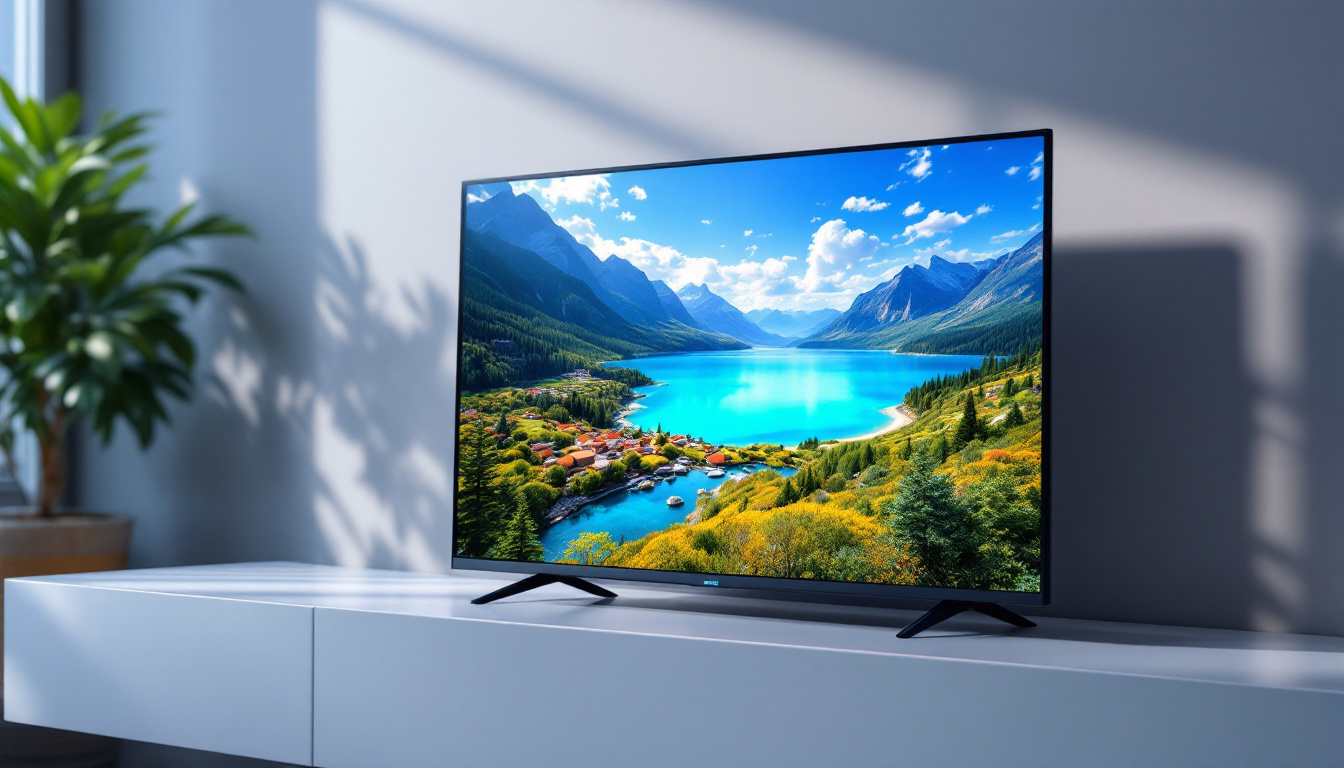
LED, or Light Emitting Diode, displays have revolutionized the way images are presented on screens. Unlike traditional LCDs that rely on fluorescent backlights, LED displays use an array of light-emitting diodes to illuminate the screen, offering superior brightness, contrast, and energy efficiency. This shift has not only improved the aesthetic quality of displays but has also paved the way for advancements in various applications, from gaming to professional graphic design.
The two main types of LED displays used in desktop monitors are edge-lit and full-array LED. Edge-lit LED displays position LEDs along the edges of the screen, directing light across the display panel. Full-array LED displays, on the other hand, have LEDs distributed evenly behind the screen, allowing for more precise control of brightness and contrast through local dimming. This technology enables full-array displays to achieve remarkable color accuracy and depth, making them ideal for tasks that require meticulous attention to detail, such as photo editing and video production.
Benefits of LED Displays for Desktop Monitors
LED technology provides several advantages that enhance the desktop experience, particularly when paired with a camera:
- Improved Image Quality: LEDs produce brighter and more vibrant images, which is essential for accurate color representation during video calls and content creation.
- Energy Efficiency: LED displays consume less power compared to older technologies, making them more environmentally friendly and cost-effective over time.
- Thin and Lightweight Design: The compact nature of LEDs allows manufacturers to create sleek monitors with minimal bezels, maximizing screen real estate without adding bulk.
- Better Contrast Ratios: Full-array LED monitors with local dimming can display deeper blacks and brighter whites, enhancing the overall visual experience.
Additionally, LED displays often come equipped with advanced features such as high dynamic range (HDR) support, which further enhances the viewing experience by providing a wider range of colors and improved brightness levels. This is particularly beneficial for multimedia consumption, as it allows viewers to experience films and games as they were intended, with stunning visuals that pop off the screen. Furthermore, the rapid response times of LED displays reduce motion blur, making them an excellent choice for fast-paced gaming and action-packed video content.
Another noteworthy aspect of LED technology is its adaptability to various environments. Many LED monitors now feature adjustable brightness settings and blue light filters, catering to users who spend long hours in front of their screens. This adaptability not only helps reduce eye strain but also allows for optimal viewing conditions in different lighting situations, whether in a dimly lit room or a brightly sunlit office. As technology continues to evolve, LED displays are likely to incorporate even more innovative features, ensuring they remain at the forefront of display technology.
How LED Displays Affect Camera Performance on Desktop Monitors
While the LED display itself does not directly influence the camera’s hardware capabilities, it plays a significant role in the overall quality of the visual experience. The interaction between the camera and the display can affect how images and videos are captured and viewed.
Lighting and Color Accuracy
One of the primary factors influencing camera performance is lighting. LED displays emit bright, consistent light that can improve the lighting conditions around the camera, especially when the monitor is positioned close to the user. This ambient light can help the camera capture clearer and more detailed images.
Moreover, monitors with high color accuracy and wide color gamut ensure that what the user sees on the screen matches the real-world colors captured by the camera. This is particularly important for professionals in photography, graphic design, and video production who rely on precise color representation. The ability to view images on a screen that accurately reflects the true colors can lead to better editing decisions and ultimately result in higher-quality final products.
Reducing Glare and Reflections
Some LED monitors come with anti-glare coatings or matte finishes that minimize reflections. This feature is beneficial when using a camera attached to the monitor, as it reduces unwanted glare that can interfere with image quality during video calls or recordings.
Additionally, the positioning of the LED backlight can influence how light reflects off the screen, affecting both the camera’s ability to capture clear images and the user’s viewing comfort. The reduction of glare not only enhances the visual experience but also allows the camera to focus better on the subject without being distracted by bright spots or reflections. Furthermore, the use of adjustable brightness settings on LED displays can help tailor the lighting environment to suit different times of day or specific tasks, ensuring optimal conditions for both the user and the camera.
Impact on Video Conferencing
In the age of remote work and virtual meetings, the quality of video conferencing has become increasingly important. LED displays contribute significantly to this experience by providing sharp, vibrant visuals that enhance communication. A well-lit and color-accurate display can make participants appear more lifelike, fostering a sense of connection that is often lacking in digital interactions. This is especially crucial for businesses that rely on video calls for presentations, interviews, or client meetings, where first impressions matter.
Moreover, the refresh rate and response time of LED monitors can also impact how smoothly video is rendered during calls. Higher refresh rates can reduce motion blur, making movements appear more fluid and natural. This becomes particularly relevant in fast-paced discussions or when sharing dynamic content, such as screen presentations or live demonstrations. The combination of these factors ensures that both the speaker and the audience can engage more effectively, leading to better collaboration and understanding.
Choosing the Right Camera for Your Desktop Monitor
Selecting a camera that complements your LED display is essential for achieving optimal performance. Various factors should be considered, including resolution, frame rate, field of view, and integration features.
Resolution and Frame Rate
Higher resolution cameras, such as those offering 1080p or 4K video, provide sharper and more detailed images, which are crucial for professional video conferencing and content creation. Frame rate, measured in frames per second (fps), affects the smoothness of video. A standard 30 fps is adequate for most uses, but 60 fps or higher is preferred for streaming and high-motion scenarios.
Field of View and Placement
The field of view (FOV) determines how much of the scene the camera captures. A wider FOV is useful for group calls or showing more of the workspace, while a narrower FOV focuses on the individual. Cameras designed for desktop monitors often feature adjustable FOVs or digital zoom capabilities to accommodate different needs.
Placement is another consideration. Many cameras are designed to clip onto the top of the monitor, aligning with the user’s eye level for natural video angles. Some monitors now come with built-in cameras, seamlessly integrating the device and reducing desk clutter.
Integration with LED Displays
Modern desktop monitors with LED displays increasingly offer integrated cameras and microphones, optimized for the display’s lighting and color characteristics. These integrated solutions often include features like auto-framing, background blur, and AI-enhanced image correction to improve video quality without requiring additional equipment.
Practical Applications and Use Cases
The combination of high-quality LED displays and capable cameras has transformed various professional and personal activities. Understanding these applications can help users appreciate the importance of selecting the right equipment.
Remote Work and Video Conferencing
With remote work becoming the norm, video conferencing tools like Zoom, Microsoft Teams, and Google Meet rely heavily on camera and display quality. A bright, color-accurate LED display paired with a high-resolution camera ensures clear communication and a professional appearance during meetings.
Studies have shown that video quality can impact engagement and perception in virtual meetings. According to a 2023 survey by Wainhouse Research, 68% of remote workers reported that poor video quality negatively affected their meeting experience.
Content Creation and Streaming
Content creators on platforms like YouTube and Twitch benefit from the synergy between LED monitors and cameras. Accurate color representation on the LED display allows creators to edit videos and graphics precisely, while a high-quality camera ensures their on-screen presence is sharp and appealing.
LED monitors with high refresh rates and low latency also support smooth video playback and editing, essential for professional-grade content production.
Education and E-Learning
In educational settings, clear video and display quality enhance virtual classrooms and online tutoring. LED displays help reduce eye strain during extended screen time, while quality cameras facilitate better interaction between teachers and students.
Future Trends in LED Displays and Desktop Cameras
As technology evolves, the integration between LED displays and desktop cameras is expected to deepen, offering users even more sophisticated features and improved performance.
Mini-LED and Micro-LED Technologies
Emerging display technologies like Mini-LED and Micro-LED promise even greater brightness, contrast, and energy efficiency. These advancements will enhance the visual environment for cameras, improving image capture quality and user experience.
AI-Powered Camera Enhancements
Artificial intelligence is increasingly being integrated into desktop cameras, enabling features such as real-time background replacement, facial recognition, and automatic lighting adjustments. These AI enhancements work hand-in-hand with the LED display’s capabilities to deliver superior video quality.
Seamless Hardware Integration
Future desktop monitors are likely to feature more seamless integration of cameras, microphones, and speakers, creating all-in-one solutions optimized for both display and audio-visual capture. This trend will simplify setups and improve performance consistency.
Conclusion
The relationship between cameras and LED displays on desktop monitors is a critical factor in delivering high-quality video communication and content creation experiences. Understanding LED display technology and its impact on camera performance empowers users to make informed choices tailored to their specific needs.
Whether for professional remote work, creative projects, or educational purposes, investing in a monitor with advanced LED technology and a compatible high-quality camera can significantly enhance productivity and user satisfaction. As innovations continue to emerge, the synergy between these components will only grow stronger, shaping the future of desktop computing.
Explore LumenMatrix LED Display Solutions
Ready to elevate your desktop monitor experience with superior LED display technology? Discover LumenMatrix’s innovative solutions that bring your content to life. From vibrant Indoor LED Walls to dynamic Outdoor LED Displays and beyond, LumenMatrix offers a wide array of cutting-edge products designed to enhance your visual communication. Whether for work, creativity, or education, our LED displays ensure your message is delivered with impact and clarity. Check out LumenMatrix LED Display Solutions today and transform your digital interactions.