In the rapidly evolving world of digital signage and display technology, pixel boards have emerged as a cornerstone for delivering vibrant, dynamic visual content. Whether used in advertising, public information systems, or entertainment venues, LED displays powered by pixel boards offer unmatched brightness, clarity, and versatility. This article delves into the fundamentals of pixel boards, exploring their technology, applications, and the factors that make them indispensable in modern visual communication.
Understanding Pixel Boards and LED Displays
What Is a Pixel Board?
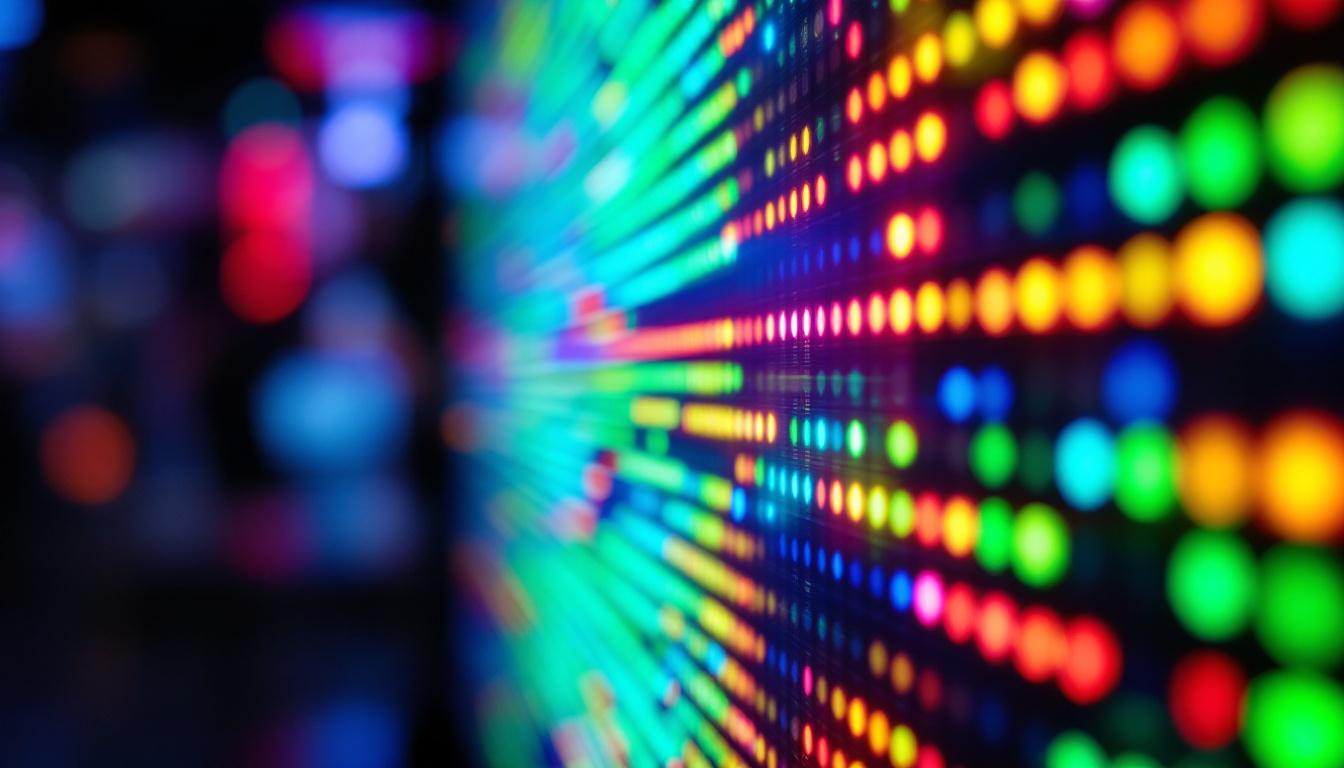
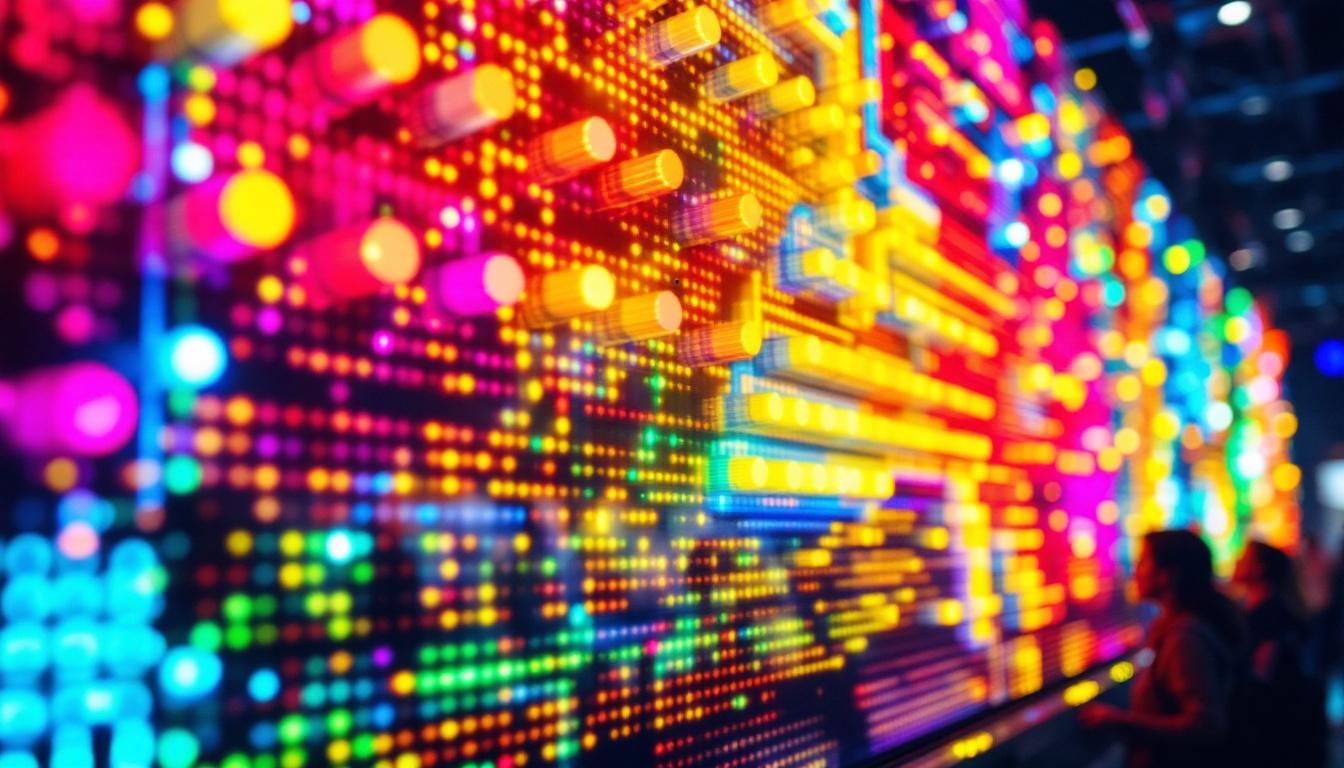
A pixel board is essentially a modular panel composed of an array of light-emitting diodes (LEDs) arranged in a grid pattern. Each LED or group of LEDs forms a “pixel,” the smallest controllable element of the display. By controlling the intensity and color of each pixel, the pixel board can render images, videos, text, and animations with remarkable precision.
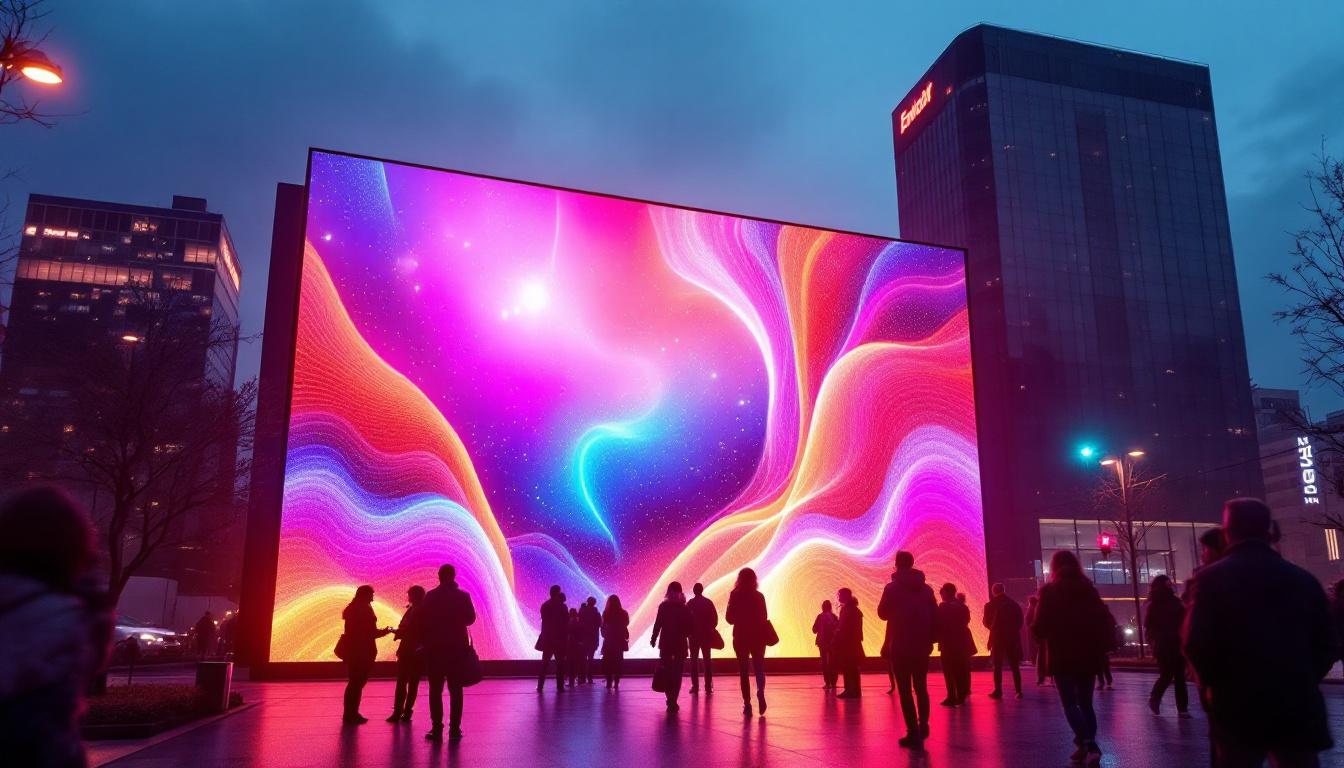
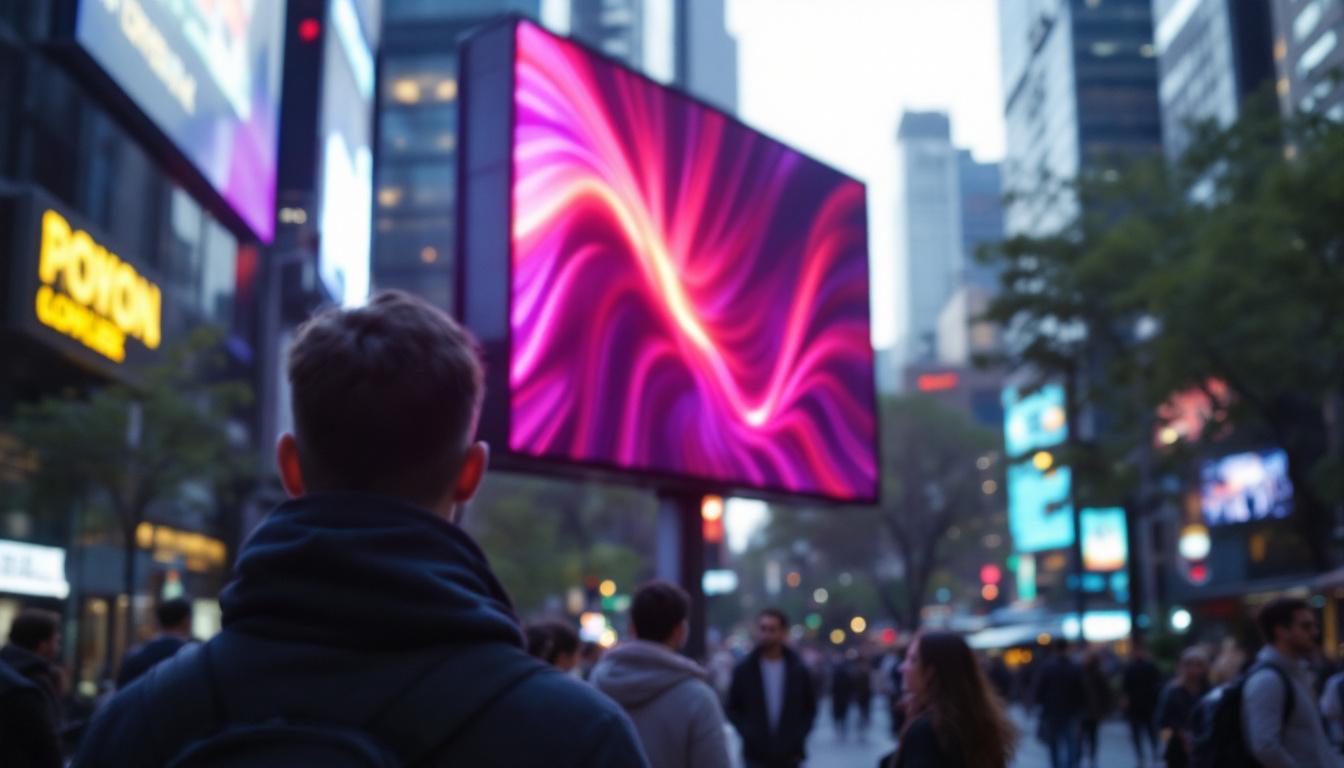
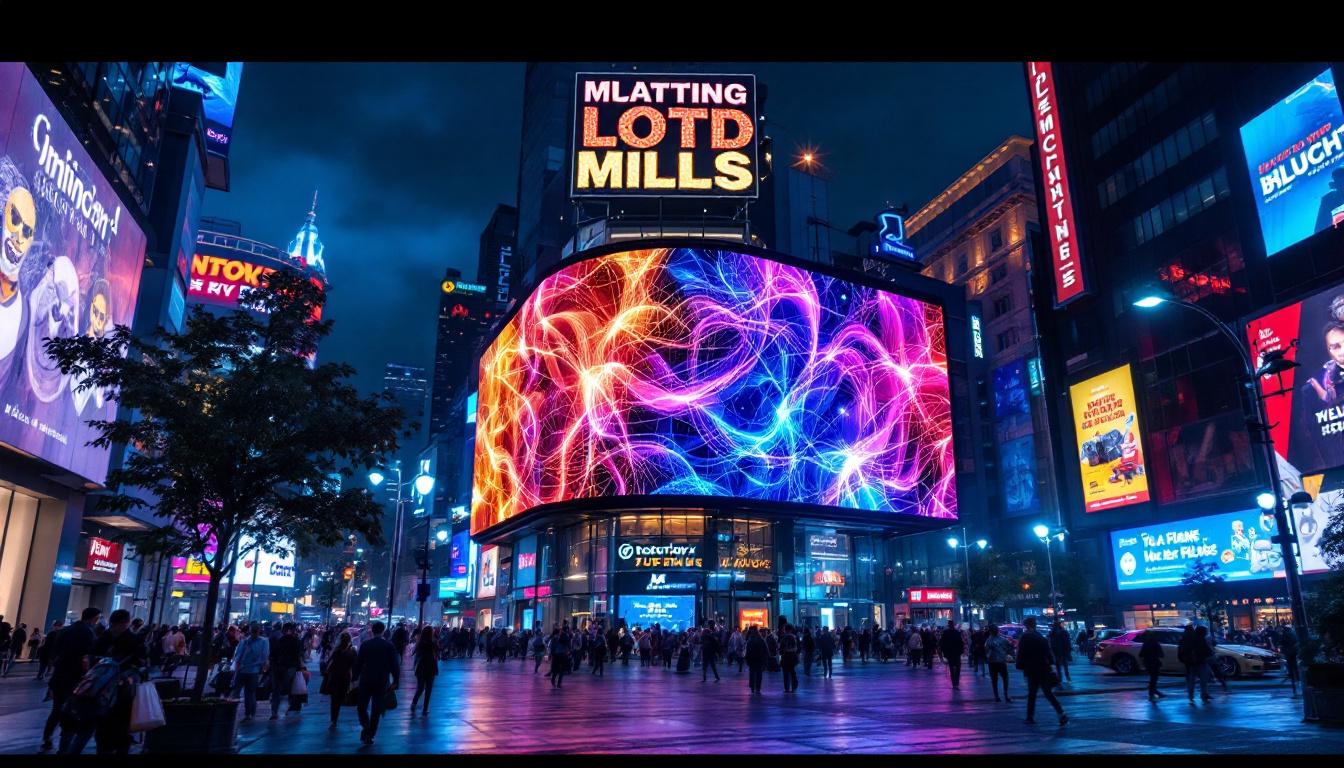
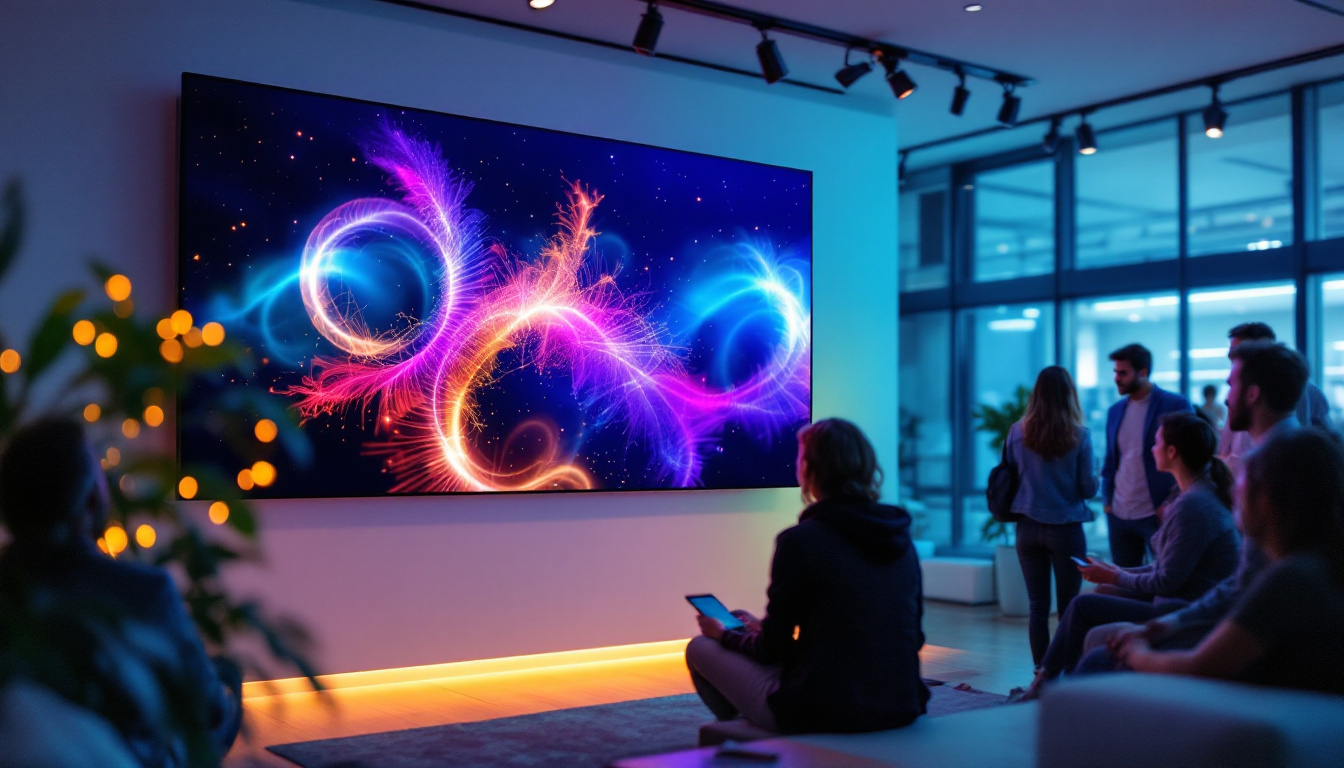
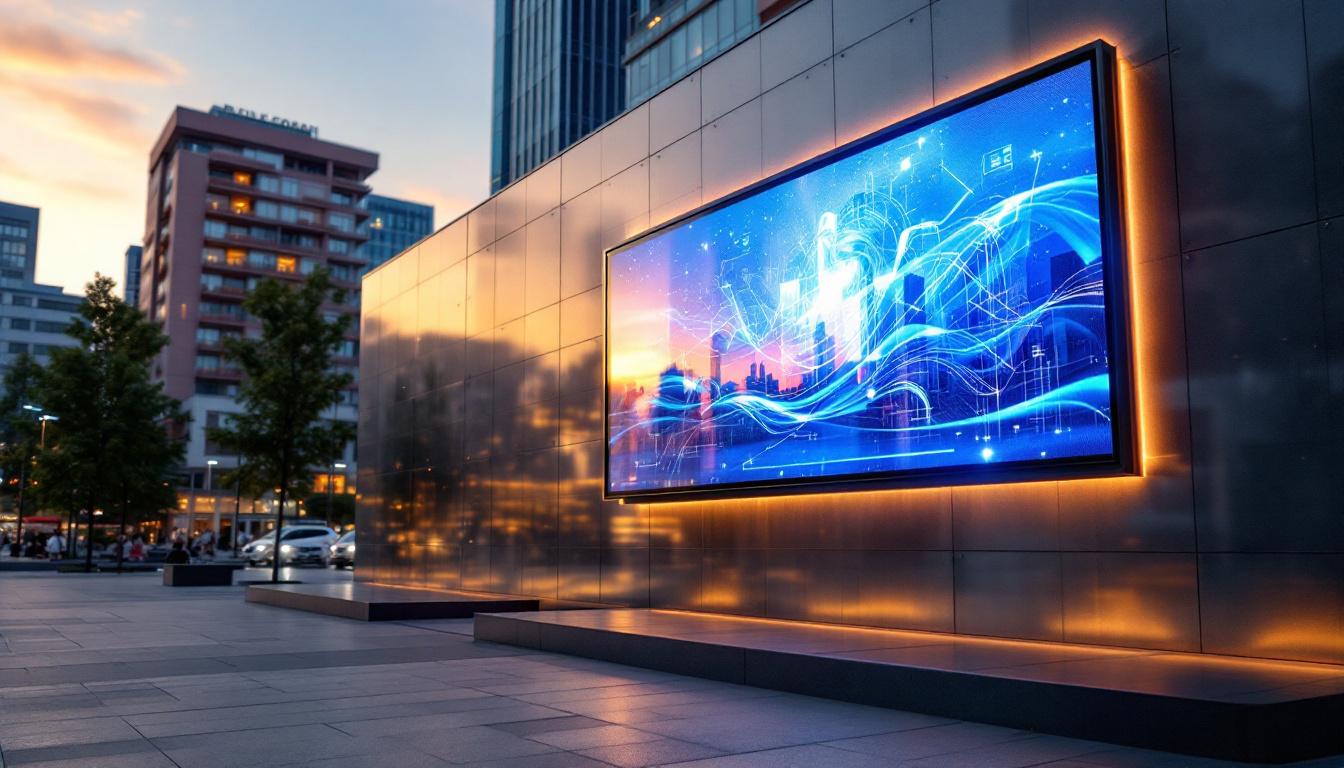
These boards are designed to be connected seamlessly, allowing for the creation of large-scale LED displays that can be customized in size and resolution. This modularity is a key advantage, enabling displays to be tailored to specific environments, from small indoor screens to massive outdoor billboards. The versatility of pixel boards makes them ideal for various applications, including advertising, entertainment, and public information systems. For instance, in urban settings, pixel boards can be used for dynamic advertising, captivating passersby with vibrant visuals that can be updated in real-time, thus maximizing engagement and impact.
How LED Technology Powers Pixel Boards
LEDs are semiconductor devices that emit light when an electric current passes through them. Unlike traditional display technologies such as LCDs or plasma screens, LEDs produce their own light, eliminating the need for backlighting. This results in higher brightness levels, better contrast ratios, and improved energy efficiency.
Modern pixel boards use RGB (red, green, blue) LEDs to create a full spectrum of colors through color mixing. By adjusting the brightness of each RGB LED, the pixel board can display millions of colors, enabling vivid and lifelike images. Advances in LED chip technology have also improved color accuracy and reduced power consumption, making pixel boards more sustainable and cost-effective. Furthermore, the durability of LED technology allows pixel boards to withstand harsh weather conditions, making them suitable for outdoor installations. This resilience, combined with the ability to display high-definition content, has led to their increasing popularity in venues such as concert arenas, sports stadiums, and public squares, where they serve as focal points for entertainment and information dissemination.
Key Components and Architecture of Pixel Boards
Pixel Pitch and Resolution
One of the most critical specifications of a pixel board is its pixel pitch, which refers to the distance between the centers of two adjacent pixels, typically measured in millimeters. Pixel pitch directly influences the display’s resolution and viewing distance. A smaller pixel pitch means more pixels per unit area, resulting in sharper images and finer detail.
For instance, a pixel pitch of 1.5mm is ideal for indoor displays viewed from close range, such as conference rooms or retail environments, whereas a 10mm or higher pitch is common for large outdoor billboards where viewers are farther away. Choosing the right pixel pitch is essential for balancing cost, image quality, and intended use.
Control Systems and Data Processing
Pixel boards rely on sophisticated control systems to manage the vast amount of data required to drive each pixel accurately. These systems include sending cards, receiving cards, and software that translate digital content into electrical signals for the LEDs.
Modern LED display controllers support high refresh rates (often above 3,000 Hz), ensuring smooth video playback without flicker, even when filmed or viewed through cameras. Additionally, advanced processing enables real-time content updates, remote management, and synchronization across multiple pixel boards, which is vital for large-scale installations.
Power Supply and Thermal Management
LED pixel boards require stable power supplies to ensure consistent brightness and color fidelity. Power modules are designed to distribute electricity evenly across the board while protecting against voltage fluctuations and surges.
Thermal management is equally important because excessive heat can degrade LED performance and lifespan. Pixel boards often incorporate heat sinks, ventilation designs, and sometimes active cooling systems to maintain optimal operating temperatures, especially in outdoor or high-brightness applications.
Applications of Pixel Boards in Various Industries
Advertising and Digital Signage
One of the most visible uses of pixel boards is in advertising. LED billboards and digital signs have revolutionized outdoor marketing, offering dynamic content that can be updated instantly to reflect promotions, events, or real-time information such as weather or news.
According to recent market research, the global digital signage market is projected to grow at a compound annual growth rate (CAGR) of over 8% through 2028, driven largely by the adoption of LED-based pixel boards. Their high visibility in various lighting conditions and ability to captivate audiences with motion graphics make them a preferred choice for brands aiming to maximize impact.
Sports Arenas and Entertainment Venues
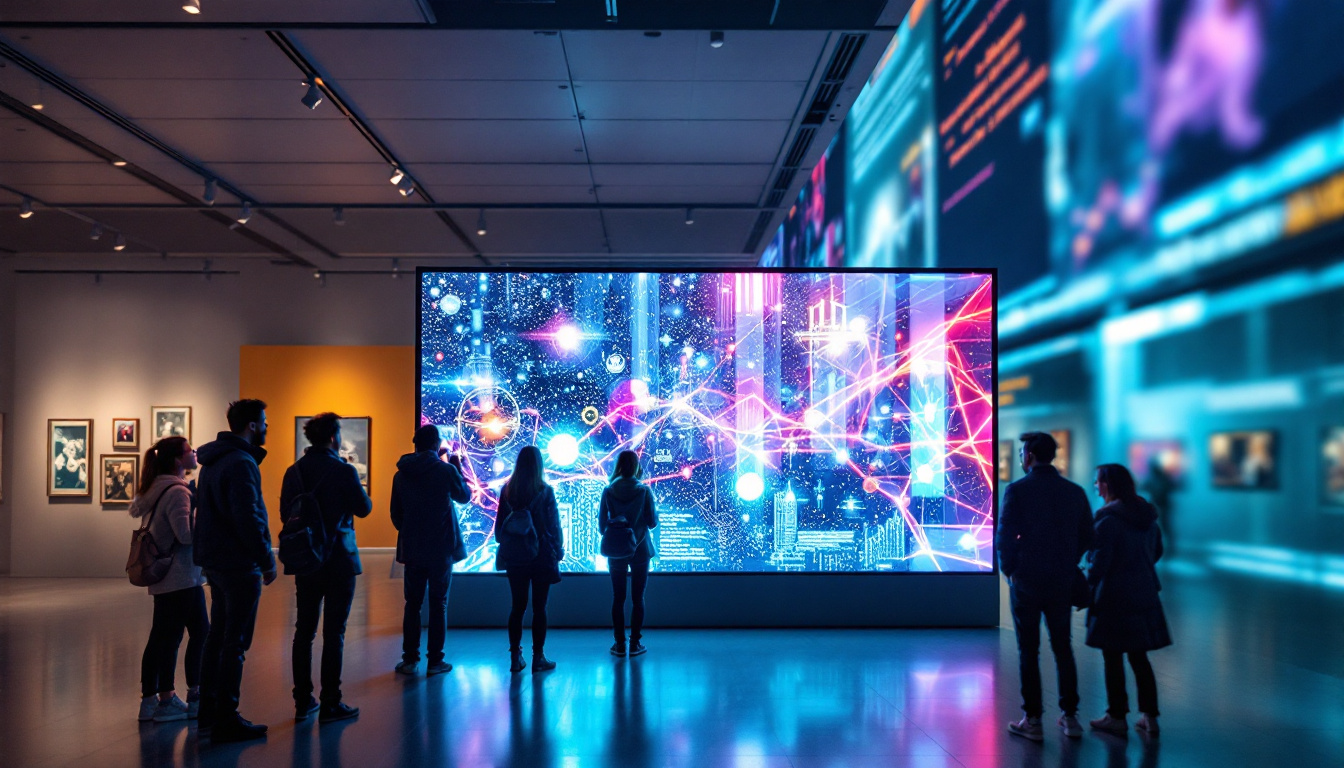
Pixel boards are integral to the immersive experience in sports arenas, concert halls, and theaters. Large LED screens display live action, replays, scores, and interactive content, enhancing audience engagement. The flexibility of pixel boards allows for creative configurations, such as curved or irregularly shaped displays, that complement architectural designs.
For example, stadiums often use pixel boards with pixel pitches ranging from 6mm to 10mm, balancing visibility for spectators at various distances. The ability to withstand outdoor weather conditions and deliver high brightness levels ensures consistent performance during day and night events.
Transportation and Public Information Systems
In transportation hubs like airports, train stations, and bus terminals, pixel boards serve as dynamic information displays. They provide real-time updates on schedules, delays, and safety messages, improving passenger experience and operational efficiency.
Governments and municipalities also deploy LED pixel boards for public safety announcements, emergency alerts, and community messaging. Their durability and visibility under diverse environmental conditions make them reliable tools for public communication.
Choosing the Right Pixel Board: Factors to Consider
Indoor vs. Outdoor Use
When selecting a pixel board, understanding the environment is paramount. Indoor pixel boards typically prioritize higher resolution and finer pixel pitch to accommodate close viewing distances. They also benefit from lower brightness levels to reduce eye strain and power consumption.
Outdoor pixel boards, on the other hand, must be robust, weather-resistant, and capable of extremely high brightness (often exceeding 5,000 nits) to remain visible under direct sunlight. Protective coatings and IP ratings (Ingress Protection) indicate the board’s resistance to dust and moisture, critical for longevity in harsh environments.
Viewing Distance and Angle
The intended viewing distance influences both pixel pitch and display size. For example, a retail store display viewed from a few feet away demands a pixel pitch of 1.2mm to 2.5mm, whereas a roadside billboard seen from hundreds of feet away can utilize a pixel pitch of 10mm or more without compromising perceived image quality.
Viewing angle is another consideration. High-quality pixel boards offer wide viewing angles (up to 160 degrees or more), ensuring the content remains clear and vibrant even when viewed from the sides, which is essential in public spaces with diverse audience positions.
Brightness and Color Accuracy
Brightness is measured in nits, with typical indoor LED displays ranging from 800 to 1,500 nits, while outdoor displays can reach 6,000 nits or higher. Adequate brightness ensures visibility in varying lighting conditions, from dim conference rooms to bright daylight environments.
Color accuracy and consistency are crucial for brand representation and viewer experience. High-end pixel boards use advanced calibration techniques and quality LED chips to maintain uniform color reproduction across the entire display, minimizing color shifts and ensuring vibrant visuals.
Future Trends in Pixel Board Technology
Mini-LED and Micro-LED Innovations
Emerging technologies like Mini-LED and Micro-LED are pushing the boundaries of pixel board performance. Mini-LEDs feature smaller diodes that allow for even finer pixel pitches and improved contrast ratios. Micro-LEDs, which are still in the early stages of commercialization, promise self-emissive displays with exceptional brightness, color accuracy, and energy efficiency.
These advancements are expected to enable ultra-high-resolution displays suitable for both indoor and outdoor applications, from digital billboards to augmented reality interfaces.
Integration with IoT and Smart Systems
The integration of pixel boards with Internet of Things (IoT) platforms is transforming digital signage into interactive, data-driven communication tools. Smart pixel boards can adapt content based on environmental sensors, audience demographics, or real-time analytics, delivering personalized and context-aware messaging.
This capability is particularly valuable in retail, transportation, and public safety sectors, where timely and relevant information can enhance user engagement and operational responsiveness.
Energy Efficiency and Sustainability
As environmental concerns grow, manufacturers are focusing on improving the energy efficiency of pixel boards. Innovations in LED chip design, power management, and thermal regulation contribute to lower power consumption and reduced carbon footprints.
Additionally, the use of recyclable materials and modular designs facilitates easier maintenance and end-of-life recycling, aligning pixel board technology with broader sustainability goals.
Conclusion
Pixel boards represent a vital technology in the realm of LED displays, offering unparalleled flexibility, brightness, and image quality. Their modular nature and advanced control systems make them suitable for a wide range of applications, from eye-catching advertising to critical public information systems.
Understanding the technical aspects such as pixel pitch, brightness, and environmental suitability is essential for selecting the right pixel board for any project. As innovations like Mini-LED and IoT integration continue to evolve, pixel boards will remain at the forefront of digital display technology, driving new possibilities in visual communication.
Discover LumenMatrix LED Display Solutions
Ready to elevate your visual communication with the latest in LED display technology? LumenMatrix offers a comprehensive range of LED display modules designed to captivate and engage your audience. From vibrant Indoor LED Wall Displays to robust Outdoor LED Wall Displays, and from versatile Vehicle LED Displays to sleek LED Poster Displays, our solutions cater to every need. Whether you’re looking to enhance a sports event with an LED Sports Display, add dynamism with a Floor LED Display, or create a custom visual experience, LumenMatrix is your partner in revolutionizing your brand’s visibility. Experience the future of digital signage with our All-in-One LED Display and LED Transparent Display options. Check out LumenMatrix LED Display Solutions today and transform your message into an unforgettable visual journey.