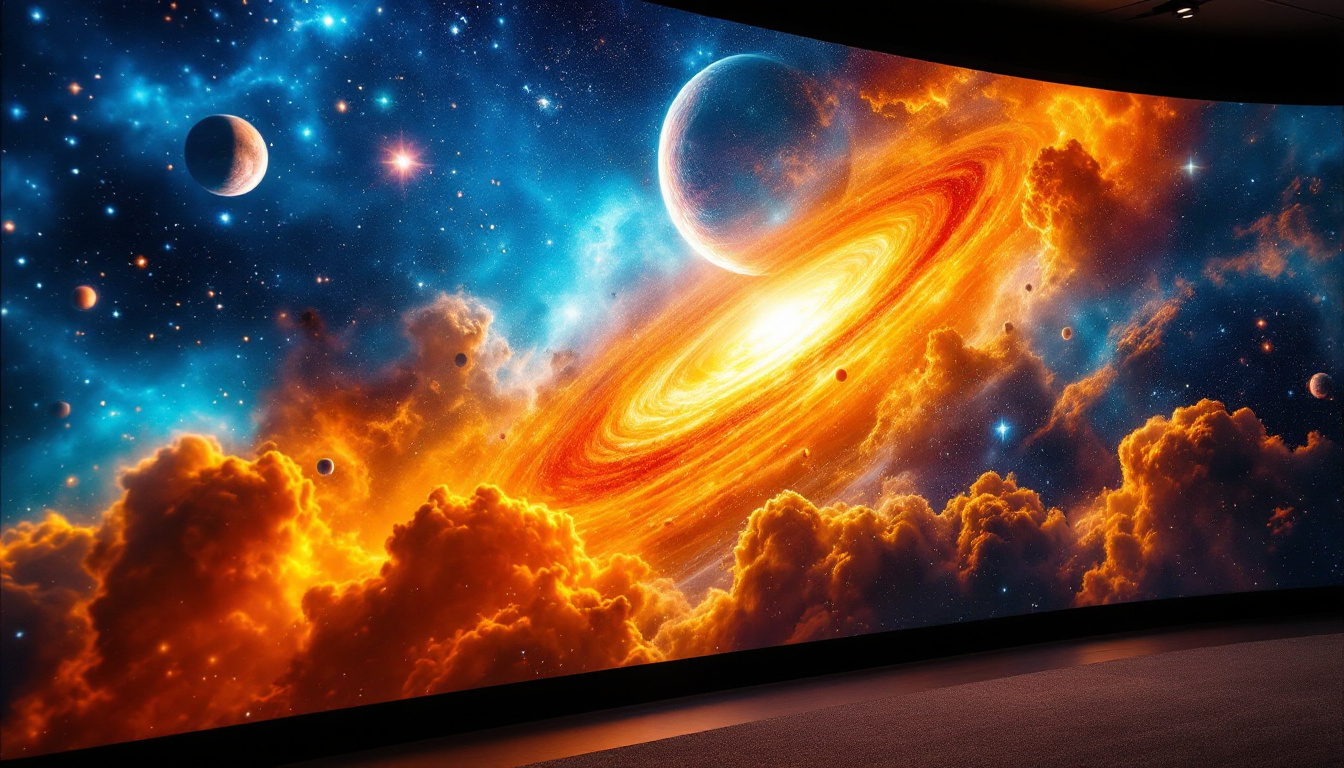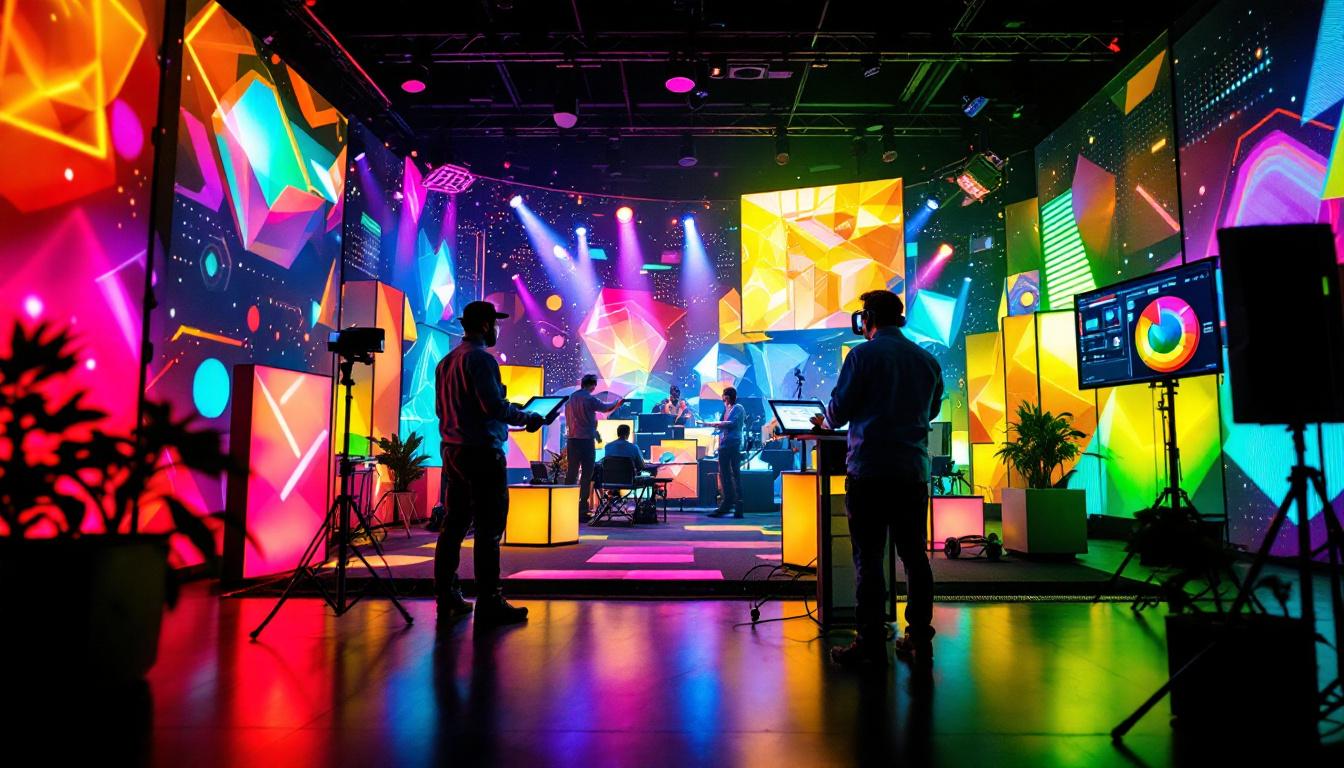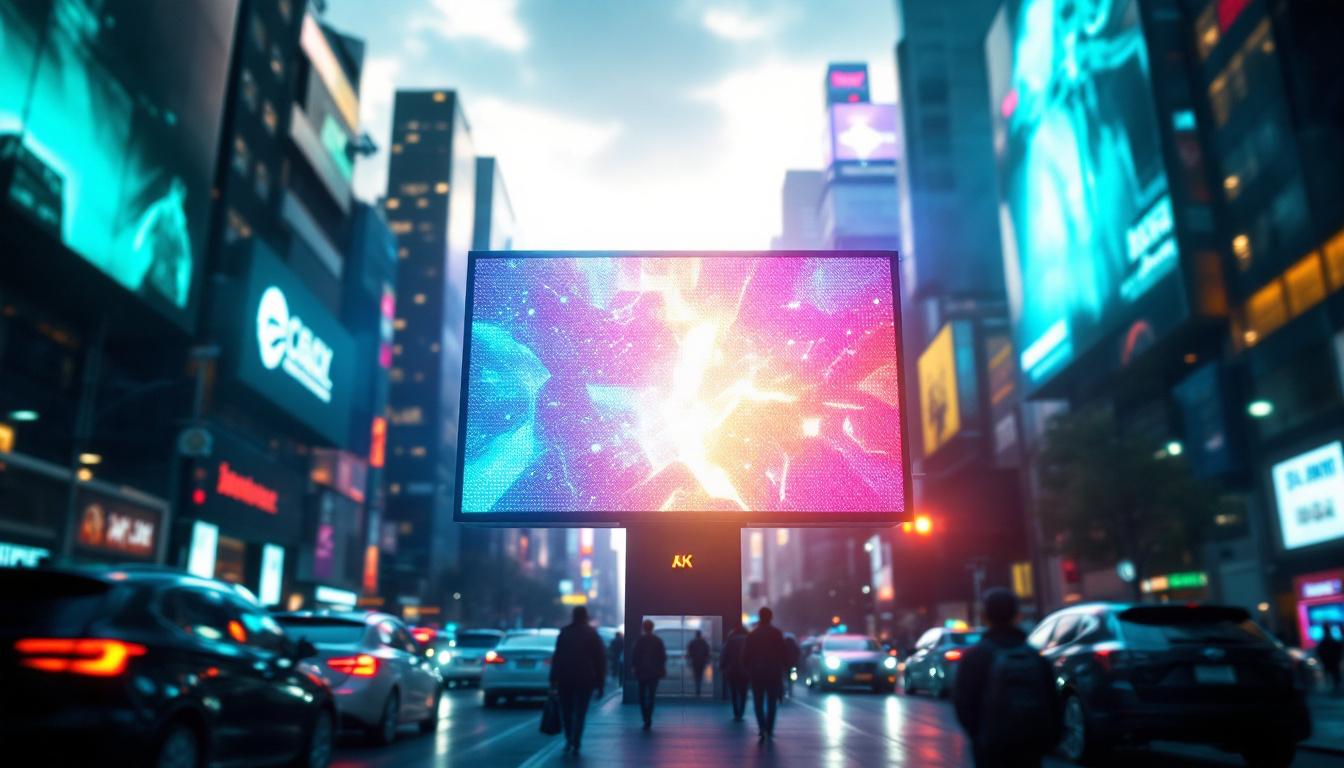
In recent years, the fusion of interactive technology and large-scale displays has transformed how businesses, educators, and entertainment venues engage their audiences. Among these innovations, the interactive wall projector combined with LED display technology stands out as a versatile and impactful solution. This article delves into the mechanics, advantages, and applications of interactive wall projectors featuring LED displays, providing a comprehensive understanding for professionals and enthusiasts alike.
Understanding Interactive Wall Projectors
What Is an Interactive Wall Projector?
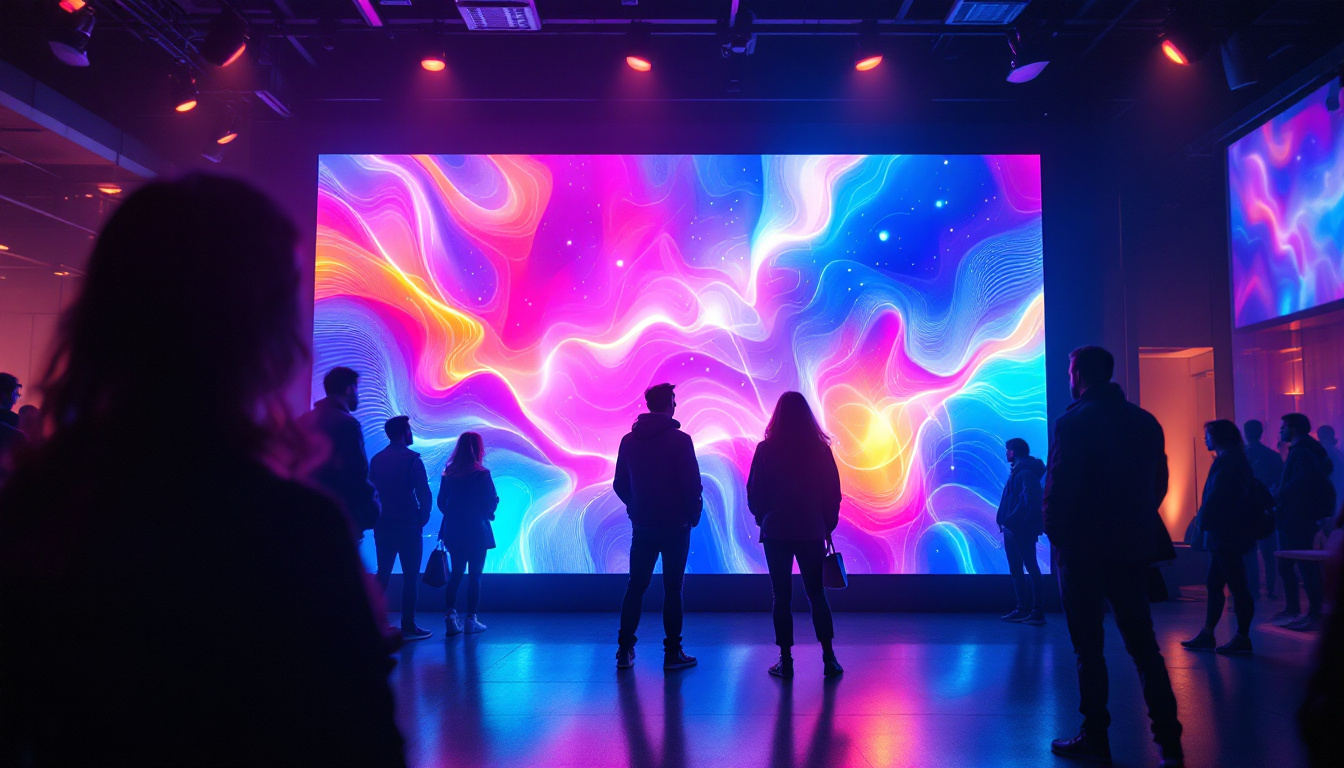
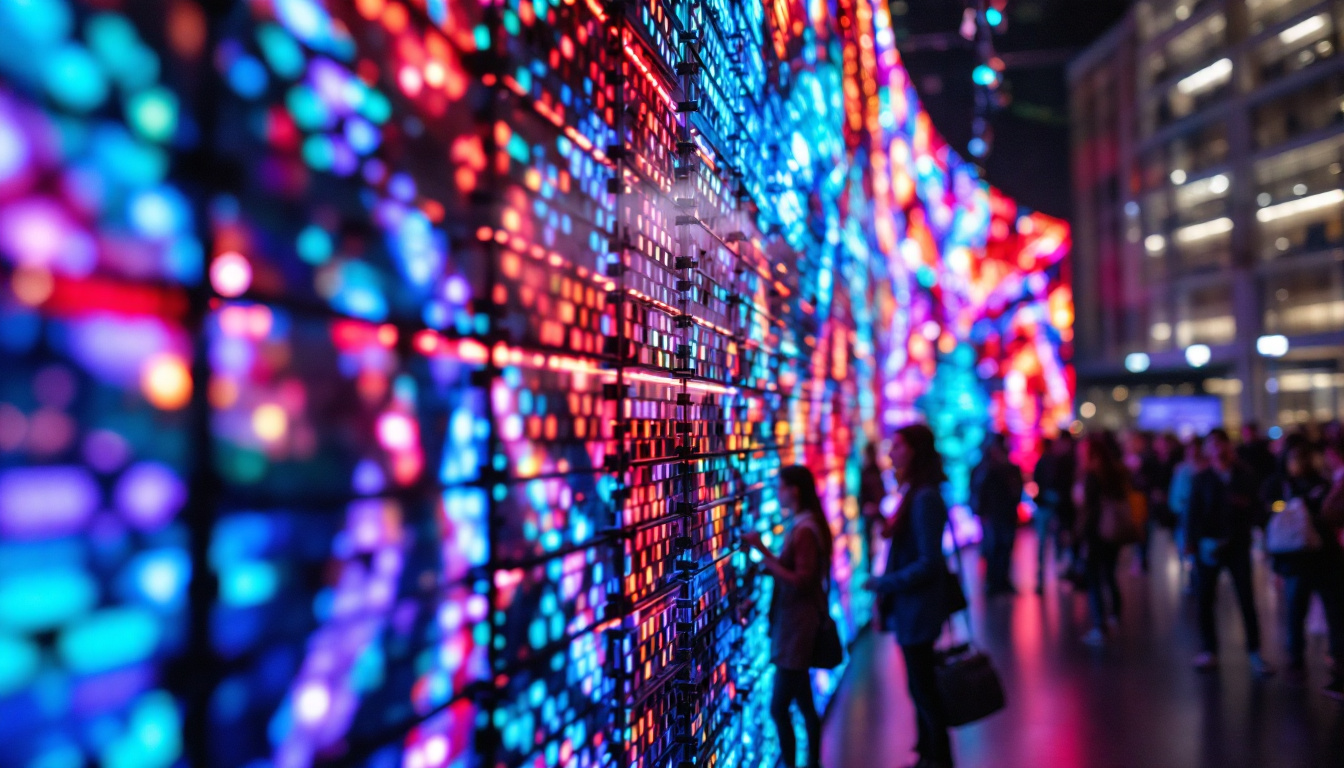
An interactive wall projector is a device that projects images or videos onto a wall or flat surface while enabling user interaction through touch, gestures, or specialized input devices. Unlike traditional projectors that simply display static visuals, these projectors incorporate sensors and software to detect and respond to user actions, creating a dynamic and engaging experience.
Typically, interactive wall projectors are paired with interactive software platforms that allow users to manipulate content in real-time. This can include drawing, navigating menus, playing games, or collaborating on digital whiteboards. The technology is widely used in classrooms, corporate meeting rooms, museums, retail environments, and public installations. In educational settings, for example, teachers can use these projectors to create immersive lessons that captivate students’ attention, allowing them to explore complex subjects through interactive simulations and visual aids.
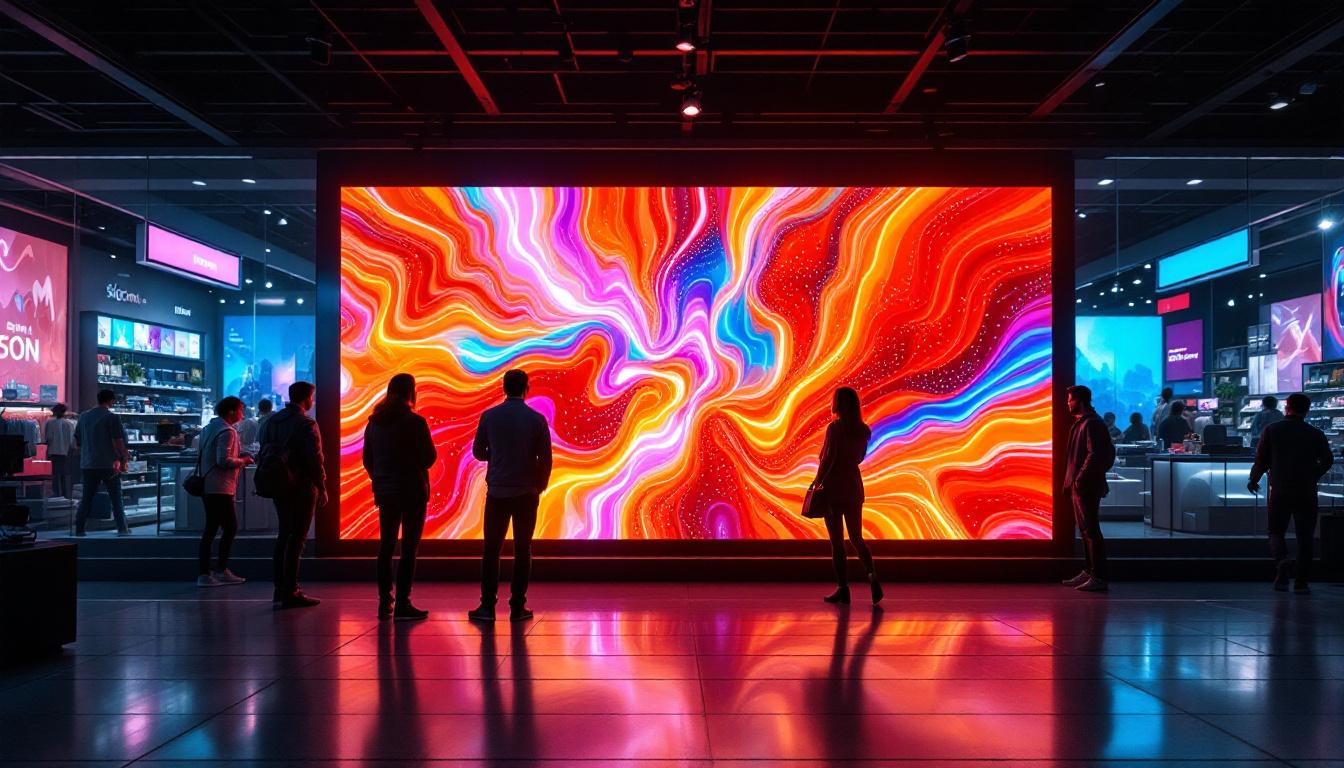
Moreover, in retail environments, businesses leverage interactive wall projectors to enhance customer engagement. By projecting virtual product displays or promotional content, retailers can create eye-catching experiences that encourage shoppers to interact with the brand in innovative ways. This not only helps to drive sales but also fosters a memorable shopping experience that can differentiate a brand in a competitive market.
How Does an Interactive Wall Projector Work?
The core components of an interactive wall projector system include the projector itself, sensors or cameras to detect interaction, and software to interpret user input. Projection technology can vary, but LED-based projectors have become increasingly popular due to their brightness, color accuracy, and longevity.
Interaction detection methods include infrared sensors, capacitive touch overlays, and computer vision techniques. For example, some systems use infrared light to create an invisible touch-sensitive surface on the projected area, while others employ cameras to track hand movements or stylus input. The software then translates these inputs into commands that affect the projected content. This technology can also incorporate augmented reality features, allowing users to interact with digital objects as if they were part of the physical environment. Such capabilities open up new avenues for creativity and collaboration, making it possible to blend the digital and physical worlds seamlessly.
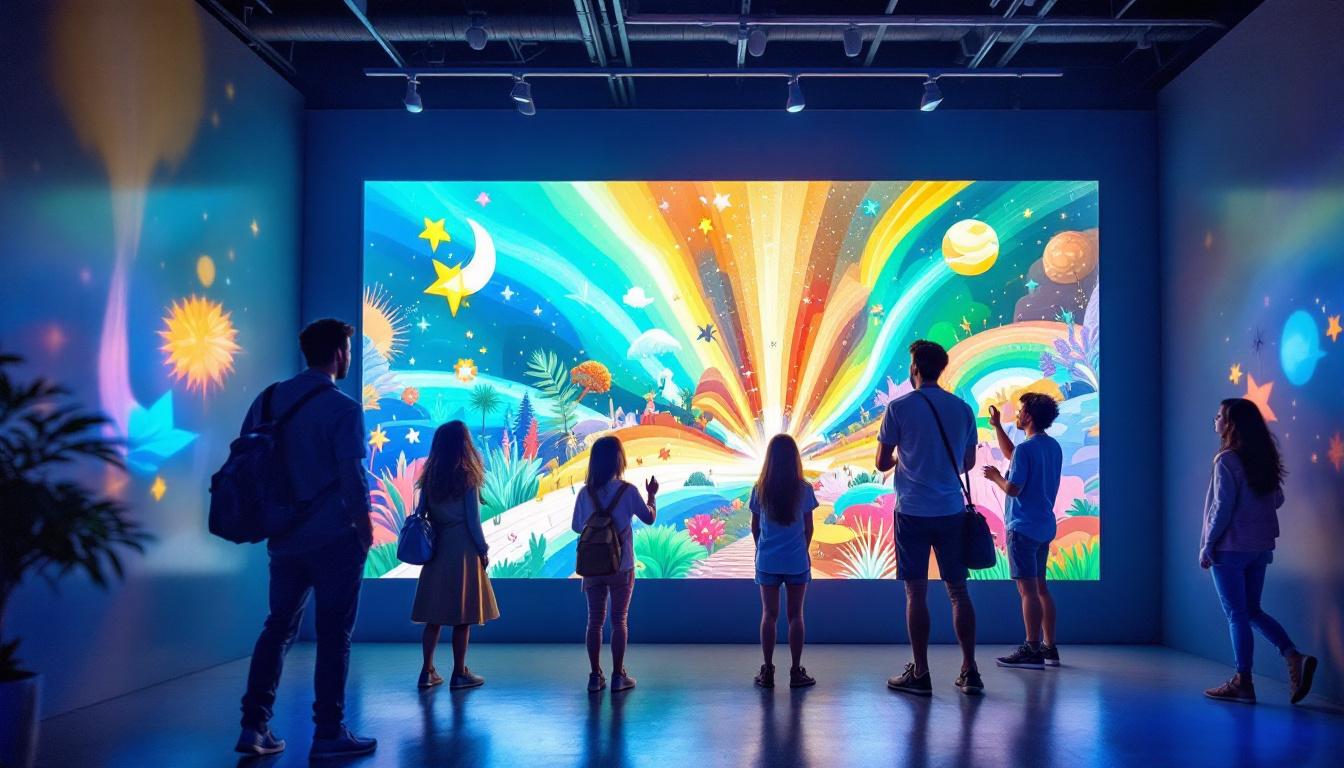
Additionally, the versatility of interactive wall projectors means they can be customized for various applications. In museums, for instance, they can be used to create interactive exhibits that allow visitors to engage with historical artifacts or artwork in a hands-on manner. This not only enhances the educational experience but also makes learning more enjoyable and memorable. As technology continues to evolve, we can expect even more innovative uses for interactive wall projectors across different sectors, further enriching the way we communicate and share information.
The Role of LED Displays in Interactive Wall Projection
Why LED Technology Matters
LED (Light Emitting Diode) technology has revolutionized display systems by offering superior brightness, color vibrancy, and energy efficiency compared to traditional projection lamps. In the context of interactive wall projectors, LED light sources provide several key benefits:
- Brightness and Clarity: LED projectors can achieve high brightness levels, making them suitable for environments with ambient light, such as classrooms or retail spaces.
- Color Accuracy: LEDs produce a wide color gamut, enhancing the visual appeal and making content more engaging and lifelike.
- Longevity and Reliability: LED light sources typically last tens of thousands of hours, reducing maintenance costs and downtime.
- Energy Efficiency: LEDs consume less power than traditional lamps, contributing to lower operating costs and environmental impact.
These advantages make LED-based interactive projectors an attractive choice for institutions aiming to invest in durable and high-performance display solutions.
LED Display vs. Traditional Projection Technologies
Traditional projectors often rely on high-intensity discharge (HID) lamps or laser light sources. While laser projectors are gaining traction, LED projectors remain popular due to their balance of cost and performance. Here’s how LED displays compare:
| Feature | LED Projectors | Traditional Lamp Projectors |
|---|---|---|
| Brightness | Moderate to High (up to 3000 lumens) | High (up to 5000 lumens or more) |
| Color Gamut | Wide, vibrant colors | Good, but may fade over time |
| Light Source Lifespan | 20,000 to 30,000 hours | 2,000 to 5,000 hours |
| Energy Consumption | Lower | Higher |
| Maintenance | Minimal | Frequent lamp replacements |
While traditional projectors may offer higher peak brightness, LED projectors compensate with longer lifespan and superior color quality, making them ideal for interactive applications where image fidelity and uptime are critical.
Key Features of Interactive Wall Projectors with LED Displays
Multi-Touch and Gesture Recognition
Modern interactive wall projectors support multi-touch functionality, allowing multiple users to interact simultaneously. This is particularly beneficial in collaborative environments such as classrooms and meeting rooms, where teamwork and shared input enhance productivity.
Gesture recognition extends the interaction possibilities beyond touch. Users can control content by waving hands, zooming with pinch gestures, or even using custom gestures tailored to specific applications. This hands-free interaction can improve accessibility and user experience.
High Resolution and Large Display Sizes
Interactive wall projectors often support resolutions ranging from Full HD (1920×1080) to 4K Ultra HD (3840×2160), ensuring crisp and detailed images. The ability to project onto large surfaces—sometimes exceeding 100 inches diagonally—makes these systems suitable for immersive presentations, exhibitions, and digital signage.
Integration with Software Ecosystems
Compatibility with various software platforms is crucial for maximizing the utility of interactive wall projectors. Many systems support integration with popular collaboration tools, educational software, and content management systems. This flexibility allows organizations to tailor the interactive experience to their specific needs.
Portability and Installation Flexibility
Some interactive wall projectors are designed to be portable, enabling temporary setups for events or mobile classrooms. Others are fixed installations with ceiling mounts or wall brackets. LED technology’s compact form factor often contributes to lighter and more versatile projector designs.
Applications of Interactive Wall Projectors with LED Displays
Education and Training
Interactive wall projectors have become invaluable in modern education. According to a 2023 report by the Education Technology Association, schools using interactive projection technology saw a 30% increase in student engagement and a 25% improvement in knowledge retention.
Teachers can use interactive walls to display lessons, annotate content in real-time, and facilitate group activities. The tactile experience appeals to various learning styles, making complex subjects more accessible.
Corporate and Business Environments
In corporate settings, interactive wall projectors enhance presentations, brainstorming sessions, and remote collaboration. Teams can annotate documents, visualize data, and interact with digital whiteboards during meetings, fostering creativity and efficiency.
Moreover, interactive walls are increasingly used in reception areas and lobbies as digital signage to provide visitors with information and engaging content.
Retail and Advertising
Retailers leverage interactive wall projectors to create immersive shopping experiences. Customers can explore product catalogs, customize items, and interact with promotional content. This technology not only attracts foot traffic but also increases dwell time and sales conversions.
Museums and Public Spaces
Interactive wall projectors bring exhibits to life by enabling visitors to explore content through touch and gestures. Museums use these systems to display historical maps, 3D models, and interactive timelines, enriching the educational value of their installations.
Challenges and Considerations
Ambient Light and Projection Surface
One of the primary challenges with interactive wall projectors is managing ambient light. While LED projectors offer higher brightness than many alternatives, excessive ambient light can wash out images and reduce contrast. Choosing appropriate projection surfaces—such as specialized screens or matte white walls—can mitigate this issue.
Calibration and Maintenance
To ensure accurate touch detection and image alignment, interactive wall projectors require regular calibration. Although LED projectors reduce maintenance related to light source replacement, sensor systems and software updates need ongoing attention to maintain optimal performance.
Cost and ROI
Initial investment in interactive wall projector systems can be substantial, especially for high-end LED models with advanced features. Organizations must weigh these costs against potential benefits such as improved engagement, productivity, and brand impact. In many cases, the long-term savings on maintenance and energy consumption contribute positively to return on investment.
Future Trends in Interactive Wall Projection and LED Displays
Advancements in Laser-LED Hybrid Projectors
Emerging hybrid projectors combine laser and LED technologies to deliver even higher brightness and color accuracy. These systems promise to overcome current limitations related to ambient light and image quality, expanding the range of viable use cases.
AI-Powered Interaction
Artificial intelligence integration is expected to enhance gesture recognition, predictive content adaptation, and personalized user experiences. AI can enable interactive walls to respond intuitively to user behavior, making interactions smoother and more natural.
Seamless Integration with IoT and Smart Environments
Interactive wall projectors will increasingly become part of connected ecosystems, integrating with Internet of Things (IoT) devices and smart building systems. This connectivity will enable automated adjustments based on environmental conditions and user preferences, further enhancing usability.
Conclusion
Interactive wall projectors with LED displays represent a powerful convergence of display technology and user interaction. Their ability to deliver bright, vibrant images combined with responsive touch and gesture controls makes them indispensable tools across education, business, retail, and public sectors.
While challenges such as ambient light management and upfront costs remain, ongoing advancements in LED technology and interactive software continue to expand the potential of these systems. For organizations seeking to foster engagement, collaboration, and immersive experiences, investing in interactive wall projectors with LED displays offers a compelling pathway forward.
Discover LumenMatrix’s Interactive LED Solutions
Ready to elevate your interactive experiences with the latest in LED display technology? LumenMatrix is at the forefront of crafting immersive visual solutions that captivate and engage. From dynamic Indoor and Outdoor LED Wall Displays to innovative options like Vehicle, Sports, and Floor LED Displays, our offerings are designed to make your message shine. Whether you’re looking to create an interactive educational environment, enhance corporate collaboration, or revolutionize your retail space, LumenMatrix has the cutting-edge technology to bring your vision to life. Don’t just take our word for it; check out LumenMatrix LED Display Solutions and see how we can help you create unforgettable visual experiences.