In the evolving world of visual technology, LED displays have become a cornerstone for delivering vibrant, dynamic images across a variety of applications. From massive outdoor billboards to sleek indoor digital signage, LED technology continues to redefine how we experience visual content. Central to understanding the quality and clarity of these displays is the concept of “millimeter picture,” a term that relates closely to pixel pitch and image resolution.
This article delves deep into the intricacies of LED displays, focusing on the millimeter picture concept, its significance, and how it impacts the performance and application of LED screens. Whether you are a business owner considering digital signage, a tech enthusiast, or a professional in the display industry, this comprehensive guide will illuminate the key factors behind LED display clarity and effectiveness.
Understanding LED Display Technology
What is an LED Display?
LED stands for Light Emitting Diode, a semiconductor device that emits light when an electric current passes through it. LED displays are composed of thousands to millions of these tiny diodes arranged in a grid, each acting as a pixel that can emit red, green, and blue light. By varying the intensity of these colors, the display can produce a wide spectrum of colors and images.
Unlike traditional LCD or projection displays, LED screens are self-illuminating, meaning each pixel emits its own light. This characteristic allows for superior brightness, contrast, and viewing angles, making LED displays ideal for environments ranging from brightly lit outdoor spaces to dim indoor settings.
Pixel Pitch and Its Role in Image Quality
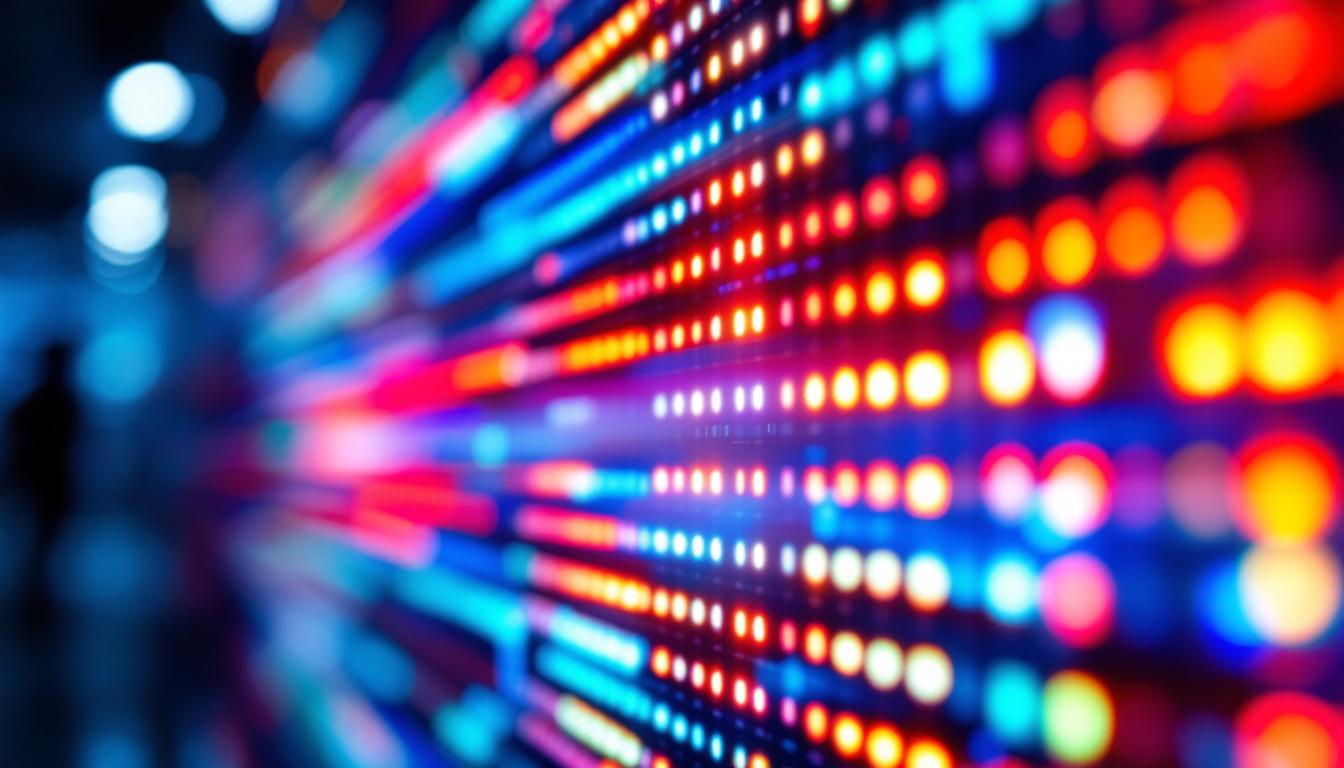
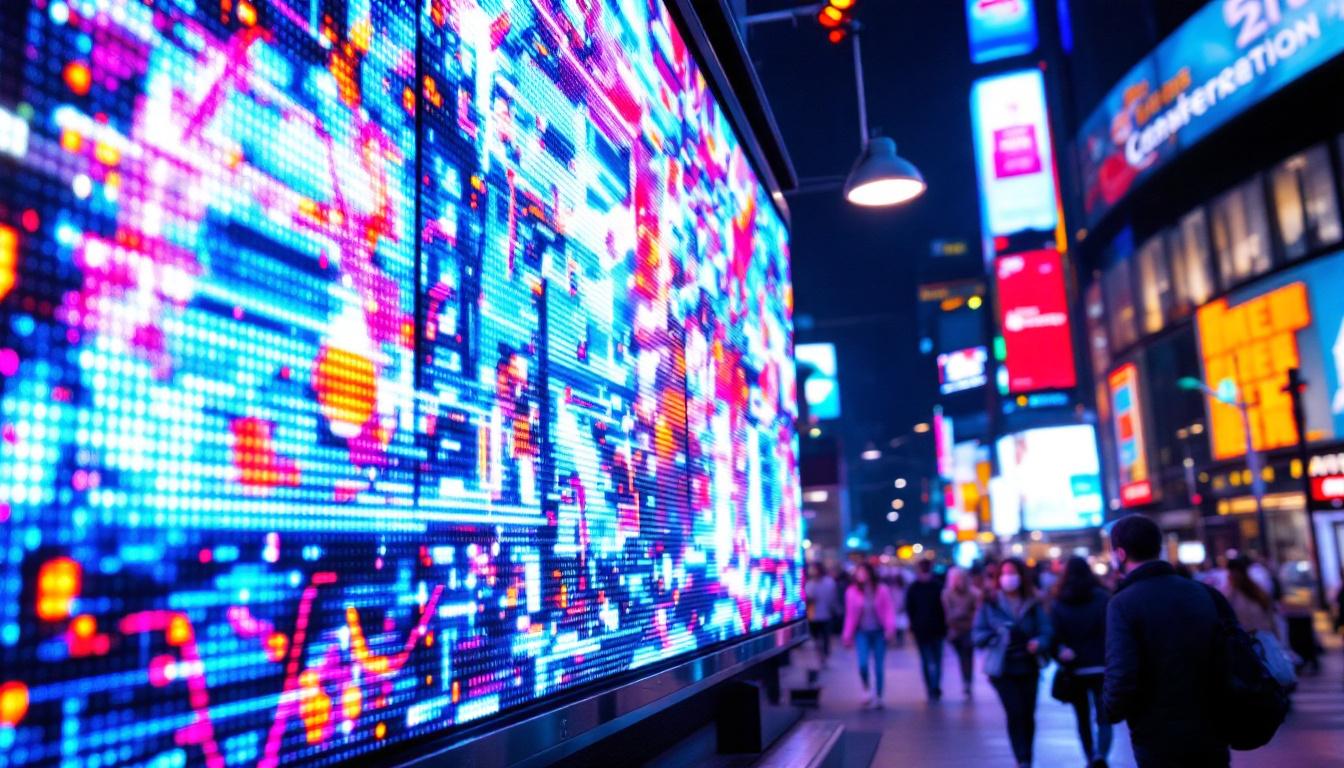
One of the fundamental parameters defining an LED display’s image quality is the pixel pitch, often measured in millimeters. Pixel pitch refers to the distance from the center of one LED cluster (or pixel) to the center of the adjacent cluster. The smaller the pixel pitch, the closer the LEDs are to each other, resulting in higher pixel density and sharper images.
For example, a display with a 1.5 mm pixel pitch will have LEDs spaced 1.5 millimeters apart, producing a much finer image than a display with a 10 mm pixel pitch. This distinction is crucial in determining the optimal viewing distance and the type of content the display can effectively render.
The Concept of Millimeter Picture in LED Displays
Defining Millimeter Picture
“Millimeter picture” is a term that essentially describes the resolution and clarity of an LED display in relation to its pixel pitch. It quantifies how detailed an image appears based on the millimeter spacing of pixels. The smaller the millimeter picture value, the higher the resolution and the more detailed the image will be.
This concept is particularly important when selecting an LED display for specific applications. For instance, a display with a 0.9 mm pixel pitch (millimeter picture) is suitable for close-up viewing environments such as control rooms or retail stores, where viewers are just a few feet away. Conversely, a 10 mm pixel pitch display is better suited for large outdoor billboards viewed from hundreds of feet away.
How Millimeter Picture Affects Viewing Experience
The millimeter picture directly impacts the perceived sharpness and smoothness of images and text on an LED display. When the pixel pitch is too large for the viewing distance, images appear pixelated or blocky, reducing readability and visual appeal. On the other hand, using an ultra-fine pixel pitch for a large display viewed from afar can be unnecessarily costly without perceptible improvement.
Industry standards suggest that the optimal viewing distance in meters is approximately 1.5 to 2 times the pixel pitch in millimeters. For example, a 2 mm pixel pitch display is best viewed from about 3 to 4 meters away. This guideline helps balance cost, performance, and user experience.
Types of LED Displays Based on Millimeter Picture
Fine Pitch LED Displays
Fine pitch LED displays typically have pixel pitches ranging from 0.9 mm to 2.5 mm. These displays are designed for indoor use where viewers are close to the screen. Their high resolution enables them to display detailed graphics, text, and even video content with exceptional clarity.
Applications include corporate conference rooms, broadcast studios, retail environments, and museums. The fine pitch technology has evolved rapidly, with 0.9 mm pixel pitch displays becoming more affordable and accessible, pushing the boundaries of indoor digital signage quality.
Standard Pitch LED Displays
Standard pitch LED displays usually have pixel pitches between 3 mm and 6 mm. These are versatile displays often used in indoor arenas, shopping malls, and medium-sized venues. They strike a balance between resolution and cost, providing good image quality at moderate viewing distances.
Such displays are also common in outdoor environments where viewers are not extremely close, such as stadium scoreboards and event backdrops. Their durability and brightness make them suitable for a variety of lighting conditions.
Large Pitch LED Displays
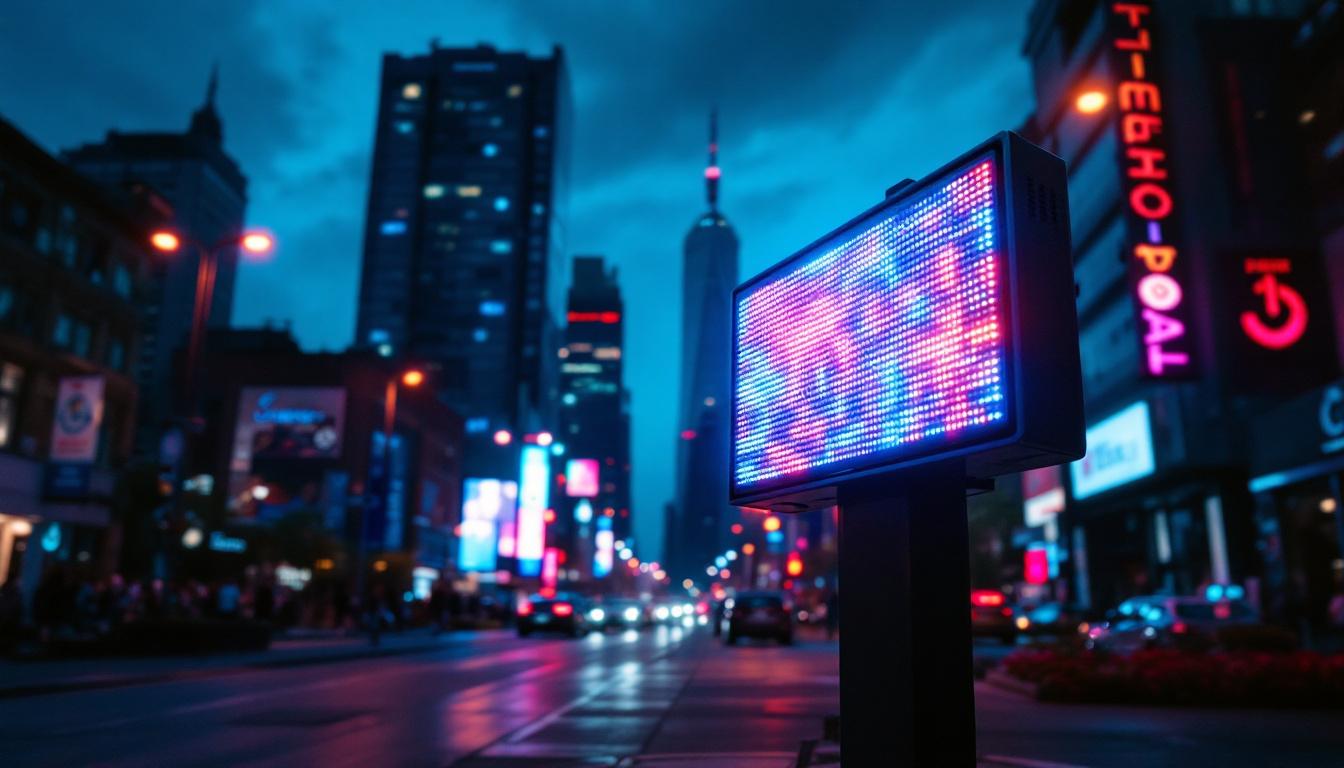
Large pitch LED displays feature pixel pitches of 8 mm and above. These are primarily outdoor displays designed for long-range viewing, such as highway billboards, building facades, and large-scale public event screens. The larger pixel spacing allows for higher brightness and weather resistance but sacrifices fine image detail.
Despite their lower resolution, advances in LED technology have improved color accuracy and brightness, ensuring these displays remain effective communication tools even from great distances.
Factors Influencing Millimeter Picture Selection
Viewing Distance and Environment
The most critical factor when selecting the millimeter picture of an LED display is the typical viewing distance. As mentioned, the pixel pitch should correspond to the distance from which the audience will primarily view the screen. Indoor environments with close viewers demand finer pixel pitches, while outdoor environments with distant viewers can accommodate larger pitches.
Ambient lighting also plays a role. Outdoor displays require higher brightness levels to remain visible in sunlight, which can affect the choice of pixel pitch and LED type.
Content Type and Resolution Requirements
The nature of the content displayed influences the required resolution. Detailed graphics, fine text, and video content necessitate finer pixel pitches to maintain clarity. Conversely, simple text or basic images can be effectively displayed on screens with larger pixel pitches.
For example, a financial trading floor displaying real-time data streams benefits from a fine pitch display to ensure legibility, while a roadside advertisement promoting a brand logo may not require such high resolution.
Budget and Maintenance Considerations
Fine pitch LED displays are generally more expensive due to the complexity of manufacturing and the higher density of LEDs. Additionally, they may require more sophisticated maintenance and calibration to ensure consistent performance.
Organizations must balance their visual quality needs with budget constraints, considering not only upfront costs but also long-term operational expenses.
Technological Advances Enhancing Millimeter Picture Quality
Mini-LED and Micro-LED Innovations
Recent advancements in mini-LED and micro-LED technologies have pushed pixel pitches even smaller, enabling ultra-high-resolution displays. Micro-LEDs, which are smaller than 100 micrometers, allow for pixel pitches below 1 mm, offering unprecedented image sharpness and brightness.
These technologies are beginning to penetrate markets such as premium televisions, augmented reality devices, and high-end digital signage, promising future improvements in millimeter picture quality.
Improved Calibration and Processing
Modern LED displays incorporate advanced calibration techniques and image processing algorithms to enhance color accuracy and uniformity. These improvements help maximize the visual impact of displays regardless of pixel pitch, ensuring consistent image quality across the entire screen.
Dynamic brightness adjustment and HDR (High Dynamic Range) support further enhance the viewing experience, making LED displays more versatile and visually appealing.
Practical Applications of Millimeter Picture LED Displays
Advertising and Marketing
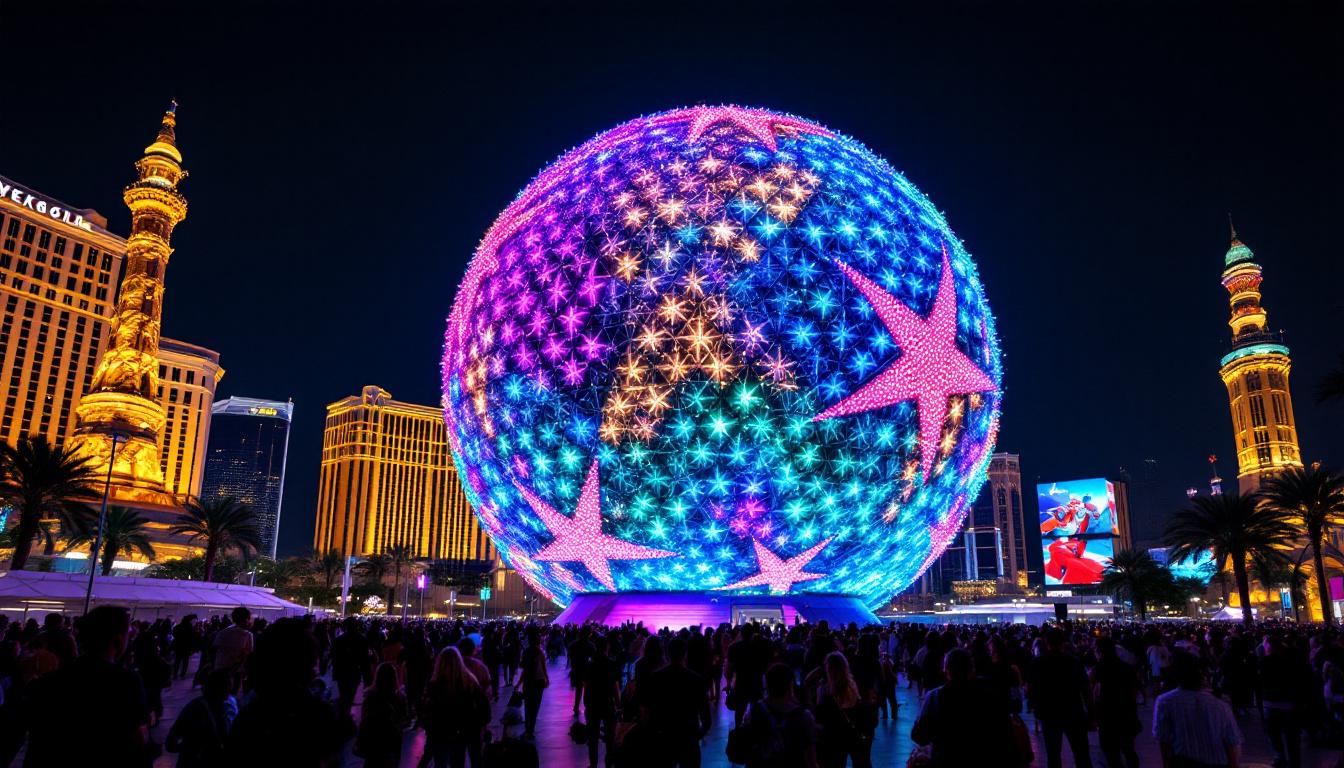
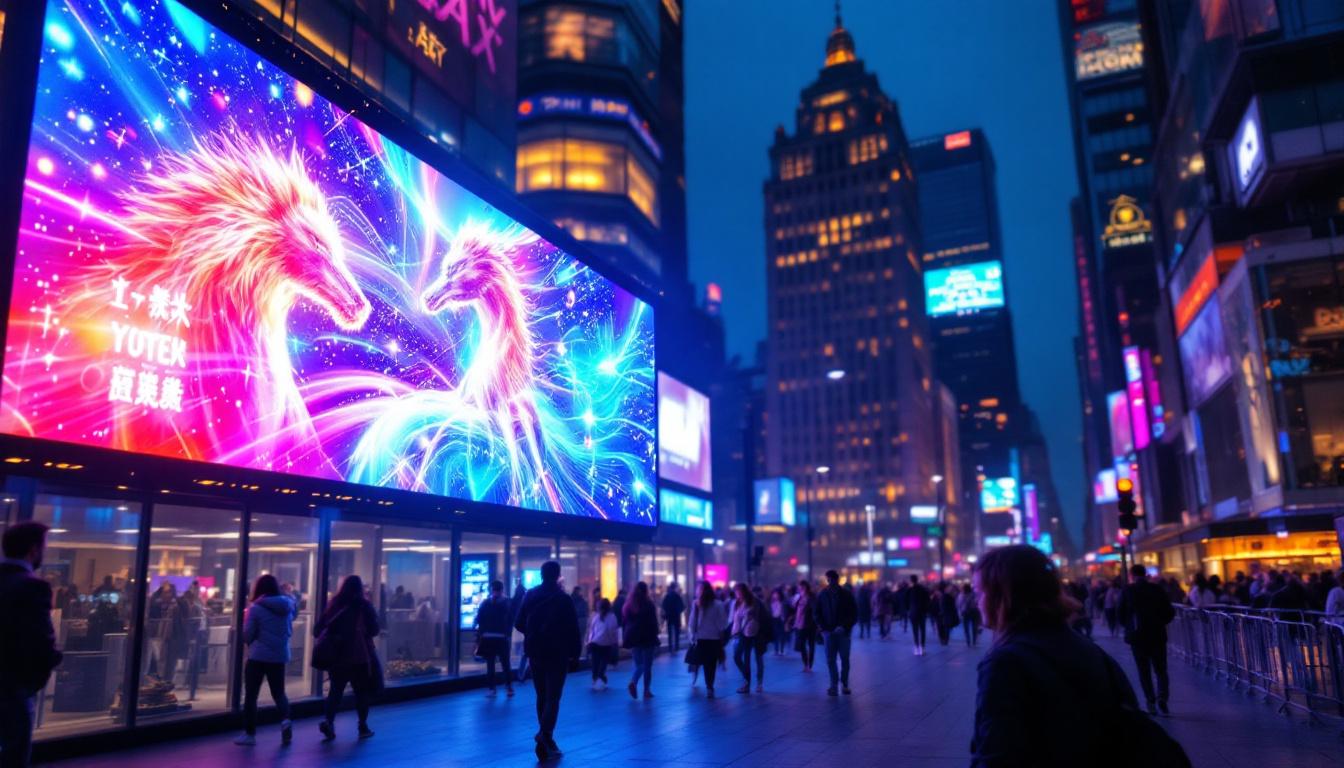
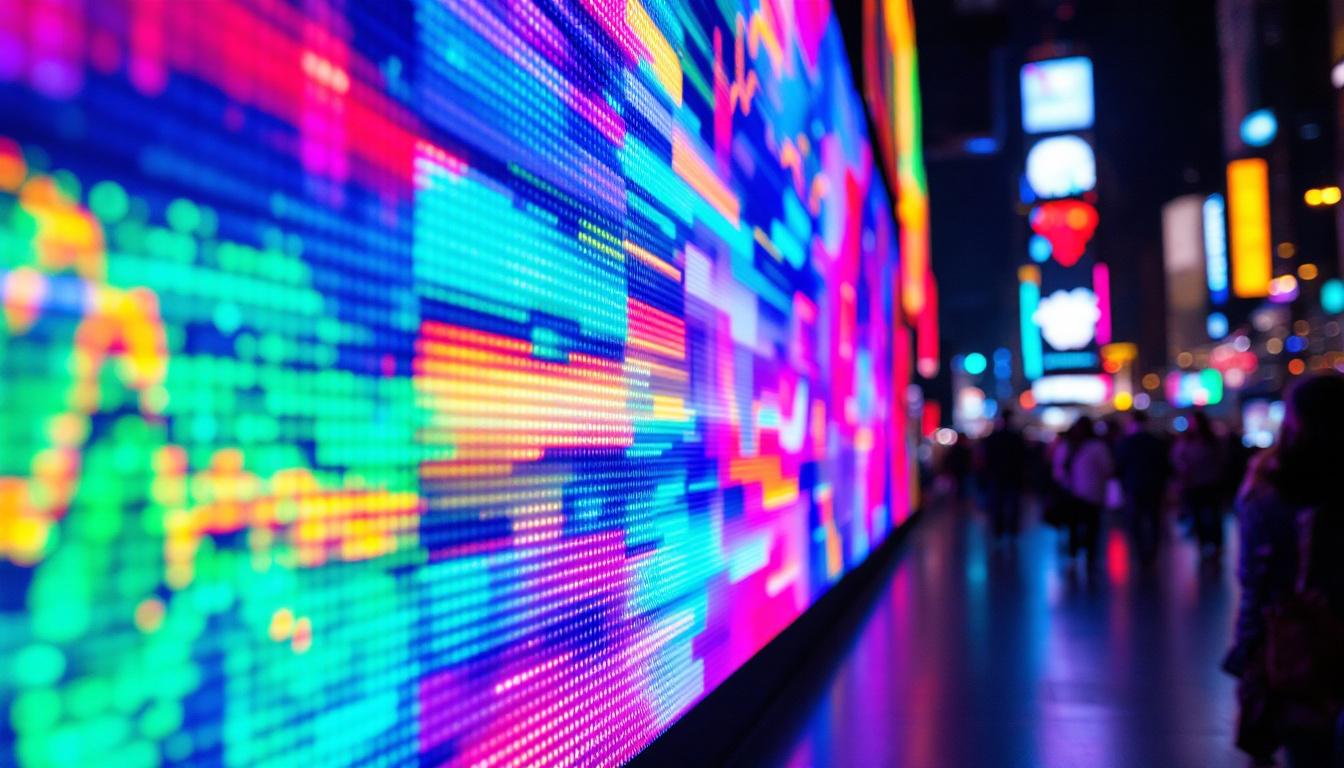
LED displays with appropriate pixel pitches have revolutionized advertising by enabling dynamic, eye-catching content that captures attention in high-traffic areas. From Times Square’s gigantic billboards to retail window displays, the millimeter picture determines how effectively the message is conveyed.
Advertisers leverage fine pitch displays for detailed product showcases and large pitch displays for impactful outdoor campaigns, tailoring their approach based on audience proximity and environment.
Sports and Entertainment Venues
In stadiums and concert venues, LED displays provide real-time information, replays, and immersive visual effects. The millimeter picture is selected to ensure visibility from various seating distances, enhancing the spectator experience.
High-resolution displays are used in premium seating areas, while larger pixel pitch screens serve general seating zones, balancing cost and performance.
Corporate and Control Room Environments
Fine pitch LED displays are increasingly popular in corporate settings for presentations, video conferencing, and digital dashboards. Control rooms rely on ultra-fine pixel pitches to display detailed data and live feeds clearly, supporting critical decision-making processes.
The clarity afforded by a small millimeter picture is essential for reducing eye strain and improving information comprehension in these high-stakes environments.
Conclusion: Choosing the Right Millimeter Picture for Your LED Display
The millimeter picture, closely tied to pixel pitch, is a fundamental factor in determining the quality and suitability of an LED display for any given application. Understanding the relationship between pixel pitch, viewing distance, content type, and environment is essential for making informed decisions that maximize impact and cost-efficiency.
As LED technology continues to advance, offering finer pixel pitches and enhanced image processing, the possibilities for stunning visual experiences expand. Whether for advertising, entertainment, or corporate use, selecting the right millimeter picture ensures that LED displays deliver clear, vibrant, and engaging images that captivate audiences and elevate communication.
Investing time in understanding these technical aspects can help businesses and organizations harness the full potential of LED displays, making millimeter picture a key consideration in any digital signage or display project.
Discover the Perfect LED Display with LumenMatrix
Ready to elevate your visual communication with a millimeter picture that’s just right for your needs? LumenMatrix offers a comprehensive range of LED display solutions, from the intimacy of Indoor LED Walls to the grandeur of Outdoor LED Displays, and the innovation of Transparent LED Displays. Each product is crafted to deliver unparalleled brand visibility and captivating experiences. Embrace the future of digital signage with LumenMatrix’s cutting-edge technology that promises to enhance engagement and leave a lasting impression. Check out LumenMatrix LED Display Solutions today and transform your space into a visual spectacle.