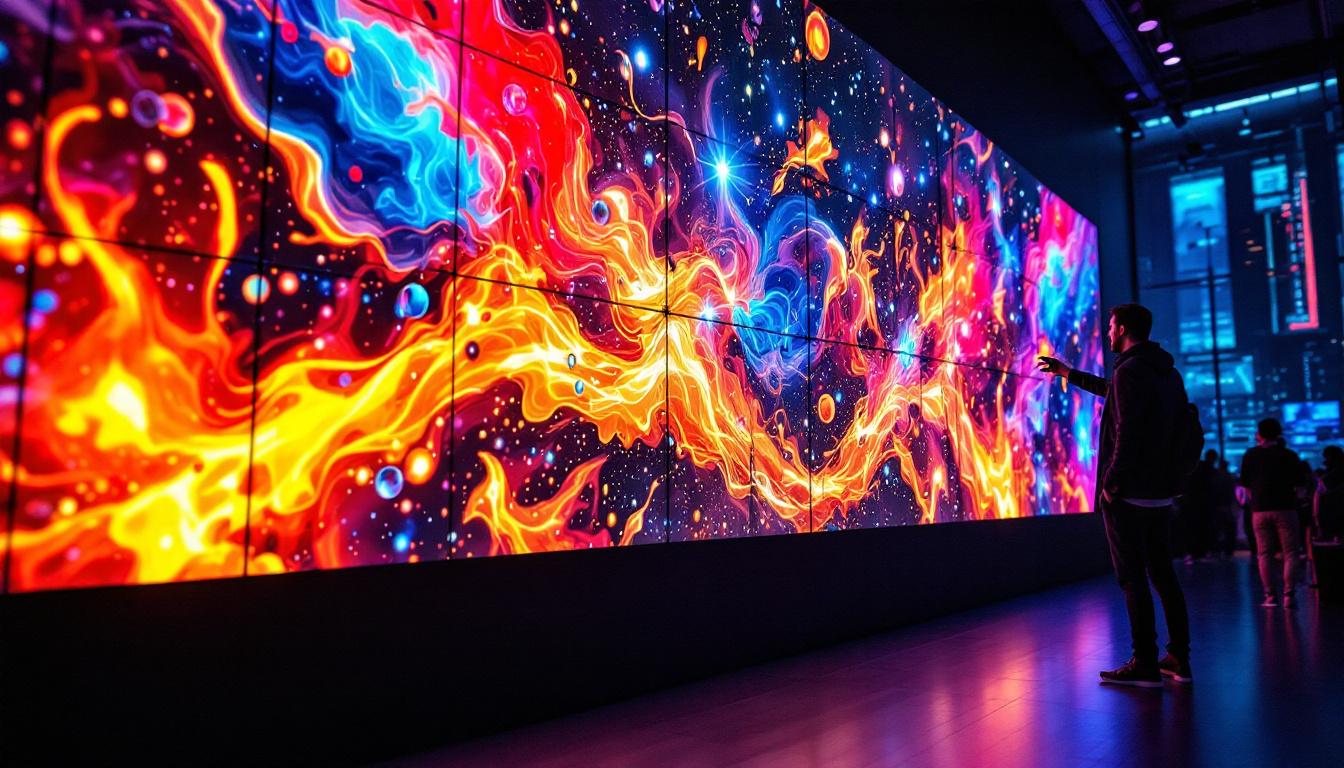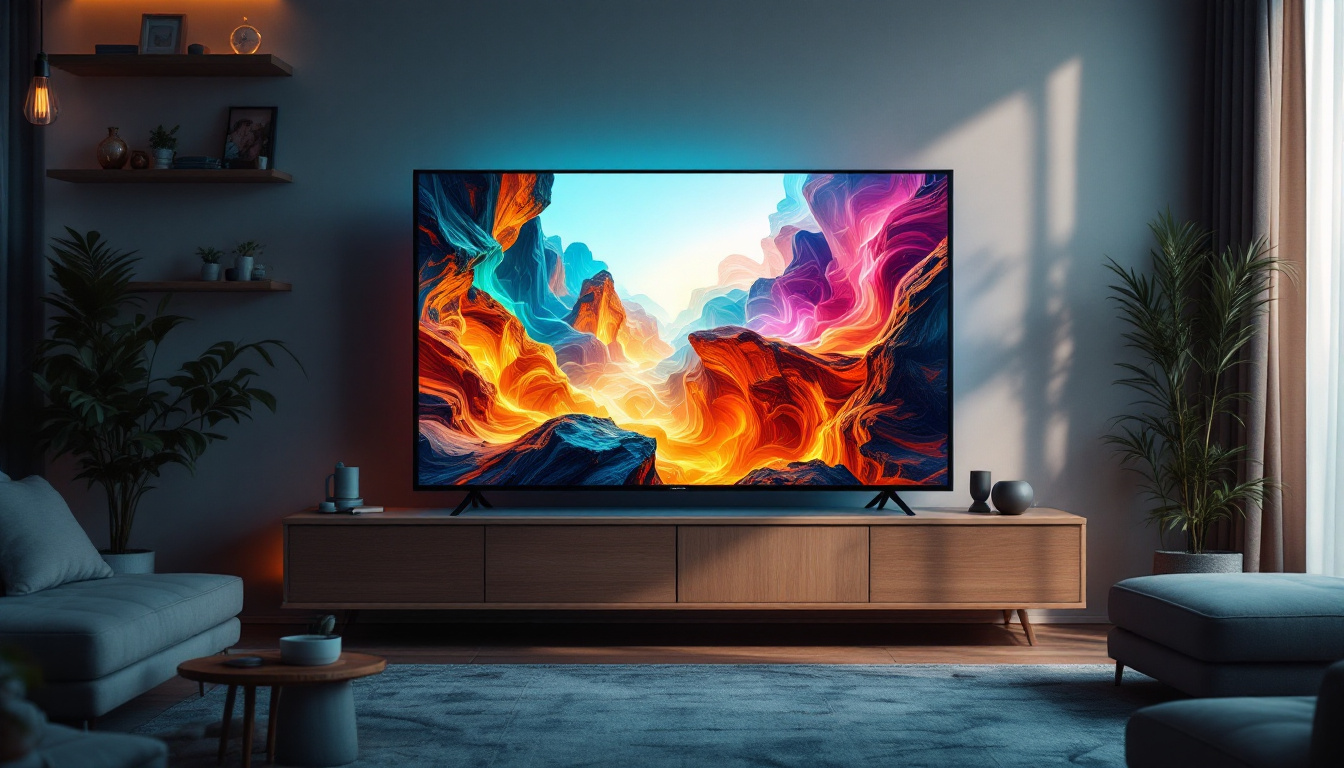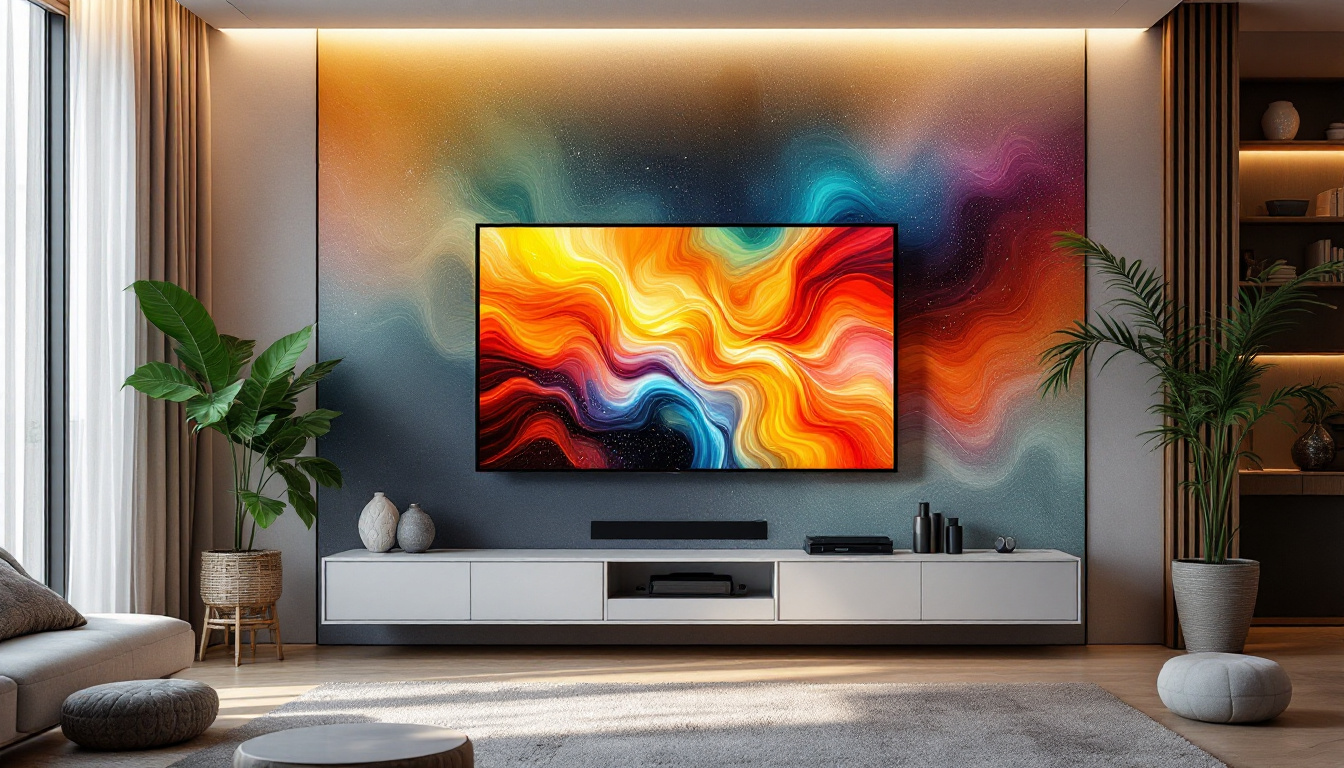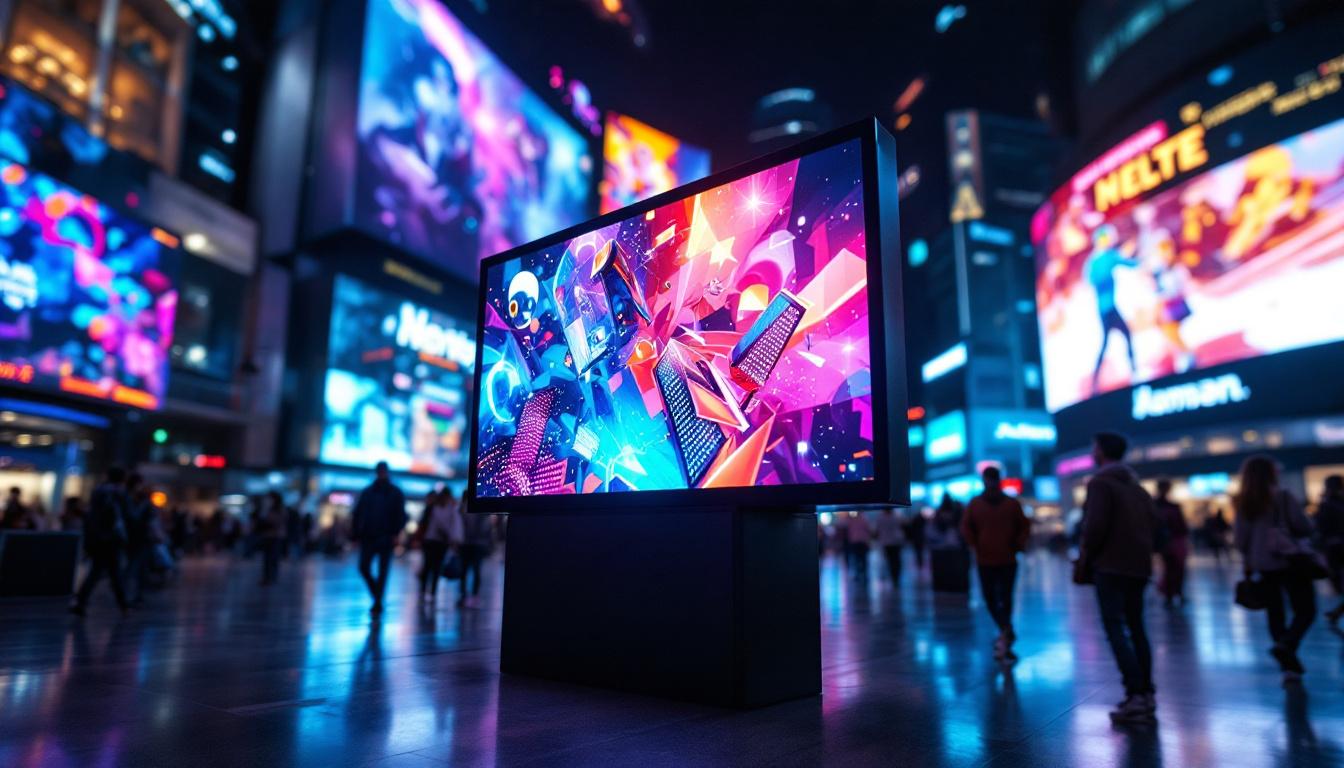
In the rapidly evolving world of digital technology, LED displays have emerged as a cornerstone of modern visual communication. From towering billboards in bustling city centers to the sleek screens in smartphones and televisions, LED technology powers a vast array of displays that captivate audiences worldwide. This article delves into the intricacies of LED displays, exploring their technology, applications, advantages, and future trends.
Understanding LED Display Technology
At its core, an LED (Light Emitting Diode) display is a flat panel that uses an array of light-emitting diodes as pixels to create images and videos. Unlike traditional display technologies such as LCDs, which rely on backlighting, LEDs emit their own light, enabling brighter and more vibrant visuals. This self-illuminating property not only enhances color accuracy but also allows for thinner and lighter display designs, making them ideal for a variety of applications, from consumer electronics to large-scale advertising.
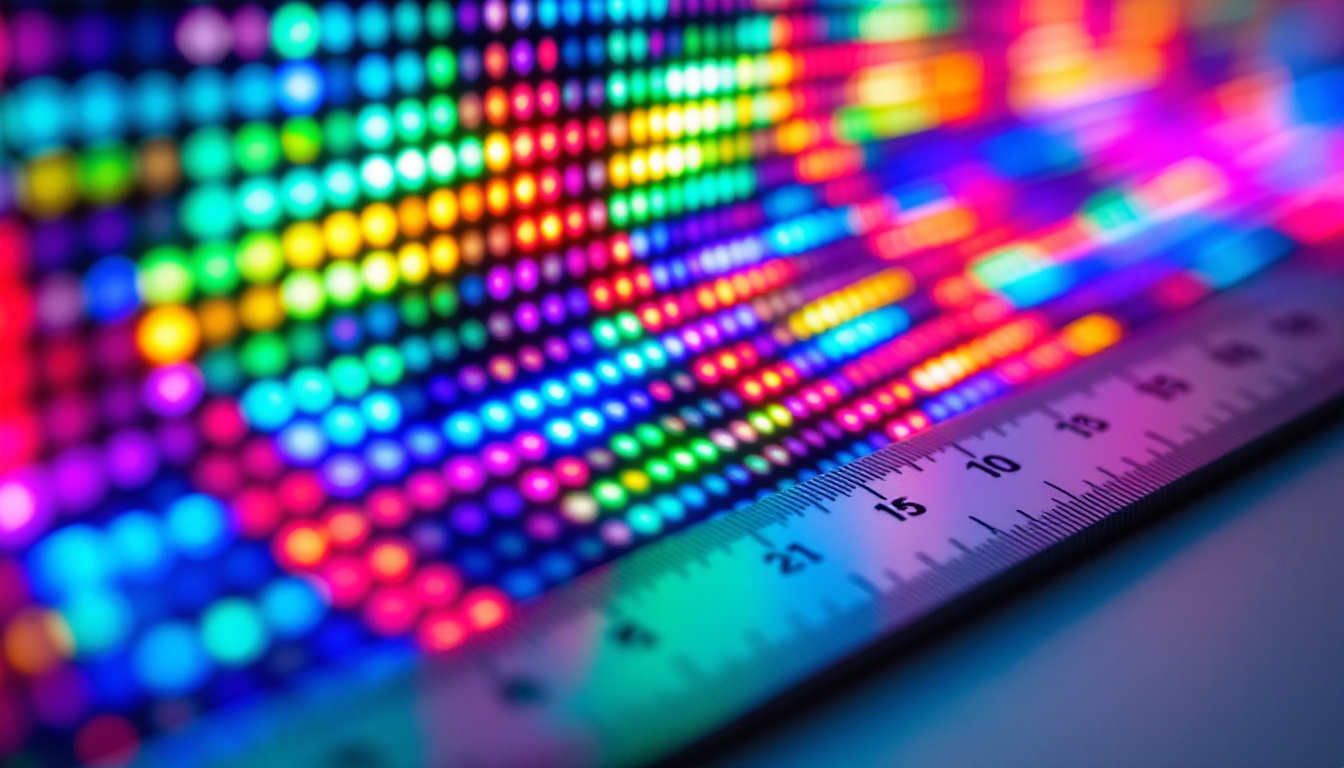
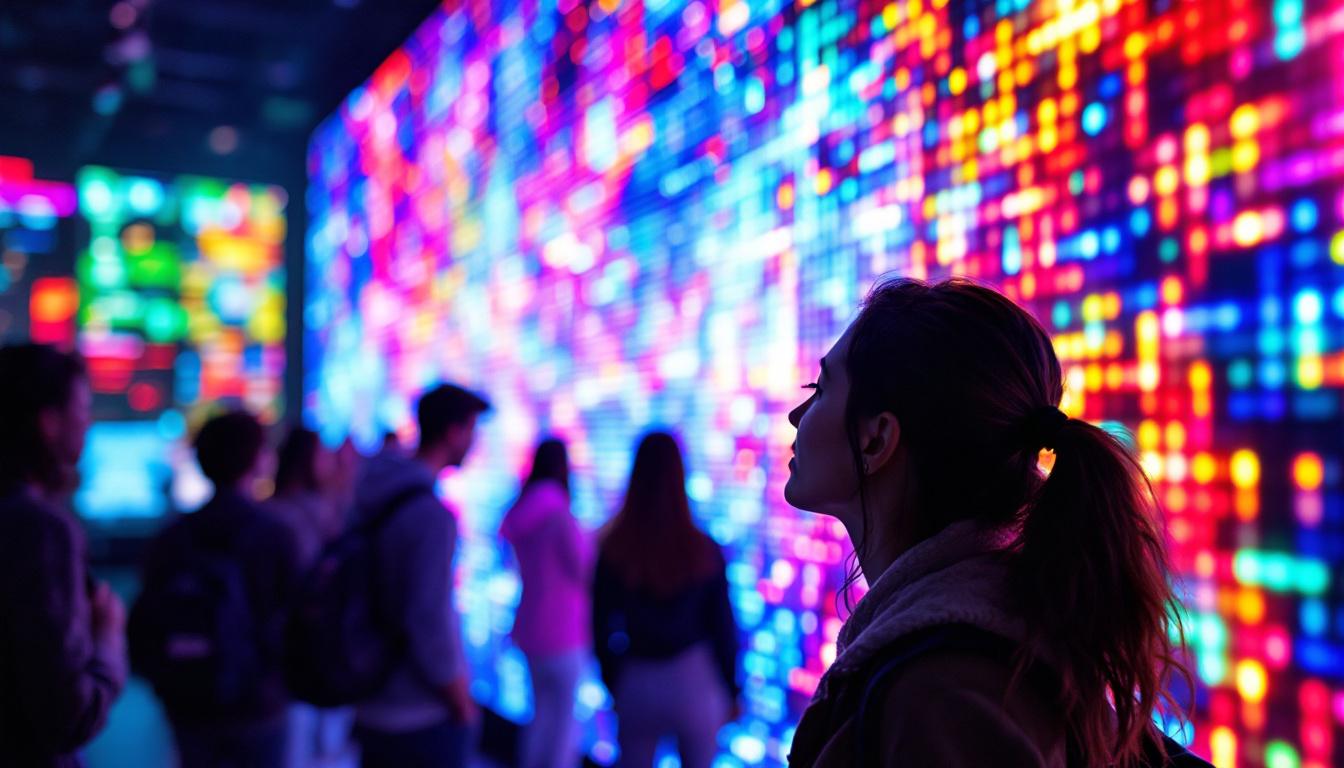
The basic building block of an LED display is the diode itself, a semiconductor device that emits light when an electric current passes through it. These diodes can be grouped into clusters called pixels. Each pixel typically contains red, green, and blue LEDs, which combine to produce a broad spectrum of colors through varying intensities. The precision in controlling these colors and their brightness levels allows for stunning visual effects and dynamic content, which is particularly beneficial in environments where attention-grabbing displays are crucial.
Types of LED Displays
LED displays come in several forms, each designed to meet specific needs and environments:
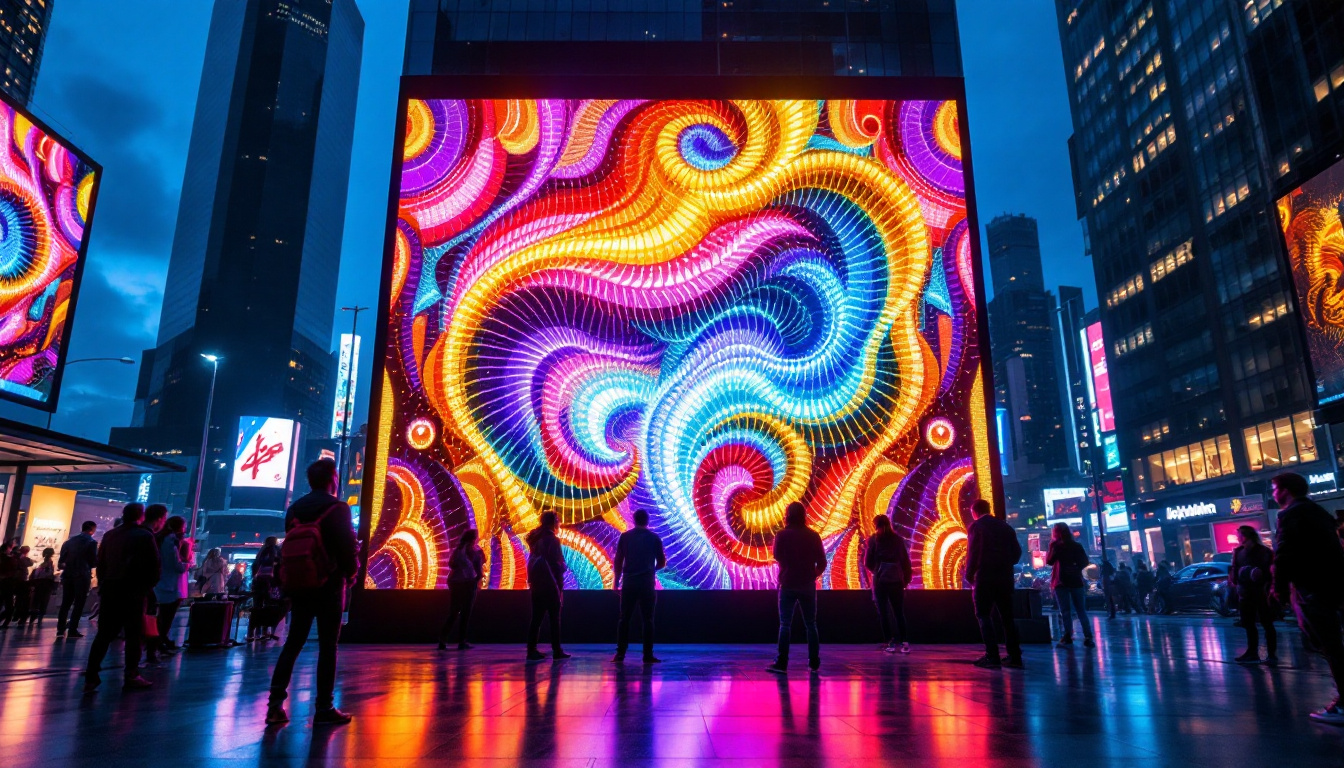
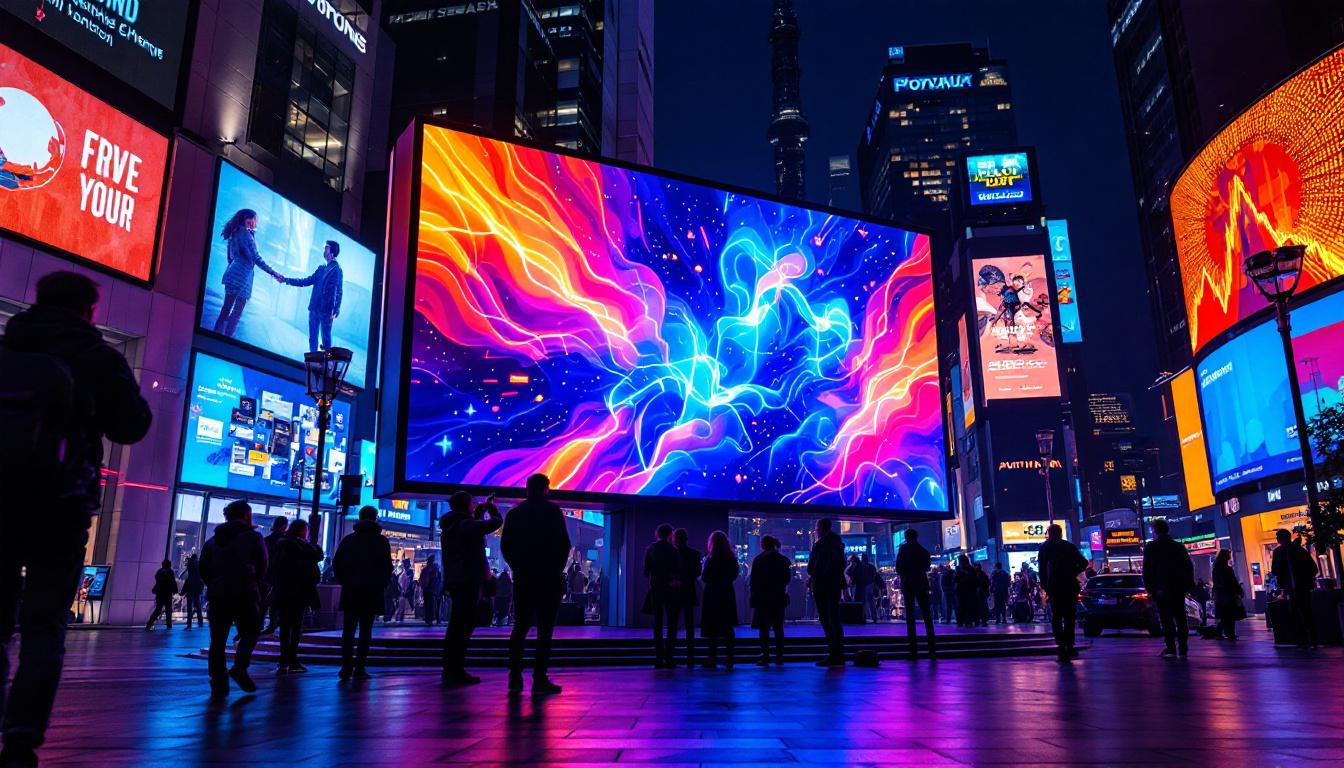
- Direct View LED Displays: These are large-scale displays where the LEDs are visible to the naked eye and form the image directly. They are commonly used in outdoor billboards, stadium screens, and digital signage. Their ability to maintain visibility in bright sunlight makes them a popular choice for advertising and public announcements.
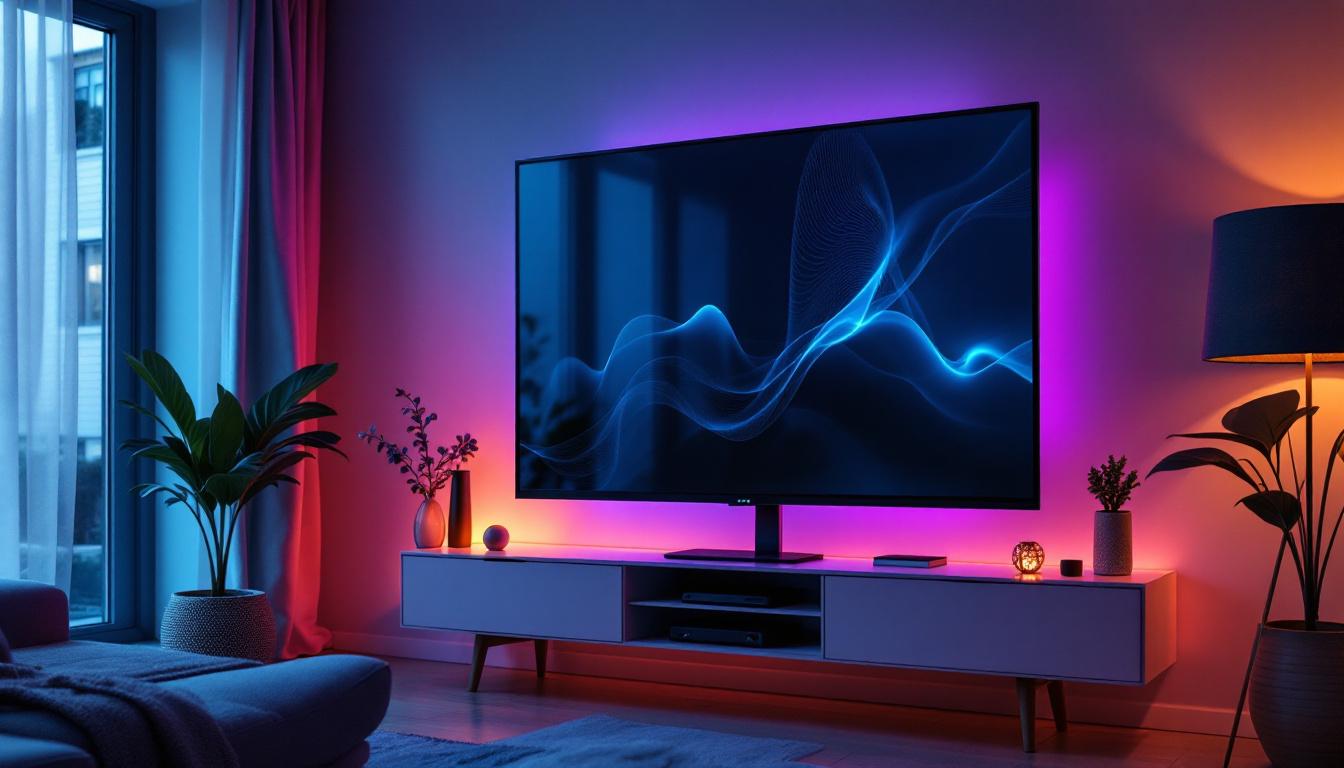
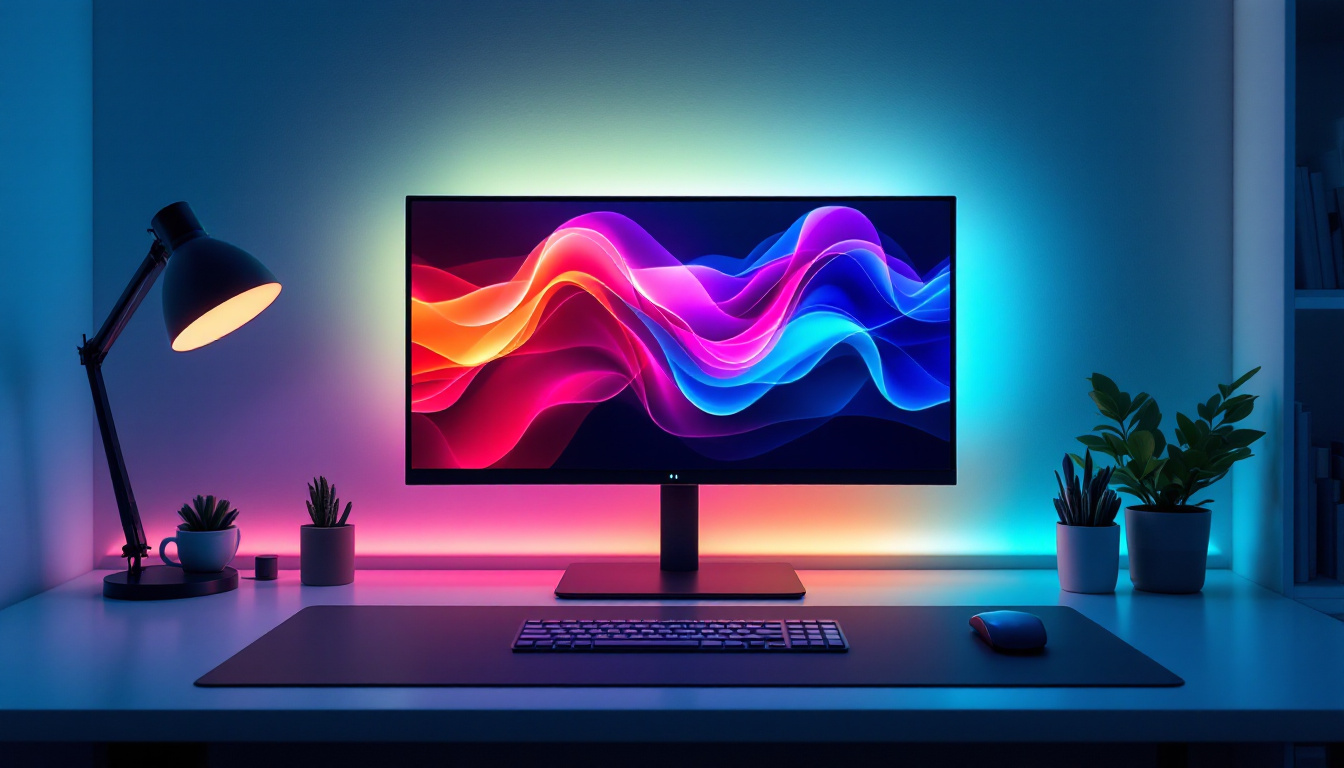
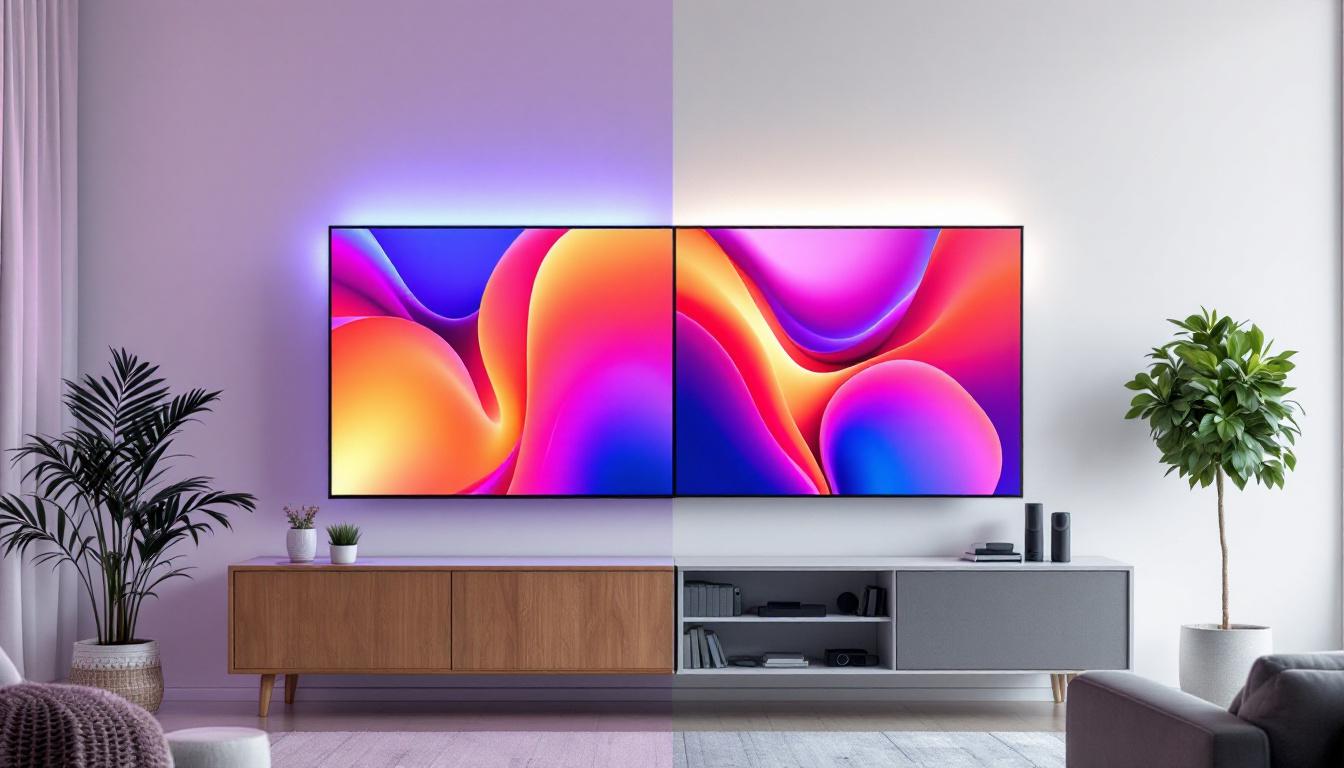
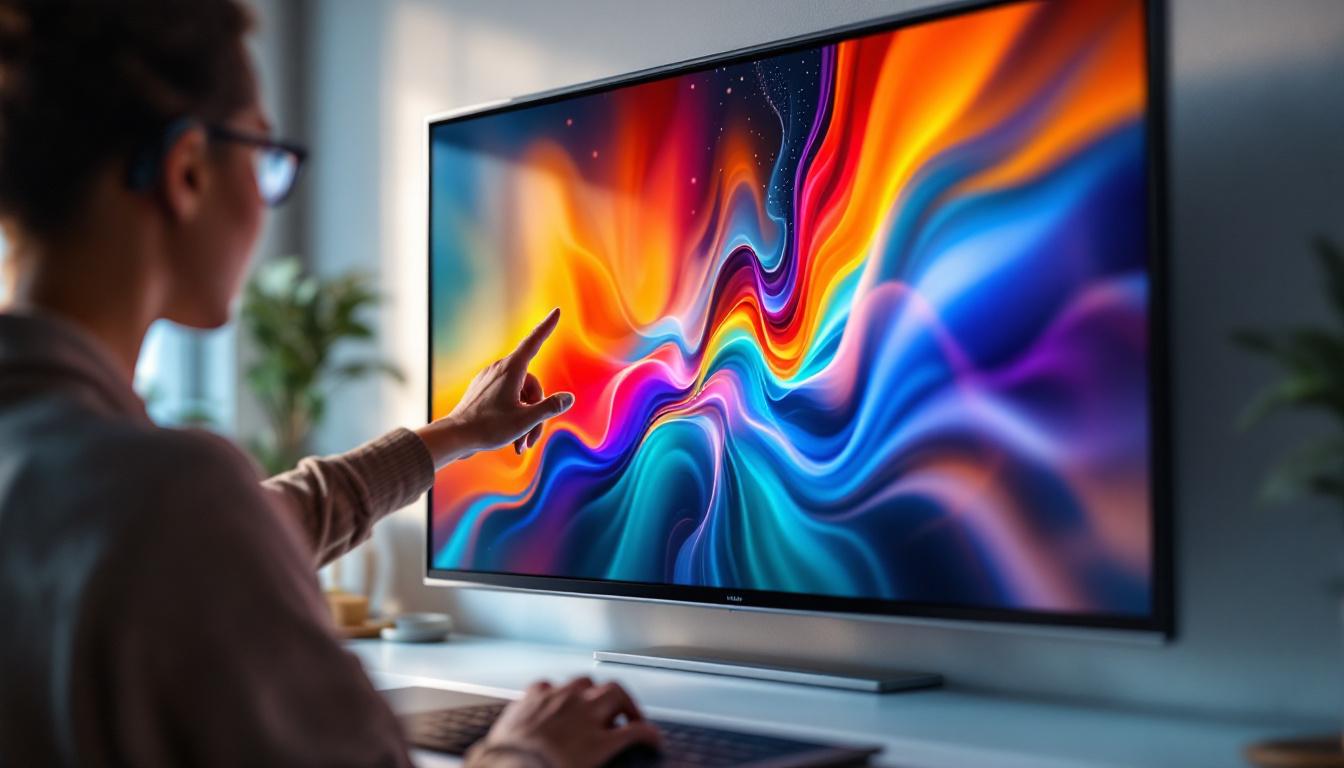
- LED-backlit LCD Displays: In this hybrid technology, LEDs serve as the backlight for LCD panels, improving brightness and energy efficiency compared to traditional CCFL backlights. This combination allows for thinner screens with improved color reproduction and contrast, making them suitable for televisions and computer monitors.
- MicroLED Displays: An emerging technology featuring microscopic LEDs that offer higher resolution, better contrast, and longer lifespan, potentially revolutionizing display quality in the near future. MicroLEDs promise to deliver true blacks and vibrant colors without the drawbacks of burn-in that can affect OLED displays, making them an exciting prospect for future applications in everything from smartphones to large format displays.
Additionally, the advancements in LED technology have paved the way for flexible and transparent displays, which can be integrated into various surfaces and environments. Flexible LED displays can bend and curve, allowing for innovative designs in architecture and automotive applications. Transparent LED displays, on the other hand, can be used in retail environments to create eye-catching window displays that maintain visibility while showcasing dynamic content. These innovations not only enhance aesthetic appeal but also provide new opportunities for interactive and immersive experiences in advertising and entertainment.
As the demand for high-quality visual content continues to grow, the LED display market is rapidly evolving. Manufacturers are investing in research and development to improve the efficiency, lifespan, and performance of LED technologies. This includes advancements in energy consumption, which is crucial for reducing the environmental impact of large-scale installations. Furthermore, with the rise of smart technology, LED displays are increasingly being integrated with IoT capabilities, allowing for real-time data updates and remote management, enhancing their functionality and versatility in various applications.
Applications of LED Displays in Modern Life
LED displays have become ubiquitous across various sectors, transforming the way information is presented and consumed.
Advertising and Outdoor Signage
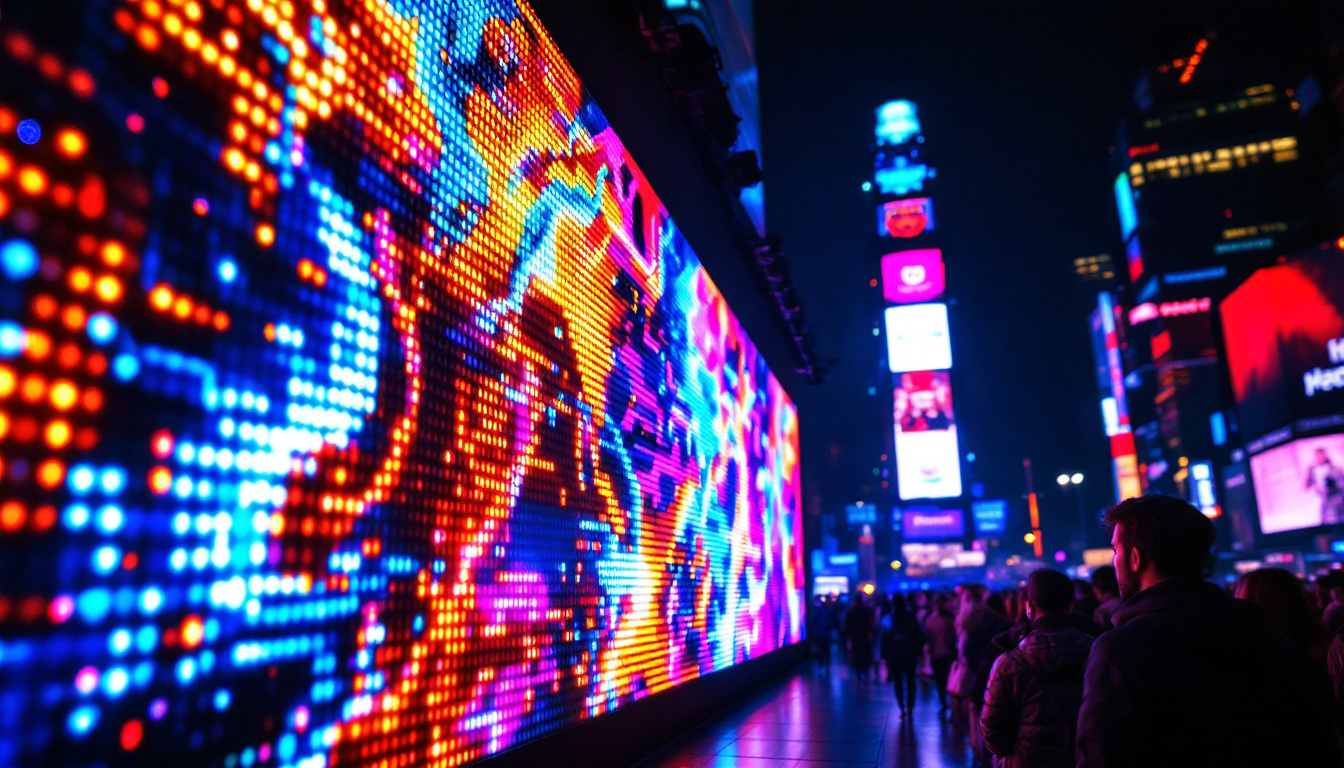
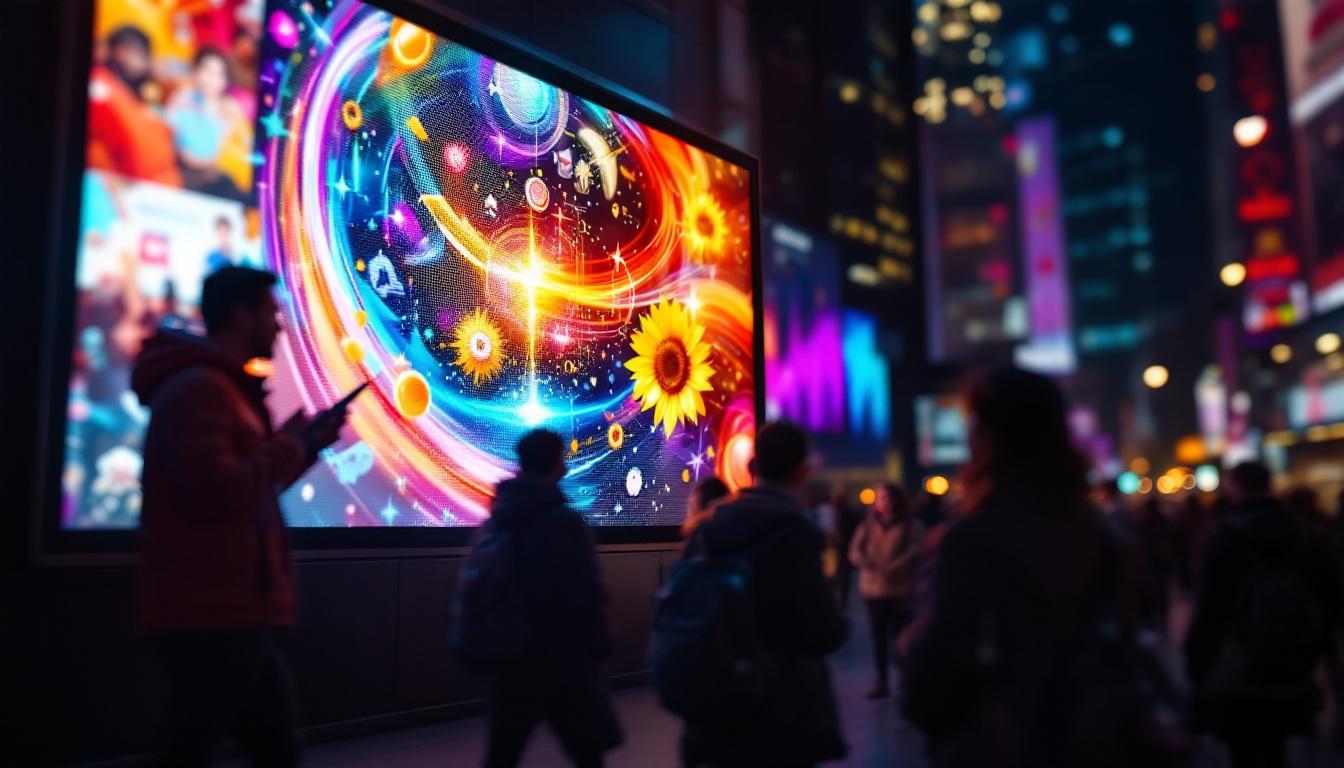
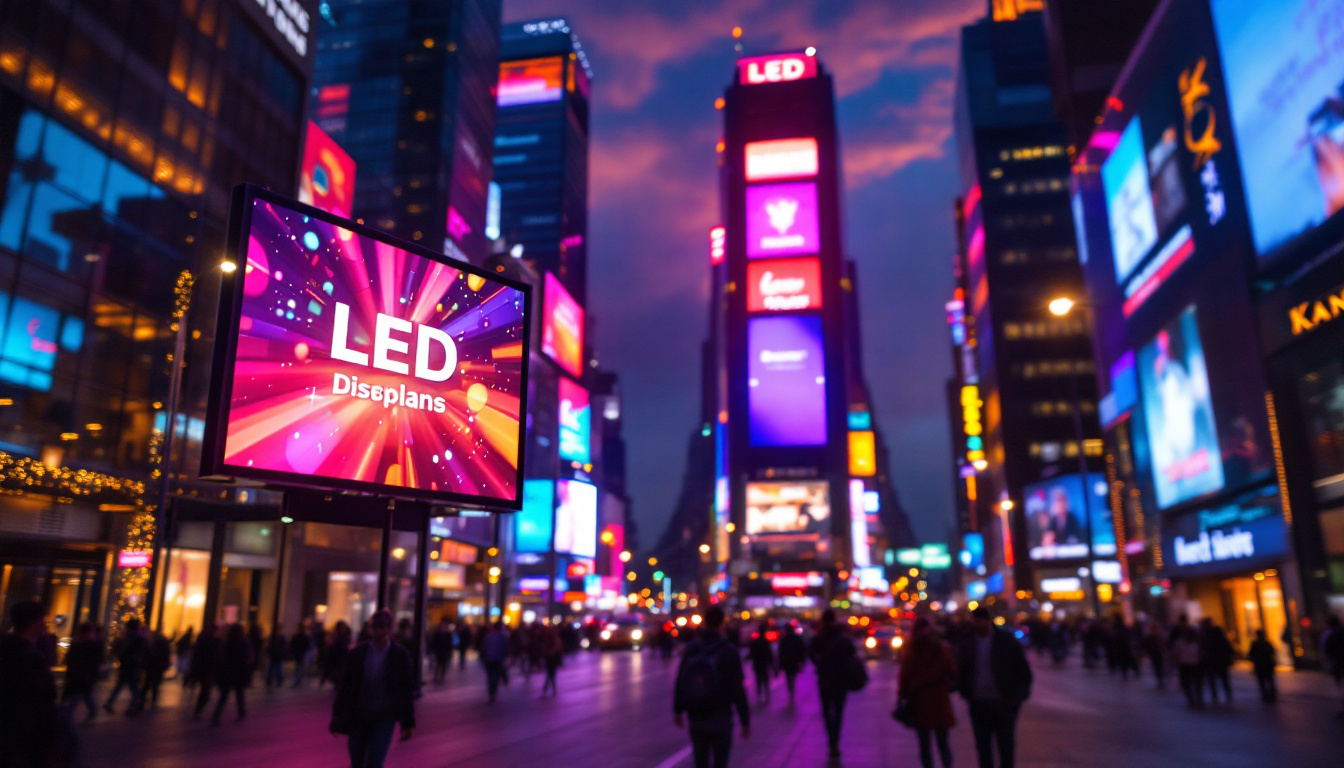
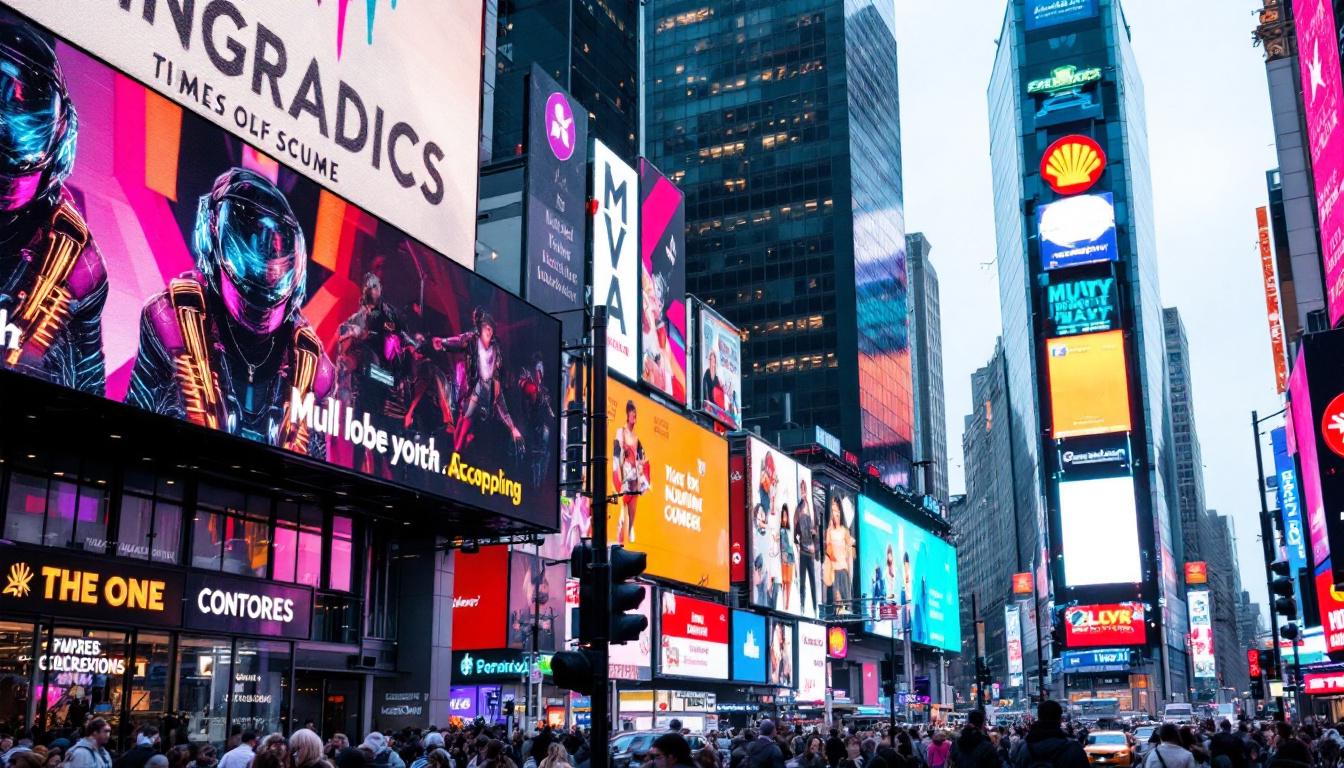
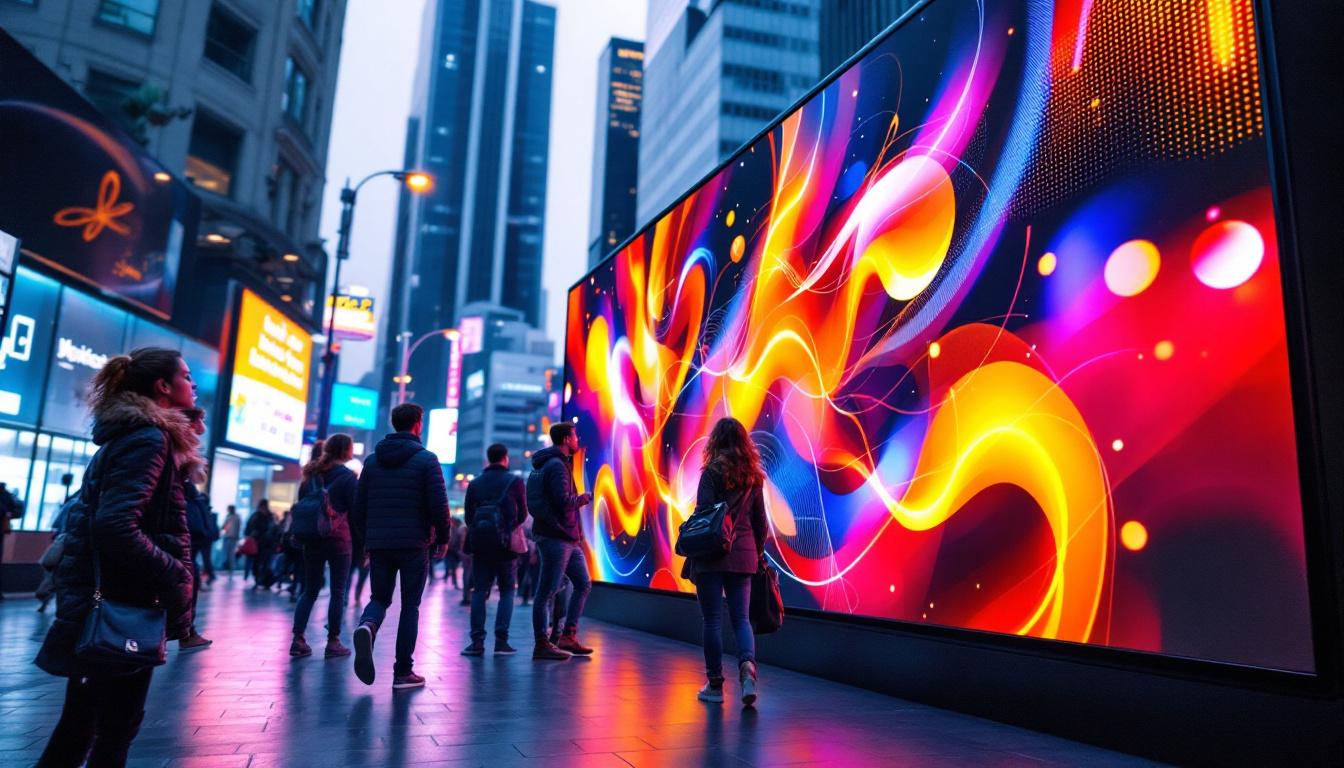
One of the most visible applications of LED technology is in advertising. LED billboards and digital signs dominate urban landscapes, offering dynamic content that can be updated in real-time. According to a report by Grand View Research, the global digital signage market is expected to reach $32.84 billion by 2028, with LED displays accounting for a significant share due to their durability and visibility in diverse lighting conditions.
These displays enable advertisers to engage audiences with vibrant visuals, animations, and even interactive content. Their high brightness levels ensure visibility even in direct sunlight, making them ideal for outdoor environments. Additionally, the ability to change advertisements frequently allows businesses to tailor their messaging to specific times of day or events, maximizing their impact and relevance. The integration of QR codes and social media links into these displays also facilitates immediate consumer interaction, bridging the gap between digital and physical marketing.
Entertainment and Sports Venues
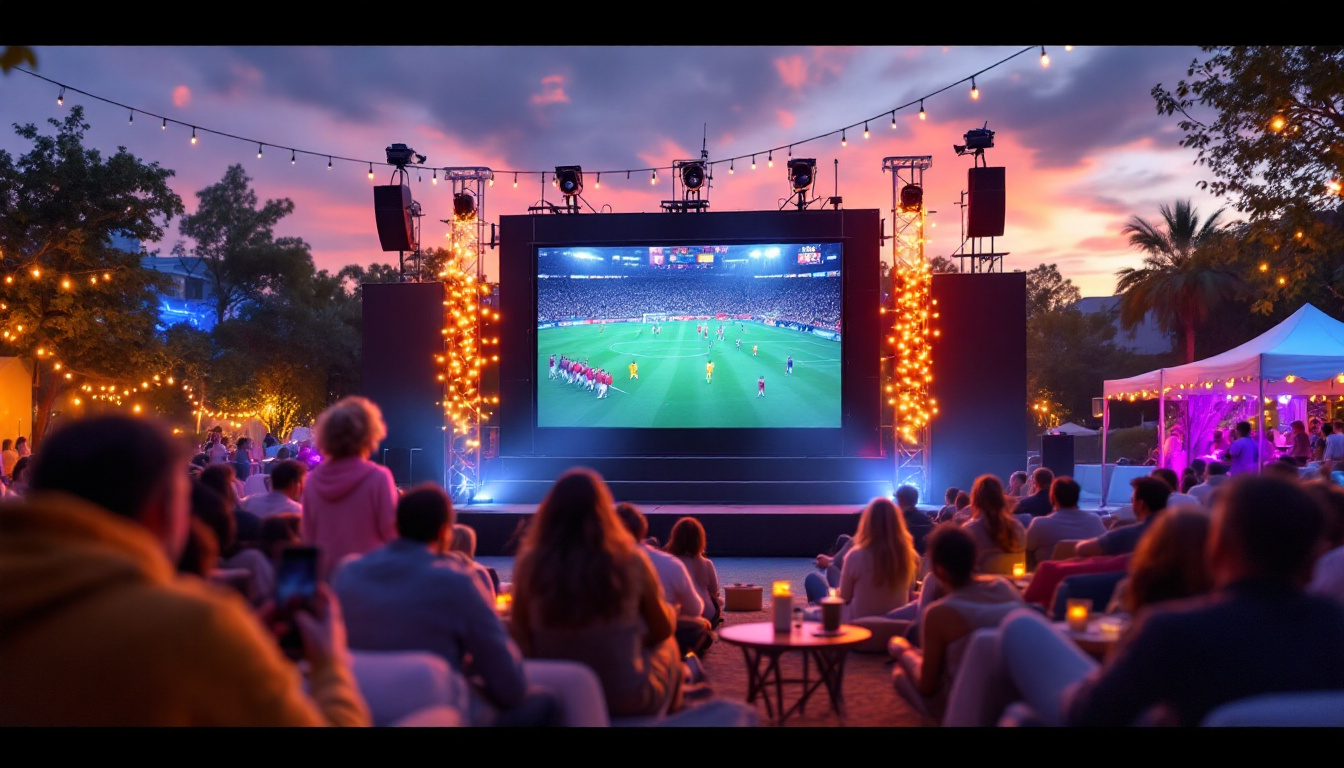
LED displays have transformed the spectator experience in arenas and stadiums. Massive LED screens provide live video feeds, replays, and interactive graphics that enhance engagement. For example, the AT&T Stadium in Texas features one of the largest high-definition LED displays globally, measuring 160 feet wide and 72 feet tall, delivering unparalleled viewing experiences. This technology not only captivates fans but also serves as a platform for advertisements and sponsorships, generating additional revenue for venues.
Moreover, LED displays are increasingly being used for immersive experiences, such as augmented reality overlays during live events, which can provide fans with real-time statistics or player information. This innovative use of technology elevates the overall enjoyment of the event, making it more interactive and engaging for attendees, whether they are in the stands or watching from home.
Retail and Hospitality
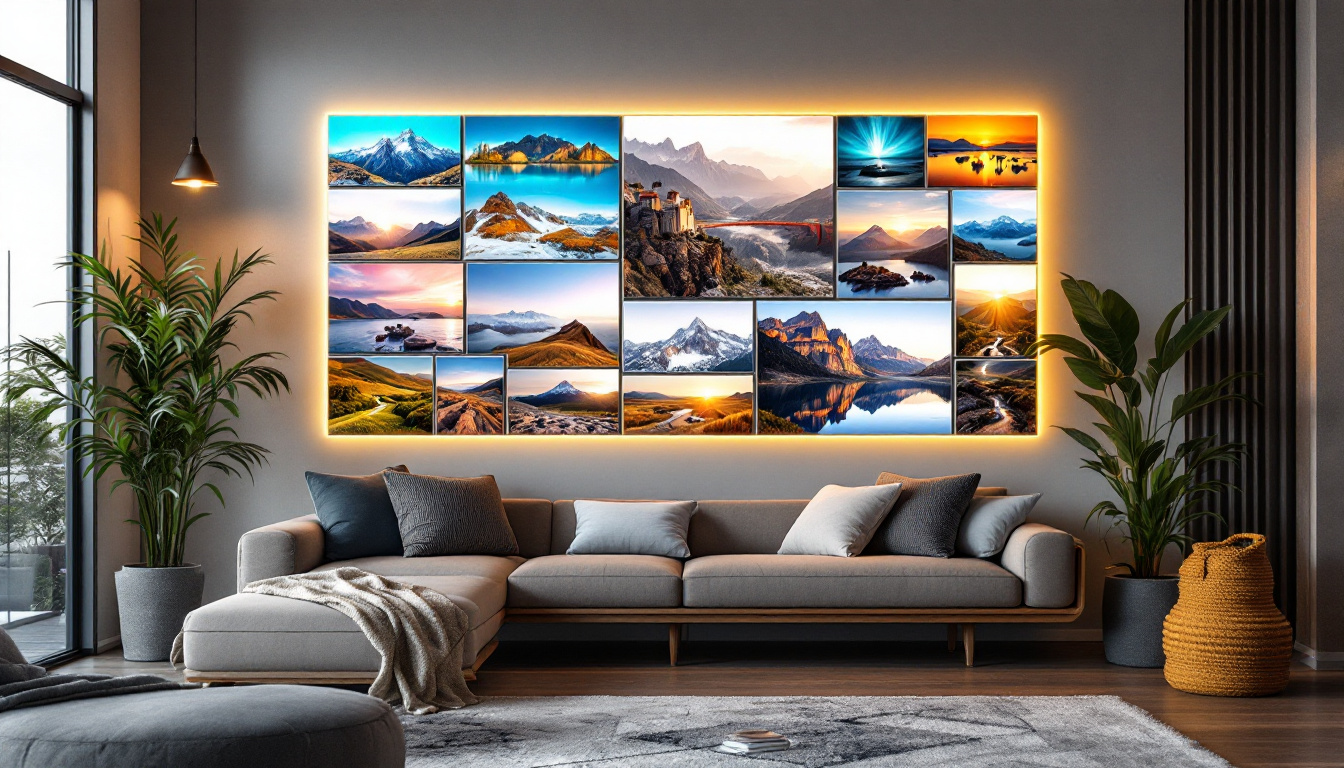
In retail environments, LED displays are used for digital signage, promotional content, and wayfinding. Their ability to attract attention with bright and dynamic visuals helps retailers boost sales and improve customer experience. Hotels and restaurants also utilize LED displays for menus, event information, and ambiance lighting, blending functionality with aesthetics. The flexibility of LED technology allows businesses to change their displays according to seasonal promotions or special events, ensuring that their messaging remains fresh and relevant.
Furthermore, the integration of smart technology into LED displays enables personalized advertising based on customer demographics and behavior. For instance, some retail stores are experimenting with facial recognition technology to tailor advertisements to the specific audience present at any given time, creating a more personalized shopping experience. This not only enhances customer engagement but also drives conversion rates, as shoppers are more likely to respond to content that resonates with their interests.
Transportation and Public Information
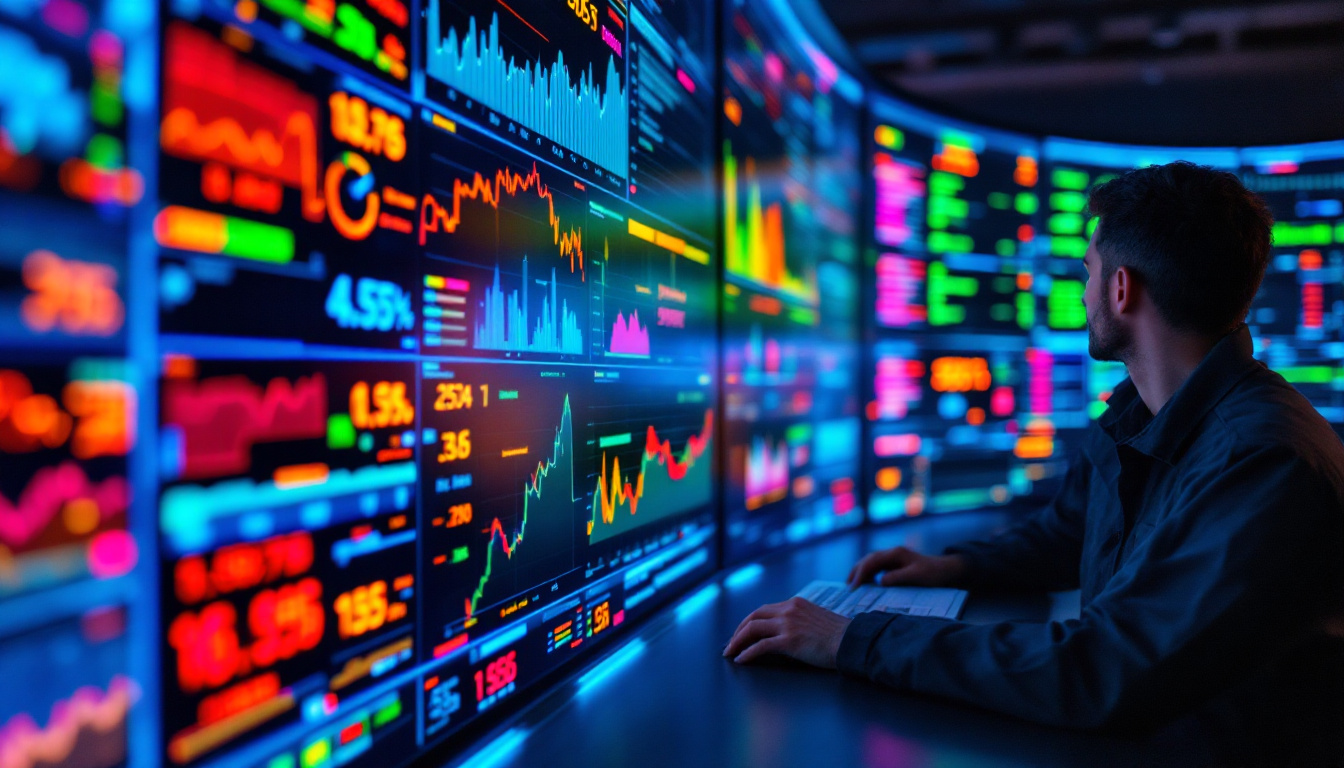
LED displays play a critical role in transportation hubs such as airports, train stations, and bus terminals. They provide real-time updates on schedules, delays, and safety messages. Their reliability and clarity are crucial for managing large crowds and ensuring smooth operations. The use of LED technology in these settings also contributes to energy efficiency, as these displays consume less power compared to traditional signage.
In addition to basic information, some transportation systems have begun to implement interactive LED displays that allow passengers to access additional services, such as booking tickets or finding directions through touch screens. This innovation not only improves the flow of information but also enhances the overall travel experience, making it more convenient and user-friendly. As cities continue to grow and evolve, the role of LED displays in public transportation will likely expand, integrating with smart city initiatives to provide seamless connectivity and information access for all commuters.
Advantages of LED Displays Over Traditional Technologies
LED technology offers several compelling benefits that have driven its widespread adoption across industries.
Energy Efficiency and Longevity
LED displays consume significantly less power compared to traditional lighting and display technologies. This energy efficiency translates into lower operational costs and a reduced environmental footprint. Furthermore, LEDs have an impressive lifespan, often exceeding 50,000 hours of use, which minimizes maintenance and replacement expenses.
Brightness and Visibility
One of the standout features of LED displays is their exceptional brightness. They can reach luminance levels of up to 10,000 nits, making them easily visible in direct sunlight and adverse weather conditions. This makes them ideal for outdoor applications where clarity and visibility are paramount.
Color Accuracy and Contrast
LED displays offer superior color reproduction and contrast ratios compared to many other display types. The ability to control each diode individually allows for deep blacks and vibrant colors, enhancing image quality and viewer experience.
Flexibility and Scalability
LED panels are modular, allowing for displays of virtually any size and shape. This flexibility enables creative installations, from curved screens to irregular shapes, opening new possibilities for designers and advertisers alike.
Challenges and Considerations in LED Display Implementation
Despite their advantages, deploying LED displays involves certain challenges that must be addressed to ensure optimal performance and return on investment.
Initial Cost and Installation
The upfront cost of LED display systems can be substantial, especially for large-scale direct view installations. This includes not only the panels themselves but also supporting infrastructure such as mounting systems, power supplies, and control hardware. Careful planning and budgeting are essential to manage these costs effectively.
Heat Management and Environmental Factors
LEDs generate heat during operation, which can affect performance and lifespan if not properly managed. Effective cooling solutions and robust enclosures are necessary, particularly for outdoor displays exposed to varying weather conditions. Additionally, environmental factors such as humidity, dust, and vibration must be considered in the design and maintenance plans.
Resolution and Pixel Pitch
The clarity of an LED display is influenced by its pixel pitch—the distance between individual LEDs. Smaller pixel pitches yield higher resolution but increase costs. Selecting the appropriate pixel pitch depends on viewing distance and application requirements. For example, a billboard viewed from hundreds of feet away can use a larger pixel pitch than a retail display viewed up close.
Future Trends in LED Display Technology
As technology advances, LED displays continue to evolve, promising even greater capabilities and applications.
MicroLED and MiniLED Innovations
MicroLED technology, with its microscopic diodes, offers the potential for displays with unparalleled brightness, contrast, and energy efficiency. Unlike OLEDs, MicroLEDs are inorganic and less prone to burn-in, making them ideal for long-term use. MiniLEDs, which use smaller LEDs for backlighting, are already enhancing LCD displays by improving contrast and color accuracy.
Integration with Smart Technologies
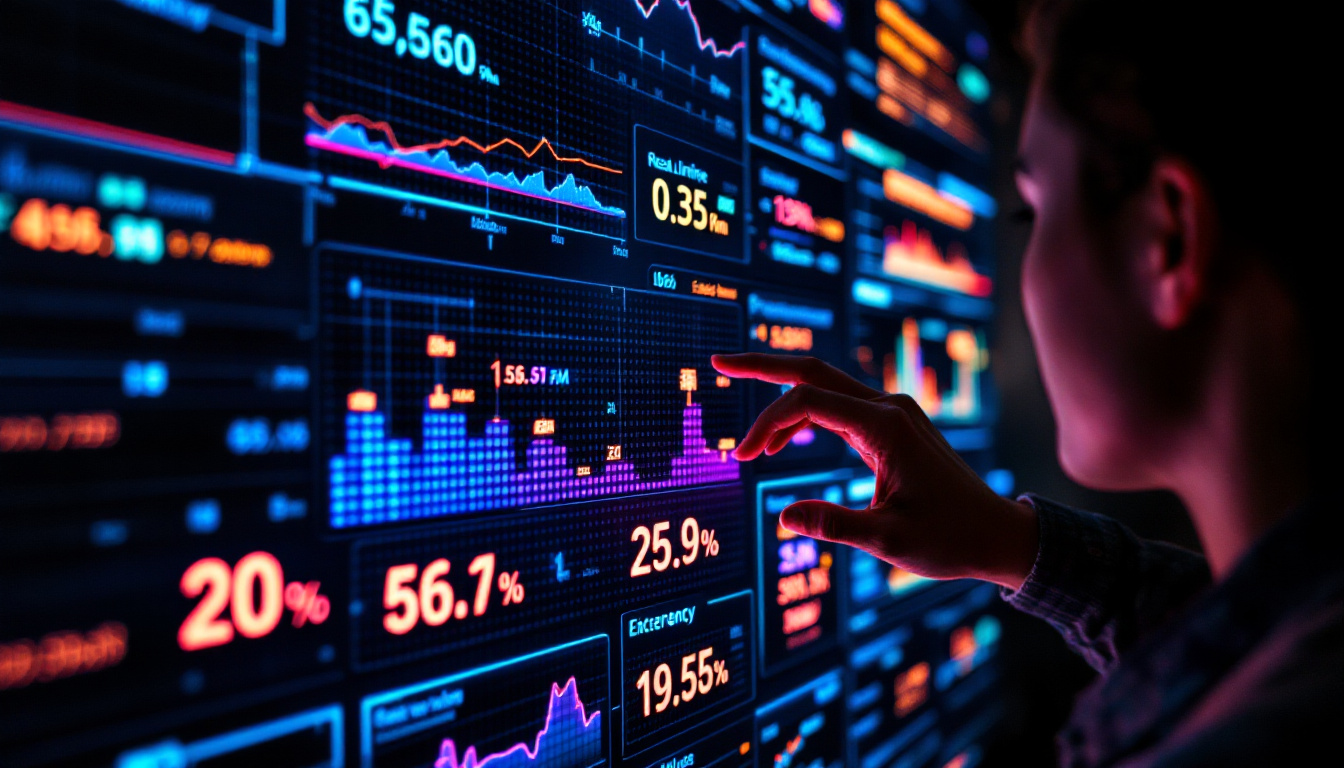
LED displays are increasingly integrated with IoT (Internet of Things) and AI-driven systems. This integration enables dynamic content adjustments based on audience demographics, environmental conditions, and real-time data analytics. Smart LED displays can optimize brightness, content relevance, and interactivity, enhancing user engagement and operational efficiency.
Flexible and Transparent Displays
Emerging developments in flexible and transparent LED displays are opening new frontiers in design and application. Flexible displays can be curved or bent without damage, suitable for wearable devices and innovative architectural installations. Transparent LED displays allow for see-through visuals on glass surfaces, blending digital content seamlessly with physical environments.
Conclusion
LED display technology stands at the forefront of visual communication, offering unmatched brightness, energy efficiency, and versatility. Its applications span advertising, entertainment, retail, transportation, and beyond, transforming how information and imagery are delivered. While challenges such as cost and environmental considerations exist, ongoing innovations like MicroLED and smart integration promise to enhance performance and expand possibilities. Understanding the fundamentals and future directions of LED displays equips businesses and consumers alike to harness this powerful technology effectively.
Discover the Future of Visual Communication with LumenMatrix
As you’ve seen, LED displays are reshaping the landscape of digital interaction and visual storytelling. If you’re ready to elevate your brand’s presence and captivate your audience with the most innovative LED display solutions, look no further than LumenMatrix. Specializing in a wide range of products from Indoor and Outdoor LED Wall Displays to Custom and All-in-One LED solutions, LumenMatrix is at the vanguard of this transformative technology. Experience the revolution in visual communication firsthand and check out LumenMatrix LED Display Solutions today to see how they can amplify your message with brilliance and precision.