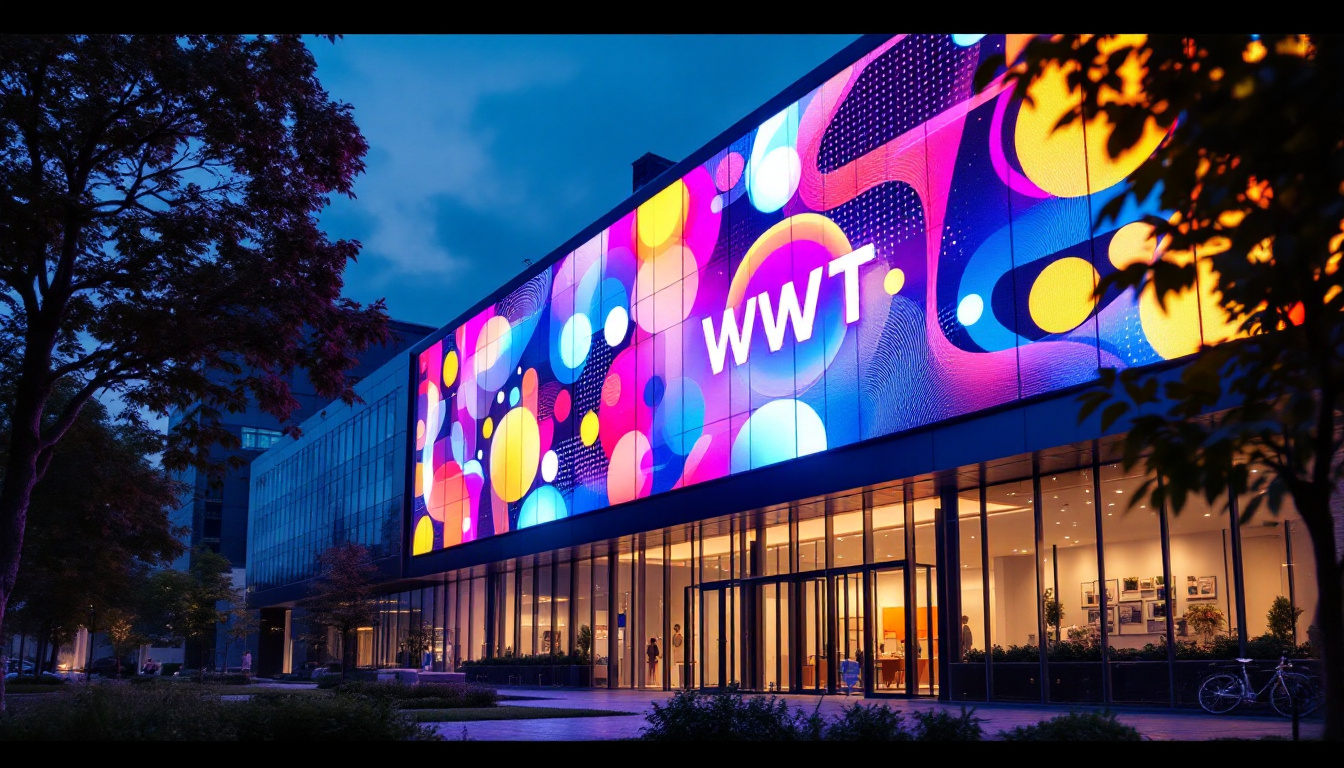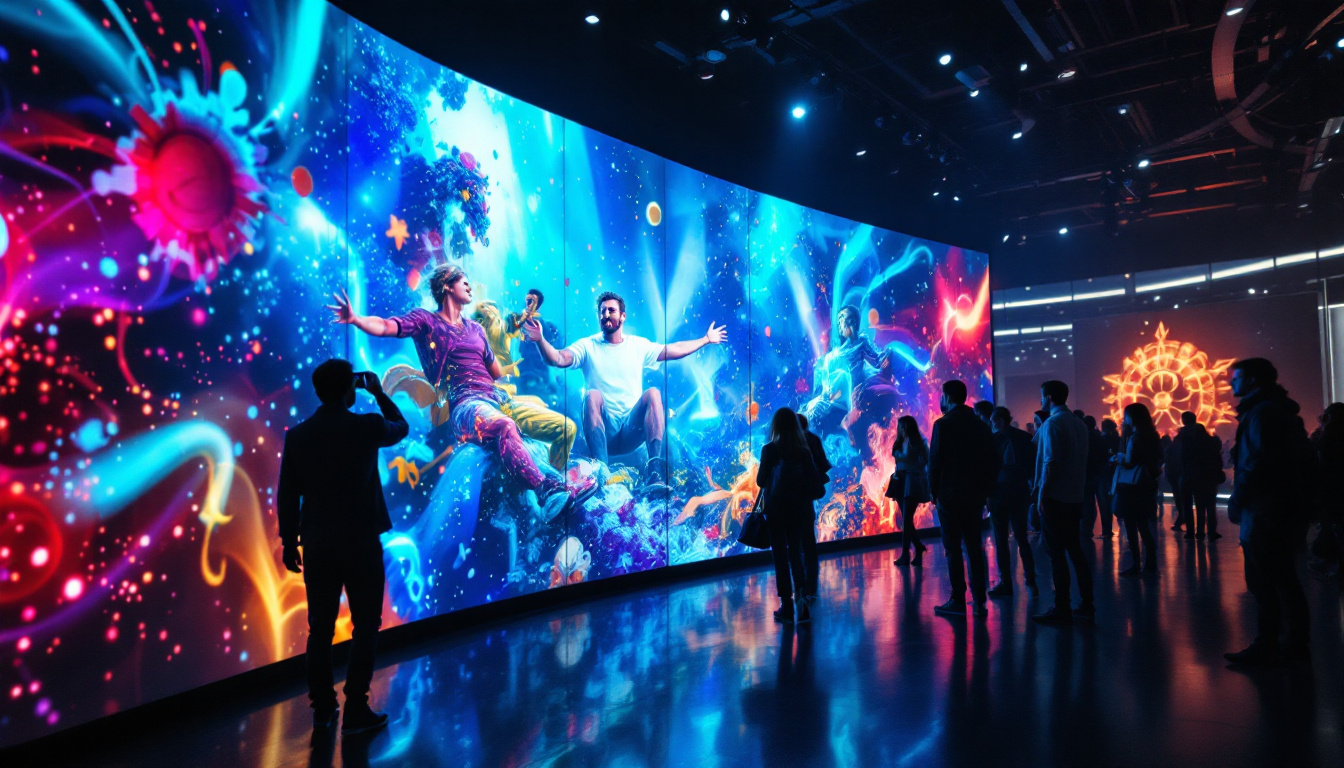
In today’s fast-paced digital world, visual communication plays a pivotal role in capturing attention and conveying messages effectively. Among the many technologies available, LED displays have emerged as a dominant force in the audio-visual industry. Matrix Audio Visual Designs Inc, a leader in this space, has been instrumental in advancing LED display technology to meet diverse commercial and entertainment needs. This article delves into the fundamentals of LED displays, explores their applications, and highlights how Matrix Audio Visual Designs Inc is shaping the future of visual technology.
Understanding LED Display Technology
What is an LED Display?
LED stands for Light Emitting Diode, a semiconductor device that emits light when an electric current passes through it. An LED display is essentially a screen made up of thousands to millions of these tiny LEDs arranged in a grid or matrix. Each LED acts as a pixel, and by controlling the brightness and color of each pixel, the display can produce images, videos, and text with remarkable clarity and vibrancy.
Unlike traditional LCD or plasma screens, LED displays use direct lighting from the diodes themselves, which results in higher brightness, better contrast ratios, and more energy-efficient operation. This makes LED displays particularly suitable for environments with high ambient light, such as outdoor advertising billboards or stadium screens. The technology has evolved significantly, allowing for thinner and lighter designs that can be easily integrated into various applications, from consumer electronics to large-scale public displays.
Moreover, the lifespan of LED displays is impressive, often exceeding 50,000 hours of use before significant brightness degradation occurs. This longevity, combined with lower energy consumption, makes LED displays not only a cost-effective choice in the long run but also an environmentally friendly option, as they reduce the need for frequent replacements and minimize waste.
Types of LED Displays
LED displays come in various forms, each tailored to specific use cases. The most common types include:
- Indoor LED Displays: Designed for controlled lighting environments, these displays have a higher pixel density for close viewing distances, making them ideal for conference rooms, retail stores, and indoor events. Their ability to deliver vibrant colors and sharp images enhances presentations and advertisements, capturing the attention of audiences effectively.
- Outdoor LED Displays: Built to withstand harsh weather conditions, these displays feature higher brightness levels (often exceeding 5,000 nits) to remain visible even in direct sunlight. They are widely used for billboards, sports arenas, and public information boards. The durability of outdoor LED displays is complemented by protective coatings that shield them from UV rays, rain, and dust, ensuring consistent performance in various climates.
- Transparent LED Displays: These innovative screens allow light to pass through, enabling them to be installed on glass surfaces without obstructing the view. This technology is gaining popularity in retail storefronts and architectural installations, as it merges digital advertising with the physical environment, creating a captivating experience for passersby.
- Flexible and Curved LED Displays: Utilizing flexible substrates, these displays can be bent or curved to fit unique architectural designs or create immersive viewing experiences. Their adaptability allows for creative installations that can transform spaces, such as wrapping around columns or creating dynamic shapes that engage viewers from multiple angles.
In addition to these types, advancements in LED technology have led to the development of high-definition (HD) and ultra-high-definition (UHD) displays, which offer even greater pixel densities and improved image quality. This is particularly beneficial for applications that require detailed visuals, such as digital signage in museums or high-end retail environments. As the demand for visually striking displays continues to grow, the LED display market is poised for further innovation, incorporating features like interactive touch capabilities and integration with augmented reality (AR) systems, enhancing user engagement and experience.
The Advantages of LED Displays in Modern AV Solutions
Superior Image Quality and Visibility
One of the most significant benefits of LED displays is their exceptional image quality. With the ability to produce deep blacks, vibrant colors, and high contrast ratios, LED screens provide a viewing experience that surpasses many other display technologies. Their high brightness levels ensure visibility even under direct sunlight, a critical factor for outdoor applications.
Matrix Audio Visual Designs Inc emphasizes the use of cutting-edge LED panels that offer pixel pitches as small as 0.9mm for indoor displays, delivering ultra-high-definition visuals that captivate audiences even at close range.
Energy Efficiency and Longevity
LED technology is inherently energy-efficient compared to traditional lighting and display technologies. LEDs consume less power and generate less heat, which translates to lower operating costs and reduced environmental impact. Additionally, LED displays have a longer lifespan—often exceeding 100,000 hours—minimizing maintenance and replacement expenses.
Matrix Audio Visual Designs Inc integrates energy-efficient components and intelligent control systems to optimize power consumption without compromising performance, aligning with sustainability goals that many businesses prioritize today.
Scalability and Customization
LED displays are highly modular, allowing for scalable solutions that can be customized to fit virtually any space or application. Whether it’s a massive outdoor billboard spanning several meters or a compact indoor display for a retail kiosk, LED technology can be tailored to meet specific size, resolution, and shape requirements.
Matrix Audio Visual Designs Inc offers bespoke LED display solutions, working closely with clients to design and fabricate displays that integrate seamlessly with architectural elements and branding strategies.
Applications of LED Displays by Matrix Audio Visual Designs Inc
Advertising and Digital Signage
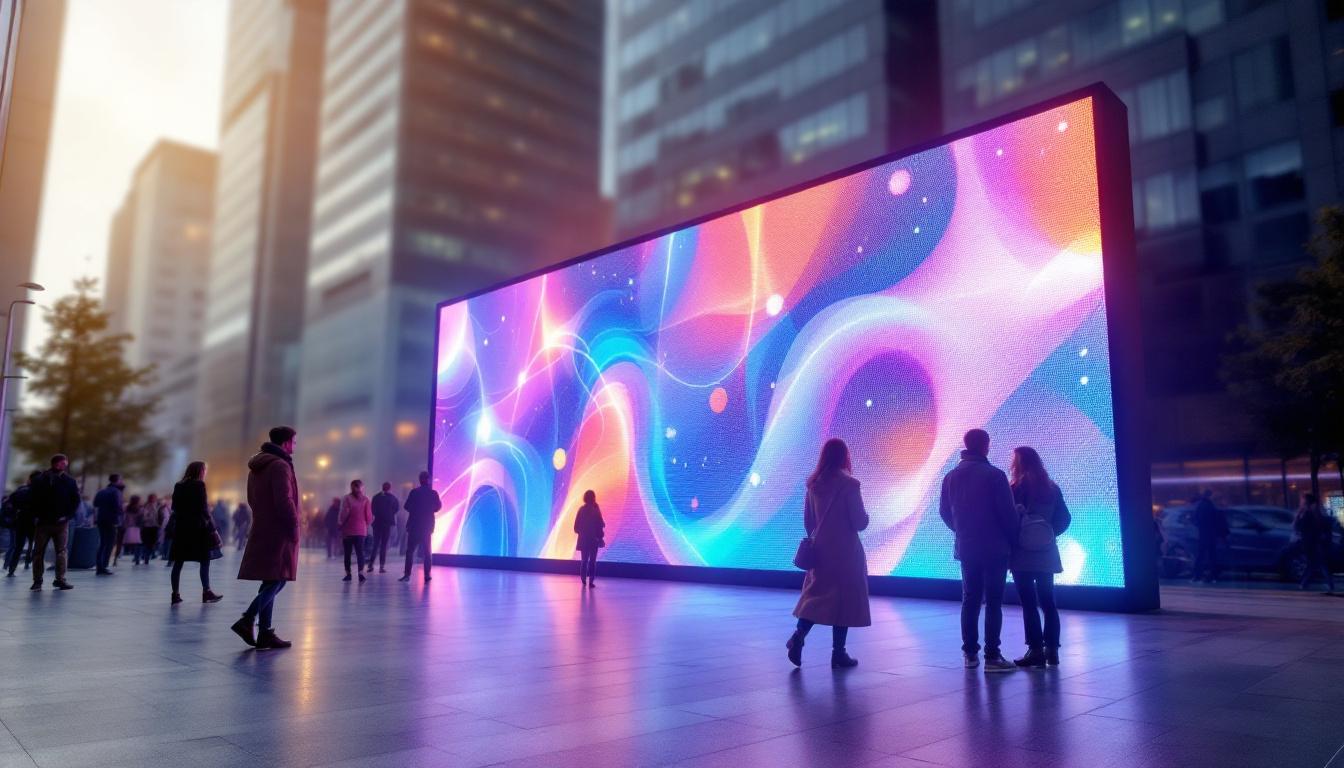
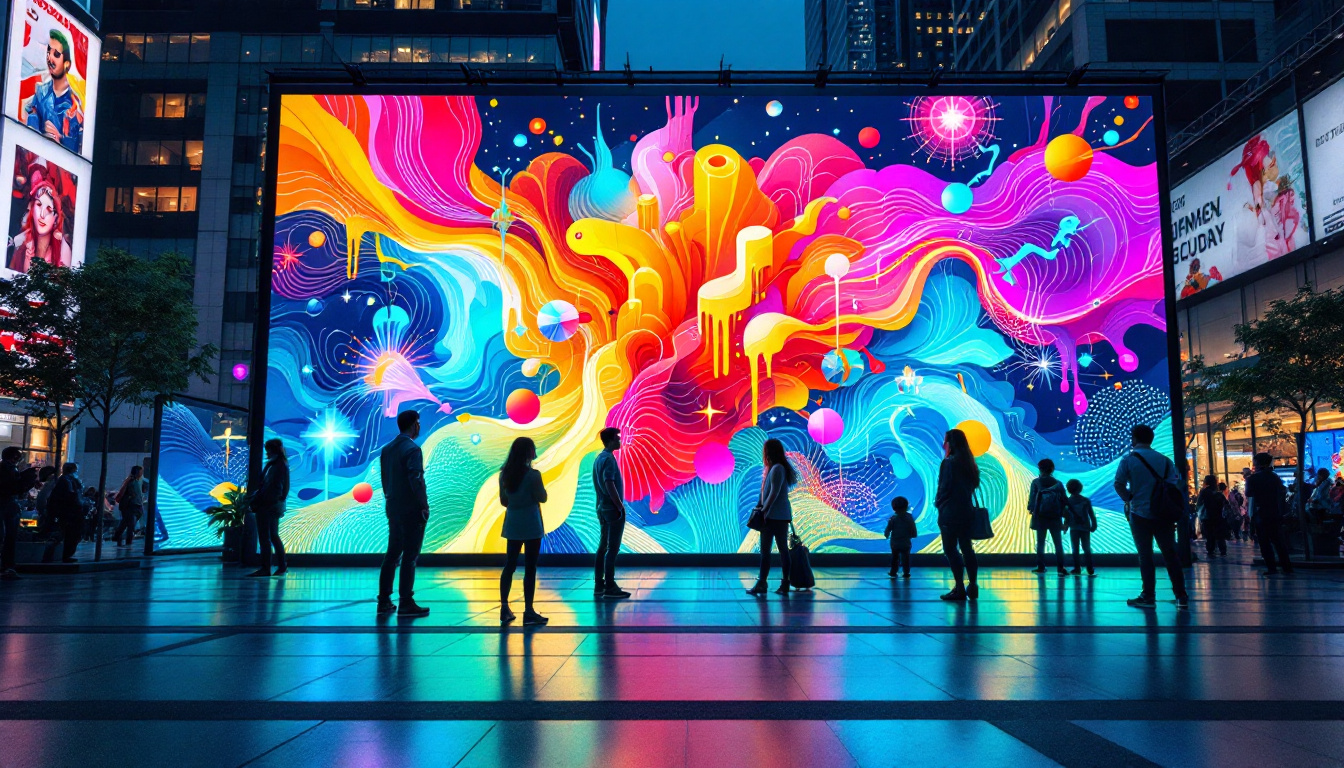
In the advertising sector, LED displays have revolutionized how brands engage with consumers. Their dynamic content capabilities allow for real-time updates, interactive features, and eye-catching visuals that static billboards cannot match. LED digital signage is proven to increase brand recall and customer engagement significantly.
Matrix Audio Visual Designs Inc has installed numerous high-profile digital signage projects across urban centers, shopping malls, and transportation hubs, leveraging LED technology to deliver impactful marketing campaigns that adapt to changing audience demographics and time-sensitive promotions.
Entertainment and Event Production
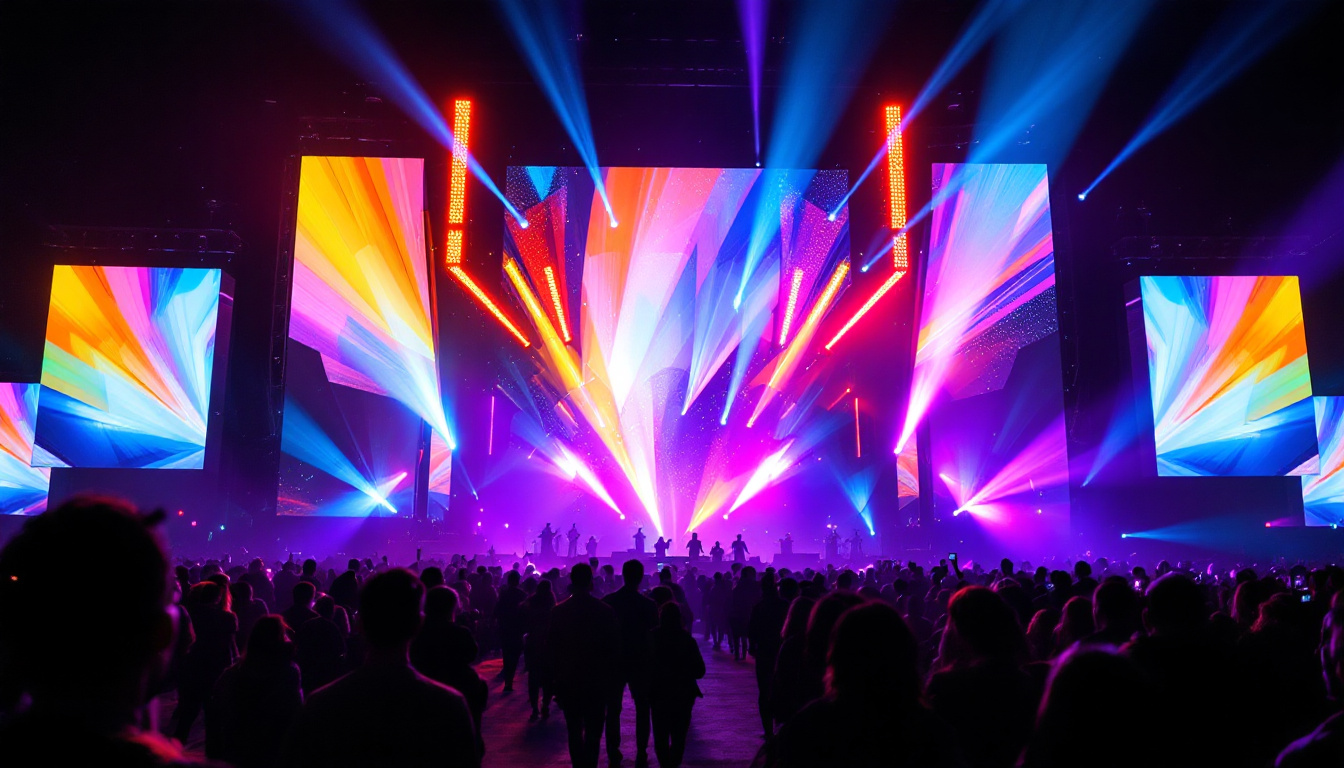
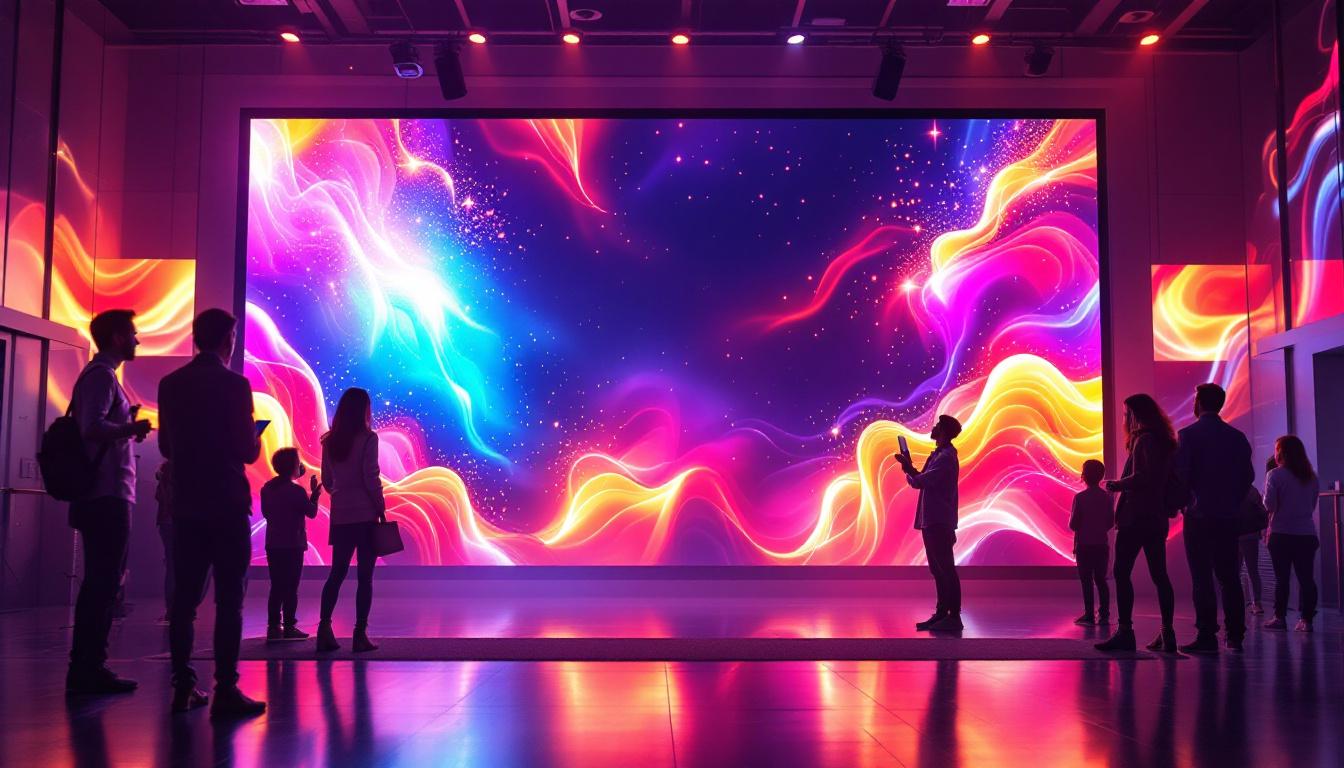
LED displays are indispensable in the entertainment industry, providing large-scale backdrops for concerts, festivals, and theatrical productions. Their lightweight and modular design facilitate quick assembly and disassembly, essential for touring events.
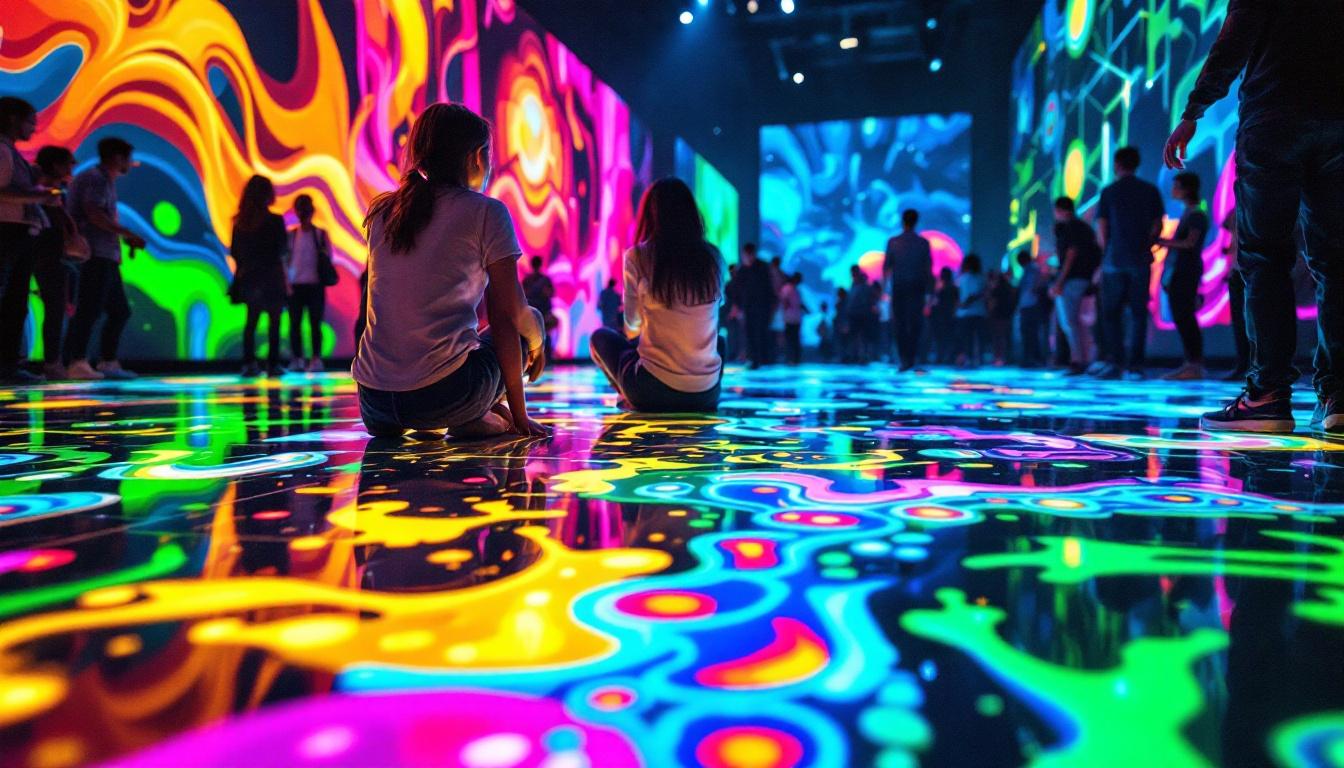
Matrix Audio Visual Designs Inc specializes in creating immersive visual environments using LED walls and floors, enhancing audience experiences with synchronized video content, live feeds, and interactive elements. Their expertise ensures flawless performance even under demanding conditions.
Corporate and Educational Environments
Corporate boardrooms, auditoriums, and educational institutions increasingly rely on LED displays for presentations, video conferencing, and digital collaboration. The clarity and brightness of LED screens improve communication effectiveness and audience engagement.
Matrix Audio Visual Designs Inc provides tailored LED solutions for corporate and educational clients, integrating displays with advanced AV control systems and networked content management platforms to streamline operations and maximize utility.
Technical Considerations When Choosing LED Displays
Pixel Pitch and Resolution
Pixel pitch—the distance between the centers of two adjacent pixels—is a critical factor that influences display resolution and viewing distance. Smaller pixel pitches yield higher resolution and are suitable for close-range viewing, while larger pitches are acceptable for displays viewed from afar.
Matrix Audio Visual Designs Inc advises clients on selecting the optimal pixel pitch based on the intended application, ensuring that content appears sharp and legible without unnecessary cost escalation.
Brightness and Contrast Ratios
Brightness, measured in nits, determines how well the LED display performs under various lighting conditions. Outdoor displays require higher brightness levels to combat sunlight glare, whereas indoor displays can operate effectively at lower brightness levels, conserving energy.
Contrast ratio—the difference between the brightest white and darkest black—affects image depth and realism. Matrix Audio Visual Designs Inc utilizes LED panels with advanced contrast capabilities to deliver vibrant and immersive visuals.
Durability and Weather Resistance
For outdoor installations, durability against environmental factors such as rain, dust, temperature fluctuations, and UV exposure is paramount. LED displays must meet stringent IP (Ingress Protection) ratings to ensure reliable operation.
Matrix Audio Visual Designs Inc employs rigorous testing and high-quality materials to guarantee that their outdoor LED displays maintain performance and appearance over time, even in challenging climates.
Future Trends in LED Display Technology
Mini-LED and Micro-LED Innovations
Emerging technologies like Mini-LED and Micro-LED promise even greater improvements in image quality, energy efficiency, and design flexibility. These smaller LEDs enable higher pixel densities and thinner display profiles, opening new possibilities for ultra-high-definition screens.
Matrix Audio Visual Designs Inc stays at the forefront of these advancements, exploring integration opportunities to offer clients cutting-edge solutions that anticipate future market demands.
Integration with Smart Technologies
The convergence of LED displays with IoT (Internet of Things) and AI-driven content management systems is transforming how visual communication is managed. Smart LED displays can adapt content dynamically based on audience analytics, environmental conditions, and real-time data feeds.
Matrix Audio Visual Designs Inc is developing intelligent display systems that enhance interactivity and personalization, providing clients with tools to maximize engagement and operational efficiency.
Conclusion
LED displays have become a cornerstone of modern audio-visual design, offering unmatched versatility, quality, and efficiency. Matrix Audio Visual Designs Inc has established itself as a trusted partner in this evolving landscape, delivering innovative LED display solutions that meet the complex needs of diverse industries.
Whether for advertising, entertainment, corporate communication, or education, understanding the technology behind LED displays and the expertise required to implement them is crucial for maximizing their impact. As LED technology continues to advance, companies like Matrix Audio Visual Designs Inc will remain essential in guiding clients through the opportunities and challenges of this dynamic field.
Discover LumenMatrix’s Innovative LED Display Solutions
As you explore the vast potential of LED displays, consider LumenMatrix as your partner in revolutionizing visual communication. With a commitment to excellence and innovation, LumenMatrix offers a comprehensive range of LED display solutions, from Indoor and Outdoor LED Wall Displays to specialized options like Vehicle, Sports, and Floor LED Displays. Embrace the future with Custom, All-in-One, and Transparent LED Displays that promise to elevate your brand’s presence and captivate your audience. Experience the transformative power of cutting-edge technology with LumenMatrix. Check out LumenMatrix LED Display Solutions and let your message shine with clarity and impact.