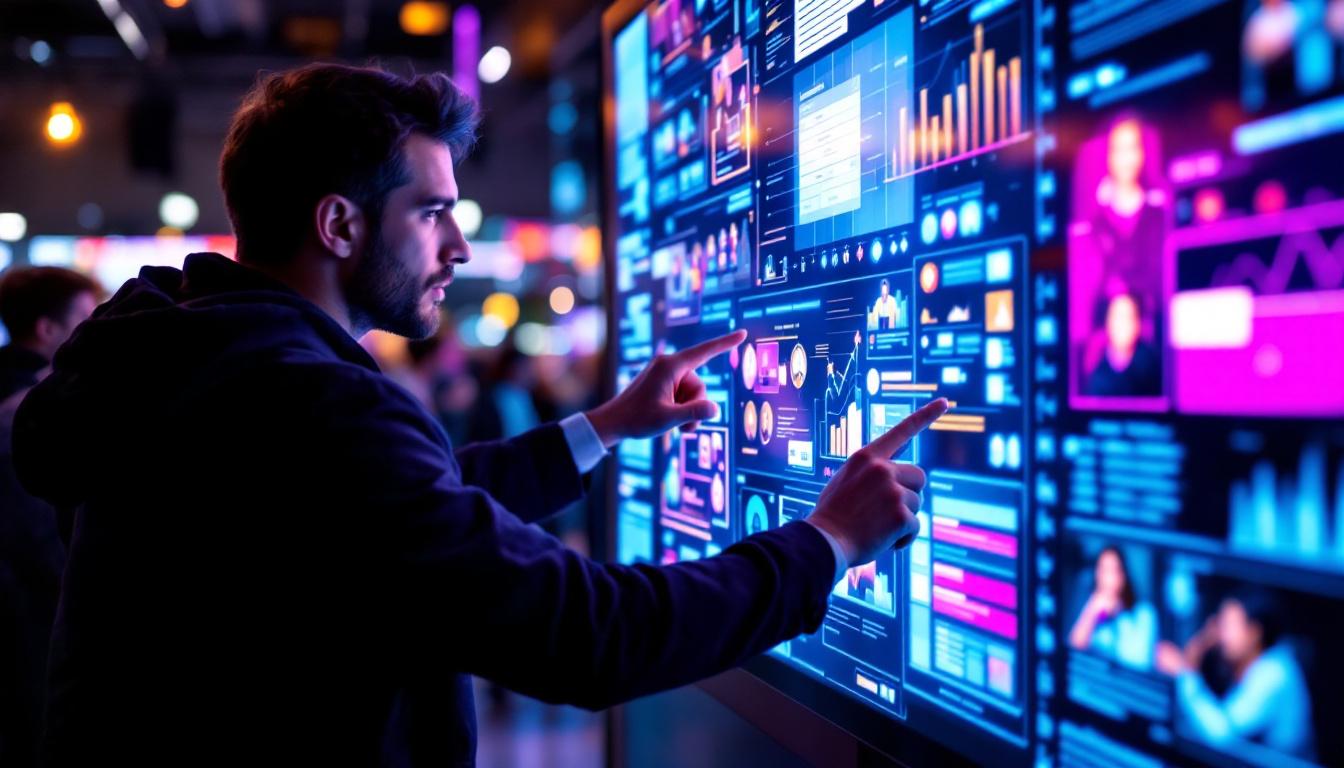
In today’s fast-evolving digital landscape, large touch screen displays have become a cornerstone of interactive communication, advertising, and information sharing. Among the various technologies powering these displays, LED (Light Emitting Diode) technology stands out for its brightness, durability, and versatility. This article delves into the intricacies of LED displays, explaining how they work, their advantages, and their applications in large touch screen formats.
Understanding LED Technology in Large Displays
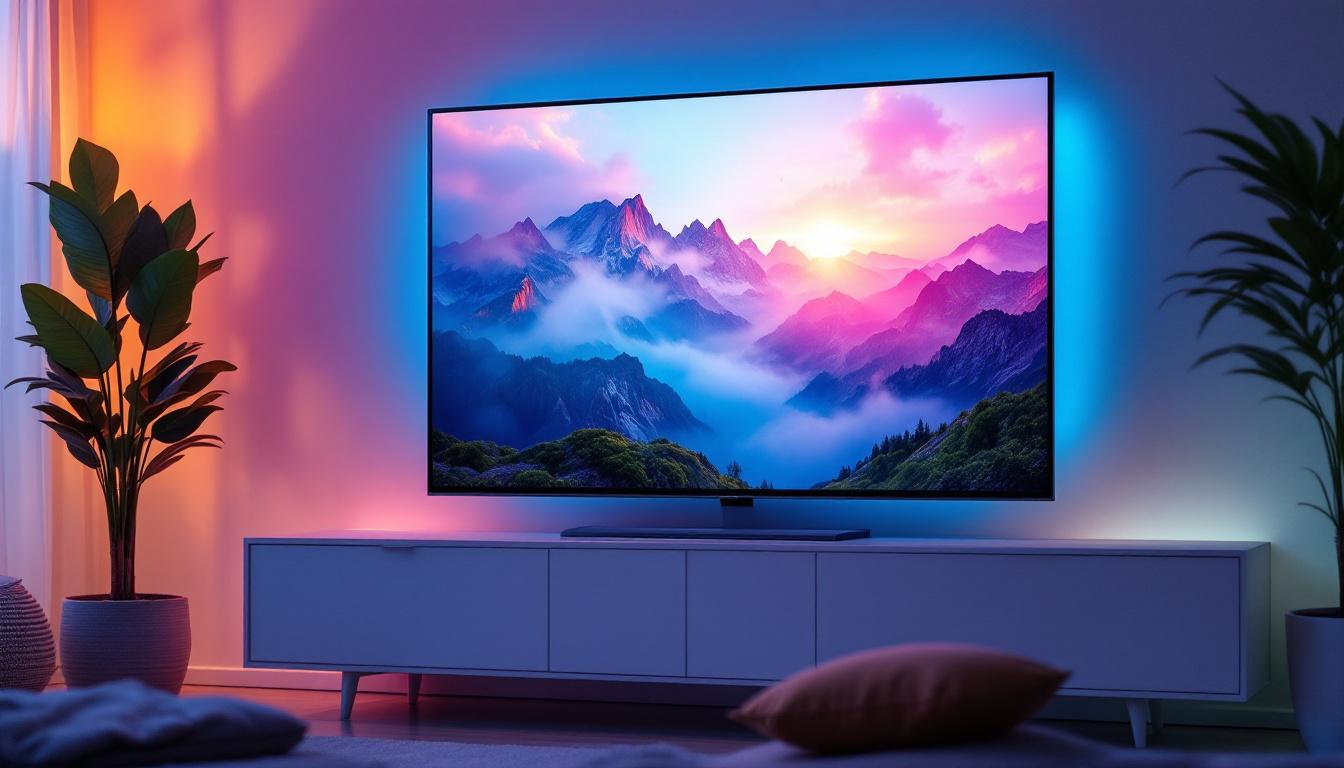
LED technology has revolutionized the way large displays function, especially in environments requiring high visibility and interactivity. At its core, an LED display consists of an array of tiny light-emitting diodes that produce images by varying their brightness and color.
How LED Displays Work
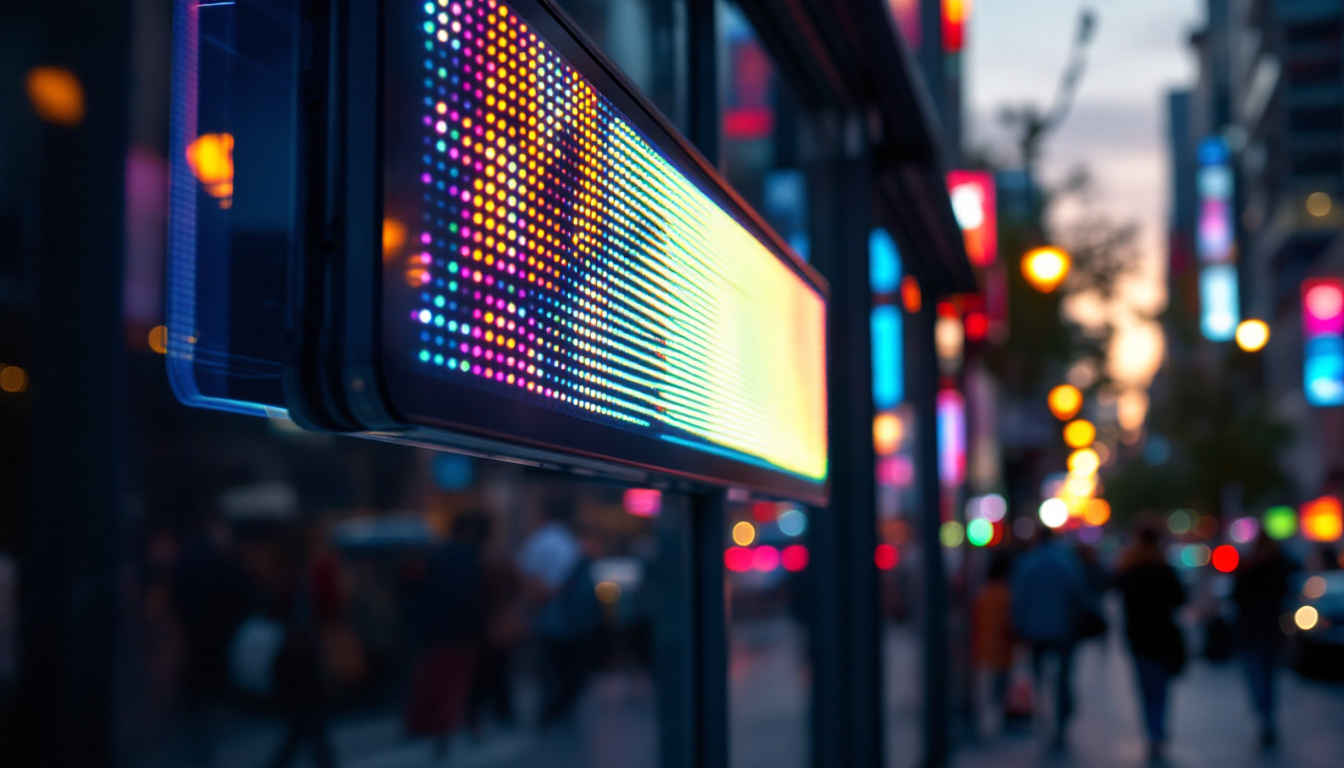
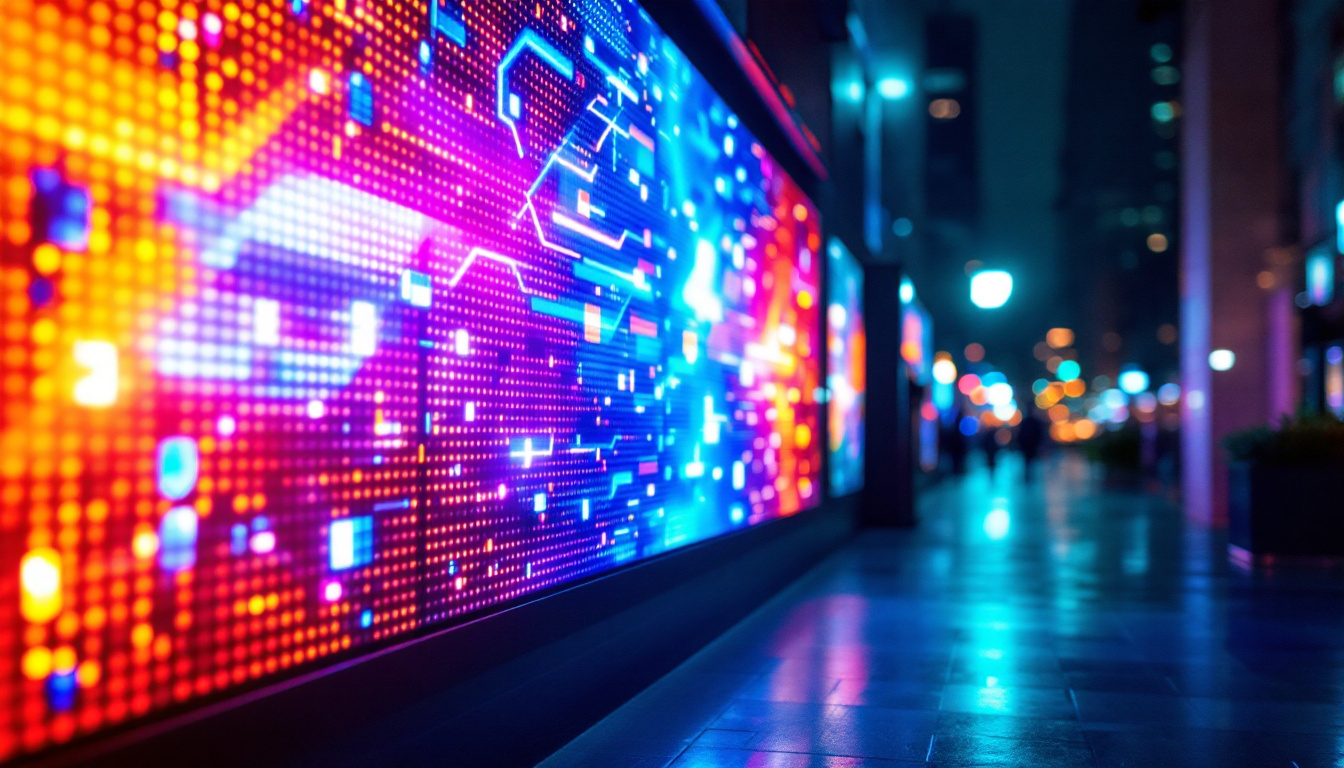
Each LED in the display acts as a pixel or part of a pixel, emitting light when an electric current passes through it. By controlling the intensity and color of each LED, the display can render images, videos, and text with remarkable clarity. Unlike traditional LCDs, which rely on backlighting, LEDs emit their own light, resulting in better contrast and energy efficiency.
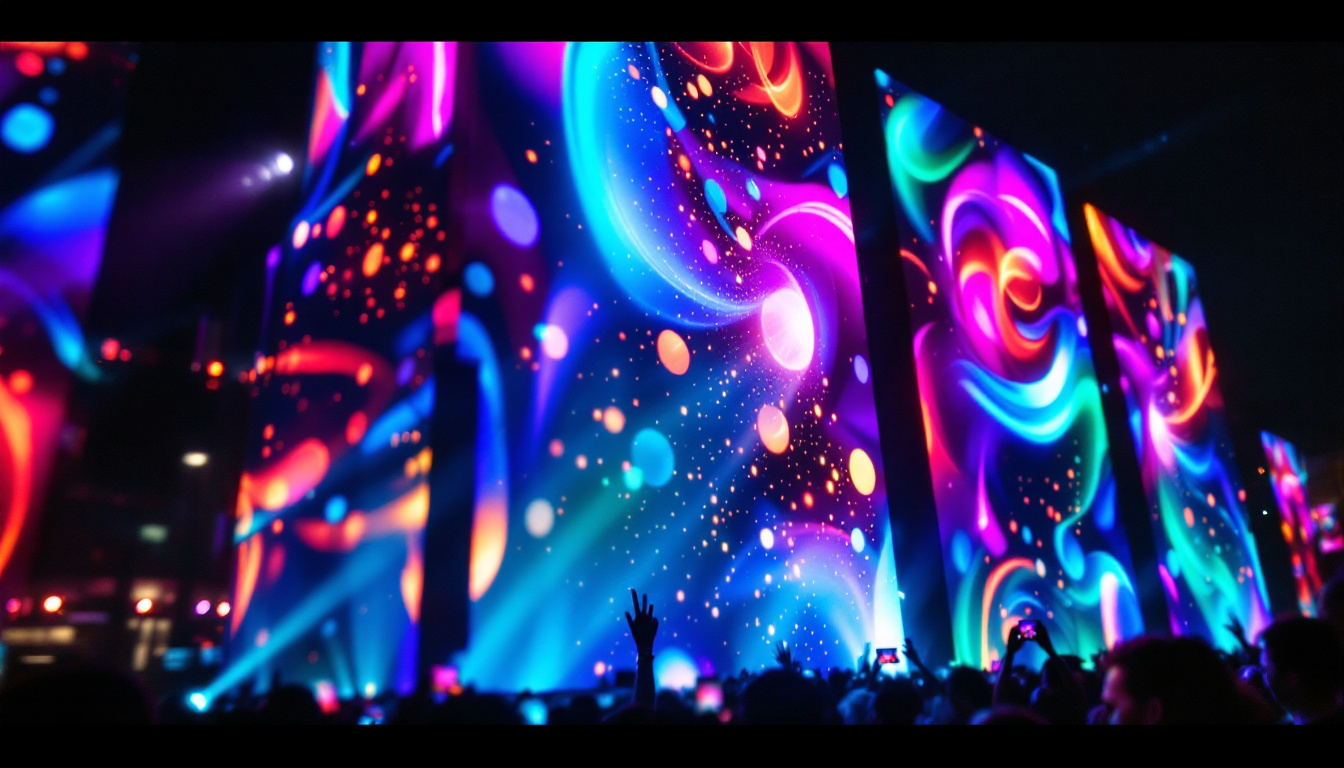
Large LED displays are typically composed of modular panels that can be assembled to create screens of virtually any size. This modularity allows for scalability and easy maintenance, as individual panels can be replaced without dismantling the entire display. Additionally, the lightweight nature of LED panels makes them easier to install and reposition, which is particularly beneficial in dynamic environments such as concert venues or sports arenas where configurations may change frequently.
Types of LED Displays
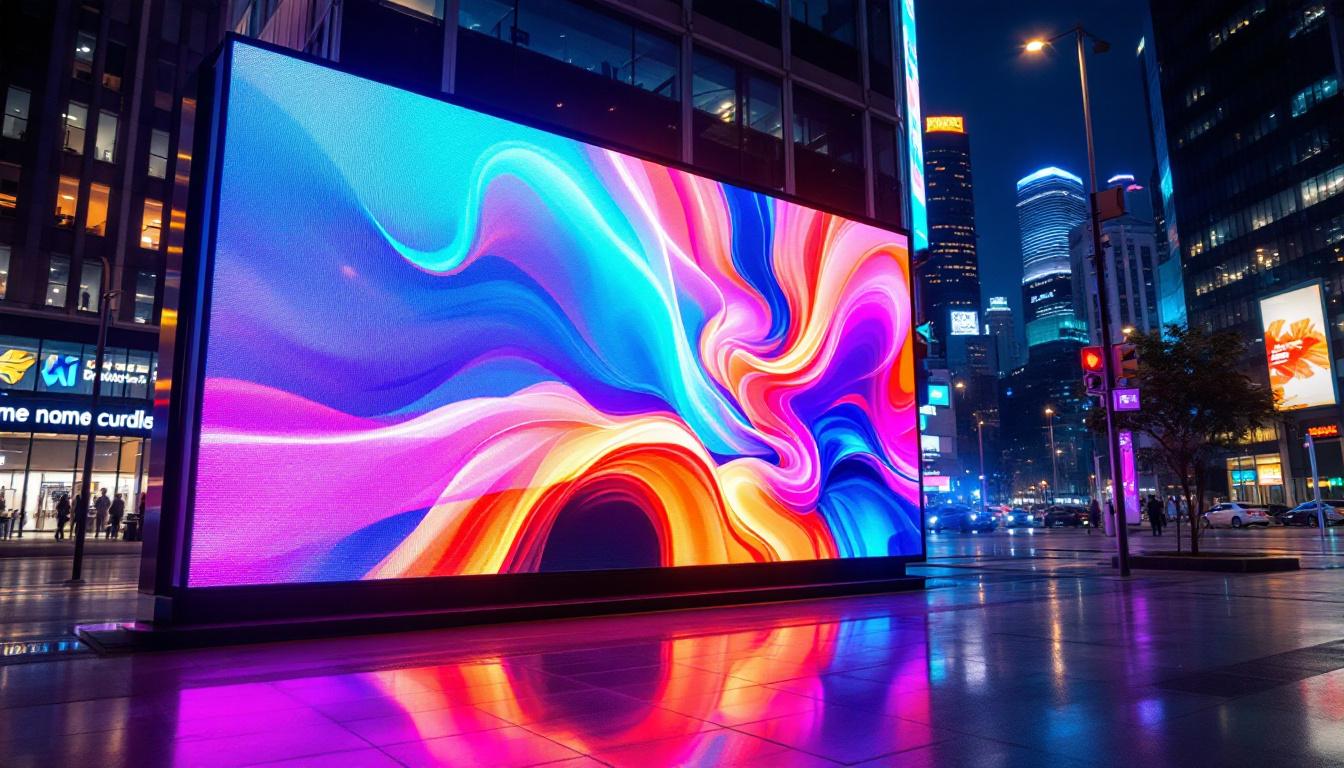
There are primarily two types of LED displays used in large touch screen applications: direct-view LED and LED-backlit LCD displays. Direct-view LED displays use LEDs as the actual pixels, providing superior brightness and contrast, making them ideal for outdoor and large venue use. LED-backlit LCDs, on the other hand, use LEDs to illuminate an LCD panel and are more common in smaller or indoor displays.
For large interactive touch screens, direct-view LED displays are preferred due to their vivid image quality and durability under various lighting conditions. Furthermore, advancements in LED technology have led to the development of fine-pitch displays, which feature smaller pixel pitches for higher resolution and closer viewing distances. This has expanded the applications of LED displays into areas such as retail environments, where captivating visuals can enhance customer engagement, and corporate settings, where presentations benefit from high-definition clarity. As technology continues to evolve, the integration of smart features, such as connectivity options and interactive capabilities, further enhances the versatility of LED displays, making them an essential tool in modern visual communication.
Advantages of LED Displays for Large Touch Screens
When choosing a display technology for large touch screens, several factors come into play: visibility, responsiveness, durability, and cost-effectiveness. LED displays excel in many of these areas, making them a popular choice across industries.
Superior Brightness and Visibility
One of the standout features of LED displays is their exceptional brightness. Modern LED panels can achieve brightness levels exceeding 1,500 nits, which is significantly higher than typical LCD screens. This makes LED displays highly visible even under direct sunlight, an essential feature for outdoor kiosks, digital signage, and public information systems.
Moreover, LEDs provide a wide viewing angle, ensuring that content remains clear and vibrant from different perspectives. This characteristic is crucial in environments like stadiums, airports, and retail spaces where audiences view the screen from various positions.
Durability and Longevity
LED displays are known for their robustness. The diodes themselves have long lifespans, often rated between 50,000 to 100,000 hours of operation. Additionally, LED panels are resistant to shock, vibration, and temperature fluctuations, making them suitable for both indoor and outdoor installations.
Many LED displays also come with weatherproof ratings such as IP65 or higher, which protect against dust and water ingress. This durability reduces maintenance costs and downtime, providing a reliable solution for continuous use.
Energy Efficiency and Cost Savings
Compared to traditional lighting and display technologies, LEDs consume significantly less power. This energy efficiency translates into lower operational costs, especially important for large-scale installations that run for extended hours daily.
Furthermore, the modular design of LED displays allows for targeted repairs and upgrades, reducing the need for complete replacements and further contributing to cost-effectiveness over time.
Enhanced Interactivity and Responsiveness
Large touch screen LED displays integrate advanced touch technologies such as infrared, capacitive, and optical touch systems. These technologies enable multi-touch capabilities, allowing multiple users to interact with the screen simultaneously.
The responsiveness of LED touch screens is critical in applications like interactive kiosks, educational tools, and collaborative workspaces. The combination of vivid visuals and smooth touch response enhances user engagement and experience.
Applications of Large Touch Screen LED Displays
The versatility of LED displays has led to their adoption across a wide range of sectors. Their ability to deliver bright, clear images combined with interactive capabilities makes them ideal for many use cases.
Retail and Advertising
In retail environments, large LED touch screens serve as dynamic digital signage, attracting customers with vibrant advertisements and interactive product information. According to a 2023 report by Grand View Research, the global digital signage market is expected to reach $31.71 billion by 2028, driven largely by LED technology advancements.
Interactive LED displays allow shoppers to explore product catalogs, check availability, and even customize products in real-time. This level of engagement increases customer satisfaction and can boost sales conversion rates.
Education and Training
Educational institutions are increasingly adopting large LED touch screens to facilitate interactive learning. These displays support multimedia presentations, virtual simulations, and collaborative projects, making lessons more engaging and effective.
In corporate training, LED touch screens enable immersive sessions where participants can interact with content directly, fostering better knowledge retention and teamwork.
Transportation and Public Spaces
Airports, train stations, and bus terminals utilize large LED touch screens for wayfinding, ticketing, and real-time information dissemination. The high brightness and durability of LED displays ensure that information remains visible and accessible in diverse lighting and weather conditions.
Interactive kiosks powered by LED touch screens also improve passenger experience by reducing wait times and providing personalized assistance.
Entertainment and Events
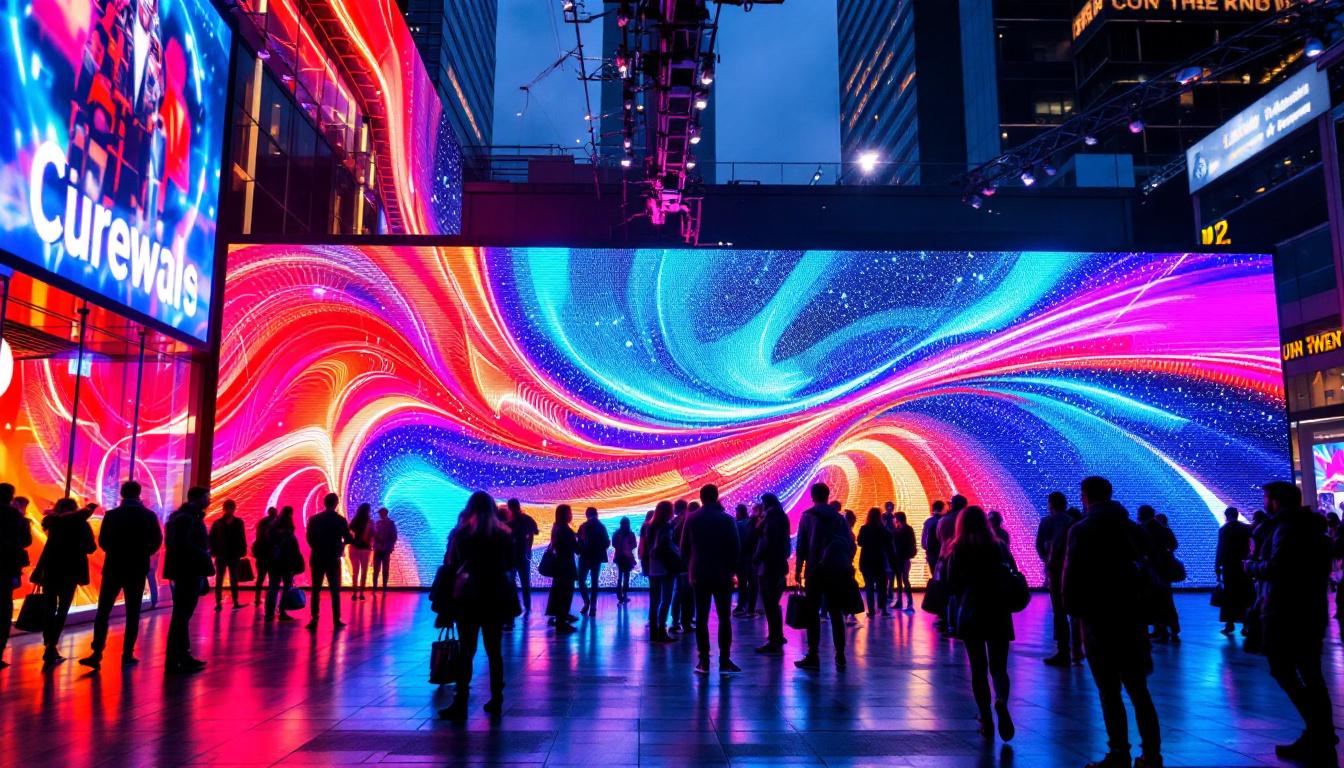
Concerts, sports arenas, and exhibitions frequently employ large LED displays to enhance audience experience. These screens deliver high-resolution visuals and interactive content that can be controlled live, creating immersive environments.
Touch-enabled LED walls allow event organizers to engage attendees with interactive maps, schedules, and social media feeds, adding a layer of connectivity and excitement.
Key Considerations When Choosing Large Touch Screen LED Displays
Selecting the right LED display for a large touch screen application requires careful consideration of several factors to ensure optimal performance and user satisfaction.
Resolution and Pixel Pitch
Resolution defines the clarity of the displayed content, while pixel pitch refers to the distance between individual LEDs. A smaller pixel pitch results in higher resolution and finer image detail, which is crucial for displays viewed up close.
For example, a pixel pitch of 1.2mm to 2.5mm is common for indoor touch screen displays, providing crisp images for interactive use. Outdoor displays typically have larger pixel pitches (4mm to 10mm) to balance visibility and cost for distant viewing.
Touch Technology Compatibility
Ensuring the LED display supports the desired touch technology is essential. Capacitive touch offers high accuracy and multi-touch support but may be more expensive. Infrared touch is durable and works with various input types but can be less precise.
Compatibility with software platforms and integration with existing systems should also be evaluated to maximize the display’s functionality.
Environmental Considerations
For outdoor installations, factors such as weather resistance, temperature tolerance, and anti-glare coatings are critical. LED displays with high IP ratings and robust enclosures can withstand harsh conditions, extending their lifespan.
Indoor environments may require considerations around ambient lighting and mounting options to optimize visibility and user interaction.
Budget and Total Cost of Ownership
While LED displays may have higher upfront costs compared to other technologies, their longevity and energy efficiency often result in lower total cost of ownership. It is important to factor in installation, maintenance, and potential upgrade expenses when budgeting.
The Future of Large Touch Screen LED Displays
Advancements in LED technology continue to push the boundaries of what large touch screen displays can achieve. Emerging trends include microLEDs, which promise even higher brightness and energy efficiency with finer pixel control.
MicroLED and Beyond
MicroLED technology involves microscopic LEDs that can deliver superior color accuracy and contrast with lower power consumption. This innovation is expected to enhance the quality and scalability of large interactive displays, making them thinner and more flexible.
Integration with AI and IoT
Future LED touch screens are likely to incorporate artificial intelligence and Internet of Things (IoT) capabilities, enabling smarter interactivity. For instance, AI-powered displays can personalize content based on user behavior or environmental conditions, while IoT integration allows seamless connectivity with other devices and systems.
Sustainability and Eco-Friendly Design
As sustainability becomes a priority, manufacturers are focusing on eco-friendly materials and energy-saving designs for LED displays. Recyclable components and reduced power consumption contribute to greener digital signage solutions.
Conclusion
Large touch screen LED displays represent a powerful fusion of visual excellence and interactive technology. Their superior brightness, durability, and responsiveness make them ideal for a broad spectrum of applications, from retail and education to transportation and entertainment.
Understanding the technical aspects, advantages, and practical considerations of LED displays empowers businesses and organizations to make informed decisions. As LED technology continues to evolve, these displays will play an increasingly vital role in shaping the future of digital interaction and communication.
Discover LumenMatrix’s Advanced LED Display Solutions
Ready to elevate your space with the latest in LED display technology? LumenMatrix offers a comprehensive range of innovative LED solutions tailored to meet your needs. From stunning Indoor and Outdoor LED Wall Displays to versatile Vehicle and Sports LED Displays, our products are designed to captivate and engage. Experience the future of visual communication with our All-in-One and Custom LED Displays, and see your message come to life with unparalleled clarity. Don’t miss the opportunity to transform your business with LumenMatrix’s cutting-edge technology. Check out LumenMatrix LED Display Solutions today and join the visual revolution.