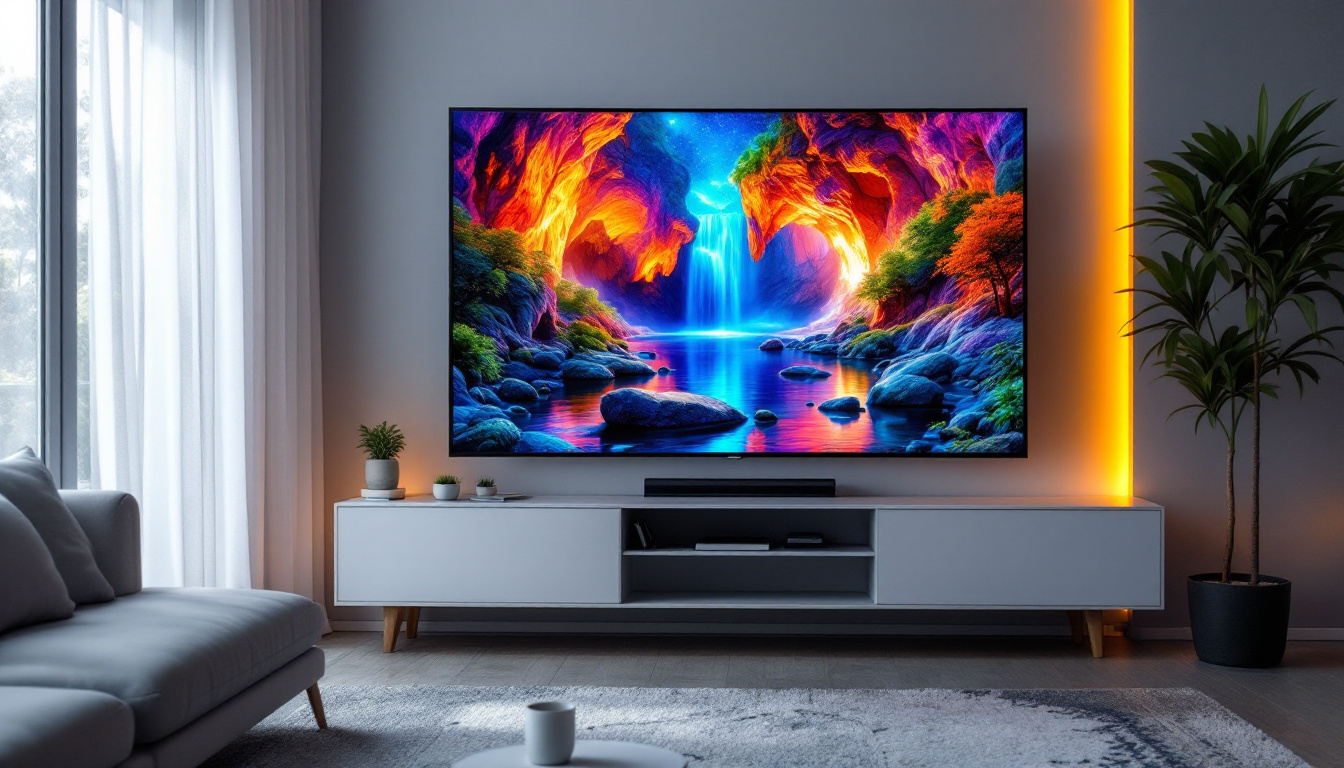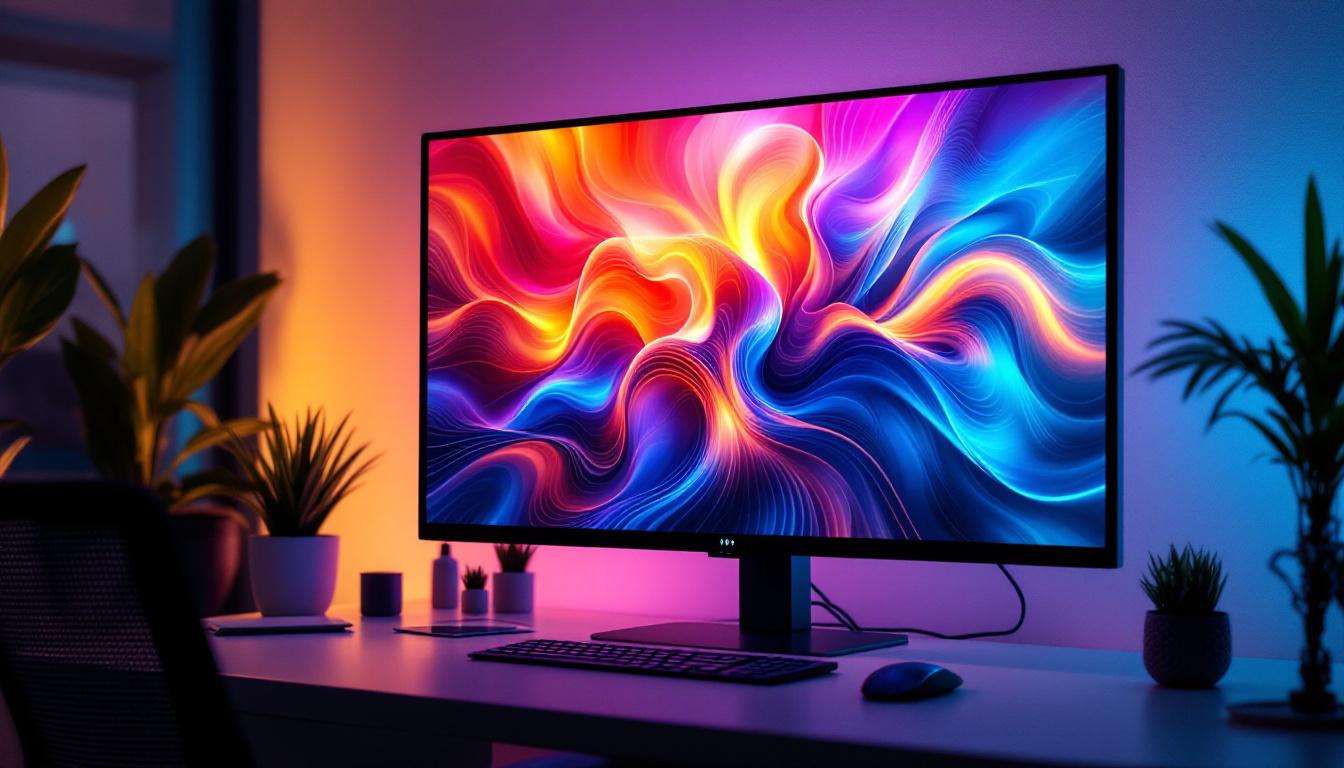
In today’s world of home entertainment, flat panel TVs have become the centerpiece of many living rooms, bedrooms, and offices. Among the various types of flat panel displays, LED TVs stand out for their vibrant colors, energy efficiency, and sleek designs. This article delves into the technology behind 24-inch flat panel LED TVs, explaining how they work, their advantages, and what to consider when choosing one.
Understanding LED Display Technology
What Does LED Mean?
LED stands for Light Emitting Diode, a semiconductor device that emits light when an electric current passes through it. In the context of TVs, LED refers to the type of backlighting used to illuminate the screen. Unlike older LCD TVs that use cold cathode fluorescent lamps (CCFLs) for backlighting, LED TVs use arrays of LEDs, which offer better brightness, contrast, and energy efficiency. This advancement in technology has revolutionized the viewing experience, allowing for deeper blacks and more vibrant colors, which are essential for enjoying high-definition content.
How LED Displays Work in Flat Panel TVs
Flat panel TVs primarily use Liquid Crystal Display (LCD) technology to create images. However, these LCD panels require a light source behind them to make the pictures visible. This is where LEDs come in. The LEDs act as backlights behind or around the edges of the LCD panel, shining light through liquid crystals that modulate the light to form images. The precision with which these LEDs can be controlled allows for dynamic range adjustments, enhancing the overall picture quality significantly.
There are two main types of LED backlighting used in 24-inch flat panel TVs:
- Edge-lit LED: LEDs are placed along the edges of the screen, and light is distributed across the panel using light guides. This allows for thinner TV designs but can sometimes cause uneven brightness. Despite this limitation, edge-lit technology is popular for its sleek design and lower manufacturing costs, making it a common choice for budget-friendly models.
- Direct-lit or Full-array LED: LEDs are placed directly behind the screen in a grid pattern, providing more uniform brightness and better contrast, especially when combined with local dimming technology. This method allows for precise control over individual zones of brightness, which enhances the viewing experience during scenes with high contrast, such as dark movies or bright sports events.
In addition to these backlighting methods, advancements in LED technology have led to the emergence of OLED (Organic Light Emitting Diode) displays, which offer even greater contrast ratios and color accuracy by allowing each pixel to emit its own light. While OLED displays are typically more expensive, they are increasingly becoming a popular choice among enthusiasts who prioritize picture quality. Furthermore, the integration of HDR (High Dynamic Range) capabilities in many LED and OLED TVs has further enhanced the viewing experience, allowing for a wider range of colors and brightness levels that closely mimic real-life scenes.
Why Choose a 24-Inch LED Flat Panel TV?
Ideal Size for Various Spaces
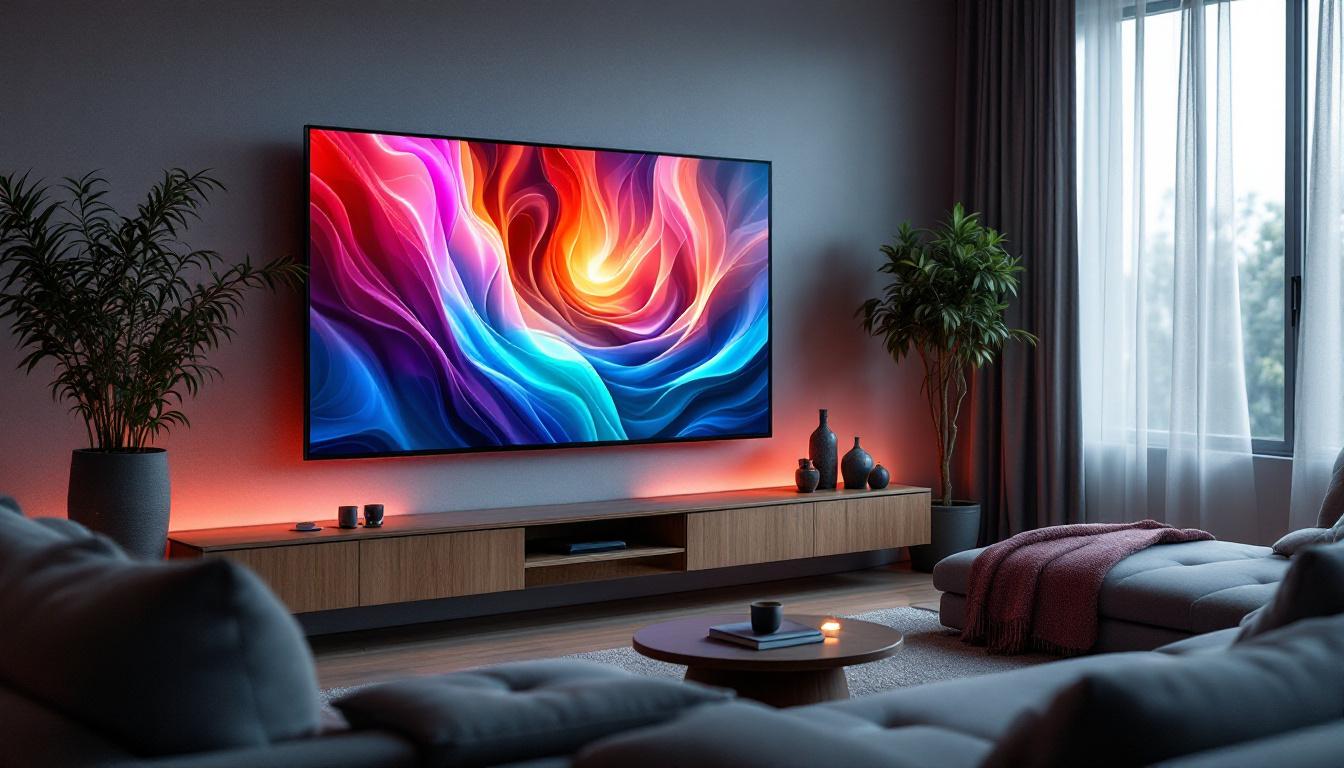
The 24-inch screen size strikes a balance between compactness and viewing comfort. It is perfect for smaller rooms such as bedrooms, kitchens, or offices where space is limited but a quality viewing experience is desired. Its size also makes it a popular choice for secondary TVs in homes or for use in dorm rooms and apartments. Furthermore, the lightweight design of these TVs allows for easy mounting on walls or placement on shelves, making them versatile for any room layout. Whether you’re watching your favorite show while cooking or catching up on the news in your home office, a 24-inch TV can fit seamlessly into your daily routine.
Energy Efficiency and Environmental Impact
LED TVs are known for their energy efficiency compared to older plasma or CCFL-backlit LCD TVs. A 24-inch LED TV typically consumes between 15 to 30 watts of power, depending on the model and brightness settings. This lower power consumption not only reduces electricity bills but also lessens the environmental footprint, making LED TVs a more sustainable choice. Additionally, many manufacturers are now focusing on eco-friendly production methods and recyclable materials, further enhancing the green credentials of these devices. By choosing a 24-inch LED TV, consumers can enjoy their favorite entertainment while contributing to a healthier planet.
Affordability and Accessibility
Smaller LED TVs, including 24-inch models, are generally more affordable than their larger counterparts. This affordability makes them accessible to a wider range of consumers who want good picture quality without a hefty price tag. Additionally, many 24-inch LED TVs come with smart features, enabling access to streaming services and apps, further increasing their value. With built-in Wi-Fi and user-friendly interfaces, these TVs allow viewers to easily navigate through a plethora of content, from binge-worthy series to live sports. This combination of affordability and functionality makes the 24-inch LED TV an attractive option for tech-savvy individuals and families alike, ensuring that everyone can enjoy modern entertainment without breaking the bank.
Key Features to Consider in a 24-Inch LED TV
Resolution: HD vs. Full HD vs. 4K
Resolution is a critical factor influencing picture clarity. Most 24-inch LED TVs come with either HD (1366 x 768 pixels) or Full HD (1920 x 1080 pixels) resolution. While HD resolution is acceptable for smaller screens, Full HD offers sharper images and better detail, especially when watching high-definition content.
4K resolution (3840 x 2160 pixels) is rare in 24-inch TVs due to the small screen size, where the benefits of ultra-high resolution are less noticeable. For most users, Full HD is a sweet spot for image quality and price.
Refresh Rate and Motion Handling
The refresh rate, measured in Hertz (Hz), indicates how many times the TV updates the image per second. A higher refresh rate (such as 60Hz or 120Hz) results in smoother motion, which is particularly important for watching sports, action movies, or gaming.
Many 24-inch LED TVs offer a 60Hz refresh rate, which is sufficient for everyday viewing. However, those interested in gaming or fast-paced content might look for models with higher refresh rates or motion interpolation features to reduce blur.
Connectivity Options
Modern 24-inch LED TVs often come equipped with multiple HDMI ports, USB inputs, and sometimes VGA or composite connections. These allow users to connect gaming consoles, Blu-ray players, external hard drives, and other peripherals.
Smart TVs also include Wi-Fi or Ethernet connectivity, enabling access to streaming platforms such as Netflix, Hulu, and YouTube. When selecting a 24-inch LED TV, it’s important to consider what devices you plan to connect and ensure the TV supports those inputs.
Sound Quality
While picture quality is often the primary focus, sound quality should not be overlooked. Due to their slim design, 24-inch LED TVs typically have limited speaker size and power, which can affect audio clarity and volume.
For enhanced sound, many users opt for external soundbars or Bluetooth speakers. However, some models include advanced audio technologies like Dolby Digital or DTS support to improve the built-in speaker performance.
Advantages and Limitations of 24-Inch LED TVs
Advantages
- Portability: Their compact size makes 24-inch LED TVs easy to move and install in various locations.
- Energy Efficiency: Low power consumption compared to larger TVs and older technologies.
- Cost-Effective: Affordable pricing without compromising essential features.
- Sharp Image Quality: Full HD resolution on a smaller screen delivers crisp visuals.
- Smart Features: Many models include built-in apps and internet connectivity.
Limitations
- Screen Size: May not provide an immersive viewing experience for larger rooms or group viewing.
- Sound Performance: Limited speaker size may require external audio solutions.
- Limited 4K Options: Few 24-inch TVs offer ultra-high-definition resolution.
- Viewing Distance: Best viewed at close range, which might not suit all room layouts.
How to Choose the Right 24-Inch LED TV for You
Assess Your Viewing Environment
Consider the room size, lighting conditions, and typical viewing distance. A 24-inch TV is ideal for small spaces where viewers sit relatively close to the screen. Bright rooms may benefit from models with higher brightness levels and anti-glare screens.
Determine Your Usage Needs
Identify how you plan to use the TV. For casual viewing, a basic HD or Full HD model may suffice. If you intend to use the TV for gaming or streaming, look for smart features, low input lag, and good refresh rates.
Check Connectivity and Compatibility
Make sure the TV has the necessary ports and wireless capabilities to connect your devices. If you have a soundbar or external speakers, verify compatibility with audio outputs.
Read Reviews and Compare Brands
Reputable brands often provide better build quality, warranty support, and software updates. Reading user reviews and expert opinions can help identify models with reliable performance and customer satisfaction.
Future Trends in LED Flat Panel TVs
Mini-LED and Micro-LED Technologies
Emerging backlighting technologies like Mini-LED and Micro-LED promise even better contrast, brightness, and energy efficiency. Mini-LED uses thousands of tiny LEDs for precise local dimming, enhancing picture quality significantly. While currently more common in larger TVs, these technologies are expected to trickle down to smaller sizes, including 24-inch models, in the near future.
Integration of AI and Smart Features
Artificial intelligence is increasingly integrated into TV software to optimize picture settings, recommend content, and improve voice control. Future 24-inch LED TVs will likely offer more personalized and intuitive user experiences through AI enhancements.
Improved Connectivity and Streaming
With the rise of 5G and faster Wi-Fi standards, streaming on smaller TVs will become smoother and more reliable. This will make 24-inch LED TVs even more versatile as smart devices for entertainment and productivity.
Conclusion
24-inch flat panel LED TVs offer a compelling combination of size, image quality, and affordability, making them an excellent choice for small spaces and secondary viewing areas. Understanding the LED display technology and key features can help consumers make informed decisions that match their viewing habits and environments.
As technology advances, these compact TVs will continue to improve in picture quality, smart capabilities, and energy efficiency, ensuring they remain a popular option for many households. Whether for casual viewing, gaming, or streaming, a 24-inch LED TV provides a practical and enjoyable viewing experience.
Explore Cutting-Edge LED Displays with LumenMatrix
Ready to elevate your viewing experience with the latest in LED display technology? LumenMatrix is at the forefront of innovation, offering a wide range of LED display solutions that bring your content to life. From immersive Indoor LED Walls to dynamic Outdoor LED Displays, and from versatile Vehicle LED Displays to sleek LED Poster Displays, our products are designed to captivate and engage. Discover how LumenMatrix can transform your visual communication and enhance your brand’s visibility. Check out LumenMatrix LED Display Solutions today and join the revolution in high-impact, energy-efficient entertainment and advertising.