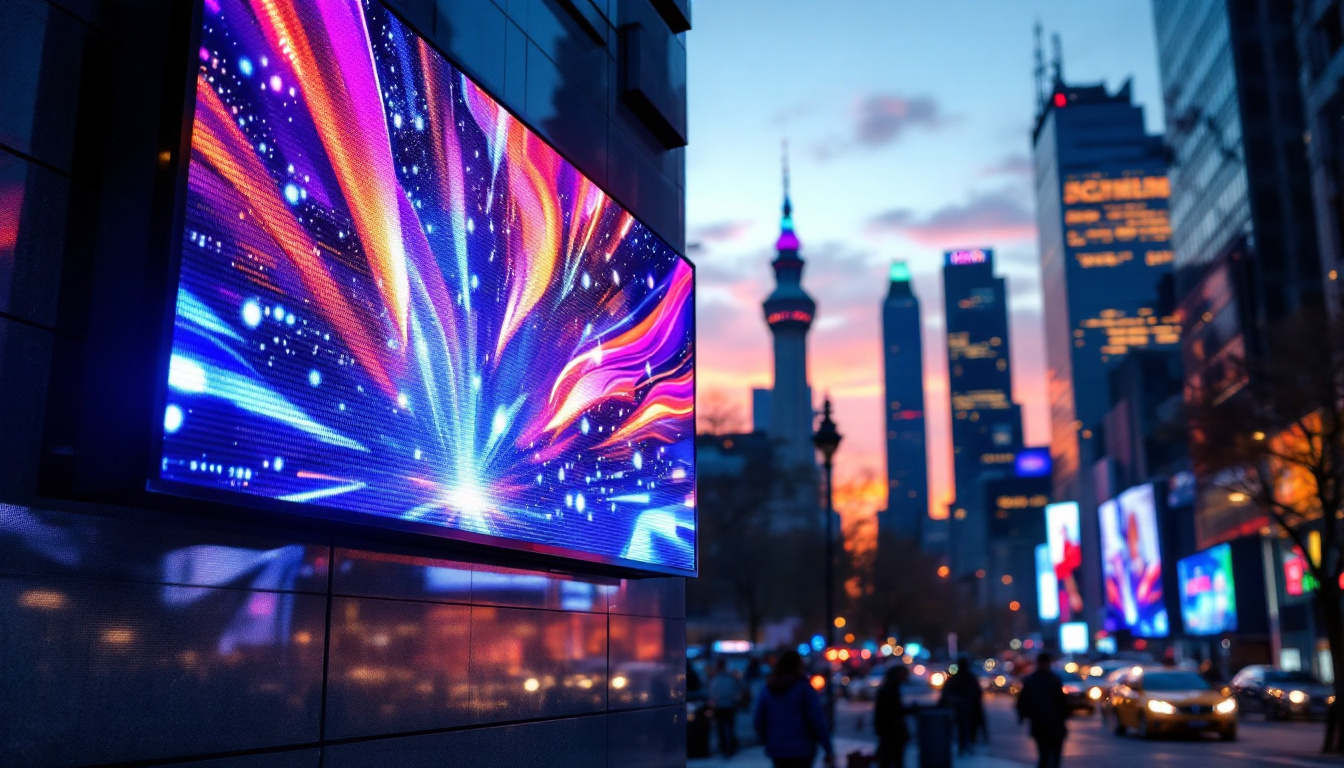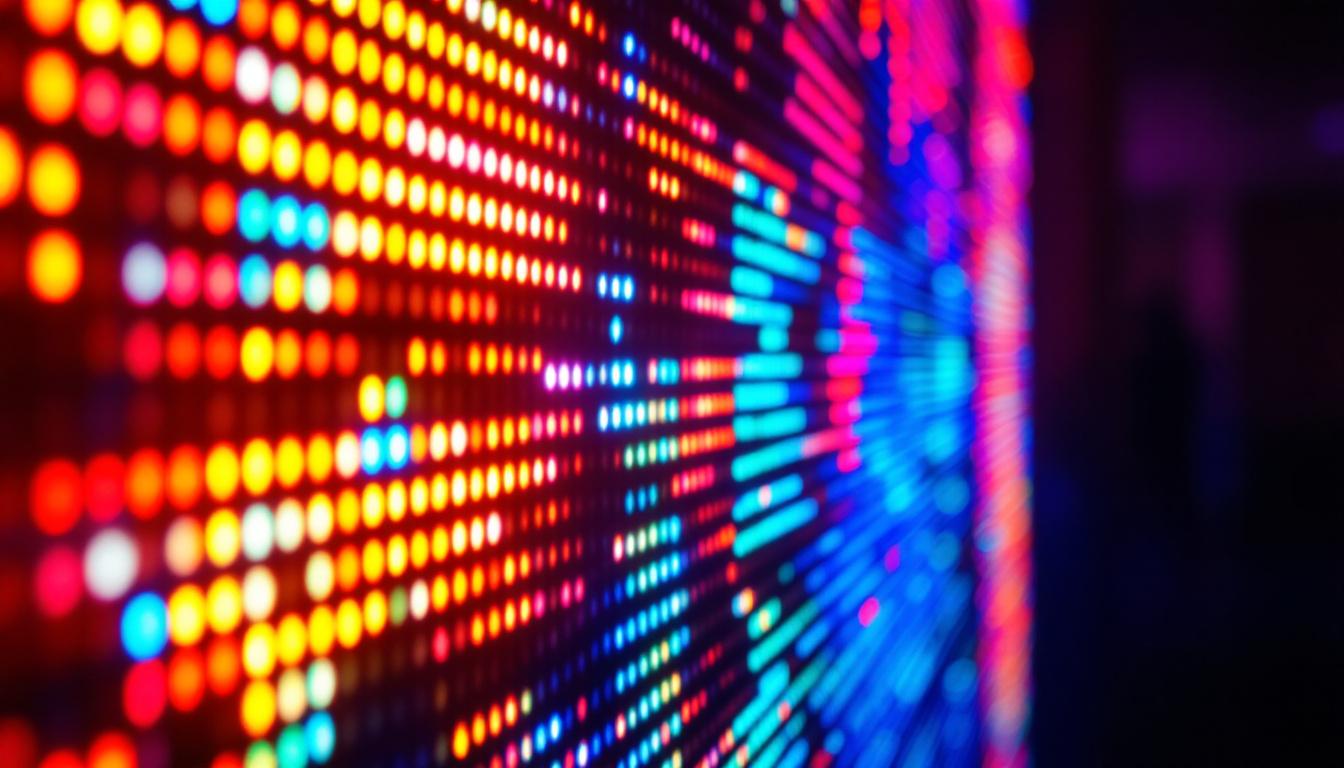
In the rapidly evolving world of digital signage and visual communication, LED displays have become a cornerstone technology. From advertising billboards to stadium screens and indoor digital signage, LED displays offer vibrant, dynamic visuals that capture attention and convey messages effectively. However, one concept that often arises in discussions about LED technology is the notion of “Reduced Affect Display.” This article delves into what Reduced Affect Display means in the context of LED technology, why it matters, and how it influences the design and application of LED screens.
Understanding LED Display Technology
Light Emitting Diode (LED) displays consist of numerous tiny LEDs that emit light when an electric current passes through them. These LEDs are arranged in a matrix to form pixels, which together create images and videos. The technology is celebrated for its brightness, energy efficiency, and long lifespan, making it ideal for both indoor and outdoor applications.
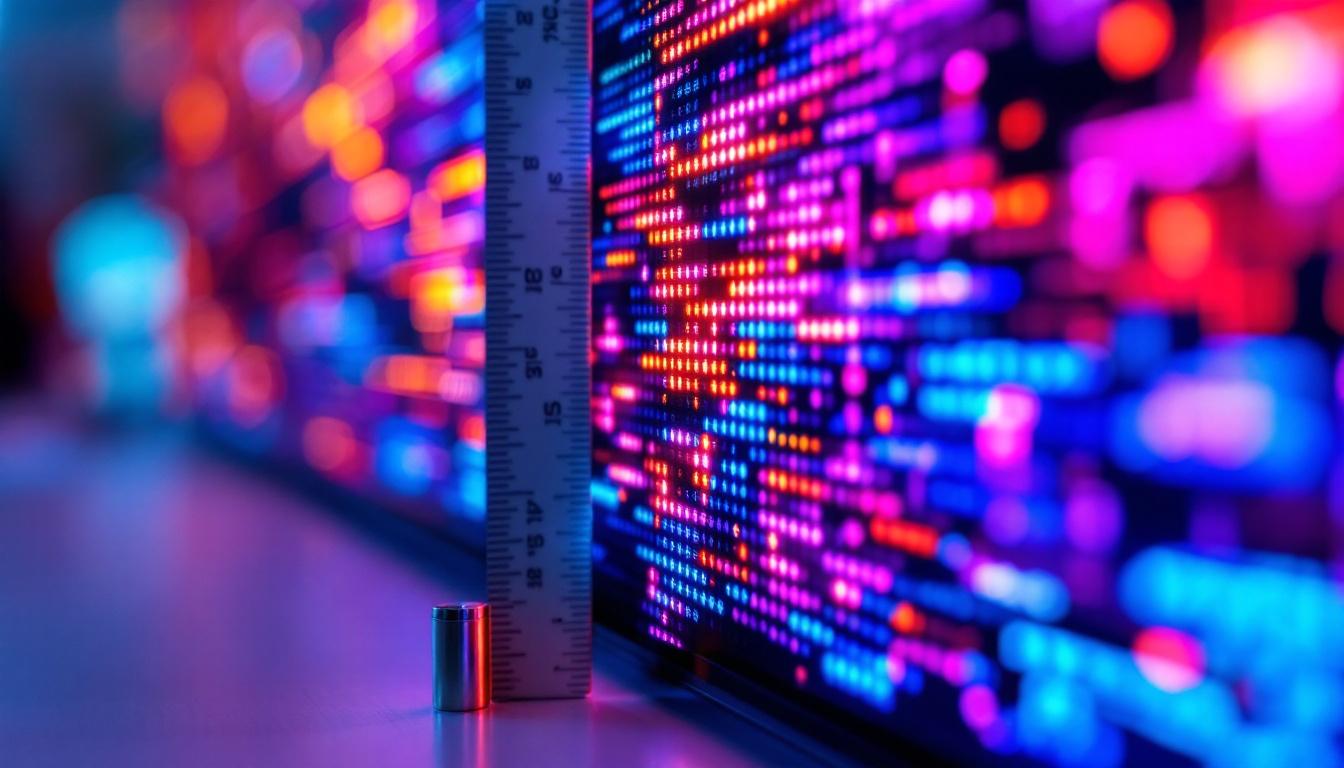
Modern LED displays vary widely in size, resolution, and pixel pitch—the distance between individual LEDs—which affects image clarity and viewing distance. High-resolution LED displays with fine pixel pitches are commonly used indoors, while larger pixel pitches are suitable for outdoor environments where viewers are farther away. The advancements in LED technology have led to the development of flexible displays, which can be bent and shaped to fit unconventional spaces, further expanding the possibilities for creative design.
Key Advantages of LED Displays
LED displays offer several advantages over traditional display technologies such as LCD and projection. Their high brightness levels allow for visibility even in direct sunlight, a critical feature for outdoor advertising and public information displays. Additionally, LEDs consume less power and generate less heat, contributing to lower operating costs and environmental impact. This energy efficiency not only benefits businesses in terms of reduced electricity bills but also plays a significant role in promoting sustainability, as lower energy consumption translates to a smaller carbon footprint.
Durability is another strong point; LED displays are resistant to shocks and vibrations, making them suitable for a wide range of environments. Furthermore, the modular nature of LED panels allows for flexible screen sizes and shapes, enabling creative installations that can enhance brand messaging and audience engagement. The ability to easily replace individual modules also means that maintenance is simplified, reducing downtime and ensuring that displays remain operational for longer periods. As technology continues to evolve, innovations such as smart LED displays are emerging, integrating sensors and connectivity features that allow for real-time content updates and interactivity, further enriching the viewer experience.
What is Reduced Affect Display?
The term “Reduced Affect Display” is not a standard industry term but can be understood by breaking down its components. In the context of LED displays, “affect” refers to the emotional impact or visual intensity that a display can produce. “Reduced Affect Display” thus implies a display setup or configuration that intentionally limits or moderates this emotional impact or visual intensity.
This concept is particularly relevant in environments where overly bright or dynamic displays may cause discomfort, distraction, or sensory overload. For example, in healthcare facilities, educational settings, or corporate environments, the goal might be to provide clear information without overwhelming viewers with excessive brightness or rapid visual changes. In hospitals, for instance, a Reduced Affect Display can help maintain a calm atmosphere, allowing patients and visitors to focus on important information without the added stress of harsh lighting or flashing graphics.
Additionally, in educational settings, such as classrooms or lecture halls, the use of Reduced Affect Displays can enhance learning by minimizing distractions. Students can better absorb information when visual stimuli are presented in a controlled manner, allowing them to concentrate on the content rather than being distracted by overly stimulating visuals. This approach can be especially beneficial for students with attention disorders or sensory sensitivities, creating an inclusive learning environment that caters to diverse needs.
Why is Reduced Affect Important?
Excessive brightness or overly dynamic content on LED displays can lead to visual fatigue, irritation, or even trigger adverse reactions in sensitive individuals. By implementing Reduced Affect Display strategies, designers and operators can create visual experiences that are engaging yet comfortable, balancing visibility with viewer well-being.
Moreover, regulatory bodies in some regions impose limits on luminance levels and flicker rates to protect public health, especially in public spaces. Understanding and applying Reduced Affect principles helps ensure compliance with these standards while maintaining effective communication. In retail environments, for example, brands can utilize Reduced Affect Displays to create a welcoming atmosphere that encourages customers to linger longer, ultimately enhancing their shopping experience without overwhelming them with aggressive marketing tactics.
Furthermore, the design of Reduced Affect Displays often incorporates softer color palettes and smoother transitions, which can evoke a sense of tranquility and focus. This is particularly beneficial in environments like art galleries or museums, where the goal is to enhance the appreciation of the displayed works rather than distract from them. By carefully curating the visual experience, institutions can foster a deeper connection between the viewer and the art, allowing for a more meaningful interaction that respects both the artwork and the audience’s comfort.
Techniques for Achieving Reduced Affect in LED Displays
Several technical and design approaches can be employed to reduce the affect of LED displays without compromising their core functionality. These methods focus on controlling brightness, color intensity, motion, and content complexity.
Brightness and Contrast Control
One of the primary ways to reduce affect is by managing the brightness levels of the LED display. Modern LED controllers allow for precise dimming capabilities, adjusting luminance according to ambient light conditions. For instance, sensors can detect daylight intensity and automatically reduce screen brightness at night or in low-light environments.
Contrast adjustments also play a role. High contrast ratios can create striking visuals but may also contribute to visual strain. Moderating contrast ensures that images remain clear and legible without causing discomfort.
Color Temperature and Saturation Adjustment
Color temperature influences the perceived warmth or coolness of the display. Cooler temperatures (bluer hues) tend to feel more clinical or stark, while warmer temperatures (redder hues) are often perceived as softer and more inviting. Adjusting color temperature to suit the environment can help reduce visual stress.
Similarly, reducing color saturation—making colors less intense—can prevent overstimulation. This is particularly useful in settings where the display is used for prolonged viewing or where subtlety is preferred over bold visuals.
Content Design and Motion Management
The nature of the content displayed significantly affects viewer response. Rapidly changing images, flashing lights, or complex animations can increase cognitive load and cause distraction or discomfort. Employing slower transitions, simpler graphics, and limiting flashing elements contributes to a Reduced Affect Display.
Content scheduling is another strategy. Limiting the duration of high-intensity content and interspersing it with calmer visuals can help maintain viewer engagement without overwhelming them.
Applications and Case Studies of Reduced Affect Displays
Understanding where and why Reduced Affect Display principles are applied helps illustrate their practical importance. Various industries have adopted these approaches to optimize viewer experience and meet regulatory or ethical standards.
Healthcare Environments
Hospitals and clinics increasingly use LED displays for patient information, wayfinding, and health education. However, patients in these settings may be sensitive to bright lights or rapid visual changes. Implementing Reduced Affect Display techniques ensures that screens provide necessary information without causing discomfort or exacerbating stress.
For example, a hospital in the United Kingdom integrated ambient light sensors with their LED signage, adjusting brightness dynamically throughout the day. They also designed content with muted colors and slow transitions, resulting in positive feedback from patients and staff regarding visual comfort.
Educational Institutions
In schools and universities, LED displays are used for announcements, schedules, and event promotions. To maintain a conducive learning environment, these displays often employ Reduced Affect strategies. Lower brightness levels during class hours and content designed to minimize distraction help support focus and reduce sensory overload.
A university in Canada reported that after implementing Reduced Affect Display settings on their campus digital signage, students reported less eye strain and distraction, contributing to a better learning atmosphere.
Corporate and Public Spaces
Corporate lobbies and public transportation hubs use LED displays for branding and information dissemination. While these displays need to be eye-catching, they must also respect the comfort of visitors and employees. Reduced Affect Display principles guide the balance between visibility and subtlety.
For instance, a major airport in Asia adopted LED displays with adaptive brightness and color temperature controls. This approach reduced glare and visual fatigue among travelers, enhancing overall passenger experience.
Future Trends in LED Display and Reduced Affect Technologies
The LED display industry continues to innovate, with emerging technologies promising even better control over visual impact and viewer comfort.
Advanced Sensor Integration
Future LED displays will increasingly incorporate sophisticated sensors that monitor not only ambient light but also viewer distance, movement, and even biometric indicators such as eye strain or fatigue. This data can enable real-time adjustments to display parameters, optimizing affect reduction dynamically.
Artificial Intelligence and Content Adaptation
Artificial intelligence (AI) can analyze viewer engagement and environmental factors to tailor content presentation. AI-driven systems might automatically simplify graphics, adjust motion speed, or alter color schemes to suit individual or group preferences, enhancing comfort and effectiveness.
MicroLED and OLED Hybrid Displays
Emerging display technologies like MicroLED and OLED offer superior contrast ratios and color accuracy with potentially lower power consumption. These technologies can contribute to Reduced Affect Display by enabling more precise control over brightness and color, reducing unwanted glare and visual fatigue.
Conclusion
Reduced Affect Display is a vital concept in the design and deployment of LED display technology, focusing on balancing visual impact with viewer comfort and health. By understanding and applying techniques such as brightness control, color adjustment, and thoughtful content design, industries can create LED displays that are both effective and considerate of their audiences.
As LED technology advances, integrating sensors, AI, and new materials will further enhance the ability to reduce affect without compromising the dynamic and engaging qualities that make LED displays so powerful. Whether in healthcare, education, corporate environments, or public spaces, Reduced Affect Display principles ensure that LED screens serve their purpose while respecting human visual and emotional needs.
Discover LumenMatrix’s LED Display Innovations
Embrace the future of visual communication with LumenMatrix’s comprehensive range of LED display solutions. As a pioneer in the industry, LumenMatrix offers an array of products designed to meet your unique needs, from Indoor and Outdoor LED Wall Displays to specialized options like Vehicle, Sports, and Floor LED Displays. Our mission is to transform your visual storytelling with displays that not only captivate but also consider viewer comfort through Reduced Affect Display technology. Check out LumenMatrix LED Display Solutions today and experience the perfect blend of innovation, engagement, and viewer consideration.