In recent years, LED technology has revolutionized the way we illuminate and communicate visually in both indoor and outdoor environments. Among its many applications, LED space lights and LED displays stand out as essential tools for modern lighting and digital signage solutions. This article delves into the world of LED space lights, explaining their technology, applications, benefits, and how LED displays function to create dynamic, vibrant visual experiences.
Understanding LED Space Lights
What Are LED Space Lights?
LED space lights are specialized lighting fixtures designed to illuminate large areas such as parking lots, streets, stadiums, and industrial spaces. Unlike traditional lighting options such as metal halide or high-pressure sodium lamps, LED space lights use light-emitting diodes (LEDs) to provide bright, energy-efficient illumination.
These lights are engineered to deliver uniform light distribution over wide spaces, enhancing visibility and safety. Their compact design and modular construction allow for flexible installation and maintenance, making them a popular choice for both public and private spaces. Furthermore, many LED space lights come with adjustable mounting options, allowing for customized angles and heights to suit specific lighting needs. This adaptability ensures that every corner of a large area is adequately illuminated, reducing dark spots and enhancing security.
Key Features of LED Space Lights
One of the defining features of LED space lights is their energy efficiency. LEDs consume significantly less power compared to conventional lighting, often reducing energy use by up to 50-70%. Additionally, they have a longer lifespan, frequently exceeding 50,000 hours, which translates to lower maintenance costs and fewer replacements. This longevity not only benefits the environment by reducing waste but also contributes to significant cost savings over time, making them an economically sound choice for large-scale lighting projects.
Another important aspect is their superior light quality. LED space lights offer high color rendering index (CRI) values, often above 70, which means colors appear more natural and vibrant under their illumination. This is particularly important in environments like sports arenas or parking lots where accurate color perception enhances safety and user experience. Moreover, many modern LED space lights are equipped with smart technology features, such as motion sensors and dimming capabilities, allowing for dynamic lighting control that can further optimize energy savings and adapt to varying usage patterns throughout the day.
How LED Displays Work: The Technology Behind the Screens
The Basics of LED Display Technology
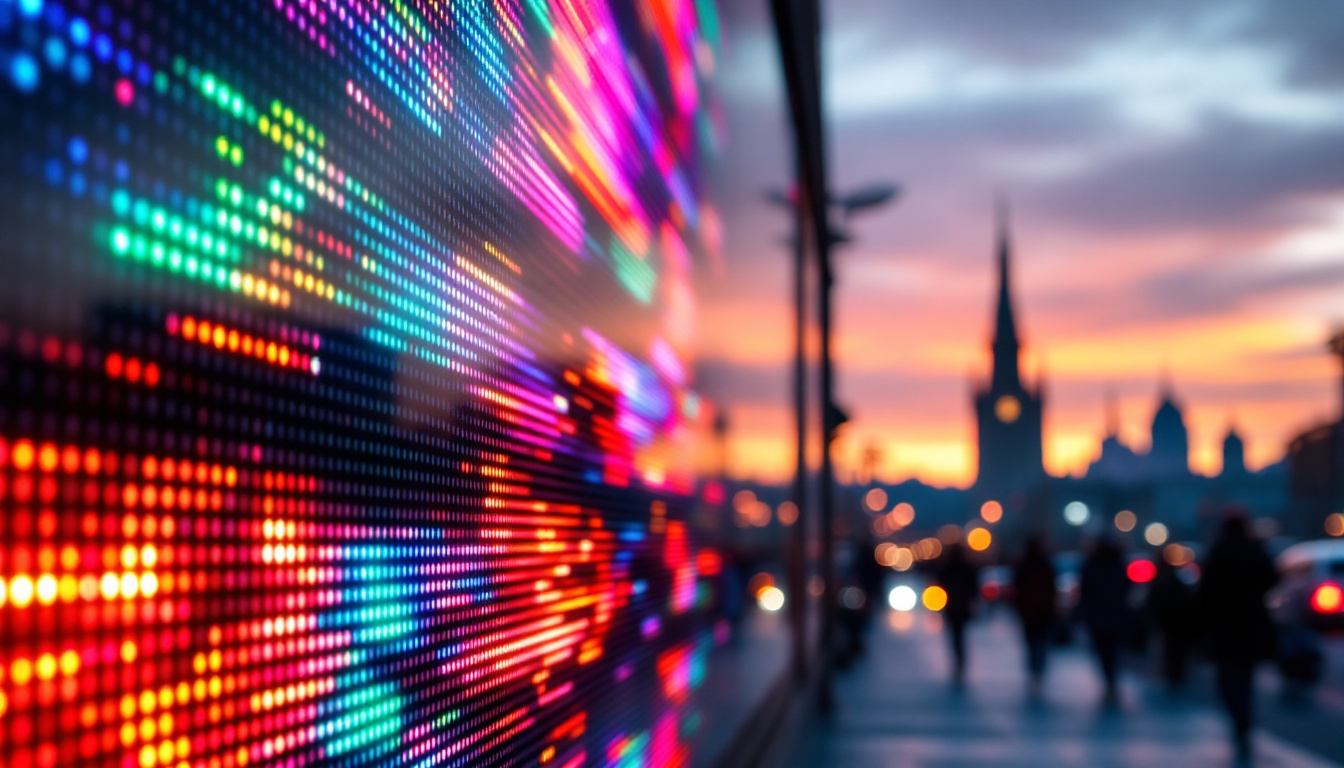
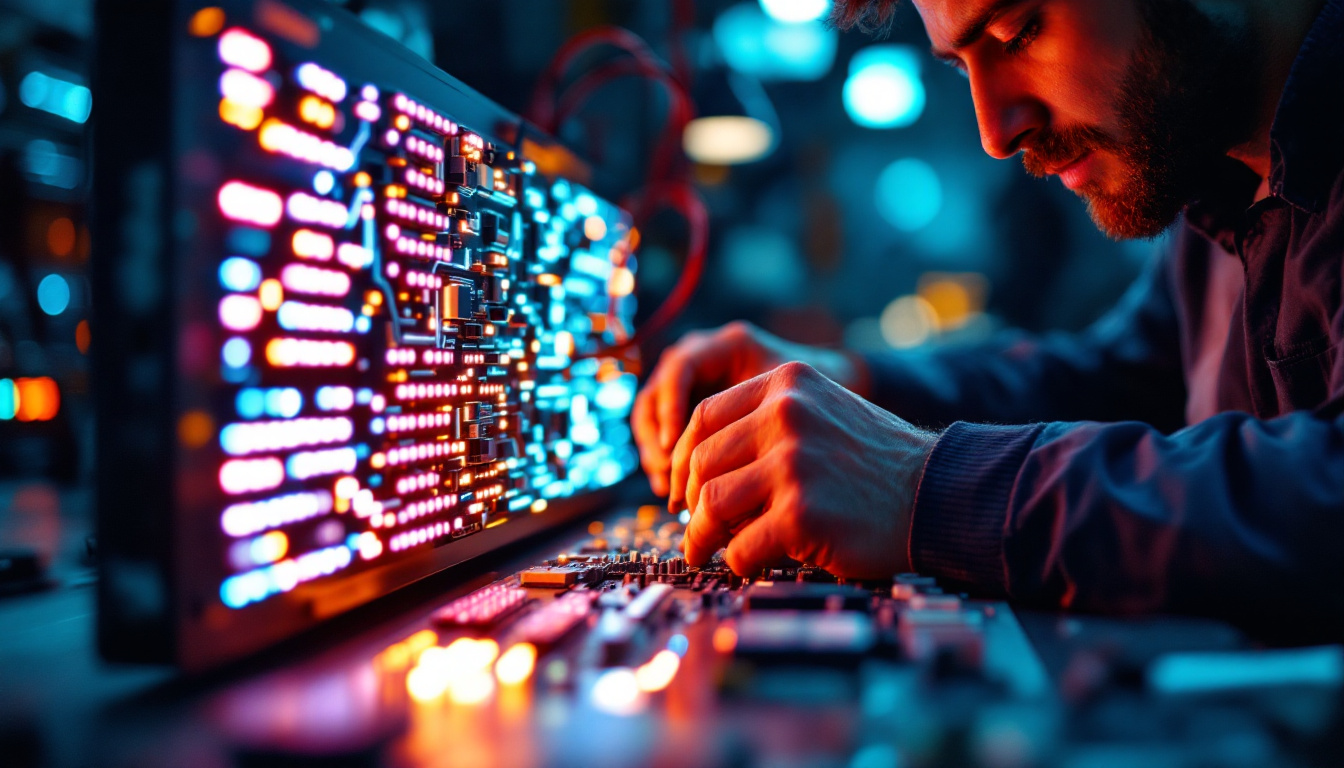
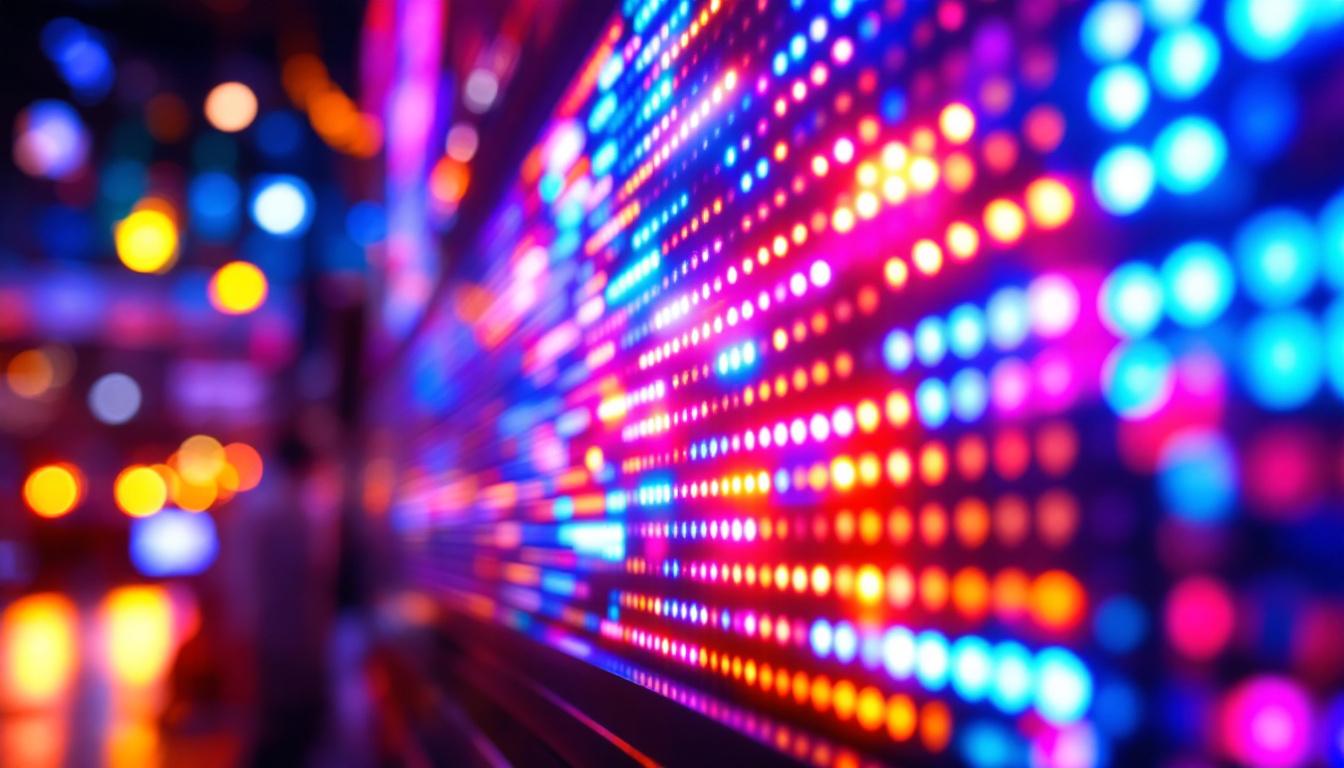
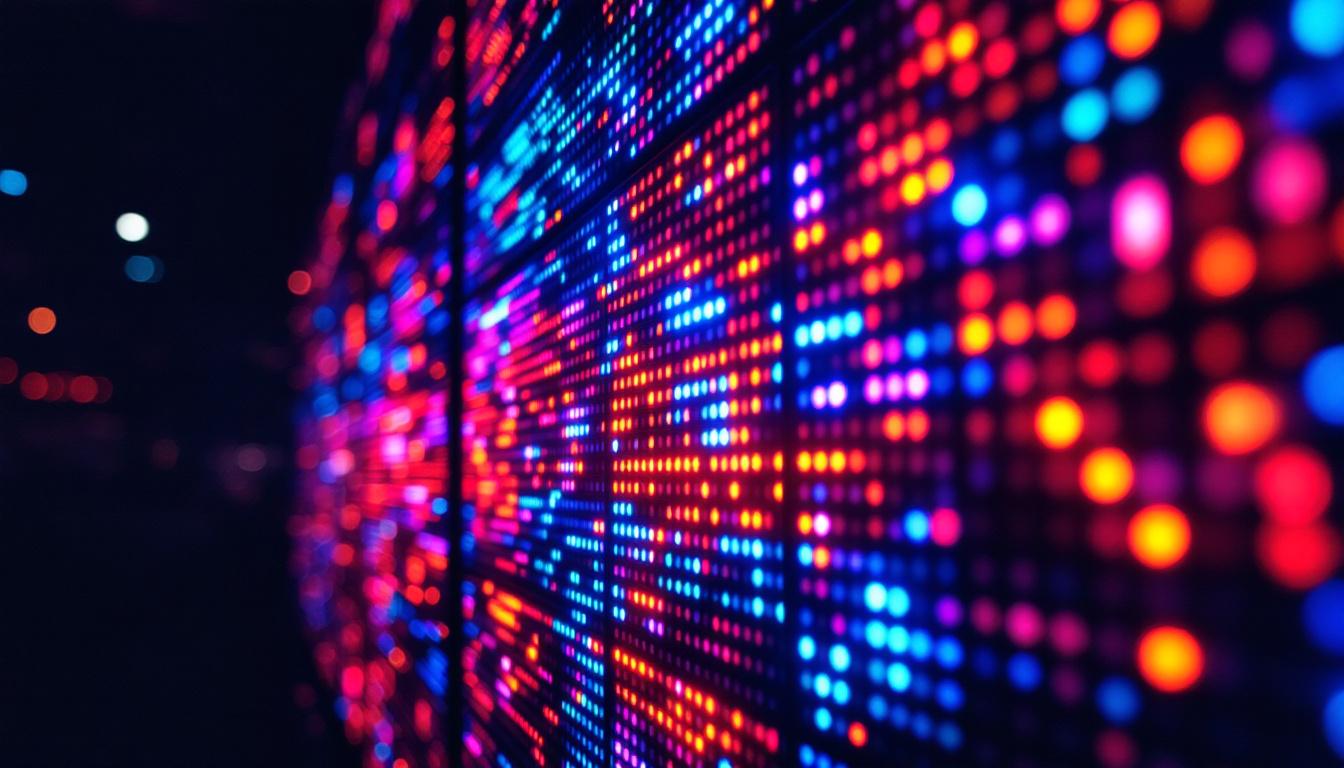
LED displays are digital screens made up of tiny light-emitting diodes arranged in a matrix. Each diode acts as a pixel that can emit light in various colors, primarily red, green, and blue (RGB). By adjusting the intensity of these three colors, LED displays can produce a full spectrum of colors, enabling vivid and dynamic images. This technology not only enhances the visual experience but also allows for energy-efficient operation, as LEDs consume less power compared to traditional display technologies.
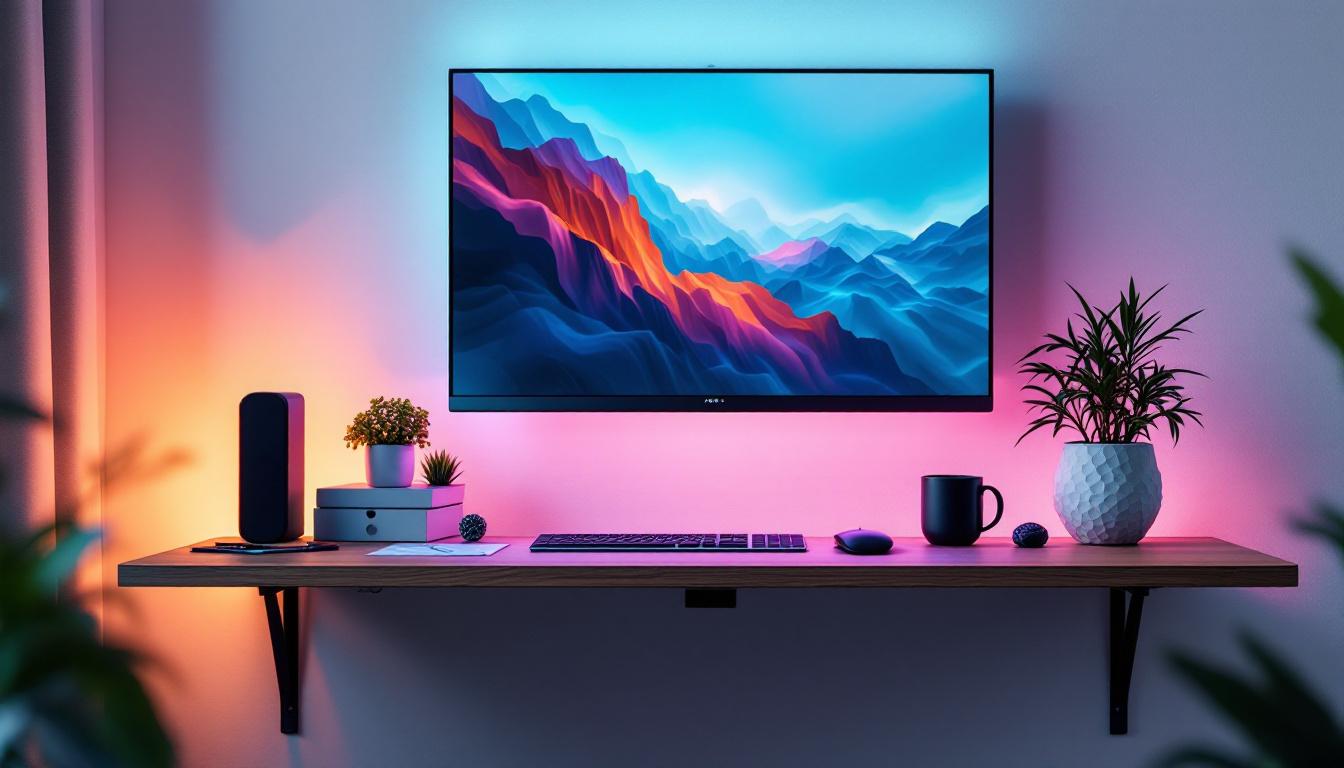
These displays are categorized into two main types: direct-view LED displays and LED-backlit LCDs. Direct-view LED displays are composed entirely of LEDs that emit light directly to the viewer, making them ideal for large-scale outdoor screens such as billboards and stadium displays. LED-backlit LCDs use LEDs as a backlight source behind an LCD panel, common in televisions and computer monitors. The versatility of LED technology has led to its adoption in various applications, from digital signage in retail environments to high-resolution displays in concert venues, showcasing the adaptability of this innovative technology.
Pixel Pitch and Resolution
Pixel pitch is a critical factor in LED display quality. It refers to the distance between the centers of two adjacent pixels, measured in millimeters. A smaller pixel pitch means higher resolution and sharper images, which is essential for close viewing distances. For example, indoor LED displays typically have pixel pitches ranging from 1mm to 4mm, while outdoor displays might have pitches between 6mm and 20mm to accommodate longer viewing distances. This distinction is vital for ensuring that the content displayed is clear and engaging, regardless of the setting.
Choosing the right pixel pitch depends on the intended use and viewing environment. For advertising billboards viewed from hundreds of feet away, a larger pixel pitch is sufficient, whereas indoor venues like conference rooms or retail stores benefit from finer pixel pitches for detailed visuals. Additionally, advancements in technology have led to the development of ultra-fine pitch displays, which can achieve pixel pitches below 1mm, making them suitable for applications requiring extreme detail, such as control rooms and high-end video walls. As the demand for high-quality visual displays continues to grow, understanding the implications of pixel pitch becomes increasingly important for designers and engineers alike.
Applications of LED Space Lights and Displays
Outdoor and Industrial Lighting
LED space lights are widely used in outdoor and industrial settings due to their durability and efficiency. Parking lots, warehouses, loading docks, and sports facilities rely on these lights to ensure safety and operational efficiency. Their ability to withstand harsh weather conditions and resist vibrations makes them suitable for demanding environments.
Moreover, many municipalities are transitioning to LED street lighting to reduce energy consumption and maintenance costs. According to the U.S. Department of Energy, LED street lights can reduce energy use by up to 60% compared to traditional street lamps, contributing to significant cost savings and environmental benefits.
Advertising and Public Information Displays
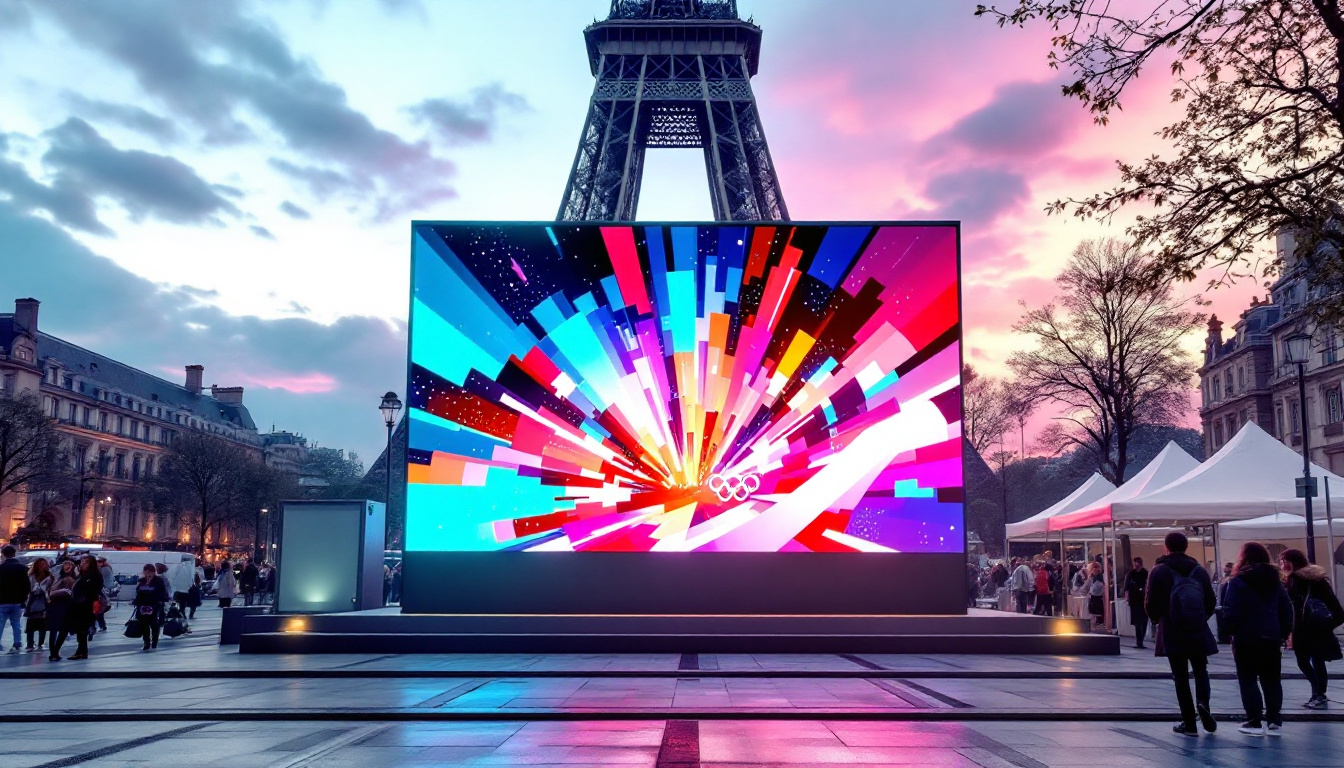
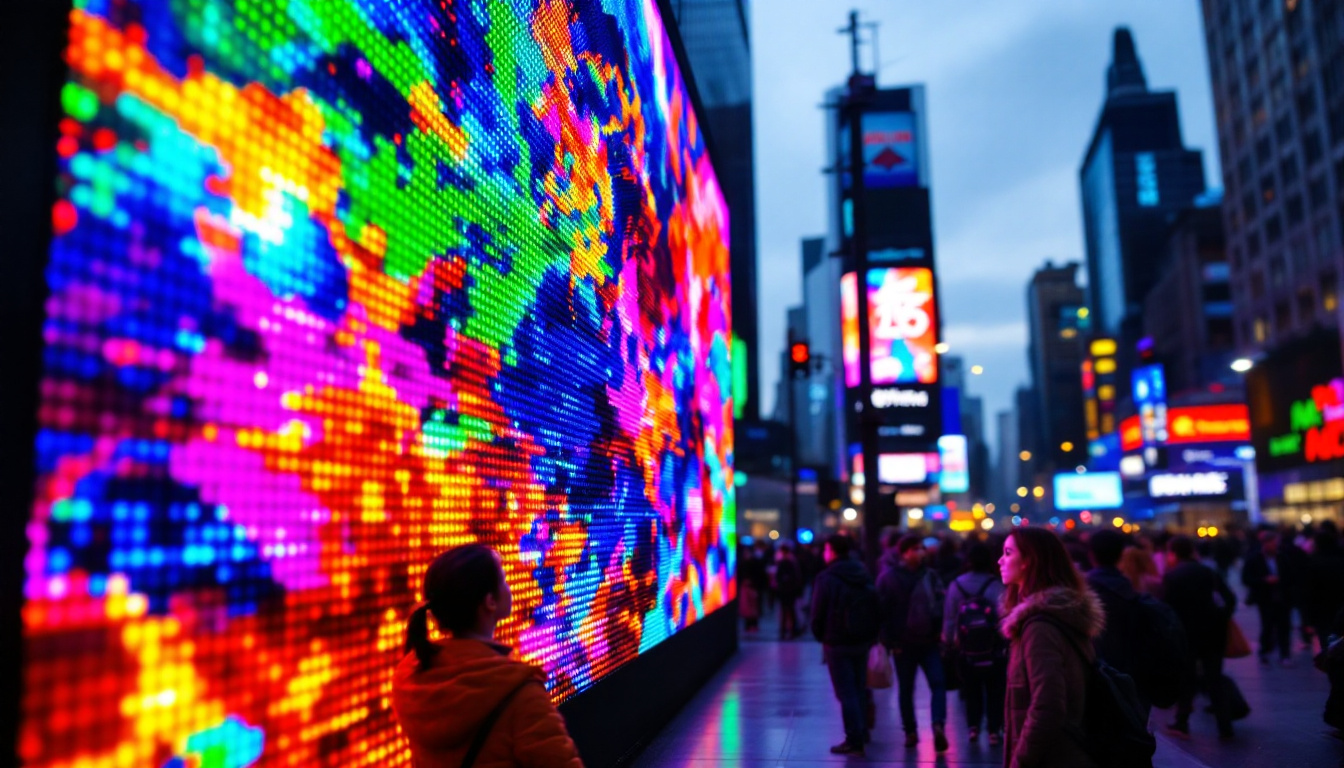
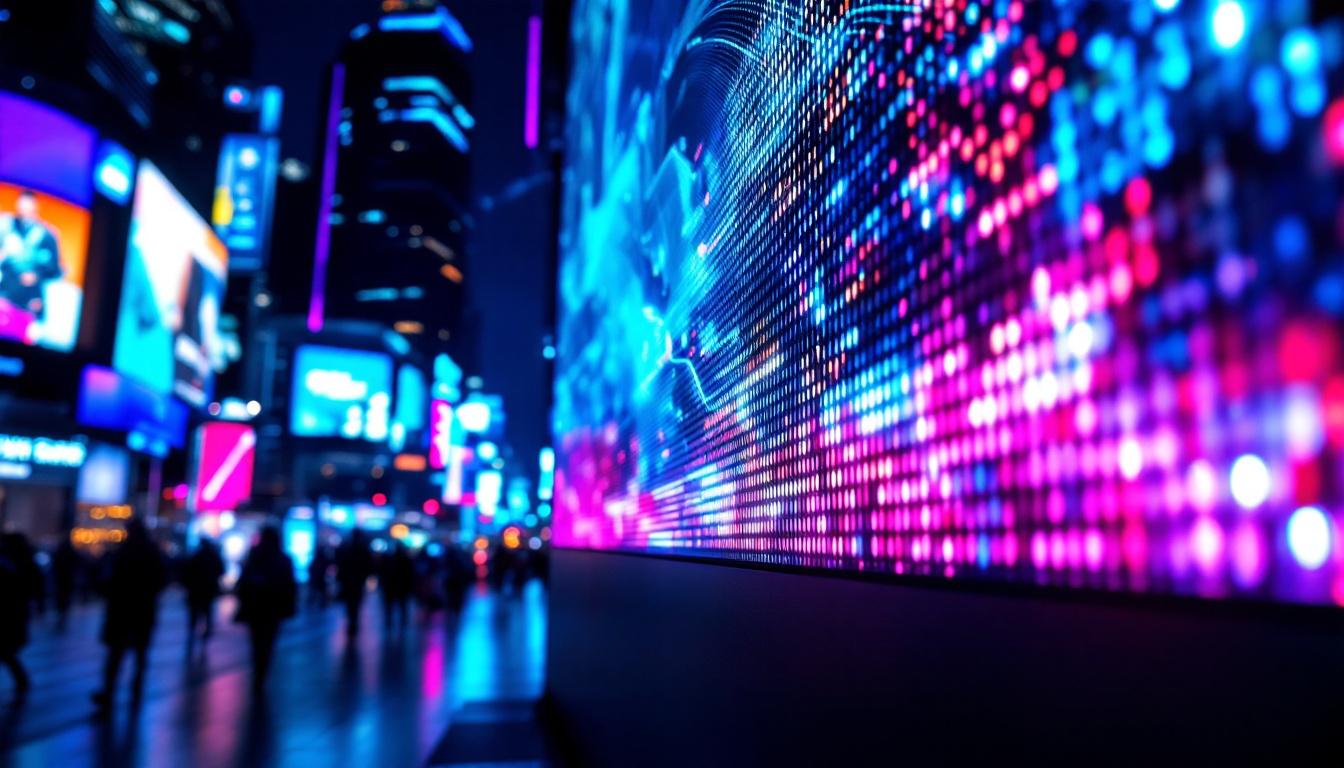
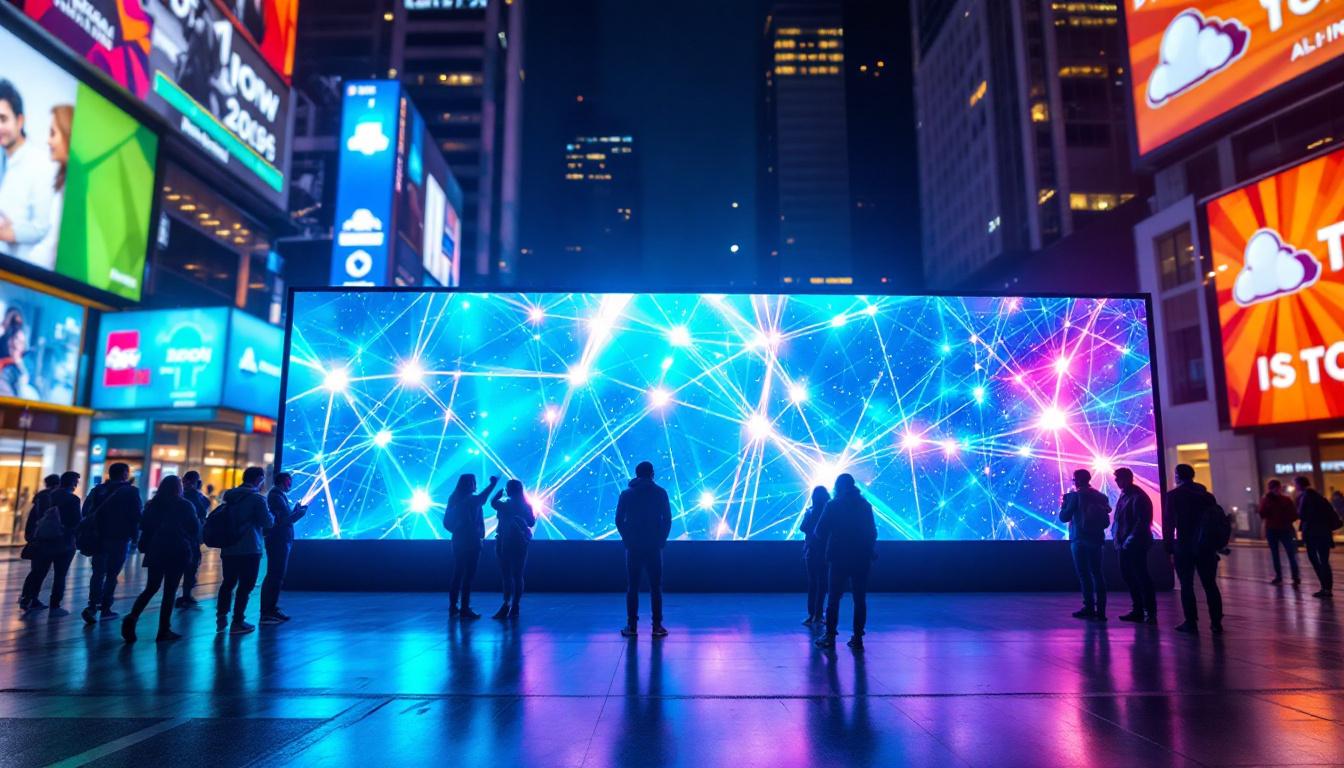
LED displays have transformed advertising and public communication. Digital billboards, transit station screens, and large-scale event displays use LED technology to deliver eye-catching, dynamic content that can be updated remotely in real time. This flexibility allows advertisers to tailor messages to specific audiences and times of day, increasing engagement and effectiveness.
Public information systems, such as those in airports and train stations, also utilize LED displays to provide travelers with real-time updates, improving the overall user experience and operational efficiency.
Entertainment and Sports Venues
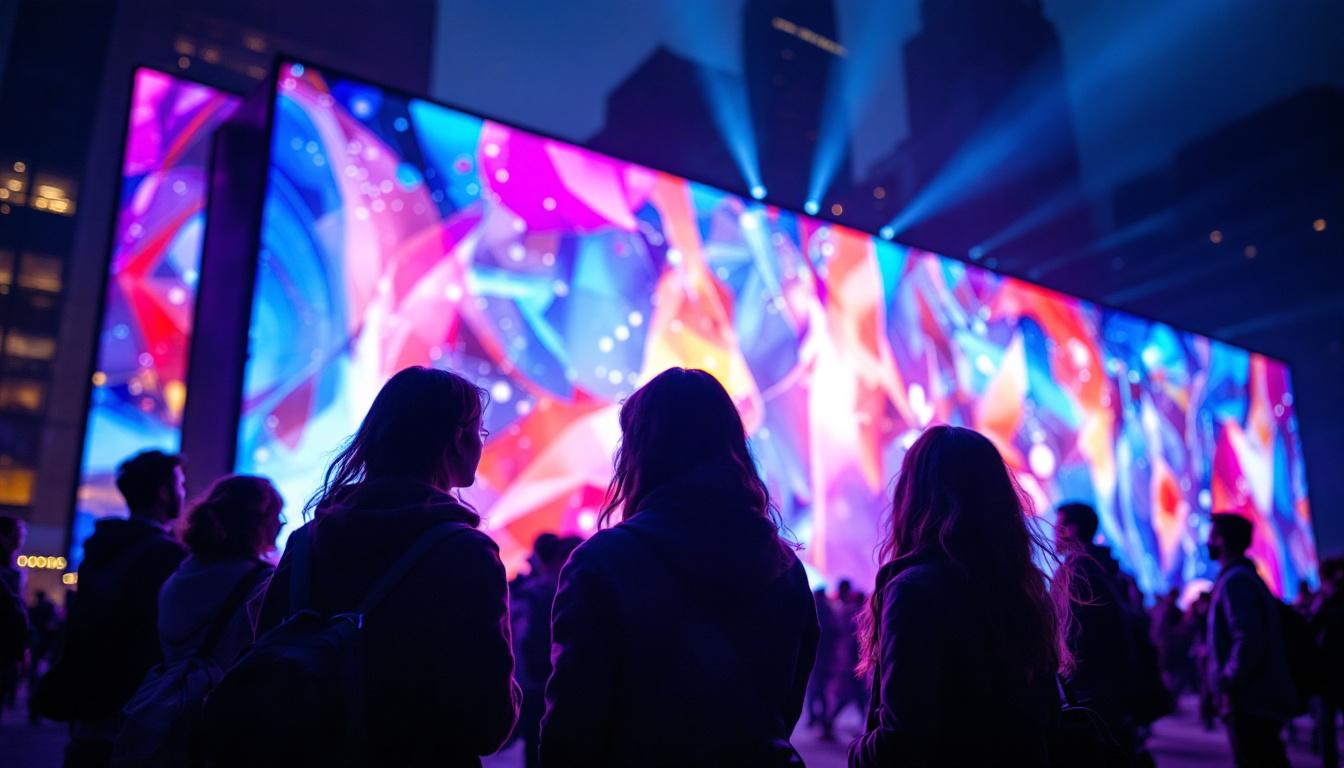
In arenas and stadiums, LED displays serve multiple functions—from scoreboard displays to immersive video walls that enhance the spectator experience. The high brightness and wide viewing angles of LED screens ensure visibility even in bright daylight or large crowds.
LED space lights complement these displays by providing well-distributed illumination for the playing field or stage, ensuring that athletes and performers are clearly visible to both live audiences and broadcast cameras.
Advantages of LED Technology Over Traditional Lighting and Displays
Energy Efficiency and Environmental Impact
One of the most significant advantages of LED technology is its energy efficiency. LEDs convert a higher percentage of electrical energy into visible light, with minimal heat loss. This efficiency reduces electricity consumption and lowers greenhouse gas emissions associated with power generation.
Additionally, LEDs contain no hazardous materials like mercury, which is common in fluorescent and some other traditional lighting technologies. This makes LED products easier to dispose of and recycle, contributing to a lower environmental footprint.
Longevity and Reliability
LEDs have an operational lifespan that often exceeds 50,000 hours, compared to 10,000 to 20,000 hours for traditional bulbs. This longevity reduces the frequency of replacements and maintenance, which is particularly beneficial for hard-to-reach installations such as high-mast lighting or large outdoor displays.
Furthermore, LEDs are solid-state devices, meaning they are more resistant to shocks, vibrations, and temperature fluctuations. This durability translates into fewer failures and greater reliability in diverse operating conditions.
Enhanced Visual Quality and Flexibility
LED lighting provides superior color rendering and brightness control, allowing for customized lighting environments that improve visibility and comfort. In LED displays, the ability to produce millions of colors and support high refresh rates enables smooth video playback and vivid imagery, essential for advertising, entertainment, and information dissemination.
The modular nature of LED displays also allows for scalable and customizable screen sizes, from small retail signs to massive outdoor billboards, making the technology adaptable to a wide range of applications.
Future Trends in LED Space Lights and Displays
Smart Lighting and IoT Integration
The integration of LED space lights with smart technologies and the Internet of Things (IoT) is shaping the future of lighting. Smart LED systems can adjust brightness and color temperature based on time of day, occupancy, or ambient light, optimizing energy use and enhancing user comfort.
IoT-enabled LED displays can also offer interactive features, real-time data analytics, and remote management, providing advertisers and facility managers with powerful tools to maximize effectiveness and efficiency.
Advancements in MicroLED and MiniLED Technologies
Emerging technologies like MicroLED and MiniLED promise to push the boundaries of LED display performance. MicroLED displays use microscopic LEDs as individual pixels, offering higher brightness, better contrast, and improved energy efficiency compared to traditional LED and OLED screens.
MiniLED technology, which uses smaller LEDs for backlighting LCD panels, enhances contrast ratios and color accuracy, making it a popular choice for premium monitors and televisions. These advancements will likely expand the applications and capabilities of LED displays in the coming years.
Sustainability and Circular Economy Initiatives
As sustainability becomes a priority, manufacturers and users of LED space lights and displays are increasingly focusing on circular economy principles. This includes designing products for easier disassembly, recycling, and reuse of components, as well as reducing waste and resource consumption throughout the product lifecycle.
Such initiatives not only reduce environmental impact but also create economic opportunities by recovering valuable materials and extending product value.
Conclusion
LED space lights and LED displays represent a significant advancement in lighting and visual communication technology. Their energy efficiency, longevity, and superior visual quality make them indispensable in a wide range of applications—from illuminating large outdoor spaces to delivering dynamic digital content in advertising and entertainment.
As technology continues to evolve, the integration of smart features and new LED innovations will further enhance their functionality and sustainability. For businesses, municipalities, and consumers alike, understanding the capabilities and benefits of LED space lights and displays is essential to making informed decisions that align with modern needs and environmental goals.
Illuminate Your Space with LumenMatrix
Ready to elevate your visual communication and lighting solutions? Discover the innovative world of LumenMatrix LED displays, where cutting-edge technology meets creative design. From vibrant indoor and outdoor displays to specialized solutions like vehicle and sports displays, LumenMatrix offers a wide array of products to captivate your audience and enhance your brand’s visibility. Embrace the future of LED technology and check out LumenMatrix LED Display Solutions today to transform your space into a dynamic visual experience.