In the rapidly evolving world of action cameras, the 1080P sport camera remains a popular choice for enthusiasts and professionals alike. Compact, durable, and capable of capturing high-definition footage, these cameras are ideal for documenting everything from extreme sports to everyday adventures. One feature that often draws attention but can be misunderstood is the LED display. This article delves into the role of the LED display on 1080P sport cameras, explaining its functions, benefits, and how it enhances the user experience.
Understanding the Basics of 1080P Sport Cameras
Before exploring the LED display, it’s important to understand what a 1080P sport camera is and why it’s widely used. The term “1080P” refers to the resolution of the video the camera records—1920 pixels horizontally and 1080 pixels vertically, which is also known as Full HD. This resolution strikes a balance between high image quality and manageable file sizes, making it ideal for action footage that often requires quick editing and sharing.
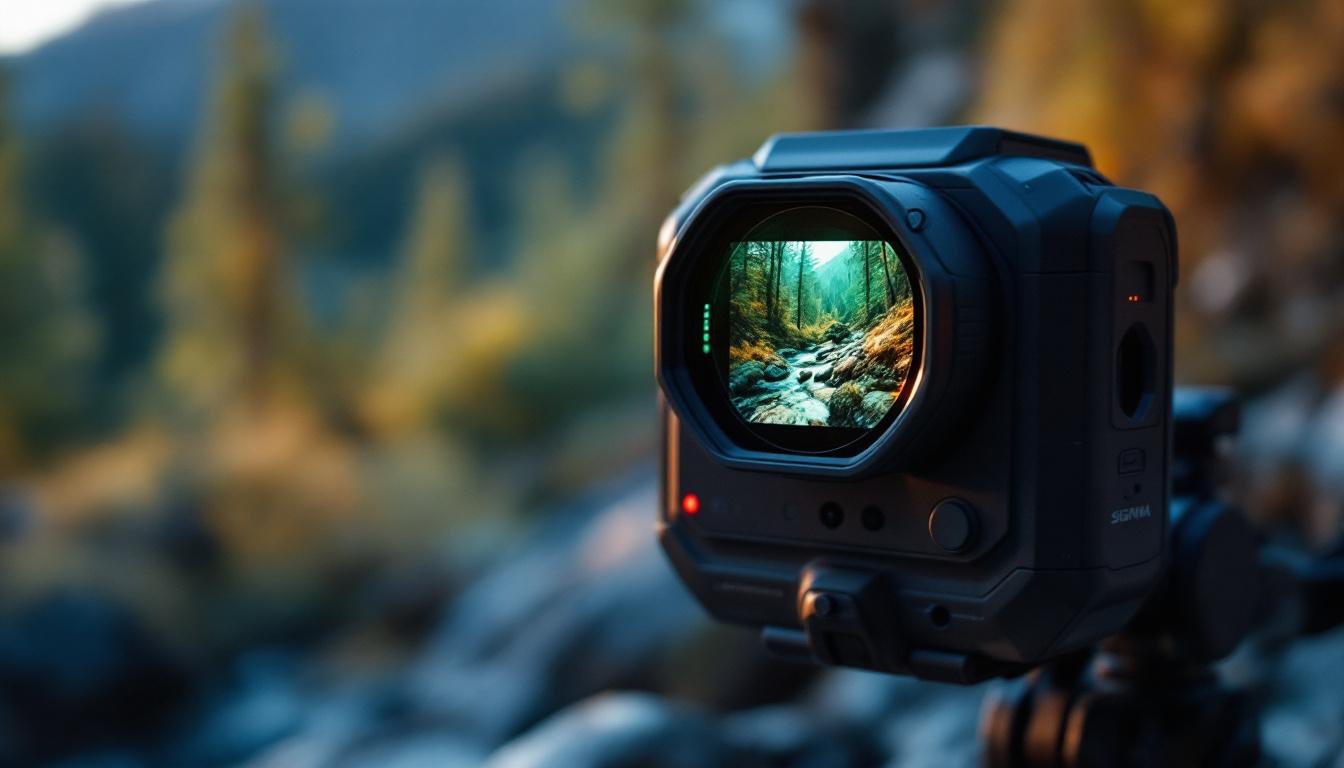
Sport cameras are designed to be rugged and compact, often waterproof or resistant to dust and shocks. They are tailored for active users who need a reliable device that can withstand harsh environments while delivering clear, smooth video. Popular models typically include wide-angle lenses, image stabilization, and various mounting options to capture unique perspectives. Additionally, many sport cameras feature built-in Wi-Fi or Bluetooth connectivity, allowing users to easily transfer footage to their smartphones or tablets for immediate sharing on social media platforms. This connectivity is particularly appealing to adventure enthusiasts who want to document their experiences and engage with their audience in real-time.
The Importance of Resolution and Frame Rate
While 1080P resolution is standard, the frame rate—measured in frames per second (fps)—is equally critical. Most 1080P sport cameras offer frame rates ranging from 30fps to 60fps, with some advanced models reaching even higher. A higher frame rate ensures smoother motion capture, which is essential for fast-paced action scenes such as mountain biking, skiing, or surfing. For instance, a frame rate of 60fps can significantly enhance the viewing experience by reducing motion blur, making it easier for viewers to follow the action as it unfolds.
Understanding these technical specifications helps users choose the right camera for their needs and appreciate how the LED display provides real-time feedback on these settings. Moreover, many sport cameras come equipped with various shooting modes, such as time-lapse and slow-motion, which further expand creative possibilities. These features allow users to experiment with different styles of storytelling, whether they want to condense hours of footage into a few captivating seconds or highlight a thrilling moment in exquisite detail. This versatility makes 1080P sport cameras a favorite among both amateur and professional videographers alike, as they can adapt to a wide range of filming scenarios.
The Role of the LED Display on Sport Cameras
The LED display on a 1080P sport camera serves as a vital interface between the user and the device. Unlike larger LCD screens found on traditional cameras, LED displays are typically smaller and more focused on providing essential information quickly and clearly. This compact design is particularly advantageous for athletes and adventurers who need to monitor their camera settings without being distracted from their activities.
What Information Does the LED Display Show?
Commonly, the LED display indicates key shooting parameters such as:
- Recording status: Whether the camera is actively recording or in standby mode.
- Battery level: Remaining battery life, often shown as a percentage or bars.
- Resolution and frame rate: Confirmation of current video settings.
- Mode indicators: Whether the camera is in video, photo, or playback mode.
- Memory status: Remaining storage capacity or alerts when the memory card is full or missing.
In some models, the LED display also provides warnings for overheating or other operational issues, helping users avoid interruptions during critical moments. This feature is especially important during high-intensity sports or activities where every second counts, ensuring that users can capture the action without the frustration of technical difficulties.
Why Use an LED Display Instead of a Full LCD Screen?
LED displays are preferred on many sport cameras for several reasons:
- Durability: LED displays are more resistant to impact and environmental factors, which is crucial for cameras used in extreme conditions.
- Power efficiency: LED displays consume less battery power compared to full-color LCD screens, extending the camera’s operational time.
- Visibility: LEDs can be designed to be highly visible in various lighting conditions, including direct sunlight and low-light environments.
- Compactness: The smaller size of LED displays contributes to the overall lightweight and compact design of sport cameras.
Moreover, the simplicity of an LED display allows for quick glances at essential information without overwhelming the user with unnecessary details. This streamlined approach is particularly beneficial during fast-paced activities, where quick decision-making is crucial. Additionally, many sport cameras incorporate customizable LED settings, enabling users to tailor the display to their preferences, such as adjusting brightness or choosing which indicators to show. This level of personalization enhances the user experience, making it easier for individuals to focus on their performance while still keeping track of their camera settings.
How the LED Display Enhances User Experience
The LED display is more than just a status panel; it significantly improves usability, especially in dynamic or challenging environments.
Quick Status Checks During Activities
When engaging in activities like mountain biking or skiing, users often cannot afford to stop and fiddle with camera settings. The LED display allows for quick glances to confirm that recording is underway, battery life is sufficient, and storage space is available. This real-time feedback minimizes the risk of missing important moments due to technical issues.
Ease of Operation Without a Touchscreen
Many sport cameras forego touchscreens to maintain waterproofing and ruggedness. The LED display compensates by providing intuitive icons and indicators that guide the user through different modes and settings using physical buttons. This design ensures the camera remains functional even when gloves are worn or in wet conditions.
Improved Safety and Focus
For athletes and adventurers, maintaining focus on the activity is paramount. The LED display’s concise information reduces distractions, allowing users to stay engaged with their environment while still monitoring camera status.
Common LED Display Features in Popular 1080P Sport Cameras
Different manufacturers implement LED displays with varying features, but some common elements are consistently found across many models.
Multi-Color LEDs
Many sport cameras use multi-color LEDs to convey different statuses. For example, a red light typically indicates recording, green may signal standby, and blinking patterns can warn of low battery or full memory. This color-coding helps users quickly interpret the camera’s state without reading text.
Segmented Numeric Displays
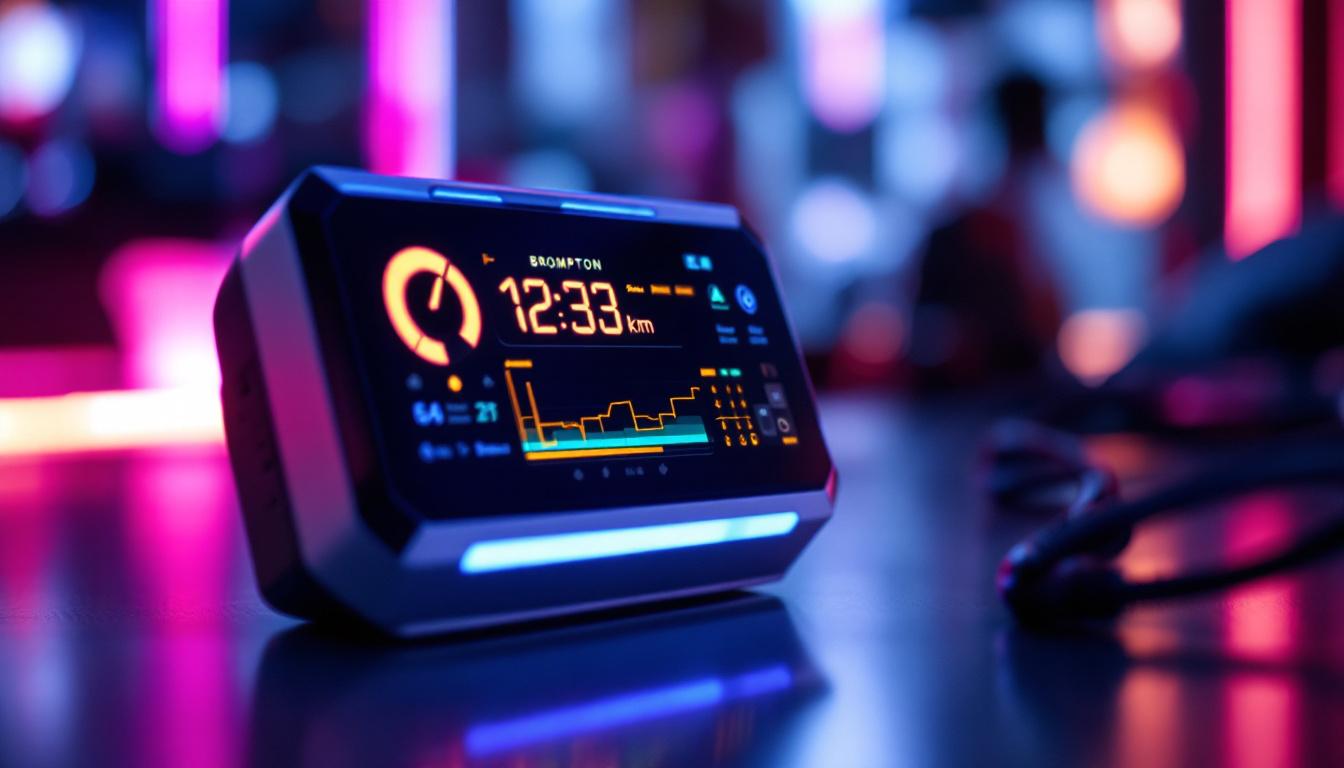
Some cameras include small numeric LED displays that show countdown timers, remaining recording time, or battery percentage. These segmented displays provide more detailed information while still maintaining simplicity.
Customizable Indicators
Advanced models allow users to customize which indicators appear on the LED display or adjust brightness levels to suit different lighting conditions. This flexibility enhances usability in diverse scenarios.
Tips for Maximizing the Use of Your Sport Camera’s LED Display
To get the most out of the LED display on a 1080P sport camera, consider the following practical tips:
Familiarize Yourself with the Icons and Signals
Spend time reviewing the camera’s manual to understand what each LED indicator means. Knowing the difference between a blinking red light and a steady one can prevent confusion during critical moments.
Regularly Monitor Battery and Storage
Use the LED display to keep track of battery life and memory availability before and during use. Carry spare batteries or memory cards if you anticipate long recording sessions.
Adjust LED Brightness for Optimal Visibility
If your camera allows, adjust the LED brightness to ensure visibility in bright sunlight or low-light conditions without draining the battery unnecessarily.
Use LED Indicators to Troubleshoot
When the camera behaves unexpectedly, the LED display often provides clues. For instance, a flashing LED might indicate overheating or a faulty memory card. Recognizing these signals can help resolve issues quickly.
The Future of LED Displays in Sport Cameras
As technology advances, LED displays on sport cameras are evolving to offer even more functionality while maintaining durability and efficiency.
Integration with Smart Features
Emerging sport cameras are integrating LED displays with wireless connectivity, enabling users to receive notifications or control settings remotely via smartphones. This development enhances the versatility of the LED interface without compromising ruggedness.
Enhanced Customization and User Feedback
Future LED displays may incorporate more sophisticated feedback mechanisms, such as vibration alerts or multi-segment displays capable of showing simple icons or text messages. These improvements will help users interact with their cameras more intuitively.
Energy-Efficient Innovations
Ongoing research into low-power LED technologies promises longer battery life and brighter displays, even in challenging lighting environments. This will further solidify the LED display’s role as a critical component of sport cameras.
Conclusion
The LED display on a 1080P sport camera is a small but powerful feature that significantly enhances the user experience. By providing clear, real-time information about recording status, battery life, and settings, it allows users to focus on capturing their adventures without distraction. Its durability, energy efficiency, and visibility make it well-suited for the demanding conditions sport cameras often face.
Understanding how to interpret and utilize the LED display effectively can help users avoid common pitfalls such as missed recordings or unexpected shutdowns. As technology progresses, LED displays will continue to evolve, offering even greater functionality while maintaining the ruggedness that sport camera users rely on.
For anyone considering a 1080P sport camera, paying attention to the LED display features is essential. It’s not just about the resolution or frame rate; the interface and feedback mechanisms play a crucial role in ensuring that every moment is captured flawlessly.
Discover the Future of LED Displays with LumenMatrix
Ready to elevate your visual experience with the latest in LED display technology? Look no further than LumenMatrix, the forefront innovator in crafting LED display modules designed to amplify your brand’s presence and captivate your audience. Whether you’re in need of an Indoor LED Wall Display, a dynamic Outdoor LED Wall Display, or specialized solutions like Vehicle LED Displays and LED Sports Displays, LumenMatrix has you covered. Embrace the future of visual communication and let your adventures shine with unparalleled clarity. Check out LumenMatrix LED Display Solutions today and transform the way you share your message with the world.