In recent years, LED walls have revolutionized the way businesses, event organizers, and advertisers communicate visually. From vibrant digital billboards to immersive stage backdrops, LED displays offer unparalleled brightness, clarity, and flexibility. If you are considering purchasing a LED wall for sale, understanding the technology, types, and practical applications is essential to making an informed decision. This comprehensive guide will break down everything you need to know about LED displays, helping you choose the right solution for your needs.
What Is an LED Wall?
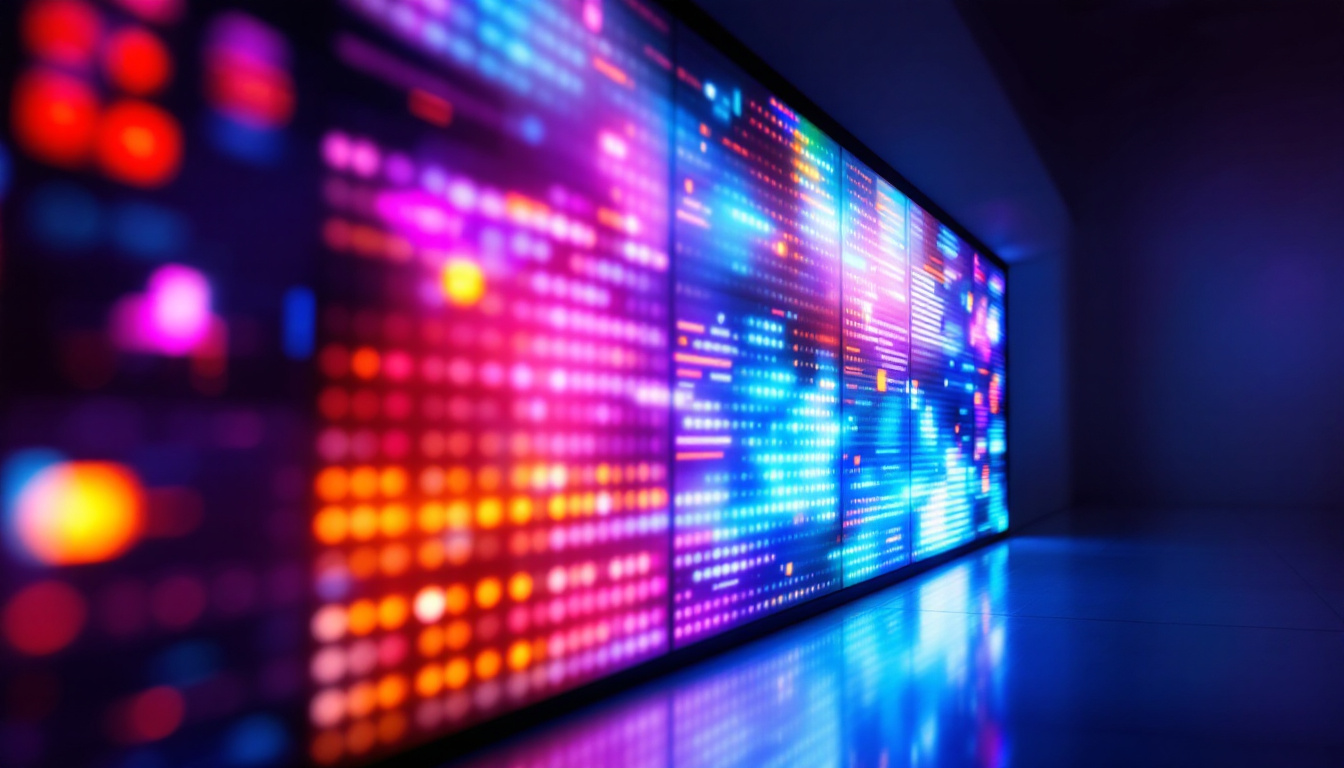
An LED wall, also known as an LED video wall or LED display, is a large screen made up of multiple LED panels seamlessly connected to create one continuous display surface. Unlike traditional LCD or projection screens, LED walls use light-emitting diodes (LEDs) as pixels, which produce their own light. This enables them to deliver exceptional brightness and contrast, even in brightly lit environments.
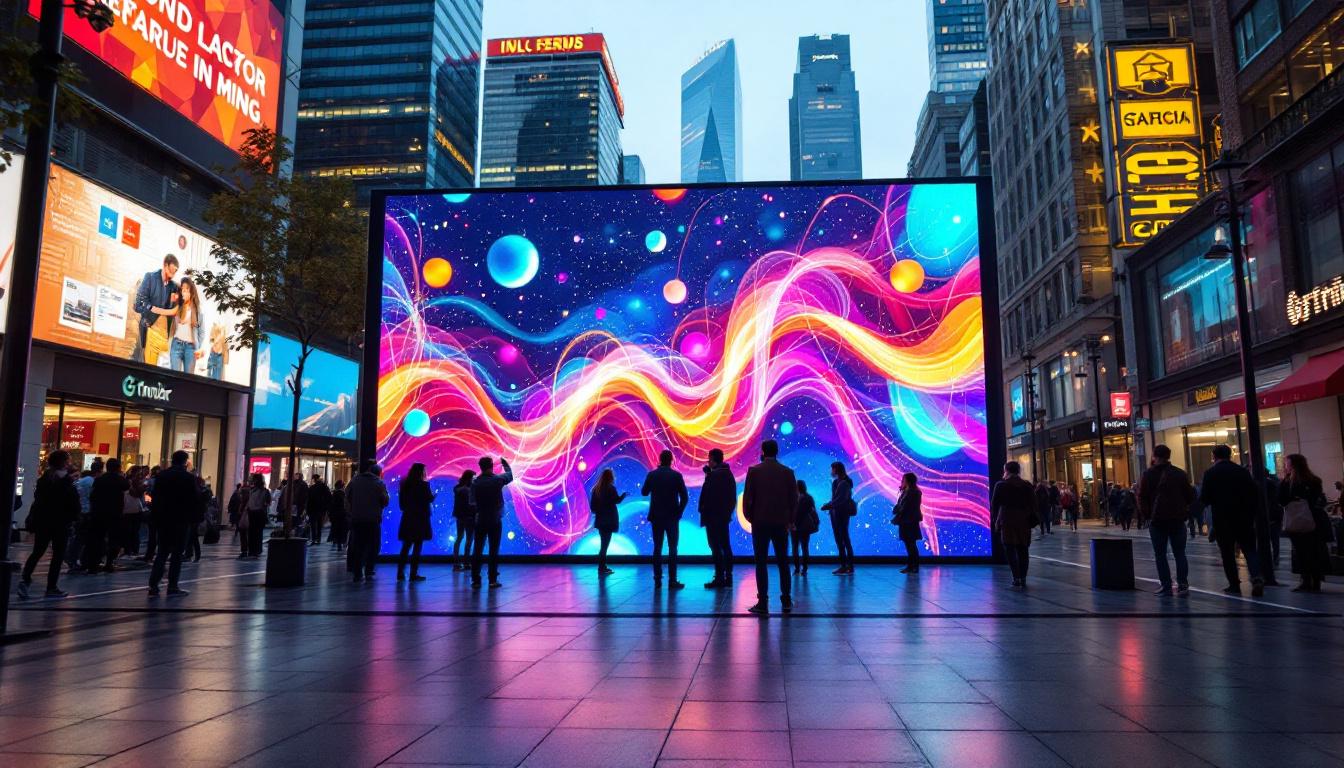
LED walls come in various sizes and resolutions, making them suitable for both indoor and outdoor use. They are widely used in arenas, retail stores, transportation hubs, corporate events, and public spaces to display dynamic content such as videos, advertisements, live broadcasts, and interactive media.
How Does an LED Display Work?
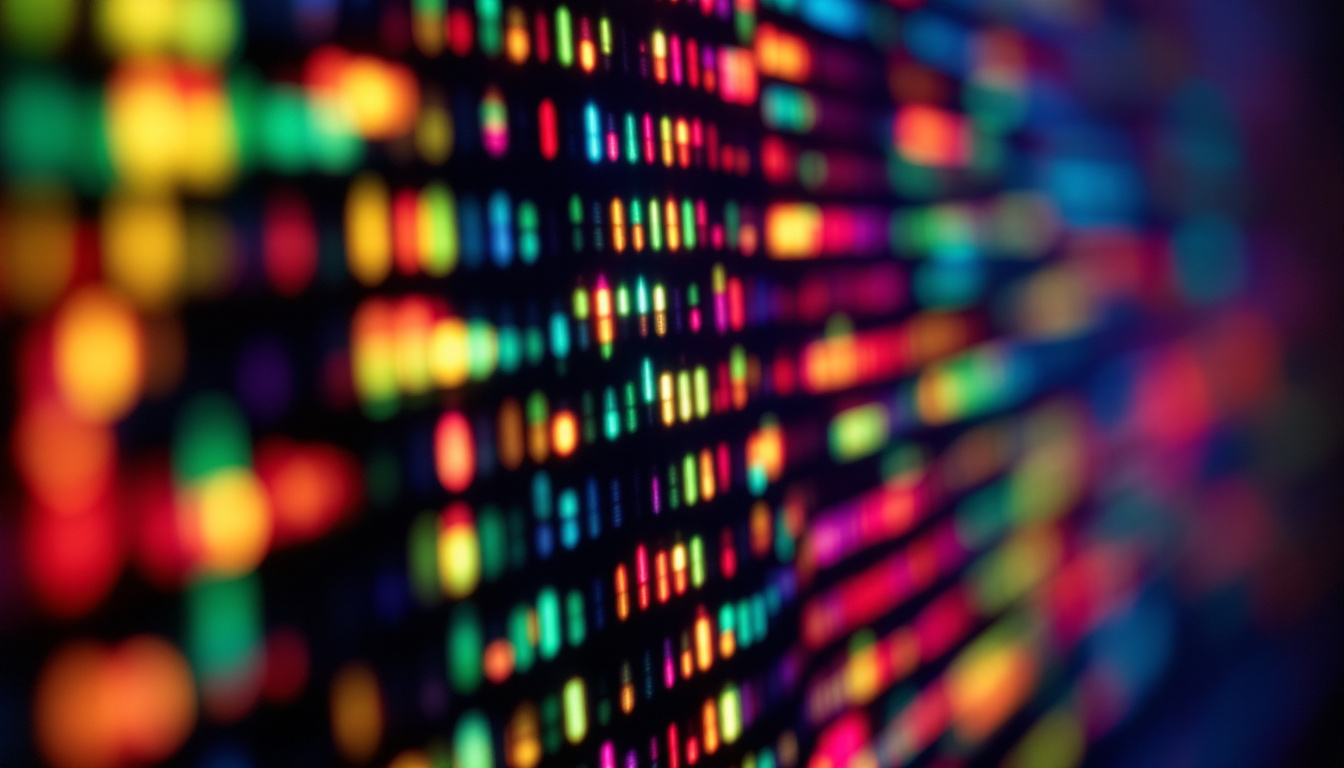
At the core of an LED wall are tiny LEDs arranged in a grid pattern on modular panels. Each LED acts as a pixel, emitting red, green, or blue light. By adjusting the intensity of these three colors, the display can produce a full spectrum of colors and render high-definition images and videos.
The panels are connected to a control system that processes input signals from media sources such as computers, cameras, or video players. This system synchronizes the content across all panels to ensure a seamless and coherent image. The modular design allows for scalability and easy maintenance, as individual panels can be replaced or upgraded without dismantling the entire wall.
Key Components of an LED Wall
- LED Modules: The basic building blocks containing the LEDs arranged in pixel arrays.
- Cabinets: Frames that hold multiple LED modules together to form larger sections.
- Power Supplies: Provide the necessary electricity to the LEDs and control systems.
- Control System: Hardware and software that manage the input signals and display output.
- Mounting Structure: Supports and secures the LED wall in its designated location.
Types of LED Displays
LED walls vary widely depending on their intended application, pixel pitch, brightness, and installation environment. Understanding these differences is crucial when selecting a LED wall for sale.
Indoor vs. Outdoor LED Walls
Indoor LED walls are designed for controlled environments and typically have a smaller pixel pitch, ranging from 1.2mm to 4mm. This means the LEDs are closer together, producing sharper images suitable for close viewing distances. Indoor LED walls usually have brightness levels between 800 and 1,500 nits, which is sufficient for indoor lighting conditions.
Outdoor LED walls, on the other hand, must withstand weather elements such as rain, wind, and sunlight. They feature higher brightness levels, often exceeding 5,000 nits, to remain visible even in direct sunlight. The pixel pitch is generally larger (4mm to 20mm) because outdoor viewers tend to be farther away. Additionally, outdoor LED walls are built with robust, weatherproof enclosures and cooling systems.
Fixed vs. Rental LED Walls
Fixed LED walls are permanent installations, commonly found in retail stores, corporate lobbies, stadiums, and transportation centers. They are custom-designed to fit specific spaces and are optimized for long-term use. Fixed walls often offer higher resolution and more advanced features since they do not need to be frequently assembled or disassembled.
Rental LED walls are modular and portable, designed for temporary events such as concerts, trade shows, conferences, and exhibitions. They prioritize ease of setup, dismantling, and transportation. Rental LED walls may sacrifice some resolution or brightness compared to fixed installations but provide flexibility and cost-effectiveness for short-term use.
Transparent LED Walls
Transparent LED walls are a cutting-edge innovation that integrates LED technology with glass panels, allowing light to pass through the display. This makes them ideal for storefront windows, architectural facades, and creative installations where maintaining visibility through the glass is important. Transparent LED walls provide dynamic content without blocking natural light or obstructing views.
Key Specifications to Consider When Buying an LED Wall
Selecting the right LED wall requires careful consideration of several technical specifications. These factors influence image quality, durability, and suitability for your specific application.
Pixel Pitch
Pixel pitch refers to the distance between the centers of two adjacent pixels, measured in millimeters. It directly affects the display’s resolution and viewing distance. A smaller pixel pitch means higher resolution and sharper images, suitable for close-up viewing. Conversely, larger pixel pitch is acceptable for displays viewed from a distance, such as outdoor billboards.
For example, a pixel pitch of 1.5mm is ideal for indoor environments like control rooms or retail displays, while a 10mm pitch might be used for outdoor advertising where viewers are tens of meters away.
Brightness
Brightness is measured in nits (candelas per square meter) and determines how well the LED wall performs under different lighting conditions. Indoor LED walls typically require 800 to 1,500 nits, while outdoor walls need 5,000 nits or more to combat sunlight glare. Choosing the appropriate brightness ensures your content remains visible and vibrant regardless of ambient light.
Refresh Rate
The refresh rate indicates how many times per second the display updates its image, measured in Hertz (Hz). A higher refresh rate (above 3,000 Hz) reduces flickering and produces smoother video playback, especially important for broadcasting or live event applications.
Viewing Angle
Viewing angle defines the maximum angle at which the display can be viewed without significant loss of brightness or color distortion. Wide viewing angles (above 140° horizontally and vertically) are essential for large audiences to enjoy consistent image quality from various positions.
Durability and IP Rating
For outdoor LED walls, durability is critical. The IP (Ingress Protection) rating indicates the display’s resistance to dust and water. An IP65 rating or higher is recommended for outdoor installations to ensure protection against rain and dust ingress.
Applications of LED Walls
LED walls have become indispensable tools across multiple industries due to their versatility and impact. Below are some of the most common applications.
Advertising and Digital Signage
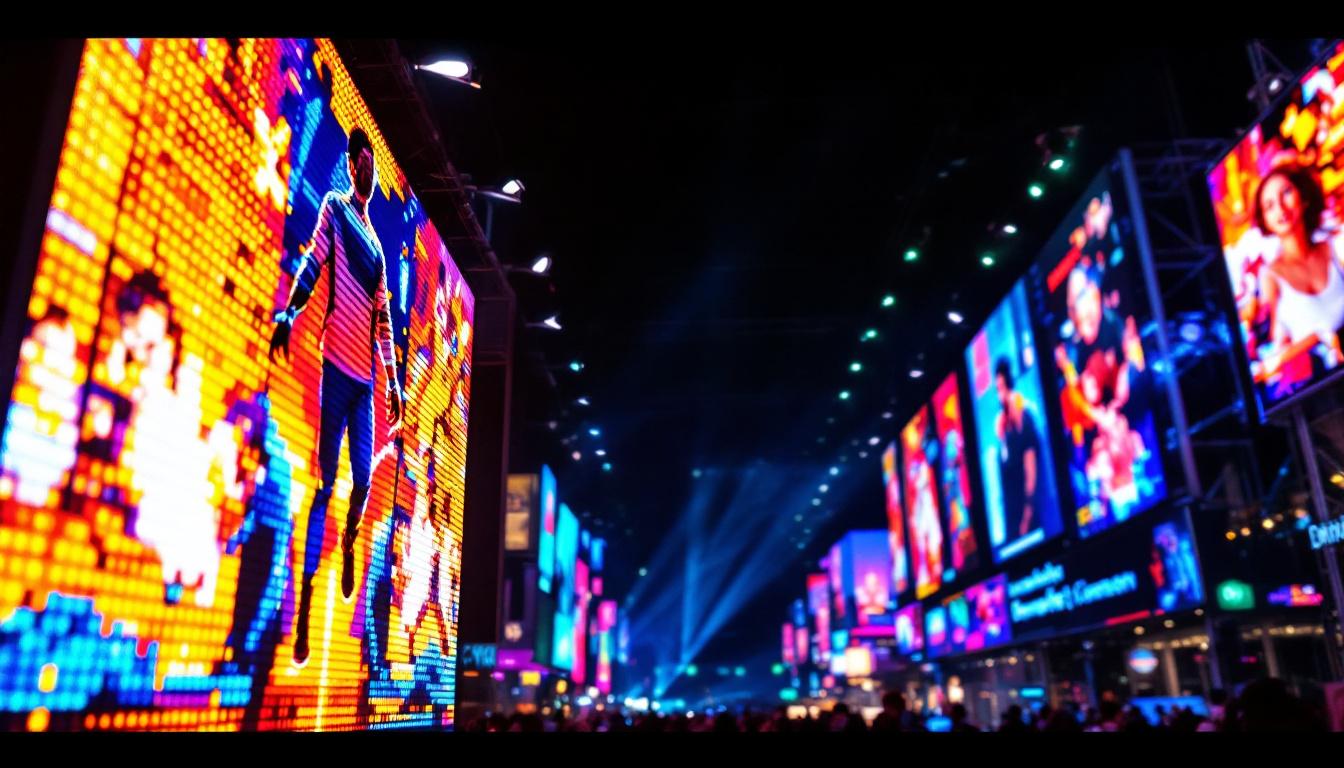
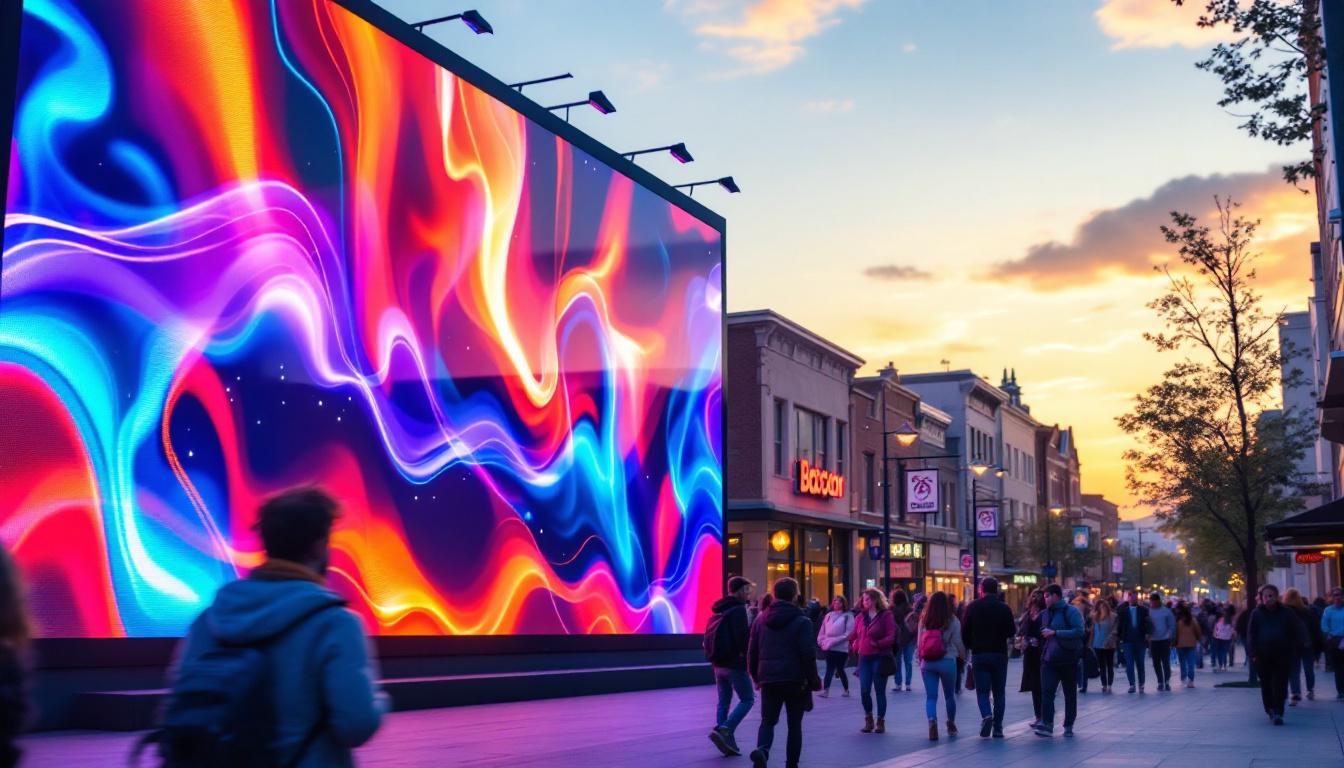
One of the largest markets for LED walls is advertising. Digital billboards and signage attract attention with dynamic content, animations, and real-time updates. LED walls enable brands to engage consumers effectively in high-traffic areas such as shopping malls, highways, and urban centers.
Events and Entertainment
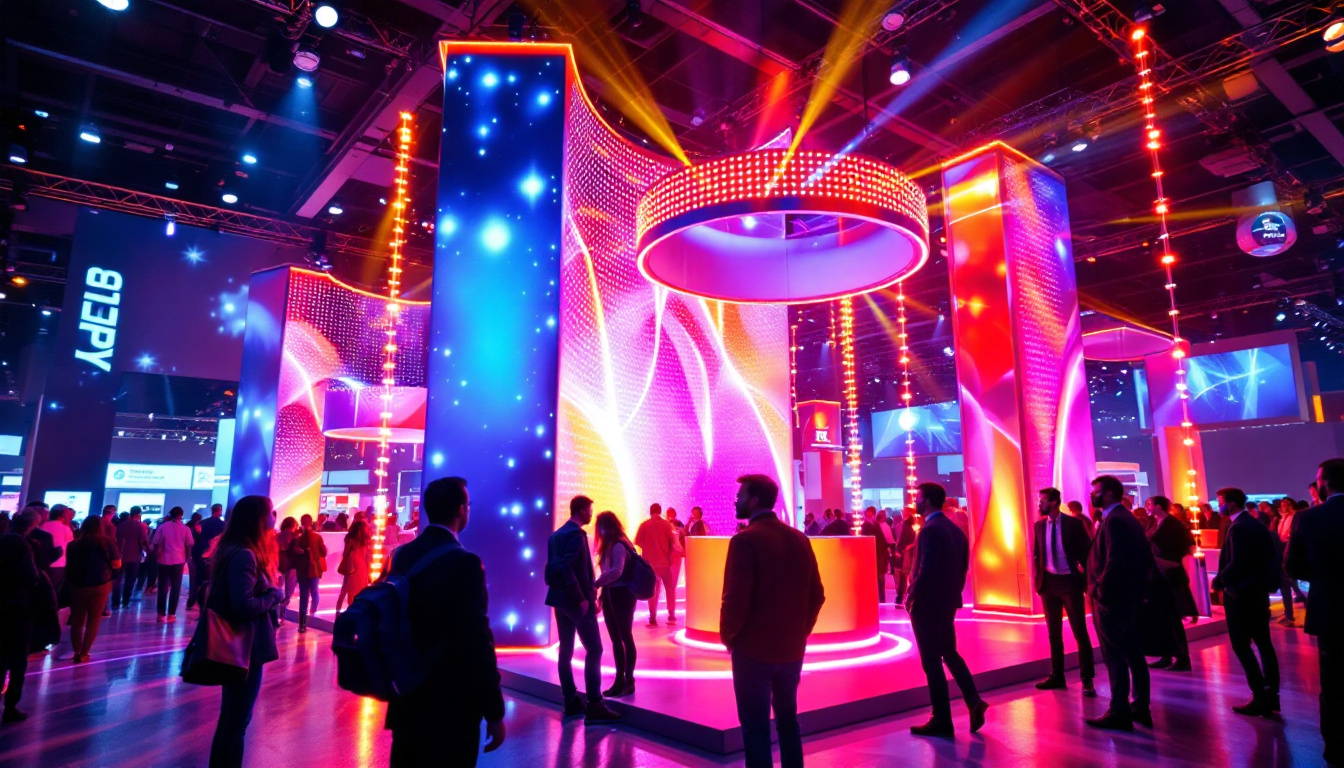
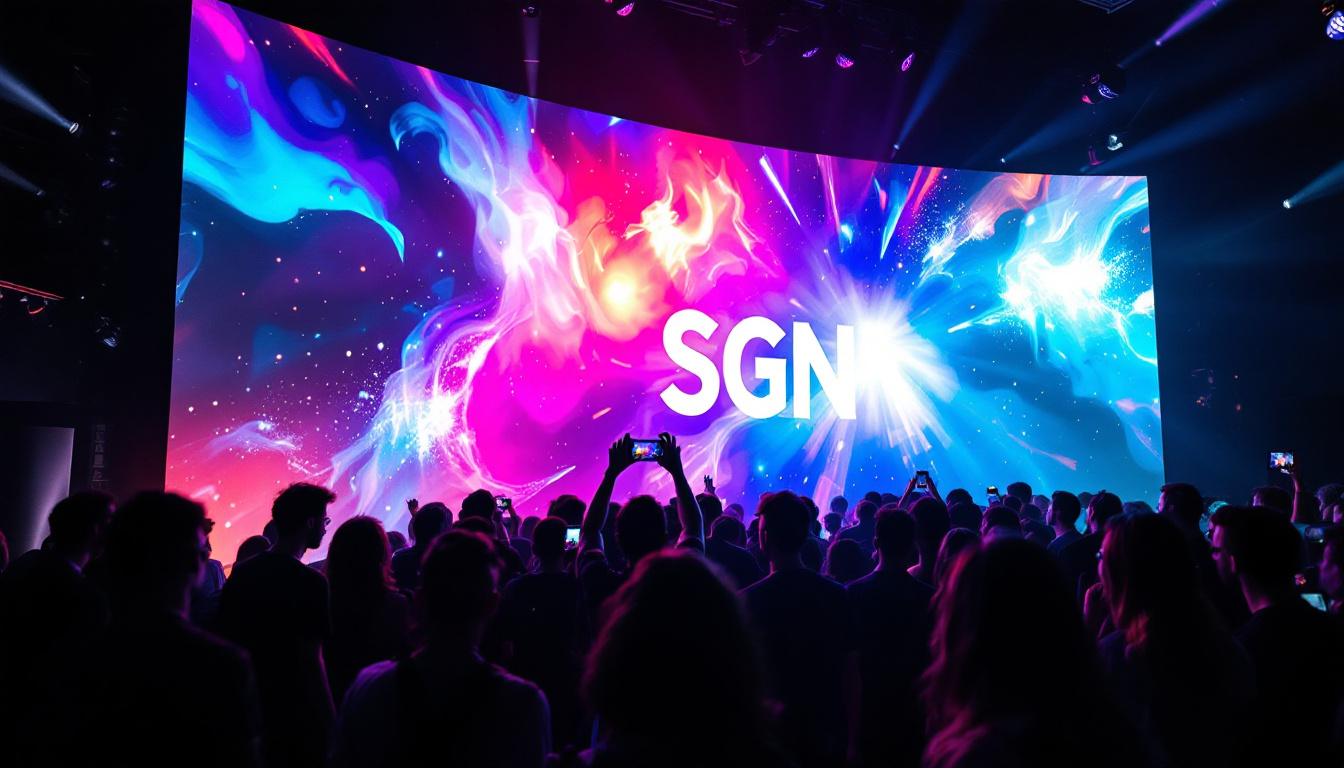
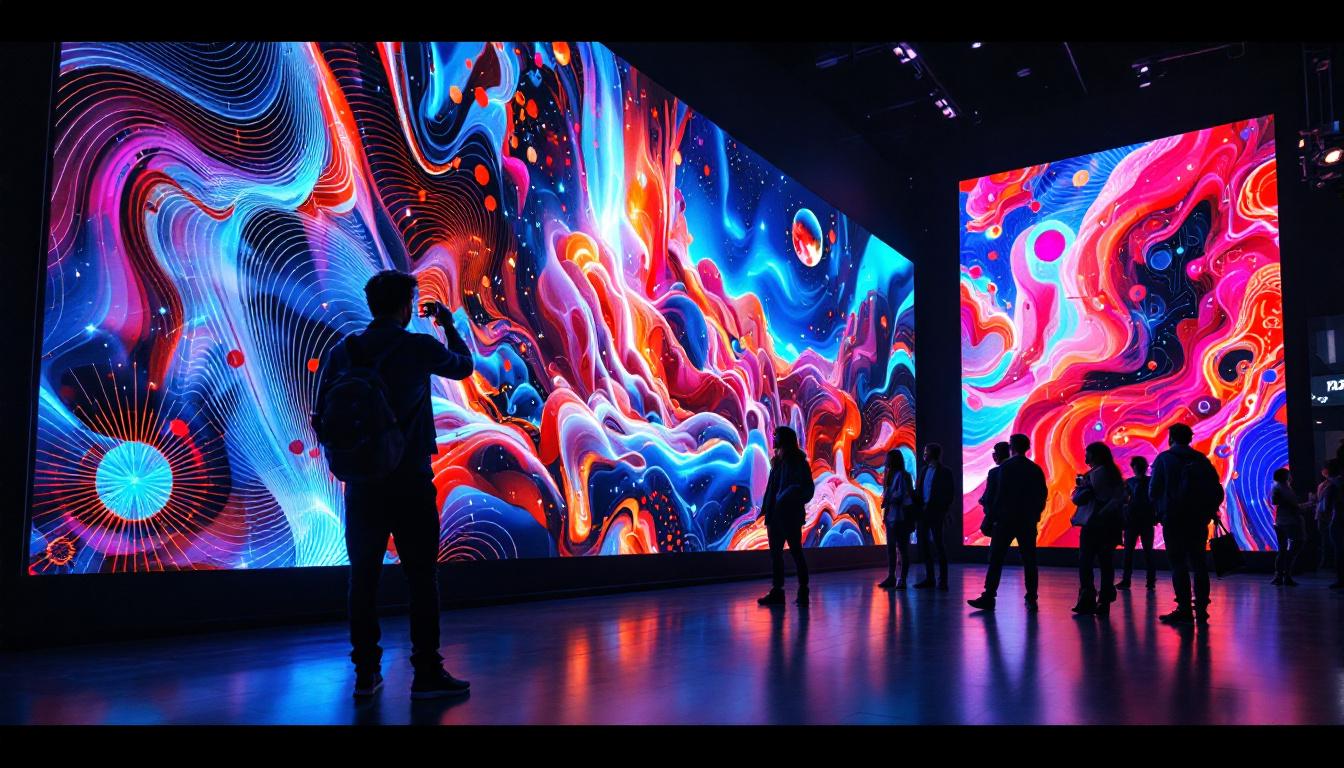
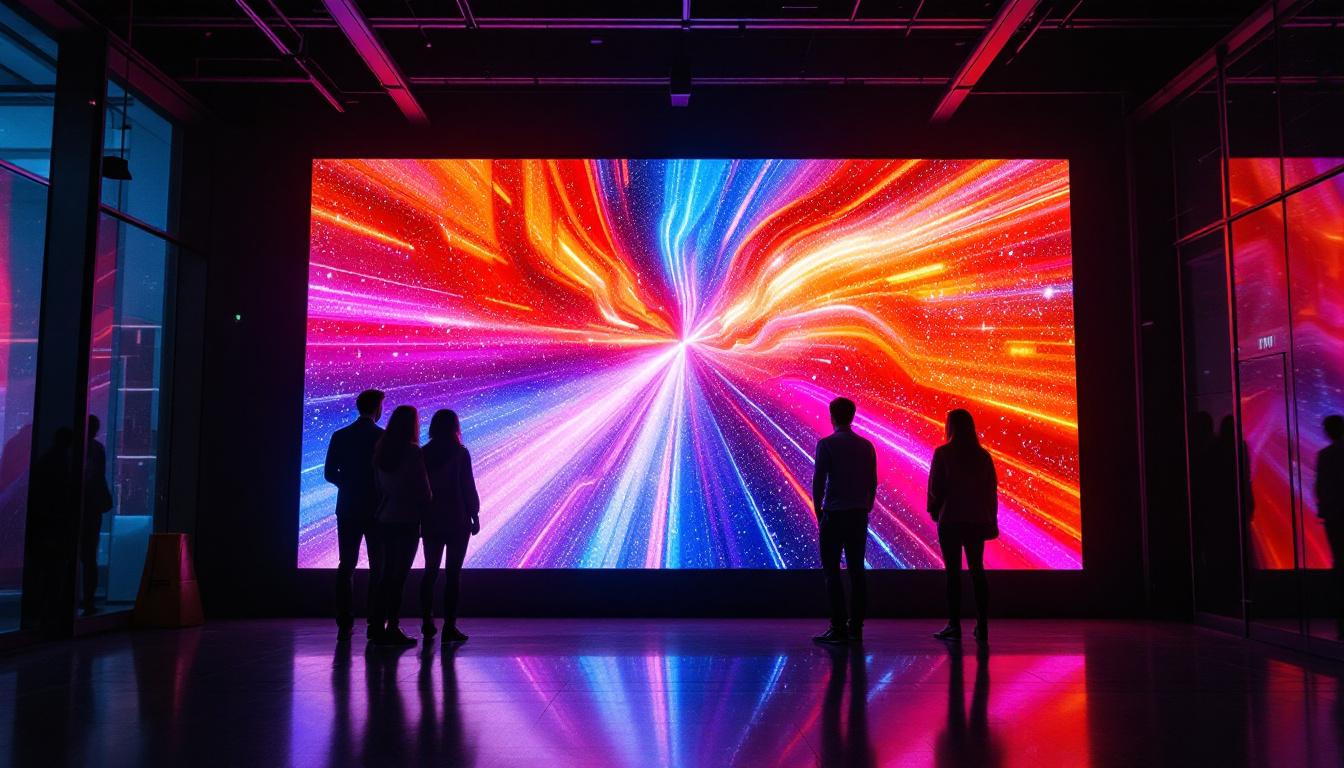
Concerts, festivals, and sports events use LED walls as immersive backdrops, enhancing the audience experience with live video feeds, graphics, and interactive content. Rental LED walls are particularly popular in this sector due to their portability and quick setup.
Corporate and Retail Environments
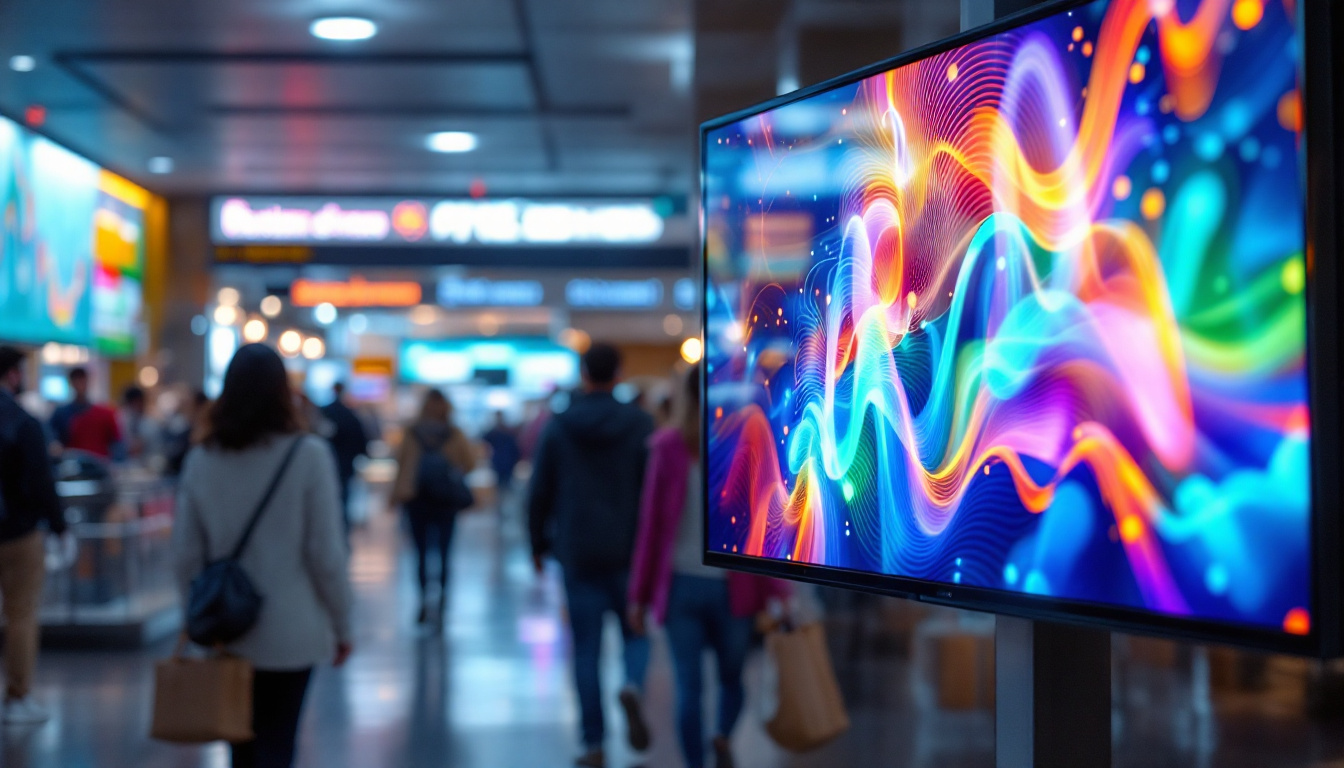
Corporate lobbies and retail stores utilize LED walls for branding, informational displays, and interactive kiosks. These installations help create memorable customer experiences and communicate messages clearly in busy environments.
Broadcast and Control Rooms
High-resolution LED walls serve as video walls in broadcast studios and control rooms, providing operators with real-time data, multiple video feeds, and monitoring capabilities. Their clarity and reliability are vital for mission-critical applications.
Benefits of Investing in a LED Wall
Purchasing a LED wall offers numerous advantages over traditional display technologies.
Superior Image Quality
LED walls deliver bright, vibrant images with excellent contrast and color accuracy. Their self-illuminating pixels eliminate the need for backlighting, resulting in deeper blacks and more vivid colors.
Scalability and Flexibility
The modular nature of LED panels allows for custom sizes and shapes, enabling creative and tailored installations. Whether you need a massive outdoor billboard or a curved indoor display, LED walls can be configured to meet your vision.
Energy Efficiency and Longevity
Modern LED technology is energy-efficient, consuming less power than traditional lighting and projection systems. Additionally, LED walls have long lifespans, often exceeding 100,000 hours of operation, reducing maintenance and replacement costs.
High Brightness and Visibility
LED walls outperform other display types in bright environments, maintaining visibility even under direct sunlight or intense indoor lighting.
Considerations Before Purchasing a LED Wall
While LED walls offer many benefits, some factors should be carefully evaluated before making a purchase.
Budget and Total Cost of Ownership
LED walls can represent a significant investment. Beyond the initial purchase price, consider installation, maintenance, content management software, and potential upgrades. Rental options might be more cost-effective for short-term needs.
Content Creation and Management
Effective use of an LED wall requires high-quality content tailored to the display’s resolution and format. Investing in professional content creation and management tools ensures your LED wall delivers maximum impact.
Installation and Structural Requirements
LED walls can be heavy and require sturdy mounting structures. Indoor installations may need reinforcement, while outdoor walls must comply with local regulations and safety standards.
Where to Find LED Walls for Sale
LED walls are available from specialized manufacturers, audiovisual integrators, and technology retailers. When sourcing an LED wall, it is important to choose reputable suppliers who offer comprehensive warranties, technical support, and customization options.
Many suppliers provide consultation services to help determine the ideal specifications based on your application, budget, and environment. Comparing quotes, reviewing customer testimonials, and requesting demonstrations can help ensure you select the best product.
Conclusion
LED walls have transformed visual communication across industries, offering dynamic, high-quality displays that engage and captivate audiences. Whether for advertising, events, corporate environments, or public spaces, understanding the technology behind LED displays is key to making an informed purchase.
By considering factors such as pixel pitch, brightness, durability, and application requirements, buyers can select the perfect LED wall for their needs. With the right investment, an LED wall can become a powerful asset that enhances brand presence, delivers compelling content, and stands the test of time.
Discover LumenMatrix LED Display Solutions
Ready to elevate your visual communication with a high-quality LED wall? LumenMatrix is at the forefront of LED display innovation, offering a diverse range of products from Indoor and Outdoor LED Wall Displays to specialized solutions like Vehicle, Sports, and Floor LED Displays. Our mission is to provide you with digital signage that not only enhances brand visibility but also creates immersive visual experiences. Don’t miss the opportunity to transform your space. Check out LumenMatrix LED Display Solutions today and see the difference cutting-edge technology can make.