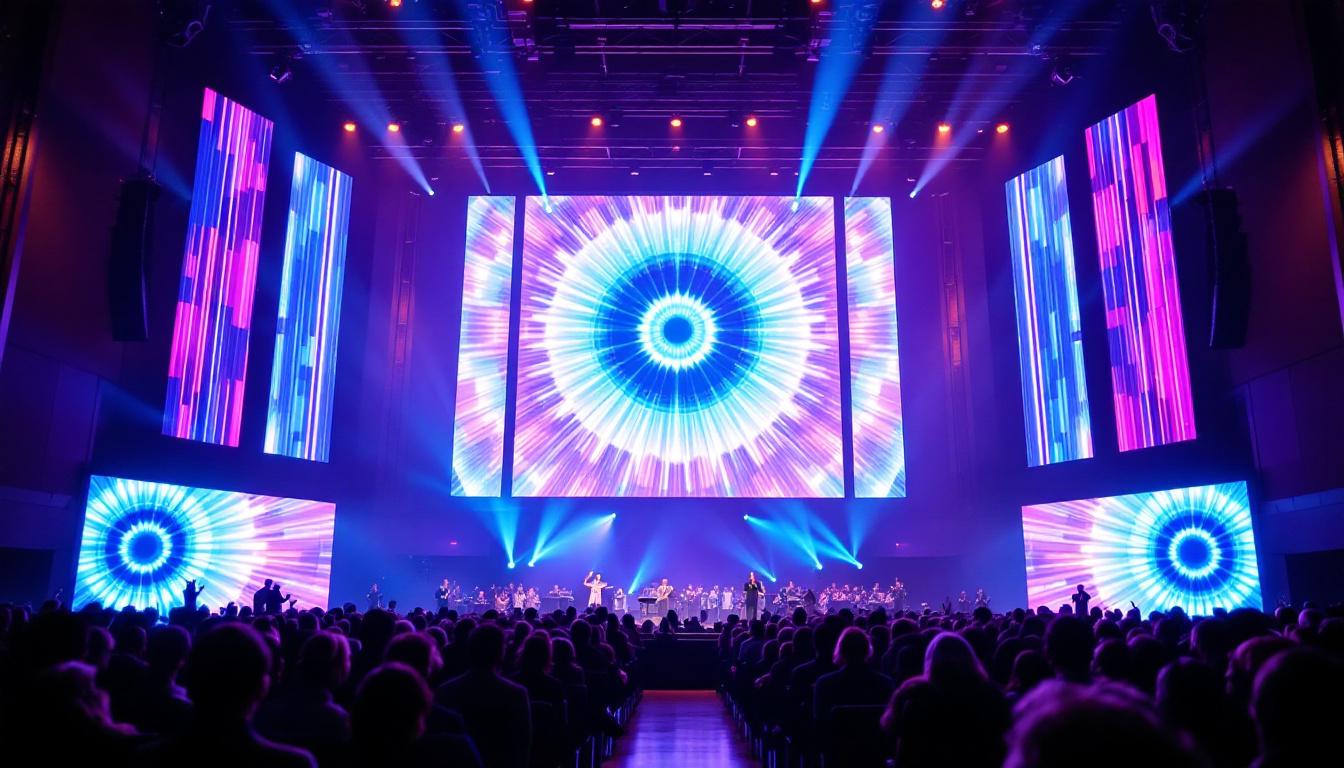
In today’s fast-paced digital landscape, LED video walls have emerged as a dynamic and visually stunning solution for a wide range of applications, from advertising and entertainment to corporate communications and public information displays. Understanding the technology behind LED displays and the installation process is crucial for businesses and organizations looking to leverage this powerful medium effectively.
This article provides a comprehensive overview of LED video walls, explaining the technology, installation considerations, and best practices to ensure a successful deployment.
What is an LED Video Wall?
Defining LED Video Walls
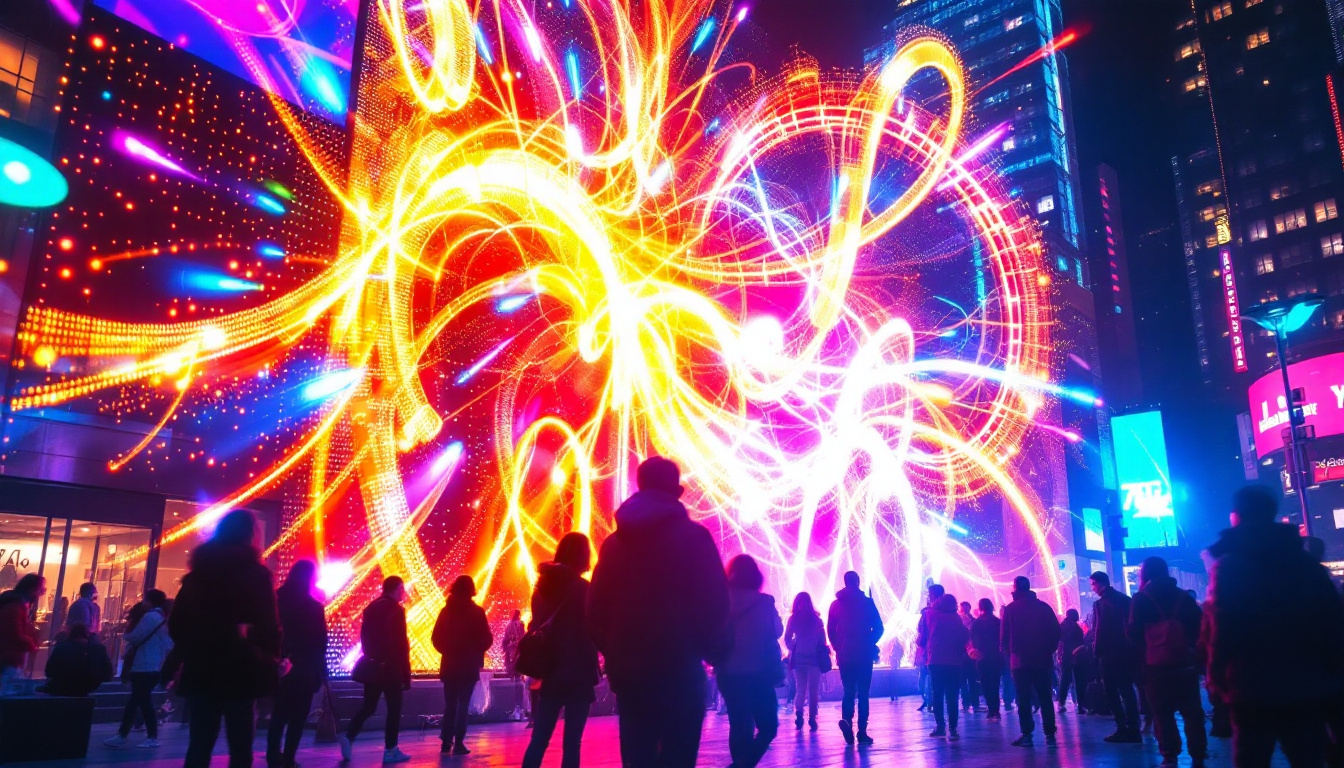
An LED video wall is a large-scale display made up of multiple LED panels seamlessly tiled together to form one expansive screen. Unlike traditional LCD or projection screens, LED video walls use light-emitting diodes (LEDs) as their pixels, which allows for superior brightness, contrast, and color accuracy. This makes them ideal for both indoor and outdoor environments, where visibility and impact are paramount.
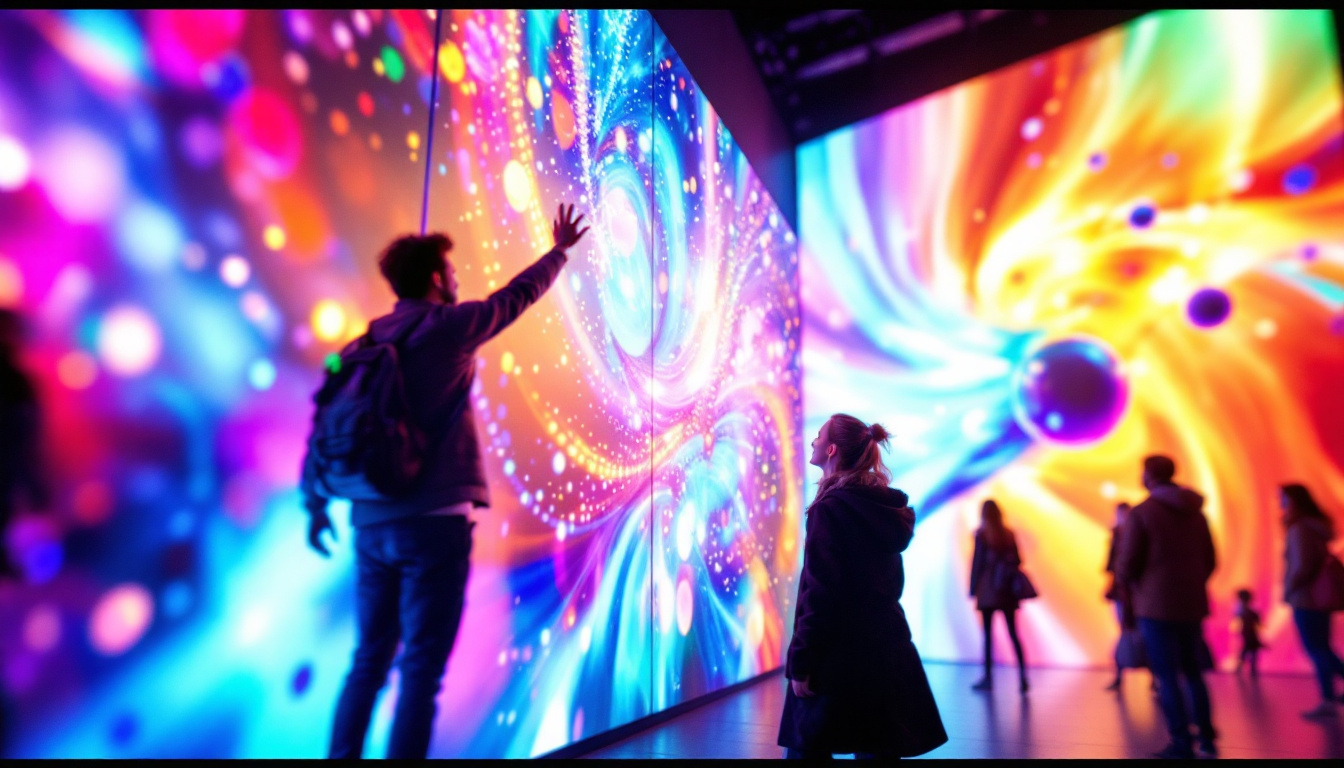
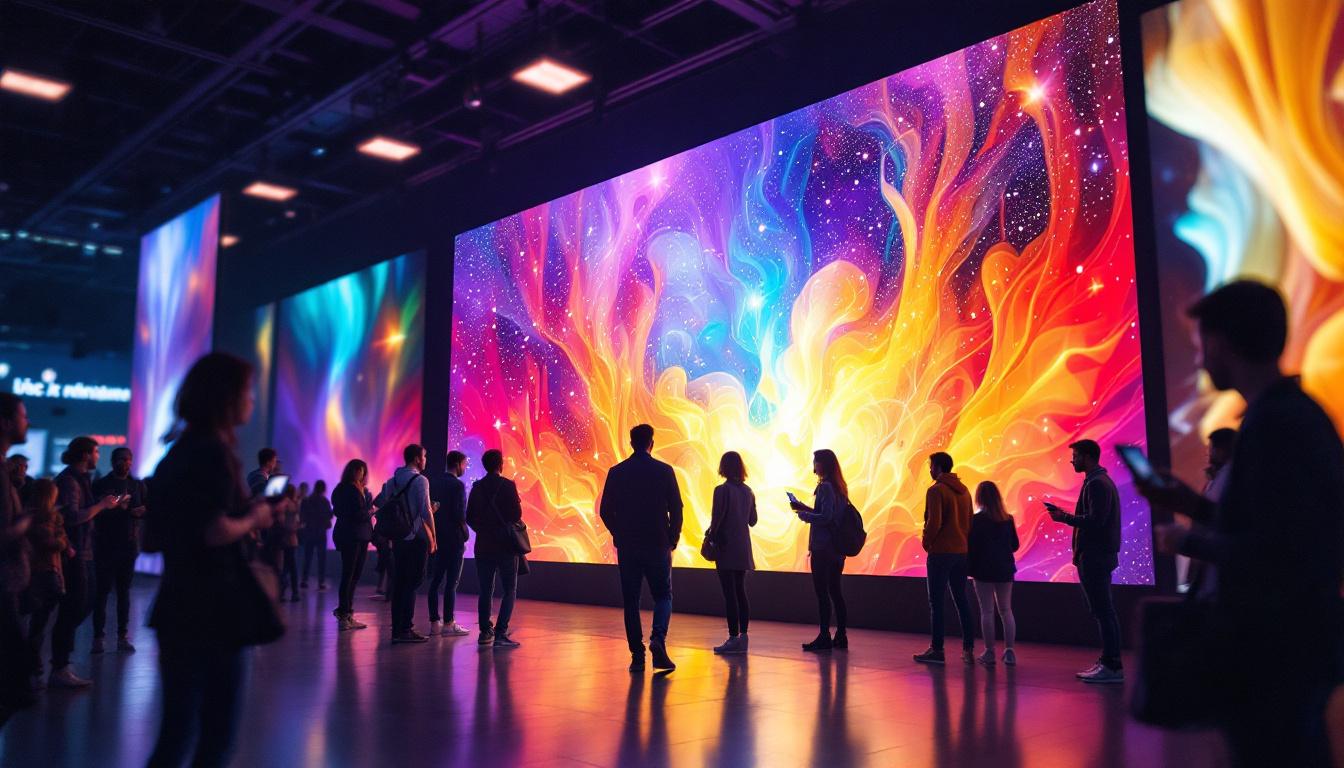
The modular nature of LED video walls means they can be customized to virtually any size or shape, from a simple 2×2 panel configuration to massive installations covering entire building facades. This flexibility not only enhances the aesthetic appeal of a space but also allows for dynamic content presentation, making them a popular choice for events, exhibitions, and advertising campaigns. Additionally, the ability to control each panel individually means that designers can create stunning visual effects that captivate audiences and convey messages with clarity and precision.
Types of LED Displays
LED video walls come in various types, primarily distinguished by the pixel pitch—the distance between the centers of two adjacent LEDs. Pixel pitch directly affects resolution and viewing distance:
- Fine Pitch LED Displays: These have a pixel pitch of less than 2.5mm and are designed for close-up viewing, such as in control rooms or retail environments. Their high pixel density ensures that images remain sharp and detailed, even when viewed from just a few feet away, making them ideal for applications where intricate visuals are crucial.
- Standard Pitch LED Displays: With pixel pitches ranging from 2.5mm to 6mm, these are commonly used for indoor events, corporate lobbies, and broadcast studios. They strike a balance between resolution and viewing distance, providing a clear image for audiences seated at moderate distances.
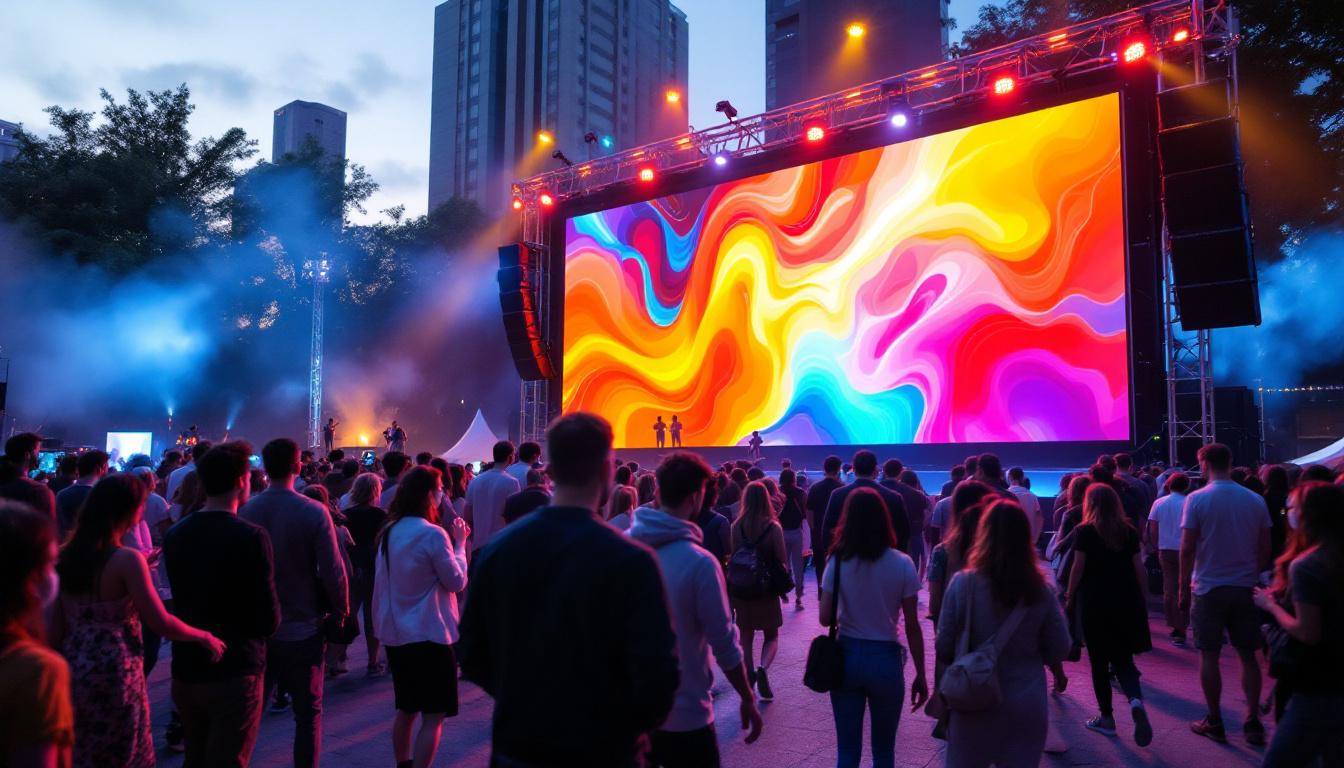
- Large Pitch LED Displays: Pixel pitches greater than 6mm are typically used for outdoor advertising, stadiums, and large venues where viewers are farther away. These displays are engineered to withstand harsh weather conditions while delivering vibrant visuals that can be seen from significant distances, making them a staple in the world of outdoor marketing.
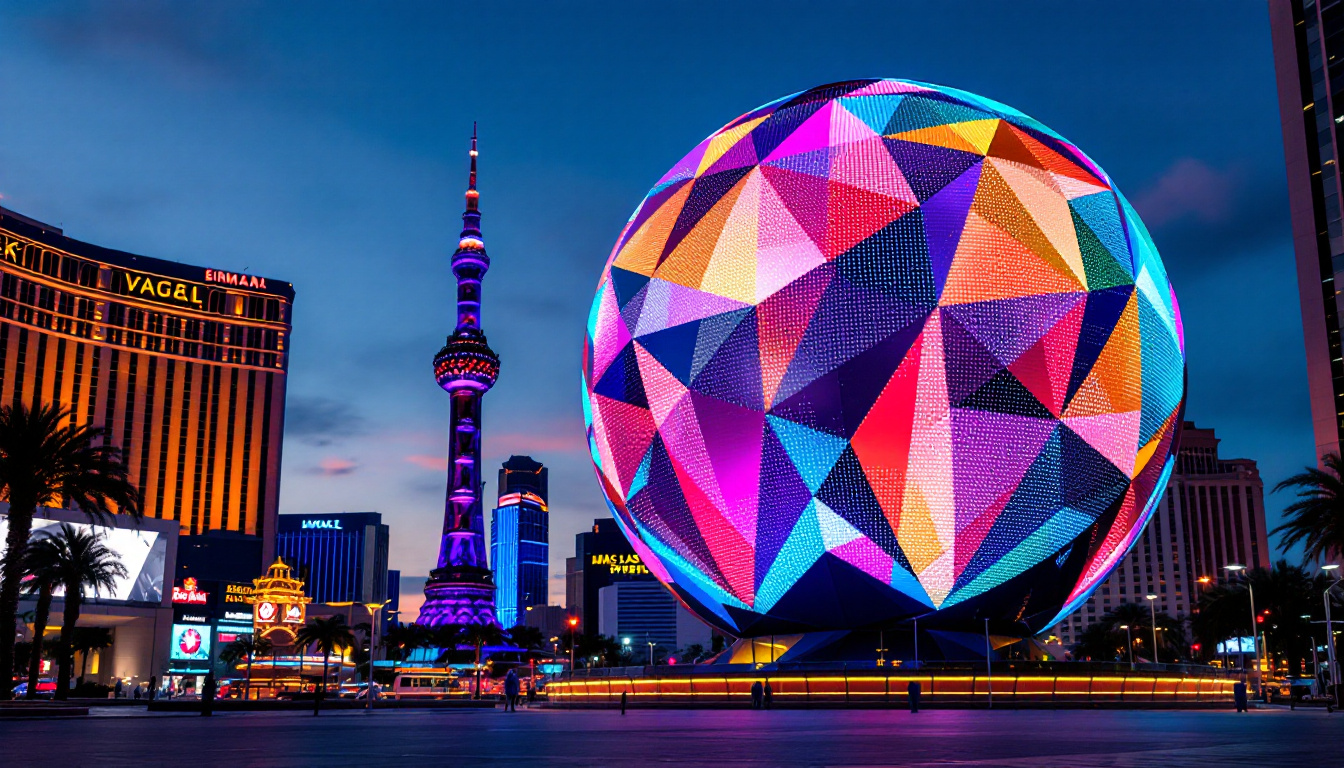
In addition to these categories, LED video walls can also be classified based on their application. For instance, creative LED displays often feature unique shapes and configurations, allowing for artistic installations that go beyond traditional rectangular screens. These creative setups can transform spaces into immersive environments, engaging viewers in ways that standard displays cannot. Furthermore, advancements in technology have led to the development of transparent LED screens, which can be integrated into glass surfaces, providing a futuristic look while allowing light to pass through.
Another important aspect of LED video walls is their energy efficiency. Compared to older display technologies, LED panels consume significantly less power, which not only reduces operational costs but also aligns with sustainability goals. This energy efficiency is particularly beneficial for large installations that run for extended periods, such as those found in public spaces or during events. As the demand for visually striking and environmentally friendly solutions continues to grow, LED video walls are becoming an increasingly popular choice for businesses and organizations looking to make a lasting impression.
How LED Video Walls Work
The Technology Behind LED Displays
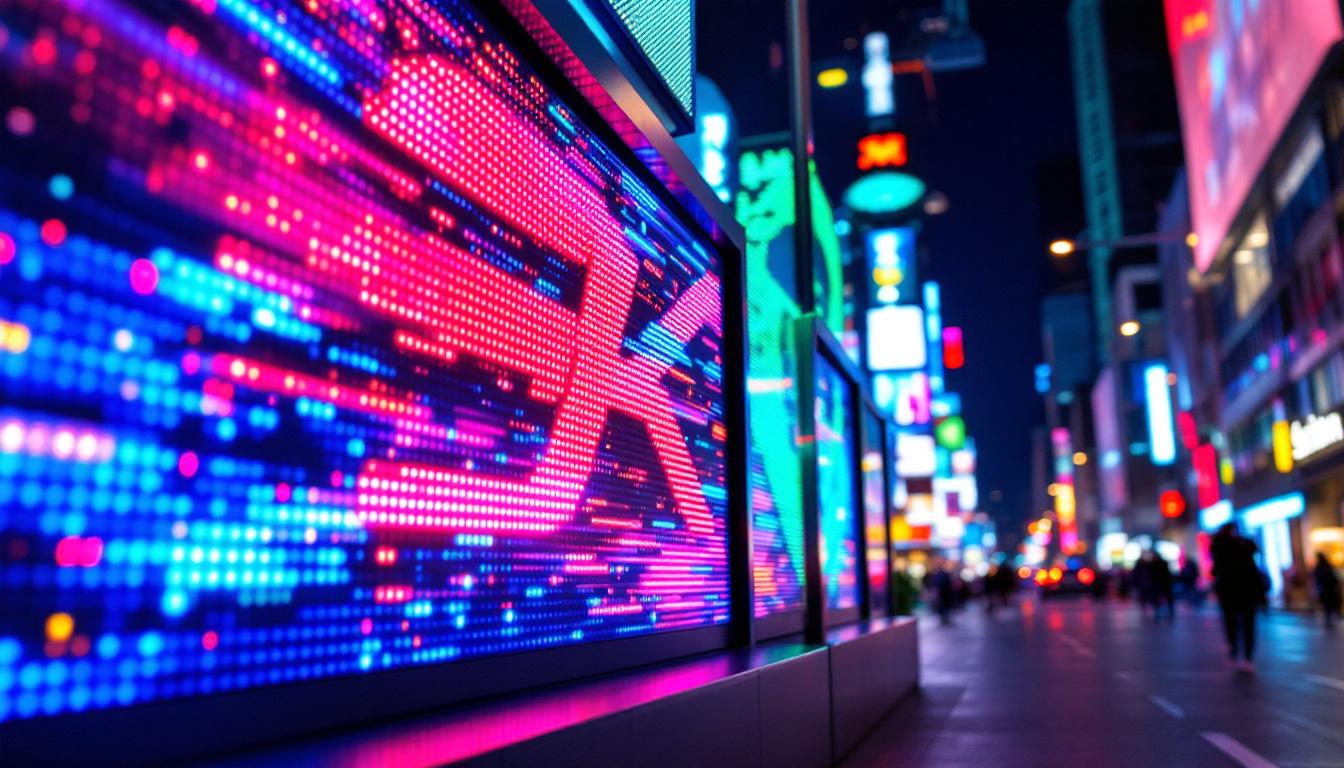
Each LED panel consists of thousands of tiny LEDs arranged in a grid. These LEDs emit red, green, and blue light, which combine to create the full spectrum of colors seen on the screen. The intensity of each LED is controlled by the display’s driver circuits, allowing for precise color mixing and brightness adjustment.
Modern LED video walls use surface-mount device (SMD) technology, which places the red, green, and blue LEDs very close together on a single chip. This results in smoother images and higher resolution compared to older LED technologies.
Brightness and Contrast Advantages
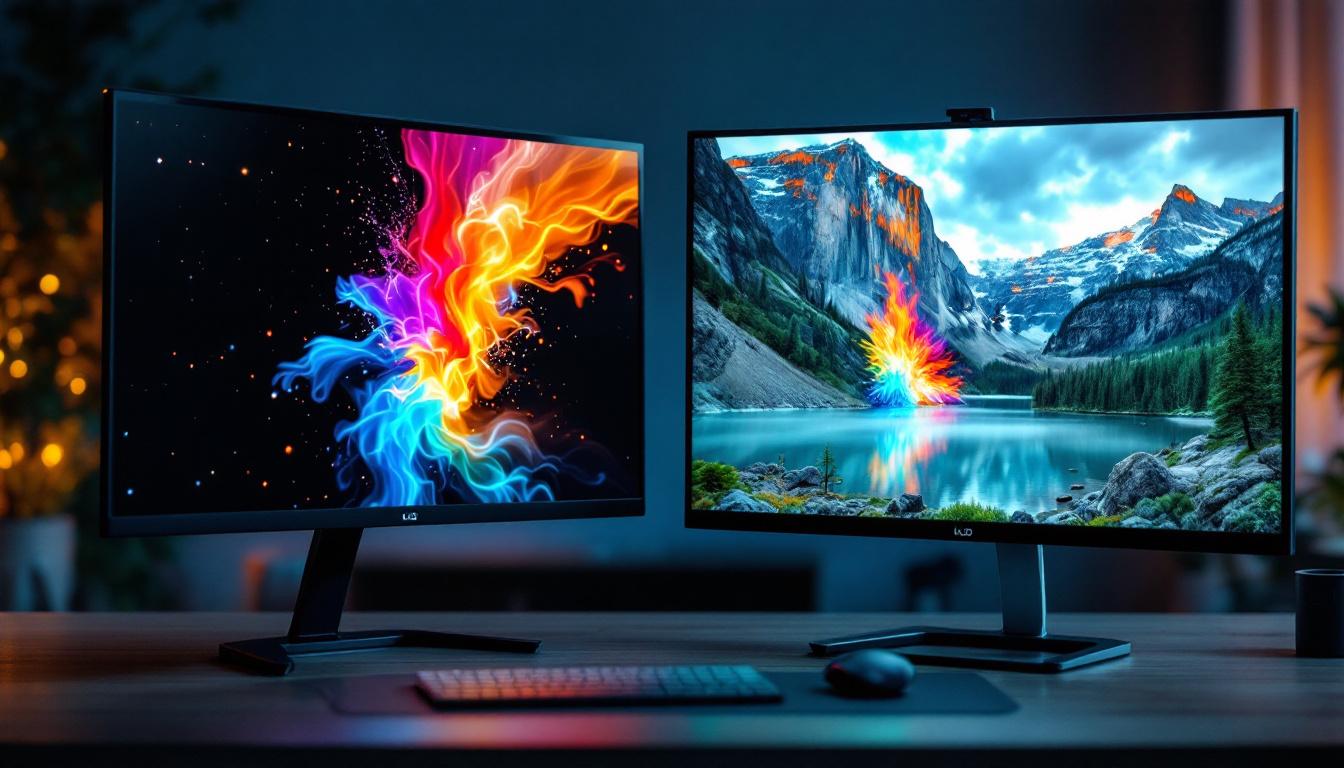
One of the key advantages of LED video walls over other display technologies is their exceptional brightness. LED displays can achieve brightness levels of 1,000 to 5,000 nits or more, making them easily visible even in direct sunlight. This is particularly important for outdoor installations such as digital billboards or stadium screens.
Additionally, LEDs provide superior contrast ratios because they emit light directly, allowing for deeper blacks and more vibrant colors. This creates a more engaging and immersive viewing experience.
Planning and Preparing for LED Video Wall Installation
Site Assessment and Requirements
Before installation begins, a thorough site assessment is essential. This includes evaluating the physical space, environmental conditions, and viewing distances. For example, outdoor installations must consider weatherproofing, wind load, and sunlight exposure, while indoor installations need to account for ambient lighting and room layout.
Understanding the audience’s viewing distance helps determine the appropriate pixel pitch and screen size. A general guideline is that the optimal viewing distance should be at least 1.5 to 2 times the pixel pitch in millimeters. For instance, a 3mm pixel pitch display is best viewed from about 4.5 to 6 meters away.
Structural and Electrical Considerations
LED video walls are relatively heavy and require a strong, stable mounting structure. Whether wall-mounted or free-standing, the support framework must be engineered to handle the combined weight of the panels and withstand environmental stresses.
Electrical infrastructure is equally important. LED video walls demand significant power, and proper wiring, circuit protection, and cooling systems must be in place. Many installations also require backup power solutions to ensure continuous operation during outages.
Choosing the Right LED Panels
Not all LED panels are created equal. Factors such as pixel pitch, refresh rate, color calibration, and viewing angle should be carefully evaluated based on the intended use. For example, a control room display may prioritize ultra-high resolution and color accuracy, while an outdoor advertising screen might focus on brightness and weather resistance.
The Installation Process
Pre-Installation Testing
Before mounting, each LED panel undergoes rigorous testing to ensure it meets quality standards. This includes checking for dead pixels, color uniformity, and functionality of the control system. Pre-installation testing minimizes the risk of issues after the video wall is assembled.
Mounting and Alignment
Panels are mounted onto the supporting structure with precision brackets that allow for fine adjustments. Proper alignment is critical to avoid visible seams and ensure a uniform image across the entire wall. Installers use laser tools and alignment software to achieve pixel-perfect placement.
Calibration and Configuration
Once the panels are installed, the video wall undergoes calibration to balance brightness, color, and contrast. Calibration software adjusts each panel’s settings to create a seamless visual experience. Additionally, the control system is configured to manage input sources, content scheduling, and diagnostics.
Testing and Quality Assurance
After installation and calibration, comprehensive testing is performed to verify image quality, system responsiveness, and reliability. This phase includes running various content types, stress testing under different lighting conditions, and ensuring remote management capabilities are operational.
Maintenance and Longevity of LED Video Walls
Routine Maintenance Practices
LED video walls require regular maintenance to sustain optimal performance. Cleaning the panels to remove dust and debris is essential, especially for outdoor displays exposed to environmental pollutants. Maintenance schedules vary depending on location and usage but typically include quarterly inspections.
Technicians also check for loose connections, firmware updates, and potential hardware wear. Proactive maintenance helps prevent unexpected failures and extends the lifespan of the video wall.
Common Issues and Troubleshooting
Some common issues include dead pixels, color inconsistencies, and power supply failures. Fortunately, LED video walls are designed with modular panels that can be individually replaced or repaired without dismantling the entire system.
Effective troubleshooting involves diagnostic software that monitors panel health and alerts operators to potential problems. This predictive maintenance approach reduces downtime and repair costs.
Applications and Benefits of LED Video Walls
Advertising and Marketing
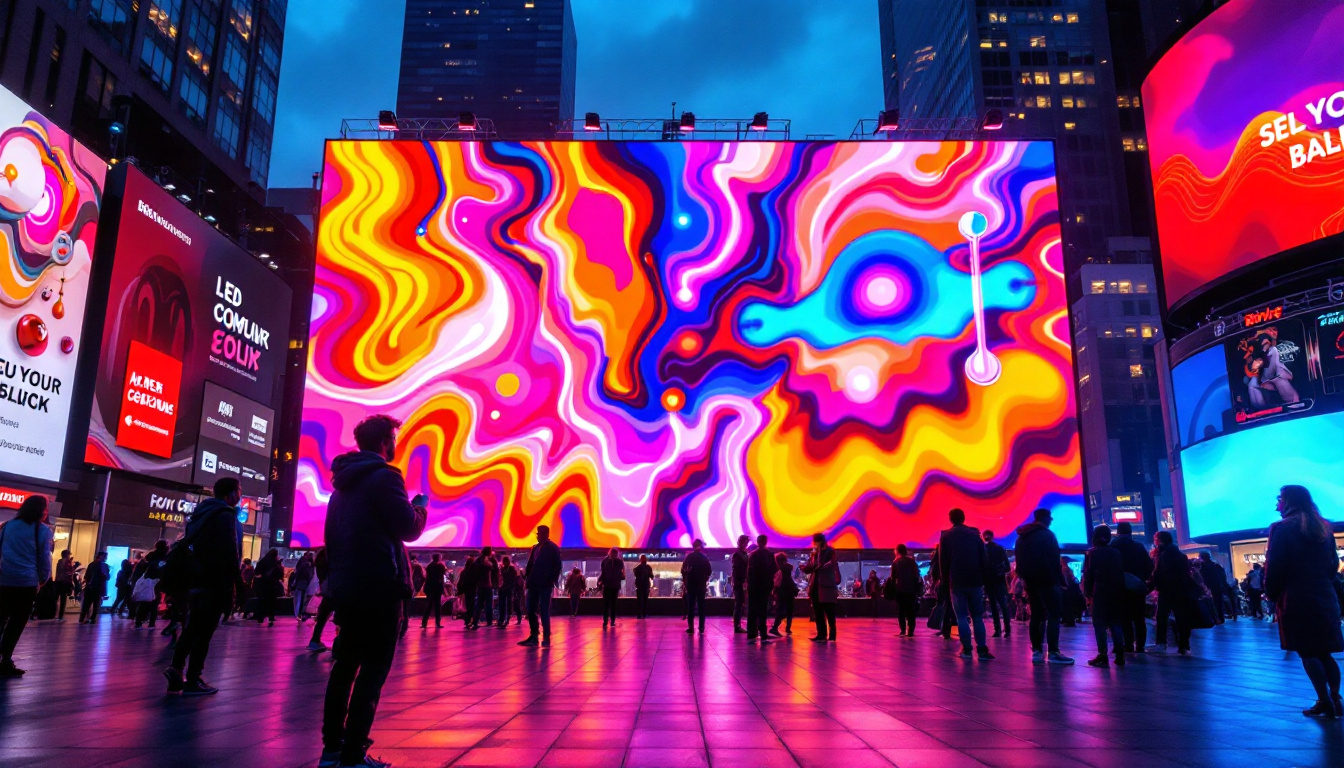
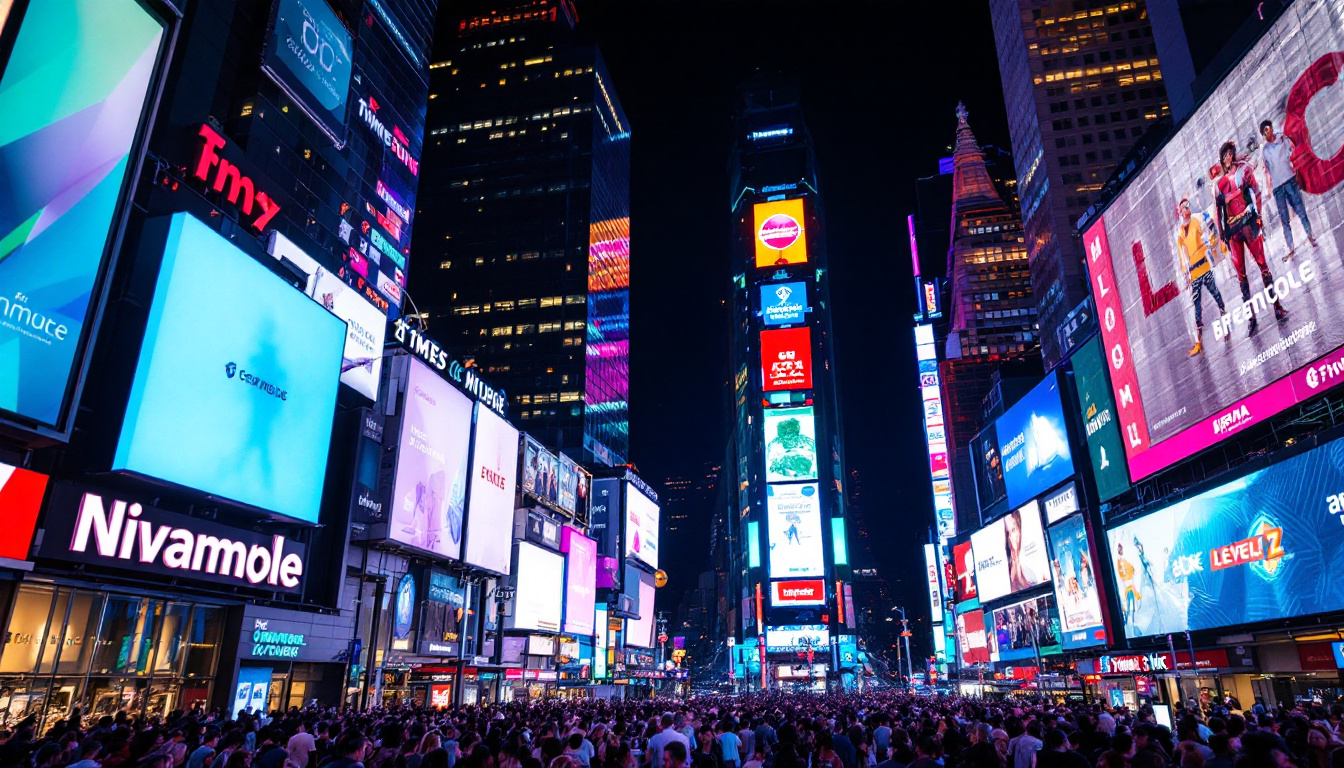
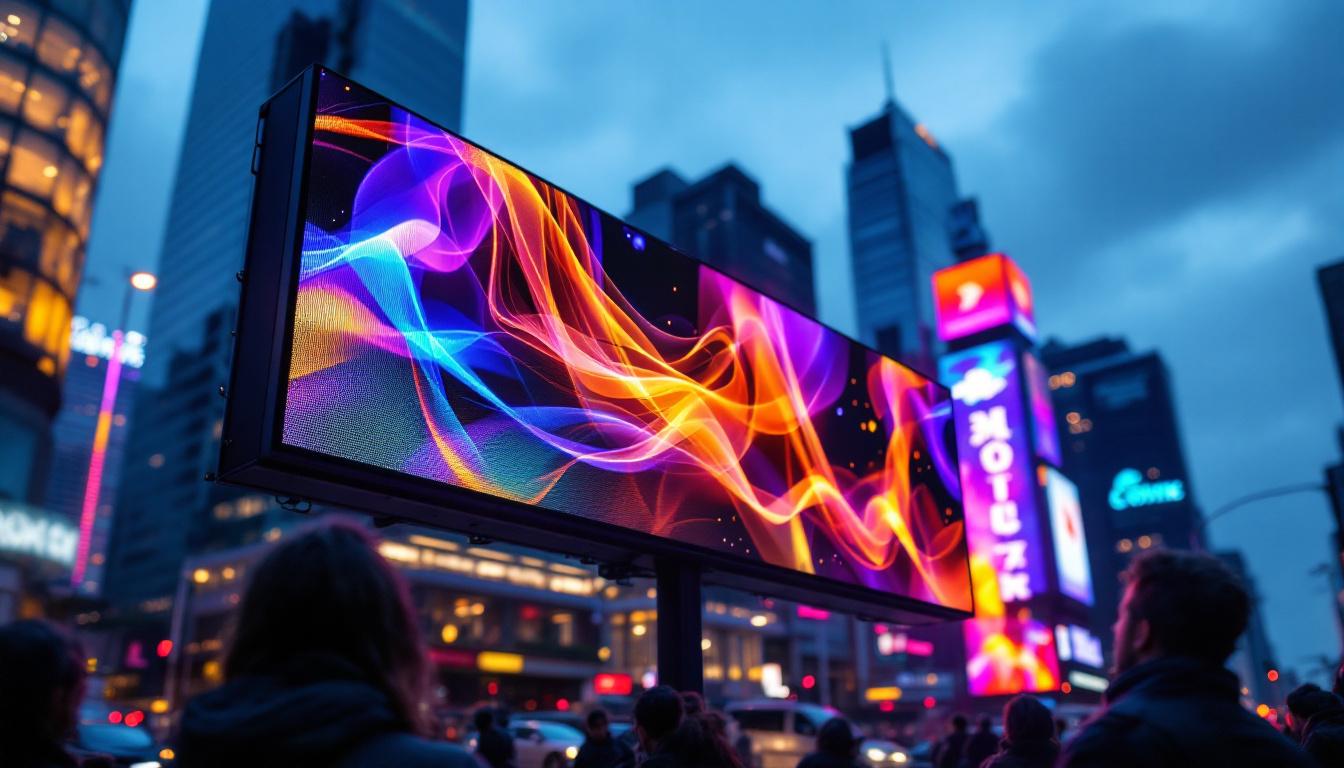
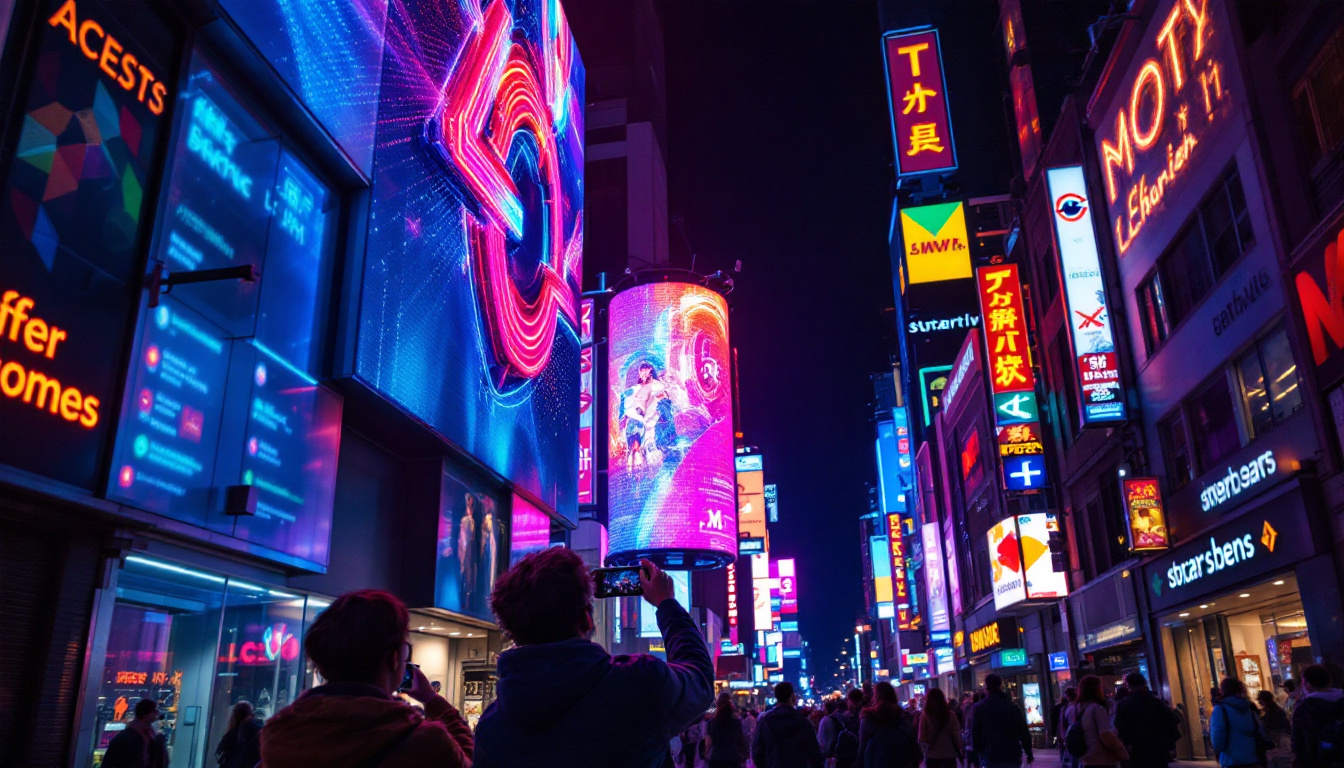
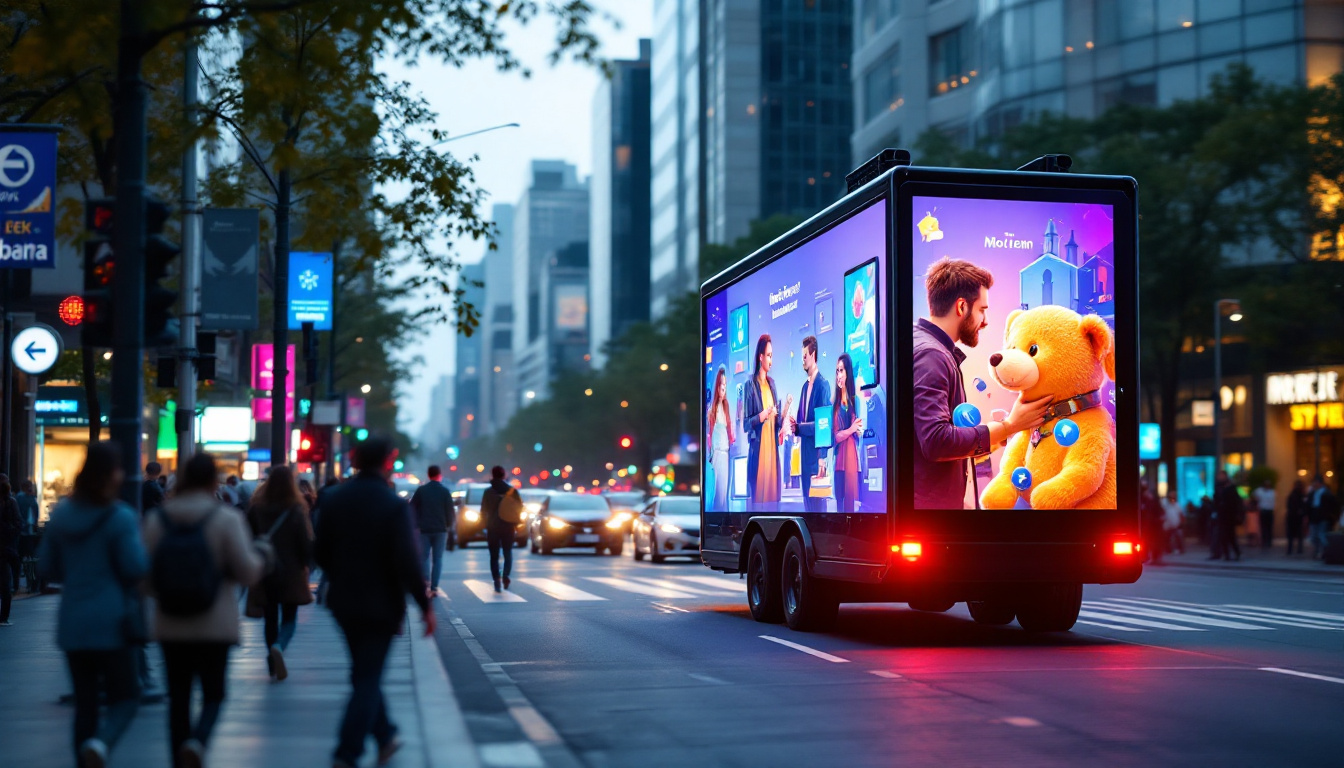
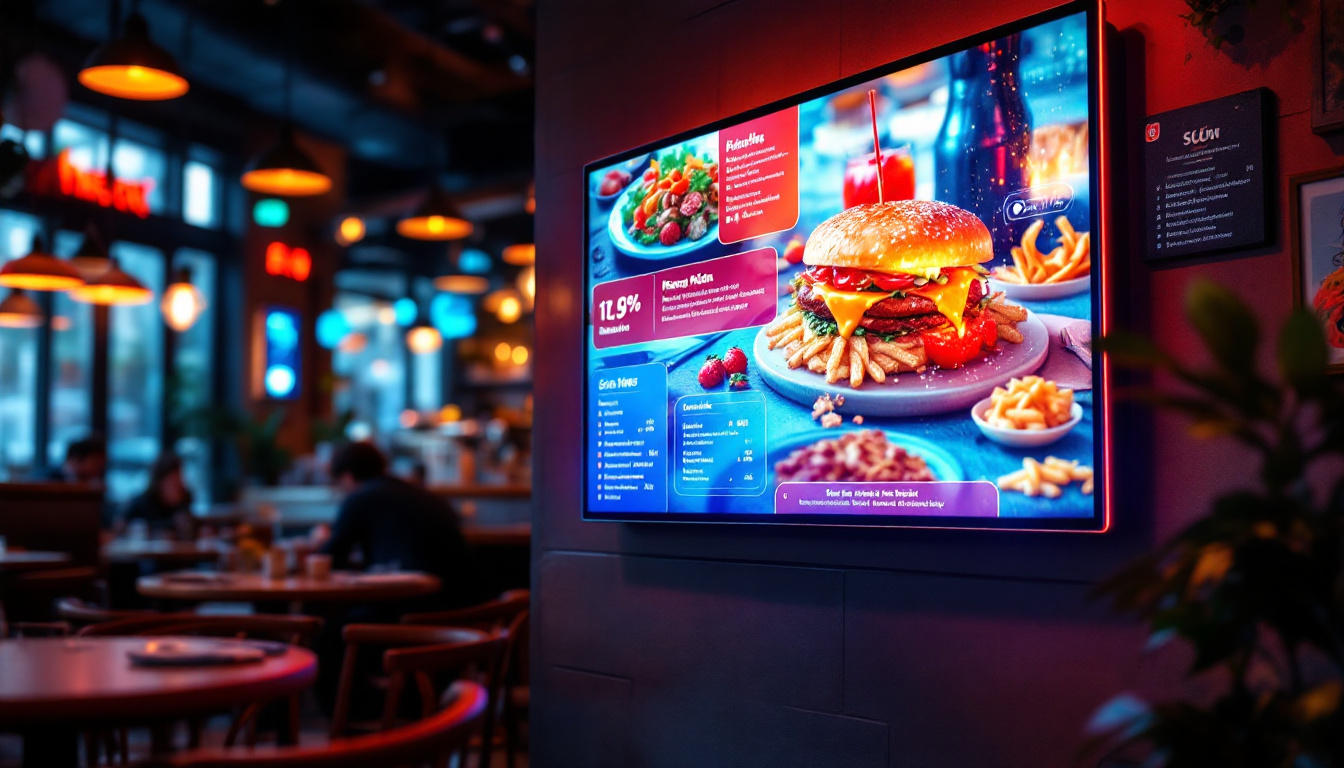
LED video walls are widely used in advertising due to their ability to attract attention with bright, dynamic content. Digital billboards, retail storefronts, and event venues use LED walls to deliver high-impact messages that can be updated in real-time.
Corporate and Educational Environments
In corporate settings, LED video walls enhance presentations, video conferencing, and digital signage. Educational institutions use them for interactive learning, campus announcements, and event broadcasting, creating engaging environments for students and staff.
Entertainment and Sports Venues
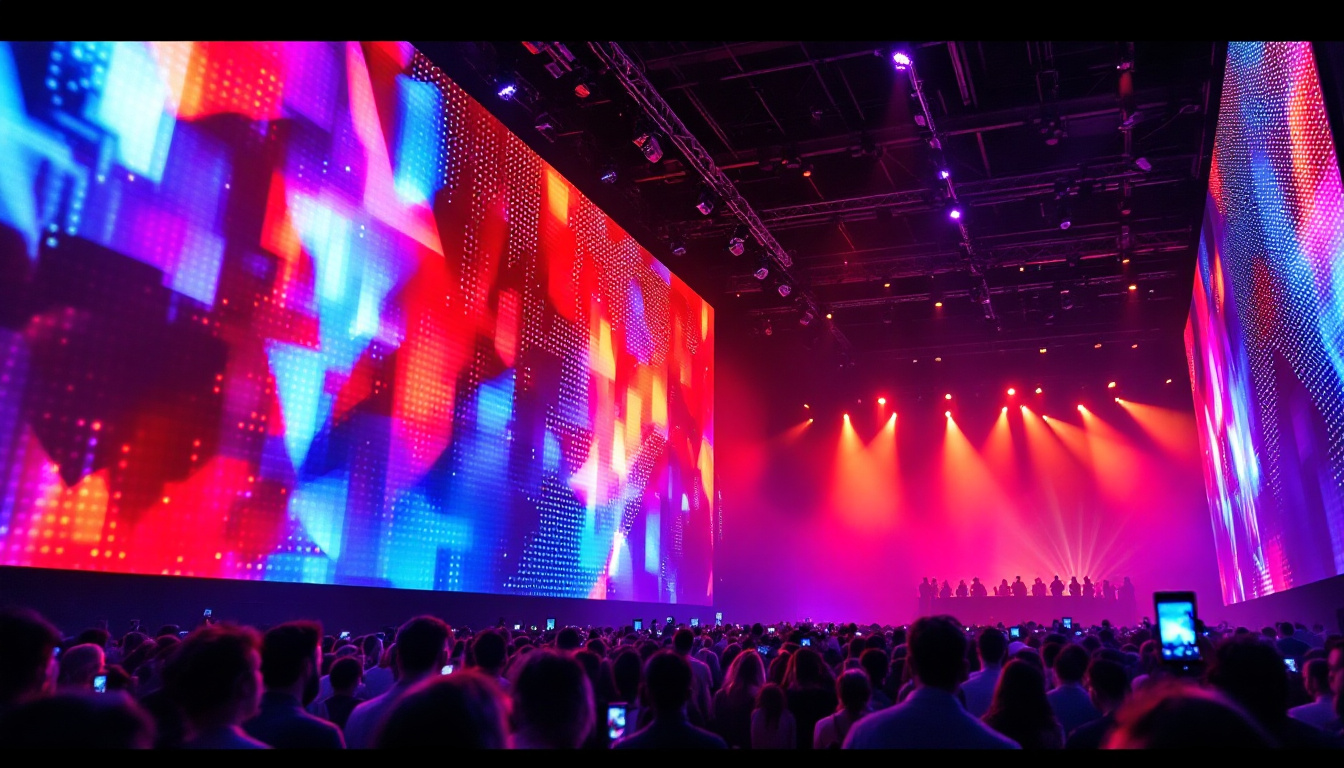
Stadiums, theaters, and concert halls employ LED video walls to provide immersive experiences for audiences. From live video feeds to dynamic graphics, these displays enhance visibility and engagement, even in large venues.
Future Trends in LED Video Wall Technology
Higher Resolution and Smaller Pixel Pitch
Advancements in LED technology continue to push pixel pitches below 1mm, enabling ultra-high-definition displays suitable for close-up viewing. This opens new possibilities for control rooms, museums, and retail environments demanding exceptional image clarity.
Flexible and Transparent LED Displays
Emerging flexible LED panels allow for curved and irregularly shaped video walls, expanding creative design options. Transparent LED displays enable screens that do not obstruct views, ideal for retail windows and architectural applications.
Integration with AI and IoT
Integration with artificial intelligence and Internet of Things (IoT) technologies is enhancing content personalization and operational efficiency. Smart LED video walls can adjust brightness based on ambient light, display targeted advertisements, and provide real-time analytics.
Conclusion
LED video walls represent a transformative technology in digital display, offering unmatched brightness, flexibility, and visual impact. Successful installation requires careful planning, precise execution, and ongoing maintenance to maximize return on investment.
As LED technology continues to evolve, businesses and organizations that adopt LED video walls will benefit from increasingly sophisticated and versatile display solutions capable of captivating audiences and enhancing communication.
Discover LumenMatrix’s Advanced LED Solutions
Ready to elevate your space with the latest in LED display technology? LumenMatrix offers a comprehensive range of cutting-edge LED solutions tailored to meet your unique needs. From vibrant Indoor and Outdoor LED Wall Displays to innovative Vehicle and Sports LED Displays, our products are designed to captivate and engage your audience. Experience the future of visual communication with our Custom, All-in-One, and Transparent LED Displays. Embrace the transformative power of LED technology with LumenMatrix and create unforgettable visual experiences. Check out LumenMatrix LED Display Solutions today and see your vision come to life.