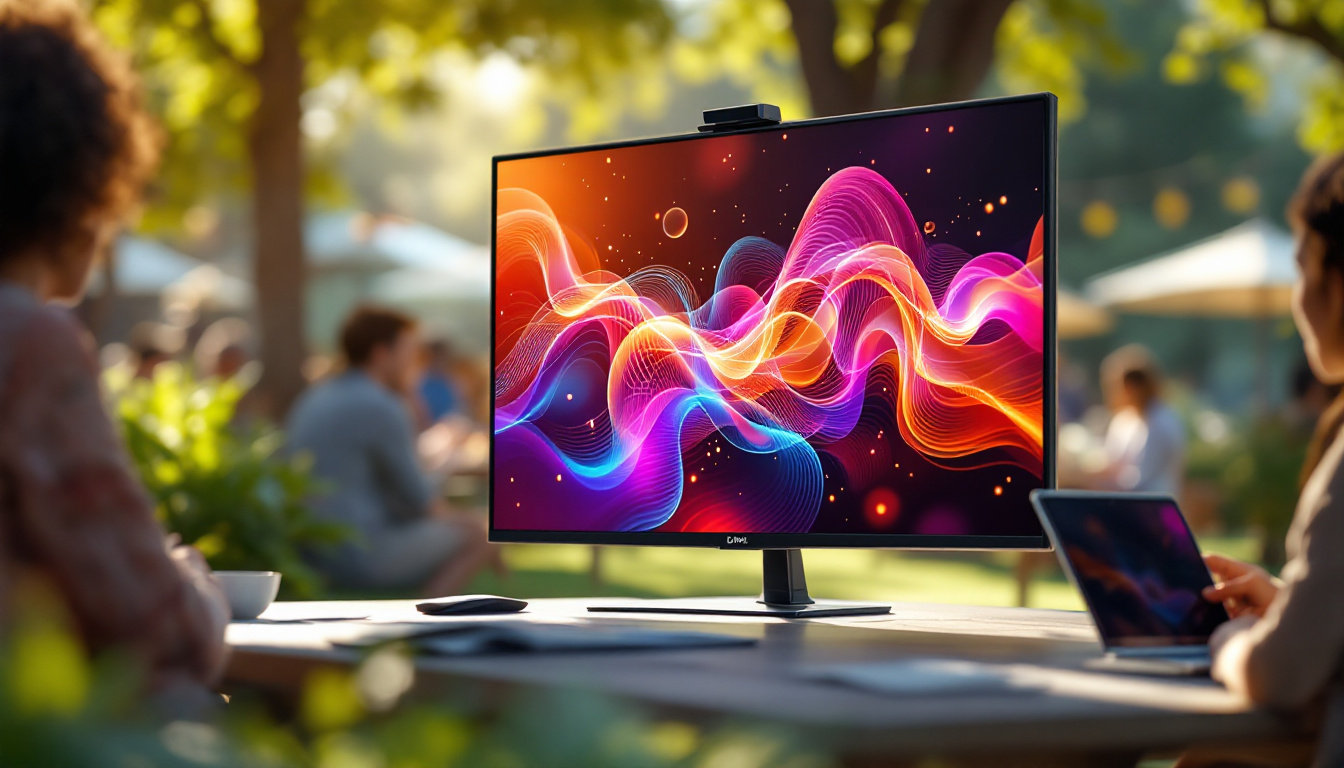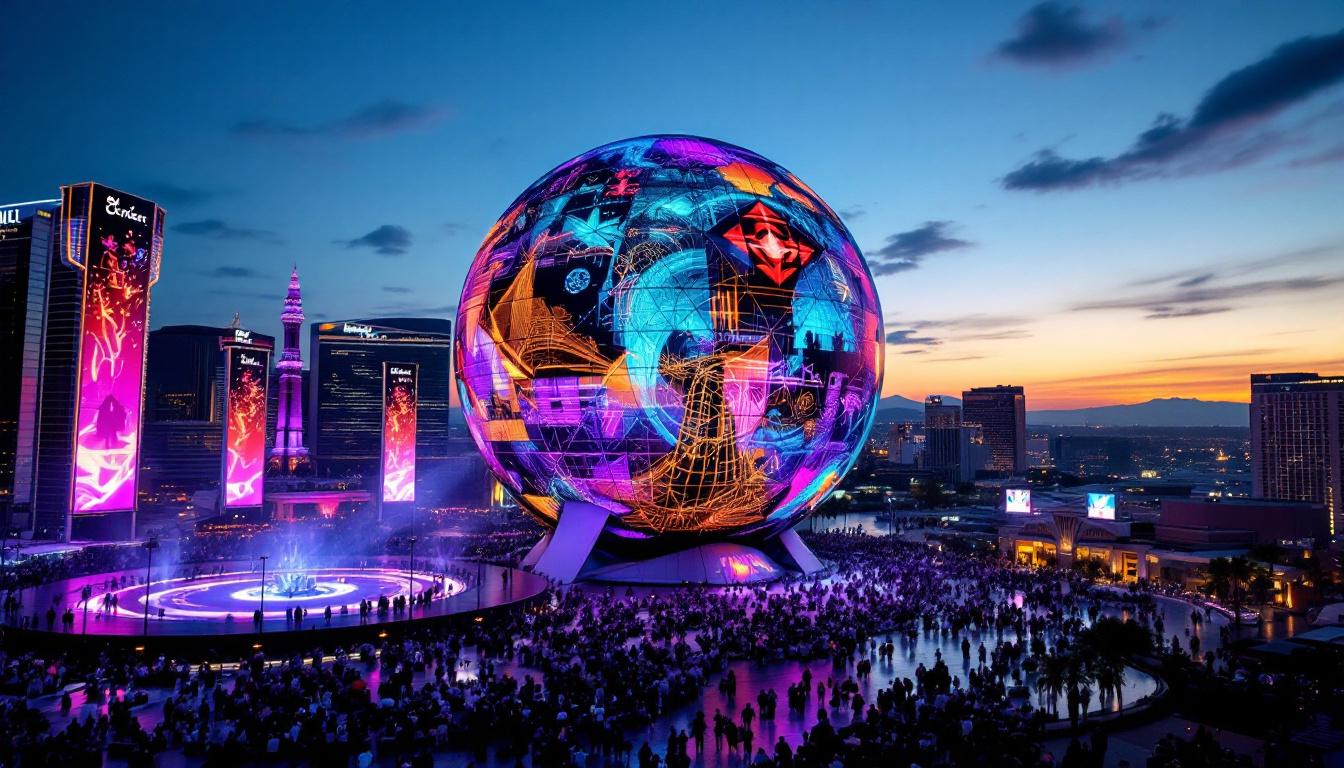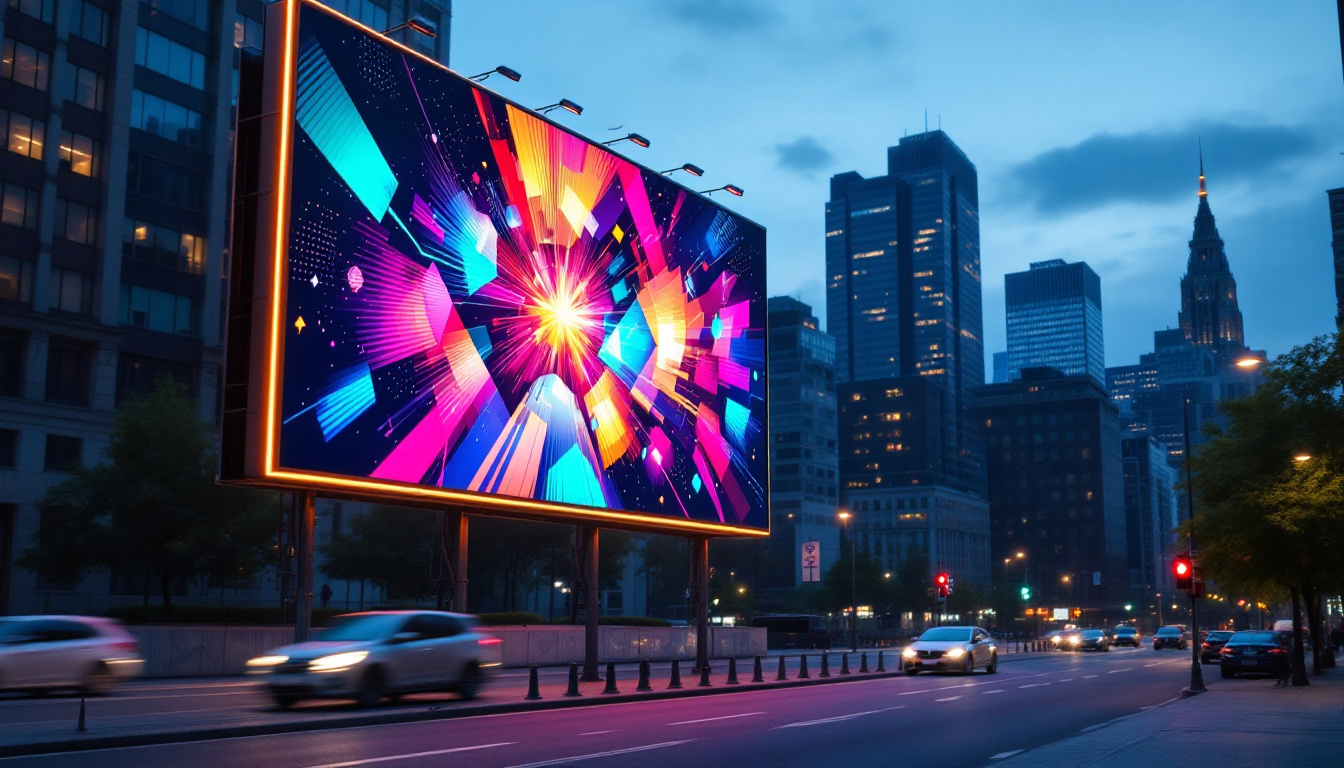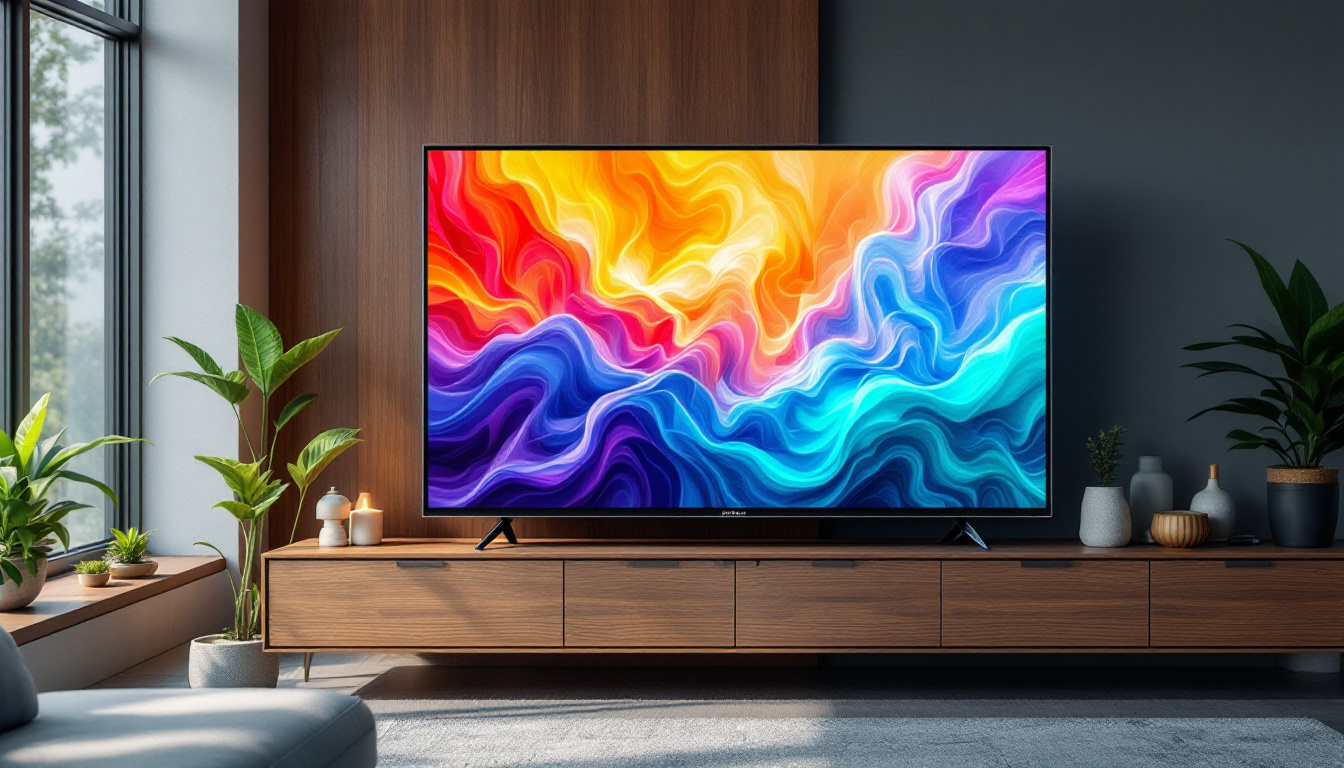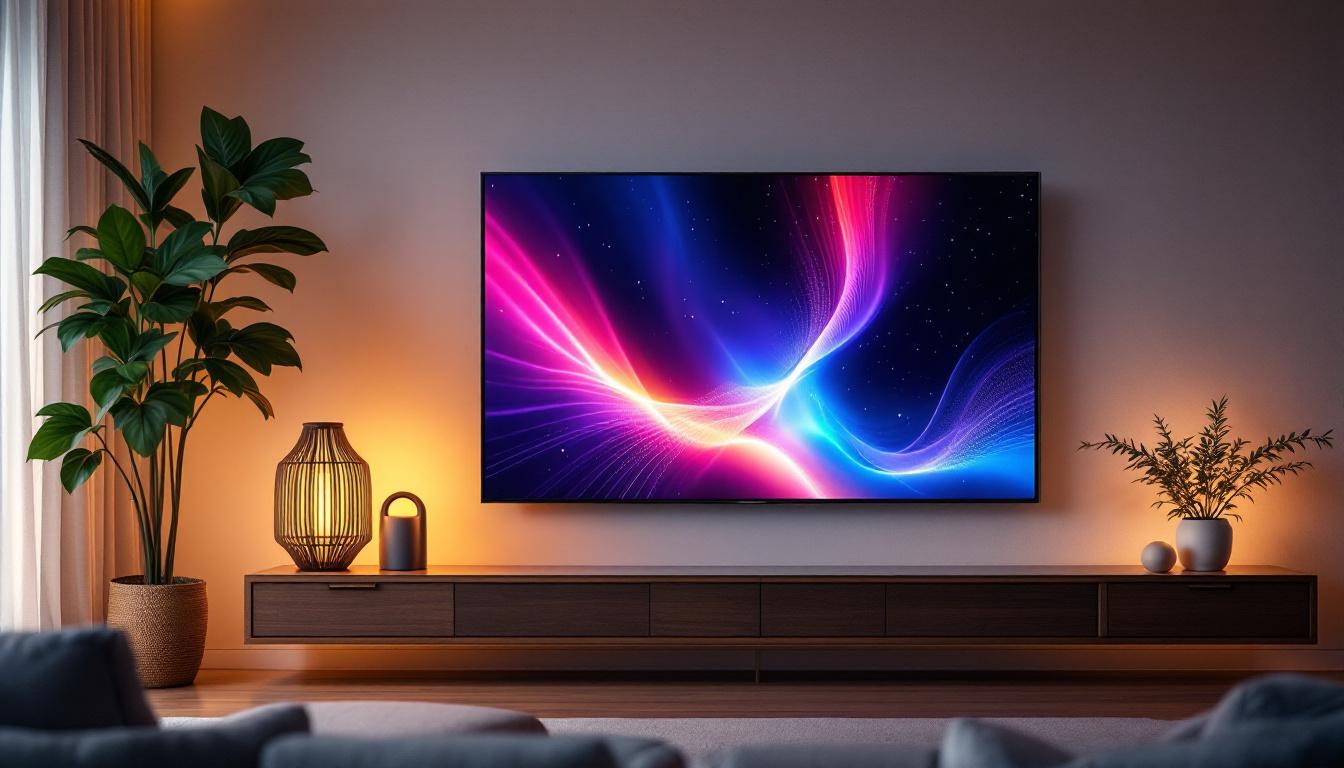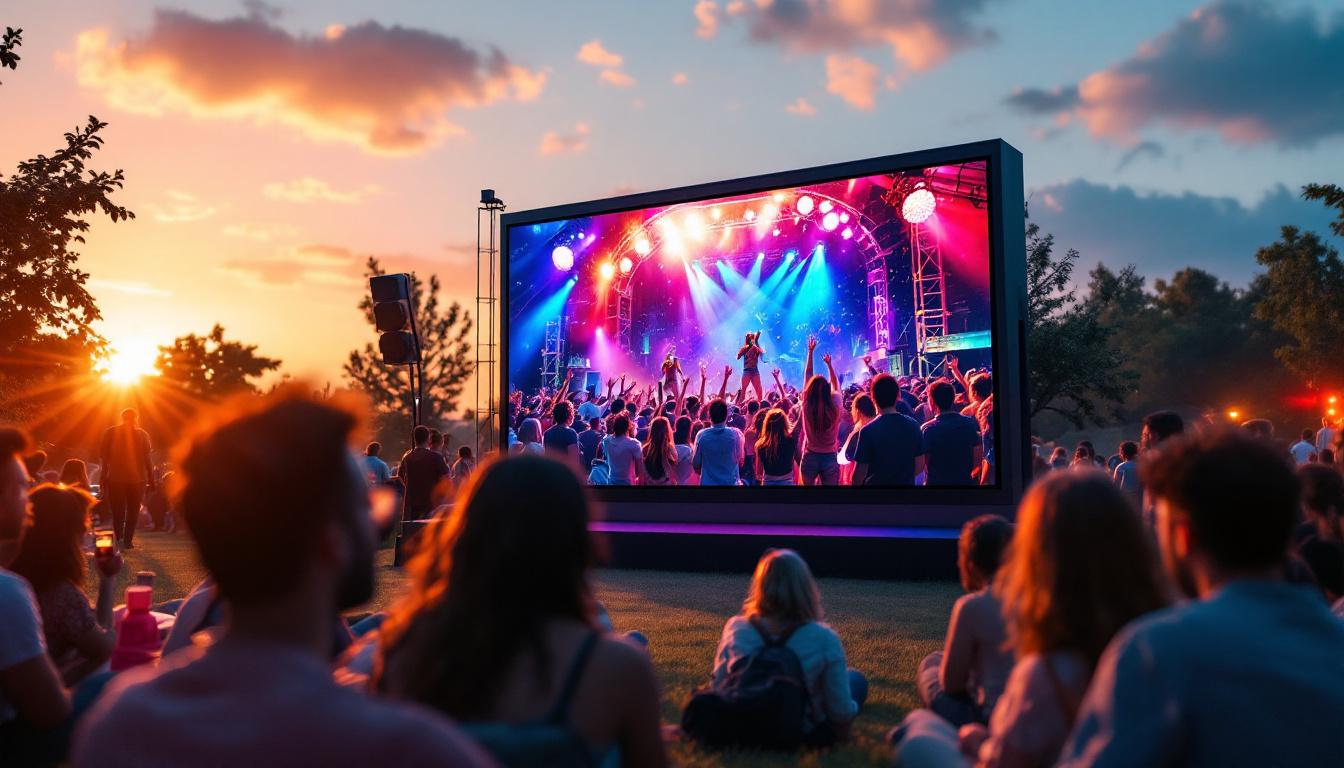
In recent years, outdoor entertainment has evolved dramatically, with technology playing a pivotal role in transforming backyards, patios, and public spaces into immersive viewing environments. One of the key innovations driving this change is the outdoor LED TV screen. These displays offer unparalleled brightness, durability, and picture quality, making them ideal for outdoor use where traditional TVs fall short. This article delves into the world of outdoor LED screens for TV, explaining how they work, their advantages, and what to consider when choosing one for your outdoor space.
Understanding Outdoor LED Displays
What Is an Outdoor LED Screen?
Outdoor LED screens are specialized displays designed to withstand environmental elements such as sunlight, rain, dust, and temperature fluctuations. Unlike conventional LCD or OLED TVs, which are primarily designed for indoor use, outdoor LED screens utilize light-emitting diodes (LEDs) as their primary light source. This technology enables them to produce vivid images with high brightness levels, ensuring visibility even in direct sunlight.
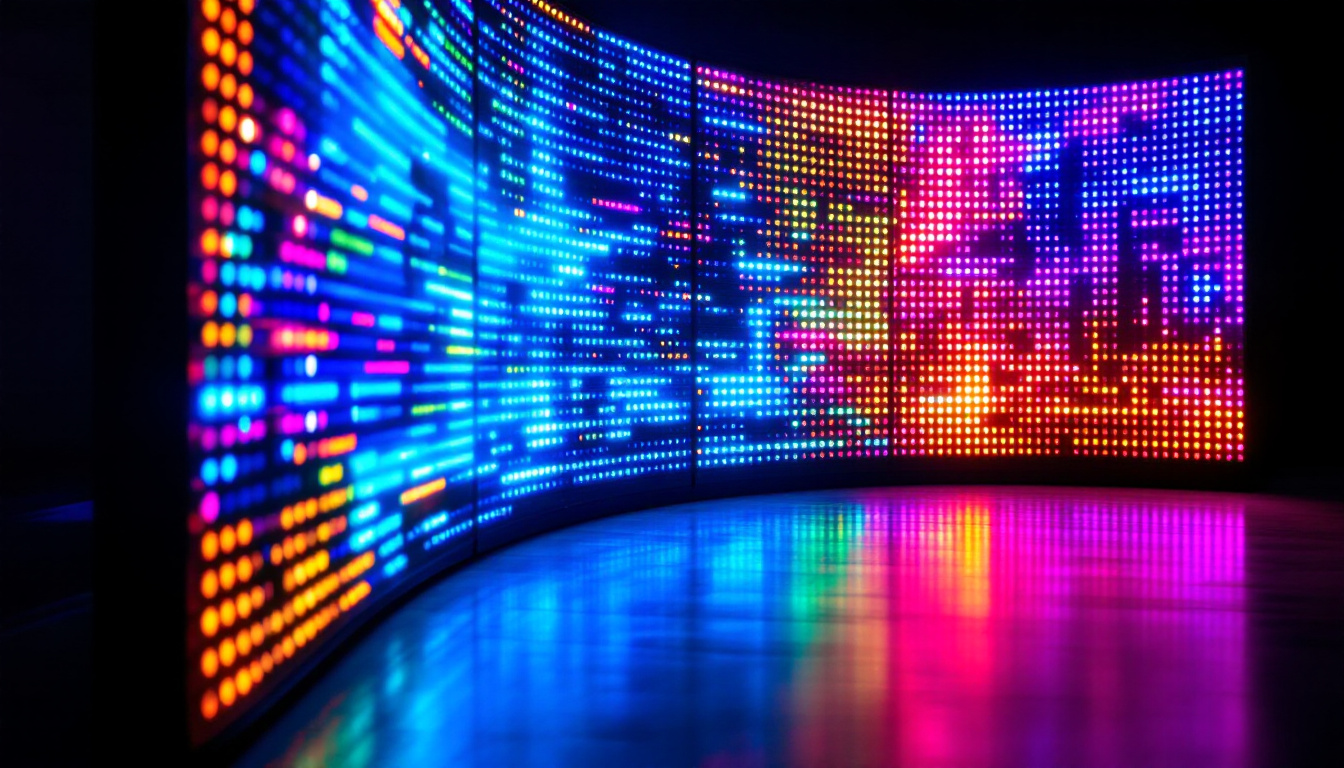
These screens are often modular, meaning they consist of multiple LED panels that can be assembled to create various sizes and shapes. This flexibility makes them suitable for a wide range of applications, from residential backyard cinemas to large-scale public events and advertising billboards. Moreover, their modular nature allows for easy maintenance and upgrades, as individual panels can be replaced without needing to overhaul the entire display. This adaptability is particularly beneficial for businesses that want to keep their advertising fresh and relevant, as they can easily swap out panels or adjust the configuration to fit new marketing strategies.
How Do LED Displays Work?
At the core of an LED display is an array of tiny LEDs, each acting as an individual pixel. These LEDs emit light when an electrical current passes through them. In outdoor LED screens, the LEDs are typically of the surface-mount device (SMD) variety, which combines red, green, and blue diodes in a single package to produce a full spectrum of colors.
The brightness of each pixel can be controlled independently, allowing the display to render detailed images and videos with excellent contrast and color accuracy. Because LEDs emit their own light, they do not require a backlight, unlike LCD screens, which contributes to their superior brightness and energy efficiency. Additionally, many outdoor LED displays incorporate advanced technologies such as automatic brightness adjustment, which optimizes visibility based on ambient light conditions. This feature not only enhances the viewing experience but also contributes to energy savings, making outdoor LED screens a more sustainable choice for long-term use.
Advantages of Outdoor LED Screens for TV
Exceptional Brightness and Visibility
One of the most significant benefits of outdoor LED screens is their ability to maintain clear visibility in bright environments. Typical indoor TVs struggle to compete with direct sunlight, often appearing washed out or difficult to see. Outdoor LED displays, however, can achieve brightness levels exceeding 5,000 nits, compared to around 500 nits for standard indoor TVs.
This high brightness ensures that content remains vibrant and legible, whether it’s a sunny afternoon or a well-lit evening event. For example, sports bars and outdoor venues frequently use LED screens to broadcast games, knowing that their audience will have an optimal viewing experience regardless of ambient light conditions.
Durability and Weather Resistance
Outdoor LED screens are engineered to endure harsh weather conditions. They typically feature robust enclosures with high ingress protection (IP) ratings, such as IP65 or higher, indicating resistance to dust and water. This means the screens can withstand rain, wind, and even snow without damage.
Additionally, these displays are built with materials that resist corrosion and UV damage, ensuring longevity even when exposed to the sun for extended periods. This durability makes them a cost-effective investment, as they require less maintenance and replacement compared to traditional outdoor projection systems or non-specialized TVs.
Scalability and Customization
Another advantage of LED technology is its scalability. Outdoor LED screens can be customized in size and resolution to fit specific needs. Whether you want a compact 55-inch display for a backyard or a massive 20-foot-wide screen for a community event, LED panels can be combined to create the perfect setup.
Moreover, the pixel pitch—the distance between individual LEDs—can be selected based on viewing distance and desired image sharpness. Smaller pixel pitches offer higher resolution and finer detail, ideal for close-up viewing, while larger pitches are suitable for screens viewed from a distance.
Key Considerations When Choosing an Outdoor LED Screen
Brightness and Contrast Ratios
When selecting an outdoor LED screen, brightness is paramount. As mentioned, outdoor environments require displays with high nit ratings to combat sunlight glare. Aim for a screen with at least 3,000 to 5,000 nits for optimal daytime visibility.
Contrast ratio—the difference between the darkest black and the brightest white—is also important for image quality. High contrast ratios contribute to richer colors and more immersive viewing experiences, especially in darker conditions.
Pixel Pitch and Resolution
Pixel pitch directly affects the sharpness of the image. For outdoor TV screens, a pixel pitch between 2mm and 10mm is common. Lower pixel pitches (2-4mm) provide high-definition images suitable for close viewing distances, such as private patios or small outdoor theaters.
For larger public displays where viewers are farther away, a higher pixel pitch (6-10mm) is acceptable, balancing cost and image clarity. Understanding the typical viewing distance will help determine the ideal pixel pitch for your setup.
Weatherproofing and IP Ratings
Ensure the LED screen has an IP rating suitable for your climate. IP65 is a common standard for outdoor screens, meaning the display is dust-tight and protected against water jets from any direction. In areas prone to heavy rain or dust storms, higher IP ratings may be necessary.
Additionally, consider the enclosure’s build quality and materials. Aluminum or stainless steel casings with powder coatings offer enhanced corrosion resistance, extending the lifespan of the screen.
Installation and Maintenance
Outdoor LED screens require professional installation to ensure proper alignment, secure mounting, and adequate ventilation. Ventilation is crucial to prevent overheating, especially in sunny environments.
Maintenance considerations include ease of access for cleaning and repairs. Modular designs allow for individual panel replacement without dismantling the entire screen, reducing downtime and costs.
Applications of Outdoor LED Screens for TV
Residential Use: Backyard Cinemas and Entertainment
Homeowners are increasingly investing in outdoor LED screens to create private cinemas or entertainment hubs. These setups enable movie nights, sports viewing parties, and gaming sessions under the stars, enhancing social gatherings and family time.
With the ability to customize screen size and resolution, homeowners can tailor their outdoor displays to fit their space and viewing preferences. Weatherproof designs ensure the screen remains functional year-round, making it a versatile addition to any backyard.
Commercial and Public Venues
Restaurants, bars, and event venues utilize outdoor LED screens to attract customers and enhance the atmosphere. Live sports broadcasts, concerts, and promotional content can be displayed in high definition, engaging audiences effectively.
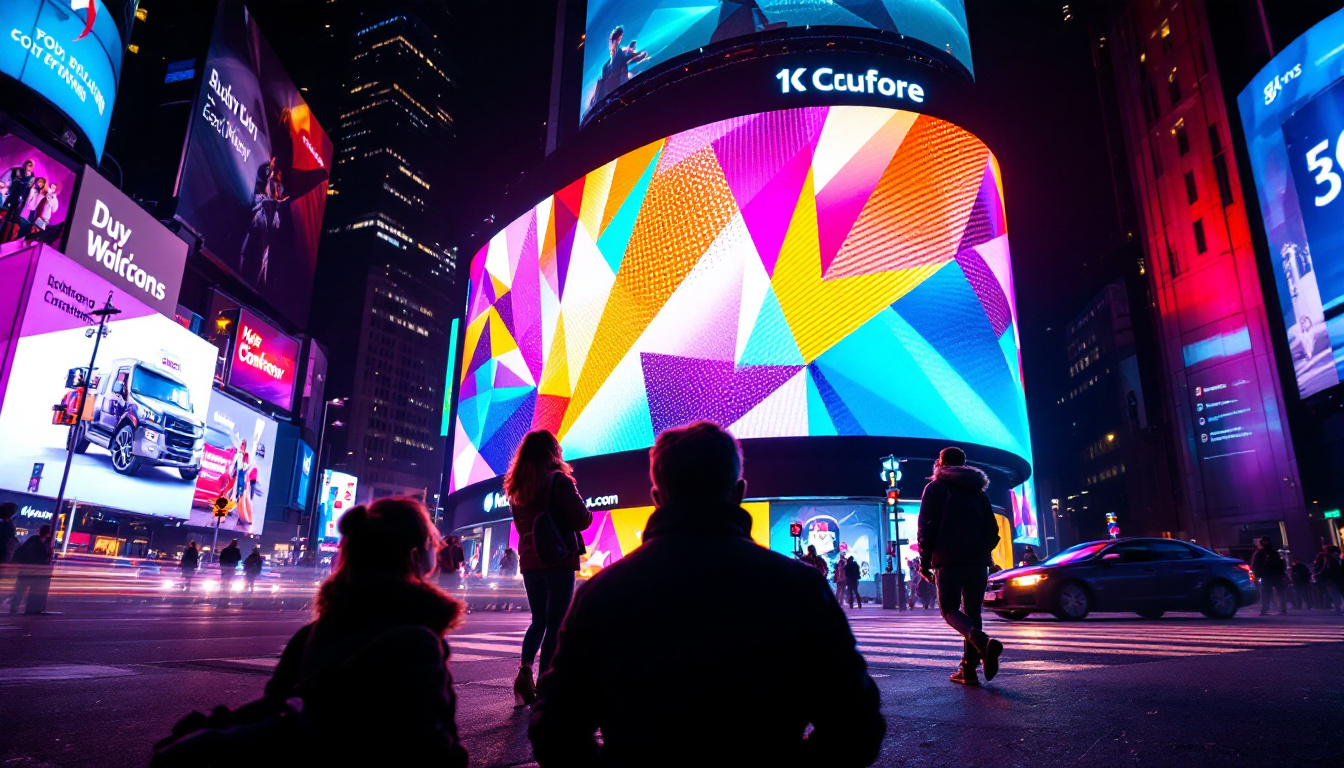
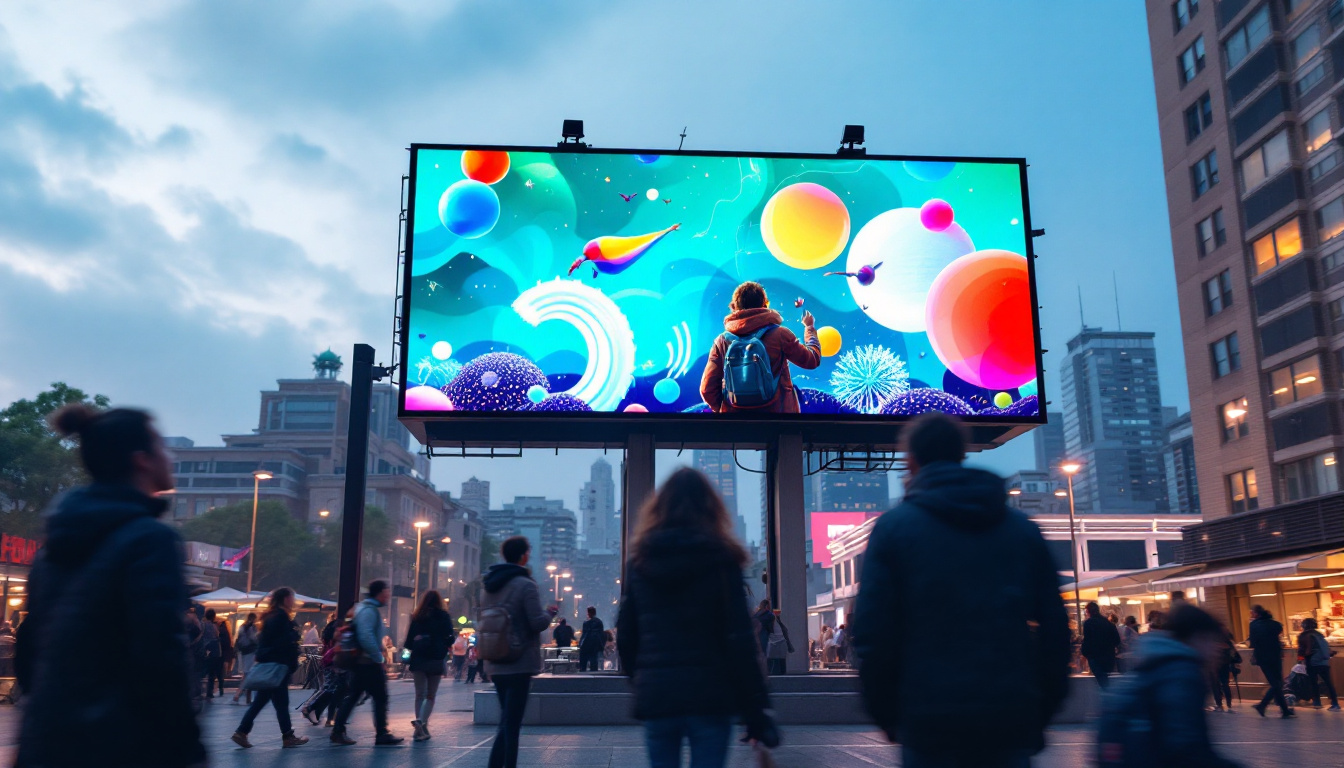
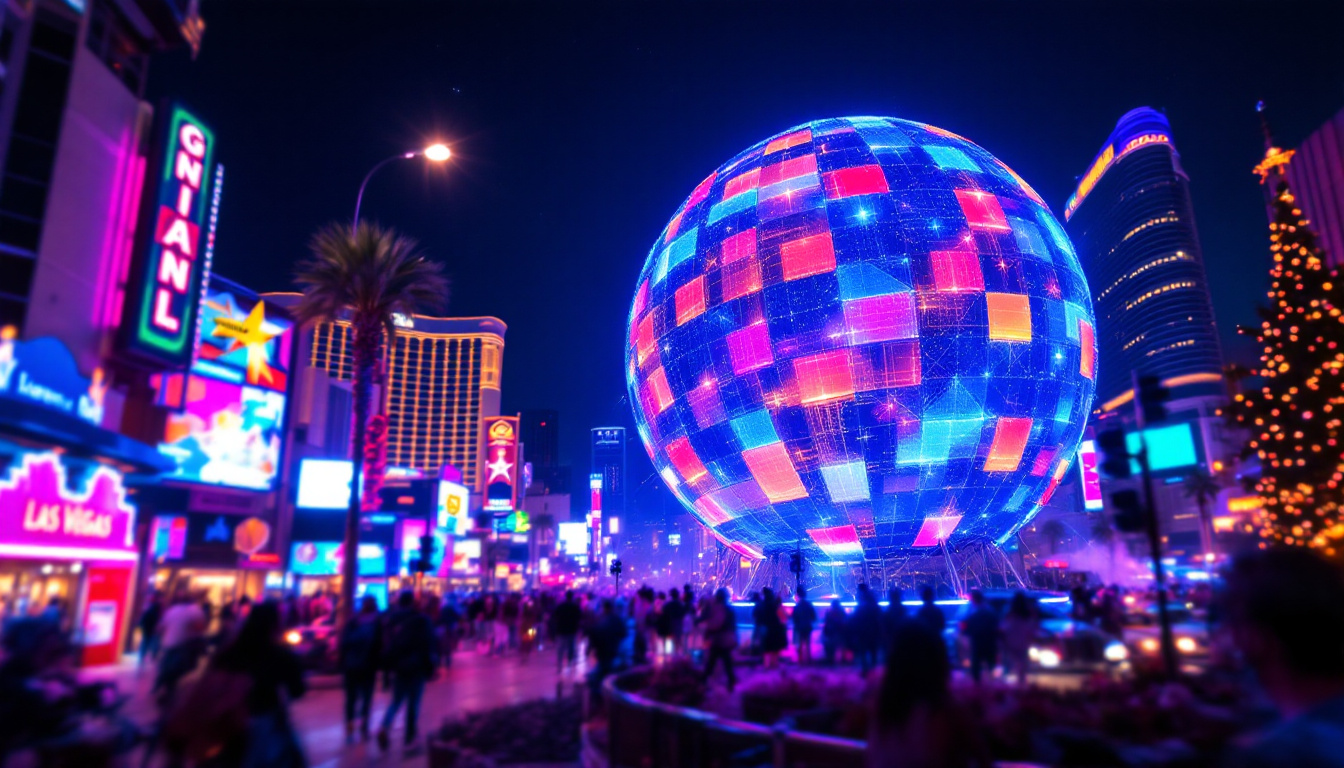
Public spaces such as parks, stadiums, and city squares also benefit from large outdoor LED screens for community events, advertising, and public announcements. Their durability and brightness make them reliable tools for communication and entertainment in diverse settings.
Advertising and Digital Signage
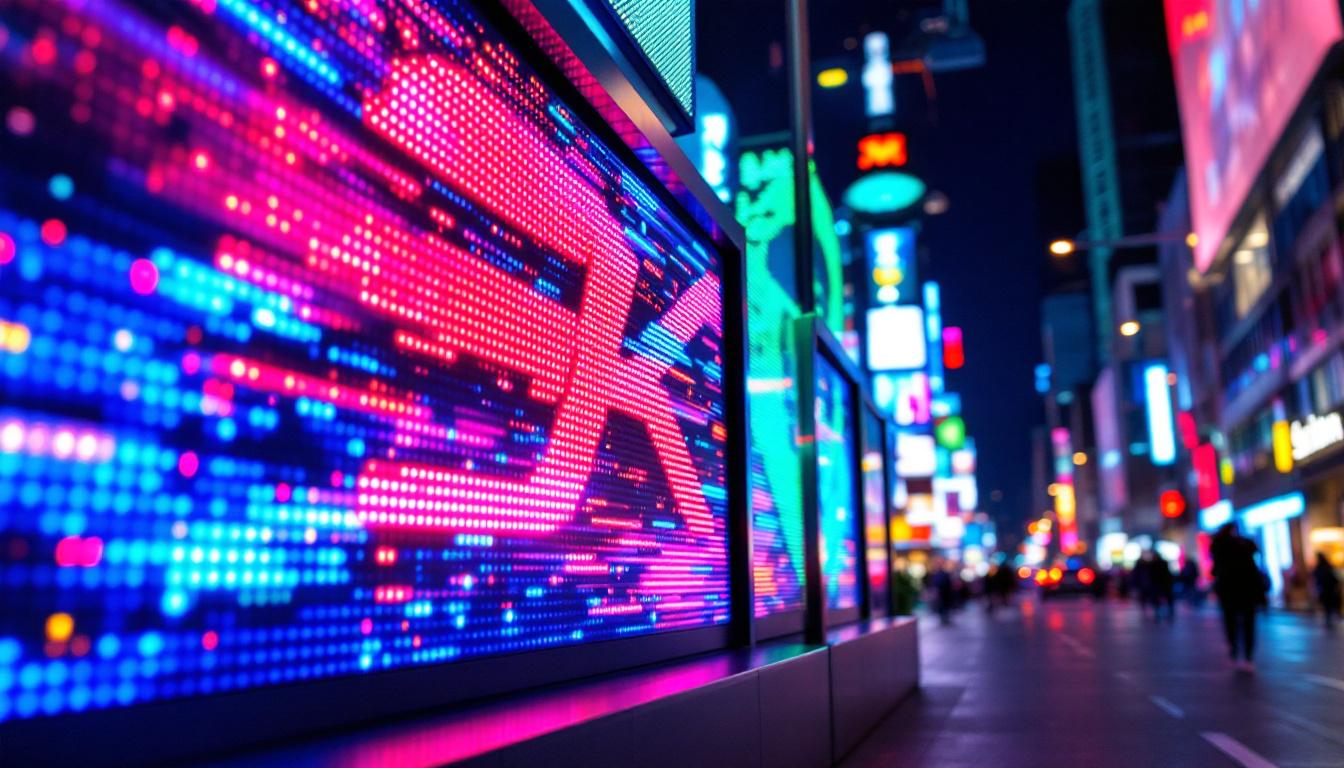
Outdoor LED screens have revolutionized advertising by enabling dynamic, eye-catching digital signage. Unlike static billboards, LED displays can show multiple ads, videos, and interactive content, capturing attention more effectively.
Brands leverage these screens in high-traffic areas to boost visibility and engagement. The ability to update content remotely and instantly adds flexibility and responsiveness to marketing campaigns.
Future Trends in Outdoor LED TV Screens
Advancements in LED Technology
Ongoing innovations are pushing the boundaries of LED display performance. MicroLED technology, which uses even smaller LEDs, promises higher resolution, better color accuracy, and improved energy efficiency. This could lead to thinner, lighter, and more versatile outdoor screens in the near future.
Additionally, improvements in brightness and contrast will continue to enhance outdoor viewing experiences, making LED screens more adaptable to various lighting conditions.
Integration with Smart Home and IoT
Outdoor LED screens are increasingly being integrated with smart home systems and the Internet of Things (IoT). This integration allows users to control displays remotely via smartphones or voice assistants, schedule content, and synchronize with other smart devices.
Such connectivity enhances convenience and opens new possibilities for personalized outdoor entertainment and advertising solutions.
Sustainability and Energy Efficiency
As environmental concerns grow, manufacturers are focusing on making LED screens more energy-efficient and sustainable. Advances in power management and materials are reducing energy consumption and the carbon footprint of outdoor displays.
Recyclable components and longer-lasting LEDs also contribute to sustainability, aligning with the increasing demand for eco-friendly technology solutions.
Conclusion
Outdoor LED screens for TV represent a significant leap forward in outdoor entertainment and communication technology. Their superior brightness, durability, and flexibility make them ideal for a wide range of applications, from private backyard cinemas to large-scale public displays.
When choosing an outdoor LED screen, it is essential to consider factors such as brightness, pixel pitch, weatherproofing, and installation requirements to ensure optimal performance and longevity. With ongoing advancements and growing adoption, outdoor LED screens are set to become an integral part of modern outdoor living and commercial environments.
Whether enhancing your home entertainment setup or elevating a business venue, investing in a quality outdoor LED display promises an engaging and reliable viewing experience for years to come.
Discover LumenMatrix LED Display Solutions
Ready to elevate your outdoor entertainment or commercial space with cutting-edge technology? LumenMatrix is at the forefront of LED display innovation, offering a wide array of solutions tailored to your needs. From mesmerizing backyard cinemas to dynamic public event displays, our Outdoor LED Wall Display ensures your message shines bright, day or night. Embrace the future of visual communication and create unforgettable experiences with LumenMatrix. Check out LumenMatrix LED Display Solutions today and transform your space into a captivating visual spectacle.