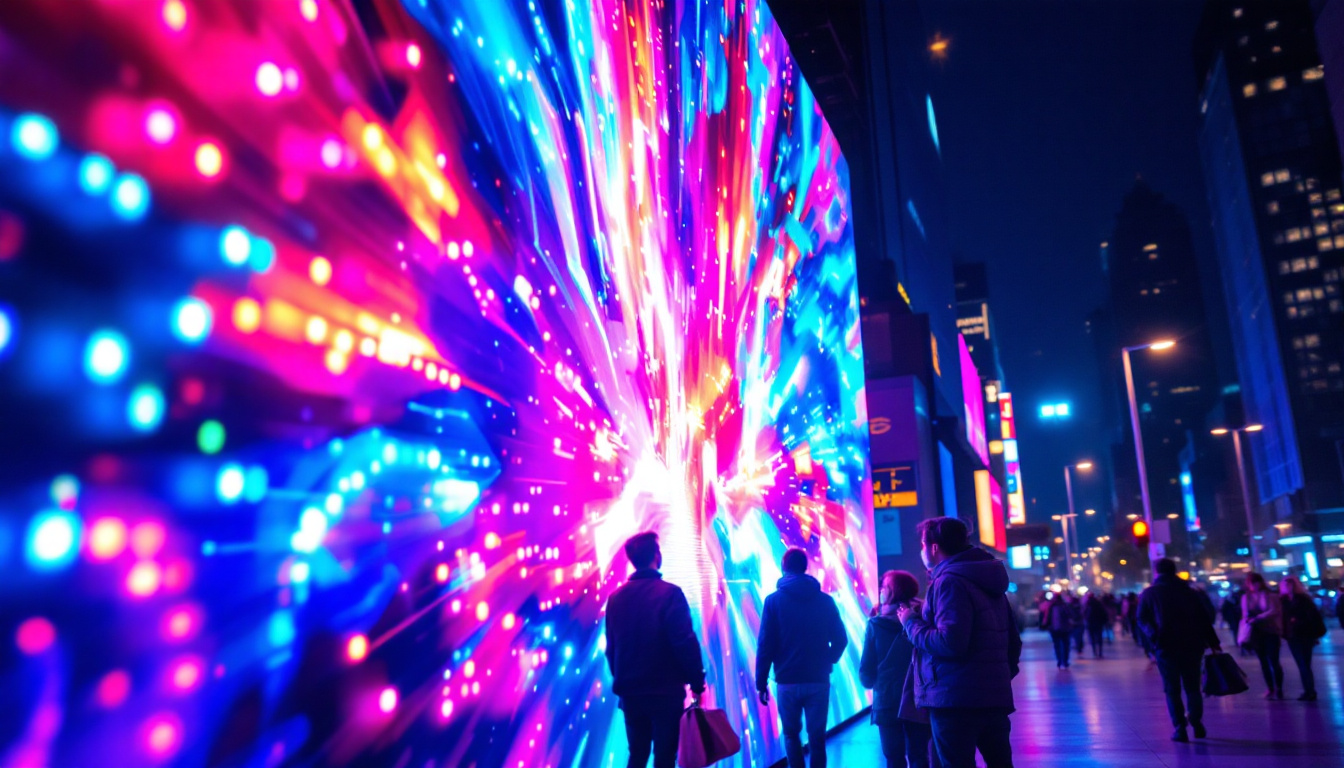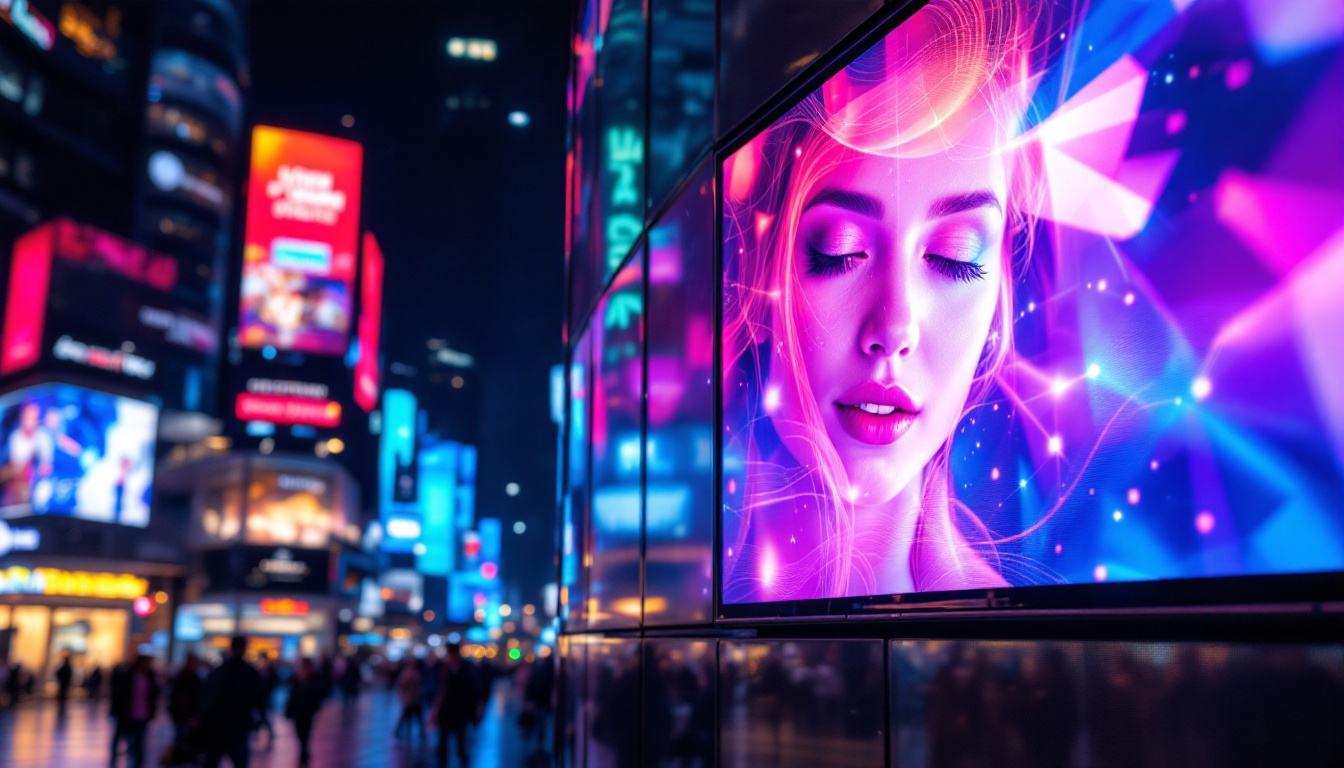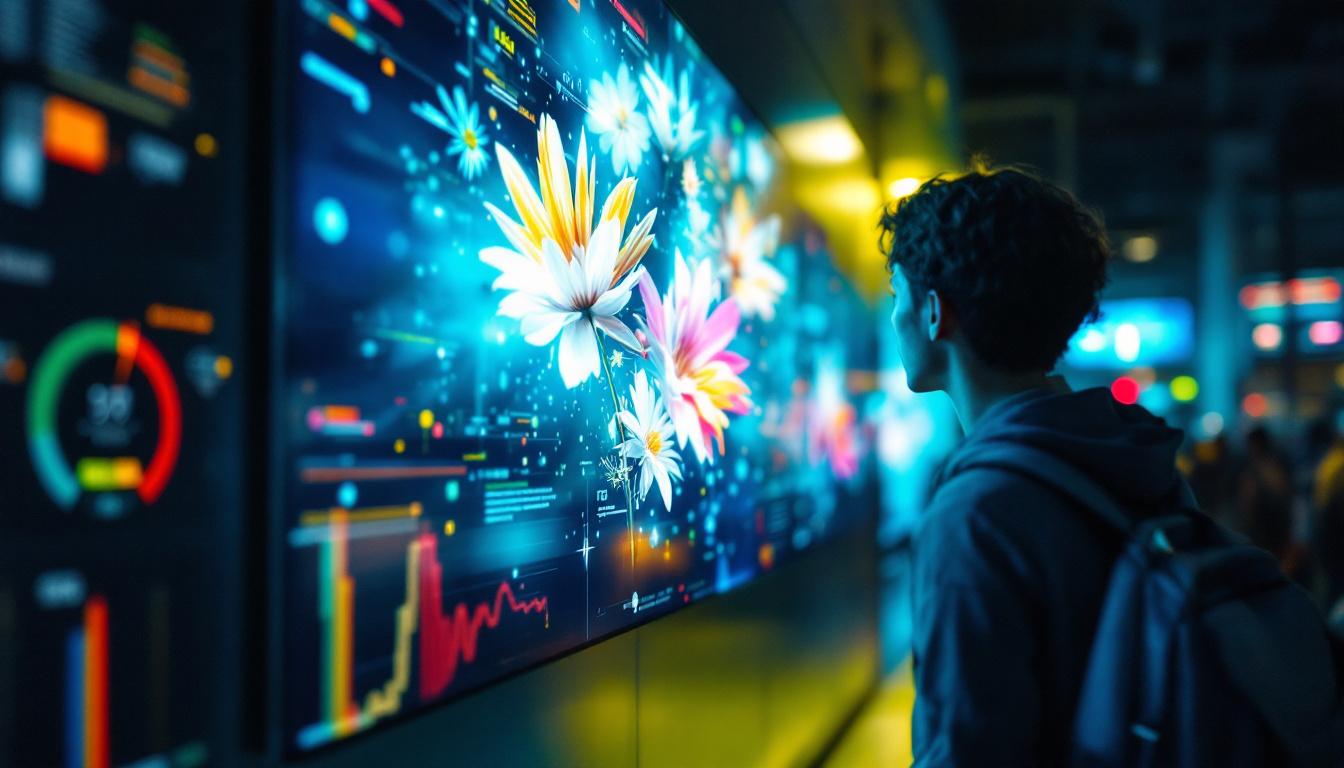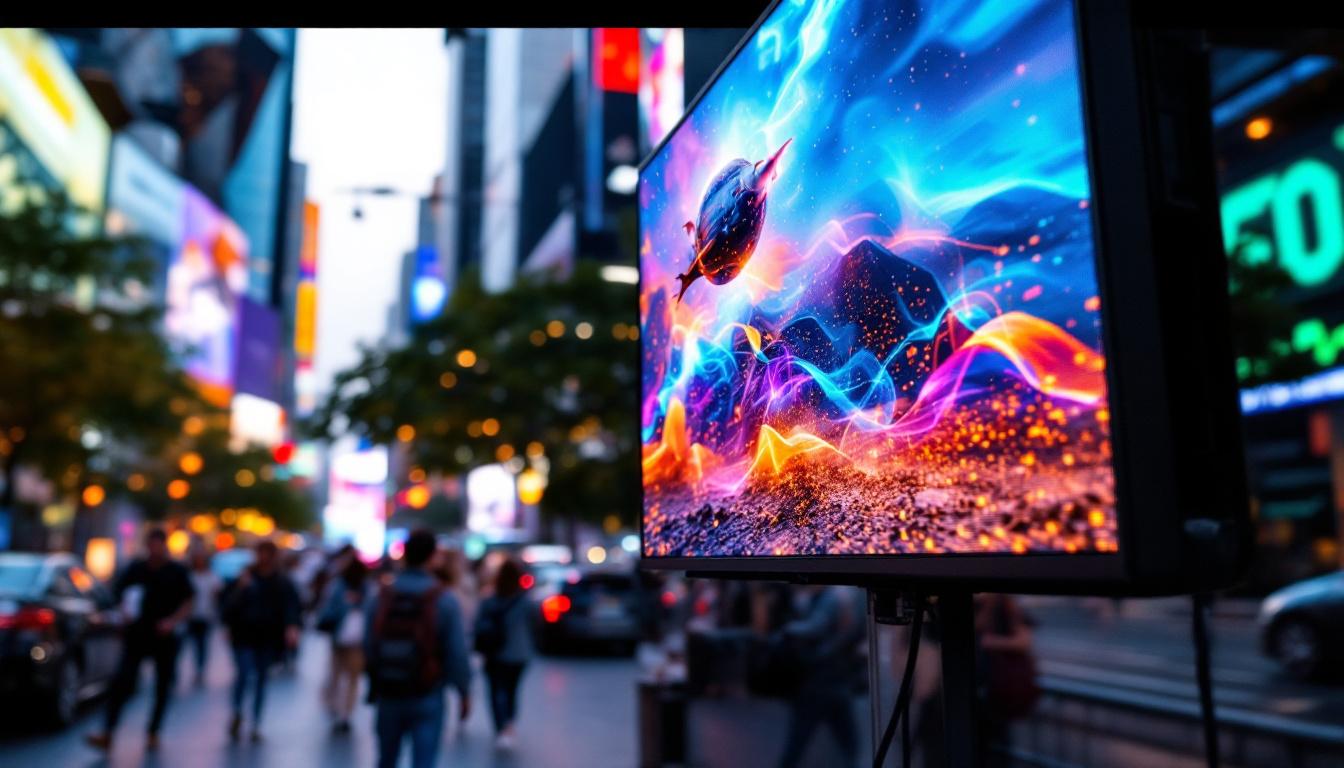
In today’s fast-paced world, outdoor advertising and information dissemination have evolved dramatically. Among the most impactful technologies transforming public communication is the LED display. From vibrant billboards illuminating cityscapes to dynamic information panels guiding commuters, LED displays are ubiquitous and essential. This article delves into the technology behind outdoor LED displays, their advantages, applications, and considerations for choosing the right solution.
Understanding Outdoor LED Displays
What Is an LED Display?
LED stands for Light Emitting Diode, a semiconductor device that emits light when an electric current passes through it. An LED display is a screen made up of numerous tiny LEDs arranged in a matrix to form images, videos, or text. Outdoor LED displays are specifically designed to withstand environmental factors such as sunlight, rain, wind, and temperature fluctuations, making them suitable for use in open-air environments.
Unlike traditional LCD or projection screens, LED displays produce their own light, which results in higher brightness and better visibility in direct sunlight. This self-illumination characteristic is vital for outdoor applications, where ambient light levels can be extremely high. Additionally, the ability to display vibrant colors and sharp images enhances the viewer’s experience, making LED displays a popular choice for advertising, public announcements, and entertainment purposes.
Key Components of Outdoor LED Displays
Outdoor LED displays consist of several critical components:
- LED Modules: These are the building blocks of the display, each containing multiple LEDs arranged in a grid. The density of LEDs per module, known as pixel pitch, determines the resolution and clarity of the display.
- Control System: This includes hardware and software that manage the content shown on the display. It ensures synchronization, brightness adjustment, and content scheduling.
- Power Supply: Outdoor LED displays require robust power supplies to maintain consistent brightness and performance.
- Enclosure and Protective Housing: Designed to protect the delicate electronics from weather, dust, and physical damage, enclosures are often rated with IP (Ingress Protection) standards.
In addition to these components, outdoor LED displays often feature advanced cooling systems to prevent overheating, which can be a significant concern given their exposure to high temperatures and direct sunlight. These cooling systems may include fans or heat sinks that dissipate heat effectively, ensuring that the display operates at optimal performance levels. Furthermore, many outdoor LED displays are equipped with sensors that automatically adjust brightness based on ambient light conditions, enhancing energy efficiency and prolonging the lifespan of the display.
Another important aspect of outdoor LED displays is their modular design, which allows for easy maintenance and scalability. Should a module fail, it can be quickly replaced without the need to dismantle the entire display. This modularity not only reduces downtime but also allows businesses to expand their display size or upgrade to higher resolution modules as technology advances or as their advertising needs evolve. Such flexibility makes outdoor LED displays a wise investment for companies looking to enhance their visibility and engagement with their audience.
Advantages of Outdoor LED Displays
Superior Visibility and Brightness
One of the most significant advantages of outdoor LED displays is their exceptional brightness. With luminance levels often exceeding 5,000 nits, these displays remain clearly visible even under direct sunlight. This brightness ensures that messages and advertisements can be seen from long distances and in various lighting conditions, making them highly effective for outdoor communication. Furthermore, the ability to adjust brightness levels automatically based on ambient light conditions enhances visibility at all times of the day. This feature not only improves readability but also contributes to energy savings, as the display can dim during nighttime or in shaded areas.
Energy Efficiency and Longevity
LED technology is inherently energy-efficient compared to other display technologies such as neon or incandescent lighting. Outdoor LED displays consume less power while delivering vibrant colors and brightness. Additionally, modern LEDs have a lifespan of up to 100,000 hours, reducing maintenance costs and downtime. This longevity translates into a better return on investment for businesses and municipalities deploying these displays. Moreover, the lower energy consumption of LED displays contributes to a smaller carbon footprint, making them a more environmentally friendly option. As sustainability becomes increasingly important, businesses can leverage this aspect to enhance their brand image and appeal to eco-conscious consumers.
Dynamic Content and Flexibility
Unlike static billboards or printed signage, LED displays can show dynamic content including videos, animations, real-time updates, and interactive features. This flexibility allows advertisers and information providers to tailor their messages based on time of day, audience demographics, or specific events. For example, a retail store can promote different products throughout the day, or a city can update traffic and weather information instantly. Additionally, the ability to integrate social media feeds or user-generated content can engage audiences more effectively, creating a two-way interaction that static displays simply cannot offer. This interactivity not only captivates viewers but also encourages them to share content online, further amplifying the reach of the displayed messages.
Durability and Weather Resistance
Outdoor LED displays are engineered to withstand harsh environmental conditions. They are typically rated IP65 or higher, meaning they are dust-tight and protected against water jets. The robust design ensures that displays continue functioning reliably in rain, snow, heat, and cold, which is crucial for installations in diverse climates. In addition to weather resistance, many outdoor LED displays are built with protective features such as anti-glare coatings and reinforced glass, which help to prevent damage from UV rays and physical impacts. This durability not only prolongs the life of the display but also ensures that the visual quality remains high, even after prolonged exposure to the elements. As a result, businesses can maintain a consistent and professional appearance, regardless of the weather conditions.
Applications of Outdoor LED Displays
Advertising and Marketing
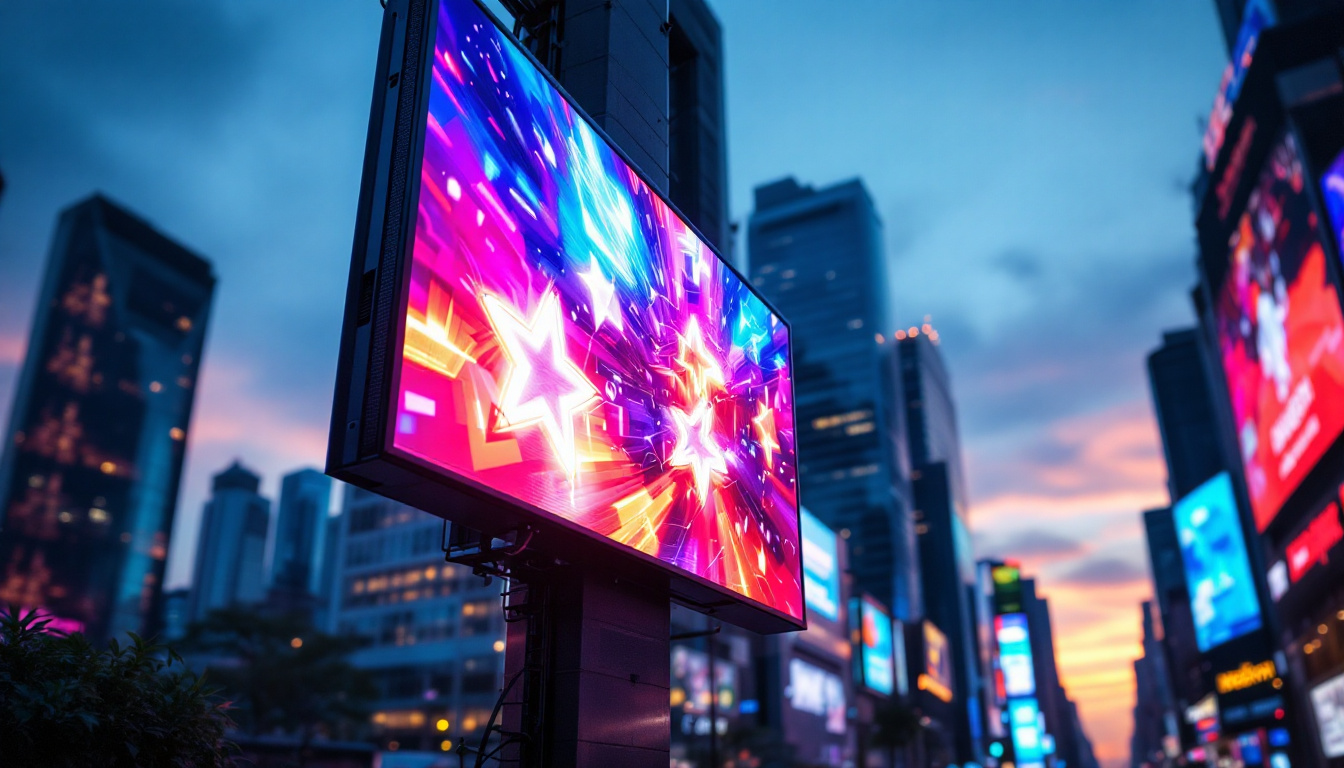
Outdoor LED displays have revolutionized advertising by enabling brands to capture attention with bright, eye-catching visuals. High-traffic locations such as highways, shopping centers, stadiums, and urban centers are popular spots for LED billboards. According to a 2023 report by Grand View Research, the global digital signage market is projected to reach $32.84 billion by 2030, driven largely by the adoption of LED technology in outdoor advertising.
Brands leverage LED displays to run targeted campaigns, promote time-sensitive offers, and engage audiences with creative multimedia content. The ability to update content remotely and instantly also reduces the costs and environmental impact associated with printing and installing traditional signage.
Public Information and Transportation
Many cities use outdoor LED displays to provide real-time information to the public. Examples include transit stations displaying arrival times, airports showing flight information, and highways presenting traffic alerts. These displays improve the commuter experience by offering timely and accurate updates that help people make informed decisions.
During emergencies or public safety events, LED displays can broadcast critical messages quickly to large audiences. This capability enhances community safety and responsiveness.
Sports and Entertainment Venues
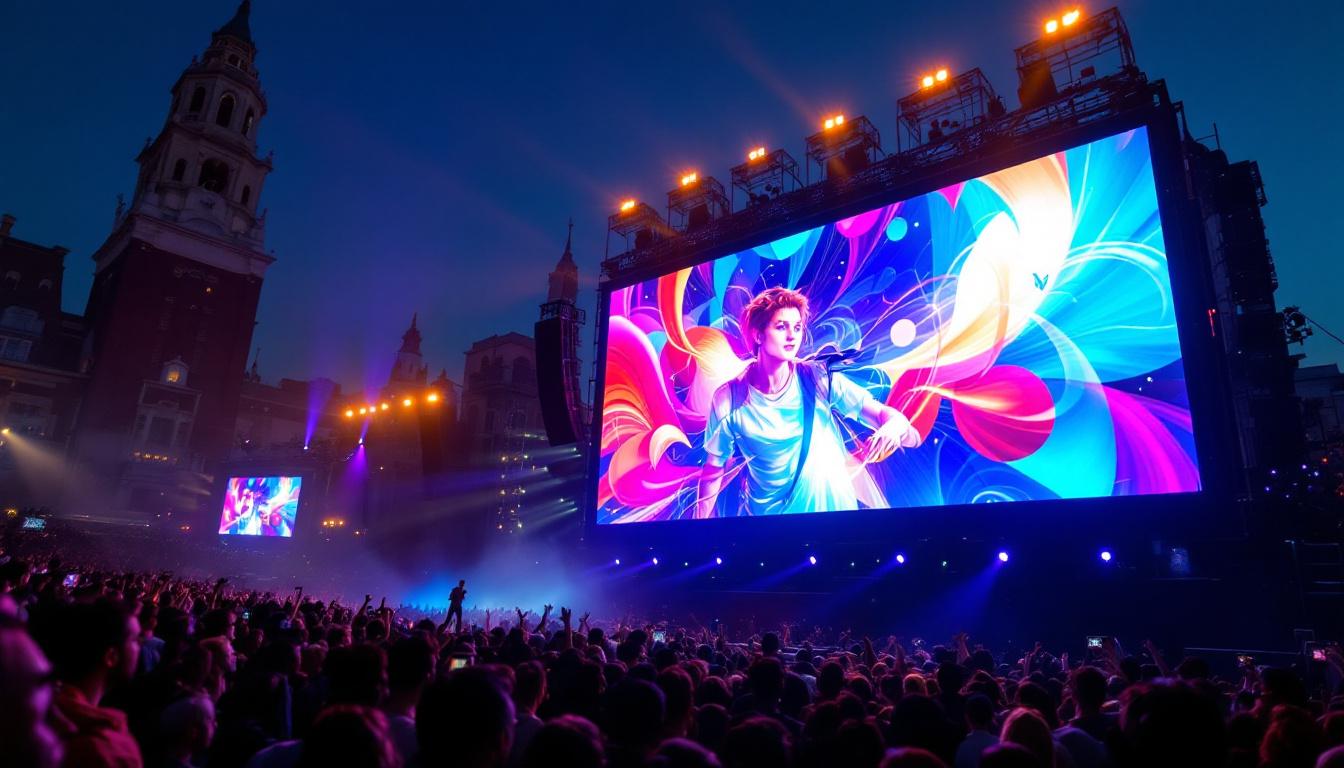
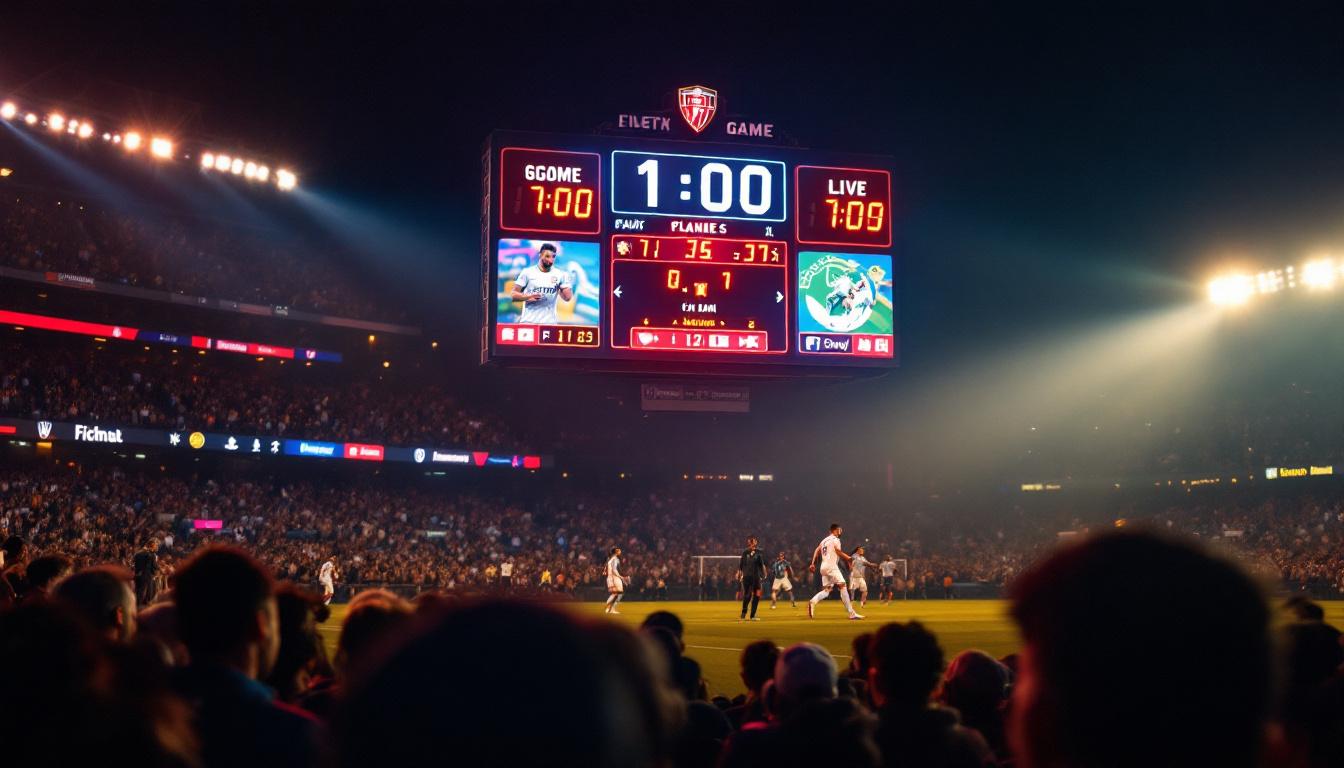
Sports arenas and concert venues utilize large outdoor LED screens to enhance the spectator experience. These displays show live action, replays, scores, and interactive content, creating an immersive environment. The high resolution and brightness of LED technology ensure visibility even in daylight or under stadium lighting.
Architectural and Decorative Uses
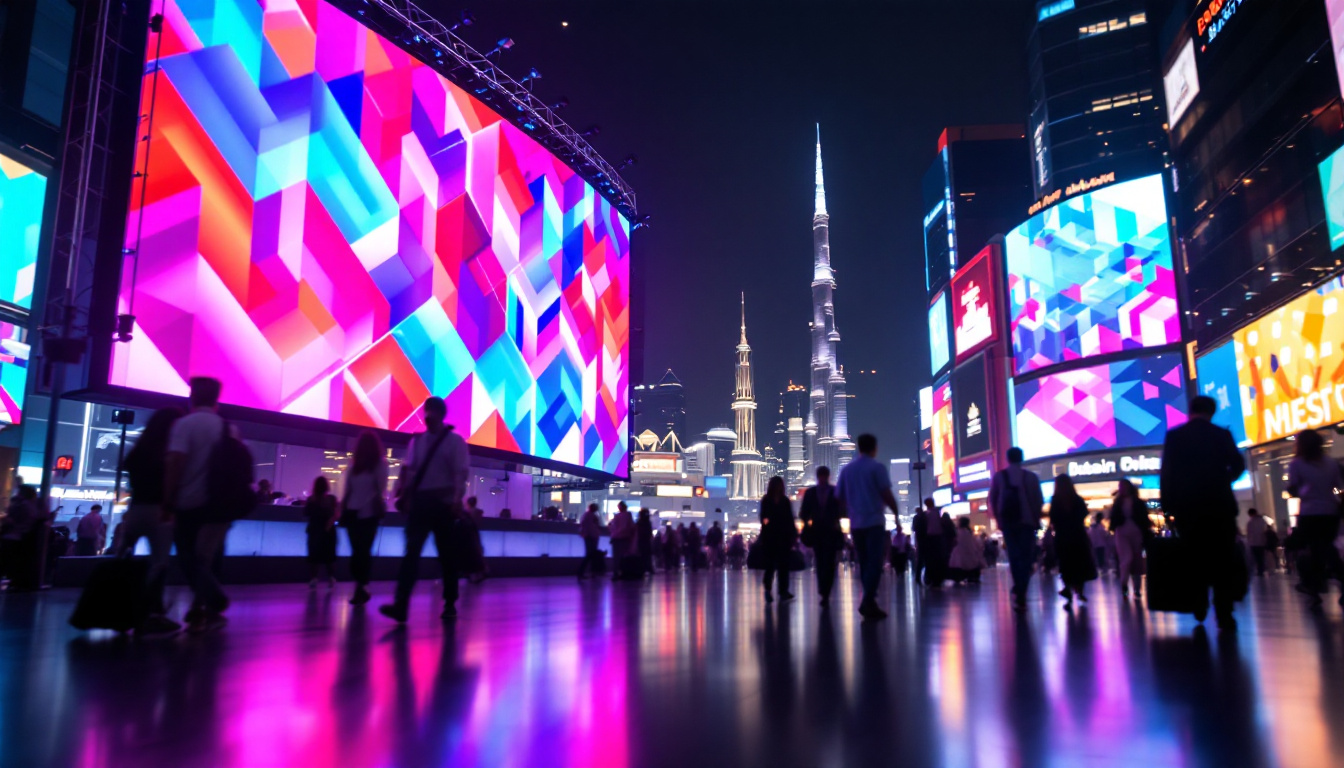
Beyond functional applications, outdoor LED displays are increasingly used for aesthetic purposes. Buildings can be wrapped with LED facades that change colors and patterns, turning structures into dynamic art pieces. This trend is popular in urban centers aiming to create visually stimulating environments and attract tourism.
Choosing the Right Outdoor LED Display
Understanding Pixel Pitch and Resolution
Pixel pitch, measured in millimeters, refers to the distance between the centers of two adjacent LEDs. A smaller pixel pitch means higher resolution and sharper images, which is ideal for close viewing distances. For example, a pixel pitch of 4mm is suitable for displays viewed from a few meters away, such as storefront signage, while a 16mm pitch might be sufficient for highway billboards viewed from hundreds of meters.
Choosing the correct pixel pitch depends on the intended viewing distance and content type. Investing in unnecessarily high resolution for distant viewing can increase costs without improving effectiveness.
Brightness and Contrast Requirements
Outdoor displays must be bright enough to overcome ambient light, especially direct sunlight. Typical brightness levels for outdoor LED displays range from 5,000 to 10,000 nits. Higher brightness ensures visibility but also increases power consumption. Contrast ratio, the difference between the brightest and darkest parts of the display, affects image clarity and color vibrancy.
Durability and Weatherproofing
When selecting an outdoor LED display, it is essential to verify the IP rating and material quality. IP65 or higher is recommended for most outdoor environments. Additionally, displays should have UV-resistant coatings to prevent color fading and structural degradation over time.
Installation and Maintenance Considerations
Proper installation is crucial to ensure the longevity and performance of an outdoor LED display. Factors such as mounting structure, ventilation, and access for maintenance must be planned carefully. Many manufacturers offer modular designs that simplify repairs and upgrades, minimizing downtime.
Cost and Energy Efficiency
While initial investment in outdoor LED displays can be significant, total cost of ownership includes energy consumption, maintenance, and content management. Opting for energy-efficient models with smart brightness controls can reduce operating expenses. Additionally, some displays integrate solar power options for sustainable installations.
Future Trends in Outdoor LED Displays
Advancements in Mini-LED and Micro-LED Technologies
Emerging technologies like Mini-LED and Micro-LED promise even higher resolutions, better color accuracy, and improved energy efficiency. These innovations could lead to thinner, lighter, and more flexible outdoor displays, expanding design possibilities.
Integration with IoT and Smart City Infrastructure
Outdoor LED displays are increasingly integrated into smart city ecosystems. Equipped with sensors and connectivity, these displays can adapt content based on environmental data, traffic patterns, or audience behavior. This interactivity enhances relevance and engagement.
Enhanced Interactivity and Augmented Reality
Future outdoor displays may incorporate touch or gesture controls and augmented reality features, allowing passersby to interact with content in novel ways. This evolution will transform static advertising into immersive experiences.
Conclusion
Outdoor LED displays represent a powerful and versatile medium for communication, advertising, and public information. Their superior brightness, durability, and dynamic content capabilities make them indispensable in modern urban environments. By understanding the technology, advantages, and key considerations, businesses and municipalities can make informed decisions to harness the full potential of outdoor LED displays.
As the technology continues to advance, outdoor LED displays will become even more integral to how societies share information and engage audiences, illuminating the world with vibrant, dynamic content.
Illuminate Your Space with LumenMatrix
Ready to elevate your outdoor space with unparalleled brightness and dynamic visual content? LumenMatrix is at the forefront of LED display innovation, offering a wide range of solutions tailored to your unique needs. From captivating Outdoor LED Wall Displays to versatile Vehicle LED Displays and beyond, our mission is to revolutionize your visual communication. Engage and captivate your audience with our cutting-edge technology. Check out LumenMatrix LED Display Solutions today and transform your brand’s visibility with clarity and impact.