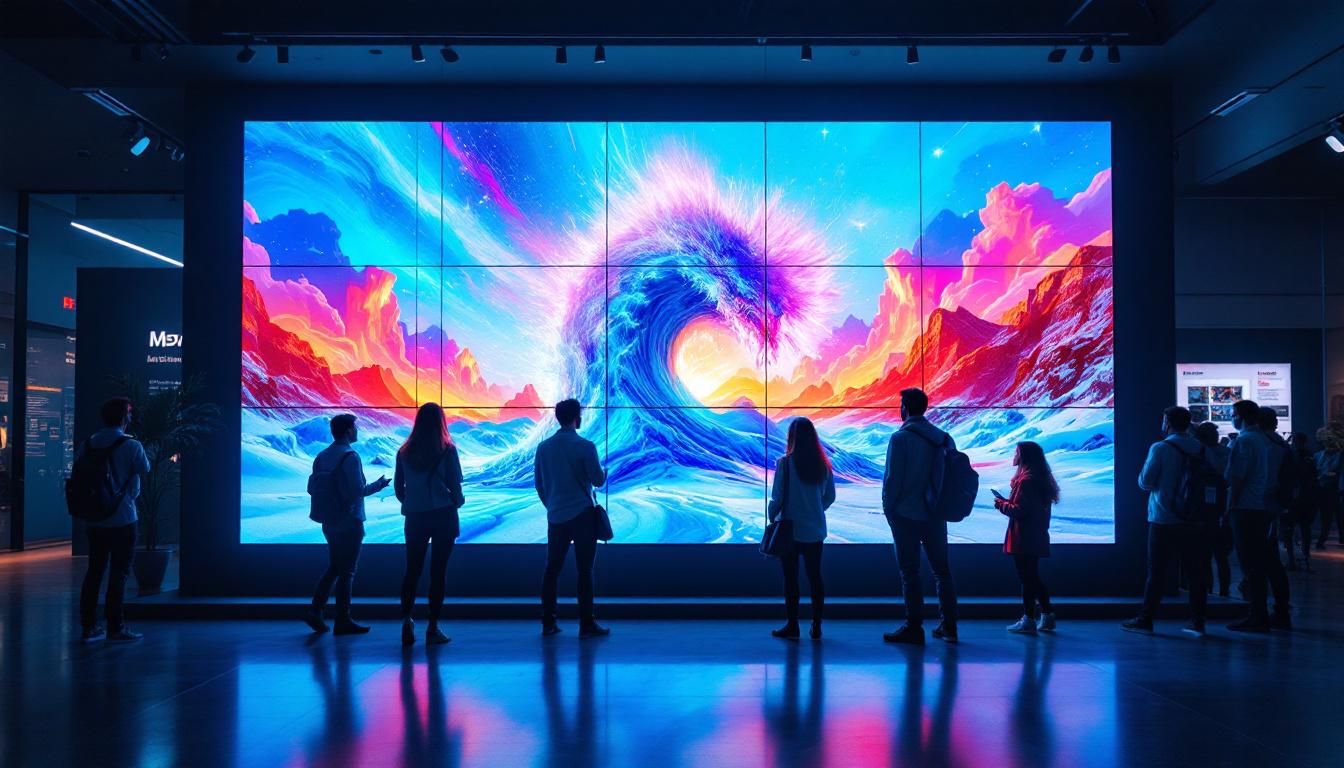
In the rapidly evolving world of digital signage and display technologies, LED displays have emerged as a dominant force, transforming how information and visuals are presented across various industries. Among the innovative applications of LED technology, cloud lights LED displays stand out for their unique design and versatile functionality. This article delves into the intricacies of cloud lights LED displays, explaining their technology, applications, benefits, and future trends to provide a comprehensive understanding of this cutting-edge visual solution.
Understanding LED Display Technology
What is an LED Display?
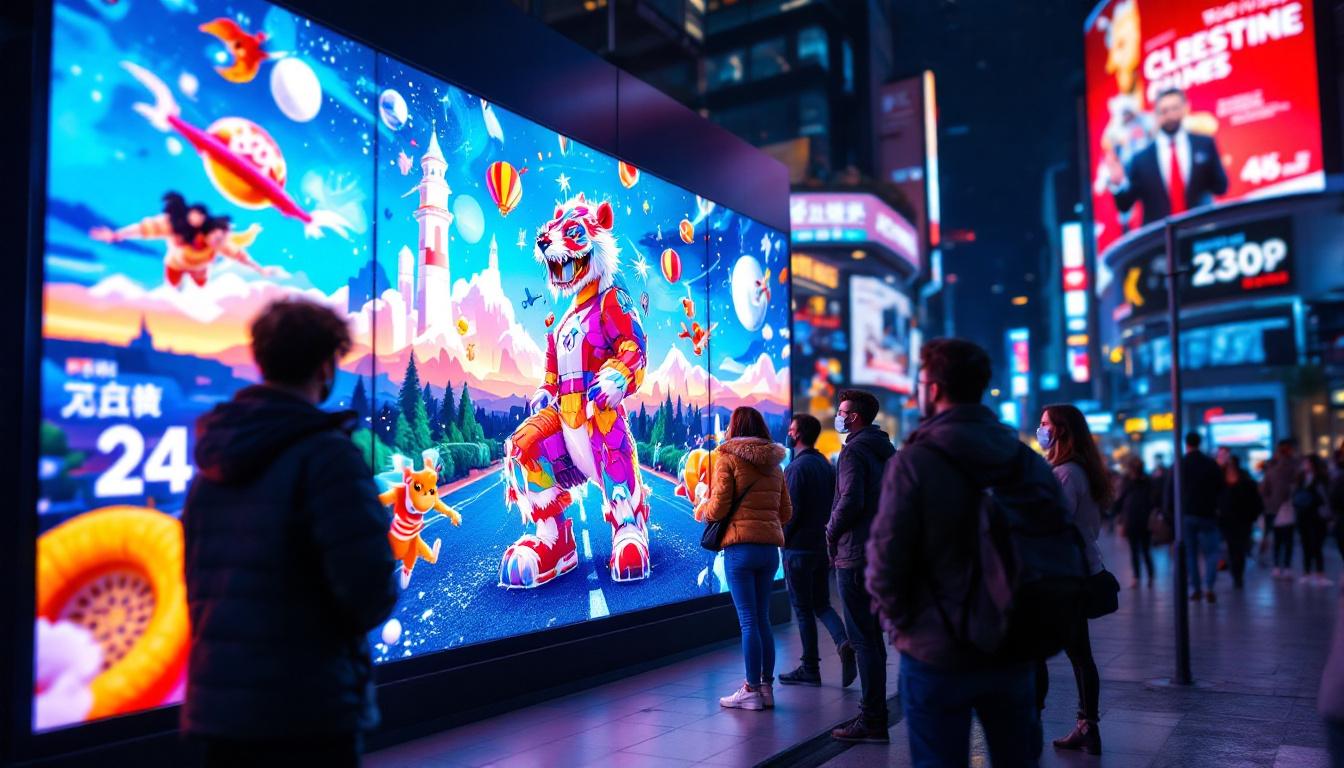
LED, or Light Emitting Diode, displays are digital screens that use tiny light-emitting diodes as pixels to create images, videos, and animations. Unlike traditional LCD or plasma screens, LED displays produce their own light, resulting in brighter, more vibrant visuals with higher contrast ratios. This self-illumination capability makes LED displays highly visible even in bright outdoor environments, which is why they are widely used for billboards, stadium screens, and public information displays.
The core advantage of LED technology lies in its energy efficiency, longevity, and scalability. LED displays can be built in various sizes and shapes, from small indoor panels to massive outdoor walls, making them adaptable to numerous applications. The modular nature of LED panels also allows for easy maintenance and repair, as individual modules can be replaced without dismantling the entire screen.
What Are Cloud Lights LED Displays?
Cloud lights LED displays represent a specialized form of LED technology characterized by their arrangement and design. Unlike traditional flat LED screens, cloud lights are composed of multiple LED modules suspended or mounted in a three-dimensional pattern, often resembling clouds or abstract shapes. This design creates a dynamic visual effect that adds depth and texture to the display, making it particularly appealing for artistic installations, architectural lighting, and immersive environments.
The term “cloud lights” also refers to LED systems integrated with cloud-based control platforms. These platforms enable remote management, real-time content updates, and synchronization across multiple displays, enhancing operational flexibility and user experience. Combining physical cloud-like LED structures with cloud computing capabilities results in a powerful, interactive display solution.
Key Components of Cloud Lights LED Displays
LED Modules and Pixels
At the heart of any LED display are the LED modules, which contain arrays of individual LEDs acting as pixels. In cloud lights LED displays, these modules are often smaller and designed for multi-directional mounting to achieve the desired three-dimensional effect. The pixel pitch, or the distance between adjacent LEDs, plays a crucial role in determining the display’s resolution and viewing distance. A smaller pixel pitch means higher resolution and closer viewing capability, which is essential for indoor installations or detailed visuals.
Structural Framework and Mounting
The unique cloud-like formations require a robust yet flexible structural framework. This framework supports the LED modules in various orientations and heights, allowing designers to create intricate shapes and patterns. Materials used for the framework must balance strength, weight, and aesthetic appeal, often incorporating lightweight metals or composites. The mounting system also facilitates easy installation and maintenance, which is vital for large-scale or complex displays.
Control Systems and Software Integration
Modern cloud lights LED displays rely heavily on sophisticated control systems. These systems manage the content displayed on each LED module, synchronize animations, and adjust brightness and color settings in real-time. Cloud-based software platforms enable operators to upload content remotely, schedule playlists, and monitor system health. This integration enhances operational efficiency and allows for dynamic, responsive displays that can adapt to different environments or events.
Applications of Cloud Lights LED Displays
Architectural and Ambient Lighting
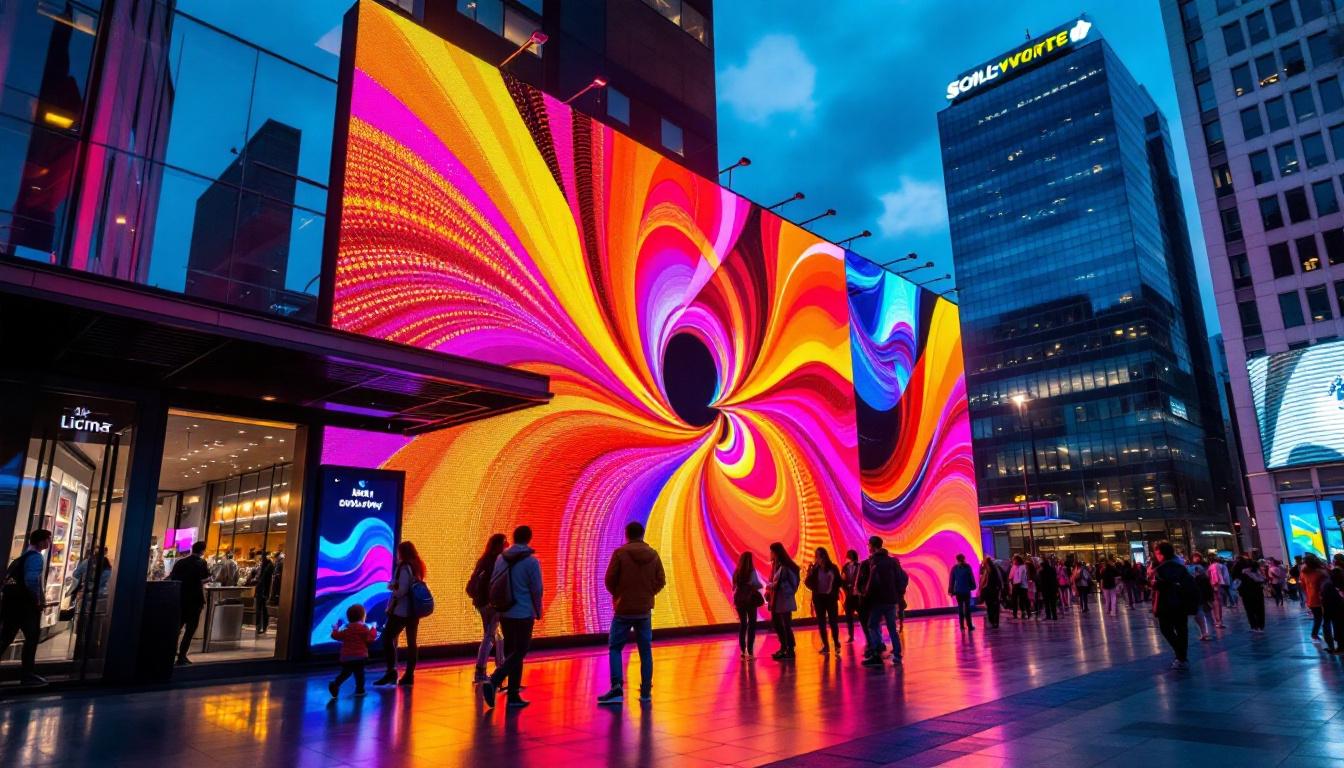
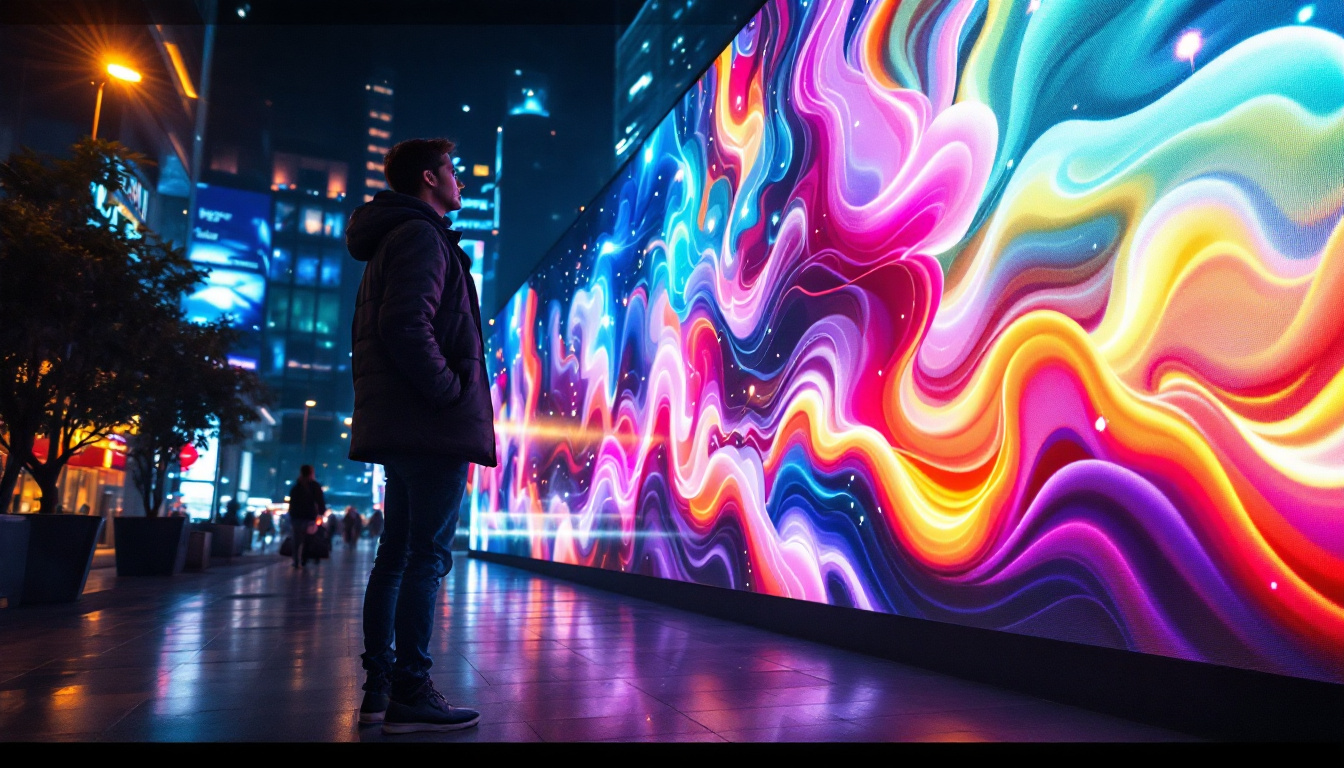
One of the most striking uses of cloud lights LED displays is in architectural lighting. Buildings and public spaces use these displays to create visually captivating facades that change color, pattern, and intensity according to time of day, special occasions, or branding requirements. The three-dimensional nature of cloud lights adds an artistic layer, transforming static structures into living canvases.
For example, the use of cloud lights LED displays in urban plazas or shopping malls enhances ambiance and draws attention, increasing foot traffic and customer engagement. These installations often serve dual purposes as both lighting and information displays, providing a blend of aesthetics and functionality.
Entertainment and Events
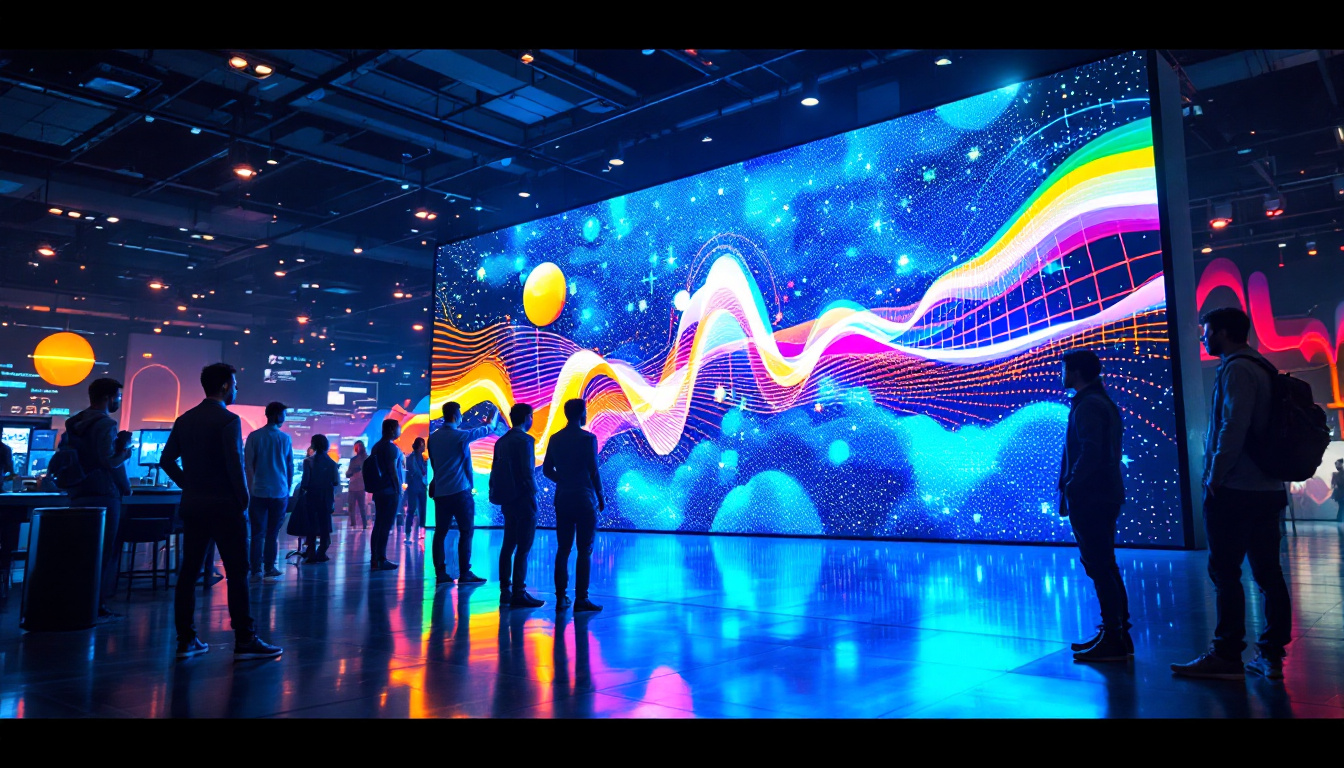
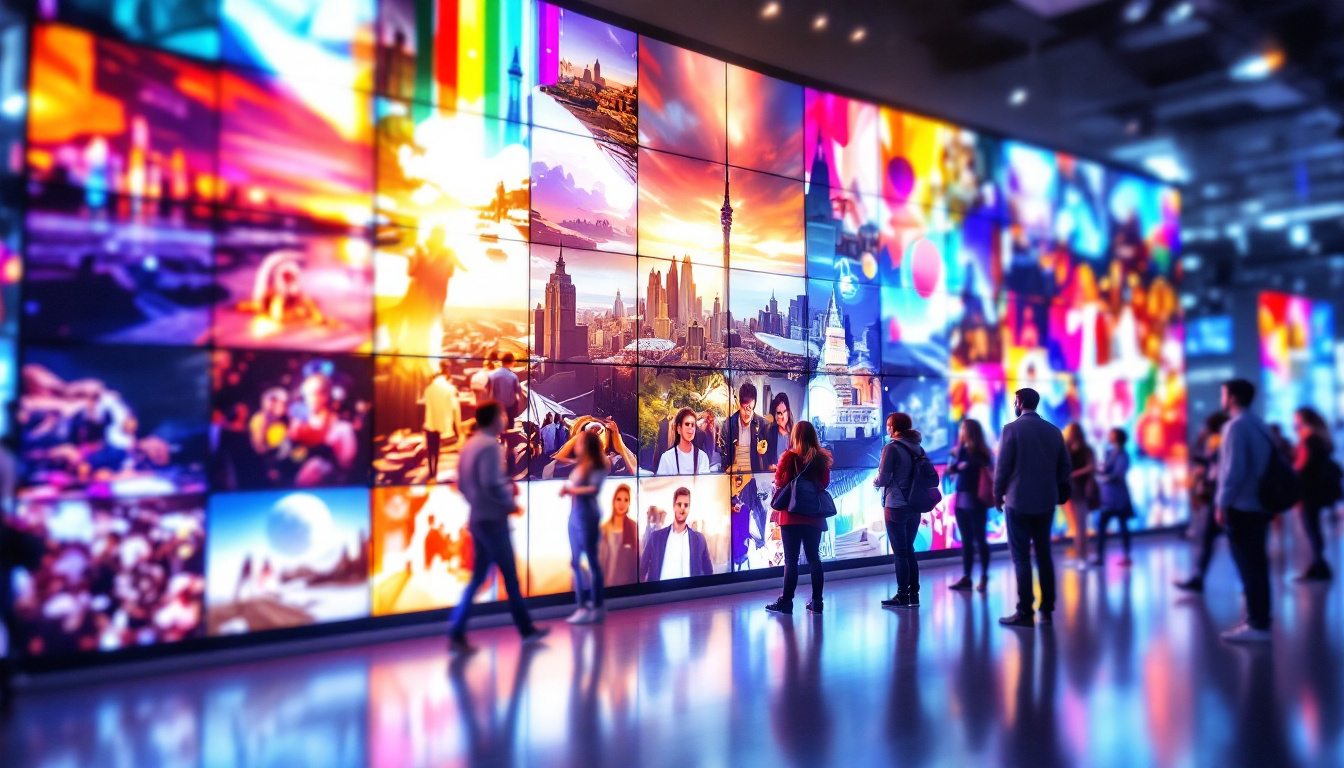
In the entertainment industry, cloud lights LED displays are used to create immersive environments for concerts, theater productions, and festivals. Their ability to produce dynamic, multi-dimensional visuals allows for creative storytelling and audience engagement. Event organizers leverage these displays to synchronize lighting effects with music and performances, elevating the overall experience.
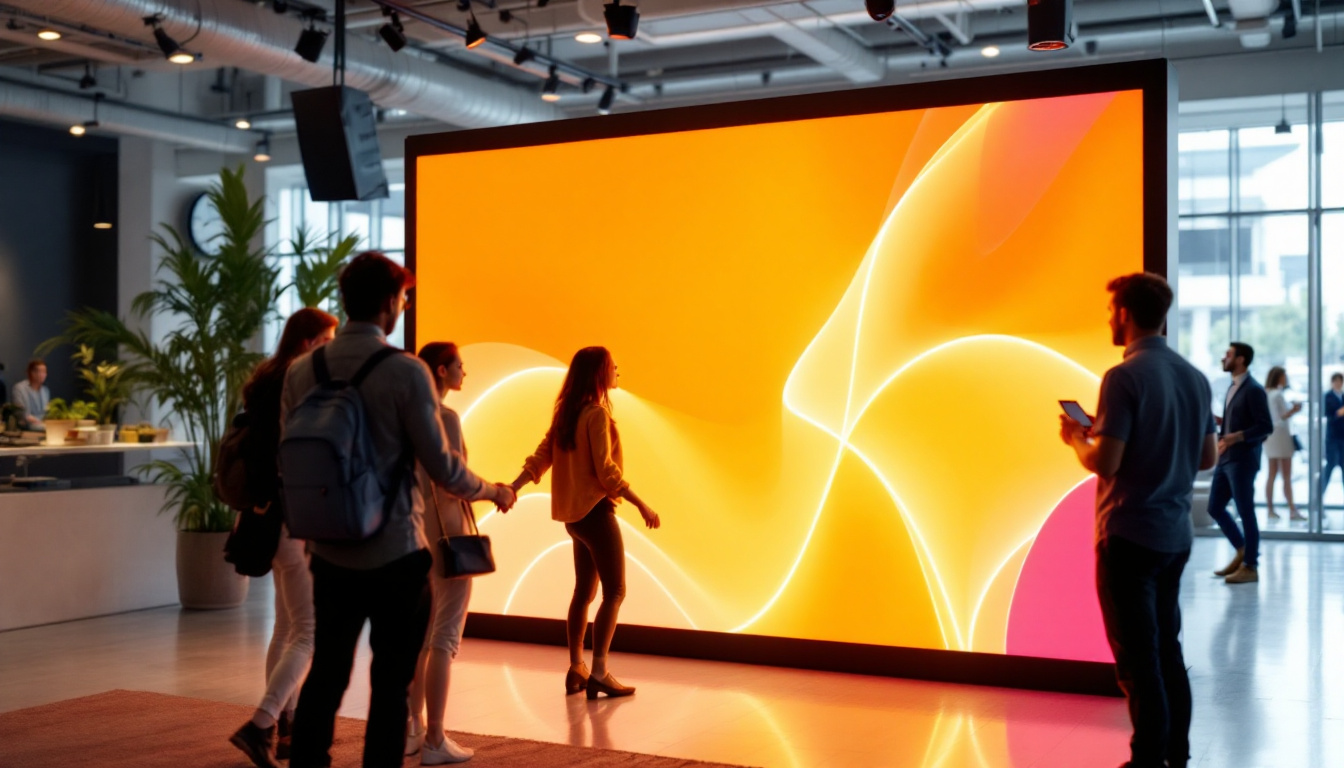
Additionally, cloud lights are popular in theme parks and interactive exhibits, where they contribute to sensory-rich environments that captivate visitors. The flexibility in shape and control makes them ideal for custom installations tailored to specific themes or narratives.
Retail and Advertising
Retail spaces increasingly adopt cloud lights LED displays to differentiate their brand presence and attract customers. These displays can showcase promotional content, product launches, or seasonal campaigns in a visually stunning manner. The three-dimensional design helps the content stand out from conventional flat screens, creating memorable impressions.
Moreover, cloud lights integrated with cloud-based content management systems allow retailers to update advertisements instantly across multiple locations, ensuring consistent messaging and timely promotions. This capability is especially valuable in fast-paced retail environments where agility is key.
Benefits of Cloud Lights LED Displays
Enhanced Visual Impact
The primary benefit of cloud lights LED displays is their exceptional visual impact. The three-dimensional arrangement of LEDs creates depth and texture that flat screens cannot replicate. This uniqueness captures attention more effectively, making cloud lights ideal for environments where standing out is crucial.
Energy Efficiency and Longevity
LED technology is inherently energy-efficient, consuming significantly less power than traditional lighting and display methods. Cloud lights LED displays maintain this advantage while offering large-scale illumination and display capabilities. Additionally, LEDs have long operational lifespans, often exceeding 50,000 hours, reducing maintenance costs and downtime.
Flexibility and Customization
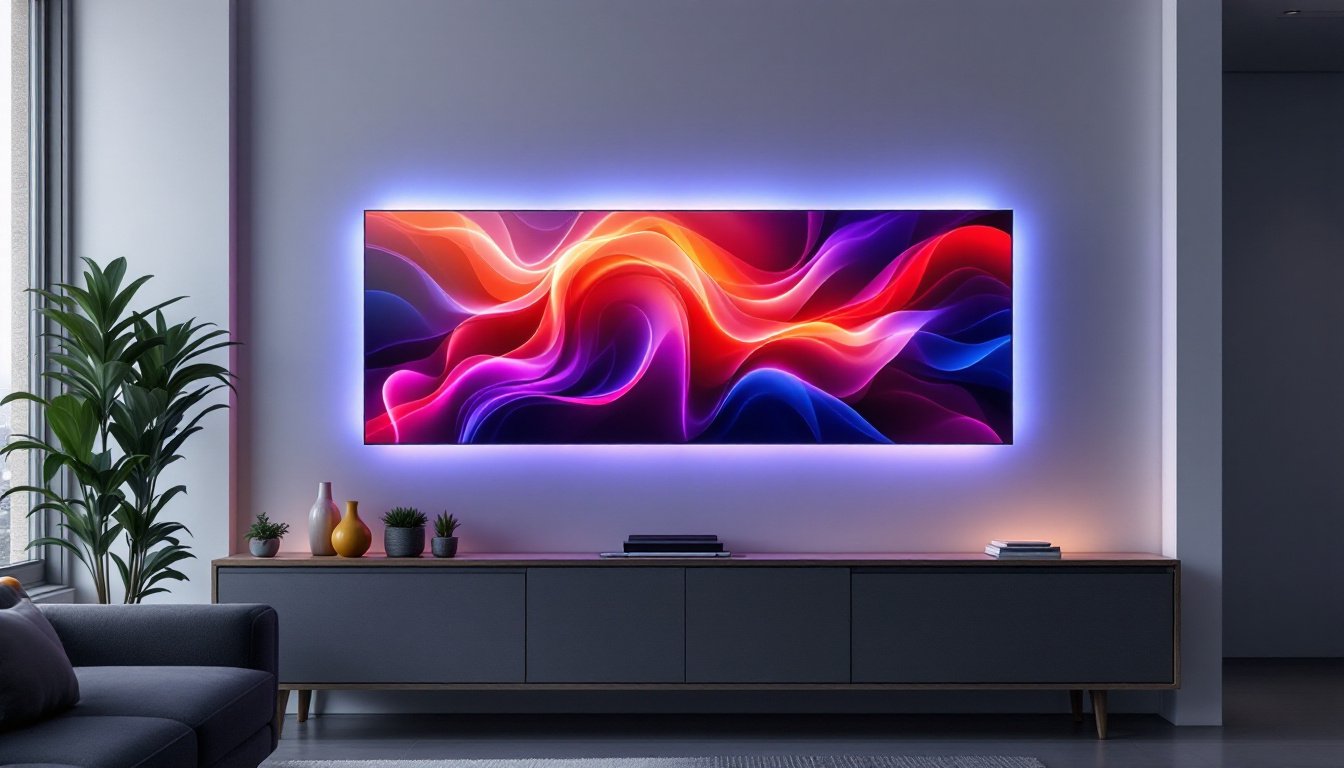
Cloud lights LED displays offer unparalleled flexibility in design and application. Their modular nature allows for custom shapes, sizes, and configurations, tailored to specific venues or artistic visions. Cloud-based control systems further enhance customization by enabling real-time content changes and interactive features.
Remote Management and Scalability
Integration with cloud platforms facilitates remote management, making it easy to control multiple displays from anywhere in the world. This feature is particularly beneficial for organizations with distributed installations, such as retail chains or event companies. Scalability is another advantage, as additional modules or displays can be added seamlessly without disrupting existing setups.
Challenges and Considerations
Initial Investment and Installation Complexity
While cloud lights LED displays offer many advantages, they often require a higher upfront investment compared to traditional displays or lighting solutions. The complexity of the structural framework and installation process can also increase costs and time. It is essential to work with experienced professionals to ensure proper design, engineering, and installation.
Maintenance and Technical Support
Maintaining cloud lights LED displays involves regular cleaning, software updates, and occasional hardware repairs. Given their unique configurations, access to certain modules may be challenging, necessitating specialized tools and expertise. Establishing a reliable maintenance plan and technical support network is critical to ensure long-term performance.
Content Creation and Management
Creating engaging content that leverages the three-dimensional nature of cloud lights can be more demanding than traditional flat screen media. Content creators need to understand the spatial dynamics and capabilities of the display to maximize impact. Investing in skilled designers and utilizing advanced software tools can help overcome these challenges.
The Future of Cloud Lights LED Displays
Advancements in LED Technology
Ongoing innovations in LED technology promise to enhance the performance and capabilities of cloud lights displays. Developments such as mini-LEDs and micro-LEDs offer higher resolution, better color accuracy, and improved energy efficiency. These advancements will enable even more intricate and immersive cloud light installations.
Integration with IoT and Smart Systems
The integration of cloud lights LED displays with the Internet of Things (IoT) and smart building systems is an emerging trend. This connectivity allows displays to respond dynamically to environmental conditions, user interactions, or data inputs, creating personalized and context-aware experiences. For example, displays could adjust brightness based on ambient light or change content based on crowd density.
Expanded Use Cases and Market Growth
As awareness and accessibility increase, cloud lights LED displays are expected to find new applications across sectors such as healthcare, education, transportation, and public safety. Market research forecasts a steady growth in demand for innovative LED display solutions, driven by urbanization, digital transformation, and consumer expectations for engaging visual experiences.
Conclusion
Cloud lights LED displays represent a fascinating convergence of advanced LED technology, creative design, and cloud-based control systems. Their ability to deliver stunning three-dimensional visuals combined with operational flexibility makes them a compelling choice for a wide range of applications—from architectural lighting and entertainment to retail advertising.
While challenges such as initial costs and content complexity exist, the benefits of enhanced visual impact, energy efficiency, and remote management position cloud lights LED displays as a forward-looking solution in the digital display landscape. As technology continues to evolve, these displays will likely become even more versatile and integral to how environments communicate and engage audiences.
For businesses and designers looking to leverage the power of LED displays, understanding the unique features and potential of cloud lights LED technology is essential. With thoughtful planning and expert execution, cloud lights LED displays can transform spaces and experiences in ways that captivate and inspire.
Discover the Future of Visual Engagement with LumenMatrix
Ready to elevate your space with the mesmerizing allure of cloud lights LED displays? LumenMatrix is at the forefront of this transformative technology, offering a spectrum of innovative solutions that bring your visual communications to life. From immersive Indoor and Outdoor LED Wall Displays to dynamic Vehicle and Sports LED Displays, our range caters to every need. Experience the revolution in digital signage with our Custom, All-in-One, and Transparent LED Displays, designed to captivate and engage like never before. Check out LumenMatrix LED Display Solutions today and join the myriad of businesses already sharing their message with unparalleled impact and clarity.