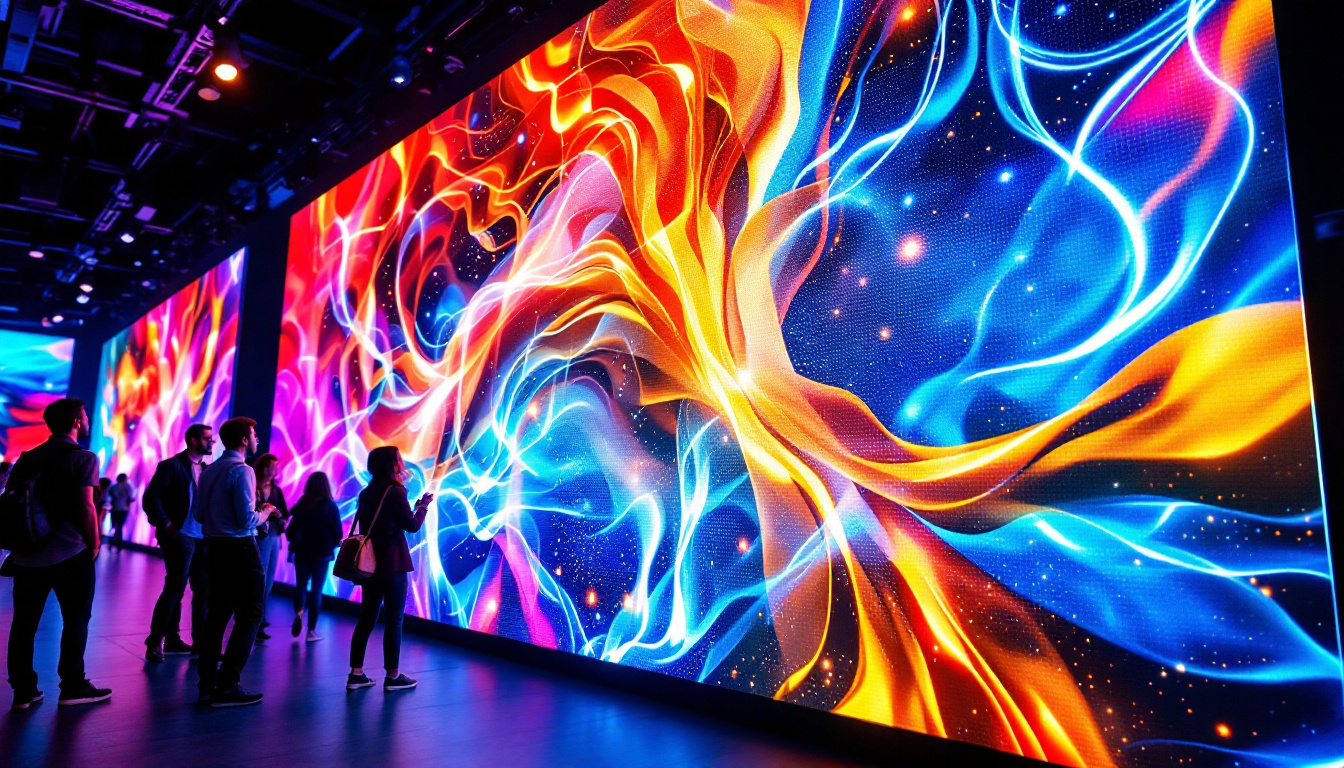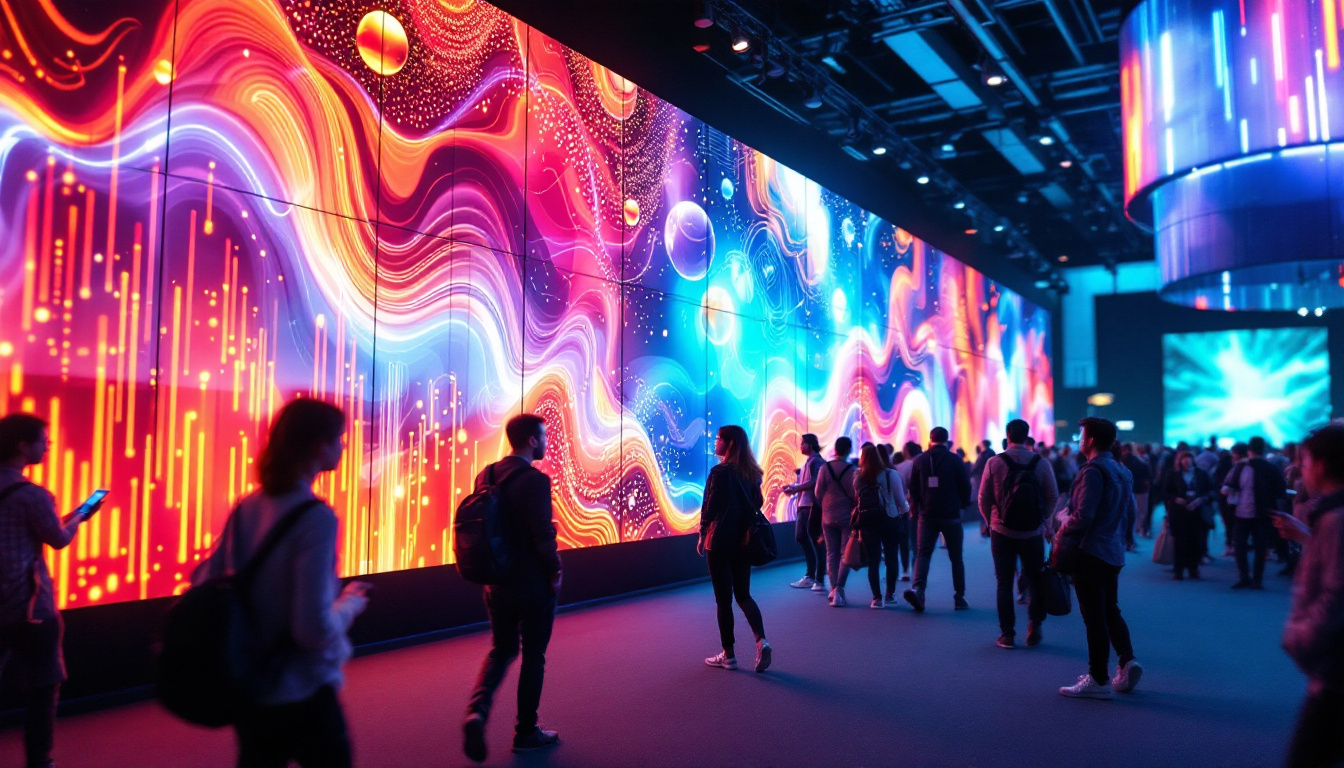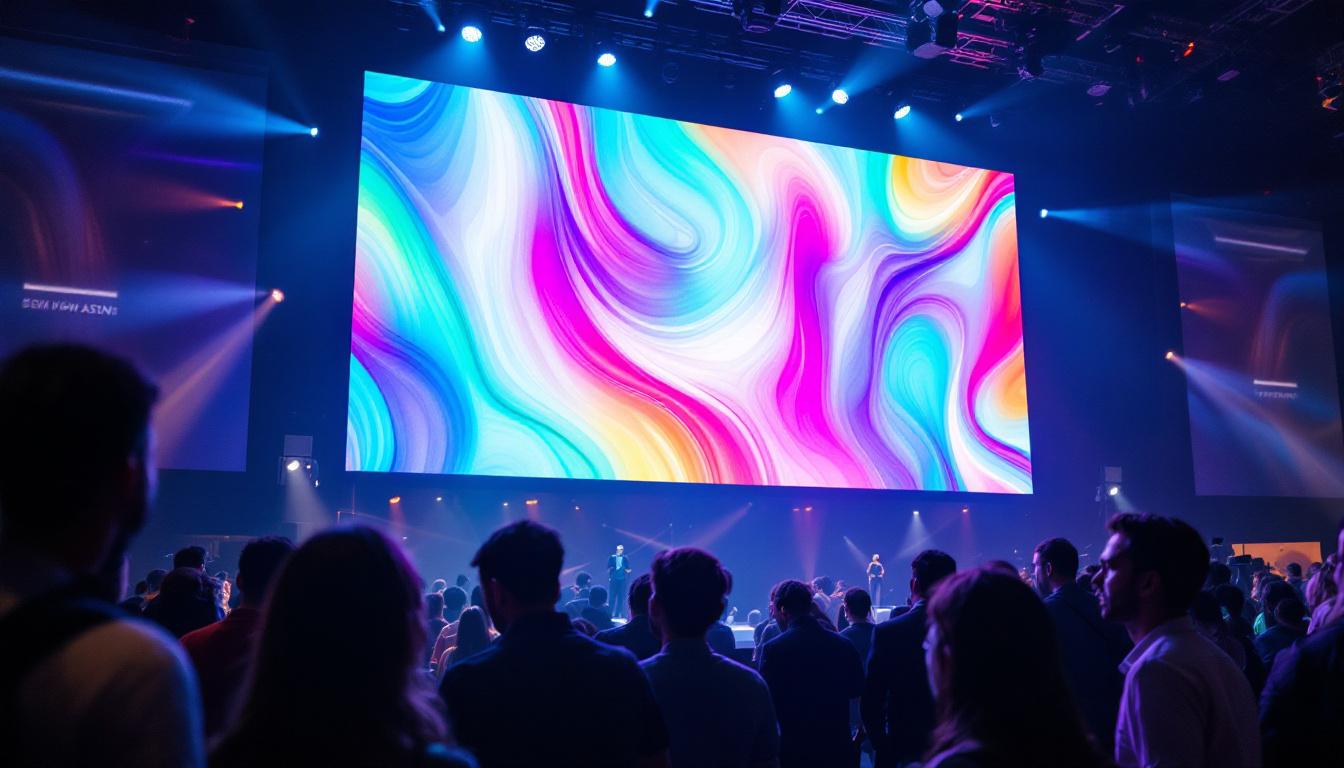
In today’s fast-paced digital world, visual communication plays a crucial role in capturing attention and conveying messages effectively. Whether it’s for a corporate event, concert, trade show, or sports game, LED screens have become the go-to solution for dynamic and eye-catching displays. If you’re searching for “led screen rentals near me,” understanding the technology behind LED displays and the benefits of renting them can help you make an informed decision that maximizes impact while managing costs.
What Is an LED Screen?
LED stands for Light Emitting Diode, a semiconductor device that emits light when an electric current passes through it. An LED screen is a flat panel display that uses an array of these tiny diodes to create images, videos, and animations. Unlike traditional LCD or projection screens, LED displays produce their own light, resulting in brighter and more vibrant visuals that remain clear even in direct sunlight. This self-illuminating feature not only enhances visibility but also contributes to energy efficiency, as LED screens consume less power compared to their counterparts.
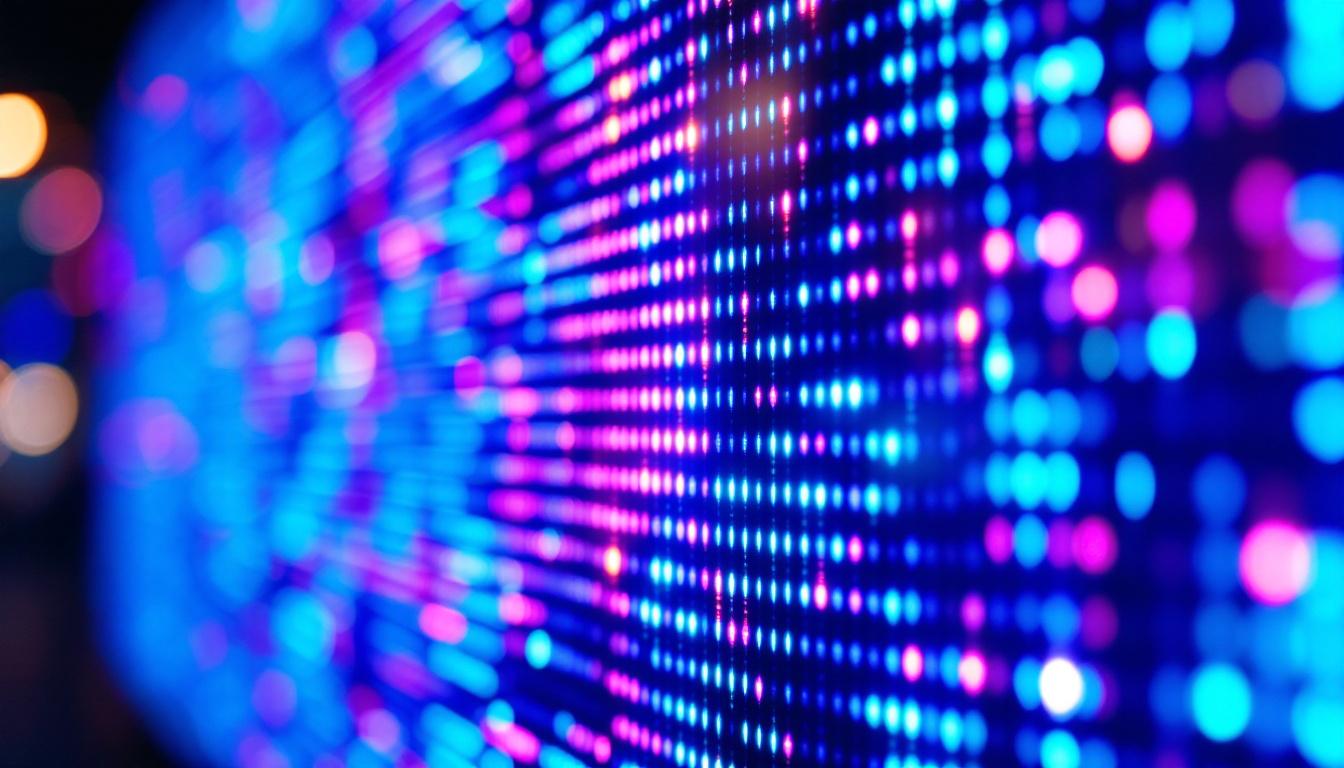
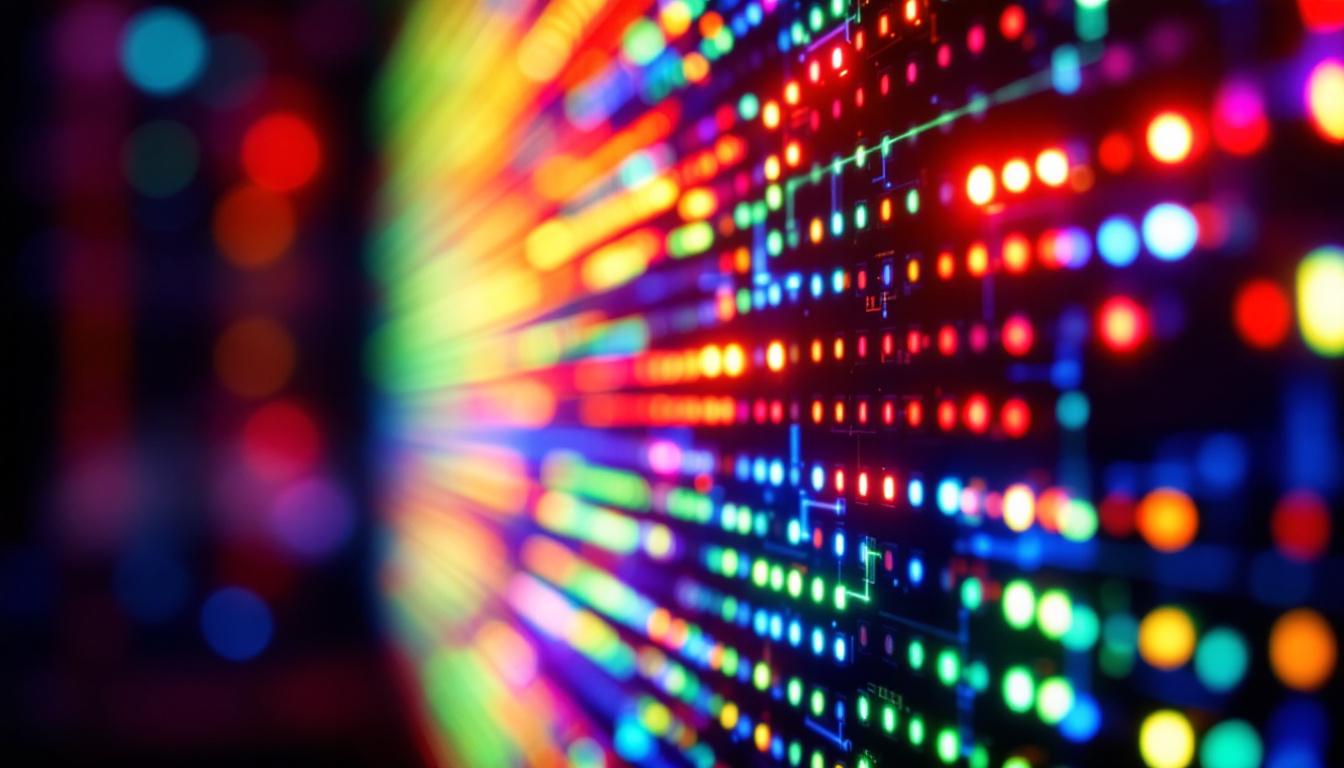
LED screens are composed of thousands of individual pixels, each made up of red, green, and blue diodes. By adjusting the intensity of each diode, the screen can produce a wide spectrum of colors. This pixel-level control allows LED screens to deliver high-resolution images with excellent contrast and color accuracy. The technology behind LED screens has evolved significantly, leading to advancements such as HDR (High Dynamic Range) capabilities, which further enhance the depth and richness of colors displayed, making images appear more lifelike and immersive.
Types of LED Screens
There are several types of LED screens, each suited to different environments and applications:
- Indoor LED Screens: Designed for controlled lighting environments, these screens have smaller pixel pitches (the distance between pixels), resulting in higher resolution and sharper images. They are commonly used for conferences, retail displays, and indoor events. The versatility of indoor LED screens allows for creative installations that can be customized to fit the aesthetic of any space, often incorporating interactive features to engage audiences.
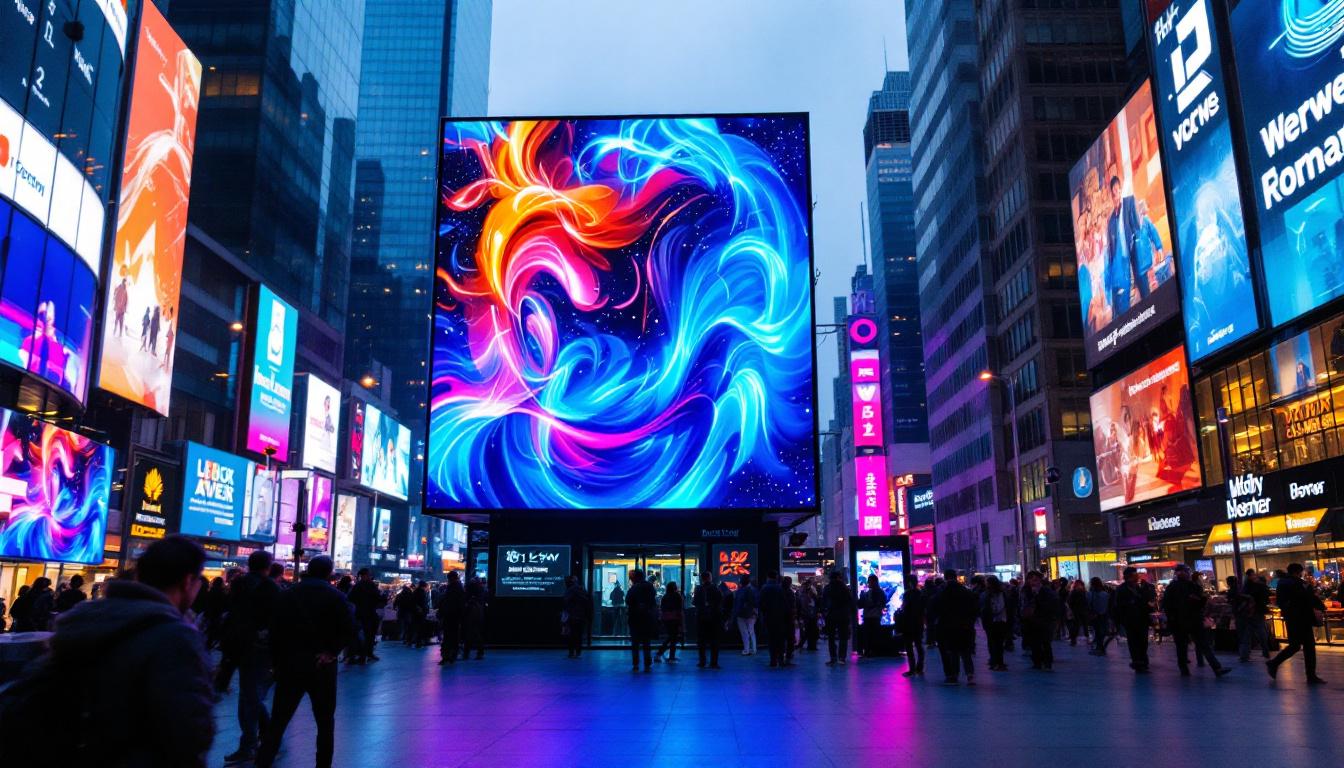
- Outdoor LED Screens: Built to withstand weather conditions, these screens have larger pixel pitches to ensure visibility from greater distances. They feature weatherproof casings and higher brightness levels, making them ideal for concerts, sports arenas, and public advertising. Outdoor LED screens are often used in dynamic advertising campaigns, where content can be updated in real-time, capturing the attention of passersby and enhancing brand visibility.
- Transparent LED Screens: These innovative displays allow light to pass through, making them perfect for storefront windows and architectural installations where maintaining natural light is important. Transparent LED screens offer a unique blend of functionality and aesthetics, enabling businesses to showcase products while still allowing visibility into and out of the space, creating an engaging shopping experience.
Why Rent LED Screens Instead of Buying?
LED screens are a significant investment, often costing tens of thousands of dollars depending on size and resolution. Renting LED screens offers a cost-effective alternative, especially for short-term needs or one-off events. Here are some key reasons why renting might be the better choice:
Cost Efficiency and Flexibility
Purchasing an LED screen involves not only the upfront cost but also ongoing expenses such as maintenance, storage, and technical support. Renting eliminates these concerns, as rental companies typically provide setup, operation, and teardown services. This allows businesses and event organizers to access the latest technology without the burden of ownership.
Additionally, renting offers flexibility in screen size and type. Depending on the event, you can choose a screen that perfectly fits the venue and audience size. For example, a small indoor seminar might require a 10-foot screen, while a large outdoor festival could benefit from a 40-foot screen with high brightness. This adaptability is crucial for ensuring that the visual experience is tailored to the specific needs of each event, enhancing audience engagement and overall satisfaction.
Access to the Latest Technology
LED display technology is rapidly evolving, with improvements in resolution, energy efficiency, and modular design. Rental companies often update their inventory regularly, giving clients access to cutting-edge screens that might be cost-prohibitive to purchase outright. This ensures your event benefits from the best possible visual experience. Moreover, many rental companies offer a variety of options, including ultra-high-definition displays and screens with advanced features like touch interactivity, which can significantly enhance audience interaction and participation.
Professional Support and Installation
Setting up LED screens requires technical expertise to ensure optimal image quality, safety, and integration with other event systems. Rental providers typically offer professional installation and on-site support, reducing the risk of technical issues during critical moments. This peace of mind is invaluable for event planners who want to focus on content and audience engagement. Furthermore, having a dedicated technical team on-site means that any unexpected challenges can be swiftly addressed, allowing for a seamless experience that keeps the event running smoothly.
In addition to installation, many rental services also provide comprehensive training for your staff, ensuring they are well-equipped to handle the technology throughout the event. This training can cover everything from basic operation to troubleshooting common issues, empowering your team to manage the LED screens confidently. As a result, you can maximize the impact of your visual presentations, whether it’s for a corporate meeting, a concert, or a large-scale festival, knowing that you have the support and knowledge necessary to make the most of this dynamic technology.
How to Choose the Right LED Screen Rental
Finding the right LED screen rental provider near you involves more than just searching for the lowest price. To ensure your event’s success, consider the following factors:
Screen Size and Resolution
Determine the optimal screen size based on your venue and audience distance. Larger venues require bigger screens with higher brightness to ensure visibility. Resolution is equally important—higher resolution screens provide clearer images, especially for close viewing. Rental companies can advise on the best pixel pitch and size combination for your needs.
Brightness and Viewing Conditions
Outdoor events or venues with strong ambient light demand screens with high brightness, often measured in nits. Indoor screens typically require lower brightness levels but should still be sufficient to avoid washed-out images. Discuss the lighting conditions of your venue with the rental provider to select an appropriate screen.
Content Compatibility and Connectivity
Ensure the LED screen supports the type of content you plan to display, whether it’s live video feeds, presentations, or interactive media. Check for compatibility with your playback devices and software. Modern LED screens often support multiple input options, including HDMI, DVI, and wireless connections.
Reputation and Reviews
Research rental companies in your area by reading customer reviews and testimonials. Reliable providers have a track record of delivering quality products and responsive customer service. Ask for references or case studies to verify their expertise in handling events similar to yours.
Popular Applications of LED Screen Rentals
LED screens are incredibly versatile and can enhance a wide range of events and settings. Here are some of the most common uses:
Corporate Events and Conferences
LED screens provide a professional backdrop for presentations, keynote speeches, and product launches. Their high resolution ensures that detailed graphics and videos are visible to all attendees, even in large conference halls. Interactive LED walls can also engage audiences by displaying live social media feeds or real-time polling results.
Concerts and Festivals
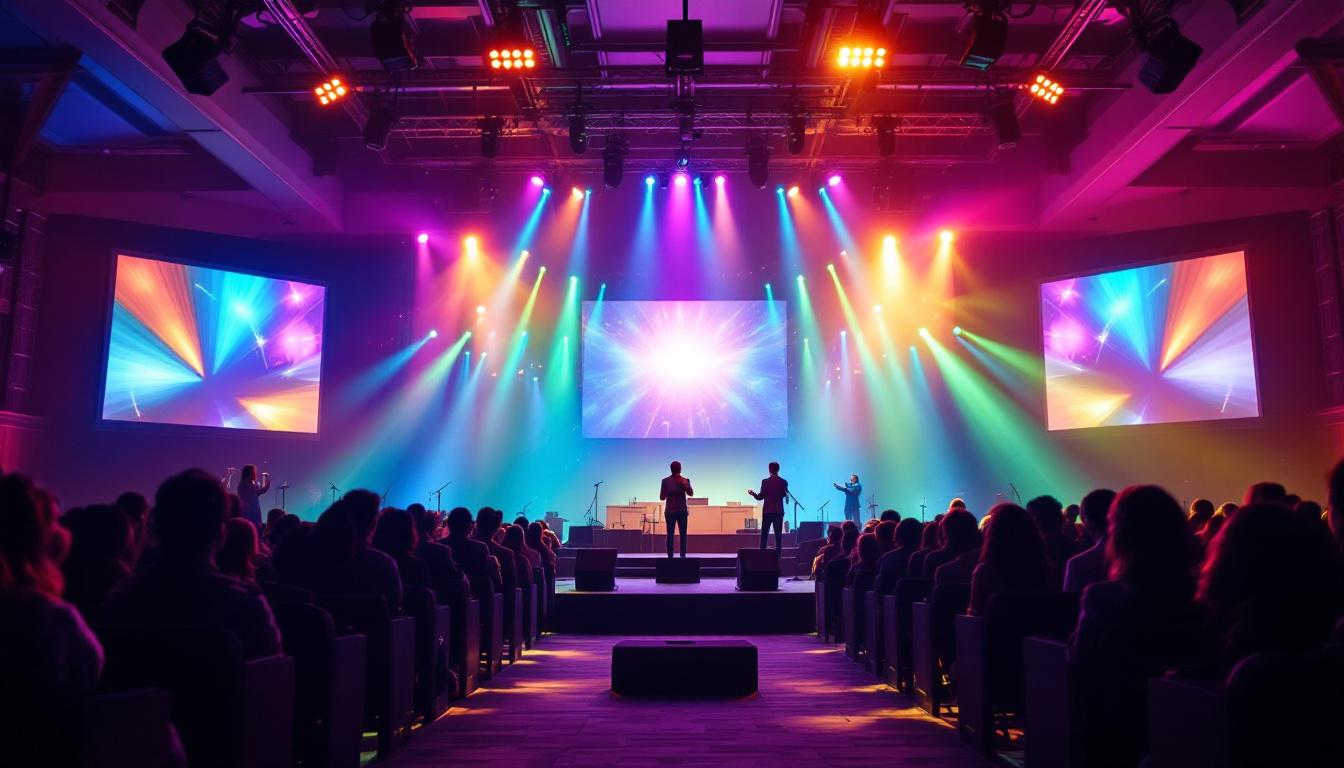
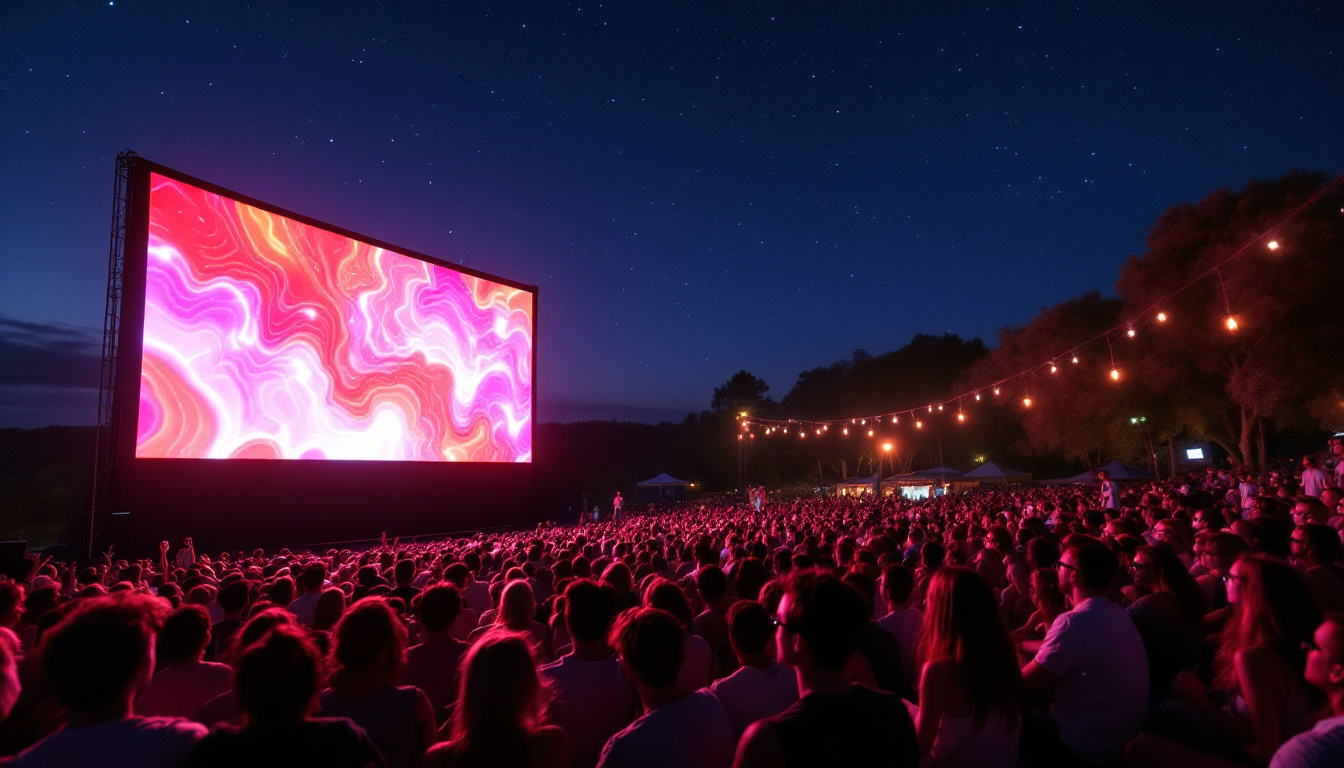
Large-scale outdoor concerts rely on massive LED screens to deliver close-up views of performers to audiences spread over vast areas. These screens also enhance the overall atmosphere with synchronized visuals and lighting effects, creating immersive experiences that captivate attendees.
Sports Events
From scoreboards to instant replays, LED screens are integral to modern sports venues. Their brightness and clarity ensure fans never miss a moment, while dynamic advertising on LED boards generates additional revenue streams for event organizers.
Trade Shows and Exhibitions
Exhibitors use LED screens to attract visitors and showcase products in vivid detail. Interactive touch-enabled LED displays can provide engaging demonstrations, helping brands stand out in crowded exhibition halls.
Emerging Trends in LED Display Technology
The LED display industry continues to innovate, offering new features and capabilities that expand potential applications:
MicroLED and MiniLED
MicroLED technology uses even smaller diodes than traditional LEDs, enabling ultra-high resolution and improved energy efficiency. MiniLED backlighting enhances LCD screens by providing better contrast and brightness. Both technologies are beginning to influence rental inventory, offering sharper images and longer lifespans.
Flexible and Curved LED Screens
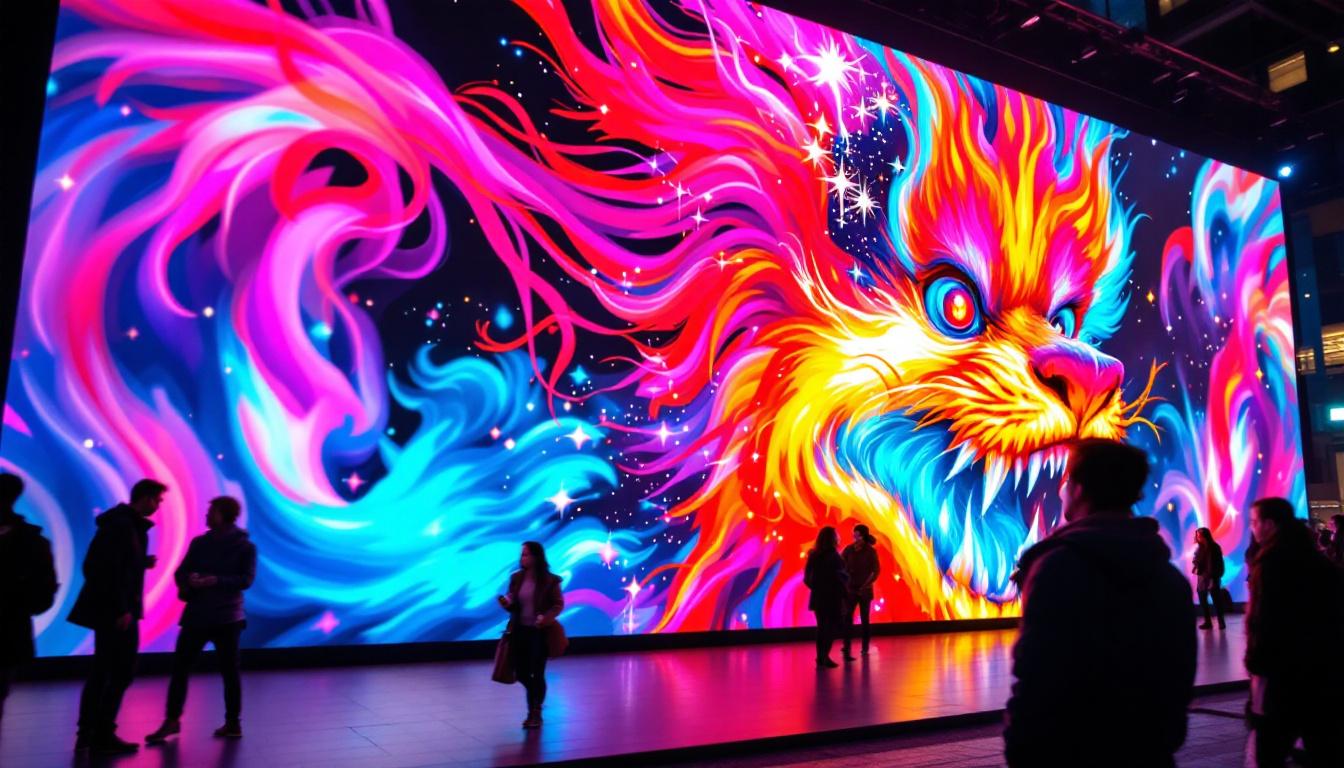
Flexible LED panels allow for creative installations that conform to curved surfaces or irregular shapes. This opens up new possibilities for artistic displays, immersive environments, and unique stage designs.
Interactive LED Walls
Touch-sensitive LED screens and motion sensors enable interactive experiences that engage audiences in novel ways. These technologies are particularly popular in retail, museums, and experiential marketing events.
Tips for Maximizing the Impact of Your LED Screen Rental
To get the most out of your LED screen rental, consider these best practices:
Plan Content Strategically
High-quality content tailored to your audience is essential. Use vibrant visuals, clear text, and dynamic animations to capture attention. Avoid clutter and ensure that key messages are easily readable from a distance.
Coordinate with Lighting and Sound
LED screens work best when integrated with the overall event design. Proper lighting enhances screen visibility without causing glare, and synchronized audio-visual elements create a cohesive experience.
Test Before the Event
Schedule a thorough technical rehearsal to check screen performance, connectivity, and content playback. This helps identify and resolve issues before the audience arrives.
Engage Your Audience
Consider incorporating live social media feeds, interactive polls, or real-time updates on your LED screen to foster engagement and participation.
Conclusion
LED screen rentals offer a powerful and flexible solution for delivering stunning visual experiences across a wide range of events and venues. Understanding the technology behind LED displays, the advantages of renting, and how to select the right screen can help you create memorable and impactful presentations that resonate with your audience. Whether hosting a corporate meeting, concert, or trade show, partnering with a reputable LED screen rental provider near you ensures professional support and access to the latest innovations, making your event shine.
Discover LumenMatrix LED Display Solutions
Ready to elevate your next event with a visually stunning LED display? Look no further than LumenMatrix, a pioneer in LED display technology. Our comprehensive range of solutions, from Indoor and Outdoor LED Walls to Custom and Transparent Displays, is designed to captivate your audience and amplify your message. Embrace the future of visual communication with LumenMatrix and experience the transformative power of our LED display modules. Check out LumenMatrix LED Display Solutions today and make your event unforgettable.