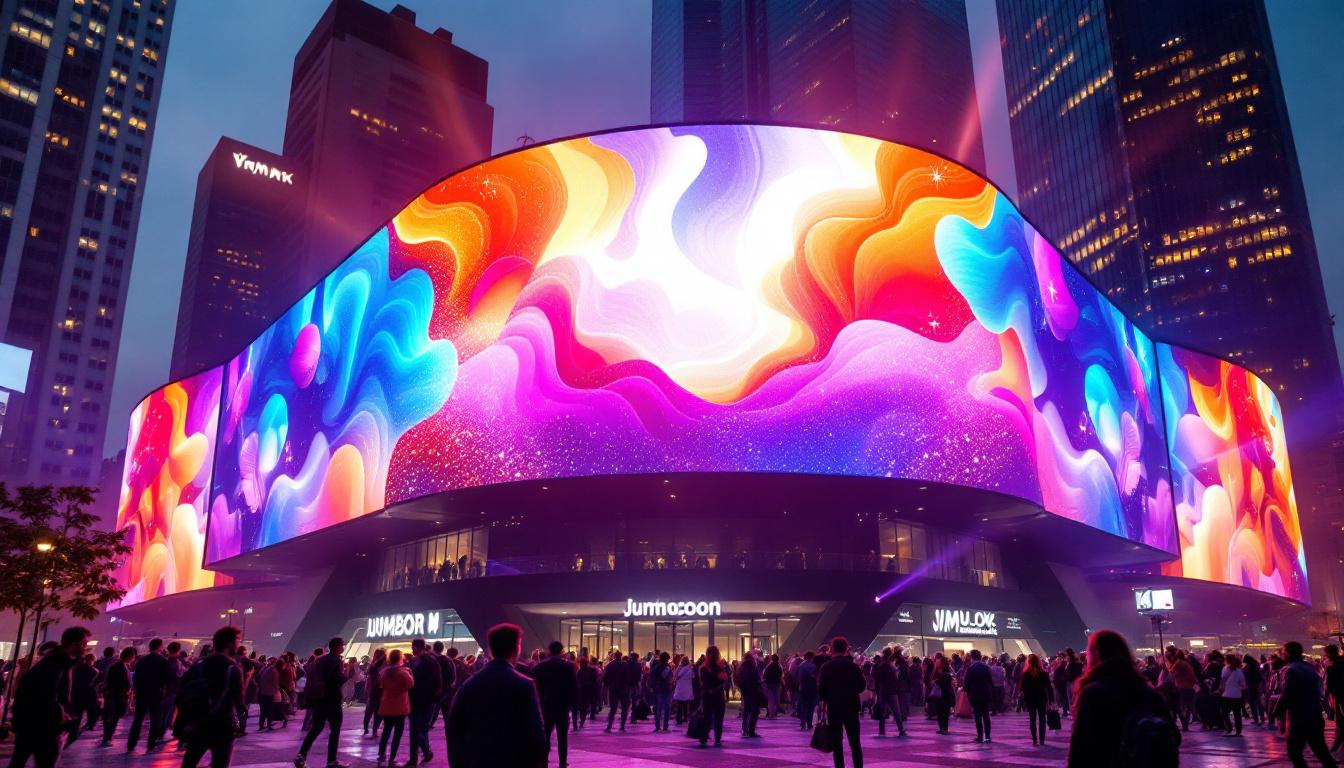
In the rapidly evolving world of advertising and digital display technology, 5D billboards have emerged as a groundbreaking innovation. These advanced LED displays are transforming how brands communicate with audiences, offering immersive, eye-catching experiences that go beyond traditional two-dimensional visuals. But what exactly are 5D billboards, and how do LED displays power this next generation of outdoor advertising? This article delves into the technology, applications, and future potential of 5D LED billboards, providing a comprehensive understanding of this exciting development.
Understanding 5D Billboards: What Does “5D” Mean?
The term “5D” in the context of billboards is not just a marketing buzzword; it represents a multi-dimensional approach to visual storytelling. While traditional billboards are static or limited to simple motion graphics, 5D billboards integrate several layers of sensory engagement to create a more dynamic and immersive experience.
Dimensions Beyond the Visual
Conventionally, the term “3D” refers to three-dimensional visuals that add depth perception to images. 5D billboards extend this concept by incorporating additional elements such as motion, interactivity, and sometimes environmental effects like sound or scent. These extra “dimensions” enhance the viewer’s sensory experience, making the advertisement more memorable and impactful.
For example, a 5D billboard might display a high-resolution 3D animation of a product, synchronized with ambient sounds or even subtle wind effects generated by nearby fans. This multi-sensory approach creates a stronger emotional connection with the audience, which is critical in crowded urban environments where attention spans are short.
Why the Need for 5D?
With the proliferation of digital devices and the saturation of advertising messages, brands face increasing challenges in capturing consumer attention. 5D billboards offer a solution by standing out through immersive technology that engages multiple senses simultaneously. This not only boosts recall but also encourages social sharing, amplifying the campaign’s reach organically.
The Role of LED Technology in 5D Billboards
At the heart of 5D billboards lies LED (Light Emitting Diode) technology, which has revolutionized outdoor displays over the past decade. LEDs provide the brightness, color accuracy, and flexibility necessary to create vivid, dynamic visuals that perform well in diverse lighting conditions.
Advantages of LED Displays
LED displays are favored for several reasons:
- Brightness and Visibility: LED billboards can achieve brightness levels upwards of 5,000 nits, ensuring visibility even in direct sunlight. This is crucial for outdoor advertising where ambient light varies throughout the day.
- Energy Efficiency: LEDs consume significantly less power compared to traditional incandescent or fluorescent lighting, reducing operational costs and environmental impact.
- Durability and Longevity: LED panels are weather-resistant and can operate reliably in harsh conditions, from extreme heat to heavy rain.
- Color Range and Accuracy: Modern LED technology supports a wide color gamut and precise color calibration, enabling lifelike images and smooth gradients.
- Flexibility: LED modules can be configured into various shapes and sizes, allowing for creative billboard designs including curved or irregular surfaces.
How LEDs Enable 5D Effects
Beyond the basic display of images and videos, LEDs facilitate the advanced features that define 5D billboards. High refresh rates and pixel density allow for smooth motion and detailed 3D content. When combined with sensors and control systems, these displays can respond to environmental cues or audience interaction, adding layers of interactivity and engagement.
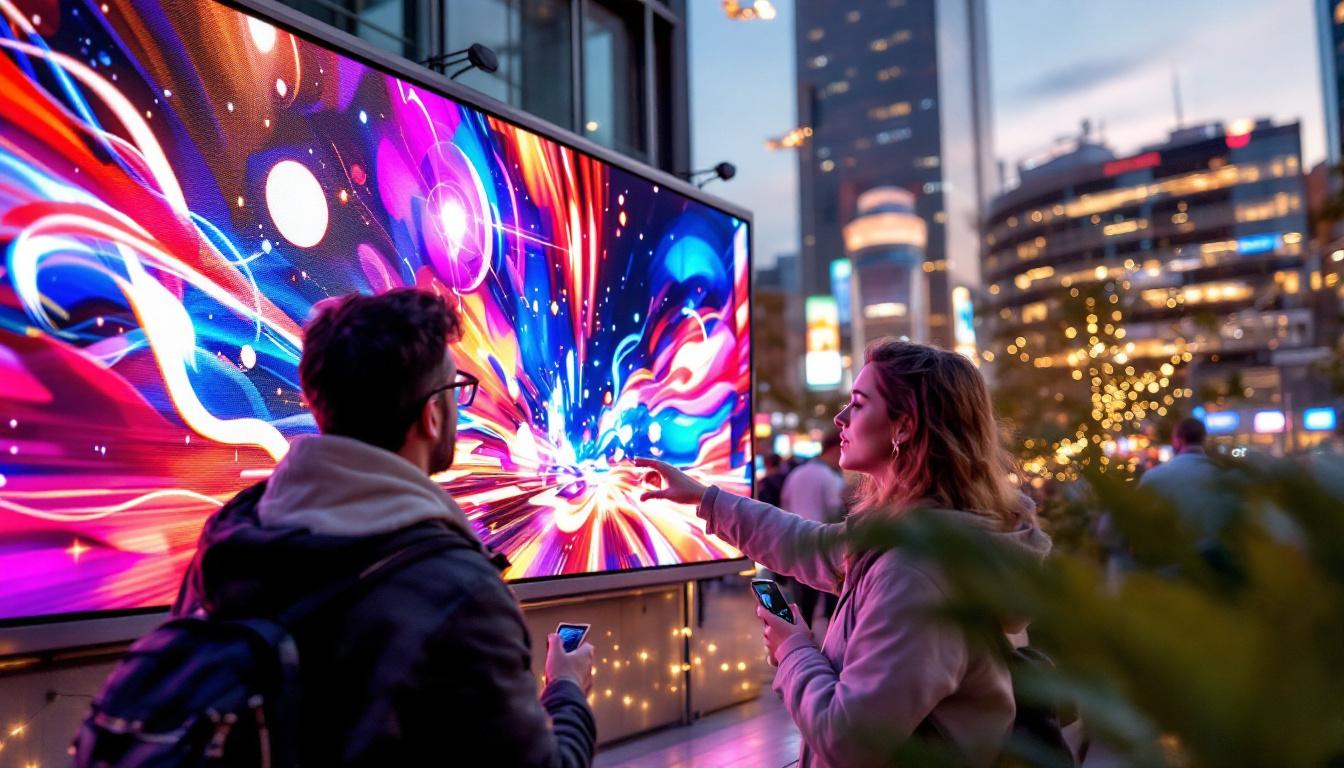
For instance, some 5D billboards use motion sensors to detect pedestrian movement and adjust the content accordingly, creating a personalized advertising experience. Others integrate with augmented reality (AR) or projection mapping technologies to extend the visual effects beyond the physical screen.
Applications and Examples of 5D LED Billboards
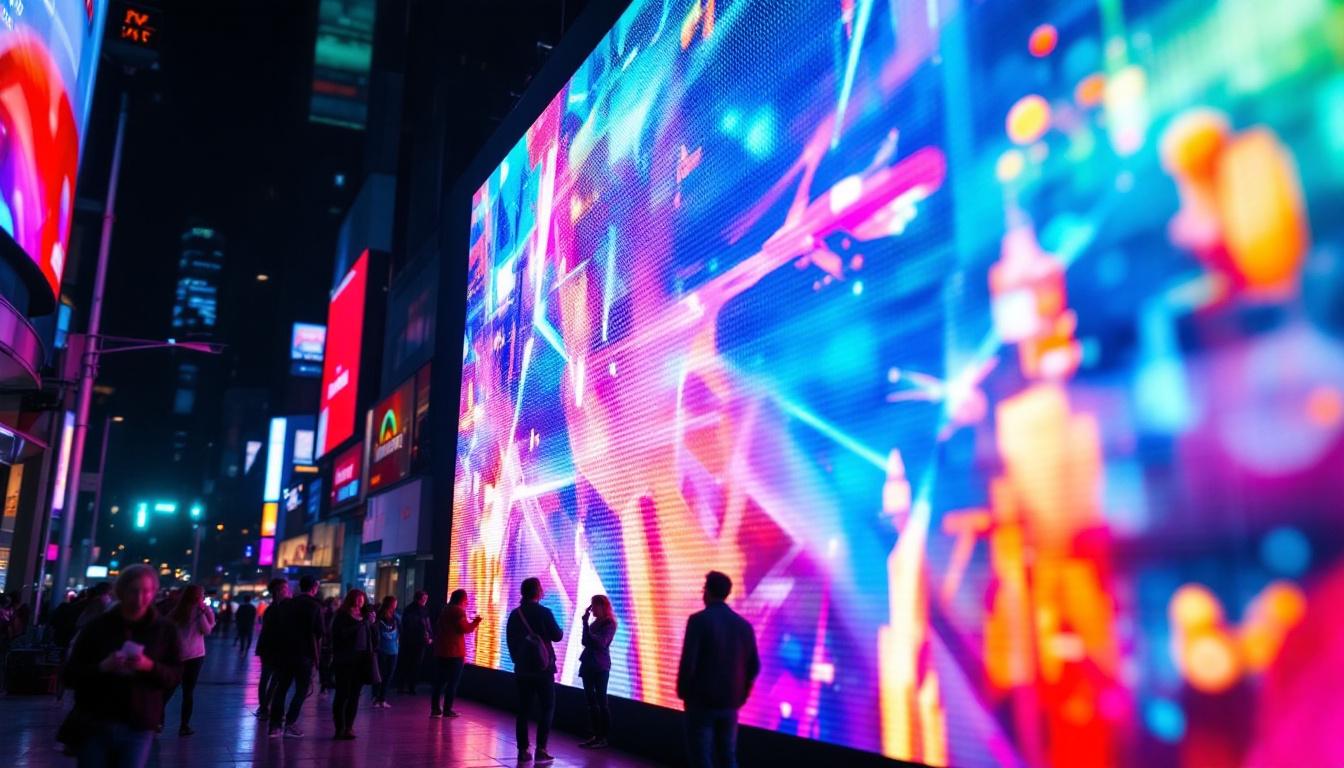
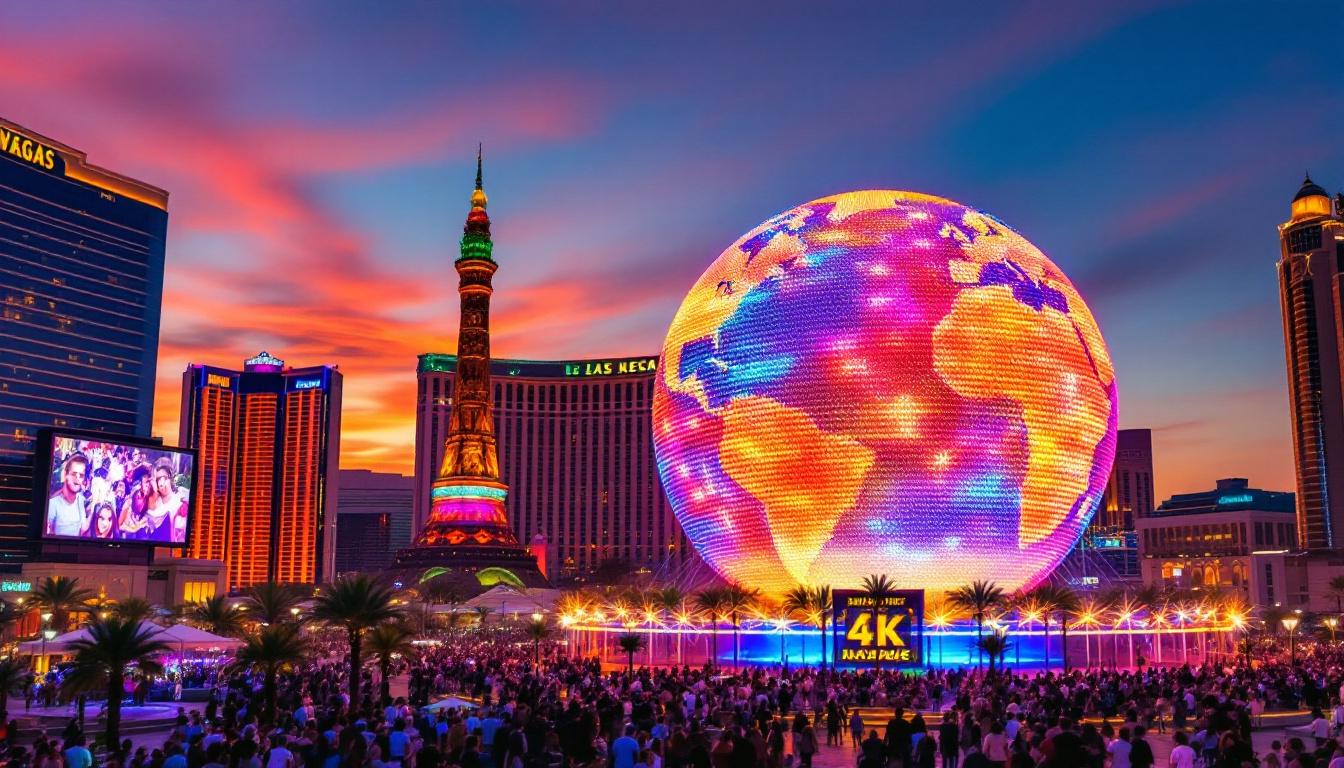
5D billboards are increasingly being deployed in high-traffic urban areas, entertainment districts, and major events where brands seek maximum impact. Their versatility and immersive capabilities make them suitable for a wide range of advertising and informational purposes.
Case Study: Times Square, New York
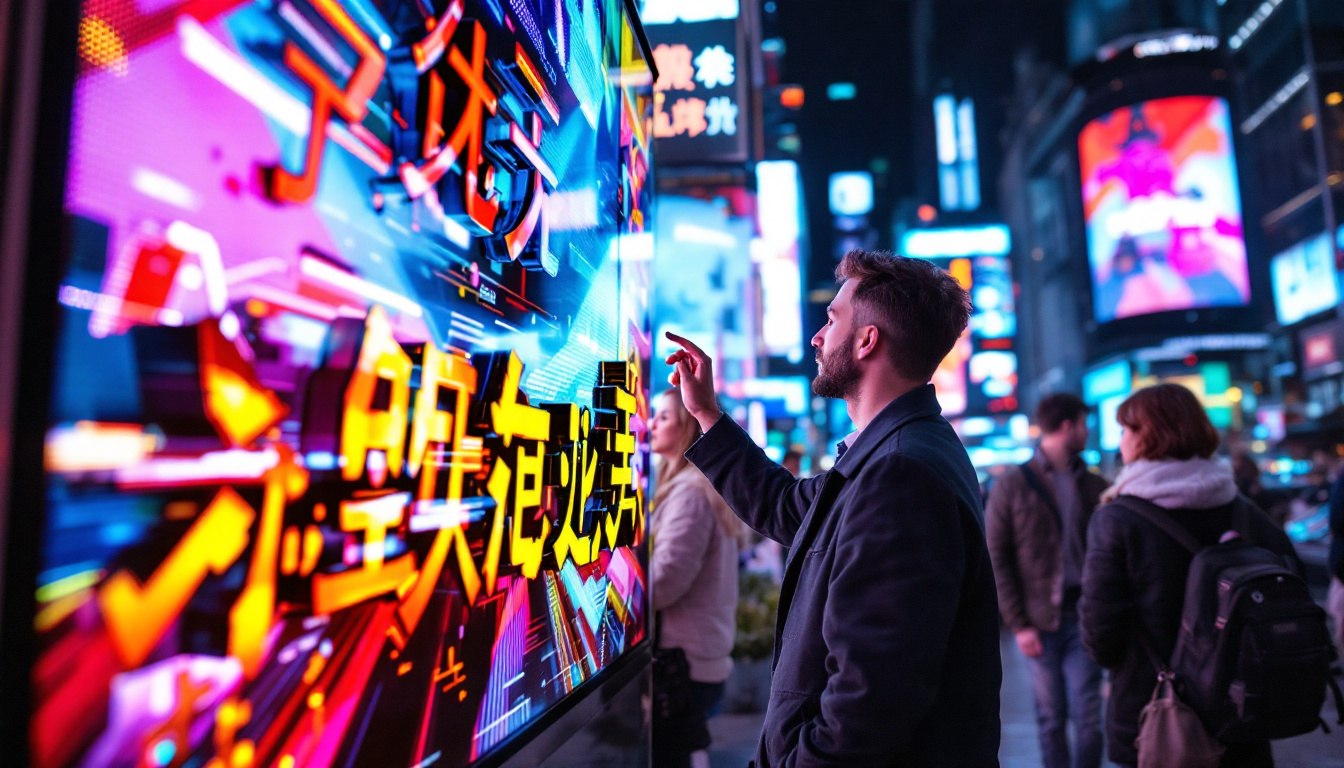
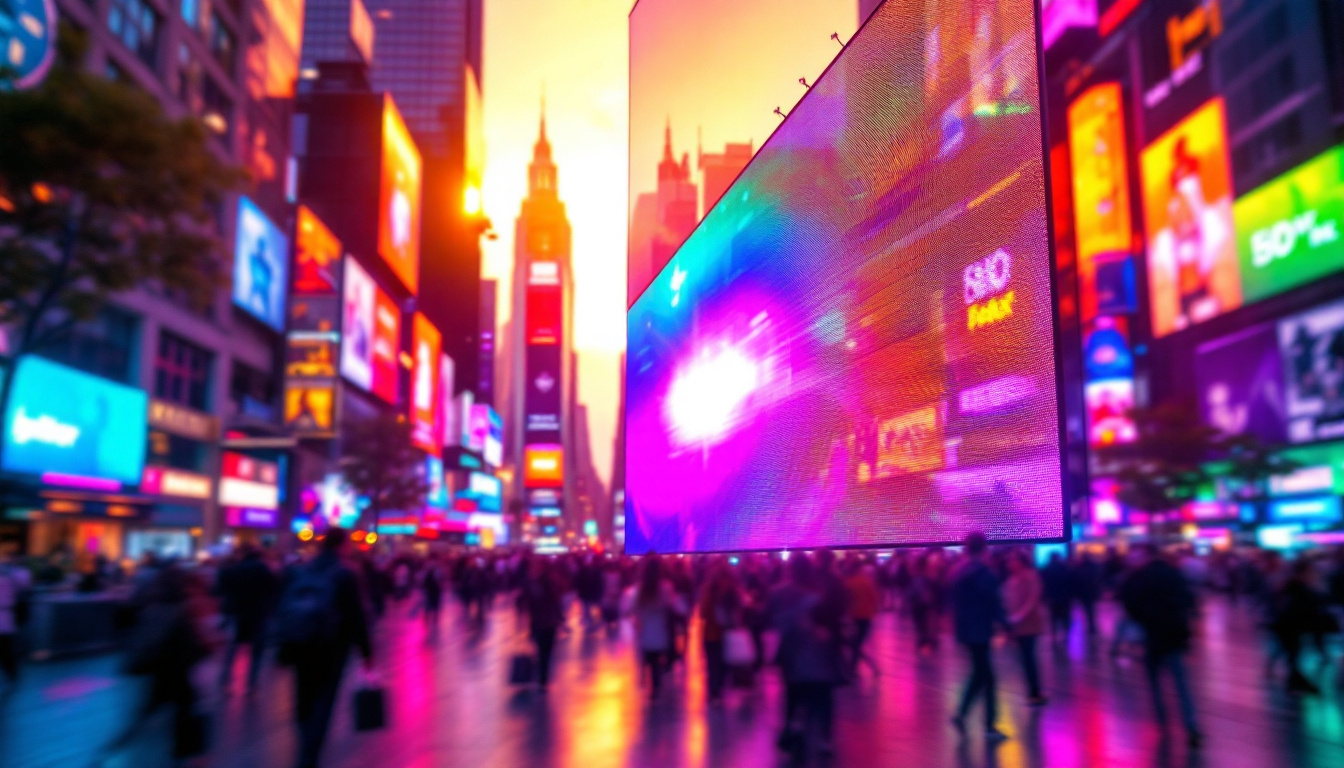
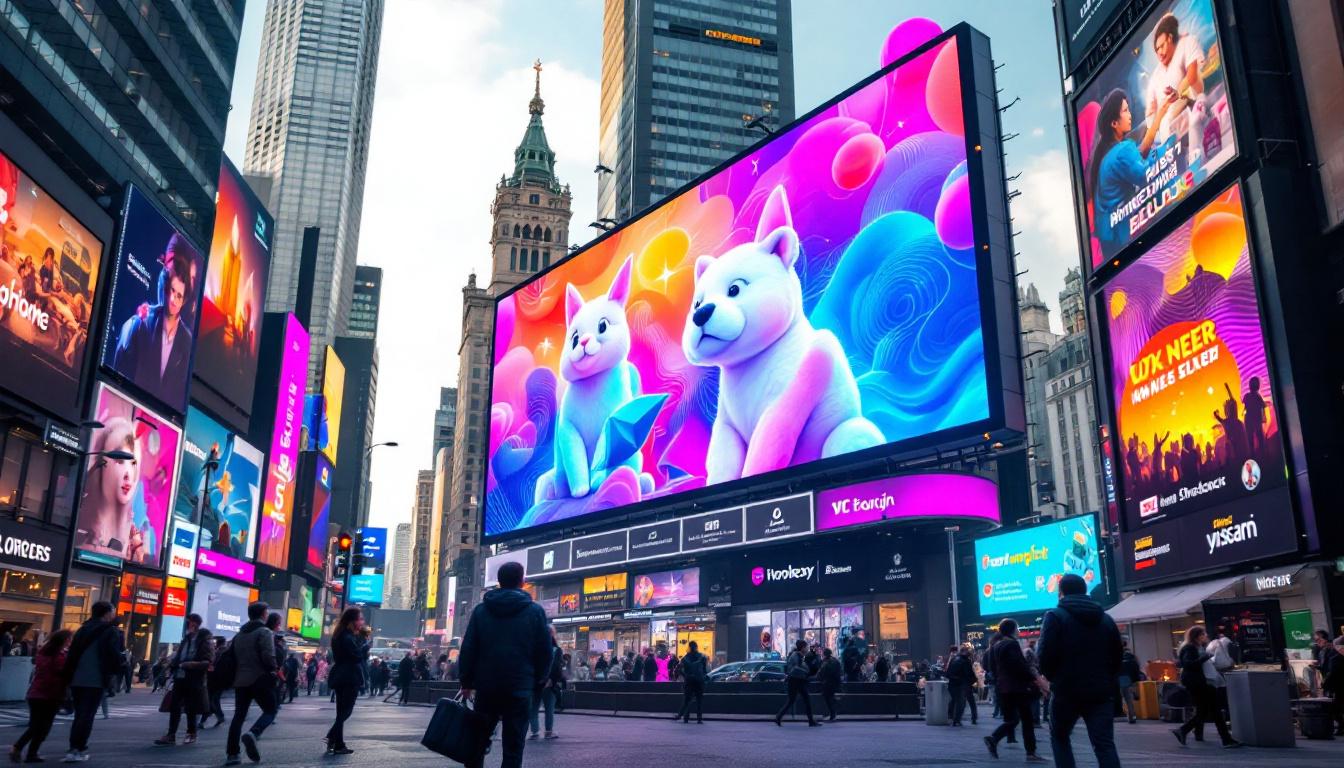
Times Square has long been a global hub for cutting-edge billboard technology. Recently, several 5D LED installations have been introduced, featuring ultra-high-definition 3D visuals combined with synchronized sound and interactive elements. One notable campaign showcased a luxury car brand’s latest model, using 3D animations that appeared to leap off the screen, accompanied by engine sounds and subtle vibrations transmitted through nearby street furniture.
This campaign saw a 35% increase in brand engagement compared to previous static billboard ads, demonstrating the effectiveness of 5D technology in capturing attention and driving consumer interest.
Entertainment and Event Promotion
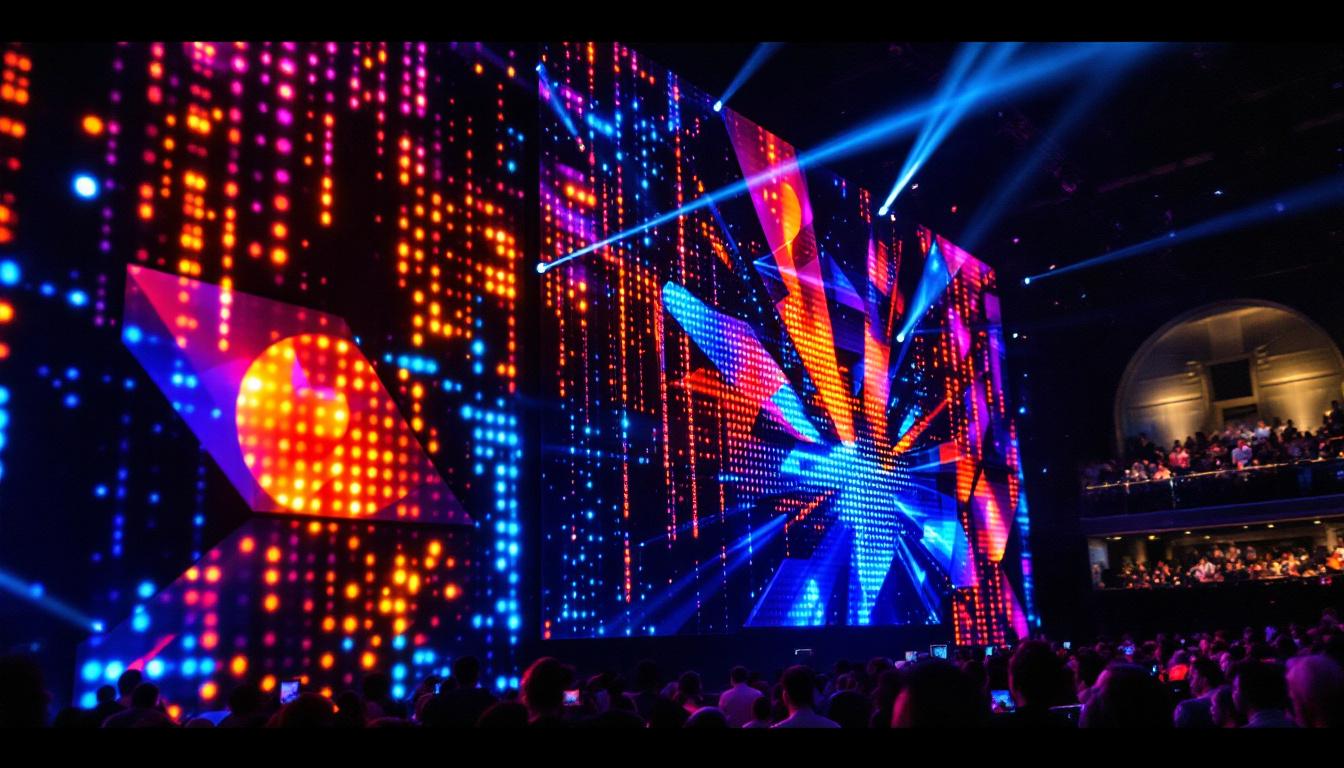
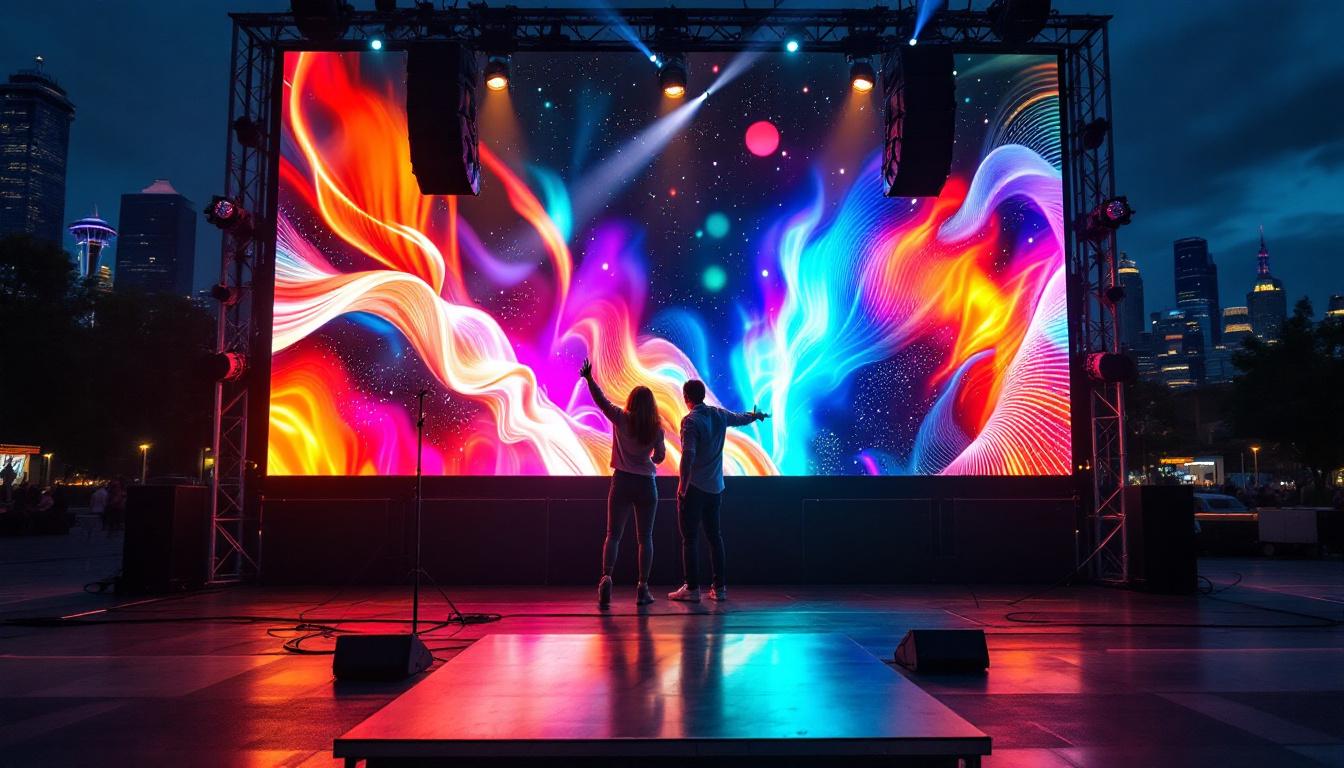
Concerts, movie premieres, and sporting events benefit greatly from 5D billboards. For example, a major film studio used a 5D LED display to promote a blockbuster release by projecting 3D scenes from the movie, enhanced with surround sound and localized scent diffusers emitting thematic aromas like ocean breeze or forest pine. This multi-sensory approach created buzz and anticipation, leading to a 20% increase in opening weekend ticket sales.
Retail and Product Launches
Retailers use 5D billboards to create immersive product demonstrations. A leading smartphone manufacturer deployed a 5D billboard in a busy shopping district that allowed passersby to interact with the device virtually, exploring features through touch-sensitive panels and augmented reality overlays. This interactive experience translated into higher foot traffic to physical stores and a measurable boost in sales.
The Technology Behind 5D LED Billboards
Creating a 5D billboard involves integrating several advanced technologies beyond just LED panels. Understanding these components provides insight into the complexity and innovation driving this advertising revolution.
High-Resolution LED Panels
The foundation of any 5D billboard is the LED panel itself. These panels consist of thousands to millions of tiny LEDs arranged in a grid, each capable of emitting red, green, and blue light to produce a full spectrum of colors. The pixel pitch—the distance between LEDs—determines the resolution and clarity of the display. For 5D applications, pixel pitches as low as 1.2mm are common, enabling crisp, detailed images even at close viewing distances.
3D Content Creation and Rendering
Producing 3D content for billboards requires specialized software and expertise. Designers use tools like Autodesk Maya, Cinema 4D, or Blender to create realistic 3D models and animations. These are then optimized for real-time rendering on LED displays, ensuring smooth playback without latency or distortion.
Additionally, stereoscopic 3D techniques or holographic illusions may be employed to enhance depth perception. This often involves layering multiple images or using parallax effects that shift based on the viewer’s angle.
Interactive Sensors and Control Systems
To add interactivity, 5D billboards incorporate sensors such as motion detectors, cameras, or touch panels. These inputs feed data to control systems that adjust the displayed content dynamically. For example, a billboard might change its message based on the time of day, weather conditions, or audience demographics detected by facial recognition software.
Advanced control software manages synchronization of audio, visual, and environmental effects, ensuring a seamless multi-dimensional experience.
Environmental and Sensory Enhancements
Some 5D billboards go beyond sight and sound by integrating environmental effects like scent emitters, wind machines, or temperature control. These elements are carefully calibrated to complement the visual content without overwhelming the audience.
For instance, a billboard advertising a tropical vacation might release a subtle coconut fragrance and a gentle breeze, immersing viewers in the destination’s atmosphere.
Challenges and Considerations in Deploying 5D Billboards
While 5D billboards offer exciting possibilities, they also present unique challenges that advertisers and city planners must address.
Cost and Maintenance
The advanced technology and multi-sensory components involved in 5D billboards come with higher upfront costs compared to traditional digital signage. Installation requires precision engineering, and ongoing maintenance is more complex due to the integration of sensors and environmental devices.
However, the return on investment can be substantial when campaigns achieve higher engagement and brand recall.
Technical Limitations and Compatibility
Creating seamless 5D experiences demands compatibility between hardware and software components. Content must be carefully optimized to prevent glitches or latency, which can detract from the immersive effect. Additionally, environmental factors such as ambient noise or wind can interfere with sensory enhancements.
Regulatory and Ethical Issues
In some jurisdictions, regulations limit the brightness, sound levels, or interactive features of outdoor billboards to avoid distracting drivers or disturbing residents. Advertisers must navigate these rules while maximizing impact.
Privacy concerns also arise with interactive billboards that collect data on viewers. Transparent data handling policies and compliance with privacy laws are essential.
The Future of 5D LED Billboards
As technology continues to advance, the capabilities of 5D billboards are expected to grow exponentially. Innovations in AI, augmented reality, and sensor technology will enable even more personalized and engaging advertising experiences.
Integration with Smart Cities
5D billboards are poised to become integral components of smart city infrastructure. By connecting to urban data networks, these displays can provide real-time information such as traffic updates, weather alerts, or emergency notifications, alongside commercial content.
Enhanced Personalization Through AI
Artificial intelligence will allow billboards to tailor content based on individual viewer profiles, detected through anonymized data like age group or mood. This hyper-targeting increases relevance and effectiveness, potentially transforming outdoor advertising into a highly interactive dialogue.
Expanding Sensory Dimensions
Future developments may introduce additional sensory dimensions such as taste or tactile feedback, further blurring the lines between digital and physical experiences. Research into haptic technology and edible scent compounds could open new frontiers for 5D advertising.
Conclusion
5D billboards represent a significant leap forward in outdoor advertising, leveraging LED technology and multi-sensory integration to create captivating, immersive experiences. By engaging multiple senses and incorporating interactivity, these displays offer brands powerful tools to cut through the noise of modern media landscapes.
While challenges remain in terms of cost, technical complexity, and regulation, the benefits of enhanced engagement and memorability make 5D LED billboards an attractive option for advertisers seeking to innovate. As technology evolves, these dynamic displays will likely become a staple of urban environments worldwide, reshaping how messages are delivered and experienced.
Discover the Future of Advertising with LumenMatrix
Ready to elevate your brand’s presence and captivate your audience like never before? LumenMatrix is at the forefront of LED display innovation, offering a comprehensive suite of solutions that bring your advertising to life. From mesmerizing Indoor and Outdoor LED Wall Displays to dynamic Vehicle and Sports LED Displays, our technology is designed to make your message resonate. Experience the transformative power of 5D advertising with our Custom, All-in-One, and Transparent LED Displays. Don’t just take our word for it; check out LumenMatrix LED Display Solutions today and join the visual revolution!