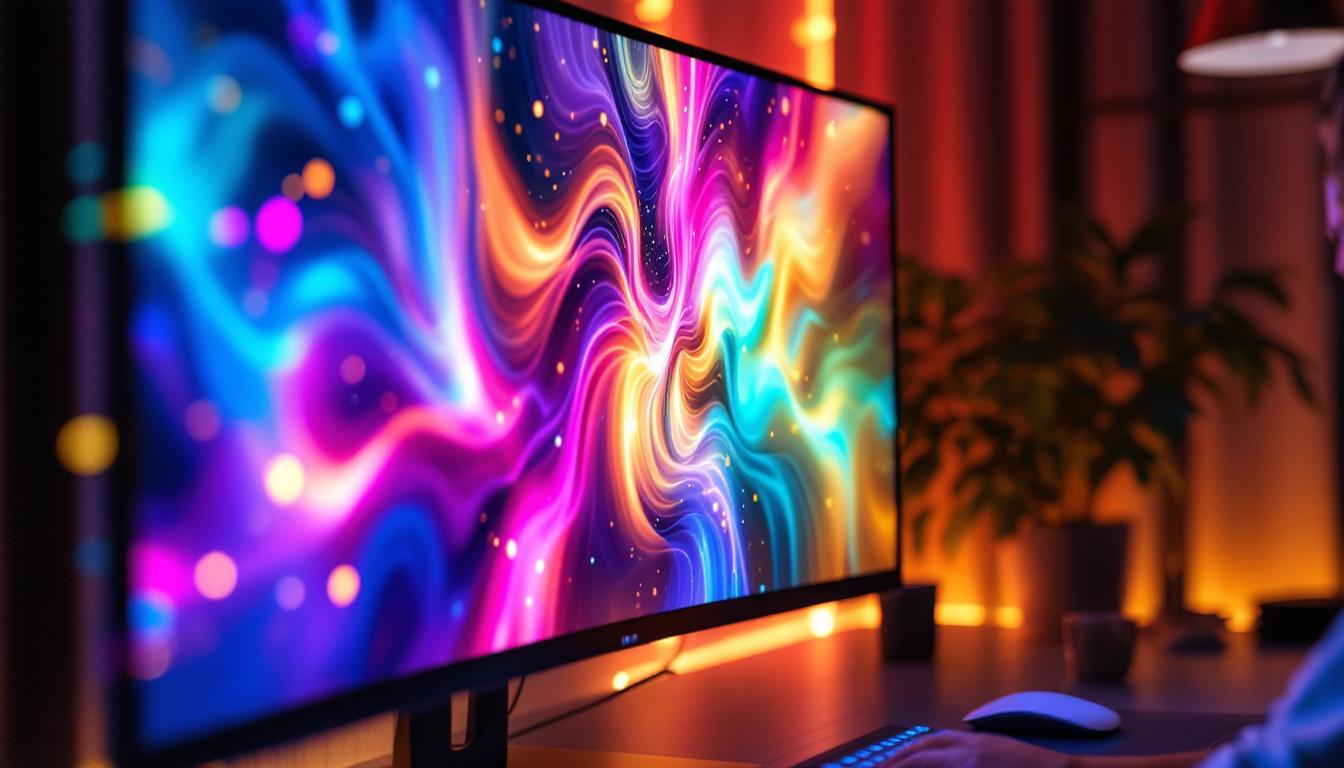
In the realm of modern display technology, LED monitors have become a staple for consumers and professionals alike. From gaming setups to professional graphic design, and from office productivity to home entertainment, LED displays offer a versatile and high-quality visual experience. However, the term “LED monitor” can be somewhat misleading or confusing, as it encompasses a variety of display technologies and types. This article aims to clarify what LED monitors are, explore the different types available, and explain their respective advantages and limitations.
Understanding LED Monitors: What Does “LED” Really Mean?
When shopping for a new monitor, the term “LED” often appears prominently in product descriptions. However, LED itself does not refer to the type of display panel but rather to the backlighting technology used in LCD (Liquid Crystal Display) monitors. Traditional LCD monitors use cold cathode fluorescent lamps (CCFLs) for backlighting, whereas LED monitors use light-emitting diodes (LEDs) to illuminate the screen.
This distinction is important because the core display technology remains LCD, but the backlighting method changes the monitor’s performance in terms of brightness, energy efficiency, color accuracy, and thickness. Therefore, most LED monitors are actually LED-backlit LCD monitors.
In recent years, however, the term LED has also been used to describe newer display technologies such as OLED and MicroLED, which use LEDs as the actual pixels rather than just the backlight. This can add to the confusion, so it’s essential to differentiate between LED-backlit LCDs and true LED displays.
LED-Backlit LCD Monitors
These monitors use an LCD panel combined with an LED backlight. The LED backlight can be arranged in different ways, affecting image quality and cost. Common configurations include edge-lit LED and full-array LED backlighting. Edge-lit monitors are typically thinner and lighter, as the LEDs are placed along the edges of the screen, but they may not offer the same level of uniform brightness as full-array models, where LEDs are distributed across the entire back of the panel. This arrangement allows for local dimming, enhancing contrast and providing deeper blacks in darker scenes, making it a popular choice for those who enjoy watching movies or playing games.
True LED Displays: OLED and MicroLED
Unlike LED-backlit LCDs, OLED (Organic Light Emitting Diode) and MicroLED displays use LEDs as individual pixels. This means each pixel emits its own light, allowing for better contrast ratios, deeper blacks, and often faster response times. OLED technology is particularly renowned for its vibrant colors and wide viewing angles, making it a favorite among photographers and graphic designers who require precise color reproduction. On the other hand, MicroLED technology, which is still emerging, promises to combine the best features of OLED—such as self-emissive pixels—with the durability and brightness of traditional LED displays. This could potentially lead to displays that are not only stunning in quality but also long-lasting and less susceptible to burn-in issues that have plagued OLED screens.
As consumers become more discerning about their display choices, understanding these differences becomes crucial. The choice between an LED-backlit LCD and a true LED display can significantly impact the viewing experience, whether for gaming, professional work, or casual media consumption. With advancements in technology, the future of displays continues to evolve, offering exciting possibilities for enhanced visual experiences.
Types of LED Monitors: A Closer Look
There are several types of LED monitors available on the market, each with unique characteristics catering to different user needs. Understanding these types helps consumers make informed decisions based on their specific requirements.
Edge-Lit LED Monitors
Edge-lit LED monitors position the LEDs along the edges of the screen. Light is then diffused across the panel using light guides. This design allows for thinner and lighter monitors, making them popular for general consumer use and office environments.
However, edge-lit monitors can sometimes suffer from uneven brightness and less precise local dimming, which affects contrast and black levels. Despite this, advances in technology have improved the uniformity of edge-lit displays significantly.
Full-Array LED Monitors
Full-array LED monitors feature a grid of LEDs placed directly behind the entire LCD panel. This setup enables more precise control of local dimming zones, which enhances contrast and black levels dramatically. Full-array backlighting is often found in high-end monitors and TVs.
These monitors tend to be thicker and more expensive than edge-lit models but deliver superior picture quality, especially in darker scenes. For professionals in photography, video editing, or anyone seeking top-tier image fidelity, full-array LED monitors are often the preferred choice.
Mini-LED Monitors
Mini-LED is an emerging technology that uses thousands of tiny LEDs as the backlight source. This allows for even more precise local dimming and better control over brightness and contrast than traditional full-array LED monitors.
Mini-LED monitors can achieve exceptional HDR (High Dynamic Range) performance, making them ideal for content creators and enthusiasts who demand outstanding visual quality. While still relatively new and more expensive, mini-LED technology is gaining traction in premium monitors and laptops.
OLED Monitors
OLED monitors represent a significant shift from LED-backlit LCDs. Instead of using a backlight, each pixel in an OLED display emits its own light. This allows for perfect black levels (since pixels can be turned off completely), outstanding contrast ratios, and vibrant colors.
OLED displays are also known for their fast response times and wide viewing angles. However, they can be more expensive and sometimes suffer from burn-in issues with static images, which is a consideration for certain professional uses.
MicroLED Monitors
MicroLED is a cutting-edge technology that uses microscopic LEDs as individual pixels, similar to OLED but with inorganic materials. This results in displays that combine the perfect blacks and contrast of OLED with higher brightness levels and longer lifespan.
Currently, MicroLED monitors are rare and mostly found in experimental or high-end commercial applications due to manufacturing complexity and cost. However, they represent the future of LED display technology with potential widespread adoption in the coming years.
Key Features to Consider When Choosing an LED Monitor
With various LED monitor types available, selecting the right one depends on understanding the features that matter most for your use case. Here are some critical factors to consider:
Brightness and Contrast
Brightness is measured in nits and determines how well a monitor performs in well-lit environments. Contrast ratio indicates the difference between the darkest blacks and brightest whites a monitor can display. Full-array and mini-LED monitors generally offer superior contrast due to better local dimming capabilities.
Color Accuracy and Gamut
For professionals working with color-critical applications like photo editing, video production, or graphic design, color accuracy and wide color gamut support (such as AdobeRGB or DCI-P3) are essential. OLED and high-end LED monitors typically excel in this area.
Response Time and Refresh Rate
Gamers and video editors benefit from monitors with fast response times and high refresh rates (120Hz, 144Hz, or higher). LED-backlit LCDs can achieve competitive response times, while OLED displays often provide even faster pixel response.
Viewing Angles
Wide viewing angles ensure consistent color and brightness when viewing the screen from different positions. OLED and IPS (In-Plane Switching) LED monitors generally offer superior viewing angles compared to TN (Twisted Nematic) panels.
Energy Efficiency
LED backlighting is more energy-efficient than older CCFL technology. Among LED types, mini-LED and OLED monitors can be more power-efficient due to better control over pixel illumination.
Applications and Use Cases for Different LED Monitor Types
Understanding where each LED monitor type shines can help users choose the best fit for their needs.
Office and General Use
Edge-lit LED monitors are often the best choice for office environments and general use. They provide good image quality at an affordable price point and are typically thinner and lighter, making them easy to integrate into workspaces.
Gaming
Gamers benefit from monitors with high refresh rates, low input lag, and fast response times. Many LED-backlit LCD monitors with IPS or TN panels meet these requirements. OLED monitors are gaining popularity among gamers for their fast response and excellent contrast, though burn-in concerns remain for some.
Professional Content Creation
Photographers, video editors, and graphic designers require monitors with precise color accuracy, wide color gamut, and excellent contrast. Full-array LED monitors with local dimming, mini-LED, and OLED displays are preferred in these fields.
Home Entertainment
For watching movies and streaming content, monitors with high contrast ratios and vibrant colors enhance the viewing experience. OLED and mini-LED monitors provide superior HDR performance, making them ideal for home entertainment setups.
Future Trends in LED Monitor Technology
The display industry continues to evolve rapidly, with LED technology at the forefront of innovation. Several trends are shaping the future of LED monitors:
Increased Adoption of Mini-LED
Mini-LED technology is expected to become more mainstream as manufacturing costs decrease. Its ability to deliver high brightness, excellent contrast, and HDR performance makes it a strong contender for future high-end monitors and laptops.
Advancements in MicroLED
MicroLED holds promise for combining the best features of OLED and LED-backlit LCDs without some of their drawbacks. As production techniques improve, MicroLED displays may become more accessible for consumer monitors.
Improved Energy Efficiency and Sustainability
Manufacturers are focusing on reducing the environmental impact of displays by improving energy efficiency and using sustainable materials. LED backlighting plays a critical role in these efforts.
Integration with Smart Technologies
Smart monitors with built-in AI features, adaptive brightness, and color calibration are becoming more common. These innovations leverage LED technology to provide better user experiences and productivity enhancements.
Conclusion
LED monitors encompass a wide range of technologies, from LED-backlit LCDs to OLED and MicroLED displays. Each type offers unique benefits tailored to different user needs, whether for gaming, professional work, or general use. Understanding the distinctions between edge-lit, full-array, mini-LED, OLED, and MicroLED monitors empowers consumers to make informed choices based on performance, price, and application.
As LED technology continues to advance, users can expect even better image quality, energy efficiency, and innovative features in future monitors. Staying informed about these developments ensures that you select a display that not only meets your current requirements but also adapts to evolving visual demands.
Discover the Future of LED Displays with LumenMatrix
Ready to experience the ultimate in LED display technology? LumenMatrix is at the forefront of innovation, offering a diverse range of LED display solutions tailored to your unique needs. Whether you’re looking to elevate your gaming setup, enhance your professional workspace, or captivate your audience with dynamic visual storytelling, LumenMatrix has the cutting-edge technology to bring your vision to life. From Indoor and Outdoor LED Walls to specialized solutions like Vehicle and Sports Displays, our mission is to transform your visual communication with unparalleled clarity and impact. Check out LumenMatrix LED Display Solutions today and step into a world of vivid colors, sharp contrasts, and breathtaking imagery.