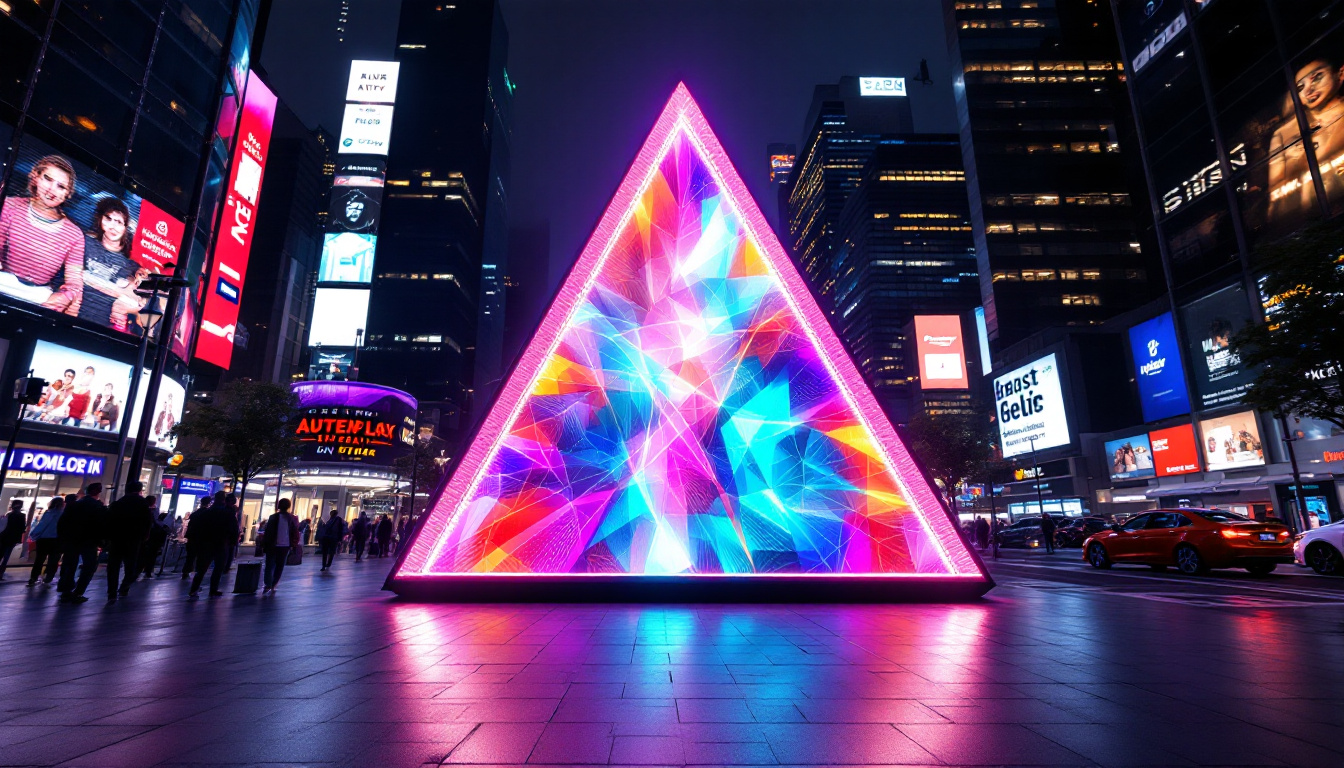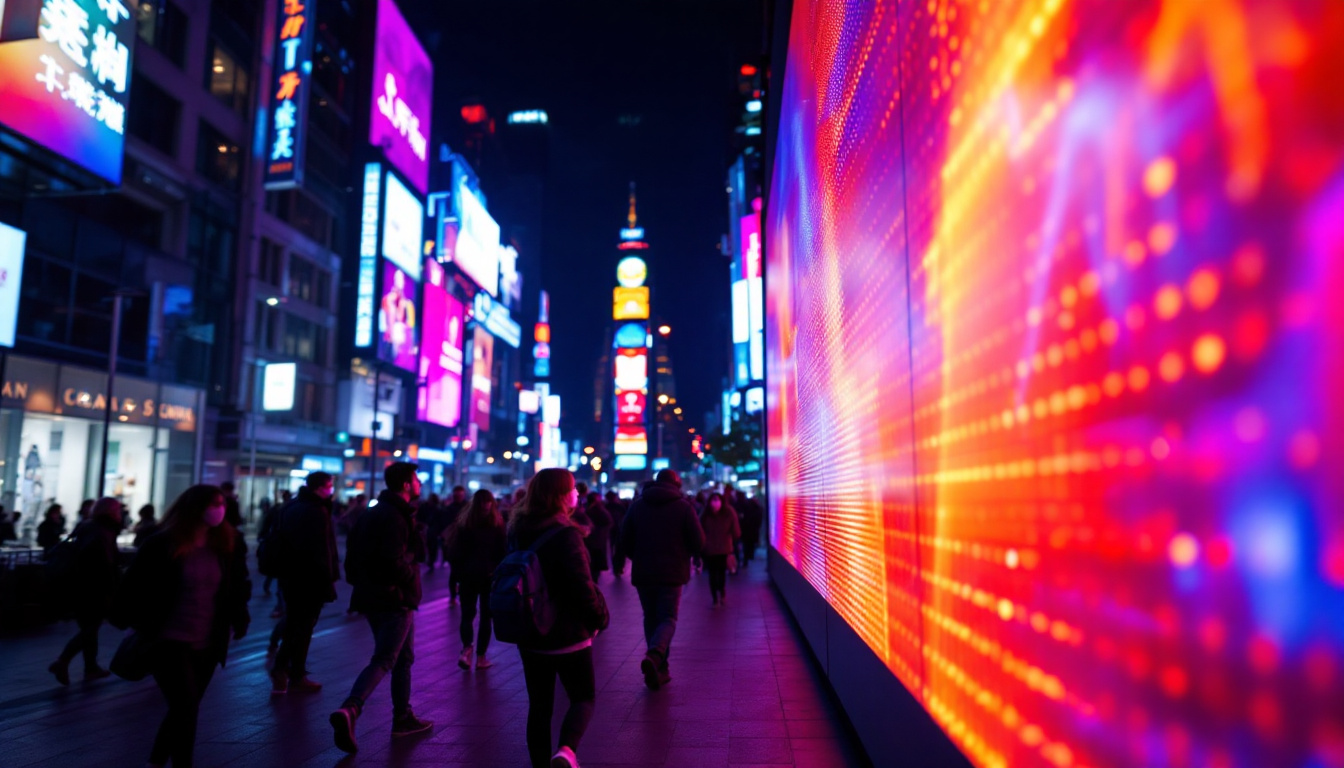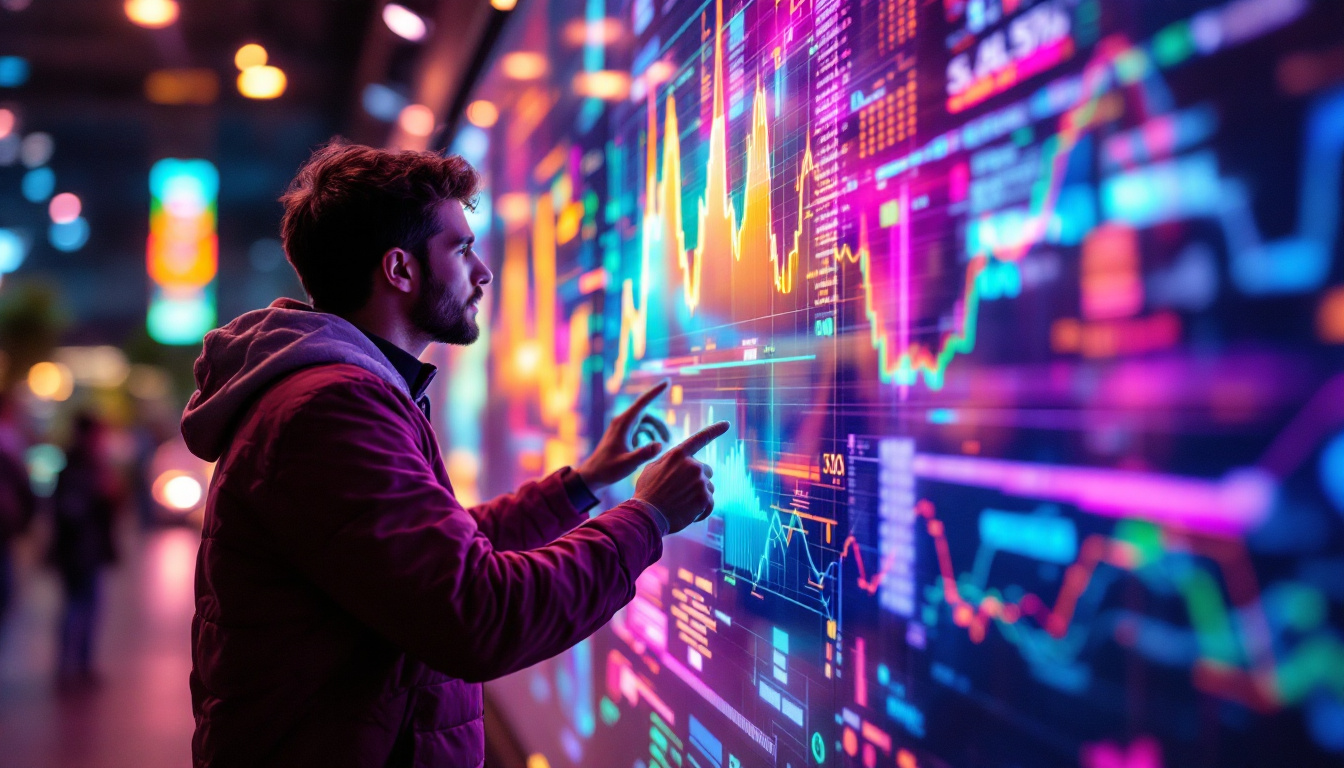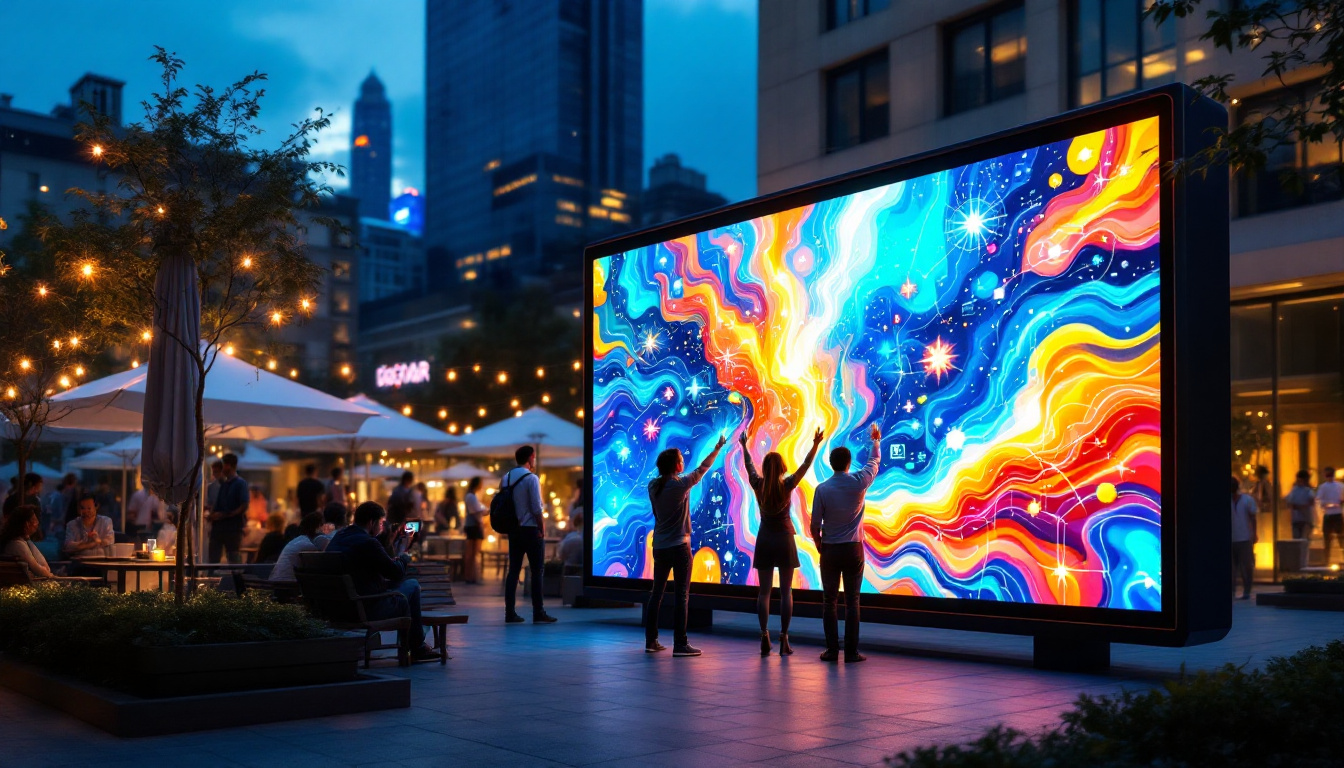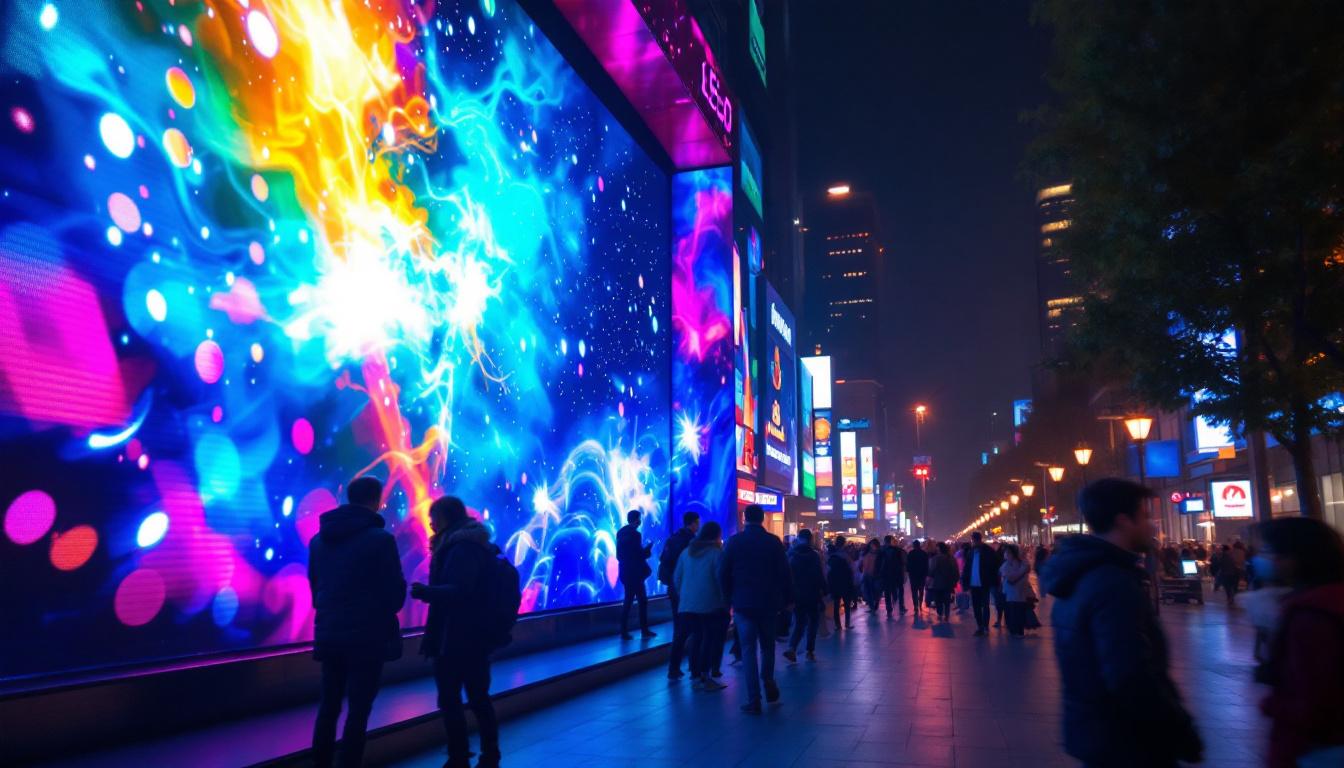
In the rapidly evolving world of digital signage and visual technology, LED displays have emerged as a dominant force. From the dazzling billboards in Times Square to the vibrant screens at sports arenas, LED displays are everywhere, captivating audiences with their brightness, clarity, and versatility. But what exactly makes LED technology so special? This article dives deep into the world of LED displays, explaining how they work, their various types, applications, and why they continue to revolutionize the way information and visuals are presented.
Understanding LED Technology: The Basics
What is an LED?
LED stands for Light Emitting Diode, a semiconductor device that emits light when an electric current passes through it. Unlike traditional incandescent bulbs that produce light by heating a filament, LEDs generate light through electroluminescence, a process where electrons recombine with electron holes within the device, releasing energy in the form of photons. This fundamental difference makes LEDs more energy-efficient, longer-lasting, and capable of producing a wide spectrum of colors. In fact, LEDs can last up to 25 times longer than incandescent bulbs, which not only reduces replacement costs but also minimizes waste, making them a more sustainable lighting option. Their durability is further enhanced by their solid-state construction, which is less prone to breakage compared to fragile glass bulbs.
How Do LED Displays Work?
At its core, an LED display is a matrix of tiny LEDs arranged in a grid pattern. Each LED acts as a single pixel, and by controlling the intensity and color of each pixel, the display can produce images, videos, and text. Modern LED displays often use red, green, and blue LEDs combined to create full-color visuals through a process called additive color mixing. By adjusting the brightness of each color LED, a broad palette of colors can be rendered with remarkable accuracy. This versatility is not just limited to static images; it also allows for dynamic content that can adapt to different settings, such as outdoor advertising or stage lighting, where brightness and color fidelity are crucial for visibility and impact.
The control system behind an LED display rapidly switches LEDs on and off and modulates their brightness to create the desired image. This process happens thousands of times per second, ensuring smooth motion and vivid imagery even in dynamic content like video playback or live broadcasts. Additionally, advancements in technology have led to the development of smart LED displays that can be integrated with sensors and software for interactive experiences. These displays can respond to viewer engagement, adjusting content in real-time based on audience reactions or environmental conditions, thereby enhancing the overall effectiveness of visual communication.
Types of LED Displays and Their Applications
Indoor vs. Outdoor LED Displays
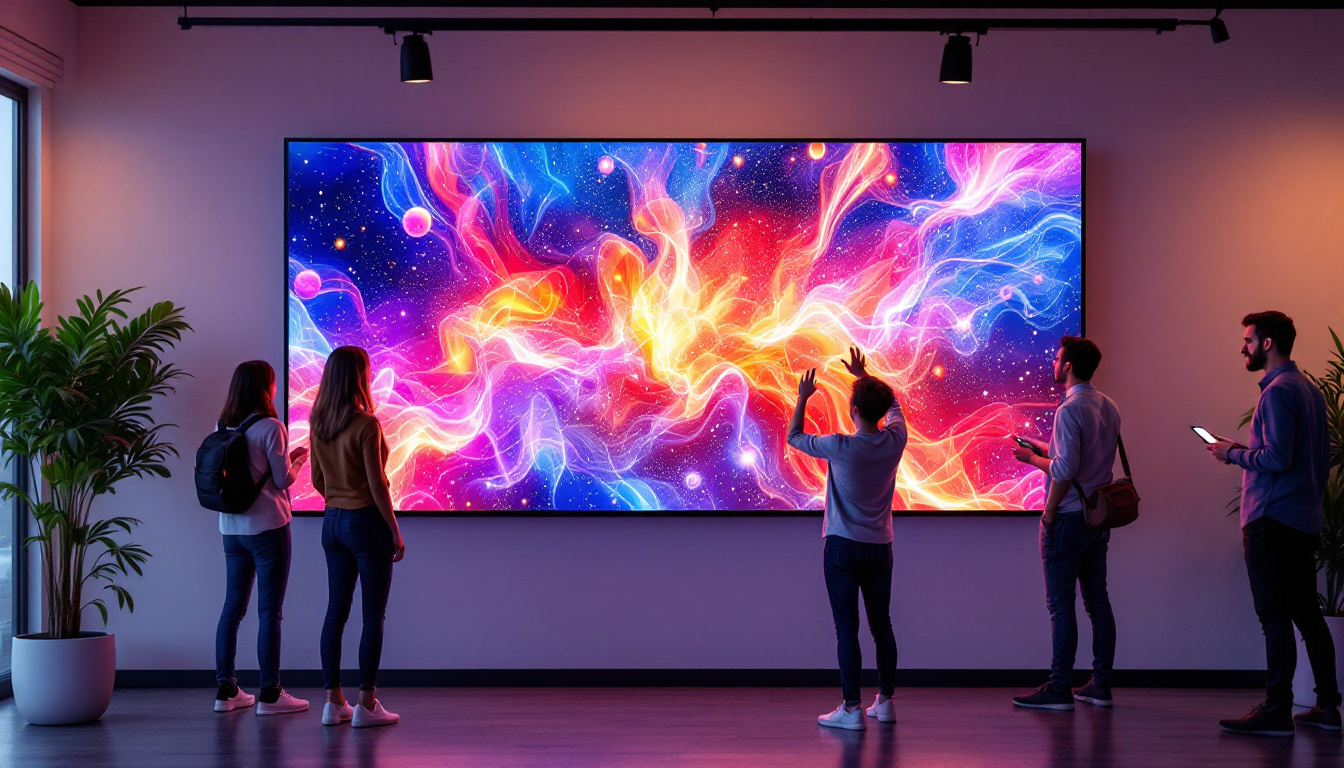
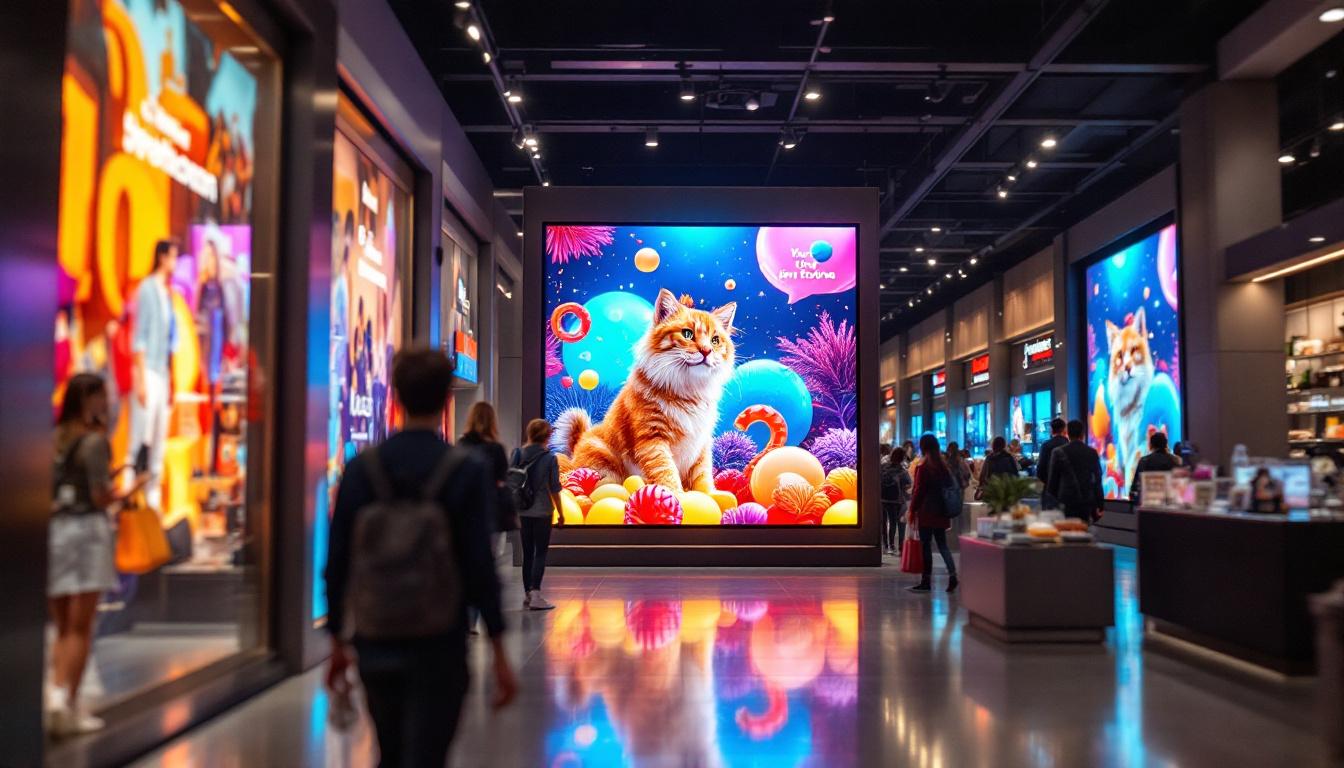
One of the primary distinctions in LED displays is based on their intended environment. Indoor LED displays are designed for controlled lighting conditions and typically have a higher pixel density, meaning the LEDs are packed more closely together. This results in sharper images suitable for close viewing distances, such as in conference rooms, shopping malls, or broadcast studios. These displays often feature advanced color calibration technologies to ensure that the images remain vibrant and true to life, even when viewed from different angles. Additionally, many indoor displays are equipped with features such as touch interactivity, allowing for engaging presentations and dynamic user experiences.
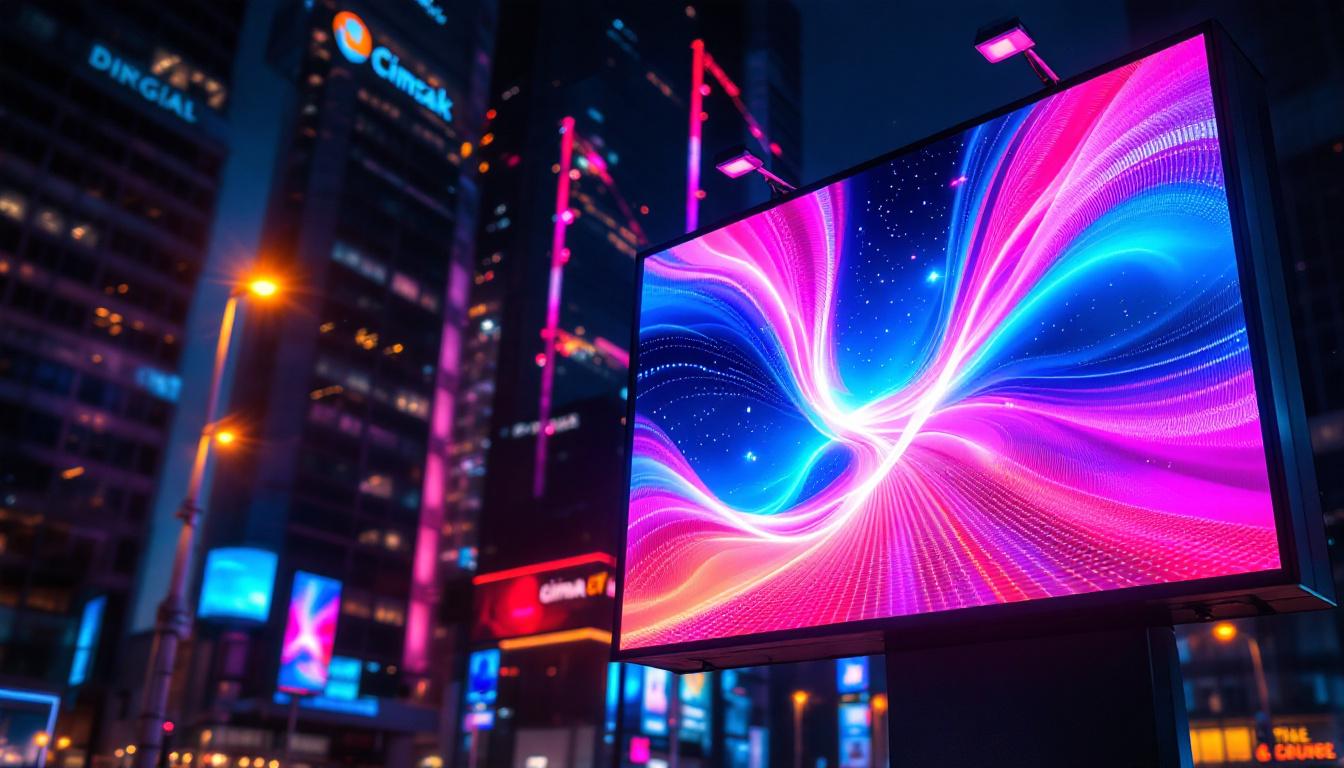
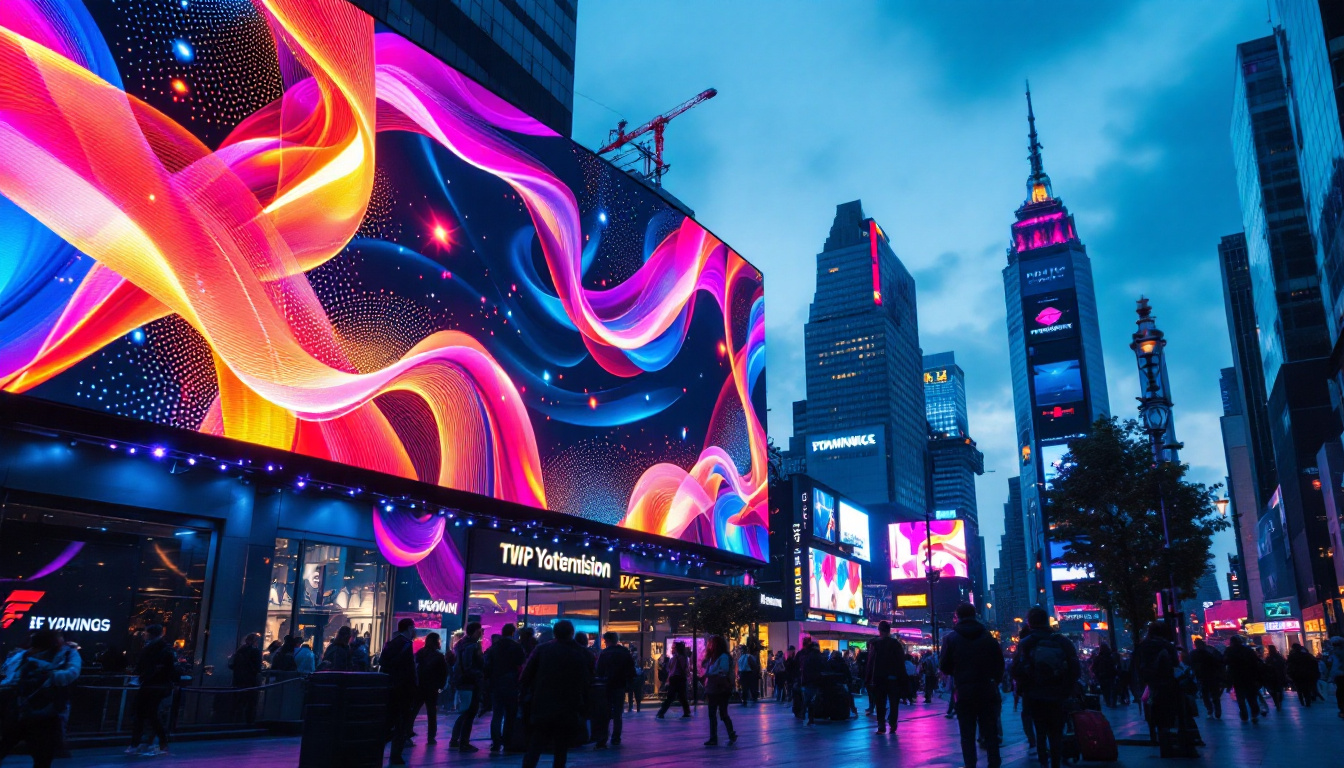
Outdoor LED displays, on the other hand, are built to withstand harsh weather conditions and ambient light challenges. They feature higher brightness levels—often exceeding 5,000 nits—to remain visible even under direct sunlight. Additionally, outdoor LEDs have larger pixel pitches (the distance between LEDs) because viewers are usually farther away, such as on billboards or stadium screens. These displays are often designed with robust housing to protect against rain, wind, and dust, and many incorporate advanced thermal management systems to prevent overheating. As a result, outdoor LED displays are not only effective for advertising but also serve as vital information boards in public spaces, enhancing communication in urban environments.
Flexible and Transparent LED Displays
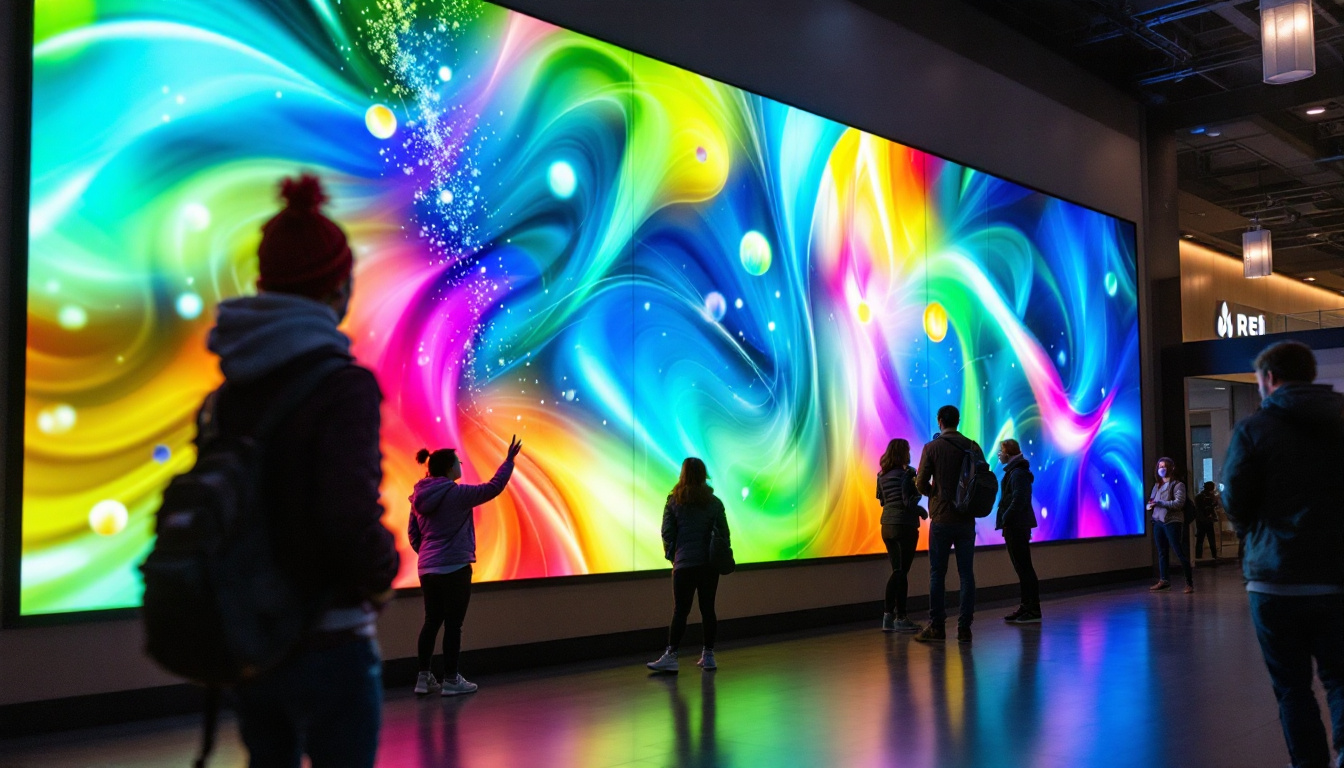
Innovation in LED technology has led to the development of flexible and transparent LED panels. Flexible LED displays can bend and curve, enabling creative installations on irregular surfaces or architectural features. For example, curved LED walls in retail stores or art installations can provide immersive experiences that traditional flat screens cannot. These displays open up new avenues for artistic expression, allowing designers to create dynamic visual narratives that flow seamlessly with the contours of their surroundings. Furthermore, flexible displays can be used in wearable technology, providing a new frontier in personal electronics where screens can adapt to the user’s body shape.
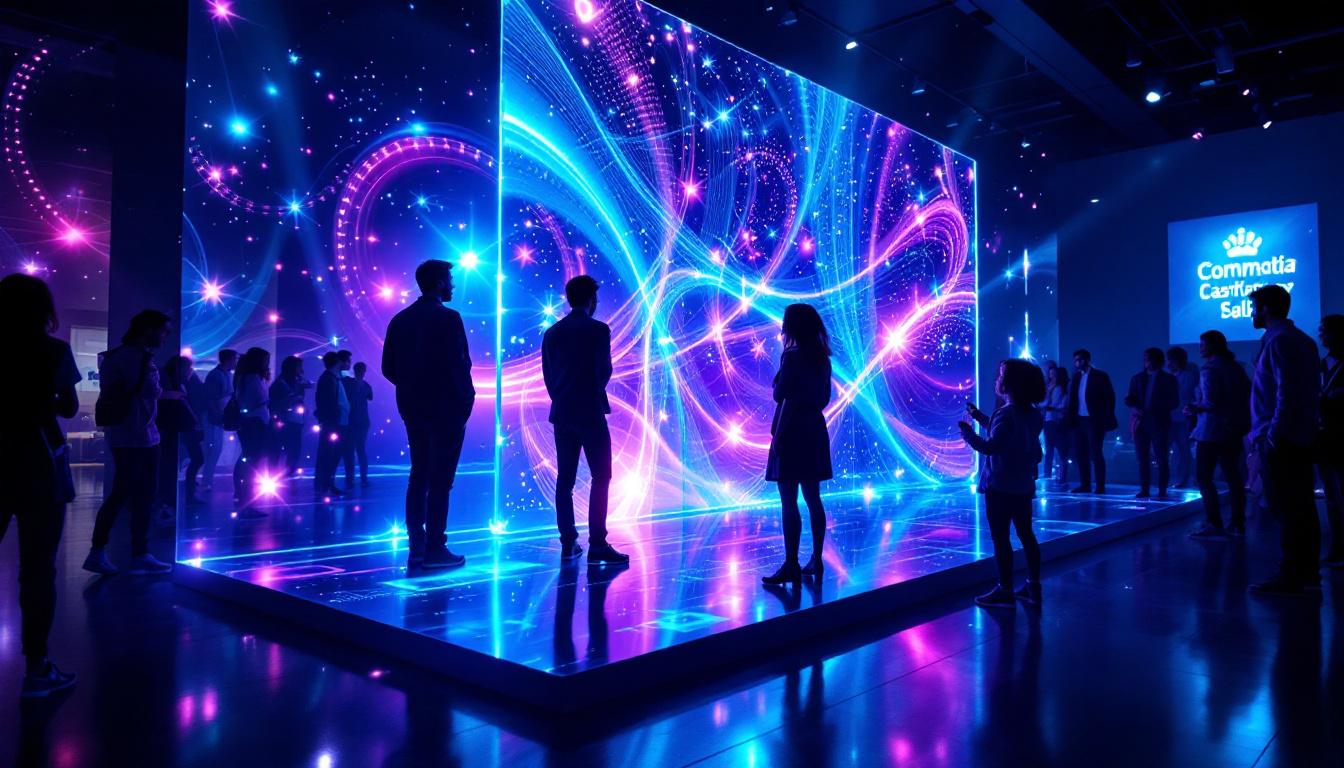
Transparent LED displays incorporate LEDs on clear substrates, allowing viewers to see through the screen while still displaying vibrant images. This technology is gaining traction in retail windows, museums, and automotive applications, where maintaining visibility beyond the screen is essential. Retailers can showcase products behind the display while simultaneously advertising promotions, creating a captivating shopping experience. In museums, transparent displays can provide contextual information about exhibits without obstructing the view, enhancing educational engagement. The versatility of transparent LED technology is paving the way for innovative advertising solutions and interactive installations that blend seamlessly into their environments.
MicroLED and MiniLED: The Next Generation
MicroLED and MiniLED represent cutting-edge advancements in LED display technology. MicroLED displays use microscopic LEDs as individual pixels, offering exceptional brightness, contrast, and energy efficiency, rivaling and potentially surpassing OLED displays. Though still emerging in consumer markets due to manufacturing complexity and cost, MicroLED promises unparalleled image quality for televisions, smartphones, and large-scale digital signage. This technology also supports modular designs, allowing for customizable screen sizes and shapes, which can be particularly beneficial for large venues or unique architectural applications. As production methods improve, MicroLED could redefine the landscape of high-end displays, making them more accessible to consumers.
MiniLED, by contrast, uses smaller LEDs than traditional ones to create backlighting for LCD panels. This hybrid approach improves contrast ratios and brightness, making it a popular choice for high-end laptops, monitors, and TVs. MiniLED technology enhances the viewing experience by providing deeper blacks and brighter highlights, which is especially beneficial for HDR content. As manufacturers continue to innovate, MiniLED displays are becoming more prevalent in mainstream products, bridging the gap between conventional LCDs and premium OLED screens. Both technologies highlight the ongoing evolution of LED displays toward higher performance and more versatile applications, promising a future where display quality is not just a luxury but a standard expectation across all devices.
Key Advantages of LED Displays
Superior Brightness and Visibility
One of the most significant benefits of LED displays is their brightness. With luminance levels often surpassing 1,000 nits indoors and 5,000 nits or more outdoors, LED screens remain clearly visible in various lighting conditions. This makes them ideal for environments where ambient light can wash out traditional displays, such as outdoor advertising or retail storefronts.
Energy Efficiency and Longevity
Compared to older display technologies like cathode ray tubes (CRT) or even traditional LCDs, LEDs consume considerably less power. This energy efficiency translates into lower operating costs and reduced environmental impact. Additionally, LEDs have a long operational lifespan, often exceeding 50,000 hours, which means less frequent replacements and maintenance.
High Contrast and Color Accuracy
Because LEDs can be turned on and off individually and modulated precisely, LED displays achieve deep blacks and vibrant colors. This high contrast ratio enhances image quality, making visuals more engaging and easier to read. Accurate color reproduction is especially critical in applications like broadcasting, retail advertising, and control rooms where clarity and detail matter.
Applications of LED Displays Across Industries
Advertising and Outdoor Signage
LED displays have revolutionized outdoor advertising by enabling dynamic, eye-catching content that can be updated remotely and in real-time. According to a 2023 report by Grand View Research, the global digital signage market is expected to reach $32 billion by 2028, with LED technology driving much of this growth. Billboards, transit shelters, and building facades increasingly use LED displays to deliver targeted messages, promotions, and interactive content.
Sports and Entertainment Venues
Stadiums and arenas rely heavily on large-scale LED screens to enhance spectator experience. From instant replays to live statistics and immersive visual effects, LED displays provide clear, bright images visible from every seat. The flexibility of LED technology also allows for creative installations such as ribbon boards and 360-degree video walls, elevating the atmosphere during events.
Retail and Corporate Environments
In retail, LED displays serve as digital signage for promotions, wayfinding, and brand storytelling. Their ability to attract attention and adapt content quickly makes them invaluable for engaging customers. Corporate offices use LED video walls for presentations, video conferencing, and data visualization, improving communication and collaboration.
Transportation and Public Information
Airports, train stations, and bus terminals utilize LED displays for real-time scheduling, alerts, and wayfinding. The high visibility and reliability of LEDs ensure that passengers receive timely information, enhancing safety and convenience. Additionally, LED displays are increasingly integrated into smart city infrastructure for public announcements and emergency notifications.
Challenges and Considerations in LED Display Deployment
Cost and Installation Complexity
While LED displays offer numerous benefits, their initial cost can be substantial, especially for large or high-resolution installations. Factors such as pixel pitch, brightness requirements, and environmental protection contribute to pricing. Installation also demands technical expertise to ensure proper calibration, power management, and structural support.
Maintenance and Durability
Despite their longevity, LED displays require regular maintenance to sustain optimal performance. Issues like dead pixels, color drift, or power supply failures can occur over time. Outdoor displays face additional challenges from weather, dust, and physical damage, necessitating robust protective measures and periodic inspections.
Environmental Impact and Sustainability
Although LEDs are more energy-efficient than many alternatives, the production and disposal of LED components involve environmental considerations. Manufacturers are increasingly focusing on sustainable materials and recycling programs to minimize ecological footprints. For end-users, choosing energy-efficient models and implementing smart control systems can further reduce environmental impact.
The Future of LED Displays
The trajectory of LED display technology points toward even greater integration with emerging trends such as augmented reality (AR), artificial intelligence (AI), and the Internet of Things (IoT). Smart LED displays capable of adapting content based on audience demographics, environmental conditions, or user interaction are already in development.
Moreover, advances in MicroLED and flexible displays promise new form factors and applications, from wearable devices to immersive digital environments. As manufacturing techniques improve and costs decrease, LED displays will become more accessible and ubiquitous, continuing to transform how people communicate and experience visual content.
In summary, LED displays represent a powerful and versatile technology that combines brightness, efficiency, and adaptability. Whether illuminating a bustling city street or enhancing a corporate presentation, LEDs are truly the display on display, setting the standard for modern visual communication.
Illuminate Your Space with LumenMatrix
Ready to elevate your visual communication with the brilliance of LED technology? Discover LumenMatrix’s innovative solutions, from vibrant Indoor and Outdoor LED Wall Displays to dynamic Vehicle and Sports LED Displays. Our mission is to revolutionize your visual experience with cutting-edge digital signage that engages and captivates. Whether you’re looking to enhance brand visibility or create immersive environments, LumenMatrix has the perfect LED display module for you. Check out LumenMatrix LED Display Solutions today and see your message shine like never before.