In today’s fast-paced world, technology plays a crucial role in shaping industries and enhancing user experiences. One such innovation that has revolutionized the way information is communicated is the LED display. From advertising billboards to fitness tracking devices, LED displays have become integral in delivering clear, vibrant, and dynamic content. This article delves into the concept of LED displays, their technology, and how they are increasingly being utilized in slimming solutions and health-related applications.
Understanding LED Display Technology
LED, or Light Emitting Diode, displays are screens that use an array of tiny light-emitting diodes to produce images and videos. Unlike traditional LCD screens that rely on backlighting, LED displays generate their own light, resulting in brighter, more vivid visuals with better contrast ratios.
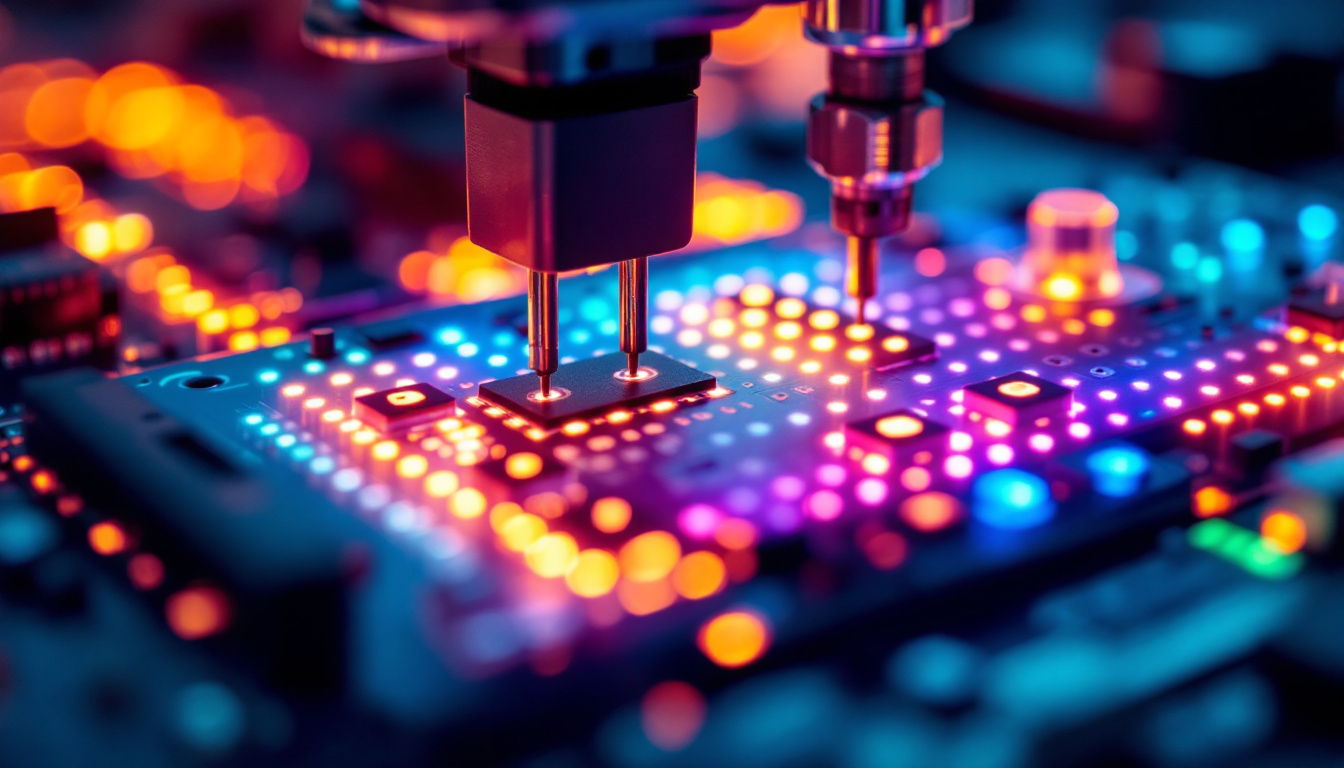
The technology behind LED displays has evolved significantly over the past decade. Modern LED panels consist of millions of microscopic LEDs arranged in a grid, each capable of emitting red, green, or blue light. By adjusting the intensity of these colors, the display can produce a full spectrum of colors, allowing for sharp and vibrant images. This capability has made LED displays a preferred choice for various applications, from high-definition televisions to large-scale digital signage.
One of the key advantages of LED displays is their energy efficiency. Compared to older display technologies, LEDs consume less power and have longer lifespans, making them both cost-effective and environmentally friendly. Additionally, their thin and flexible design enables integration into various devices, from large outdoor billboards to wearable health gadgets. The durability of LED displays also contributes to their popularity; they are less prone to damage from impacts and environmental factors, making them ideal for both indoor and outdoor use.
Types of LED Displays
LED displays come in several forms, each suited for different applications:
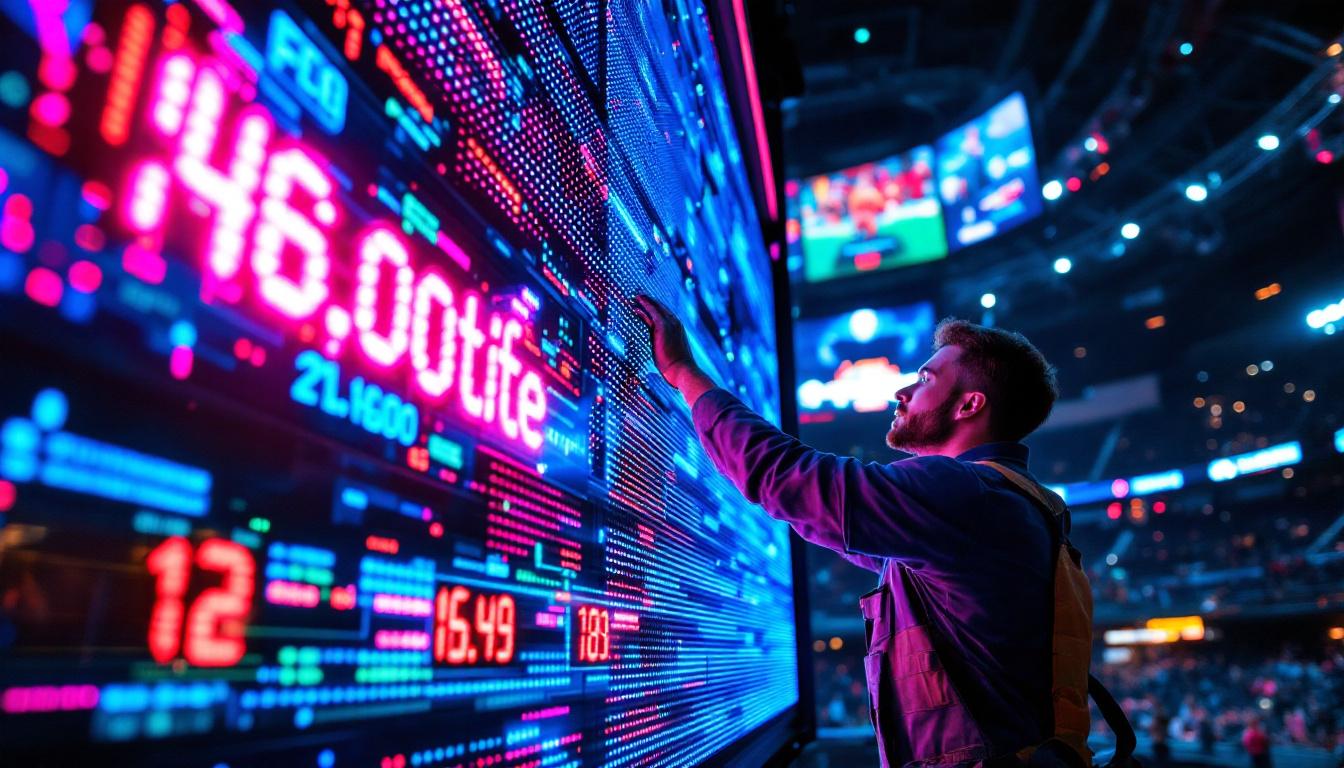
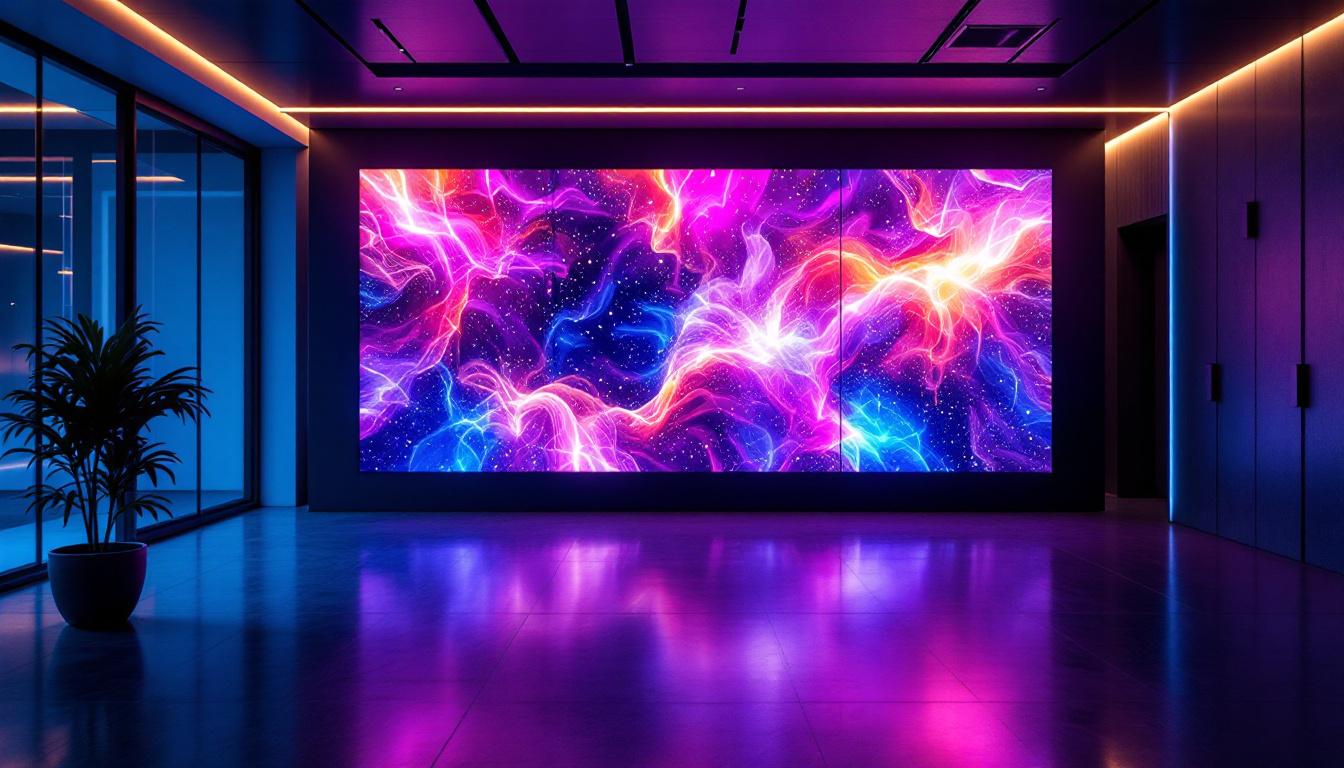
- Direct View LED (DV-LED): These are large-scale displays where each pixel is a single LED or cluster of LEDs. They are commonly used in stadium screens, outdoor advertising, and public information boards.
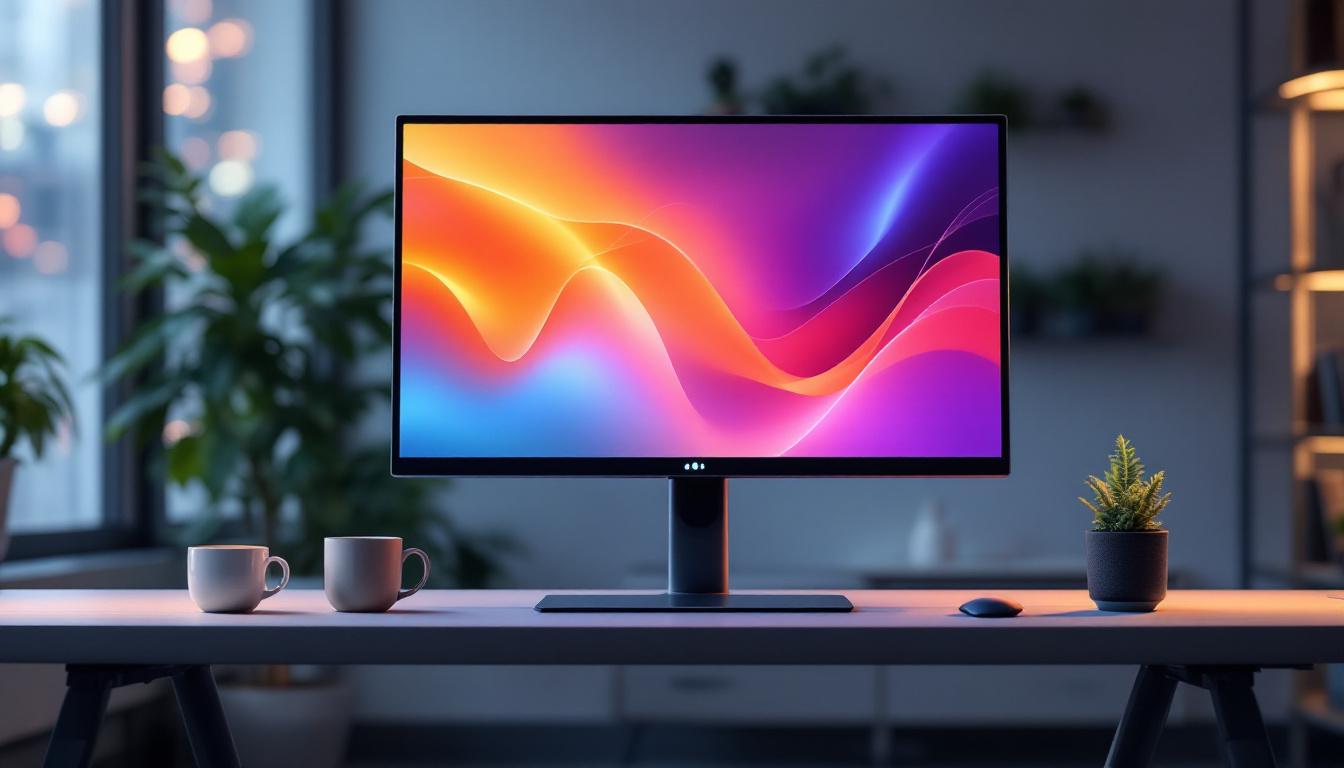
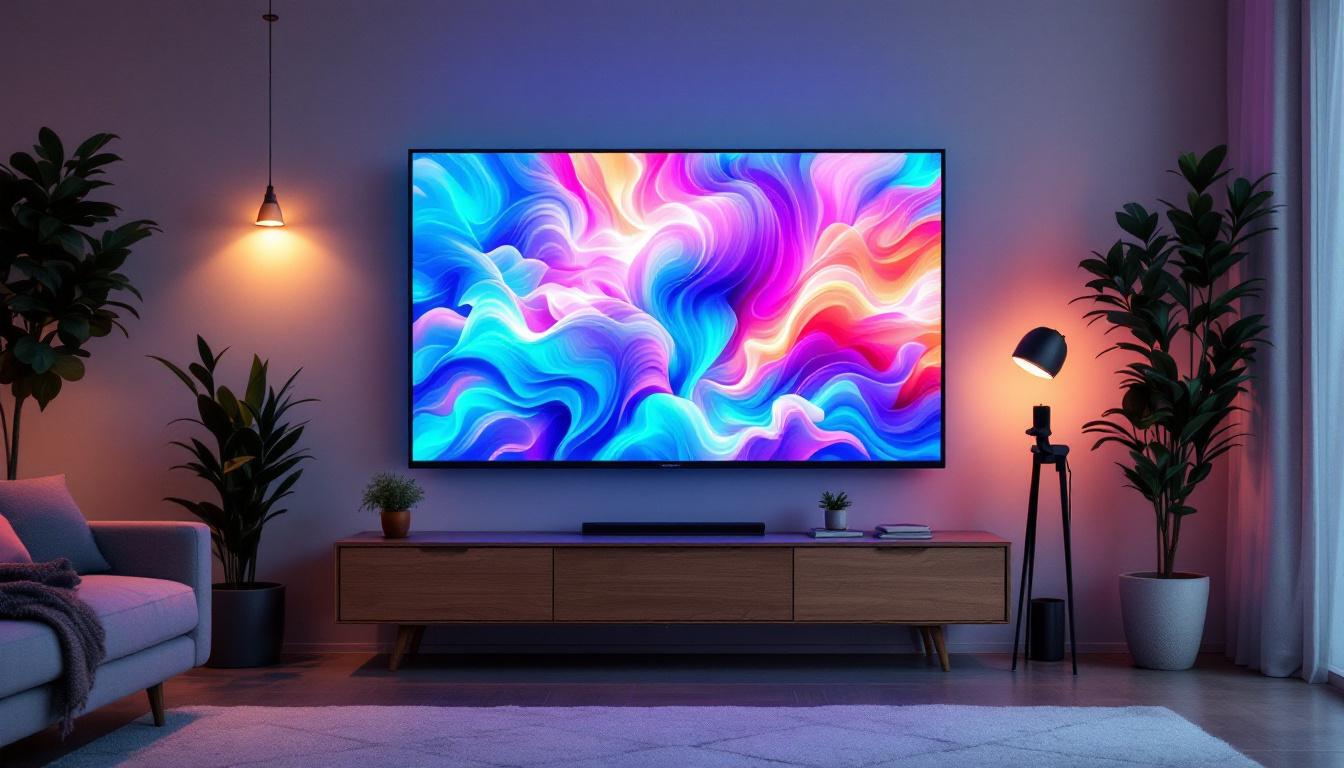
- LED-backlit LCD: This is the most common type of LED display found in consumer electronics like televisions and monitors. It uses LEDs as a backlight behind an LCD panel, enhancing the brightness and color accuracy of the images displayed.
- MicroLED: An emerging technology where microscopic LEDs form individual pixels, offering superior brightness and contrast with lower power consumption. This innovation is paving the way for next-generation displays that promise even more immersive viewing experiences.
In addition to these types, there are also specialized LED displays designed for niche markets. For example, transparent LED displays are becoming increasingly popular in retail environments, allowing brands to showcase products while maintaining visibility through the screen. Similarly, flexible LED displays are gaining traction in creative industries, enabling unique installations and designs that were previously impossible with traditional display technologies. These advancements reflect the versatility of LED technology and its capacity to adapt to the evolving demands of consumers and businesses alike.
The Role of LED Displays in Slimming Solutions
With the global wellness industry valued at over $4.5 trillion as of 2023, slimming and weight management solutions have become a significant market segment. Technology, particularly LED displays, is playing an increasingly important role in this space by enhancing user engagement, providing real-time feedback, and supporting innovative treatment methods.
Interactive Fitness Equipment
Modern fitness machines, such as treadmills, stationary bikes, and elliptical trainers, often incorporate LED displays to provide users with essential workout data. These displays show metrics like calories burned, heart rate, distance covered, and workout duration. By presenting this information clearly and attractively, LED screens motivate users to stay on track with their slimming goals.
For example, some high-end gym equipment features full-color LED touchscreens that allow users to select personalized workout programs, track progress over time, and even connect to fitness apps. This integration of LED technology enhances the overall exercise experience, making workouts more engaging and effective. Additionally, many machines now offer virtual classes and interactive challenges displayed on these screens, allowing users to compete with friends or join a community, further driving motivation and commitment to their fitness journeys.
Wearable Slimming Devices
Wearable technology has surged in popularity, with smartwatches and fitness bands becoming everyday accessories. Many of these devices utilize compact LED or OLED displays to deliver real-time health data, including step counts, heart rate, sleep patterns, and calorie expenditure.
These displays are crucial for users aiming to lose weight because they offer immediate feedback and encourage healthier habits. For instance, LED notifications can remind users to move if they have been sedentary for too long or celebrate milestones like reaching daily step goals. This constant interaction helps maintain motivation and accountability. Moreover, advanced models now include features such as guided breathing exercises and hydration reminders, further supporting users in their overall wellness journey. The gamification of fitness through these devices not only makes weight loss more enjoyable but also fosters a sense of achievement as users unlock badges and rewards for their efforts.
LED Light Therapy for Weight Loss
Beyond display technology, LEDs themselves are being used as a therapeutic tool in slimming solutions. LED light therapy involves exposing the skin to specific wavelengths of light, which can stimulate cellular processes and promote fat reduction.
Clinical studies have shown that red and near-infrared LED light can penetrate the skin to enhance mitochondrial function, increase circulation, and encourage the breakdown of fat cells. Devices equipped with LED panels are now available for non-invasive body contouring treatments, offering a painless alternative to surgical procedures. These treatments can often be combined with other modalities, such as radiofrequency or ultrasound, to enhance results and provide a comprehensive approach to body sculpting.
While LED light therapy is not a standalone weight loss solution, it complements diet and exercise by targeting stubborn fat areas and improving skin elasticity. The integration of LED technology in slimming clinics and home-use devices underscores its growing significance in the health and beauty sectors. As more individuals seek holistic approaches to weight management, the versatility of LED light therapy continues to gain traction, further solidifying its place in modern wellness regimens. Additionally, ongoing research into the long-term effects and benefits of LED treatments promises to expand the possibilities for those looking to enhance their slimming efforts in a safe and effective manner.
Benefits of LED Displays in Slimming and Health Applications
The adoption of LED displays in slimming solutions brings several advantages that contribute to better user outcomes and satisfaction.
Enhanced User Engagement
Visual feedback is a powerful motivator. LED displays provide clear, colorful, and dynamic information that captures attention and encourages users to interact with their slimming tools. Whether it’s tracking progress on a fitness machine or receiving motivational prompts on a wearable device, LED screens help maintain focus and commitment.
Real-Time Data and Personalization
LED displays enable real-time monitoring of vital statistics and exercise metrics. This immediacy allows users to adjust their activities on the fly, optimizing workouts for maximum effectiveness. Personalized data also helps in setting realistic goals and measuring achievements, which are critical components of successful weight management.
Compact and Versatile Design
The slim profile and flexibility of LED displays make them ideal for integration into various slimming products. From handheld devices to large-scale treatment panels, LED technology adapts seamlessly to different form factors without compromising performance or aesthetics.
Energy Efficiency and Durability
Since slimming devices are often used daily, energy efficiency is vital to ensure long-term usability without frequent charging or high electricity costs. LED displays consume less power and boast longer lifespans compared to older technologies, making them reliable companions in health journeys.
Future Trends: Innovations in LED Displays for Slimming Solutions
The intersection of LED technology and slimming solutions is poised for exciting advancements. As research and development continue, several trends are emerging that promise to enhance effectiveness and user experience.
Integration with Artificial Intelligence
AI-powered slimming devices are beginning to utilize LED displays to deliver customized workout and diet recommendations. By analyzing user data, AI algorithms can adjust exercise intensity, suggest nutritional plans, and provide motivational feedback through intuitive LED interfaces.
This personalized approach increases the likelihood of sustained weight loss by catering to individual needs and preferences.
Wearable LED Displays with Advanced Sensors
Next-generation wearables are incorporating more sophisticated sensors to monitor parameters like blood oxygen levels, hydration, and metabolic rate. Coupled with high-resolution LED displays, these devices offer comprehensive health insights that inform slimming strategies beyond simple calorie counting.
Flexible and Transparent LED Displays
Innovations in materials science are leading to flexible and even transparent LED displays. These could be integrated into clothing or accessories, providing discreet and continuous health monitoring without the bulk of traditional devices. Imagine a slimming jacket with embedded LED panels that track posture, activity, and fat reduction progress in real-time.
Conclusion
LED display technology has transformed the landscape of slimming solutions by enhancing user interaction, providing real-time data, and supporting innovative treatment methods like LED light therapy. Its energy efficiency, versatility, and vivid visual output make it an indispensable component in modern health and fitness devices.
As technology continues to evolve, the synergy between LED displays and slimming applications will only deepen, offering more personalized, effective, and engaging tools for individuals committed to achieving their weight management goals. Whether through interactive fitness equipment, wearable devices, or therapeutic treatments, LED displays illuminate the path to healthier living.
Discover LumenMatrix’s LED Display Innovations for Your Slimming Journey
Embark on a transformative path to wellness with LumenMatrix’s advanced LED display solutions. As a pioneer in LED technology, LumenMatrix offers an array of products designed to elevate your health and fitness experience. From interactive workout sessions to immersive slimming therapies, our Indoor and Outdoor LED Wall Displays, along with specialized solutions like LED Sports and Floor Displays, provide the visual engagement and real-time data essential for your weight management journey. Experience the future of slimming solutions and enhance your brand’s presence. Check out LumenMatrix LED Display Solutions today and take the first step towards a healthier, more vibrant lifestyle.