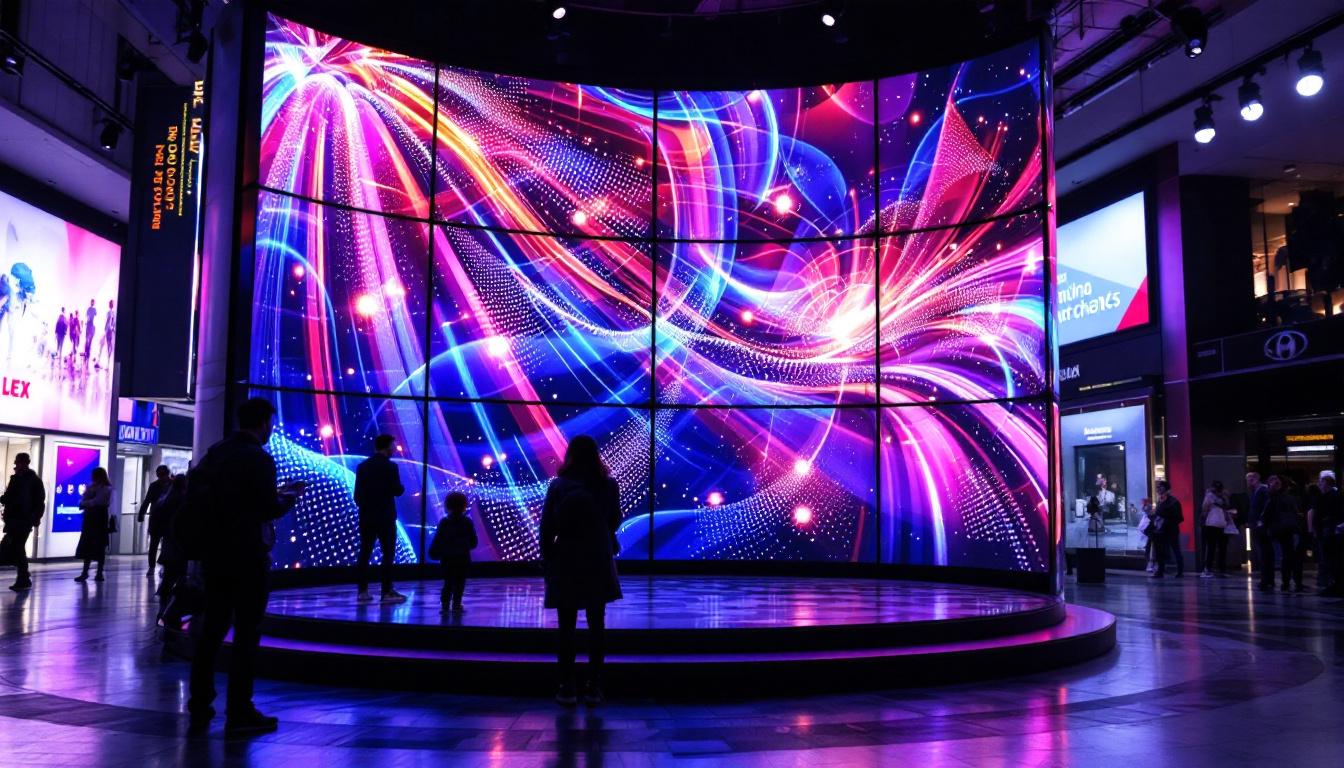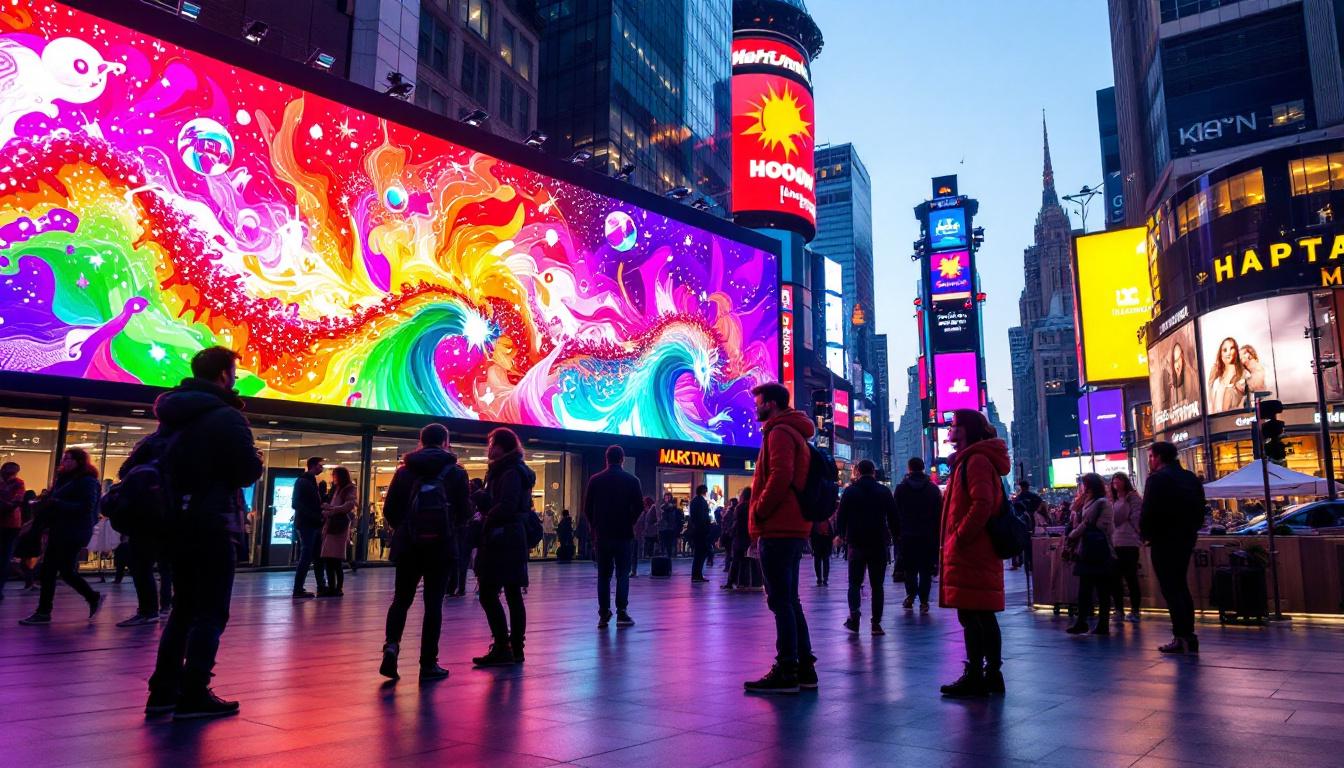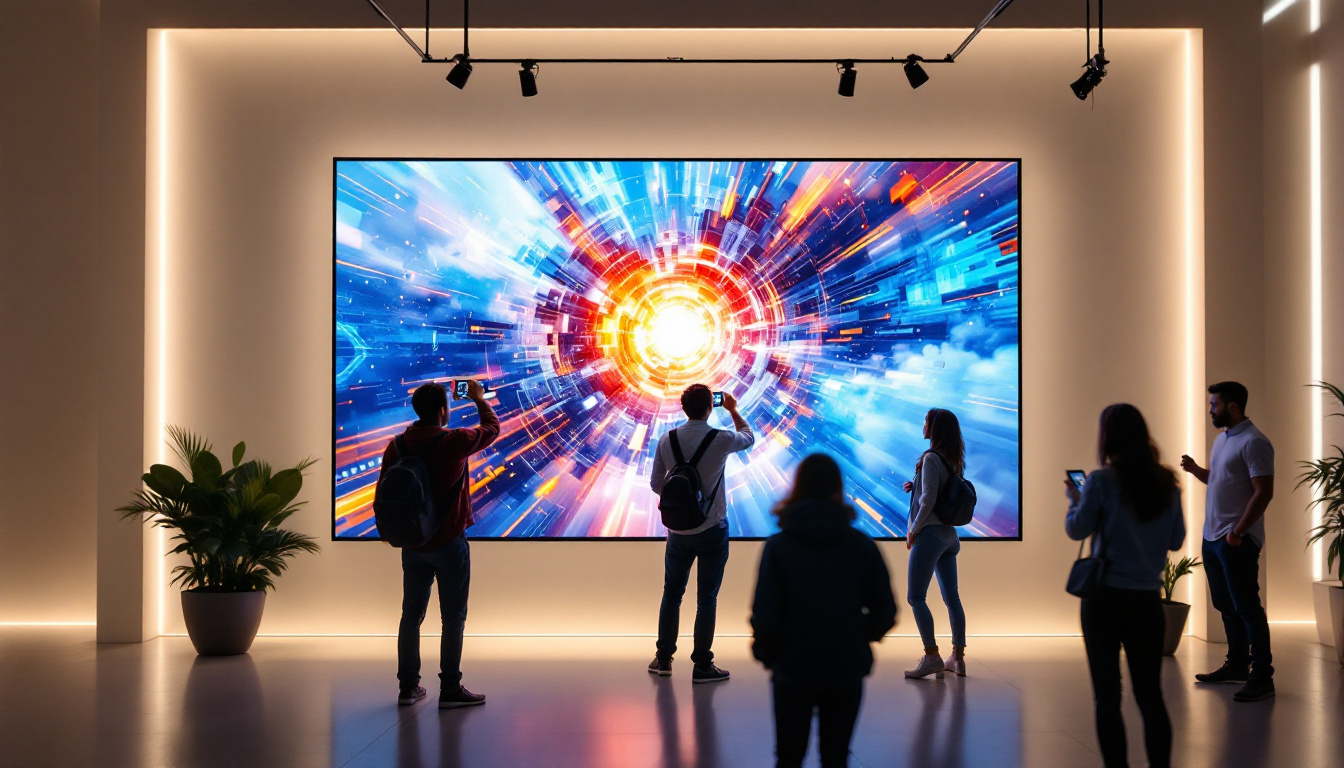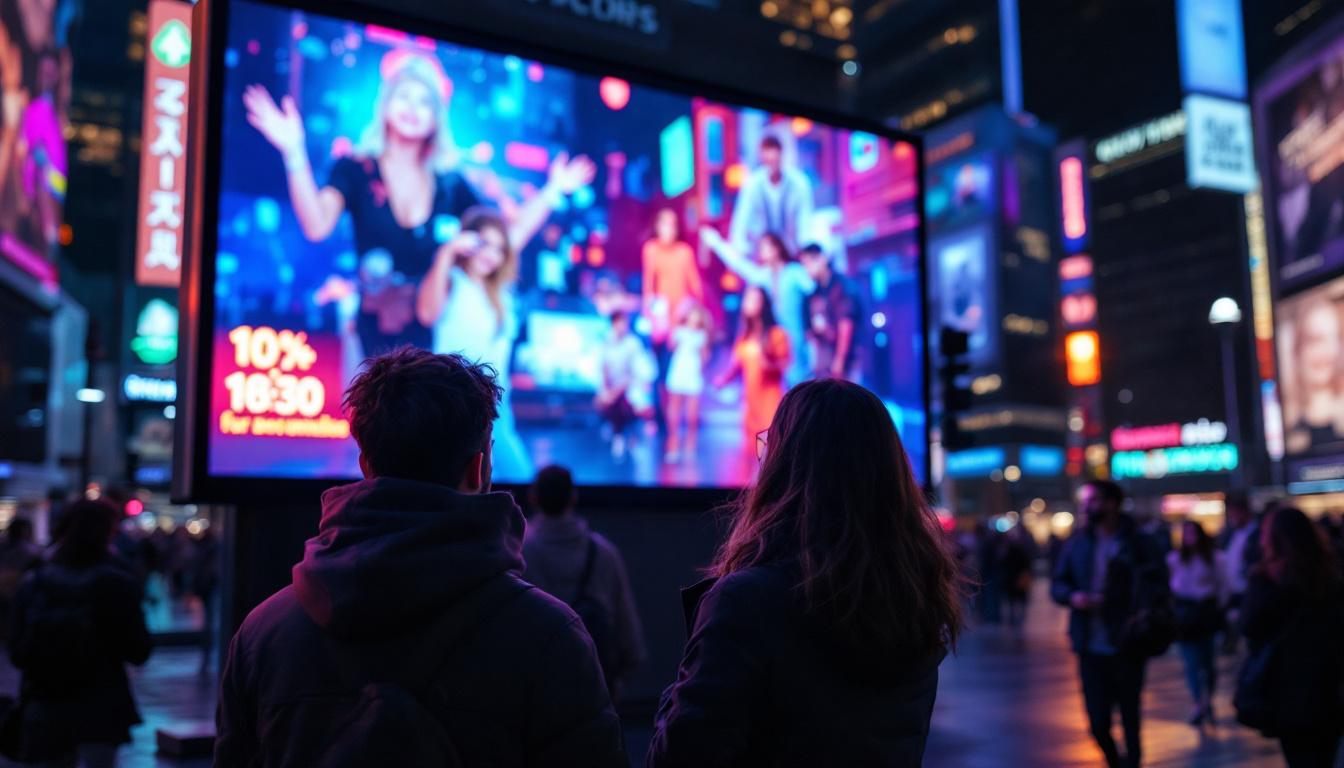
In today’s fast-evolving digital landscape, personalised video content has become a powerful tool for businesses and marketers aiming to engage audiences on a deeper level. Central to delivering these dynamic visuals in public and commercial spaces is the LED display technology. This article explores the intersection of personalised video and LED displays, explaining how these technologies work together to create impactful, tailored experiences for viewers.
Understanding LED Display Technology
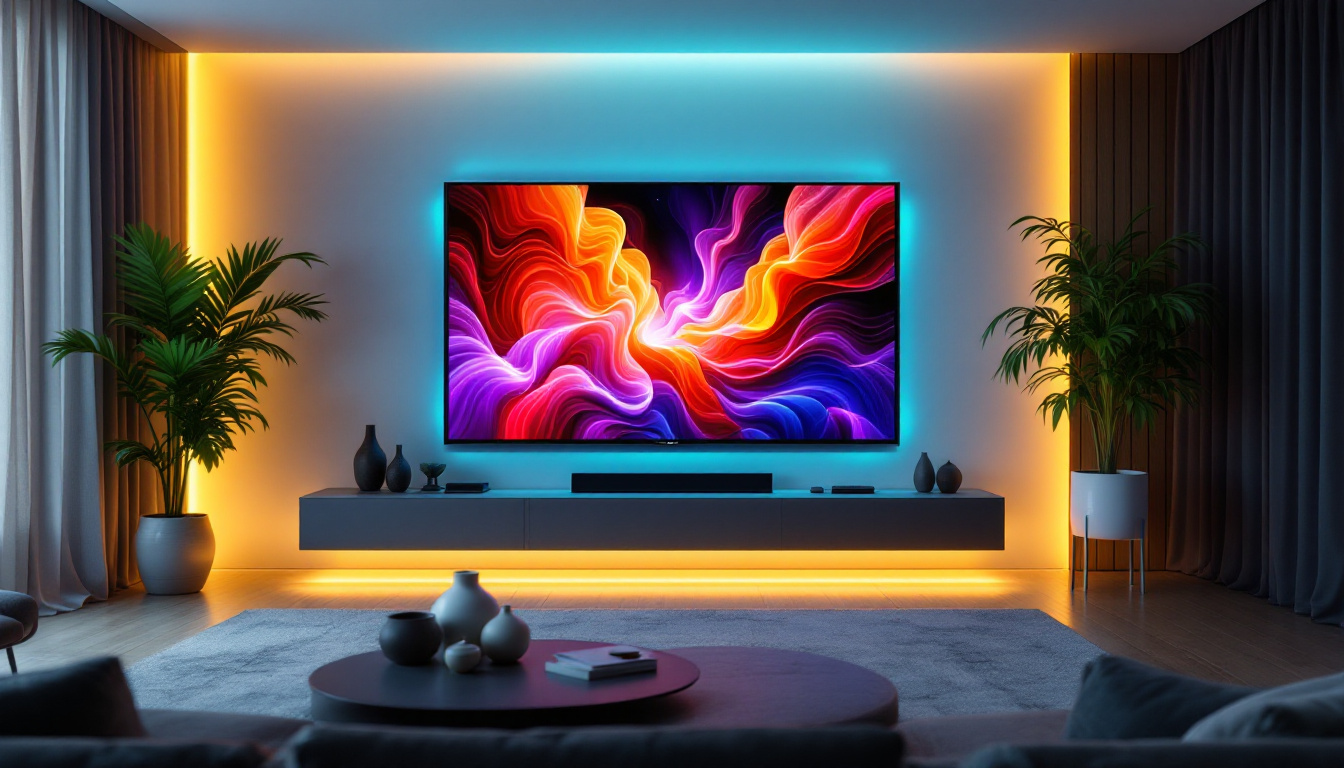
LED (Light Emitting Diode) displays have revolutionised the way visual content is presented, offering vibrant colours, high brightness, and energy efficiency. Unlike traditional display technologies such as LCD or plasma screens, LED displays use an array of tiny diodes that emit light when an electric current passes through them. This fundamental difference enables LED screens to be scalable, flexible, and suitable for both indoor and outdoor environments.
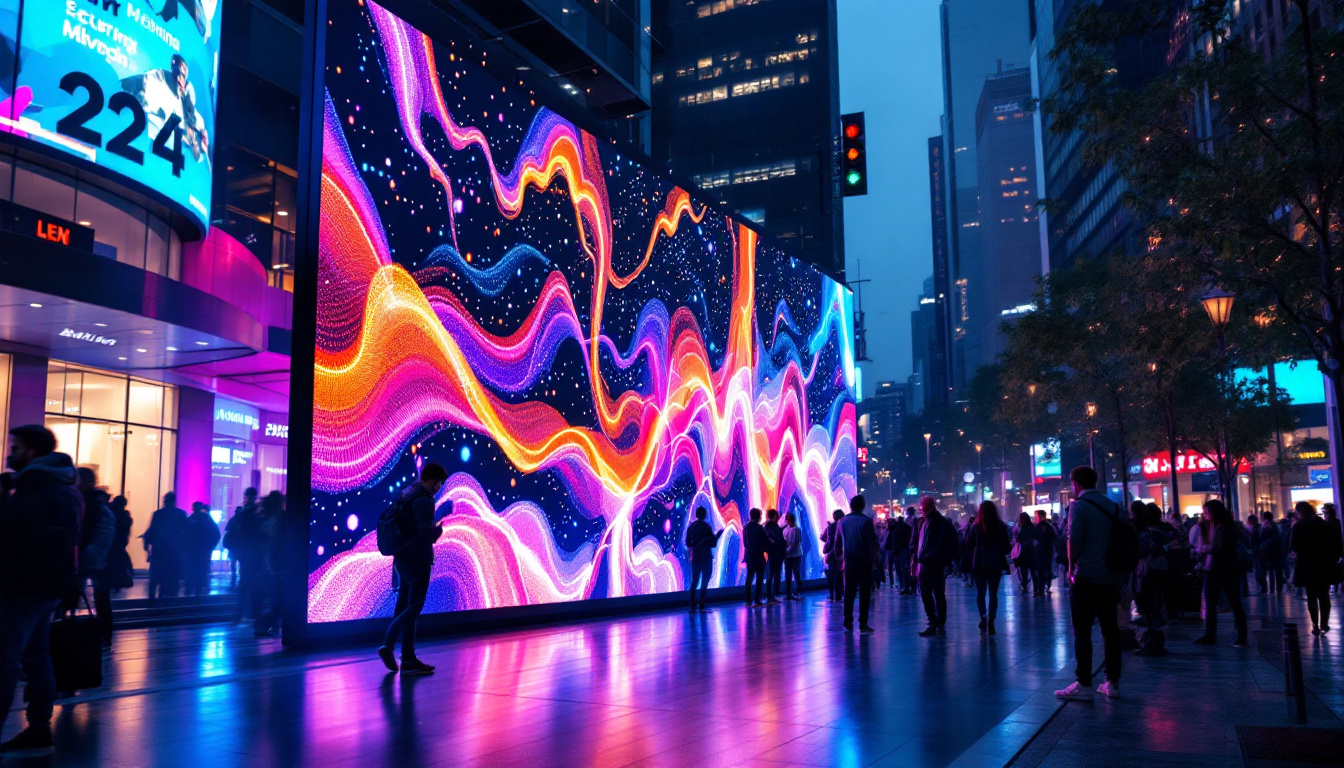
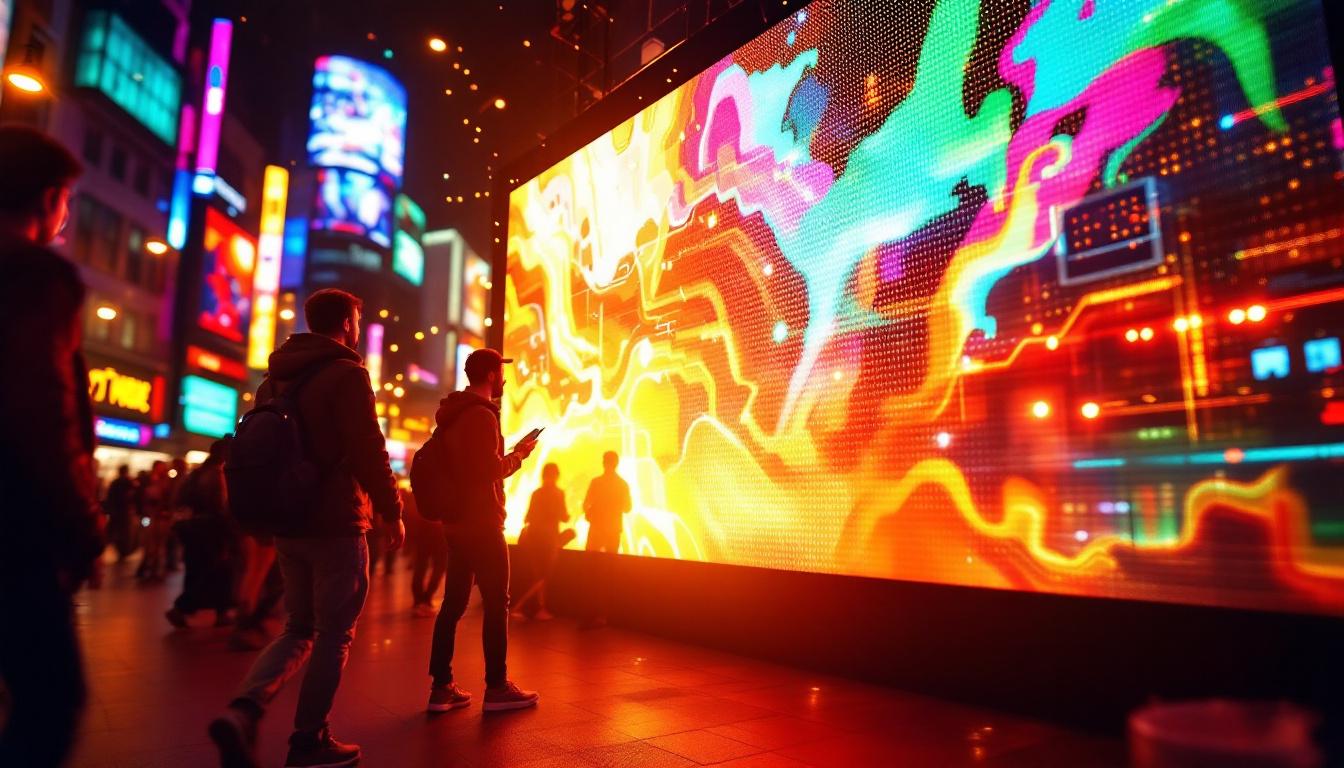
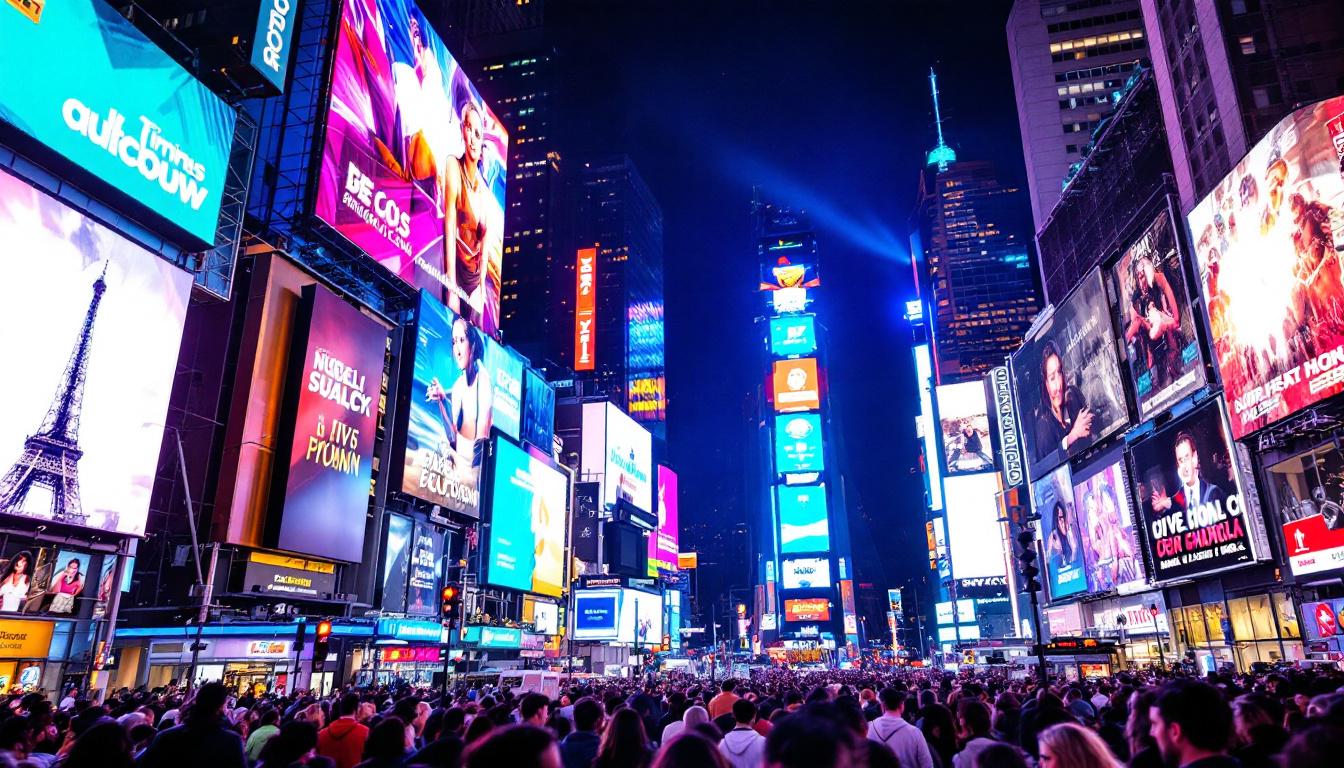
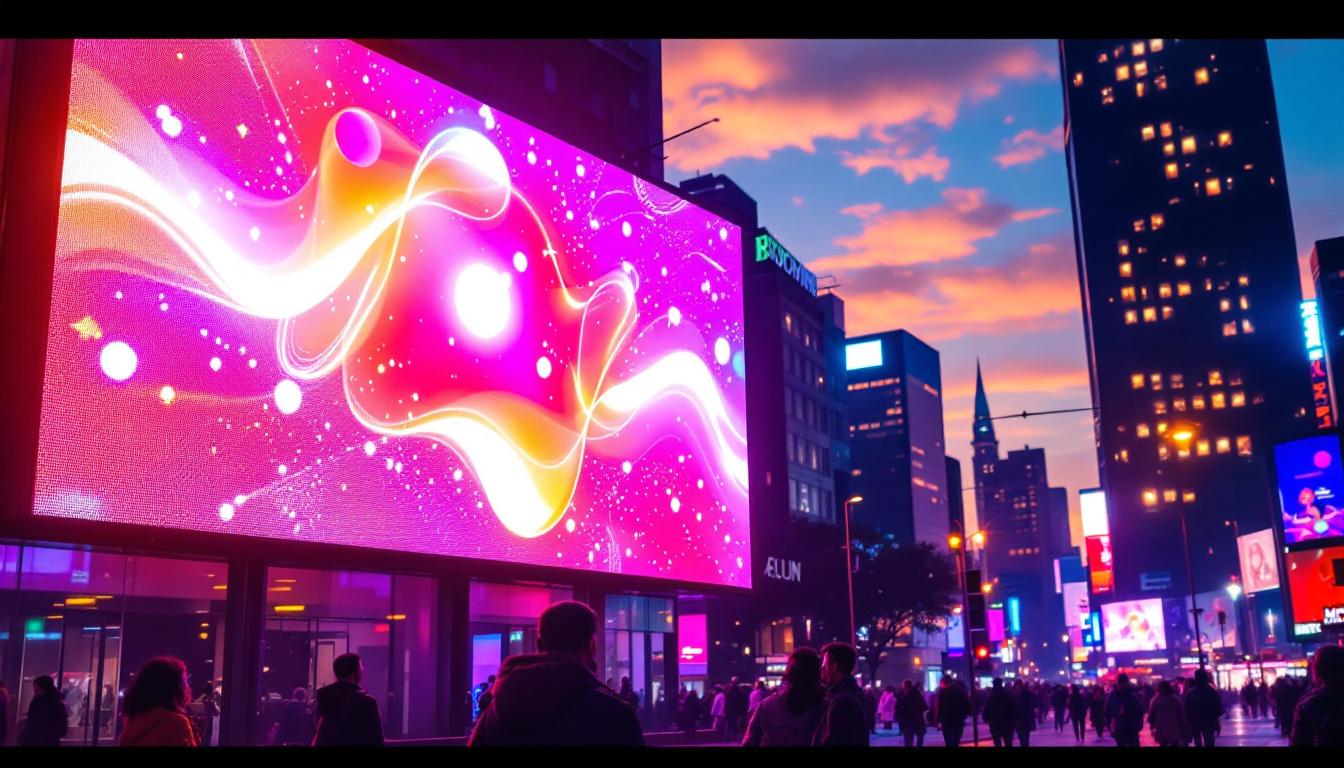
One of the key advantages of LED displays is their ability to produce high-contrast images even in direct sunlight, making them ideal for outdoor advertising, stadium screens, and public information boards. The modular nature of LED panels allows for custom sizes and shapes, which is crucial when integrating personalised video content that needs to fit specific spaces or design aesthetics. Furthermore, the longevity of LED technology means that these displays can operate for tens of thousands of hours, reducing the need for frequent replacements and maintenance, which can be a significant cost-saving factor for businesses.
Types of LED Displays
LED displays come in various forms, each suited for different applications:
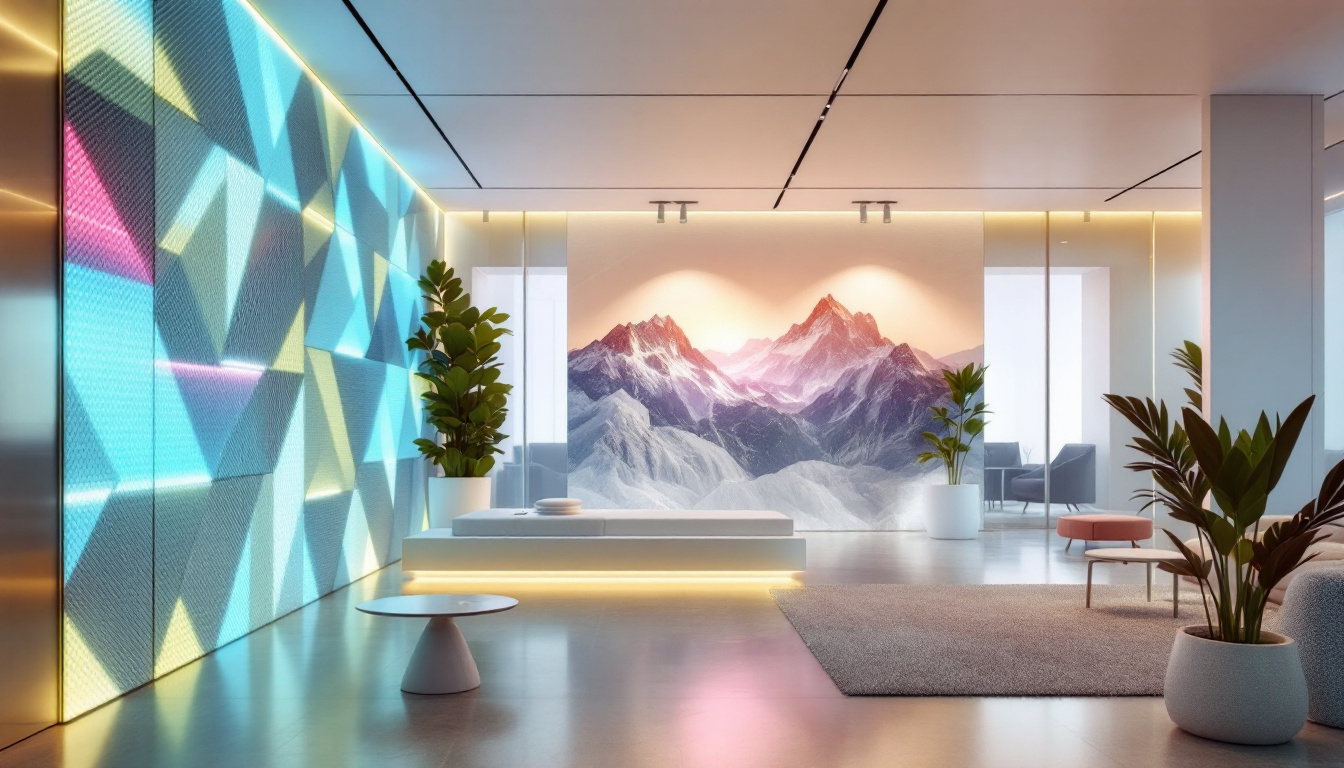
- Indoor LED Displays: Designed for controlled lighting environments, these displays offer high resolution and pixel density, perfect for retail stores, corporate lobbies, and event venues.
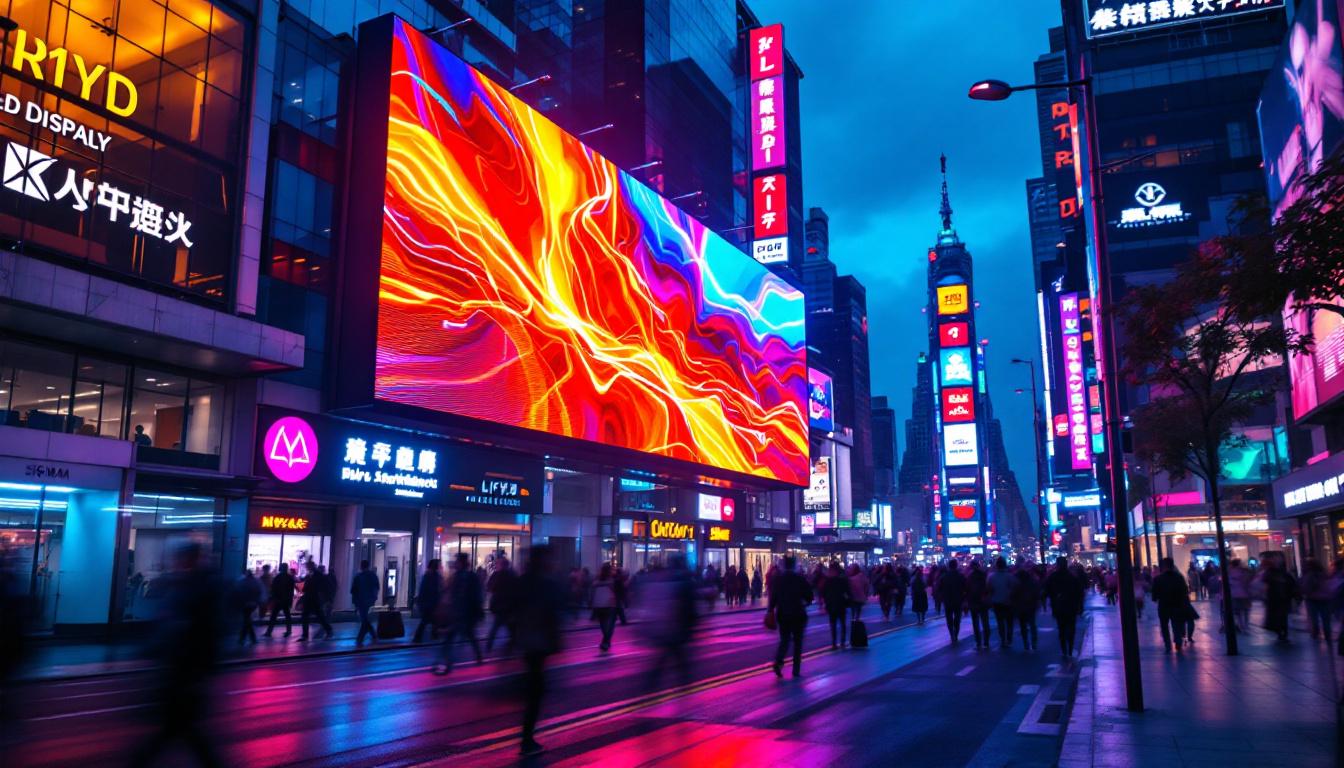
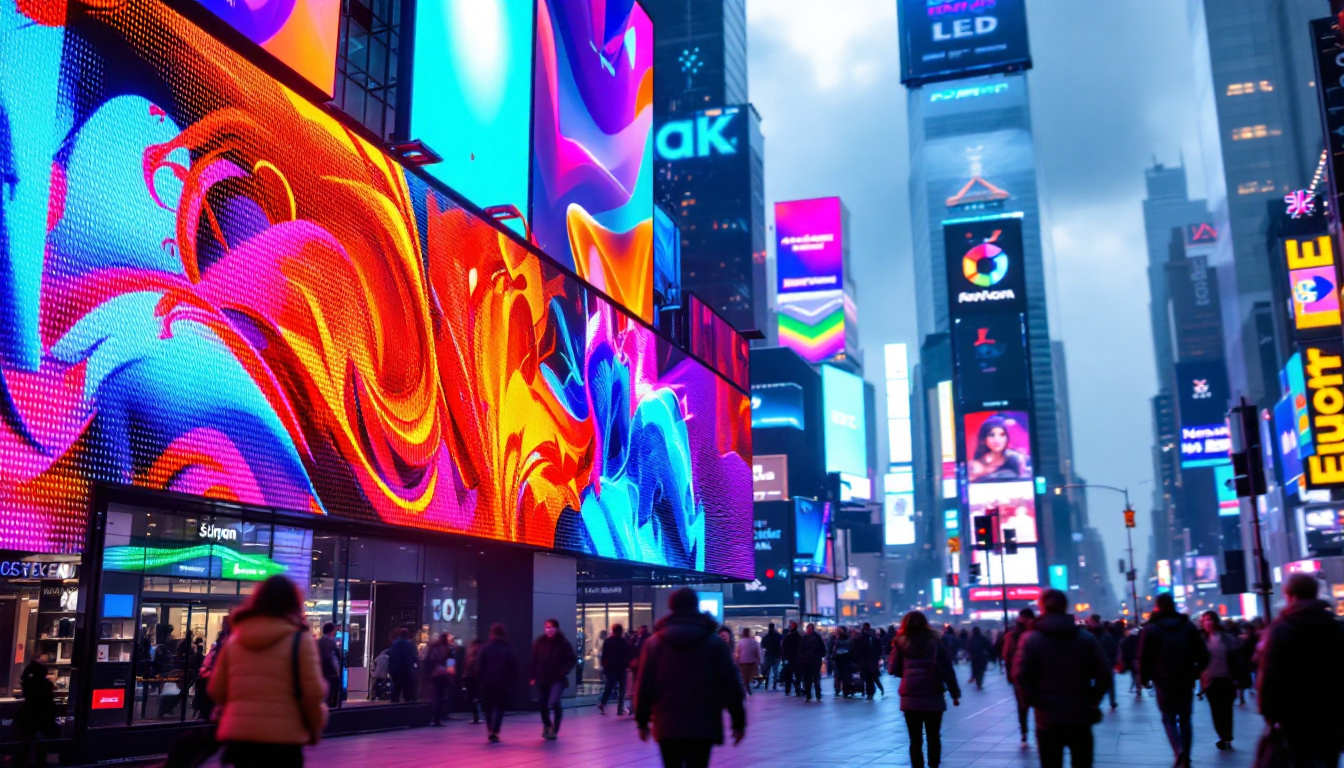
- Outdoor LED Displays: Built to withstand weather elements, these screens are brighter and more durable, commonly used for billboards, sports arenas, and transportation hubs.
- Flexible and Transparent LED Displays: Emerging technologies allow for curved or see-through LED panels, enabling innovative architectural integrations and immersive experiences.
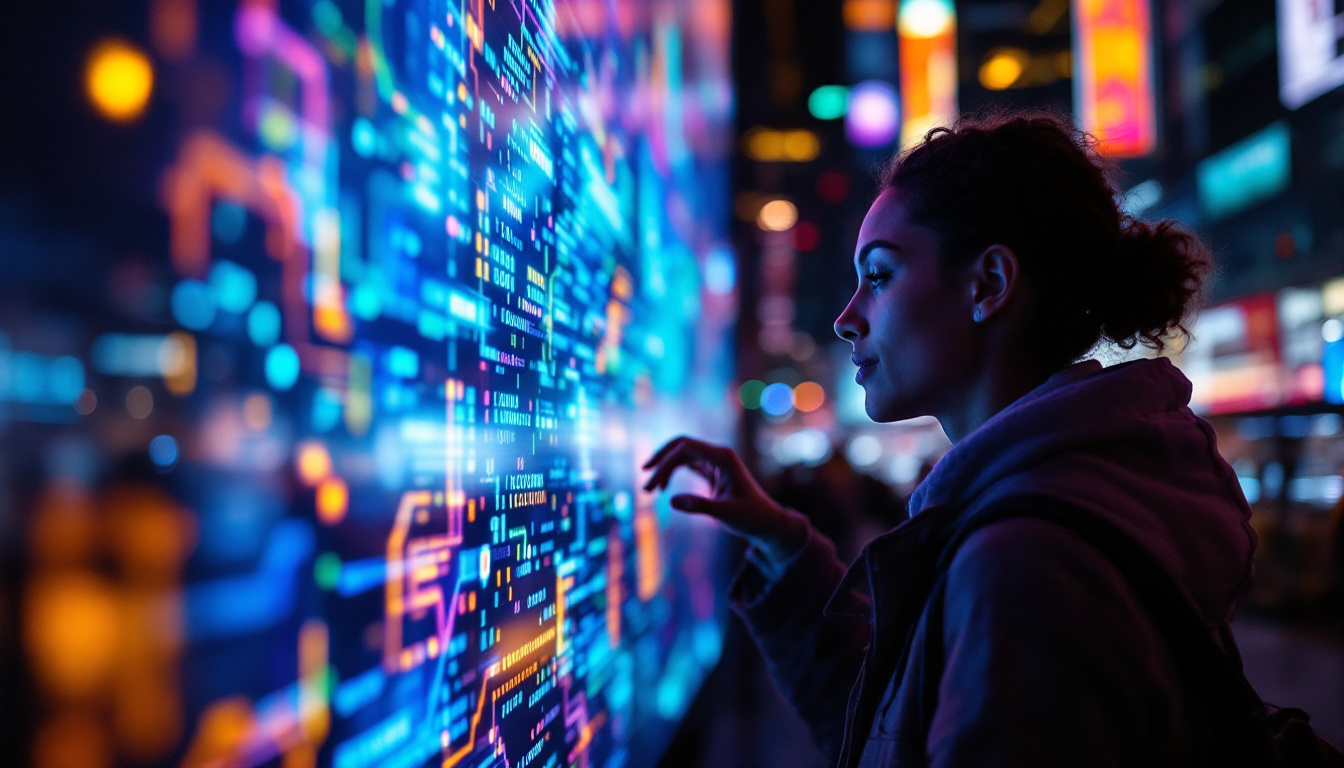
Another exciting development in LED technology is the rise of interactive displays. These screens incorporate touch-sensitive capabilities, allowing users to engage directly with the content. This interactivity can enhance customer experiences in retail environments, where shoppers can browse products or access information at their fingertips. Additionally, advancements in LED technology have led to the integration of augmented reality (AR) features, further blurring the lines between digital and physical spaces. As AR continues to evolve, the potential applications for LED displays in education, entertainment, and marketing are virtually limitless.
Moreover, the environmental impact of LED displays is noteworthy. With their lower energy consumption compared to traditional lighting systems, LED technology contributes to reduced carbon footprints. Many manufacturers are also focusing on sustainable practices, such as using recyclable materials in their products and implementing energy-efficient manufacturing processes. As the demand for eco-friendly solutions grows, LED displays are positioned to play a significant role in the future of visual technology, aligning with global sustainability goals while providing high-quality visual experiences.
The Role of Personalised Video in Modern Marketing
Personalised video content tailors messaging to individual viewers based on data such as demographics, location, behavior, or preferences. This approach increases engagement rates, conversion, and brand loyalty by making the content more relevant and memorable.
According to a report by Wyzowl, 86% of businesses use video as a marketing tool, and 80% of marketers say video has directly increased sales. Personalisation amplifies these benefits by ensuring the right message reaches the right audience at the right time.
Why Personalisation Matters
In an era saturated with generic advertisements, personalised video stands out by addressing viewers’ unique interests. For example, a retail store might display targeted promotions on an LED screen based on the time of day or the demographic profile of passersby, such as offering discounts on coffee during morning hours or showcasing sports gear near a gym.
This level of customisation not only captures attention but also fosters a connection between the brand and the consumer, making the marketing effort more effective and less intrusive. By leveraging data analytics, companies can create dynamic video content that evolves with consumer behavior, ensuring that the messaging remains relevant over time. For instance, a travel agency could send personalised video itineraries based on previous trips a customer has taken, highlighting new destinations that align with their travel preferences, thereby enhancing the likelihood of repeat business.
Moreover, the emotional impact of personalised video cannot be overstated. When consumers see themselves reflected in the content—whether through tailored recommendations or relatable storytelling—they are more likely to engage with the brand on a deeper level. This emotional resonance can drive not just immediate sales, but long-term loyalty, as customers feel understood and valued. Brands that successfully implement personalised video strategies often report higher customer satisfaction rates, as their audiences appreciate the effort to cater to their individual needs and preferences.
Integrating Personalised Video with LED Displays
The fusion of personalised video and LED display technology creates a dynamic platform for delivering customised content in real-time. This integration involves several components working together seamlessly:
Data Collection and Analysis
To personalise video content, data must be collected from various sources such as mobile devices, social media profiles, or sensors embedded near the LED display. Advanced analytics platforms process this data to identify patterns and preferences, enabling the creation of tailored video messages. For instance, machine learning algorithms can analyze user interactions and feedback, refining the content further to ensure it resonates with the target audience. This level of data-driven insight not only enhances the effectiveness of the videos but also allows brands to anticipate customer needs, creating a more engaging and relevant experience.
Content Management Systems (CMS)
A robust CMS is essential for managing and scheduling personalised video content. It allows marketers to design multiple video variations and automate their deployment based on predefined triggers like audience demographics, weather conditions, or time of day. Additionally, a well-integrated CMS can facilitate A/B testing of different video formats and messages, providing valuable insights into what works best for specific audiences. This iterative approach enables continuous improvement in content strategy, ensuring that the messages displayed are not only timely but also impactful.
Real-Time Content Delivery
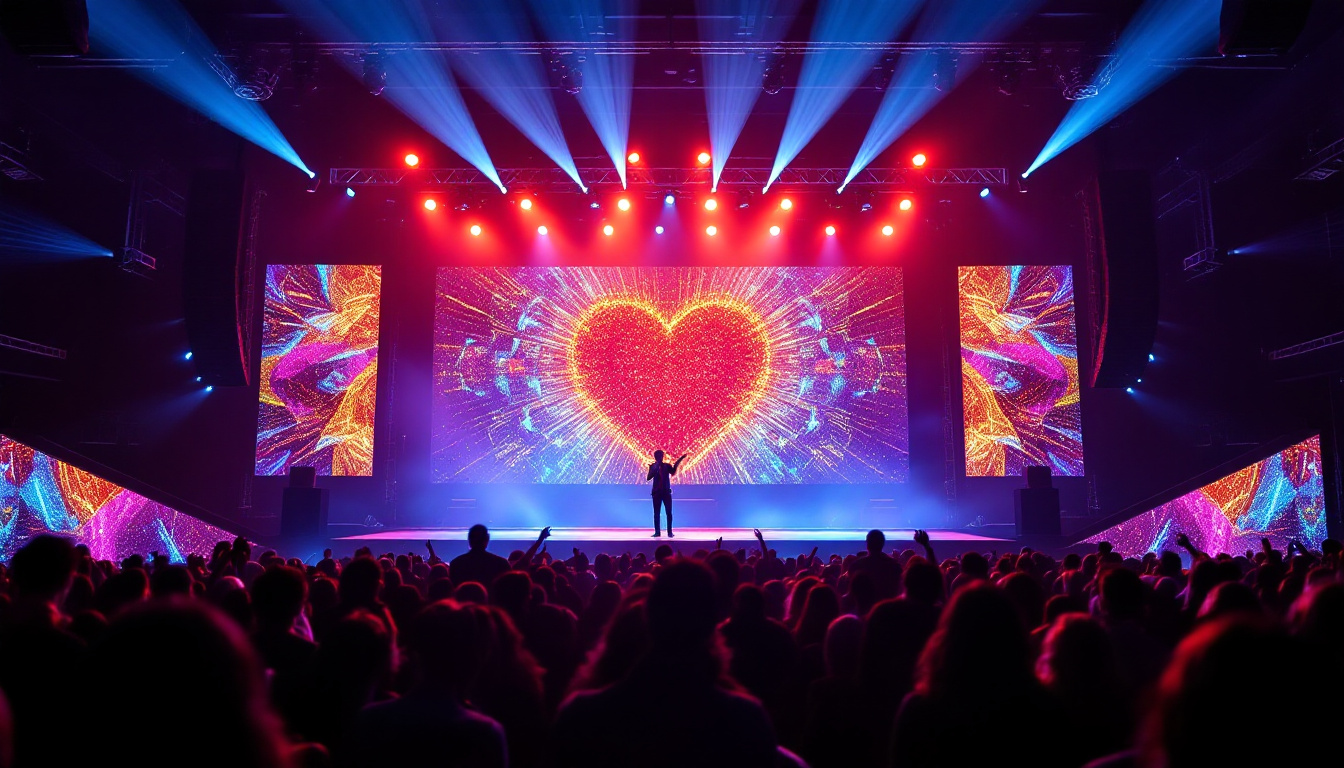
Modern LED displays equipped with powerful processors and connectivity can receive and display personalised video content instantly. This capability ensures that the content remains relevant and timely, enhancing viewer engagement and the overall effectiveness of the campaign. Furthermore, the integration of cloud technology allows for remote updates and real-time adjustments, enabling brands to respond swiftly to changing circumstances or emerging trends. For example, a sports venue could display highlights or player stats tailored to the audience present, creating a more immersive experience that keeps fans engaged throughout the event.
Case Study: Retail Chain Enhances Customer Experience
A global retail chain implemented personalised video content on LED displays across its locations. By analysing foot traffic and customer purchase history, the brand displayed targeted promotions and product recommendations on in-store LED screens. This strategy resulted in a 25% increase in average transaction value and a 15% boost in customer retention over six months. The success of this initiative was further amplified by the incorporation of customer feedback mechanisms, allowing shoppers to interact with the content displayed. This not only fostered a sense of community but also provided the brand with additional data to refine their offerings. As a result, the retail chain not only enhanced customer satisfaction but also established itself as a leader in innovative shopping experiences.
Technical Considerations for Personalised LED Video Displays
Deploying personalised video on LED displays requires careful technical planning to ensure optimal performance and visual quality.
Resolution and Pixel Pitch
Pixel pitch—the distance between the centers of two adjacent LEDs—directly affects image clarity. For personalised video, especially when viewers are close to the display, a smaller pixel pitch (1.2mm to 3mm) is preferred to deliver crisp visuals. Larger pixel pitches are suitable for distant viewing, such as billboards.
Brightness and Contrast Ratio
High brightness levels (often exceeding 5,000 nits for outdoor displays) ensure visibility under various lighting conditions. A strong contrast ratio enhances the depth and vibrancy of personalised video content, making it more eye-catching.
Latency and Processing Power
Real-time personalisation demands low latency in content processing and delivery. LED display controllers and media players must be capable of handling high-resolution video streams without lag, maintaining smooth transitions and responsiveness.
Connectivity and Integration
Reliable network connectivity is crucial for receiving updated personalised content. Integration with data sources, analytics platforms, and CMS should be secure and scalable to accommodate growing data volumes and content complexity.
Future Trends in Personalised Video and LED Displays
The convergence of emerging technologies promises to further transform personalised video experiences on LED displays.
Artificial Intelligence and Machine Learning
AI-driven algorithms will enhance the precision of audience targeting and content optimisation. Machine learning models can predict viewer preferences and dynamically adjust video content to maximise engagement.
5G and Edge Computing
Faster network speeds and reduced latency enabled by 5G, combined with edge computing, will allow more complex personalised video content to be delivered instantly, even in high-traffic areas.
Augmented Reality (AR) Integration
AR elements integrated into LED displays could create immersive personalised experiences, blending digital content with the physical environment in real-time.
Conclusion: Maximising Impact with Personalised LED Video Displays
Personalised video content displayed on LED screens represents a powerful synergy of technology and marketing strategy. By harnessing the vibrant, adaptable nature of LED displays and the targeted precision of personalised video, brands can create compelling, memorable experiences that resonate with audiences.
As technology continues to advance, the possibilities for personalised LED video displays will expand, offering new avenues for engagement and innovation. Businesses investing in this intersection today are positioning themselves at the forefront of digital communication and consumer connection.
Discover LumenMatrix’s Innovative LED Solutions
Ready to elevate your marketing with the vibrant and adaptable nature of LED displays? LumenMatrix is at the forefront of LED display technology, offering a wide array of solutions that bring your brand to life. From Indoor and Outdoor LED Walls to specialized displays for vehicles, sports, and even transparent options, our mission is to revolutionize your visual communication. Engage and captivate your audience with our cutting-edge digital signage. Check out LumenMatrix LED Display Solutions today and share your message with unparalleled impact and clarity.