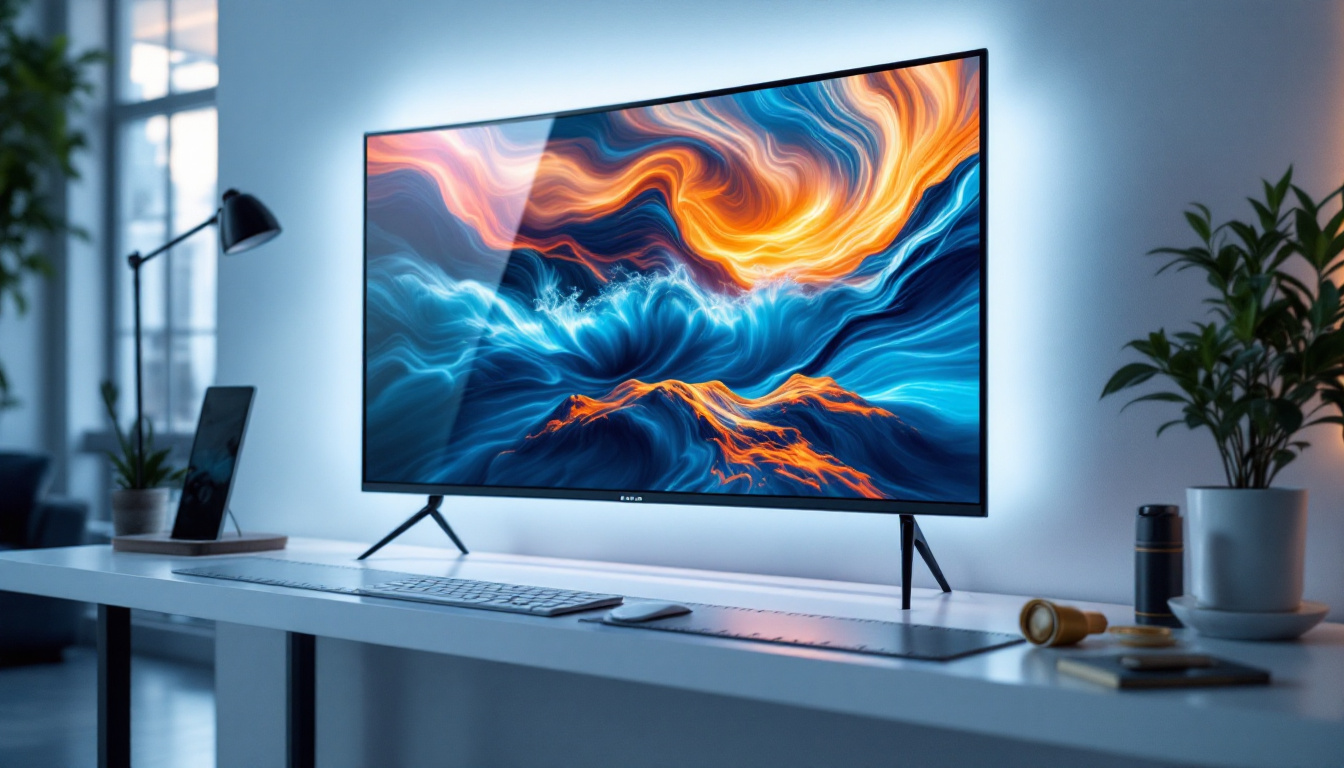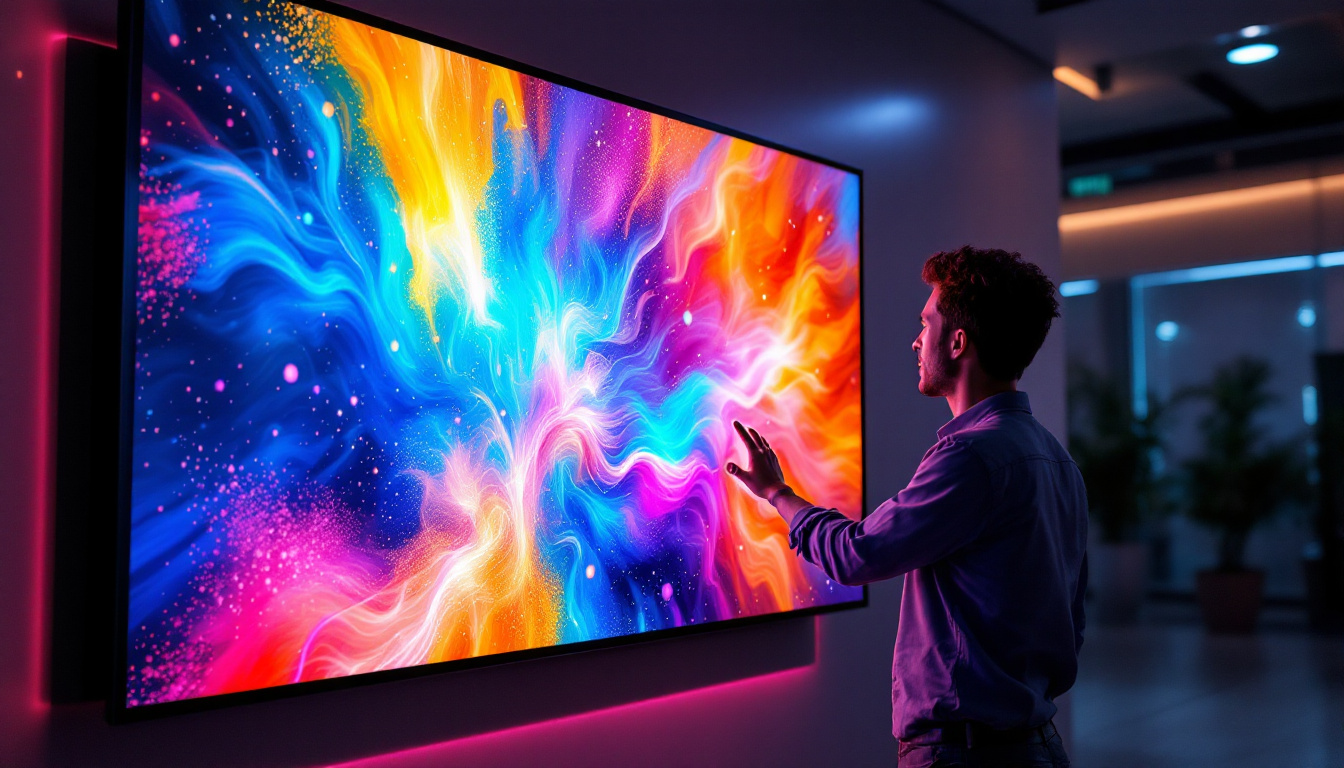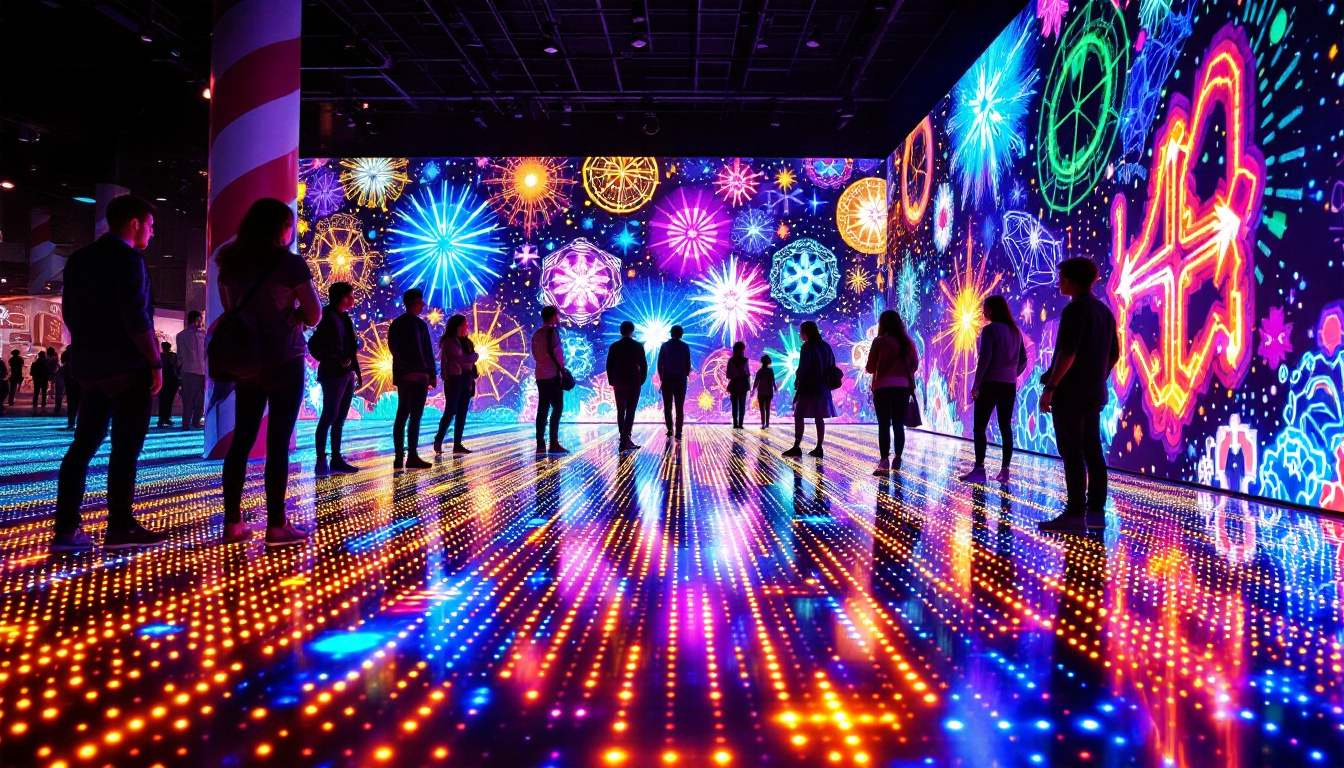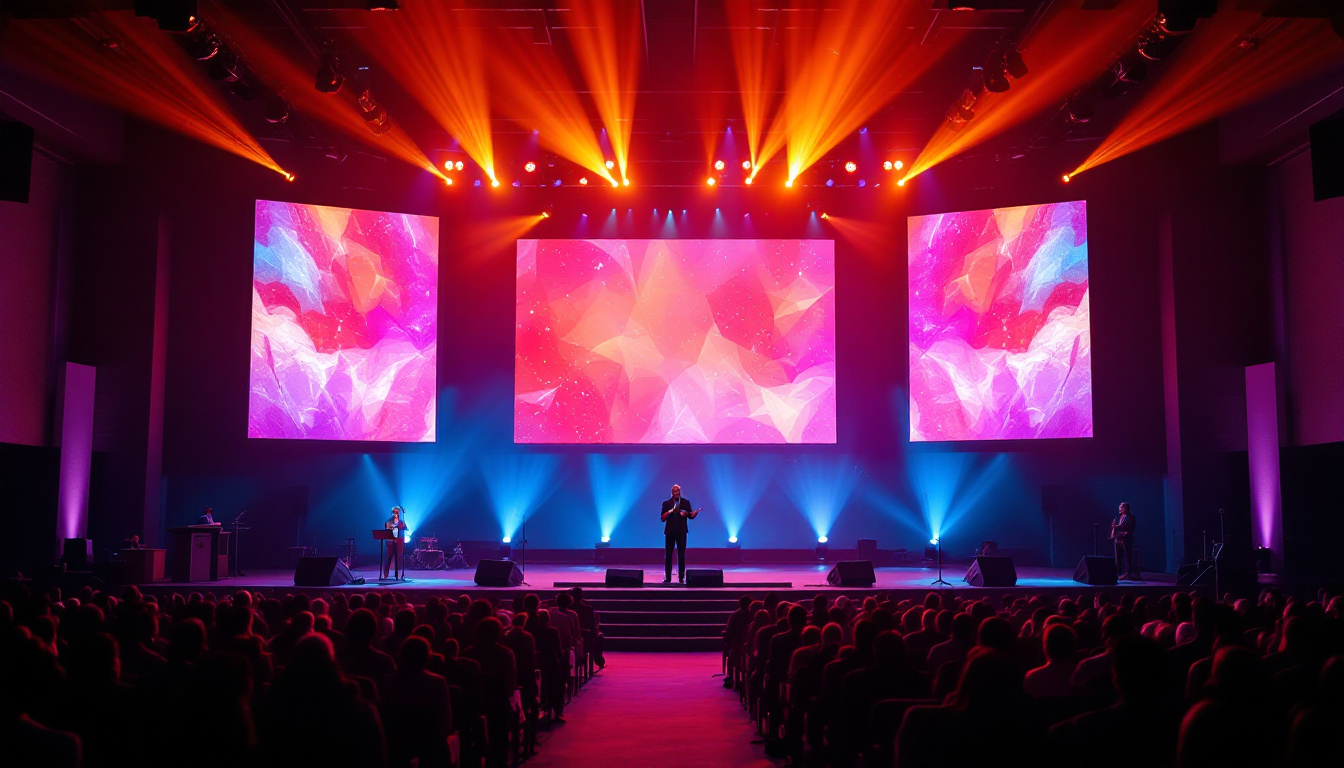
In the evolving world of lighting technology, panel wall lights featuring LED displays have emerged as a versatile and energy-efficient solution for both residential and commercial spaces. These lighting fixtures combine aesthetic appeal with advanced functionality, offering users a customizable and sustainable lighting experience. This article delves into the technology behind panel wall lights with LED displays, their benefits, applications, and what to consider when selecting the right model for your needs.
Understanding Panel Wall Lights with LED Displays
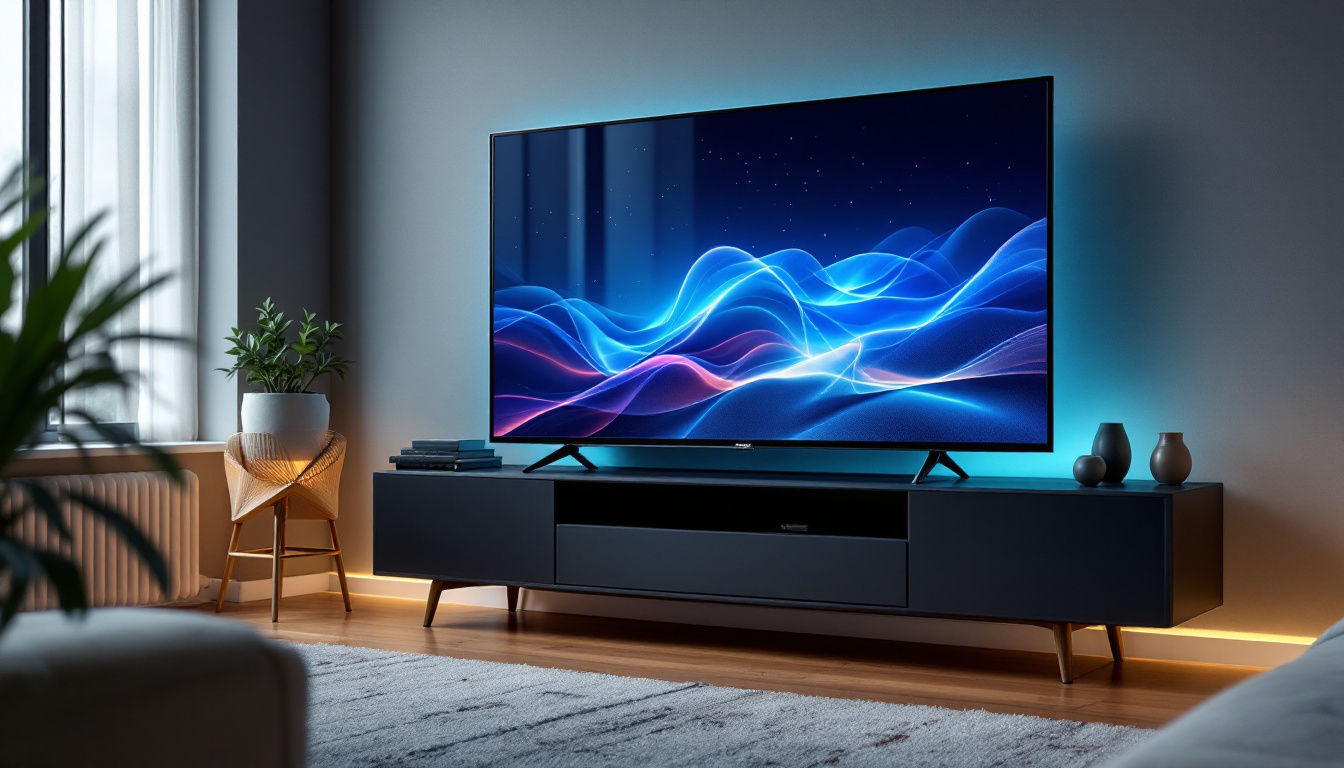
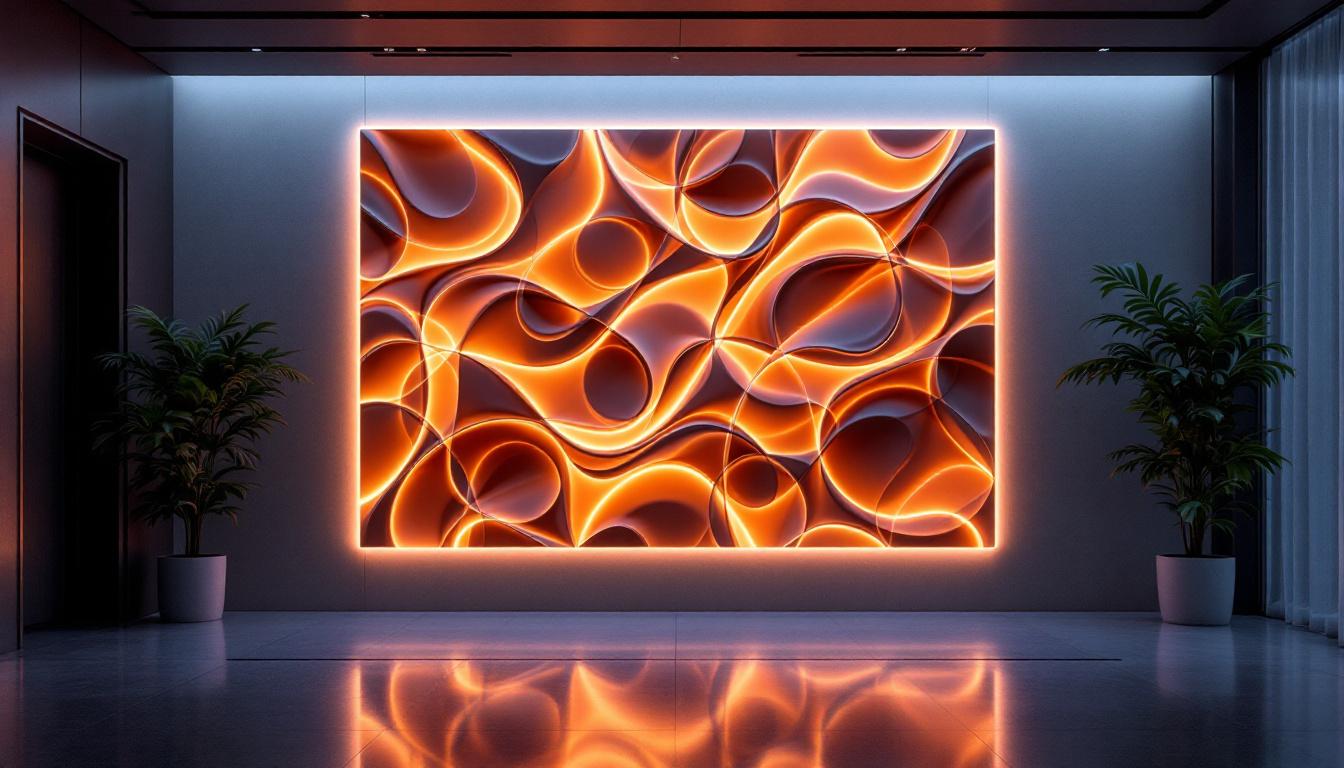
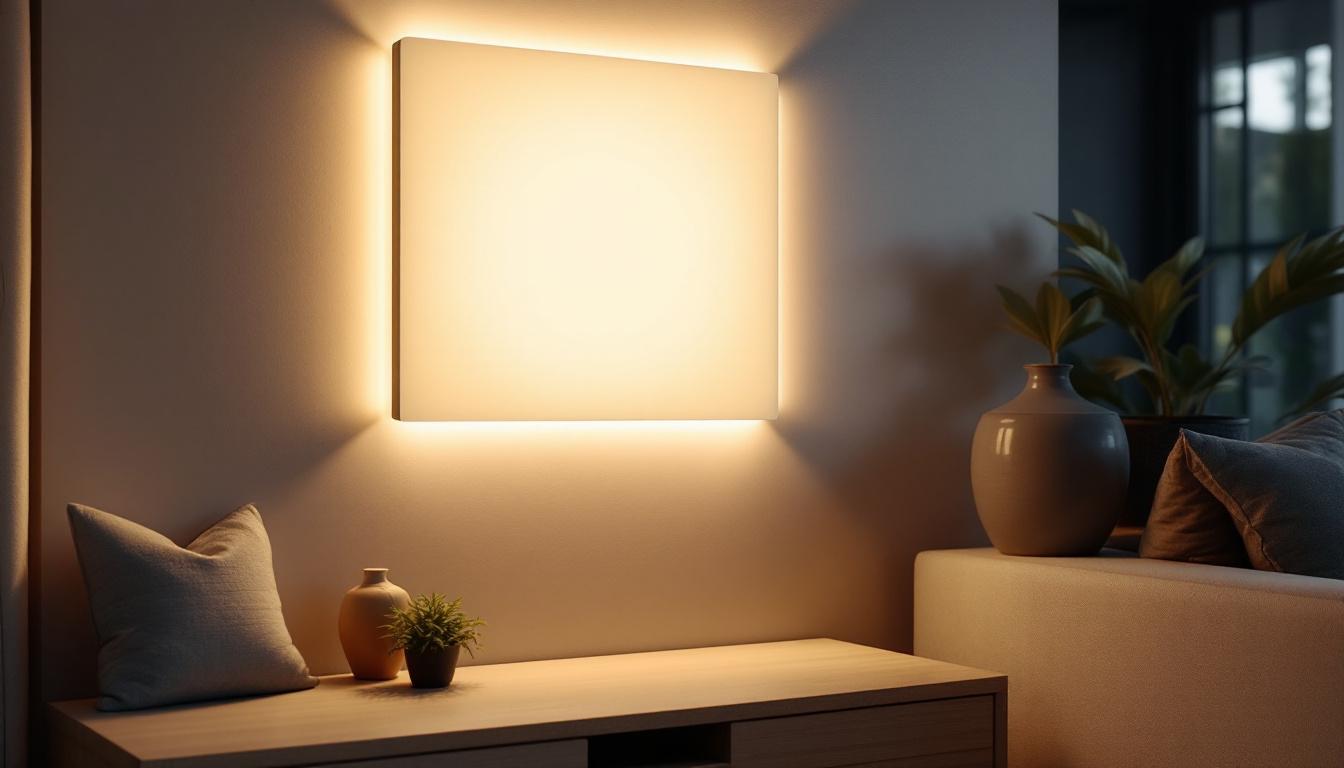
Panel wall lights are flat, often rectangular or square lighting fixtures designed to be mounted on walls. Unlike traditional wall sconces or lamps, these panels incorporate LED (Light Emitting Diode) technology, which allows for a slim profile, high brightness, and energy efficiency. When combined with LED displays, these panels can offer dynamic lighting effects, information display, or decorative visuals. The versatility of panel wall lights makes them suitable for various applications, from residential settings to commercial environments, enhancing both functionality and aesthetics.
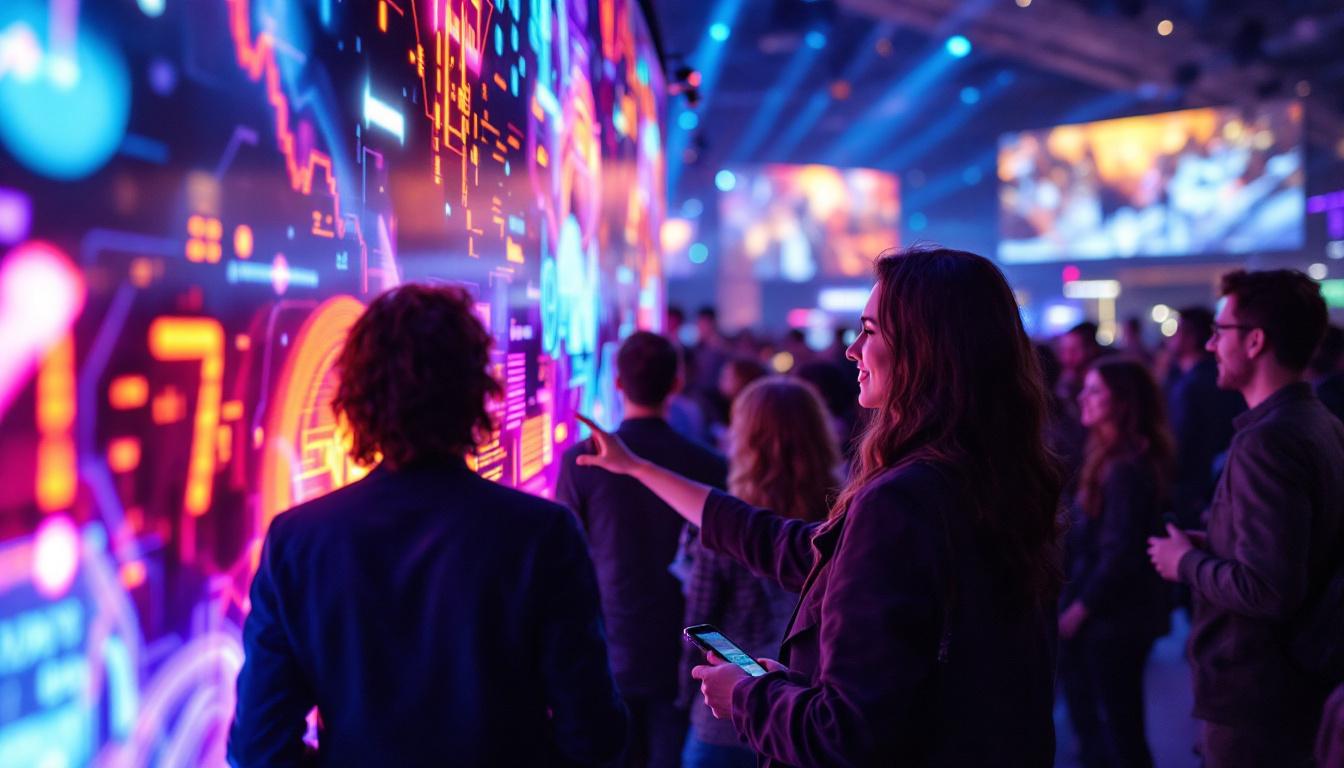
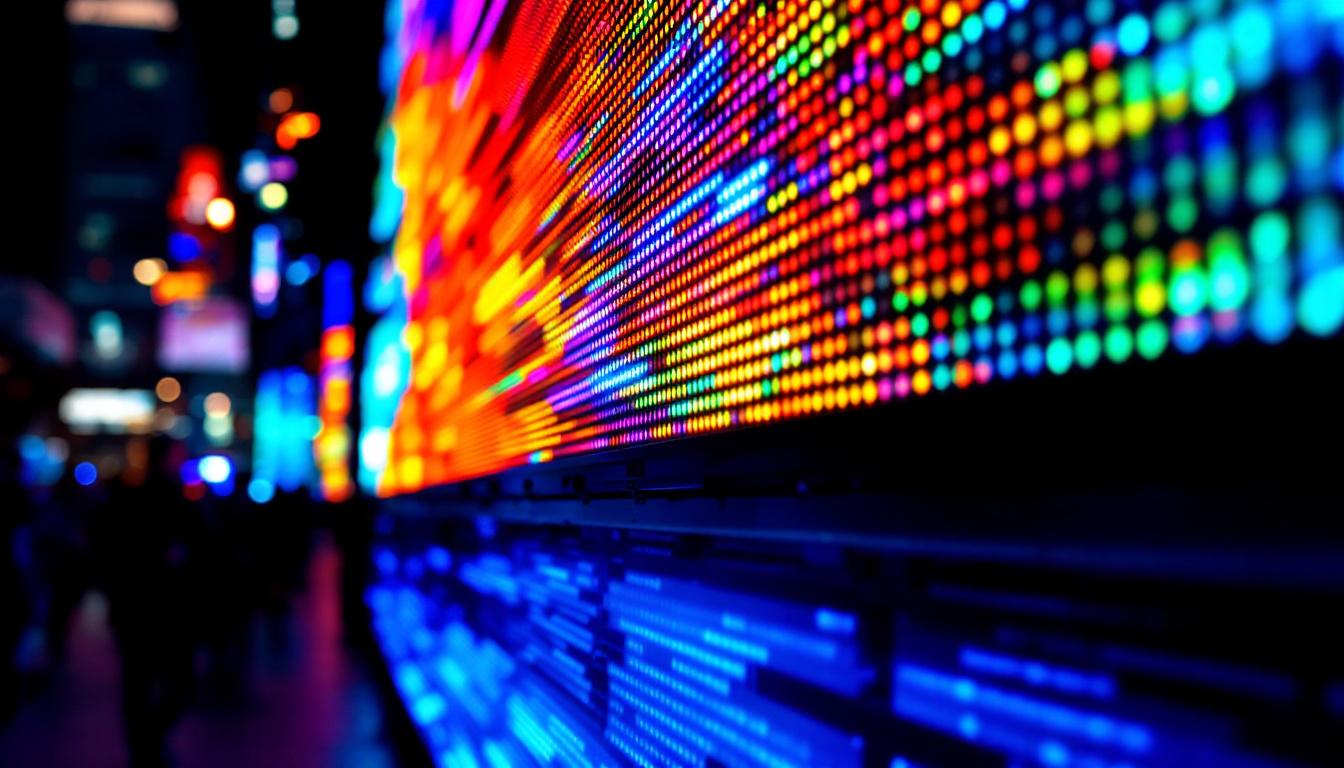
The LED display component refers to the integration of light-emitting diodes arranged in a matrix or strip format that can be controlled to produce various colors, patterns, or even text and images. This makes panel wall lights with LED displays not only sources of illumination but also interactive or informative elements within a space. For instance, in a retail environment, these lights can be programmed to showcase promotional messages or seasonal themes, effectively capturing customer attention and enhancing the shopping experience.
How LED Technology Works in Panel Wall Lights
LEDs generate light through electroluminescence, where an electric current passes through a semiconductor material, emitting photons. This process is highly efficient compared to incandescent or fluorescent lighting, resulting in lower energy consumption and longer lifespan. Additionally, the durability of LEDs means they are less prone to breakage and can withstand a wider range of temperatures, making them ideal for various environments.
In panel wall lights, multiple LEDs are embedded within a thin panel, often diffused by a translucent cover to provide uniform light distribution. The LED display aspect involves controlling individual LEDs or groups of LEDs to create patterns or images, managed by microcontrollers or smart lighting systems. This technology allows for programmable settings, enabling users to change the ambiance of a room instantly. For example, one could adjust the color temperature to create a warm, inviting atmosphere for a dinner party or switch to vibrant colors for a lively celebration. Furthermore, many modern panel wall lights can be integrated with smart home systems, allowing for voice control and automation, which adds another layer of convenience and customization to lighting design.
Advantages of Using LED Panel Wall Lights
The shift towards LED panel wall lights is driven by several key advantages that appeal to both consumers and businesses. These benefits extend beyond basic illumination and contribute to sustainability, design flexibility, and enhanced functionality.
Energy Efficiency and Longevity
LED technology is renowned for its energy-saving properties. According to the U.S. Department of Energy, LEDs use at least 75% less energy than incandescent lighting and last 25 times longer. This translates to significant cost savings on electricity bills and reduced maintenance frequency.
Panel wall lights with LED displays maintain these efficiencies while offering the added benefit of customizable lighting options without increasing power consumption substantially. Their long lifespan also means fewer replacements, reducing waste and environmental impact.
Design Flexibility and Aesthetic Appeal
One of the most compelling reasons to choose LED panel wall lights is their sleek, modern design. The thin, flat profile allows for seamless integration into various interior styles, from minimalist to industrial. The ability to customize light color, intensity, and patterns adds an artistic dimension to wall lighting.
For example, in commercial settings such as hotels or restaurants, LED panel wall lights can be programmed to change colors based on the time of day or event, enhancing ambiance and customer experience. Residential users appreciate the ability to adjust lighting to suit mood or activity, such as warm tones for relaxation or bright whites for reading.
Smart Control and Integration
Many LED panel wall lights with displays come equipped with smart technology, enabling control via smartphones, voice assistants, or automated systems. This integration facilitates energy management, scheduling, and even synchronization with music or other multimedia.
Smart controls also allow for interactive displays, such as scrolling text or dynamic patterns, which can be used for advertising, wayfinding, or artistic installations. This versatility makes LED panel wall lights a valuable asset in both public and private environments.
Applications of Panel Wall Lights with LED Displays
The combination of lighting and display technology opens up a wide range of applications across different sectors. Understanding these uses helps in selecting the right product and maximizing its benefits.
Residential Use
In homes, panel wall lights with LED displays serve both functional and decorative purposes. They can act as primary or accent lighting in living rooms, bedrooms, or hallways. The customizable light settings allow homeowners to create personalized atmospheres that enhance comfort and style.
Additionally, some models include features such as clock displays, weather updates, or notifications, integrating practical information into everyday living spaces without the need for additional devices.
Commercial and Hospitality Sectors
Businesses leverage LED panel wall lights for branding, ambiance, and customer engagement. Hotels use them in lobbies and corridors to create welcoming environments, often programming lights to reflect brand colors or special occasions.
Restaurants and bars benefit from dynamic lighting that can shift to match the mood or theme of events. Retail stores use LED displays within panel lights to highlight promotions or guide customers through the space.
Public Spaces and Offices
In offices, panel wall lights contribute to well-lit, comfortable work environments that can improve productivity and reduce eye strain. The display component can be used for informational purposes, such as displaying meeting schedules, announcements, or emergency alerts.
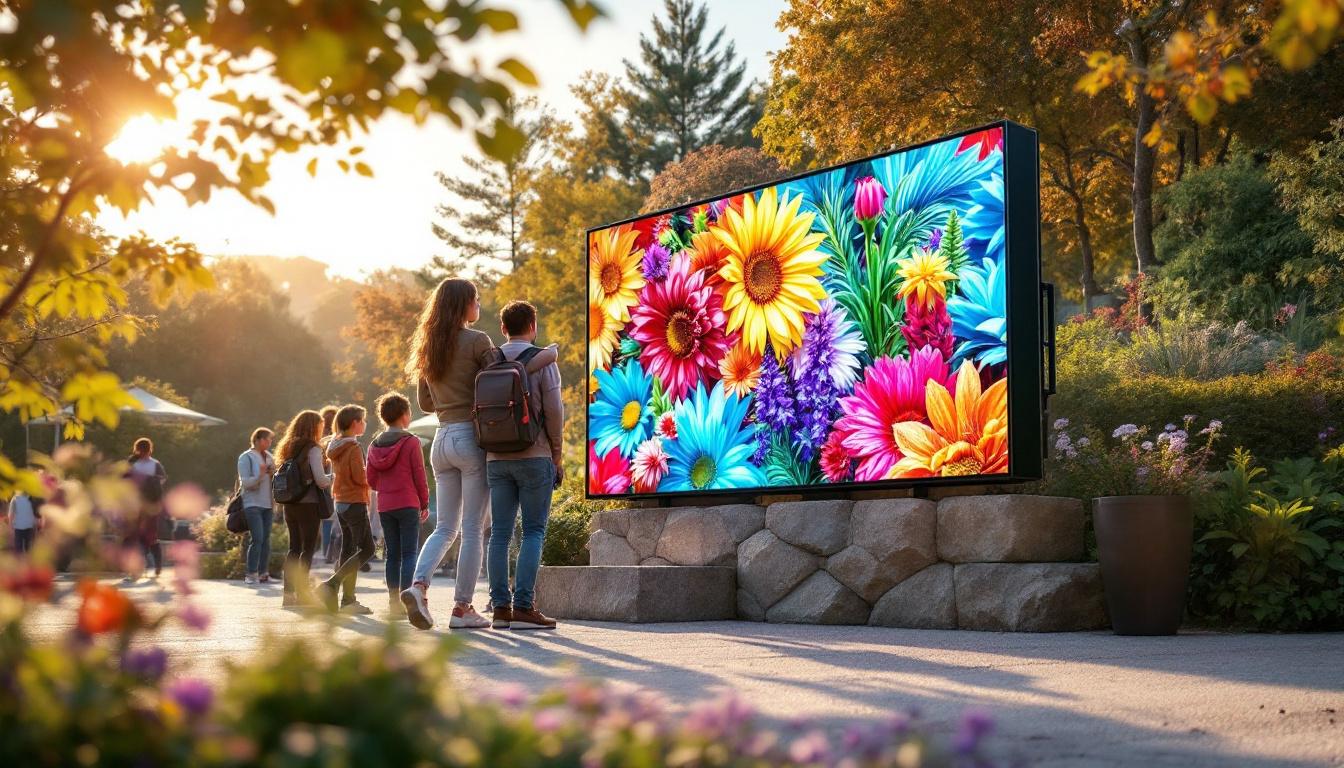
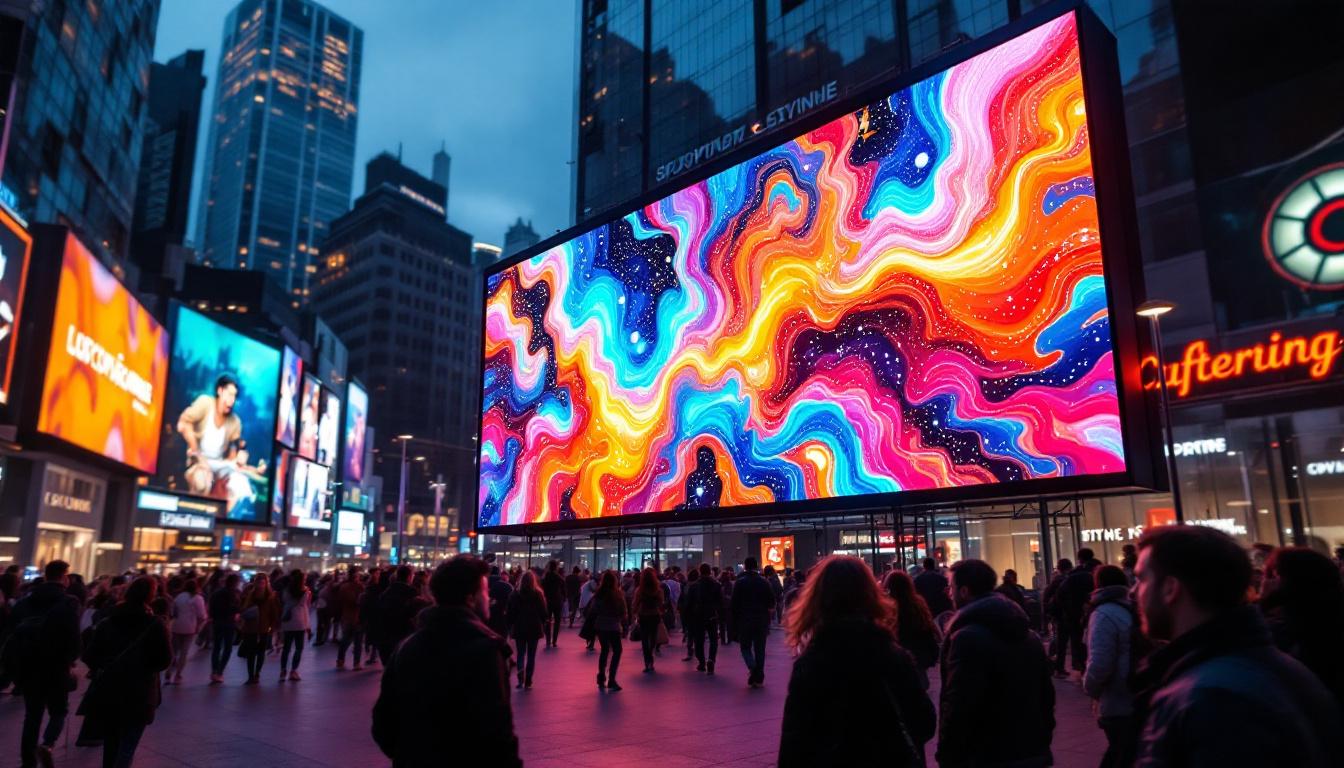
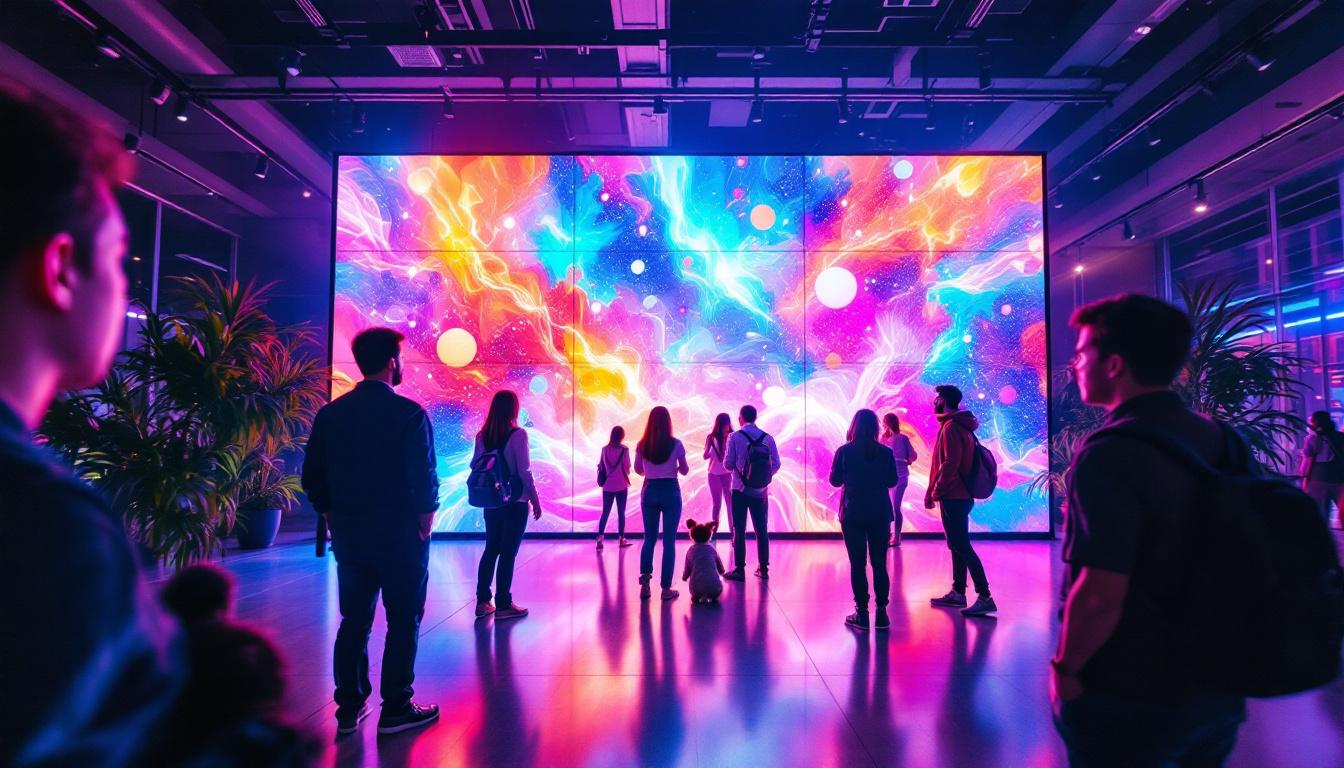
Public spaces like airports, hospitals, and museums utilize these lights for both illumination and communication. The ability to change displays quickly makes them ideal for updating information or providing directional cues to visitors.
Key Considerations When Choosing Panel Wall Lights with LED Displays
Selecting the right panel wall light with an LED display requires careful evaluation of several factors to ensure it meets the intended purpose and environment.
Brightness and Color Temperature
Brightness is measured in lumens, and the appropriate level depends on the room size and function. For general wall lighting, 300 to 800 lumens per panel is typical, but display brightness may need to be higher for visibility in well-lit areas.
Color temperature, measured in Kelvin (K), affects the mood and usability of the space. Warmer temperatures (2700K-3000K) create a cozy atmosphere, while cooler temperatures (4000K-5000K) are better for task-oriented areas.
Display Resolution and Functionality
The resolution of the LED display determines how detailed the images or text can be. Higher resolution panels provide clearer visuals but may come at a higher cost. Consider the intended use—simple patterns or text require lower resolution, whereas intricate designs or videos need higher pixel density.
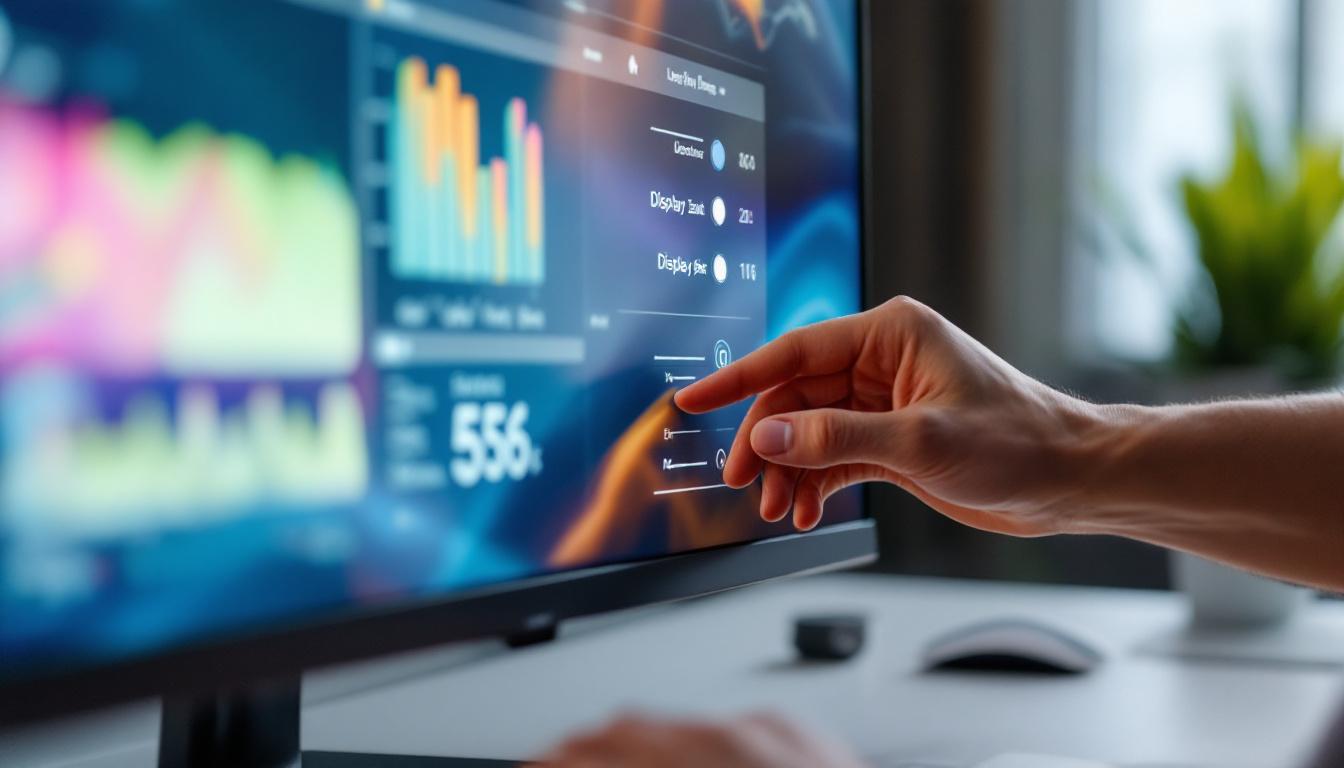
Additional functionalities such as touch control, remote access, or integration with building management systems can enhance usability but should be balanced against budget and complexity.
Installation and Maintenance
Installation requirements vary depending on the panel size, weight, and mounting options. Some panels are designed for easy DIY installation, while others may require professional assistance, especially when integrating with smart systems.
Maintenance is generally low for LED panel lights, but it’s important to consider accessibility for cleaning or repairs. Choosing models with replaceable components can extend the lifespan and reduce long-term costs.
Future Trends in Panel Wall Light and LED Display Technology
The LED lighting industry continues to innovate, with emerging trends promising even greater functionality and sustainability for panel wall lights with LED displays.
Advancements in Smart Lighting and IoT Integration
As Internet of Things (IoT) technology matures, LED panel wall lights are becoming more interconnected with other smart devices. This enables more sophisticated automation, energy optimization, and personalized lighting experiences based on user behavior and environmental conditions.
For example, future panels may adjust brightness and color temperature automatically in response to natural light levels or occupancy, enhancing comfort and reducing energy use.
Enhanced Display Capabilities
Developments in micro-LED and flexible LED technologies are expanding the possibilities for display quality and form factors. Higher resolution, greater color accuracy, and curved or bendable panels will allow for more creative and immersive lighting designs.
This could lead to panel wall lights that double as digital art frames or interactive information hubs, seamlessly blending lighting and visual communication.
Sustainability and Eco-Friendly Materials
With growing environmental awareness, manufacturers are focusing on eco-friendly materials and recycling options for LED panel lights. Innovations in biodegradable components and energy harvesting technologies may further reduce the environmental footprint of these products.
Consumers and businesses alike are increasingly prioritizing sustainable lighting solutions, making this an important consideration for future purchases.
Conclusion
Panel wall lights with LED displays represent a convergence of lighting innovation and digital display technology, offering versatile solutions for a wide range of applications. Their energy efficiency, design flexibility, and smart capabilities make them an attractive choice for modern interiors, from homes to commercial and public spaces.
Understanding the technology, benefits, and selection criteria can help users make informed decisions that enhance both functionality and aesthetics. As advancements continue, these lighting panels are poised to become even more integral to how spaces are illuminated and experienced.
Discover LumenMatrix’s Innovative LED Solutions
Ready to elevate your space with the latest in LED display technology? LumenMatrix offers a comprehensive range of cutting-edge LED display modules, from Indoor and Outdoor LED Wall Displays to specialized solutions like Vehicle LED Displays and LED Sports Displays. Whether you’re looking to enhance brand visibility, create captivating visual experiences, or revolutionize visual communication, LumenMatrix has the perfect solution to meet your needs. Check out LumenMatrix LED Display Solutions today and empower your business to illuminate your message with impact and clarity.