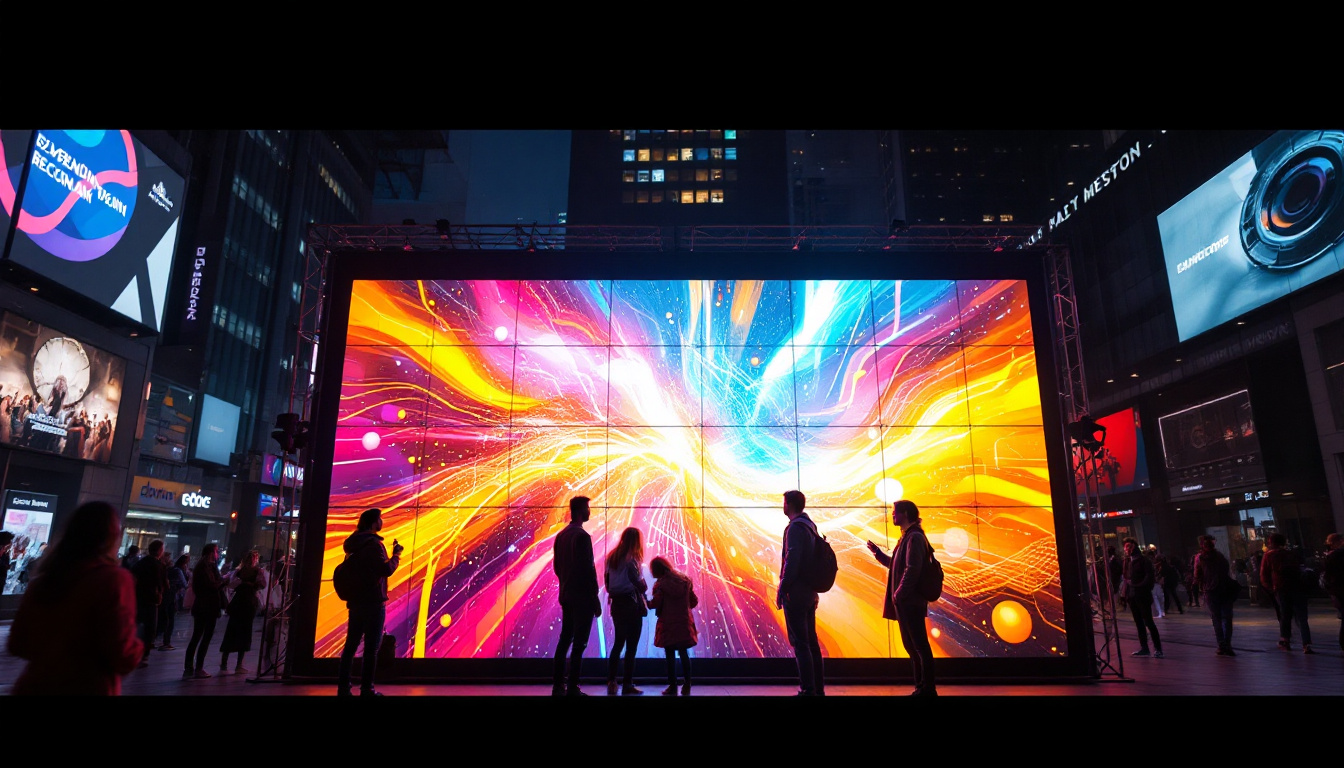
In the rapidly evolving world of digital signage and visual technology, LED displays have emerged as a dominant force, transforming how businesses, advertisers, and event organizers communicate with their audiences. From massive outdoor billboards to sleek indoor video walls, LED technology offers unparalleled brightness, flexibility, and durability. This comprehensive guide delves into the fundamentals of LED displays, exploring their technology, applications, and why Pixel Pro Displays is at the forefront of this innovation.
Understanding LED Display Technology
LED, or Light Emitting Diode, displays utilize tiny semiconductor devices that emit light when an electric current passes through them. Unlike traditional LCD screens that rely on backlighting, LEDs produce their own light, resulting in higher contrast ratios and more vibrant colors. This foundational difference is what makes LED displays particularly effective in various lighting conditions, including direct sunlight. The energy efficiency of LED technology also contributes to its growing popularity, as it consumes less power than conventional display technologies, making it a more sustainable choice for both consumers and businesses.
The Anatomy of an LED Display
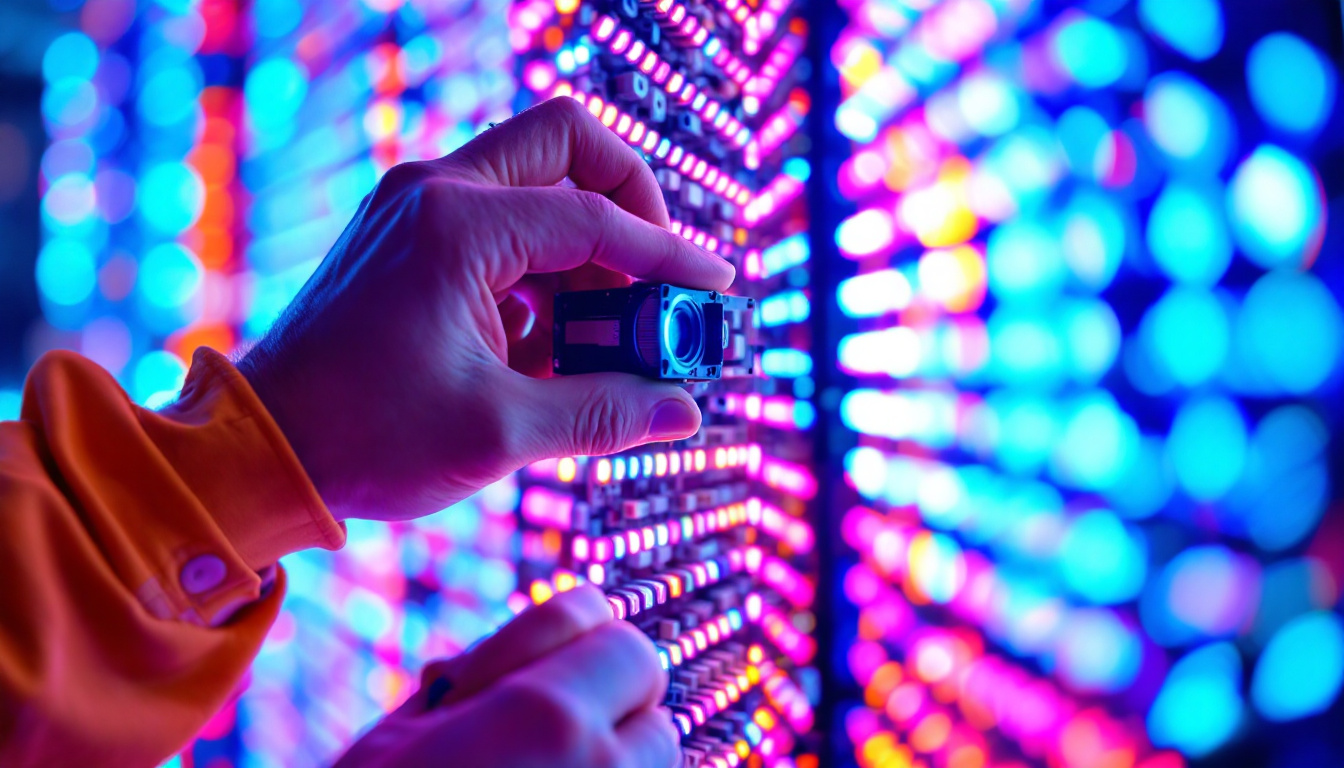
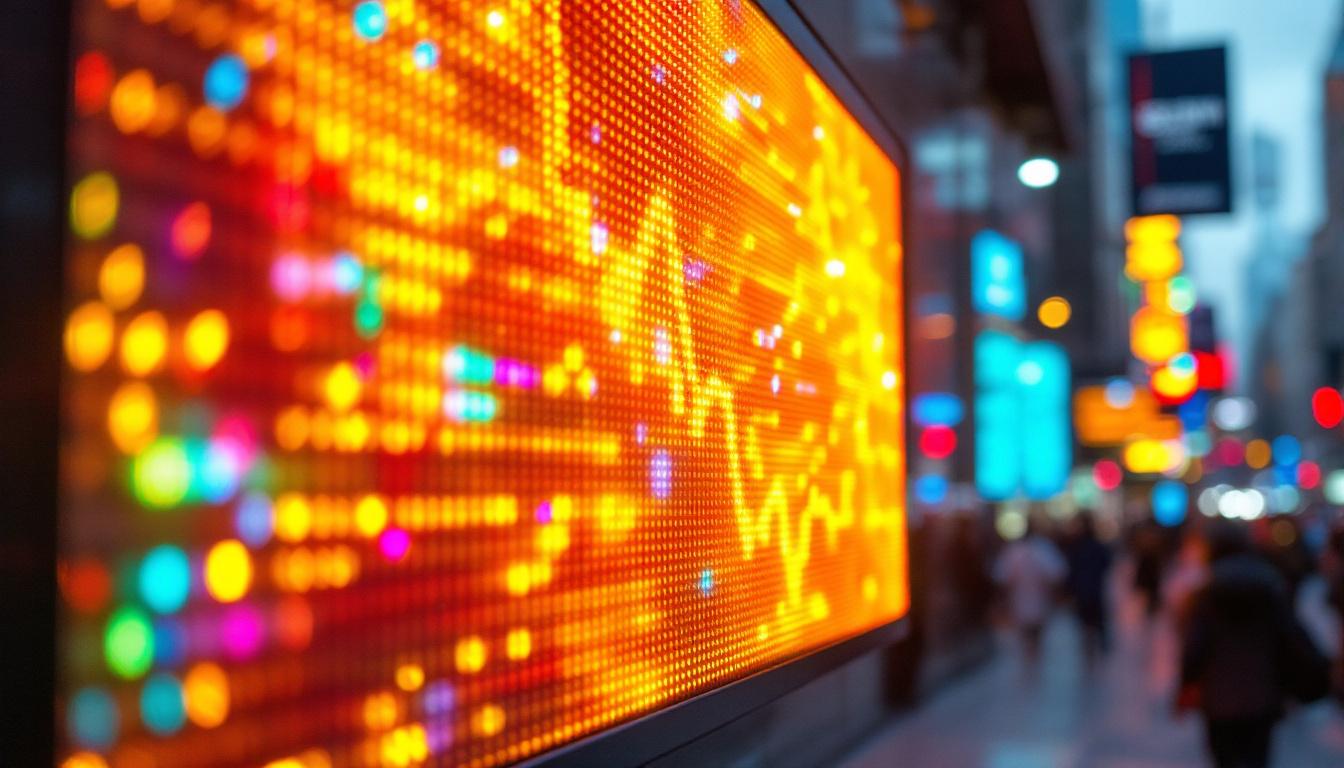
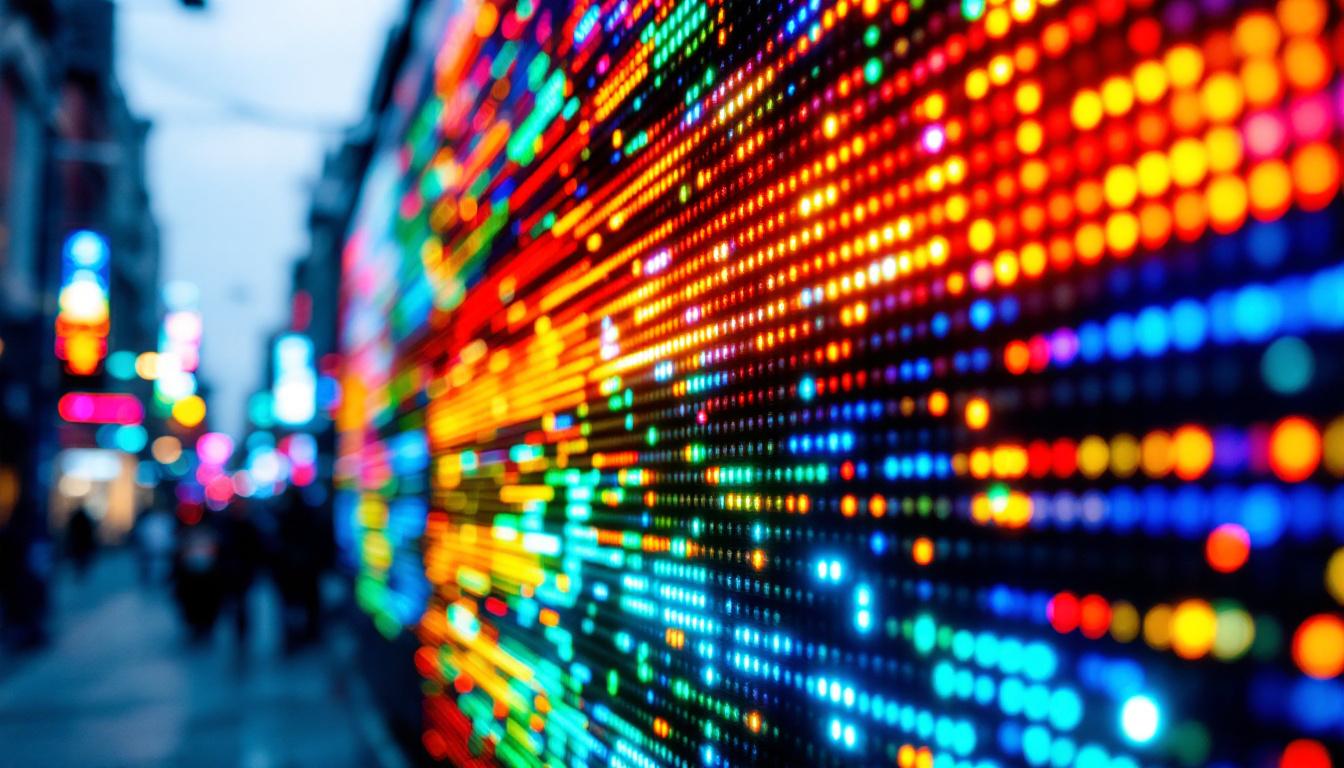
At the core of any LED display are individual pixels composed of red, green, and blue diodes. These diodes combine to create a full spectrum of colors through varying intensities. The density of these pixels, often referred to as pixel pitch, determines the display’s resolution and clarity. A smaller pixel pitch means more pixels per square meter, leading to sharper images, especially at close viewing distances. Additionally, advancements in LED technology have led to the development of high dynamic range (HDR) capabilities, further enhancing the visual experience by providing deeper blacks and brighter whites, resulting in images that are more lifelike and immersive.
Pixel Pro Displays specializes in manufacturing LED panels with pixel pitches ranging from 0.9mm to 10mm, catering to both high-resolution indoor applications and large-scale outdoor installations. This versatility allows clients to select the ideal display based on viewing distance and environmental conditions. Furthermore, the modular design of many LED displays enables easy scalability, allowing businesses to expand their display setups as needed without significant overhauls, making it a cost-effective solution for long-term use.
Types of LED Displays
LED displays come in several formats, each suited for different use cases:
- Indoor LED Displays: Designed for controlled environments, these displays offer high resolution and brightness levels suitable for retail stores, conference rooms, and broadcast studios. Their ability to render fine details makes them ideal for presentations and advertising, where clarity is paramount.
- Outdoor LED Displays: Built to withstand weather elements, these displays feature higher brightness (often exceeding 5,000 nits) and robust enclosures to ensure durability in public spaces, stadiums, and transportation hubs. Their resilience against rain, snow, and extreme temperatures ensures that they remain operational and visible in any conditions.
- Flexible and Transparent LED Displays: Emerging technologies allow for curved, bendable, or even transparent LED screens, opening new creative possibilities for architects and advertisers. These innovative displays can be integrated into various surfaces, such as windows or walls, allowing for unique advertising opportunities that blend seamlessly with their surroundings.
Another exciting development in LED technology is the rise of interactive displays. These screens can respond to touch or gestures, creating engaging experiences for users. This interactivity is particularly valuable in retail environments, where businesses can showcase products in a dynamic way, allowing customers to explore features and options at their fingertips. As technology continues to evolve, the potential applications for LED displays are virtually limitless, paving the way for even more innovative uses in various industries.
Advantages of LED Displays Over Traditional Technologies
LED technology has revolutionized digital displays by addressing many limitations of older technologies like LCD and projection systems. Understanding these advantages helps explain why LED displays are increasingly preferred across industries.
Superior Brightness and Visibility
One of the most significant benefits of LED displays is their exceptional brightness. While LCD screens typically max out around 500-700 nits, LED displays can achieve brightness levels upwards of 1,000 nits indoors and over 5,000 nits outdoors. This makes LED displays clearly visible even in direct sunlight, which is crucial for outdoor advertising and public information systems.
Energy Efficiency and Longevity
LEDs are inherently energy-efficient compared to other light sources. They consume less power while delivering brighter images, which translates into lower operating costs over time. Additionally, LED displays boast longer lifespans—often exceeding 100,000 hours—meaning they can operate for years with minimal maintenance.
Flexibility and Customization
Pixel Pro Displays offers modular LED panels that can be assembled into virtually any size or shape. This scalability is invaluable for clients who require custom installations, from massive stadium screens to intricate architectural features. The ability to create curved or irregular shapes further enhances design flexibility.
Improved Color Accuracy and Contrast
Because LEDs emit light directly, they provide deeper blacks and more vibrant colors compared to LCDs that rely on backlighting. This results in more vivid images and a better viewing experience, especially in dynamic content like video or live broadcasts.
Applications of LED Displays in Modern Industries
LED displays have become integral to a wide range of sectors, driven by their visual impact and adaptability. Below are some of the most prominent applications where Pixel Pro Displays have made a significant impact.
Advertising and Digital Signage
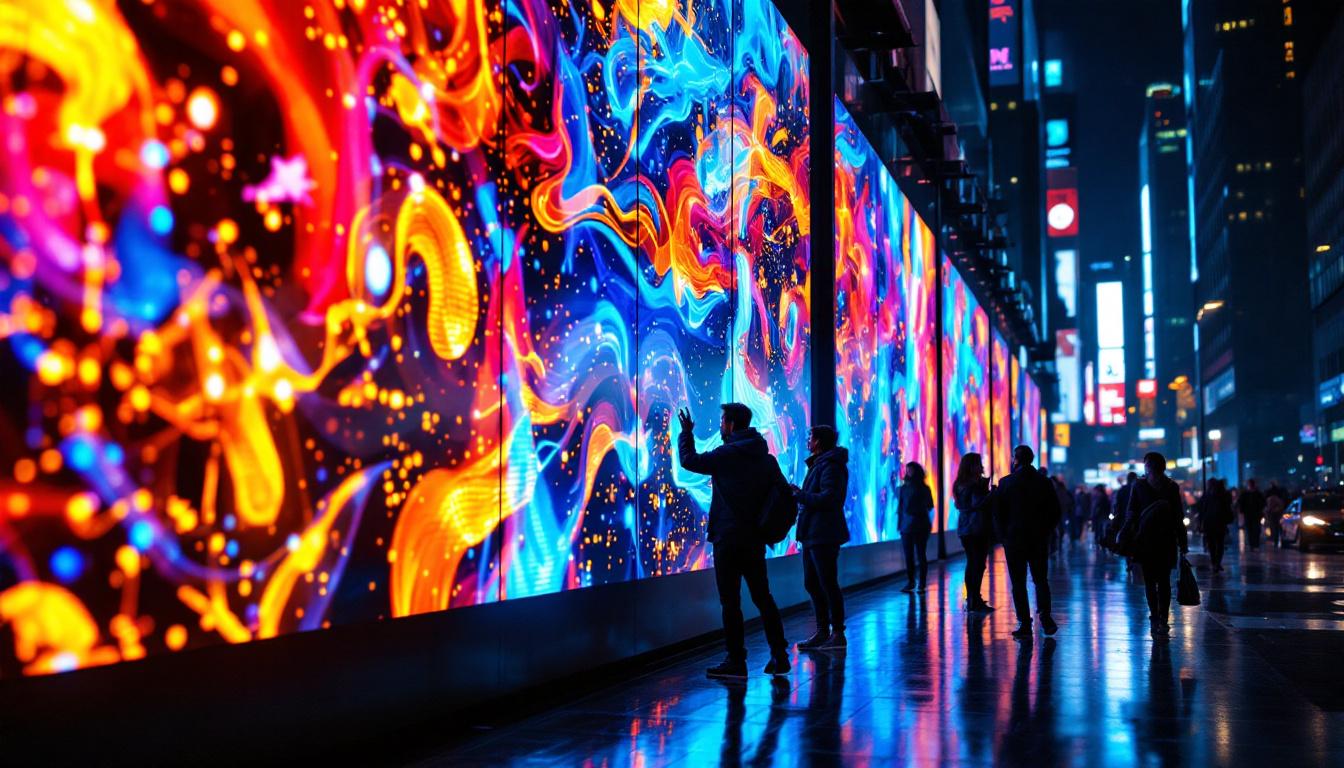
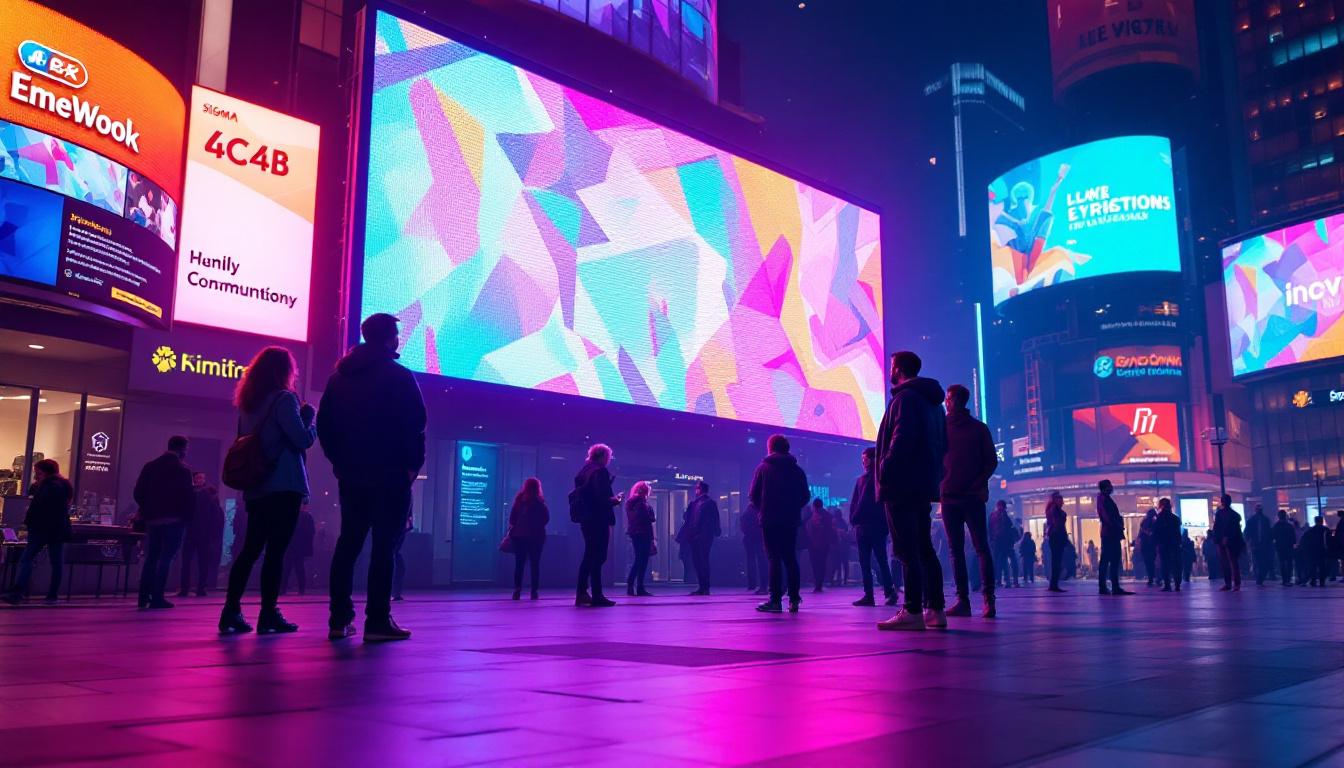
Outdoor LED billboards are now a staple in urban landscapes worldwide. Their bright, dynamic content attracts attention more effectively than static signs. Retailers and brands leverage LED displays to promote products, announce events, and engage customers with interactive content. According to a 2023 report by Grand View Research, the global digital signage market is projected to reach $32.8 billion by 2028, with LED technology accounting for a substantial share.
Sports and Entertainment Venues
Stadiums and arenas utilize large LED screens for scoreboards, instant replays, and immersive fan experiences. The ability to display high-definition video content in real-time enhances spectator engagement. Pixel Pro Displays has supplied LED solutions for numerous high-profile venues, ensuring visibility from every seat.
Corporate and Conference Environments
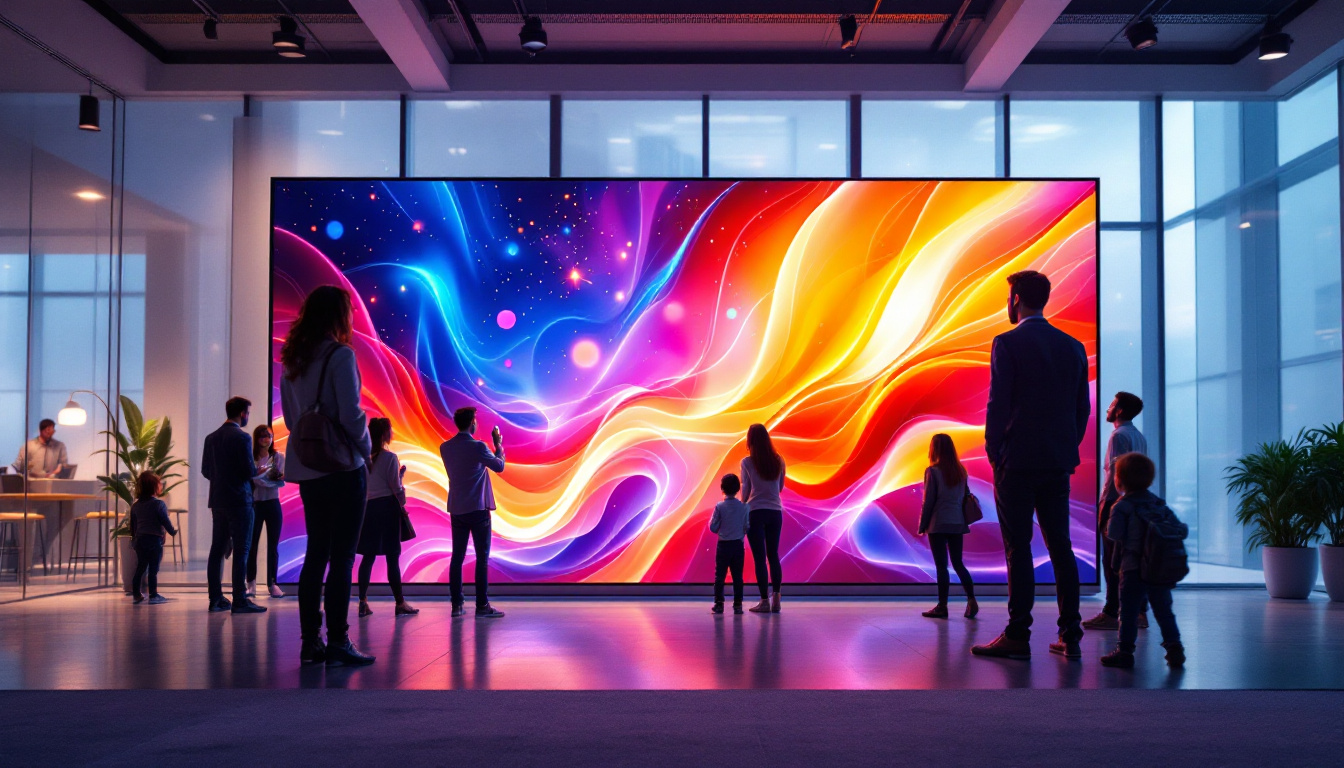
In corporate settings, LED video walls are increasingly used for presentations, video conferencing, and branding. Their seamless image quality and scalability make them ideal for large meeting rooms and auditoriums. The clarity and brightness help maintain audience attention and facilitate effective communication.
Transportation and Public Information Systems
Airports, train stations, and bus terminals rely on LED displays for real-time information, wayfinding, and emergency alerts. The durability and brightness of these displays ensure messages are visible and legible under various lighting conditions and weather.
Creative and Architectural Installations
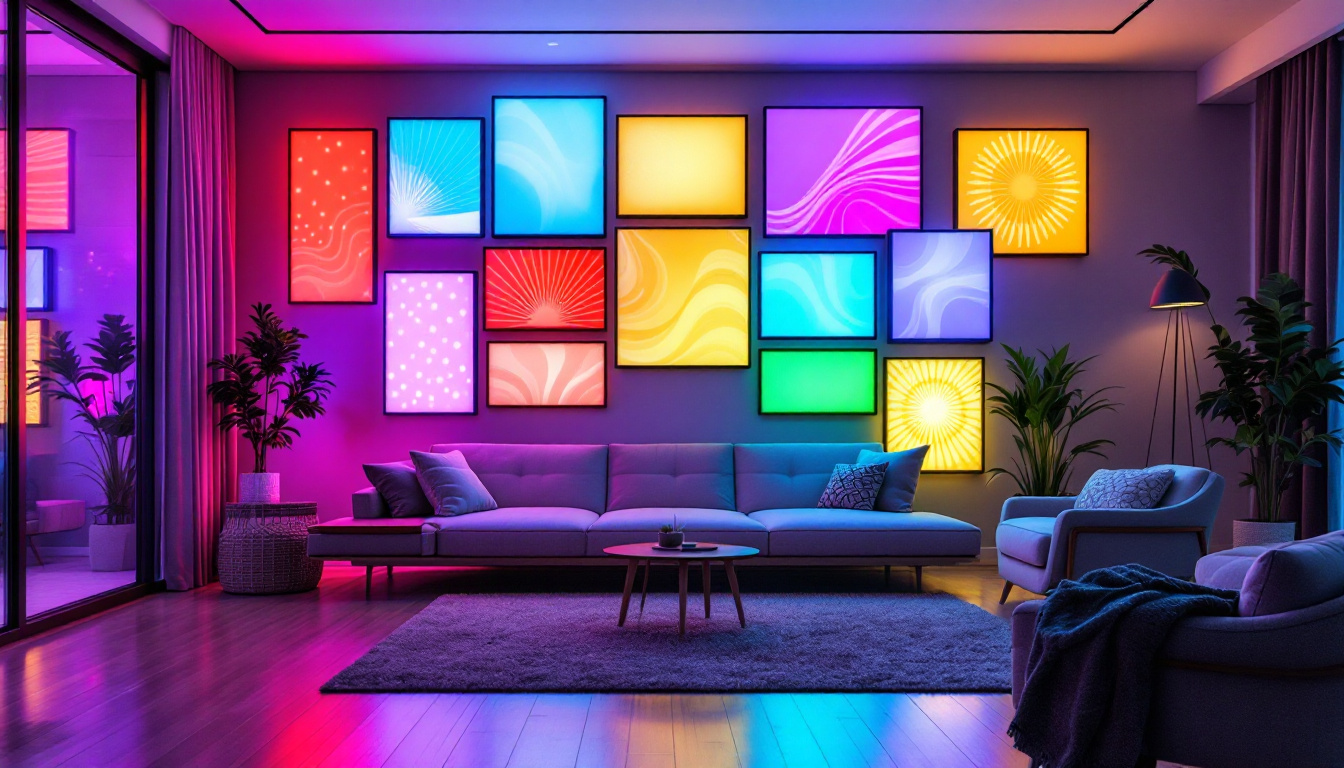
Innovative designers and architects use flexible and transparent LED panels to integrate digital art into building facades and interior spaces. These installations not only serve aesthetic purposes but can also convey information or advertising, blending technology with architecture seamlessly.
Choosing the Right LED Display: Key Considerations
Selecting the optimal LED display solution involves evaluating several factors to ensure the technology meets specific needs and budget constraints.
Pixel Pitch and Resolution
The choice of pixel pitch directly affects image clarity. For indoor environments where viewers are close to the screen, a pixel pitch of 1.5mm or less is recommended to avoid visible pixelation. Outdoor displays, viewed from greater distances, can utilize larger pixel pitches (e.g., 6mm to 10mm) without compromising perceived quality.
Brightness and Environmental Suitability
Understanding the ambient lighting conditions is crucial. Outdoor displays require higher brightness levels and weatherproofing, while indoor screens prioritize resolution and color fidelity. Pixel Pro Displays offers customized solutions tailored to these environmental demands.
Installation and Maintenance
Modular designs simplify installation and future maintenance. Easy access to individual panels reduces downtime and service costs. Additionally, considering the weight and mounting options ensures compatibility with existing infrastructure.
Content Management and Software Integration
Modern LED displays are often paired with sophisticated content management systems (CMS) that allow remote control, scheduling, and dynamic content updates. Compatibility with various media formats and network protocols enhances operational efficiency.
The Future of LED Display Technology
As LED technology continues to advance, new trends and innovations are shaping the future landscape of digital displays.
MicroLED and MiniLED Innovations
MicroLED technology promises even higher resolution and brightness with lower power consumption by using microscopic LEDs. This advancement could revolutionize displays in smartphones, TVs, and large-scale video walls. MiniLED, a related technology, enhances backlighting in LCDs, improving contrast and color accuracy.
Integration with Artificial Intelligence and IoT
Smart LED displays integrated with AI can adapt content based on audience demographics, weather, or time of day, improving engagement and advertising effectiveness. IoT connectivity allows for real-time data-driven content and remote diagnostics, enhancing operational reliability.
Sustainability and Energy Efficiency
Environmental concerns are driving the development of more energy-efficient LED components and recyclable materials. Pixel Pro Displays is committed to sustainable manufacturing practices, reducing carbon footprints while delivering high-performance products.
Why Choose Pixel Pro Displays?
Pixel Pro Displays stands out in the competitive LED market due to its commitment to quality, innovation, and customer-centric solutions. With decades of experience, the company combines cutting-edge technology with expert engineering to deliver tailored LED display systems worldwide.
Clients benefit from comprehensive support, including consultation, design, installation, and after-sales service. Whether for a small indoor retail display or a massive outdoor billboard, Pixel Pro Displays ensures optimal performance and longevity.
In conclusion, LED displays represent a transformative technology in visual communication. Their brightness, flexibility, and durability make them indispensable across industries. Understanding the technology and selecting the right solution is key to maximizing impact. Pixel Pro Displays remains a trusted partner in navigating this dynamic landscape, empowering businesses to captivate audiences with stunning visual experiences.
Discover the Future of Visual Communication with LumenMatrix
Ready to elevate your brand’s presence and captivate your audience with the most advanced LED display technology? Explore LumenMatrix’s comprehensive range of solutions, from vibrant Indoor and Outdoor LED Wall Displays to innovative Custom and All-in-One LED Display options. Embrace the power of cutting-edge digital signage and create immersive visual experiences that resonate with your audience. Check out LumenMatrix LED Display Solutions today and join the revolution in visual communication.