Outdoor entertainment has evolved dramatically over the past decade, with technology enabling immersive viewing experiences beyond the confines of indoor spaces. Among the most popular setups for backyard movie nights, community events, and live sports screenings are outdoor projector and screen packages. However, in recent years, LED displays have emerged as a compelling alternative or complement to traditional projection systems.
This article explores the differences, advantages, and practical considerations of outdoor projector and screen packages versus LED displays. By understanding how LED technology works and its benefits, event organizers, homeowners, and businesses can make informed decisions to elevate their outdoor viewing experiences.
Understanding Outdoor Projector and Screen Packages
What Is an Outdoor Projector and Screen Package?
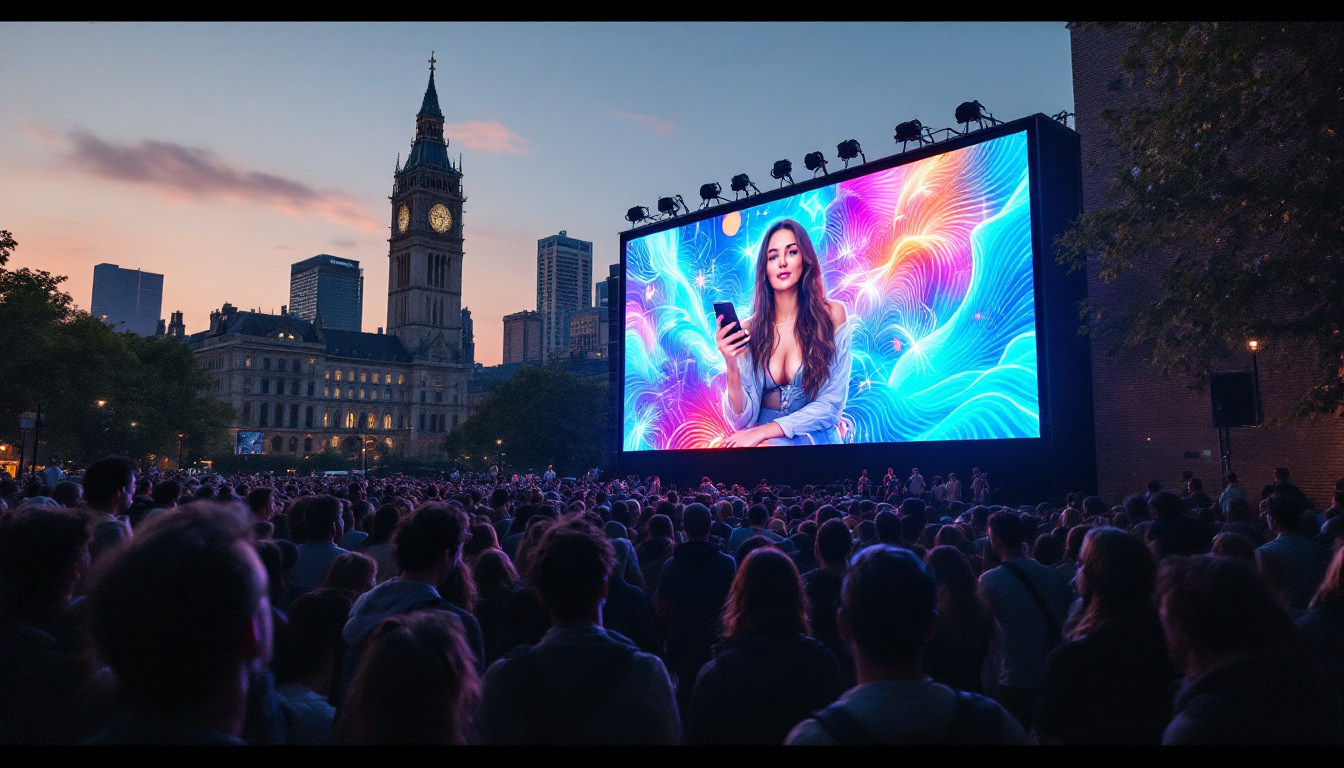
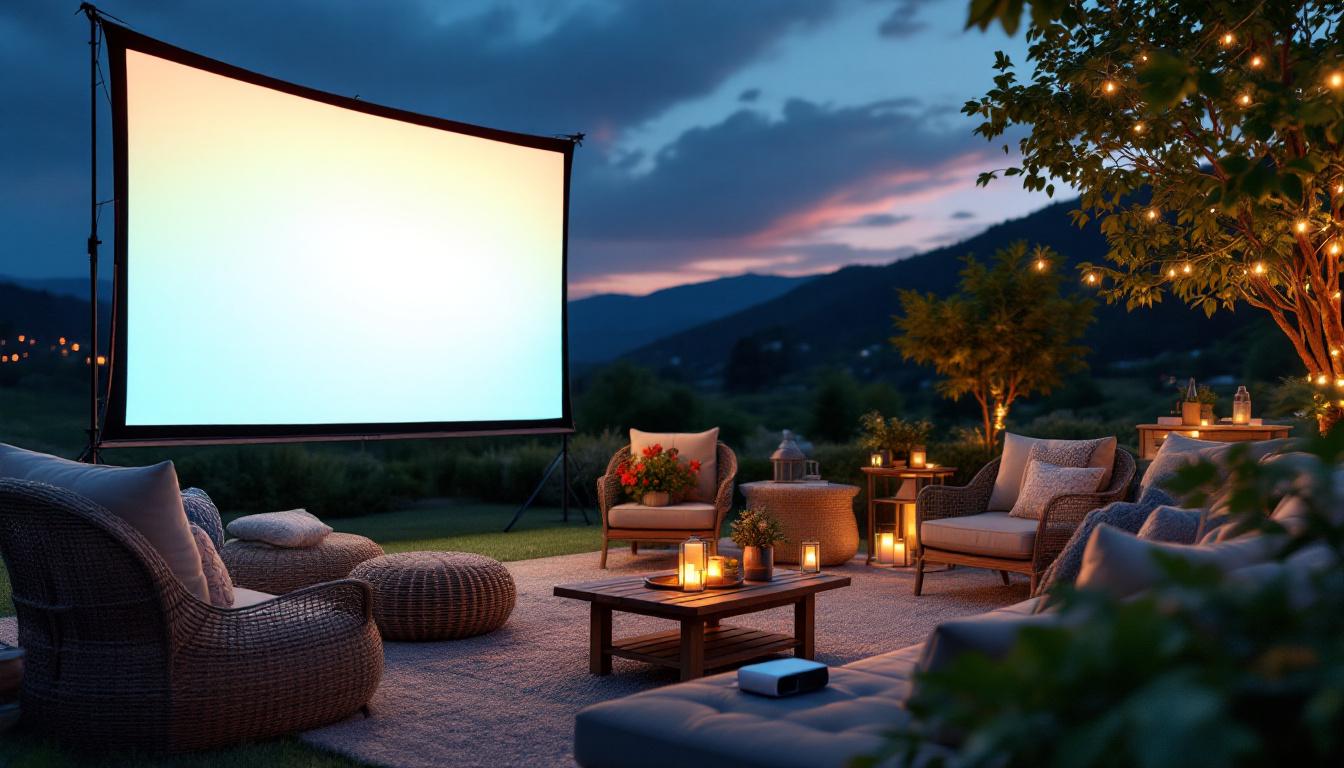
An outdoor projector and screen package typically consists of a projector, a large screen designed for outdoor use, and often additional accessories such as speakers, mounting hardware, and protective cases. These packages are designed to deliver a cinematic experience under the open sky, whether for casual family movie nights or larger public gatherings. They are increasingly popular for events like backyard barbecues, birthday parties, and even community movie nights in parks, bringing people together in a unique and engaging way.
The projector casts images onto the screen, which is usually made from durable, weather-resistant materials to withstand outdoor conditions. Modern projectors are increasingly portable, featuring high lumens (brightness) and connectivity options like HDMI and wireless streaming. Some models even come equipped with built-in Wi-Fi, allowing users to stream content directly from their devices without the need for additional cables. This convenience enhances the outdoor viewing experience, making it easier to set up and enjoy movies or presentations anywhere.
Key Features and Performance Factors
When selecting an outdoor projector and screen package, several factors influence the overall viewing quality:
- Brightness (Lumens): Outdoor environments often have ambient light, so projectors with at least 2,500 to 3,000 lumens are recommended for clear images, especially during dusk or early evening.
- Screen Size and Material: Screens range from 80 inches to over 200 inches diagonally. Materials with high gain can enhance brightness and contrast but may affect viewing angles. Some screens are even designed to be inflatable or retractable, making them easy to transport and set up for any occasion.
- Resolution: Full HD (1080p) is standard for sharp images, while 4K projectors are becoming more accessible for premium setups. Higher resolutions provide a more immersive experience, especially for visually stunning films or sports events.
- Portability and Setup: Ease of assembly and transport is crucial for temporary or mobile installations. Many packages come with lightweight tripods or frames that can be quickly assembled, allowing users to set up their outdoor cinema in just a few minutes.
Advantages of Outdoor Projector Setups
One of the main appeals of projector packages is their ability to produce very large images at a relatively low cost compared to LED walls. They are also highly flexible in terms of screen size and placement. Additionally, projectors can be used indoors or outdoors, making them versatile investments. This adaptability allows users to transition seamlessly from outdoor movie nights to indoor presentations, maximizing their utility throughout the year.
Moreover, traditional projectors benefit from decades of refinement, offering excellent color accuracy and contrast ratios, especially in darker environments. For many, the classic “cinema” feel of a projected image remains unmatched. The ability to customize the viewing experience, such as adjusting the screen size or the distance from the projector, adds to the allure of outdoor setups. Furthermore, many outdoor projectors now include features like keystone correction and lens shift, which help to create a perfectly aligned image even in less-than-ideal locations. This level of flexibility ensures that users can enjoy their favorite films and shows in a variety of settings, making every viewing experience special and memorable.
The Rise of LED Displays for Outdoor Use
What Are LED Displays?
LED (Light Emitting Diode) displays are digital screens made up of thousands of tiny LEDs that emit light directly. Unlike projectors, which rely on reflected light from a screen, LED displays produce their own light, resulting in vibrant, bright images visible even in direct sunlight.
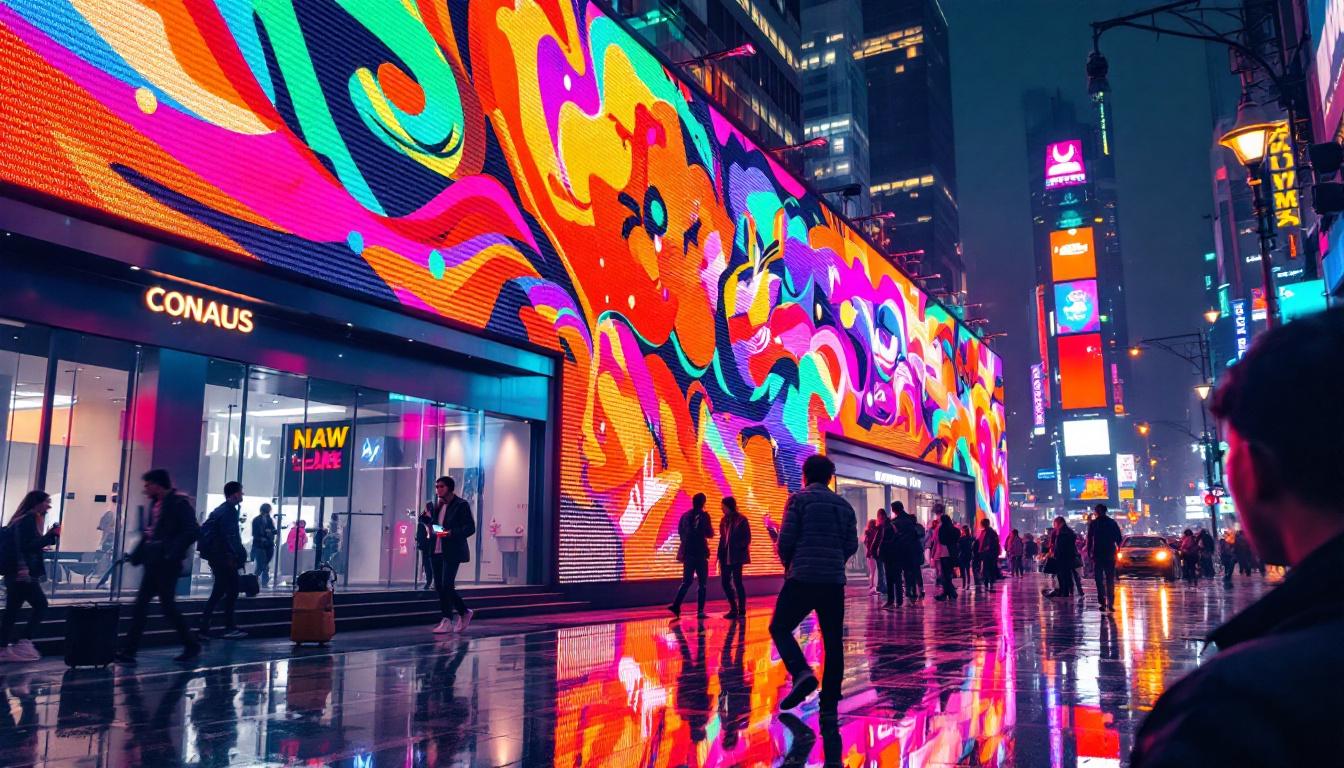
Outdoor LED displays are designed to be weatherproof and durable, often featuring high brightness levels exceeding 5,000 nits (a unit measuring luminance), making them ideal for daytime use. These displays can be modular, allowing for custom sizes and shapes, and are increasingly used in sports arenas, concerts, and outdoor advertising.
Technical Advantages of LED Displays
LED technology offers several key benefits over traditional projection systems, especially in outdoor settings:
- Brightness and Visibility: LED displays can maintain clear, vivid images in bright daylight, where projectors typically struggle.
- Durability: Designed to withstand rain, wind, and temperature fluctuations, LED screens are robust and require less maintenance.
- Color Accuracy and Contrast: LEDs provide excellent color reproduction and infinite contrast ratios due to their ability to turn individual pixels completely off.
- Seamless Image Quality: Modular LED panels can be assembled to create large, seamless screens without the need for a separate projection surface.
- Low Latency and High Refresh Rates: Beneficial for live broadcasts and interactive content, LED displays deliver smooth motion and minimal delay.
Applications of Outdoor LED Displays
The versatility of LED displays has led to their adoption in a wide range of outdoor applications:
- Sports Events: Stadiums and arenas use massive LED screens to display live action, replays, and advertisements.
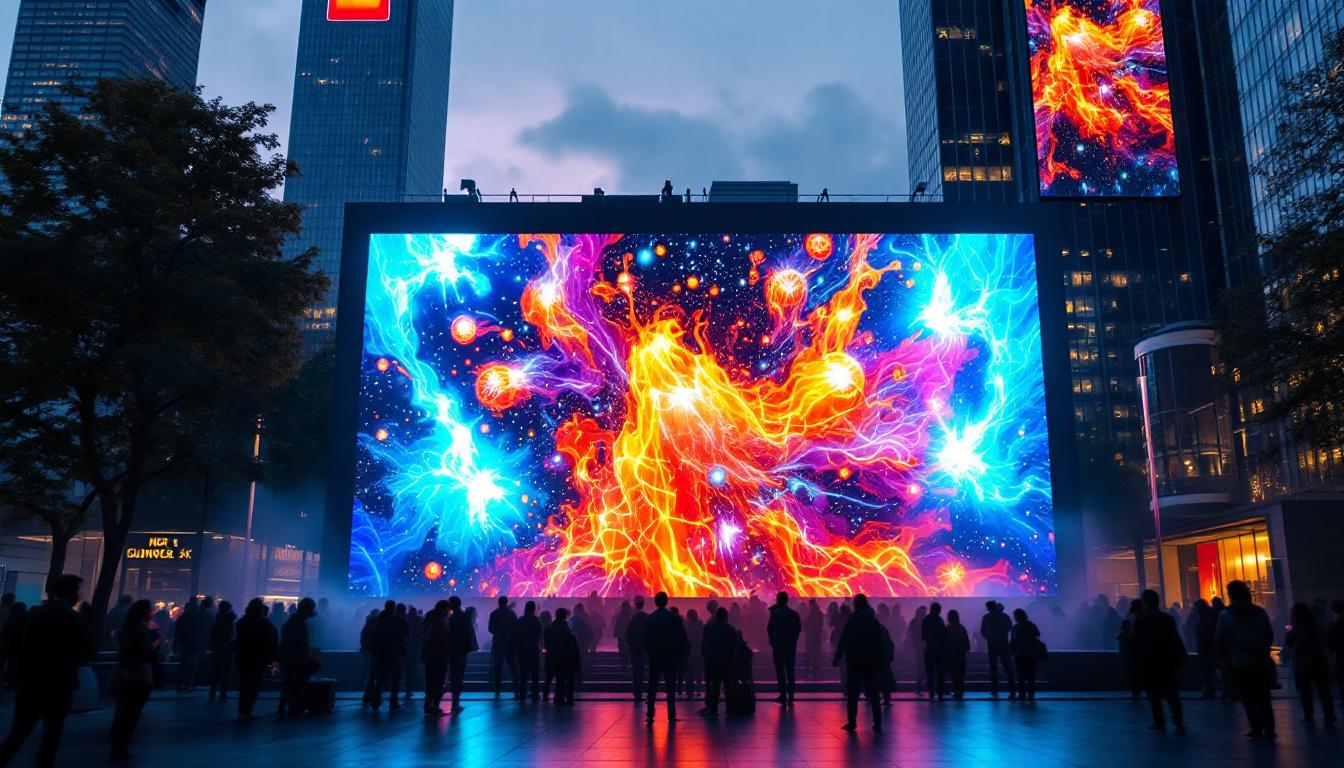
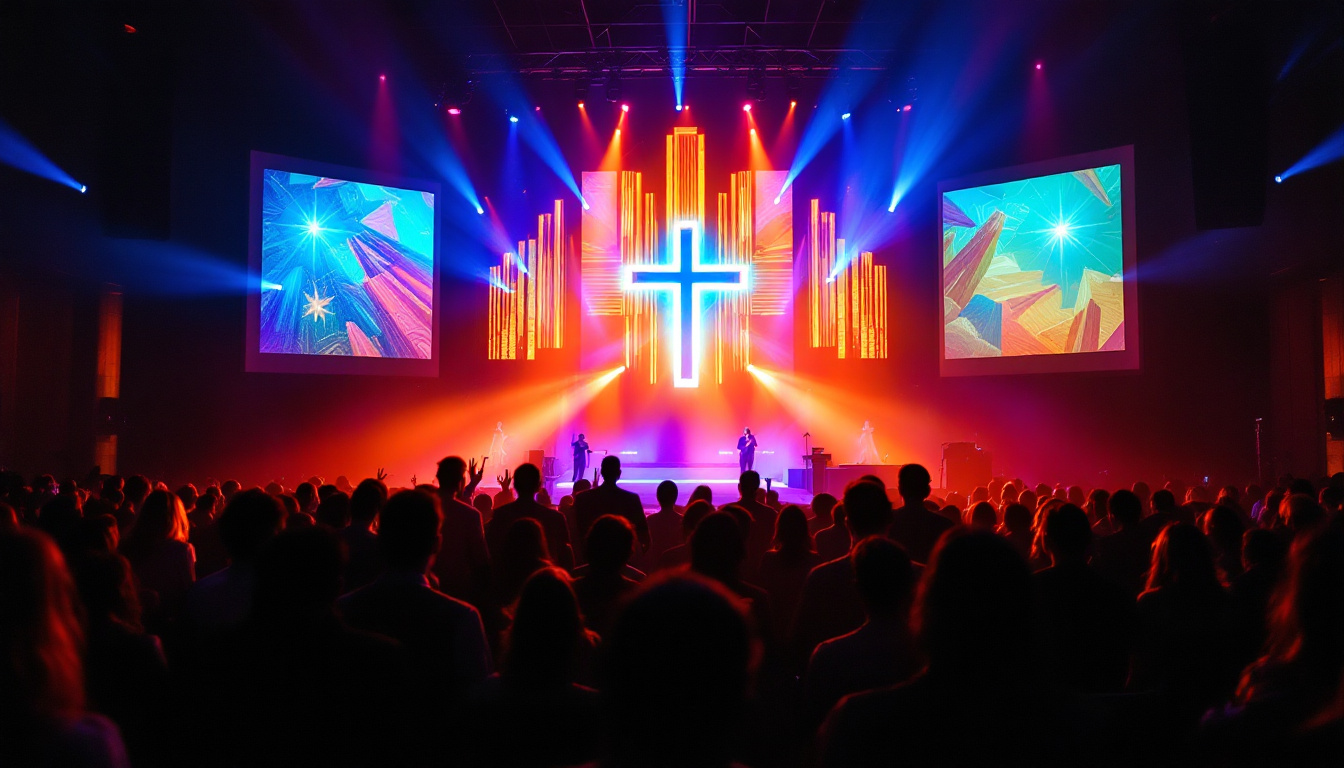
- Concerts and Festivals: Large LED walls provide clear visuals to audiences spread over vast areas.
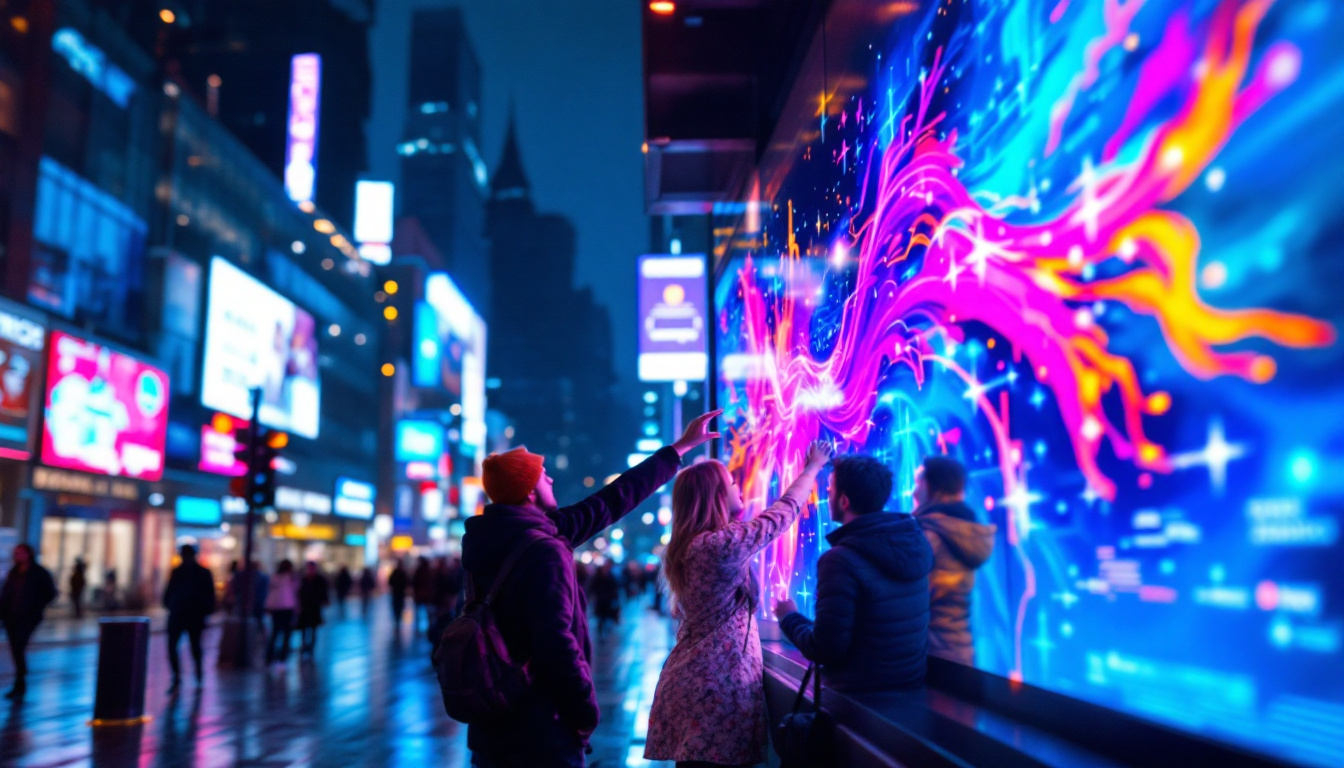
- Public Information Displays: Cities use LED screens for announcements, weather updates, and emergency alerts.
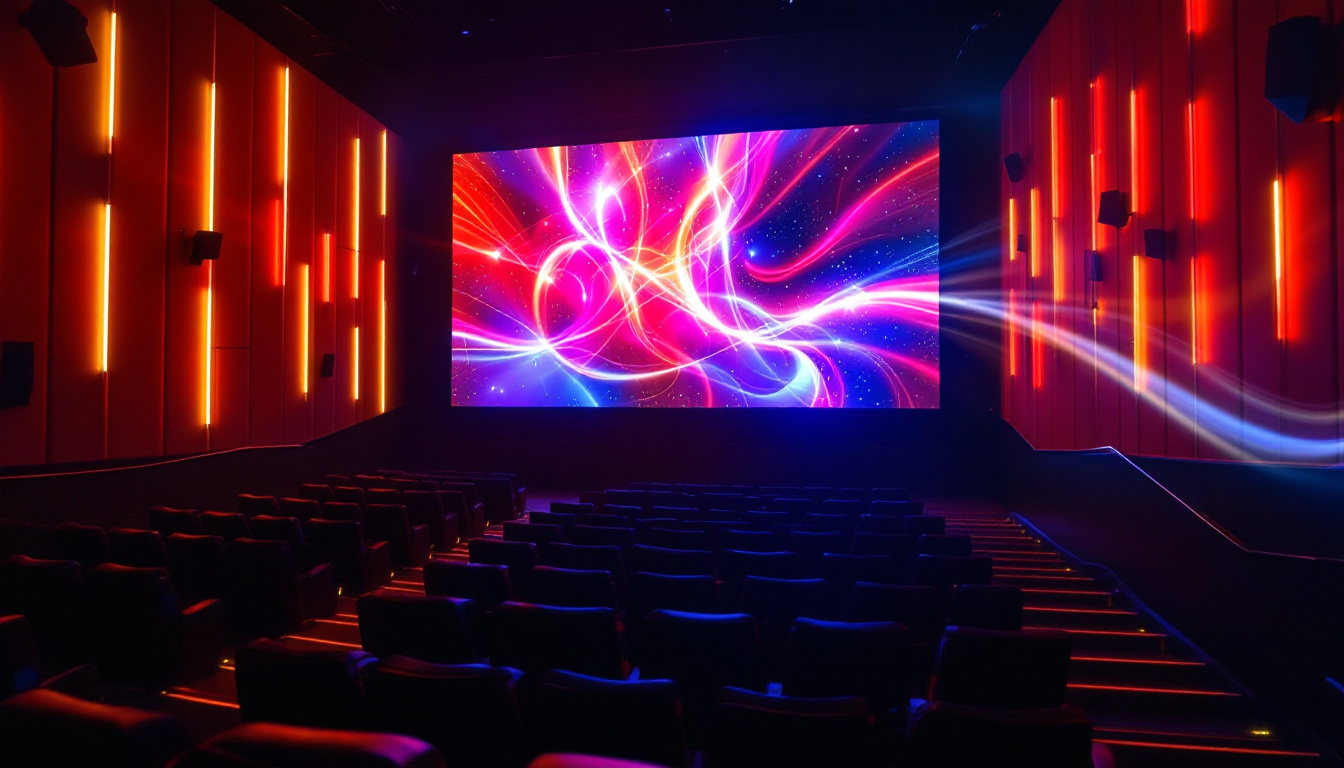
- Outdoor Cinemas: Increasingly, LED screens are being used for outdoor movie screenings, especially in locations where ambient light is a challenge.
Comparing Outdoor Projector Packages and LED Displays
Cost Considerations
Cost is often a decisive factor when choosing between an outdoor projector package and an LED display. Generally, projector setups are more affordable upfront, with entry-level packages available under $1,000, including screen and projector. High-end projectors with 4K resolution and large screens can cost several thousand dollars.
In contrast, LED displays involve a higher initial investment. A quality outdoor LED screen with sufficient size and brightness can range from $10,000 to over $100,000 depending on resolution and dimensions. However, the long lifespan and low maintenance costs of LED displays can offset the upfront expense over time.
Image Quality and Viewing Experience
LED displays offer superior brightness and color vibrancy, making them ideal for daytime viewing or locations with significant ambient light. Their ability to maintain image quality regardless of lighting conditions is a major advantage.
Projector setups excel in dark or low-light environments, delivering cinematic image quality with deep blacks and smooth gradients. However, their performance can degrade significantly under bright conditions, and screen glare or shadows can affect viewing.
Portability and Setup Time
Outdoor projector packages are generally more portable and easier to set up for temporary events. Screens can be inflatable or foldable, and projectors are lightweight and compact.
LED displays, especially large ones, require more complex assembly and transportation logistics. While modular designs facilitate scalability, setting up an LED wall can take hours and often requires technical expertise.
Maintenance and Longevity
Projectors require periodic maintenance such as lamp replacements and cleaning. Their lifespan varies, with lamp-based projectors typically lasting 2,000 to 5,000 hours, while laser projectors can last up to 20,000 hours.
LED displays are built to endure harsh outdoor conditions with minimal maintenance. Their lifespan can exceed 100,000 hours, making them a durable choice for permanent or semi-permanent installations.
Choosing the Right Solution for Your Outdoor Event
Assessing Your Environment and Needs
Before investing in an outdoor display solution, consider the following:
- Ambient Lighting: Is your event during the day or night? Bright environments favor LED displays.
- Audience Size and Viewing Distance: Larger audiences and longer viewing distances may require bigger screens or higher brightness.
- Budget Constraints: Balance initial costs with long-term value and maintenance expenses.
- Portability Requirements: Will the setup be permanent or temporary? Frequent relocation favors projectors.
- Content Type: Live video, movies, or interactive content may influence technology choice.
Hybrid Approaches and Emerging Trends
Some event organizers combine both technologies to maximize benefits. For instance, an LED display might serve as a primary screen for daylight hours, while a projector setup is used for nighttime screenings.
Emerging trends include the integration of smart controls, wireless connectivity, and AI-driven content optimization. Additionally, advances in microLED technology promise even brighter, more energy-efficient displays in the near future.
Conclusion
Outdoor projector and screen packages and LED displays each offer unique advantages tailored to different scenarios. Projectors provide a cost-effective, flexible solution for nighttime events and smaller budgets, while LED displays deliver unmatched brightness and durability for daytime use and large-scale applications.
Understanding the technical differences, environmental factors, and budget considerations is essential for selecting the optimal outdoor viewing solution. As technology continues to advance, the lines between these options may blur, offering even more immersive and accessible outdoor entertainment experiences.
Whether hosting a backyard movie night or organizing a large public event, investing in the right outdoor display technology can transform the way audiences connect and enjoy visual content under the open sky.
Discover the Future of Outdoor Visuals with LumenMatrix
Ready to elevate your outdoor entertainment and events with cutting-edge LED display technology? LumenMatrix is at the forefront of creating immersive visual experiences that captivate and engage. From dynamic outdoor LED walls that withstand the elements to versatile vehicle and sports displays, our innovative solutions are designed to make your content shine in any setting. Explore our full range of LED display modules, including custom and transparent options, and see how we’re redefining visual communication. Check out LumenMatrix LED Display Solutions today and transform your space into a vibrant canvas for storytelling and connection.