Understanding unit conversions is essential in many fields, from engineering and construction to everyday applications. One common conversion is from feet to meters, especially when dealing with measurements for products like LED displays. This article delves into the conversion of 6.6 feet to meters and explains how this measurement relates to LED display sizes, offering insights into why precise conversions matter in this context.
Why Convert Feet to Meters?
The foot and the meter are both units of length, but they belong to different measurement systems. The foot is part of the Imperial system, primarily used in the United States, while the meter is the base unit of length in the International System of Units (SI), used globally.
Converting feet to meters is crucial for international communication and technical specifications, especially in industries like manufacturing, architecture, and electronics. For LED displays, which are often sourced or specified internationally, understanding the size in meters ensures compatibility and accurate planning. This is particularly important in global markets where products are designed to meet various international standards, making accurate conversions essential for compliance and functionality.
Moreover, in fields such as aviation and maritime navigation, precise measurements can mean the difference between safety and disaster. For example, runway lengths and aircraft dimensions are often specified in feet in the U.S., but international regulations may require these measurements in meters. Thus, professionals in these industries must be adept at converting between these units to ensure that they are adhering to the appropriate guidelines and maintaining safety protocols.
The Exact Conversion Factor
One foot is defined as exactly 0.3048 meters. This precise value allows for accurate conversions and is recognized worldwide. Using this factor, converting 6.6 feet to meters involves a simple multiplication:
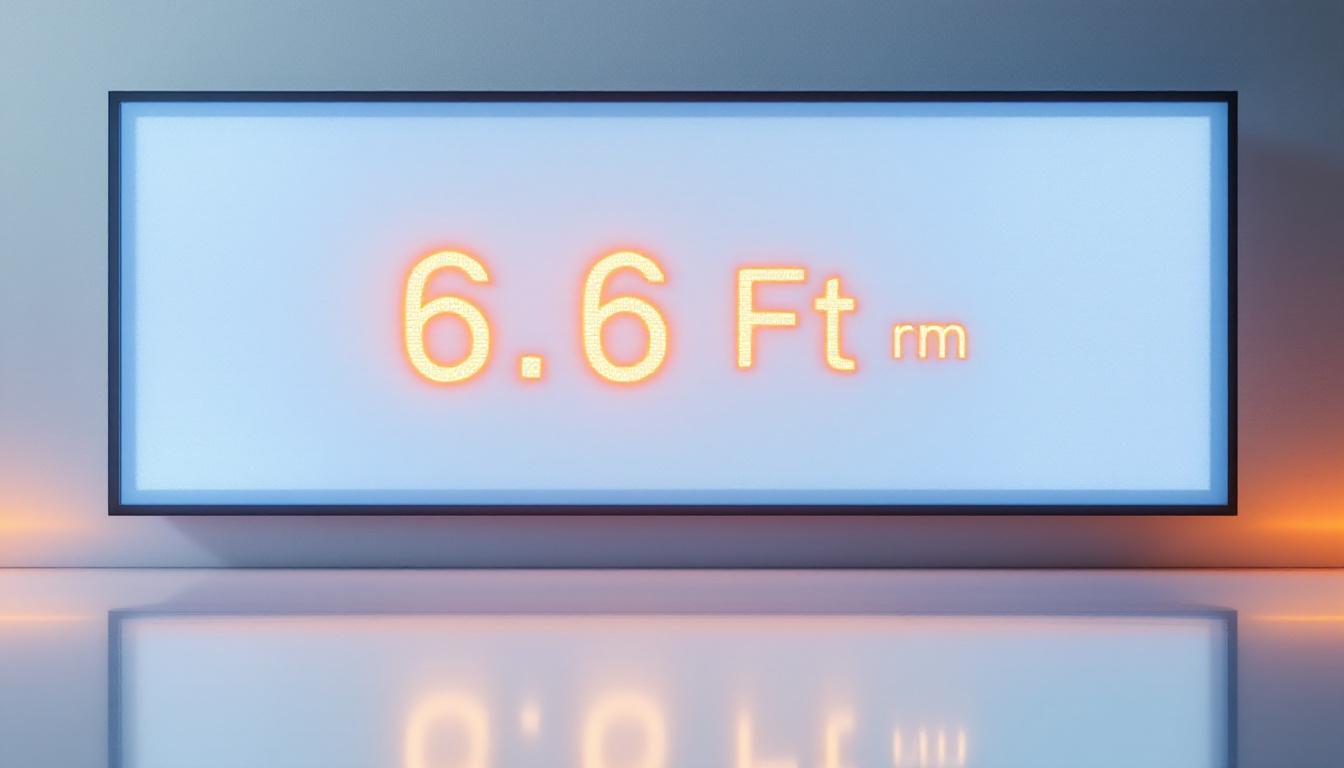
6.6 ft × 0.3048 m/ft = 2.01168 meters
Rounded to two decimal places, 6.6 feet equals approximately 2.01 meters. This straightforward calculation exemplifies how easy it can be to switch between measurement systems, yet it also highlights the importance of understanding the context in which these conversions take place. For instance, in construction projects, knowing the precise dimensions in both feet and meters can help avoid costly mistakes and ensure that materials fit as intended.
Furthermore, educational institutions often emphasize the importance of mastering both measurement systems, especially in science and engineering courses. Students are taught not only how to convert between feet and meters but also the historical significance of these units. The foot has roots in ancient civilizations, while the meter was established during the French Revolution as part of a push for a more standardized system of measurement. This historical context enriches the learning experience and underscores the evolution of measurement practices over time.
Understanding LED Display Sizes
LED displays come in various sizes and configurations, often measured diagonally in feet or meters. The size impacts visibility, resolution, and installation requirements. Knowing how to convert these measurements accurately is essential for buyers, installers, and designers.
Common LED Display Dimensions
LED displays are typically specified by their diagonal length or by their width and height. For example, a 6.6-foot diagonal LED screen is roughly 2 meters across, which is a common size for indoor digital signage, conference rooms, or retail environments.
Manufacturers may list dimensions in feet or meters depending on their market. For instance, a display advertised as 6.6 ft diagonal in the U.S. market might be listed as 2 meters diagonal in Europe or Asia. Understanding the conversion ensures that the product fits the intended space and meets the viewing distance requirements. Additionally, the aspect ratio of the display can also play a significant role in determining its suitability for various applications. Common aspect ratios include 16:9 for standard video content and 4:3 for traditional presentations, which can influence how content is displayed and perceived by viewers.
Pixel Pitch and Resolution Considerations
The physical size of an LED display is only part of the story. Pixel pitch—the distance between the centers of two adjacent pixels—affects image clarity. A 2-meter wide display with a smaller pixel pitch offers higher resolution and better image quality than one with a larger pitch.
When planning an LED installation, converting dimensions accurately helps determine the optimal pixel pitch and resolution needed for the viewing environment. For example, a 6.6-foot (2-meter) display intended for close viewing might require a pixel pitch of 1.5mm or less, while a larger pixel pitch might suffice for displays viewed from further away. Furthermore, the viewing angle is another critical factor; displays with a wider viewing angle can be more versatile in various settings, ensuring that the content remains visible and vibrant from different positions in the room. This is particularly important in crowded venues or public spaces where viewers may not be directly in front of the screen.
Applications of a 6.6 Ft (2 Meters) LED Display
A 6.6-foot LED display, or approximately 2 meters, is versatile and popular across various sectors. Its size balances visibility with space efficiency, making it suitable for many applications.
Retail and Advertising
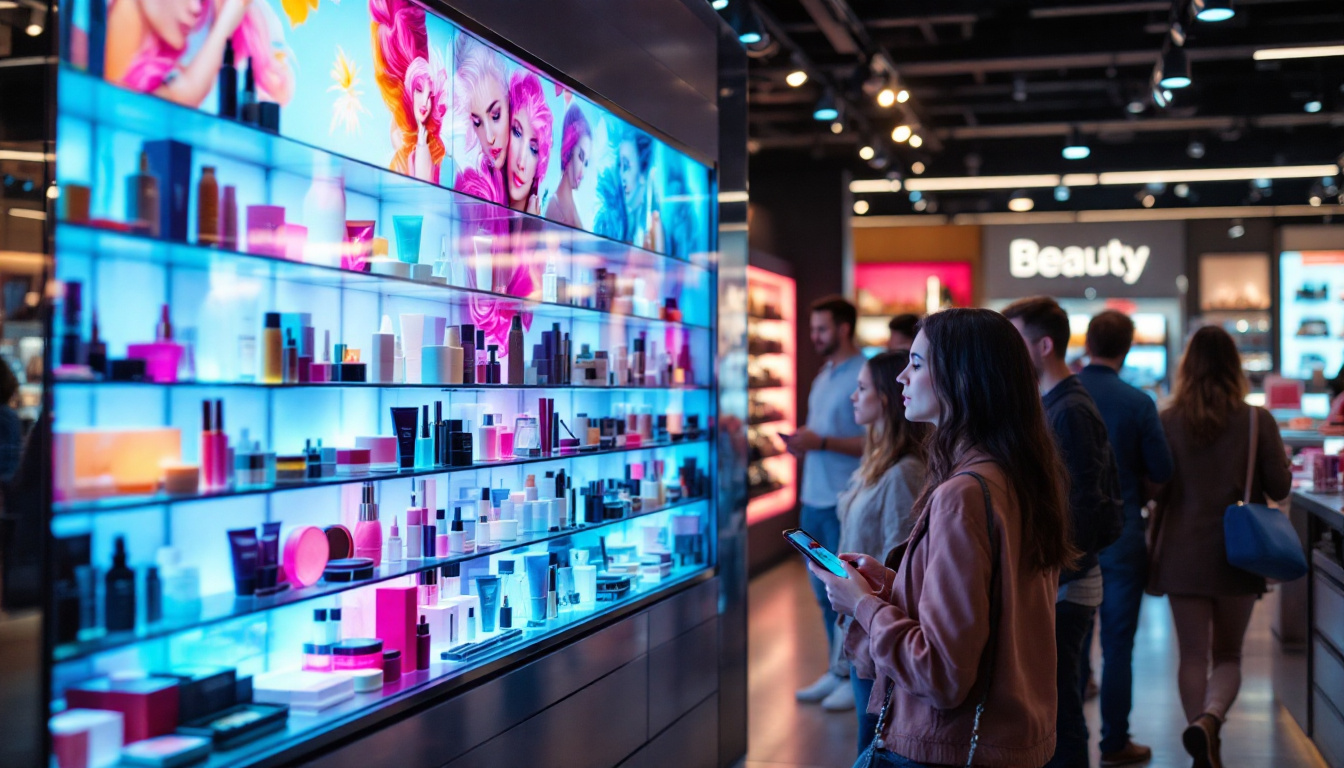
In retail environments, a 2-meter LED display offers eye-catching digital signage that can attract customers and convey dynamic content. Its size is large enough to be visible from a distance but compact enough to fit into store layouts without overwhelming the space.
Advertisers often use such displays to showcase promotions, videos, and interactive content. Accurate size conversion ensures that the display integrates seamlessly with existing fixtures and complies with spatial constraints. Additionally, the ability to update content in real-time allows retailers to respond quickly to market trends, seasonal changes, or flash sales, enhancing customer engagement and driving sales. The vibrant colors and high-resolution images produced by LED technology can significantly enhance the shopping experience, making products more appealing and easier to visualize.
Corporate and Conference Settings
Corporate offices and conference rooms frequently utilize LED displays for presentations, video conferencing, and digital whiteboards. A 6.6-foot screen provides sufficient display area for clear visuals while maintaining a professional appearance.
Understanding the metric equivalent is important for global companies coordinating installations across different regions, ensuring consistent specifications and user experience. Furthermore, these displays can facilitate collaborative work environments, allowing multiple users to share their screens or presentations simultaneously, which can significantly improve productivity during meetings. The integration of smart technology enables features such as touch interactivity and remote access, making it easier for teams to collaborate regardless of their physical location.
Entertainment and Events
Event organizers and entertainment venues often deploy LED displays of this size for stage backdrops, information boards, or interactive installations. The 2-meter dimension offers a balance between portability and impact.
Precise measurement conversions help in logistics planning, transport, and setup, especially when coordinating international teams and equipment. Additionally, these displays can be used to enhance audience engagement through live polling, social media feeds, or real-time updates during events. The flexibility of LED technology allows for creative configurations, such as curved or modular setups, which can transform any venue into a visually stunning experience. The ability to customize content for different audiences also ensures that events remain relevant and captivating, ultimately leading to a more memorable experience for attendees.
Technical Considerations for LED Display Installation
Beyond size, several technical factors must be considered when installing a 6.6-foot (2-meter) LED display. These factors influence performance, safety, and user satisfaction.
Mounting and Structural Support
The weight and dimensions of an LED display determine the type of mounting hardware and structural support required. Knowing the exact size in meters allows engineers and installers to calculate load-bearing requirements accurately.
For example, a 2-meter wide LED panel may require wall mounts designed for metric specifications, ensuring stability and compliance with local building codes.
Power and Connectivity
LED displays require power supplies and data connections that must be planned according to the installation environment. The size of the display often correlates with its power consumption and the number of input/output ports.
Understanding the size in meters helps in planning cable lengths and power distribution, avoiding issues like voltage drops or signal loss.
Environmental and Safety Standards
Many countries have regulations governing electronic installations, including LED displays. These standards often reference metric measurements for clearance, ventilation, and accessibility.
Converting 6.6 feet to 2 meters ensures compliance with these regulations, helping prevent costly modifications or penalties after installation.
How to Convert Feet to Meters Accurately
While the conversion factor is straightforward, accuracy is crucial in professional contexts. Here are some tips to ensure precise conversions:
Use Reliable Conversion Tools
Online calculators and conversion apps can quickly convert feet to meters, but it’s important to use reputable sources. Many engineering and construction software tools include built-in unit converters that minimize errors.
Double-Check Calculations
Manual calculations should be verified, especially when measurements impact safety or cost. Multiplying the feet value by 0.3048 yields the meter equivalent.
Consider Rounding Appropriately
Depending on the application, rounding to two or three decimal places is usually sufficient. For example, 6.6 feet equals 2.01168 meters, which can be rounded to 2.01 meters for most uses.
Conclusion
Converting 6.6 feet to meters results in approximately 2.01 meters, a measurement commonly used in specifying LED display sizes. Understanding this conversion is vital for professionals working with LED technology, ensuring accurate planning, installation, and compliance with international standards.
Whether for retail signage, corporate presentations, or entertainment events, knowing the precise dimensions helps in selecting the right LED display, optimizing image quality, and meeting technical requirements. Accurate unit conversion bridges the gap between different measurement systems, facilitating smoother communication and better outcomes in LED display projects.
Discover LumenMatrix LED Display Innovations
Ready to elevate your space with unparalleled visual impact? Look no further than LumenMatrix, where our commitment to innovation meets your desire for exceptional LED display technology. From vibrant Indoor and Outdoor LED Wall Displays to dynamic Vehicle and Sports LED Displays, our extensive range caters to every need. Experience the future of visual communication with our Custom, All-in-One, and Transparent LED solutions, designed to captivate and engage your audience like never before. Don’t miss out on the opportunity to transform your message into a visual spectacle. Check out LumenMatrix LED Display Solutions today and see your vision come to life.