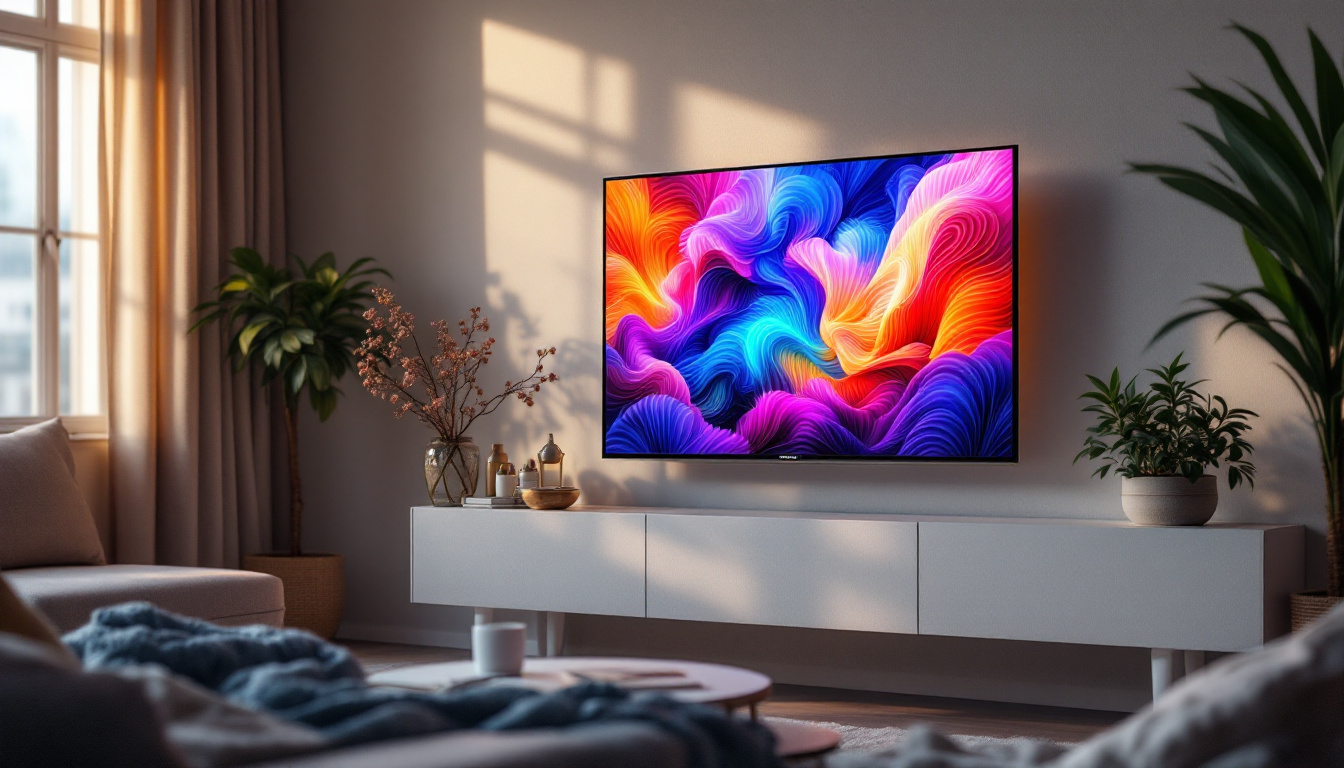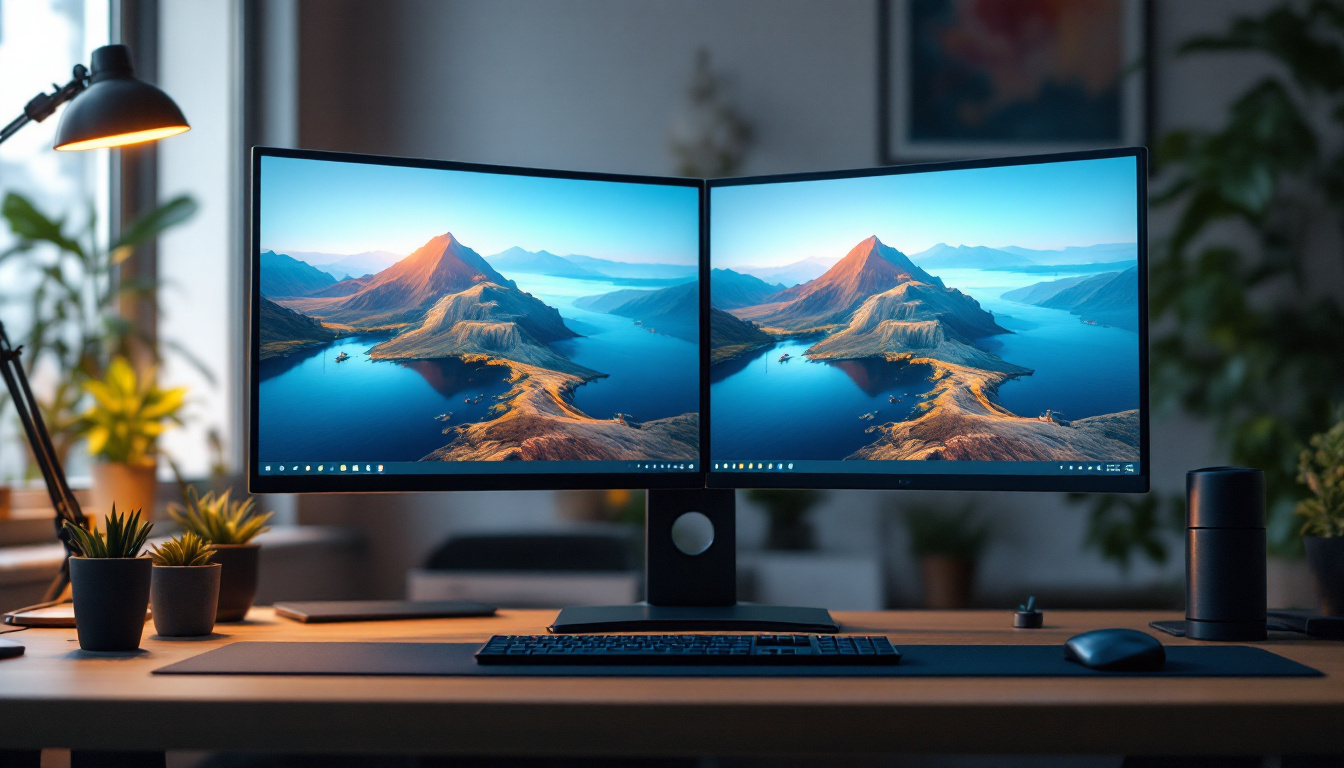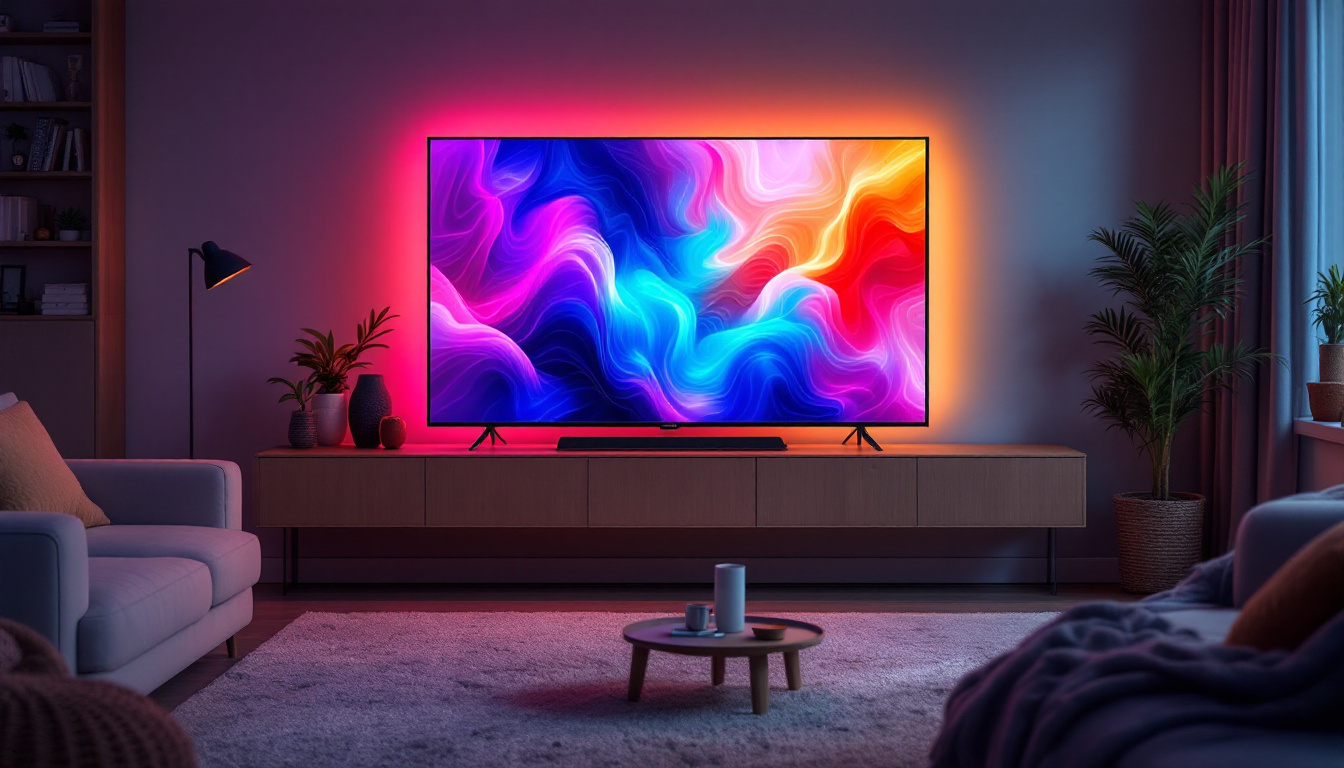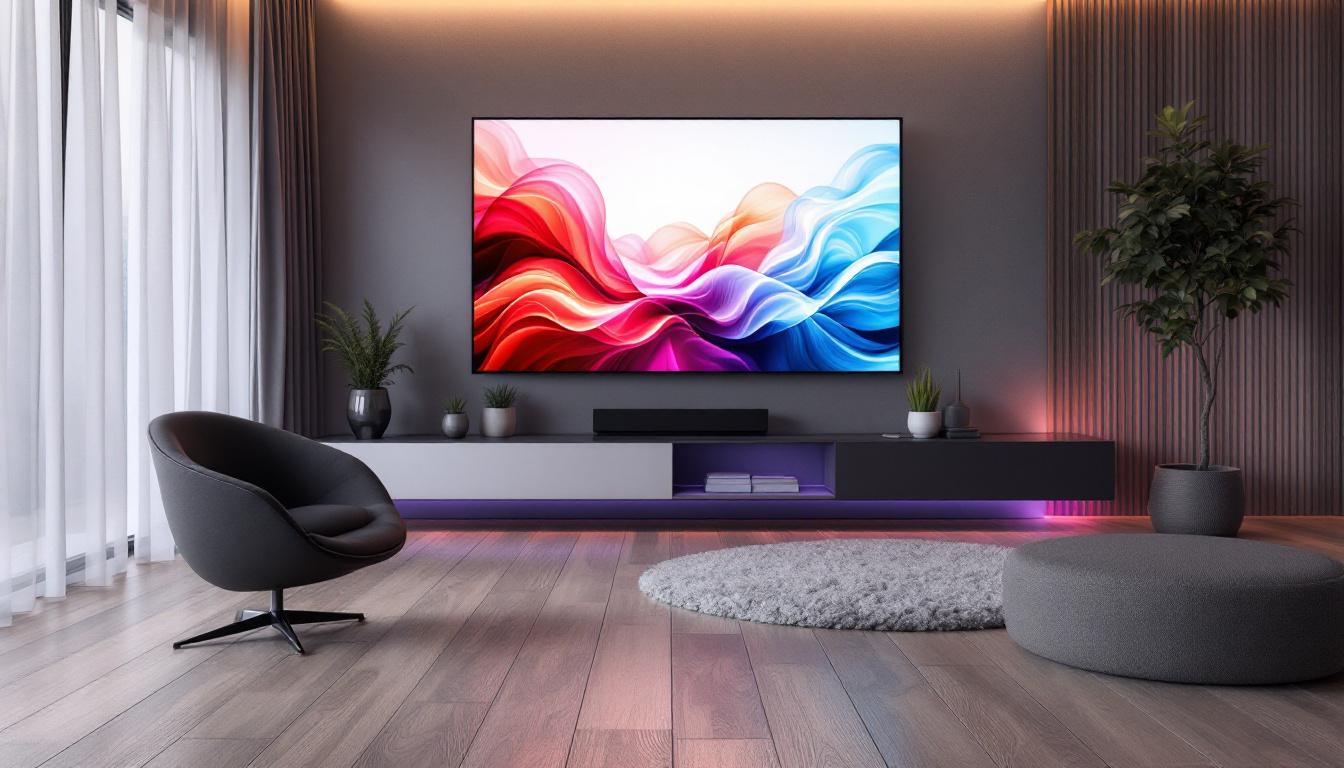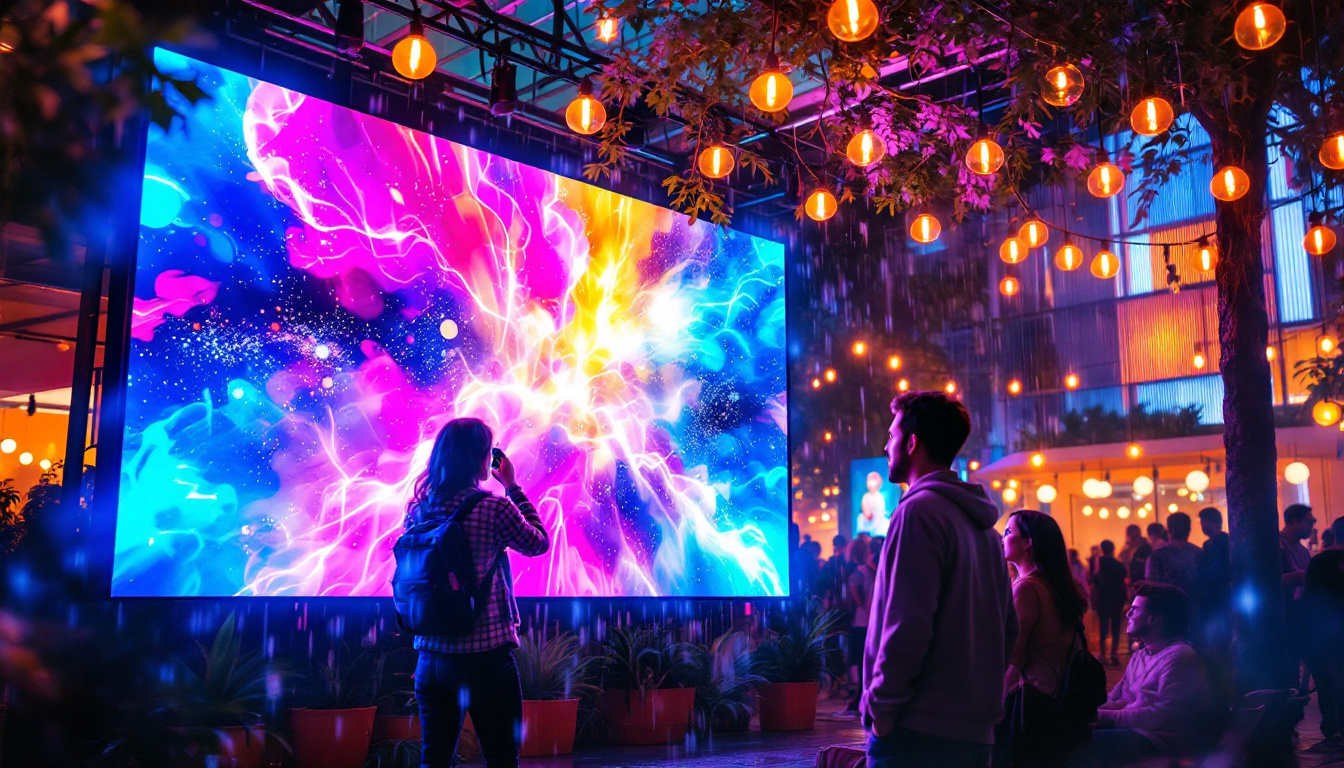
In the rapidly evolving world of digital media, LED displays have become a cornerstone technology for delivering vibrant, high-quality visual content. Whether it’s for advertising, live events, or immersive video experiences, LED displays offer unparalleled brightness, color accuracy, and flexibility. This article explores the technology behind LED displays, their applications in natural high videos, and why they have become the preferred choice for creators and audiences alike.
Understanding LED Display Technology
What is an LED Display?
LED stands for Light Emitting Diode, a semiconductor device that emits light when an electric current passes through it. An LED display is a flat panel display that uses an array of these tiny LEDs as pixels to produce images and videos. Unlike traditional LCD or projection screens, LED displays emit their own light, which results in higher brightness and contrast levels.
The core advantage of LED technology lies in its ability to produce vivid colors and deep blacks, creating a more dynamic and engaging viewing experience. This self-illumination property also allows LED displays to perform exceptionally well in various lighting conditions, including bright outdoor environments. Additionally, LED displays are known for their energy efficiency, consuming less power compared to conventional display technologies. This not only reduces operational costs but also contributes to a lower carbon footprint, making them an eco-friendly choice for businesses and consumers alike.
Types of LED Displays
LED displays come in several forms, primarily categorized by their pixel pitch, size, and intended use. The two main types are:
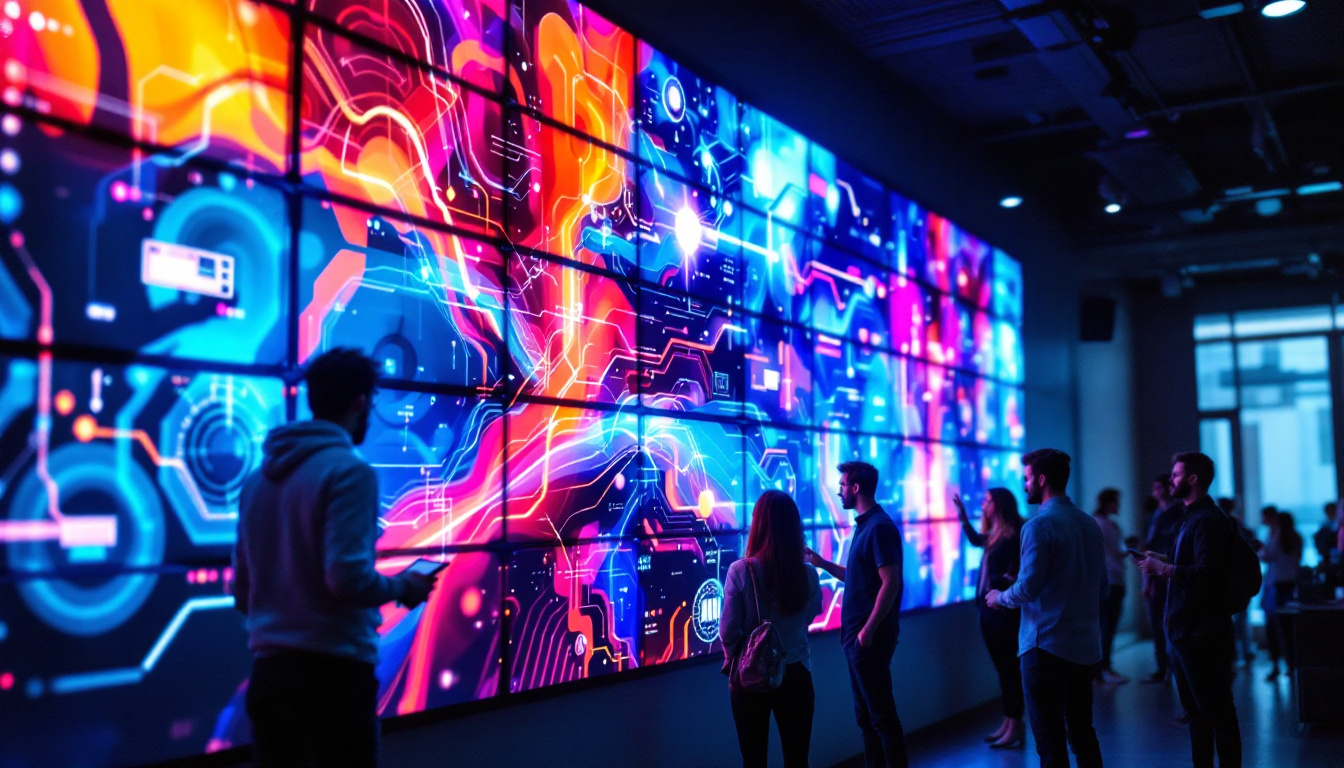
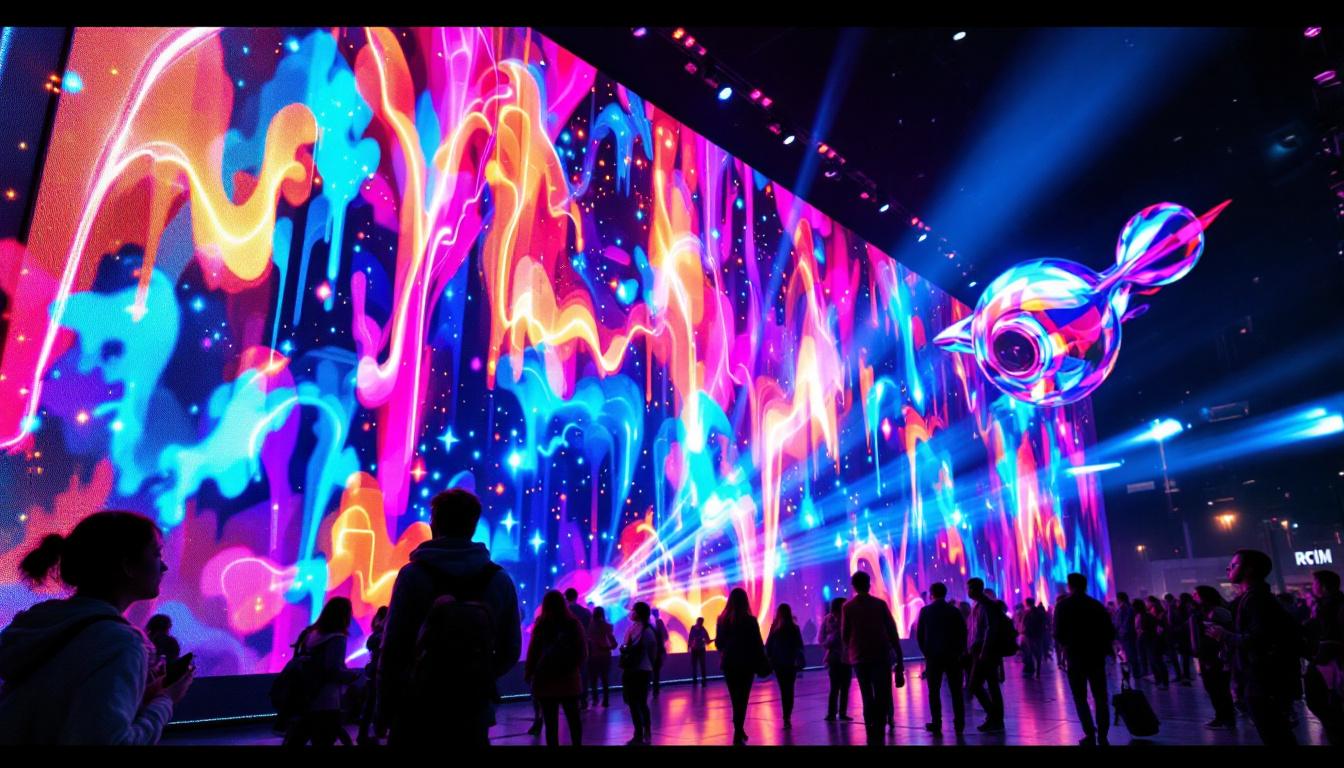
- Direct View LED (DVLED): This type uses individual LEDs as pixels. It is commonly used for large-scale video walls, outdoor billboards, and stage backdrops. DVLED displays offer high brightness and wide viewing angles, making them ideal for natural high videos that require immersive visual impact. Furthermore, the modular nature of DVLED technology allows for flexible configurations, enabling creative designs that can adapt to various architectural settings.
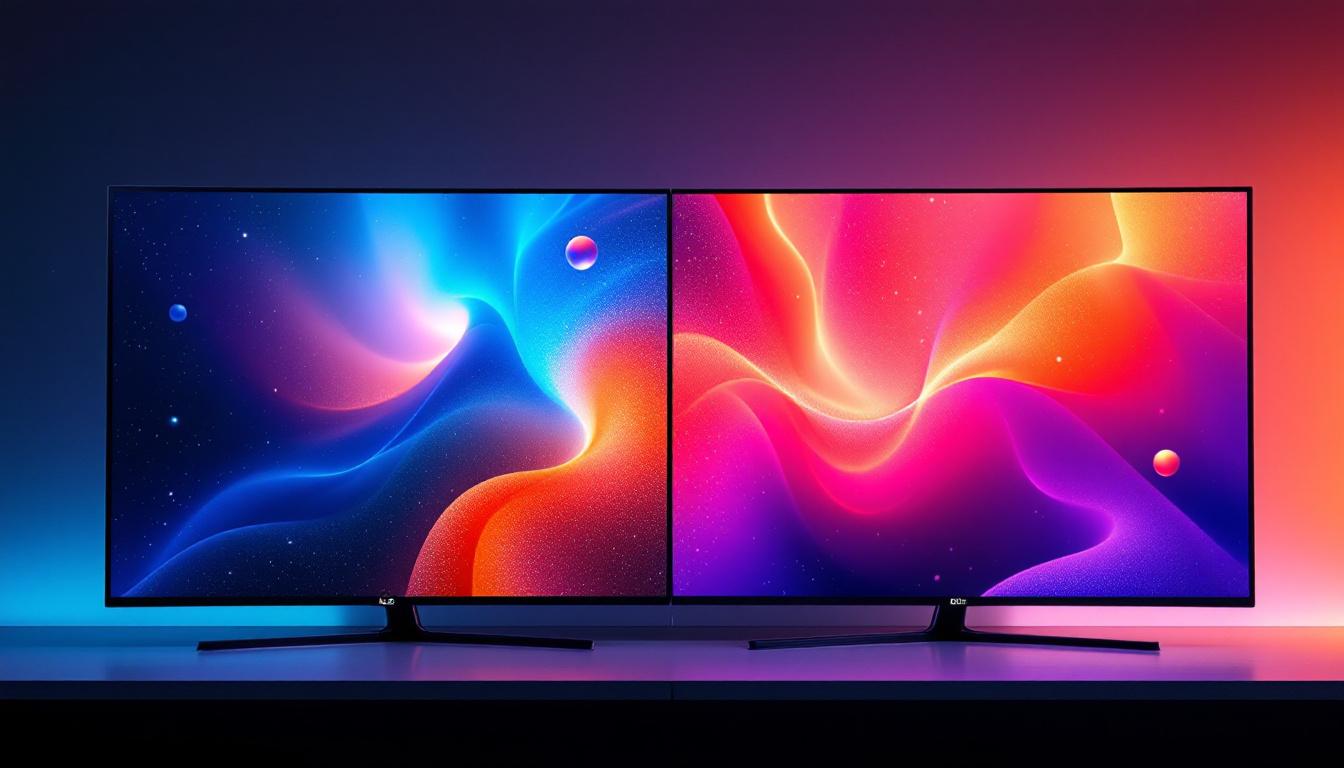
- LED-Backlit LCD: In this setup, LEDs serve as the backlight for an LCD panel. While this improves brightness and color over traditional LCDs, it doesn’t match the contrast and vibrancy of direct-view LED displays. This type is more common in consumer electronics like televisions and monitors. With advancements in technology, some LED-backlit LCDs now incorporate local dimming features, enhancing their performance by allowing specific areas of the screen to dim or brighten independently, thus improving overall picture quality.
Pixel Pitch and Resolution
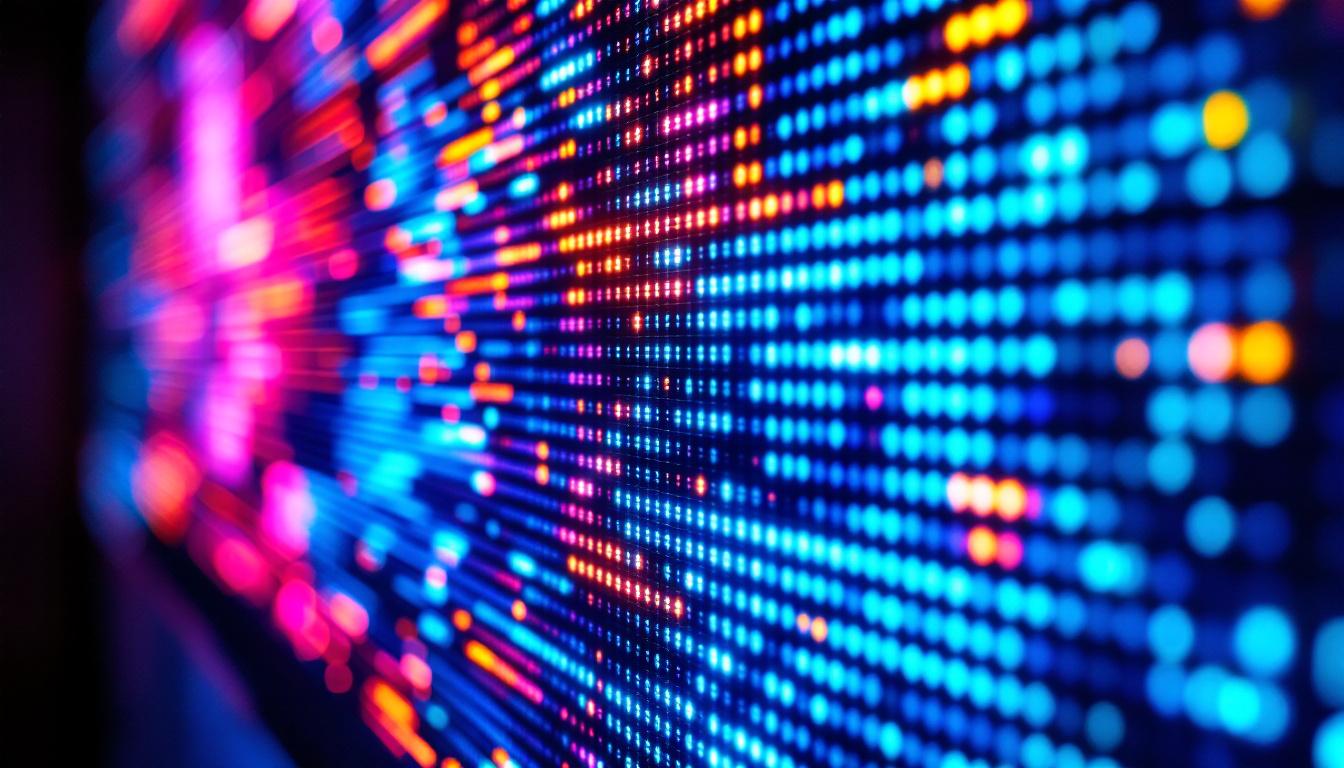
Pixel pitch, measured in millimeters, refers to the distance between the centers of two adjacent LEDs. It is a crucial factor that determines the display’s resolution and viewing distance. Smaller pixel pitches mean higher resolution and finer image detail, suitable for close-up viewing environments such as indoor events or control rooms.
For example, a 1.5mm pixel pitch LED display offers stunning clarity for indoor applications, while a 10mm or higher pitch is more common for large outdoor screens where viewers are farther away. Choosing the right pixel pitch ensures that natural high videos appear crisp and immersive without visible pixelation. As technology continues to advance, manufacturers are now producing ultra-fine pixel pitch displays, with pitches as small as 0.9mm, which are revolutionizing the way visual content is presented in high-end retail spaces, art galleries, and corporate environments. This level of detail not only enhances the visual experience but also allows for more intricate designs and animations that captivate audiences.
Why LED Displays are Ideal for Natural High Videos
Brightness and Visibility in Any Environment
Natural high videos often feature vivid, dynamic visuals that aim to captivate audiences and evoke emotional responses. LED displays excel in this regard because they can achieve brightness levels exceeding 5,000 nits, far surpassing traditional display technologies. This means content remains clear and vibrant even under direct sunlight or in brightly lit venues.
For instance, outdoor music festivals and sports arenas frequently use massive LED video walls to broadcast live footage and visual effects. The intense brightness ensures that every detail is visible to thousands of attendees, enhancing the overall experience.
Color Accuracy and Dynamic Range
One of the most compelling reasons to use LED displays for natural high videos is their superior color reproduction. LEDs can cover a wide color gamut, including the DCI-P3 standard used in cinema, which results in richer reds, deeper blues, and more lifelike greens.
Moreover, LED displays offer exceptional contrast ratios because each pixel emits its own light and can be turned off completely to produce true blacks. This dynamic range enhances the depth and realism of video content, making natural scenes and high-energy visuals more impactful.
Scalability and Customization
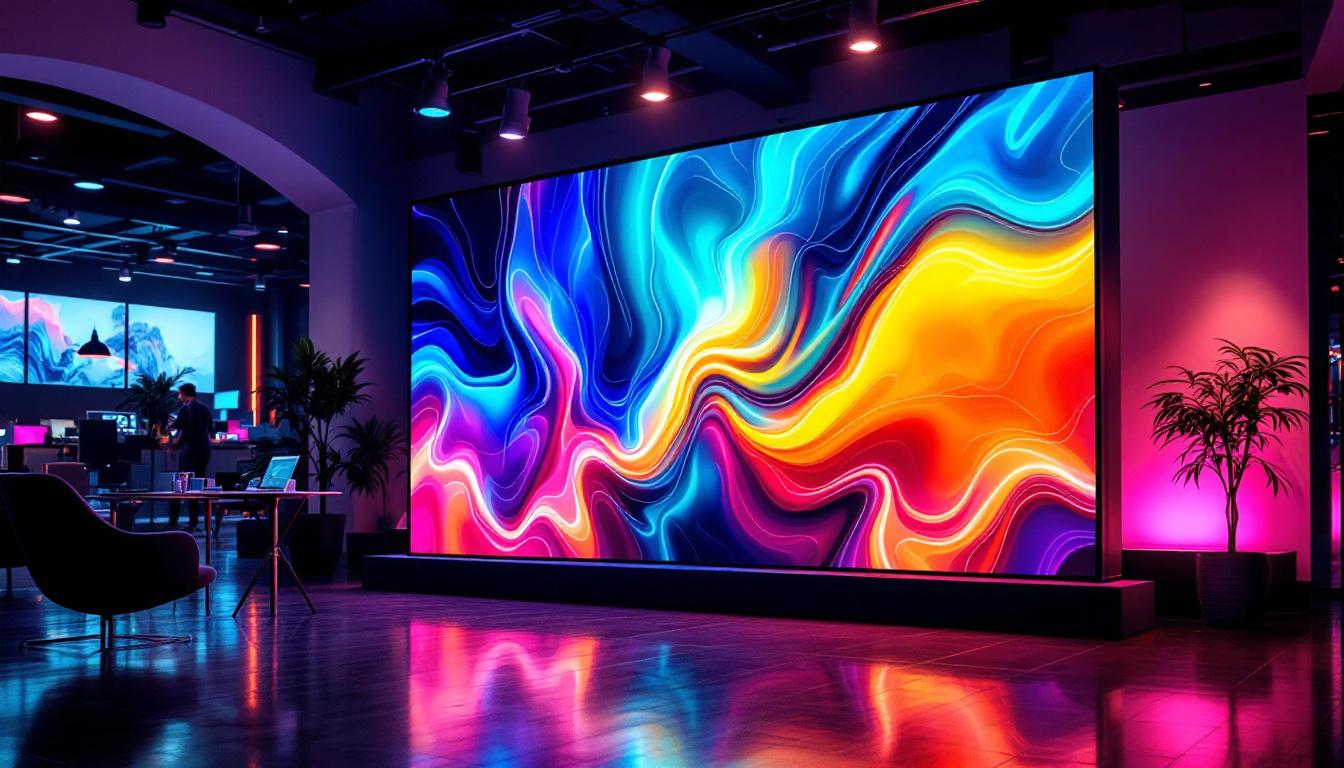
LED displays are highly modular, allowing them to be scaled to virtually any size or shape. This flexibility is invaluable for creators of natural high videos who want to design immersive environments that envelop the audience. From curved video walls to irregular shapes and transparent LED panels, the possibilities are vast.
For example, retail spaces use custom LED installations to create engaging window displays that attract passersby with natural high video content. Similarly, museums and galleries employ LED walls to present interactive and educational exhibits with stunning visual fidelity.
Applications of LED Displays in Natural High Video Production
Live Events and Concerts
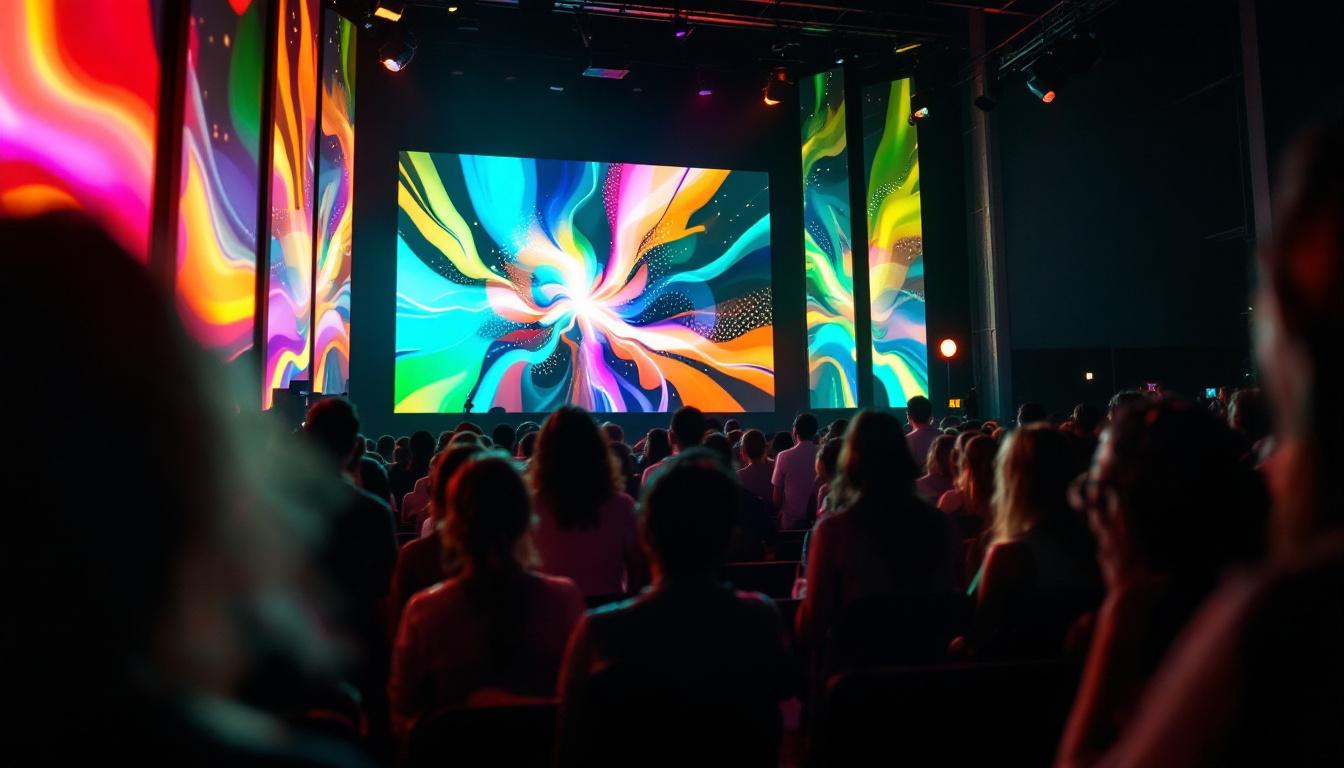
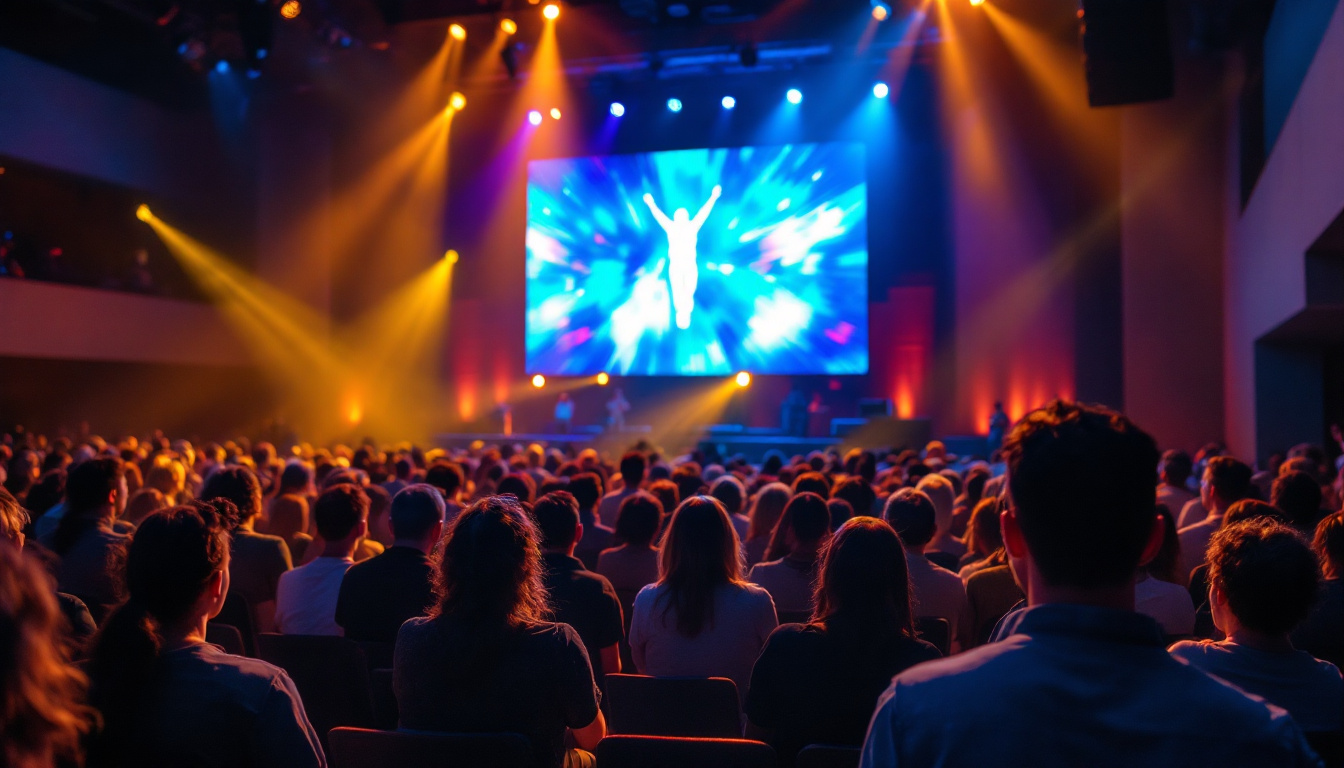
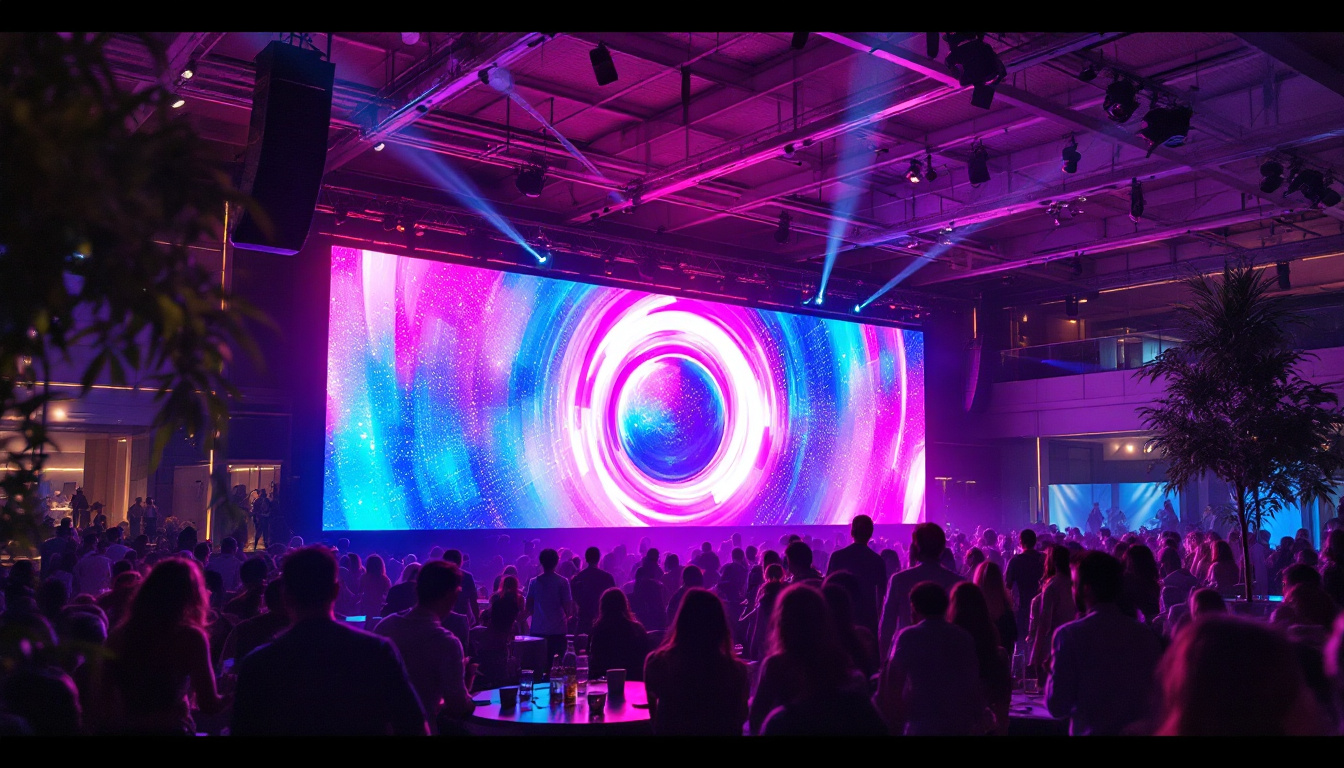
Live performances are among the most demanding environments for video display technology. LED screens are the go-to solution for stage backdrops, side screens, and immersive visual effects. Their ability to handle high brightness, fast refresh rates, and wide viewing angles ensures that every audience member enjoys the show regardless of their seat location.
Artists and event producers use LED displays to synchronize video content with music, lighting, and pyrotechnics, creating a multisensory experience that elevates the natural high feeling for attendees. For example, major festivals like Coachella and Tomorrowland rely heavily on LED technology to deliver mesmerizing video content that complements live performances.
Advertising and Digital Signage
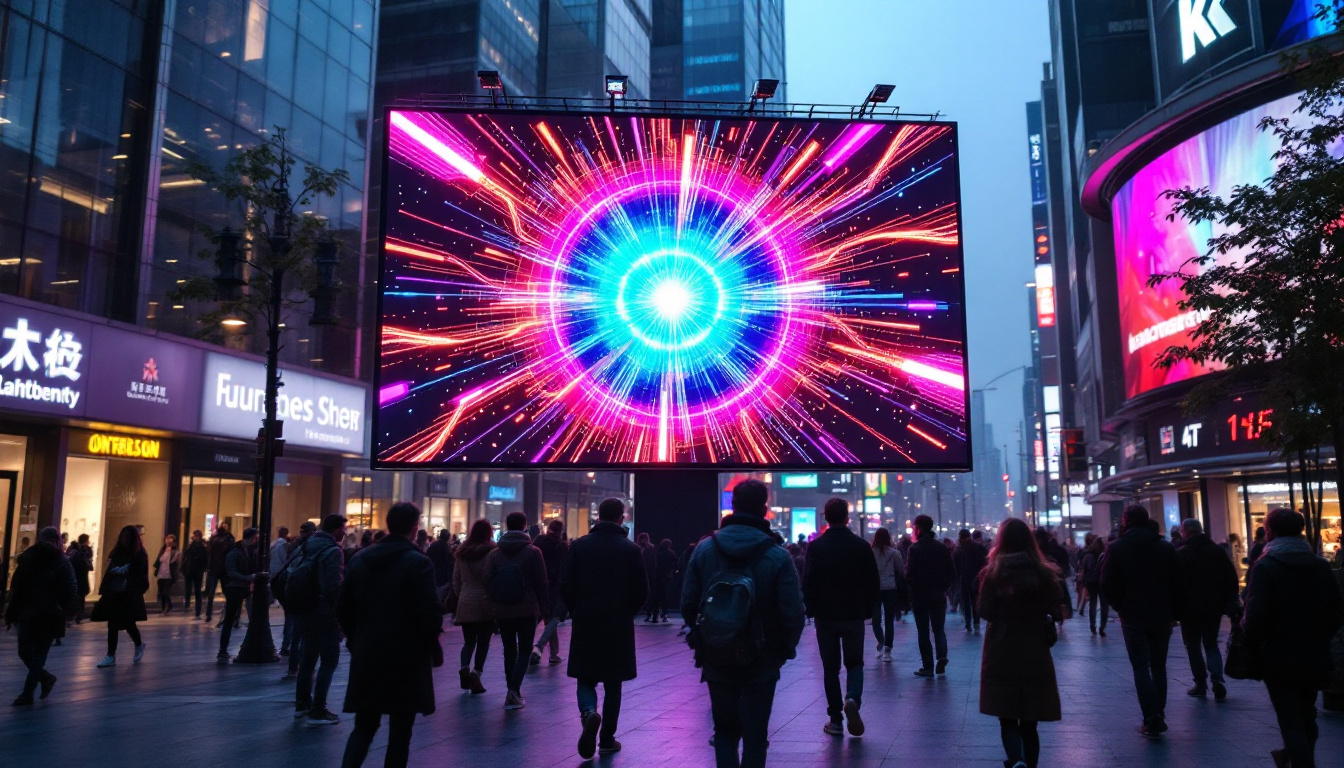
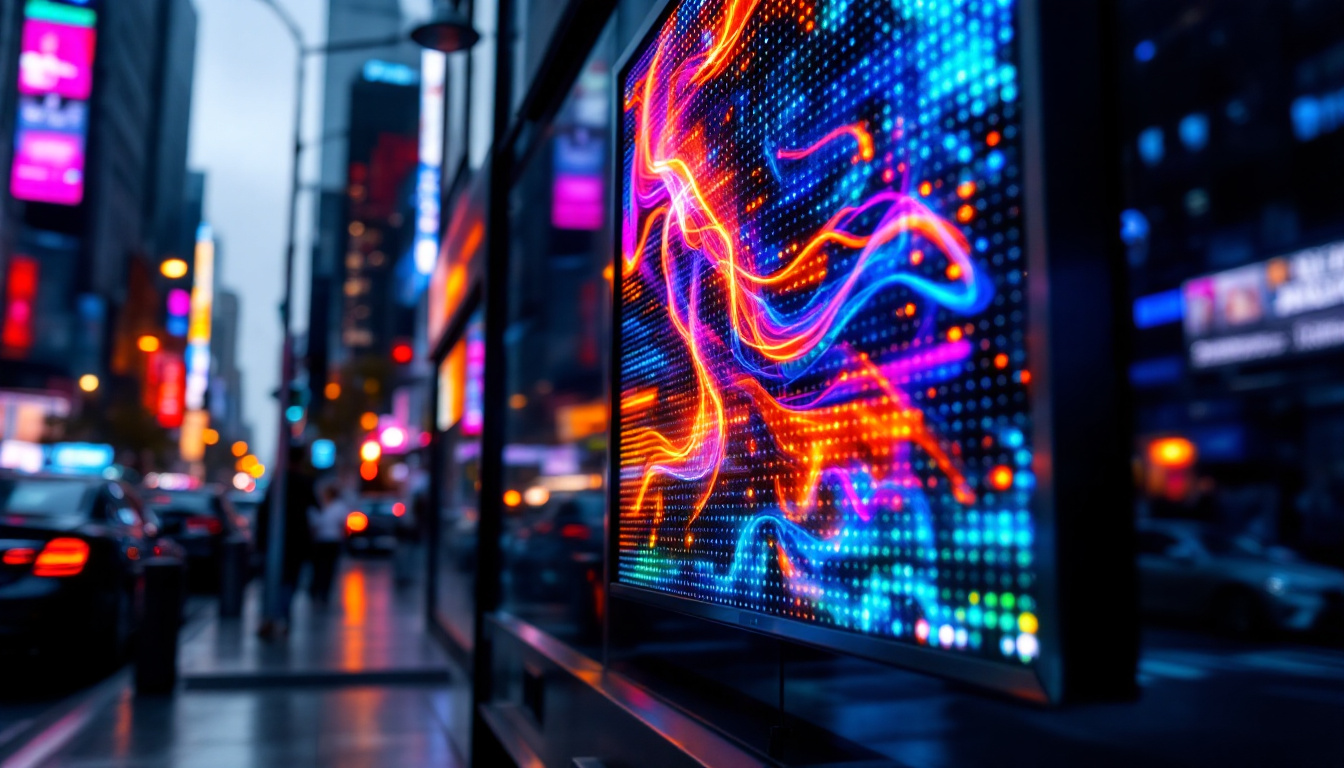
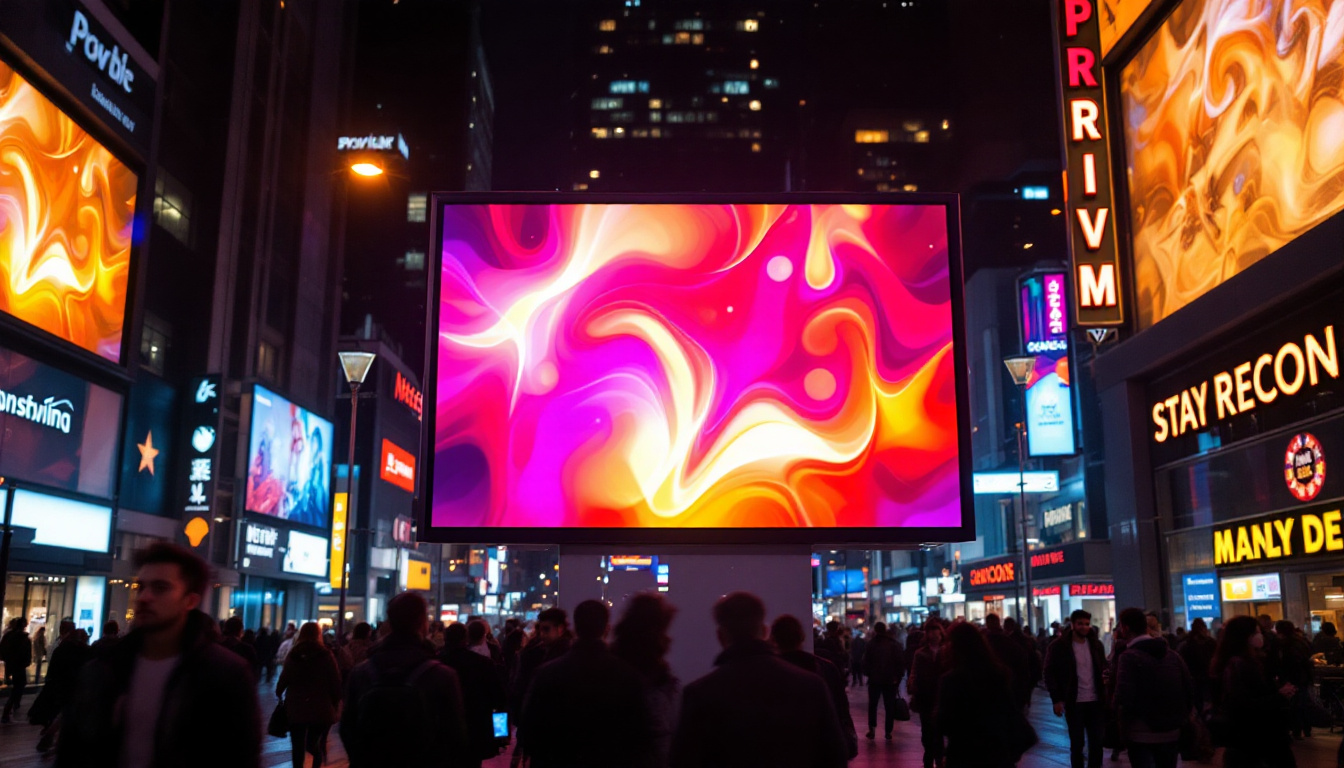
LED displays have revolutionized outdoor advertising, offering dynamic and eye-catching visuals that static billboards cannot match. Natural high videos used in digital signage can showcase vibrant product launches, promotional campaigns, and brand storytelling with stunning clarity.
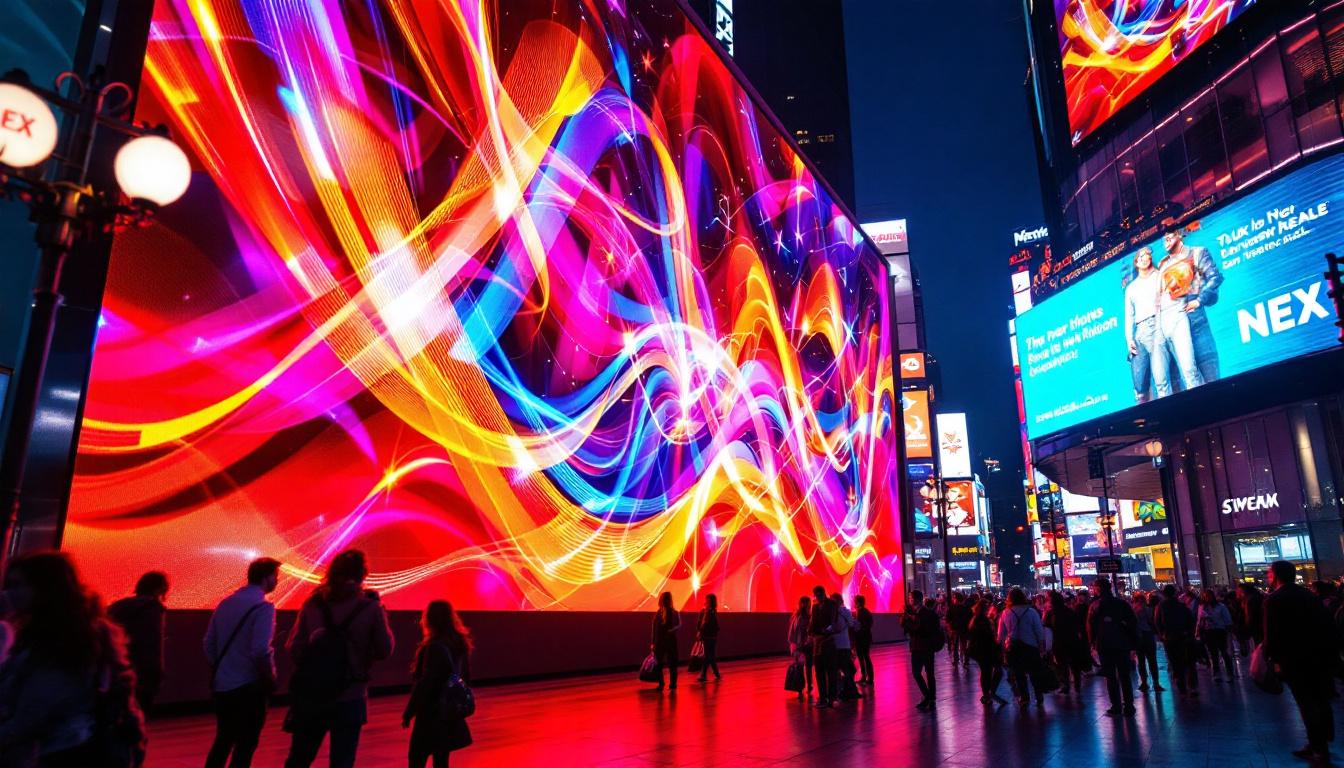
Times Square in New York City is a prime example, where massive LED billboards display natural high video content around the clock, captivating millions of visitors annually. The ability to update content in real-time also allows advertisers to tailor messages based on time of day, weather, or special events.
Broadcast and Studio Use
In television studios and broadcast environments, LED walls serve as versatile backdrops that can display natural high videos or virtual sets. This technology enables producers to create visually rich environments without the need for physical sets, reducing costs and increasing creative freedom.
Newsrooms and sports studios frequently use LED displays to present dynamic graphics, live feeds, and immersive backgrounds that enhance storytelling and viewer engagement. The seamless integration of LED technology with camera tracking and augmented reality further expands production possibilities.
Choosing the Right LED Display for Natural High Videos
Assessing Viewing Distance and Environment
When selecting an LED display, understanding the typical viewing distance and environmental conditions is critical. Indoor environments with close viewers require high-resolution panels with small pixel pitches, while outdoor venues with distant audiences can use larger pixel pitches without sacrificing perceived image quality.
Environmental factors such as ambient light, weather exposure, and installation constraints also influence the choice of LED technology. For outdoor use, displays must be weatherproof with high ingress protection ratings to withstand rain, dust, and temperature fluctuations.
Refresh Rate and Motion Handling
Natural high videos often include fast-moving scenes and dynamic visuals, making refresh rate a key consideration. LED displays with refresh rates of 3,000 Hz or higher reduce flicker and motion blur, resulting in smoother video playback and better camera compatibility, especially for live broadcasts.
High refresh rates also improve the viewing experience for audiences watching fast-paced content such as sports, action sequences, or dance performances, where clarity and fluidity are paramount.
Energy Efficiency and Maintenance
LED technology is known for its energy efficiency compared to older display types. However, the total power consumption depends on the size, brightness, and usage patterns of the display. Choosing energy-efficient LEDs and implementing smart brightness controls can reduce operational costs significantly.
Maintenance is another important factor. Modular LED panels allow for easy replacement of faulty sections without dismantling the entire display. This reduces downtime and ensures consistent performance for natural high video presentations.
The Future of LED Displays in Natural High Video Experiences
Emerging Trends and Innovations
The LED display industry continues to innovate, with emerging technologies pushing the boundaries of visual experiences. MicroLED displays, which use microscopic LEDs, promise even higher brightness, better color accuracy, and longer lifespans. These advancements will further enhance natural high video quality in the coming years.
Additionally, transparent LED panels and flexible LED screens are opening new creative possibilities, allowing content creators to integrate natural high videos into architectural elements and unconventional surfaces seamlessly.
Integration with Augmented and Virtual Reality
As augmented reality (AR) and virtual reality (VR) technologies mature, LED displays are playing a complementary role in hybrid experiences. LED walls can provide immersive backgrounds and interactive environments that blend physical and digital worlds, enriching natural high video content.
This integration is particularly valuable in entertainment, education, and training applications, where immersive visuals help convey complex information and evoke emotional engagement.
Conclusion
LED displays have transformed the way natural high videos are produced and experienced. Their superior brightness, color accuracy, and versatility make them the ideal medium for delivering captivating visual content across a wide range of applications. From live concerts and outdoor advertising to broadcast studios and immersive installations, LED technology continues to set new standards for quality and engagement.
As innovation drives the development of even more advanced LED solutions, the future of natural high video experiences looks brighter than ever. For creators and audiences seeking vivid, dynamic, and immersive visuals, LED displays remain at the forefront of digital media technology.
Discover LumenMatrix LED Display Solutions
Ready to elevate your visual content with the superior brightness, color accuracy, and versatility of LED displays? LumenMatrix is at the forefront of LED display technology, offering a wide array of innovative solutions tailored to your needs. From Indoor and Outdoor LED Wall Displays to specialized options like Vehicle, Sports, and Floor LED Displays, we have the tools to transform your space and captivate your audience. Experience the future of visual communication with our Custom, All-in-One, and Transparent LED Displays. Check out LumenMatrix LED Display Solutions today and bring your natural high video experiences to life.