In today’s digital era, LED displays have become an integral part of visual communication across industries. From massive outdoor billboards to indoor corporate presentations, professional-grade LED displays deliver vibrant, high-resolution visuals that captivate audiences and enhance messaging effectiveness. This article delves into the technology behind these displays, their applications, and the factors that distinguish professional-grade LED displays from consumer-grade alternatives.
Understanding LED Display Technology
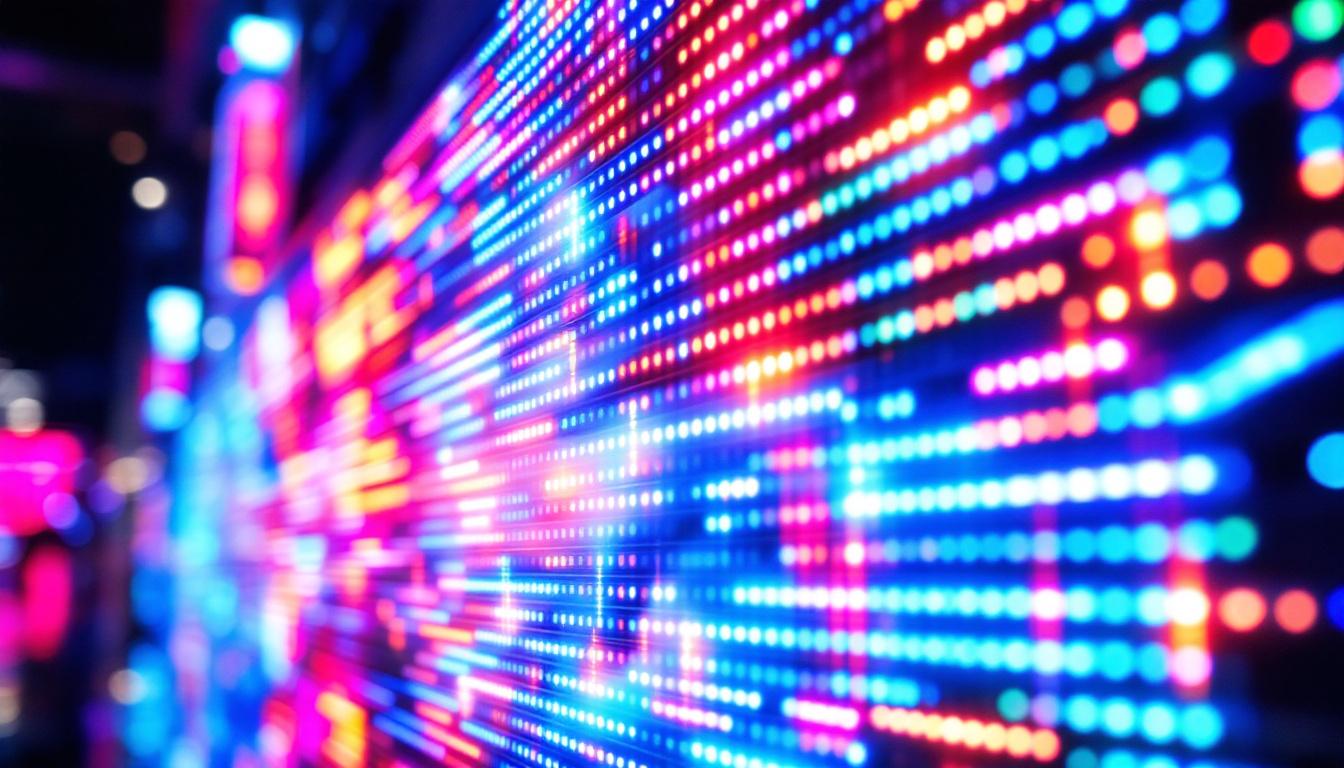
At its core, an LED (Light Emitting Diode) display is a flat panel that uses an array of tiny LEDs to produce images and videos. Each LED acts as a pixel or part of a pixel, emitting light when an electrical current passes through it. The combination of red, green, and blue LEDs creates a full spectrum of colors, enabling the display to render vivid and dynamic visuals. The versatility of LED technology has led to its widespread adoption across various industries, from entertainment to advertising, transforming the way we experience visual content.
How LEDs Work in Displays
LEDs are semiconductor devices that convert electrical energy into light. In professional displays, these LEDs are arranged in a precise grid pattern, allowing for accurate control of brightness and color at a granular level. The intensity of each LED is modulated through pulse-width modulation (PWM), which adjusts the perceived brightness by varying the time the LED is on versus off within a given cycle. This technique not only enhances the visual experience but also optimizes energy consumption, making LED displays more efficient than their predecessors.
This precise control is essential for producing high-quality images with sharp contrasts and smooth gradients. Unlike traditional LCDs that rely on backlighting, LED displays emit their own light, resulting in deeper blacks and higher contrast ratios. Furthermore, advancements in LED technology, such as the development of quantum dot LEDs, are pushing the boundaries of color accuracy and brightness, ensuring that displays can meet the demands of even the most discerning viewers.
Types of LED Displays
Professional-grade LED displays come in several types, primarily categorized by their pixel pitch and construction:
- Indoor LED Displays: Designed for close viewing distances, these displays have a small pixel pitch (often below 2.5mm), enabling high resolution and fine detail. They are commonly used in conference rooms, retail environments, and broadcast studios. The ability to display high-definition content makes them a favorite for live events and presentations, where clarity is paramount.
- Outdoor LED Displays: Built to withstand harsh weather conditions, these displays feature larger pixel pitches (typically 4mm to 20mm) and higher brightness levels (up to 7,000 nits or more) to maintain visibility in direct sunlight. Their rugged construction ensures durability, making them ideal for billboards, sports arenas, and public displays that require constant exposure to the elements.
- Transparent LED Displays: These innovative panels allow light and air to pass through, making them ideal for storefront windows and architectural applications where maintaining visibility is important. They create a stunning visual effect, blending digital content with the physical environment, and are increasingly being used in retail spaces to attract customers without obstructing views.
- Flexible and Curved LED Displays: Utilizing bendable substrates, these displays can be shaped to fit unique surfaces, enhancing creative possibilities for advertising and event production. Their adaptability allows designers to create immersive experiences that engage audiences in ways that traditional flat displays cannot achieve.
As technology continues to evolve, the integration of smart features into LED displays is becoming more common. Many modern displays now come equipped with built-in sensors and connectivity options, enabling real-time content updates and interactivity. This capability not only enhances user engagement but also allows for dynamic advertising strategies that can adapt to changing environments or audience preferences. With the ongoing advancements in LED technology, the future of display solutions looks promising, paving the way for even more innovative applications across various sectors.
Key Features That Define Professional-Grade LED Displays
Not all LED displays are created equal. Professional-grade LED displays distinguish themselves through a combination of technical specifications, build quality, and performance characteristics that ensure reliability and exceptional visual output.
High Resolution and Pixel Density
Resolution is critical for delivering crisp images, especially when viewers are close to the screen. Professional LED displays often feature pixel pitches as small as 0.9mm, allowing for ultra-high-definition presentations. This level of detail is essential in environments like control rooms, broadcast studios, and medical imaging centers where clarity is paramount.
Brightness and Contrast
Brightness levels in professional LED displays can exceed 5,000 nits for indoor models and reach upwards of 7,000 nits for outdoor models. This ensures visibility in various lighting conditions, including direct sunlight. Additionally, high contrast ratios—achieved through precise LED control—enhance image depth and realism, making content more engaging.
Color Accuracy and Calibration
Professional displays undergo rigorous color calibration to meet industry standards such as Rec. 709 or DCI-P3 color spaces. This guarantees that colors are reproduced faithfully, which is crucial for applications like digital signage, film production, and live event broadcasting. Advanced calibration tools and software allow for ongoing adjustments to maintain color consistency over time.
Durability and Reliability
Built for continuous operation, professional-grade LED displays feature robust construction, including weatherproof enclosures for outdoor models and advanced thermal management systems. Components are selected for longevity, and many displays offer redundancy features to prevent downtime during critical events.
Scalability and Modularity
Modular design enables professional LED displays to be assembled into virtually any size or shape. This flexibility supports large-scale installations such as stadium screens, concert backdrops, and expansive retail displays. Modules can be replaced individually, simplifying maintenance and reducing operational costs.
Applications of Professional-Grade LED Displays
The versatility and performance of professional LED displays make them indispensable across a wide range of industries. Understanding these applications highlights why investing in high-quality LED technology is essential for businesses aiming to maximize impact.
Advertising and Digital Signage
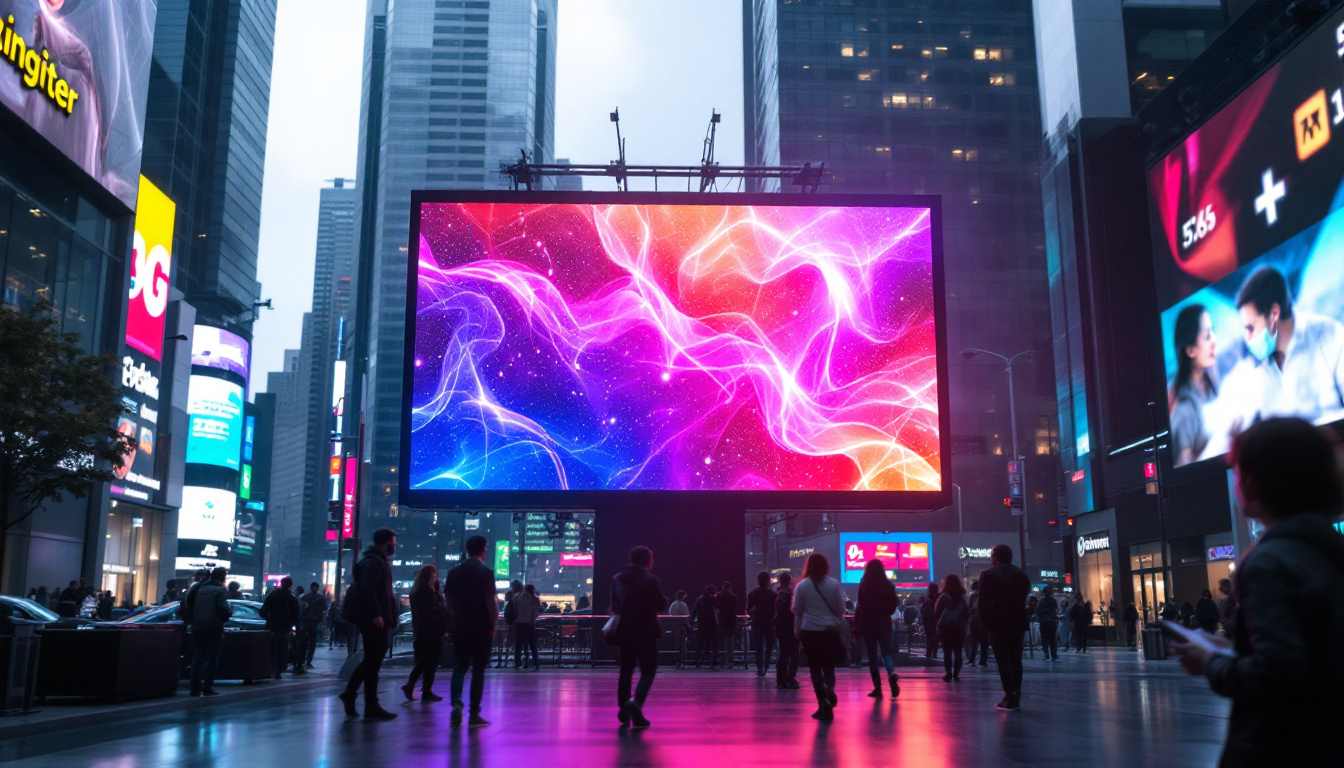
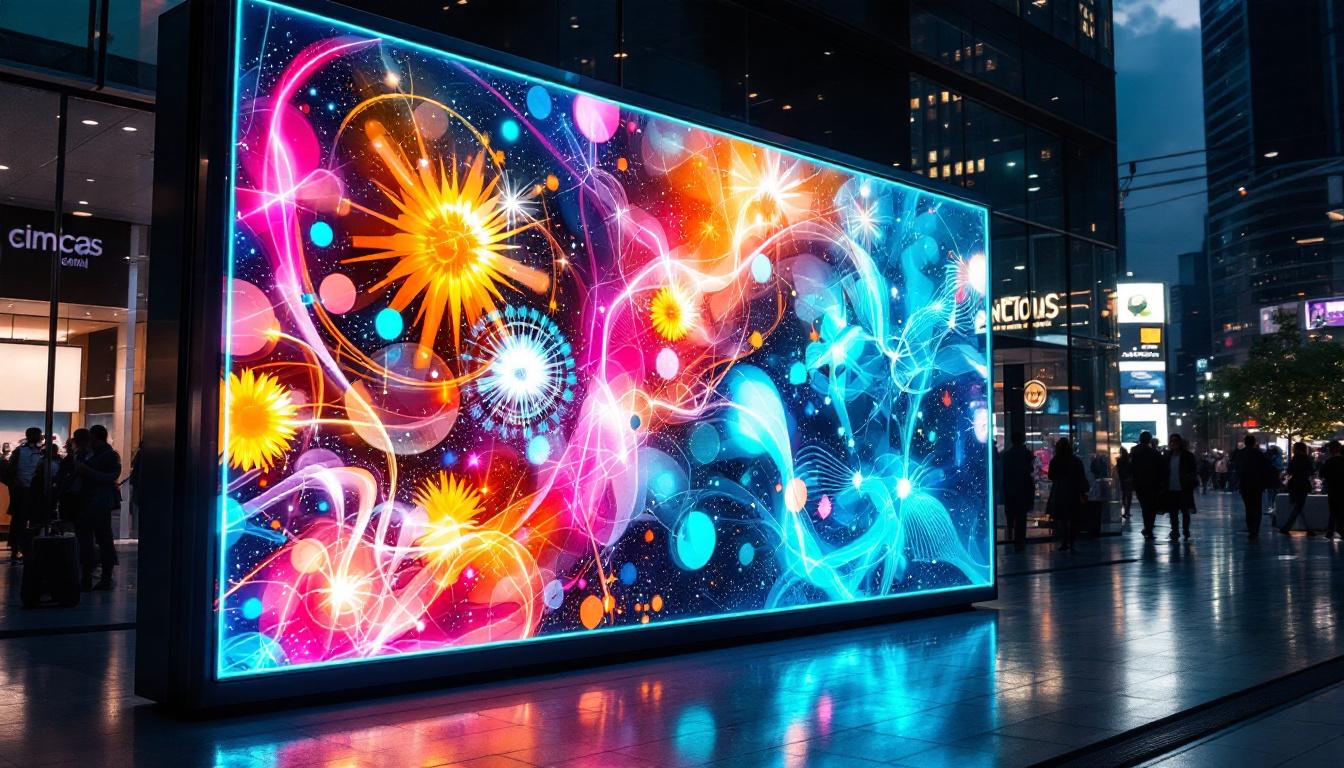
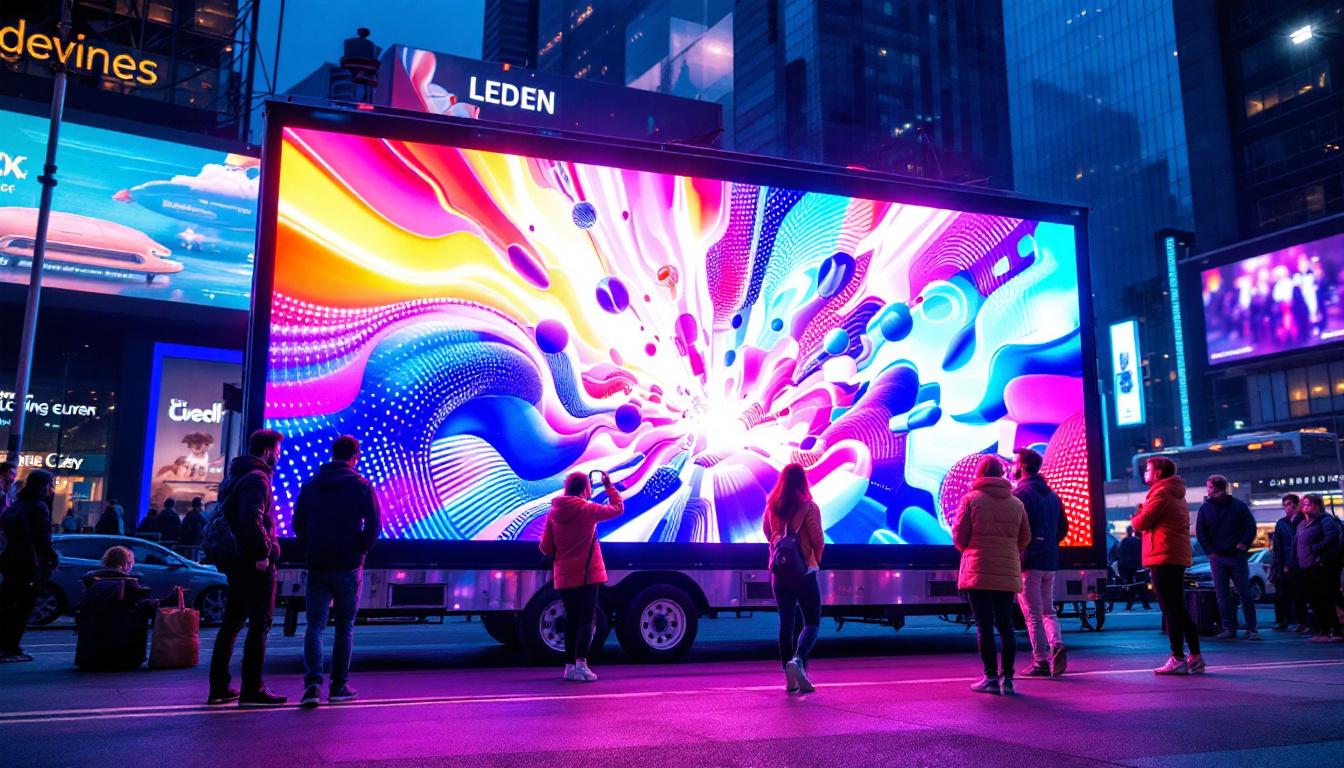
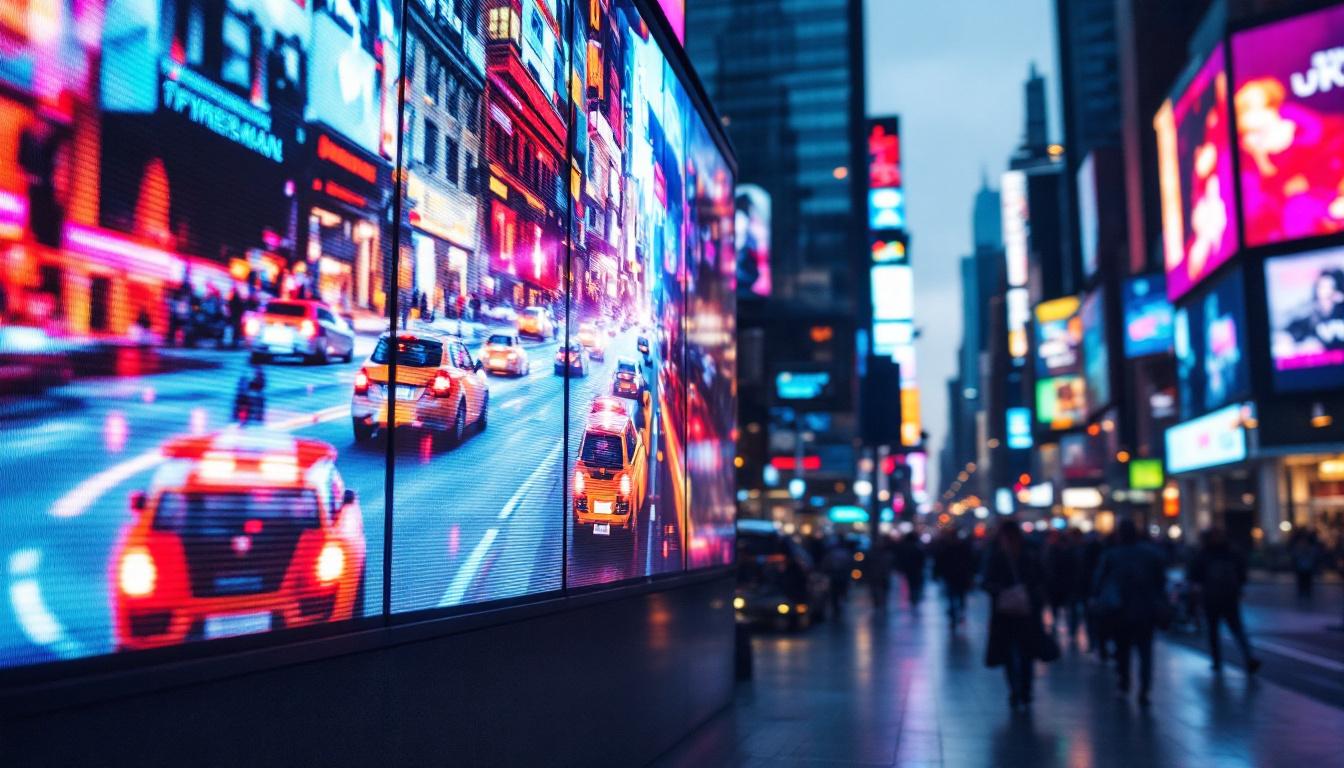
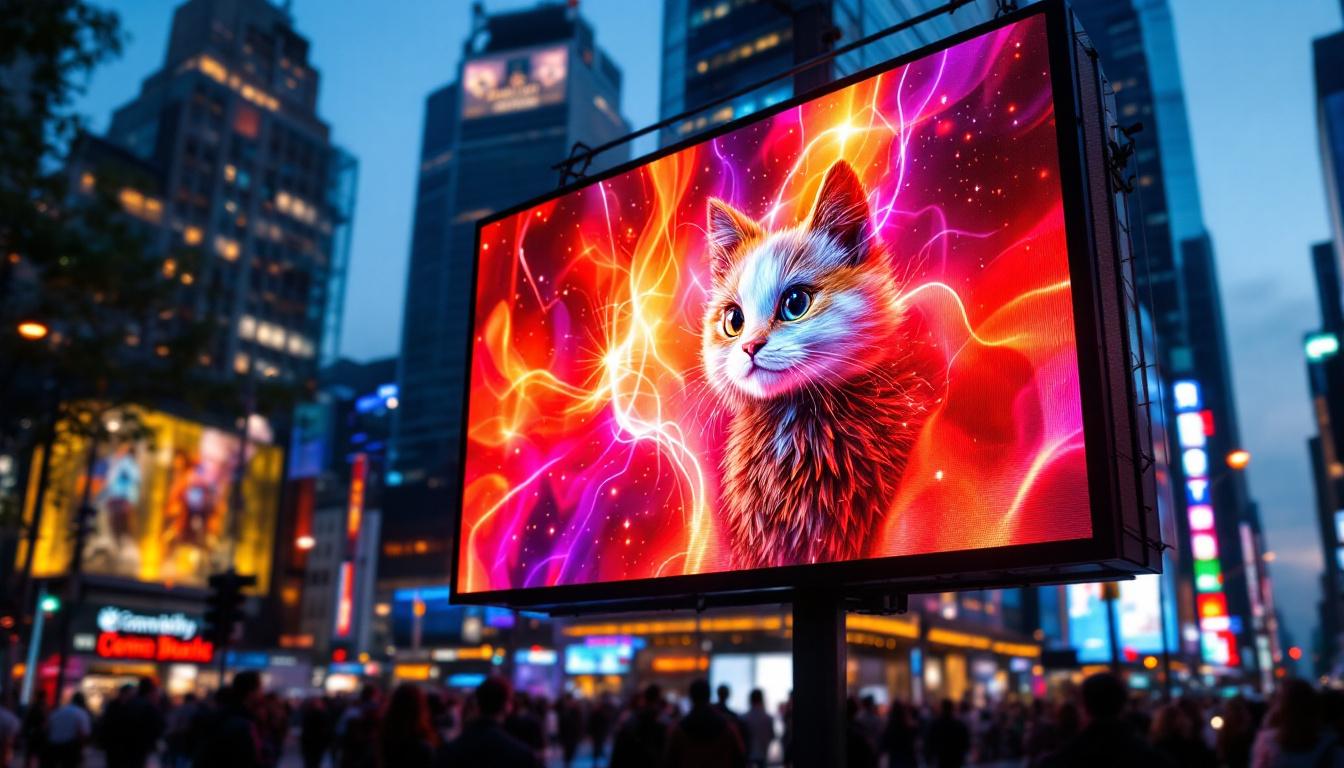
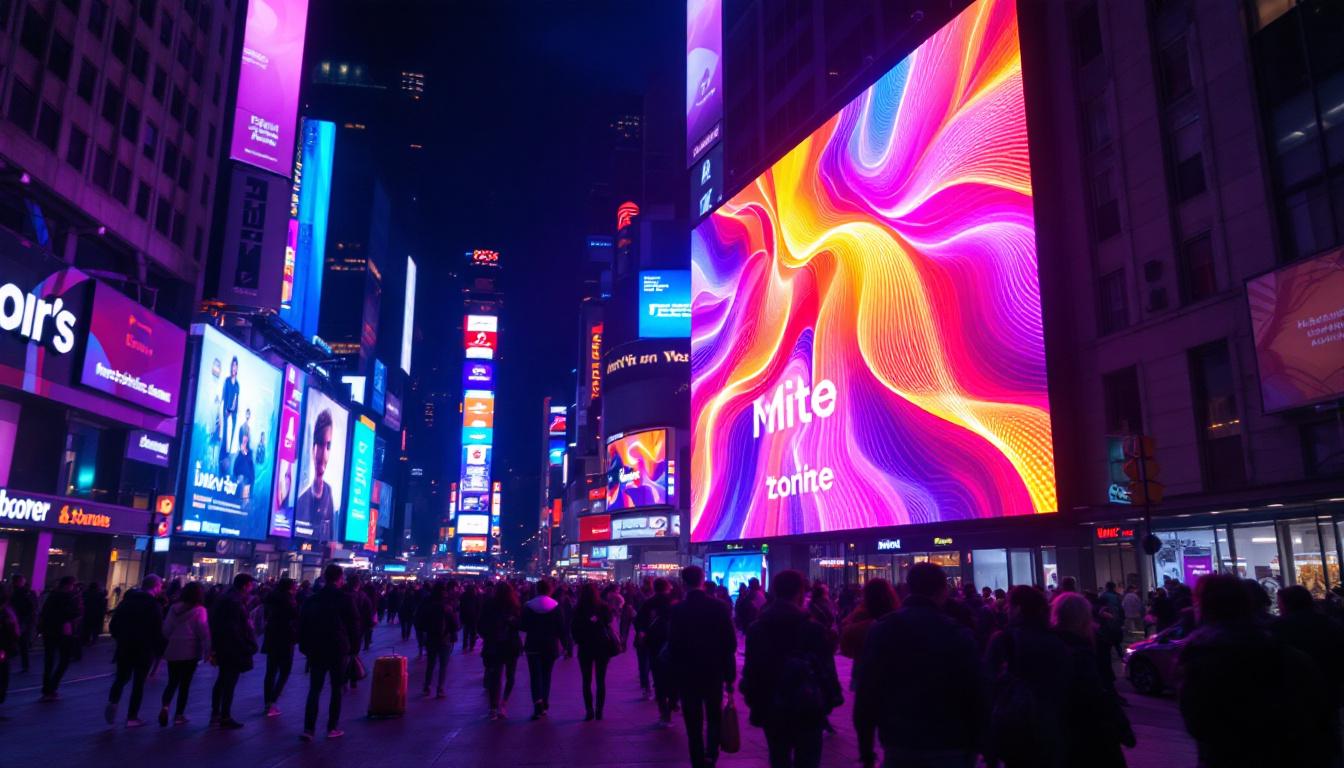
Outdoor LED billboards and indoor digital signage are among the most common uses of professional LED displays. Their brightness and color fidelity attract attention and communicate messages effectively, even in busy urban environments. According to a study by the Digital Signage Federation, digital signage can increase sales by up to 30% in retail settings, underscoring the value of impactful visual communication.
Entertainment and Live Events
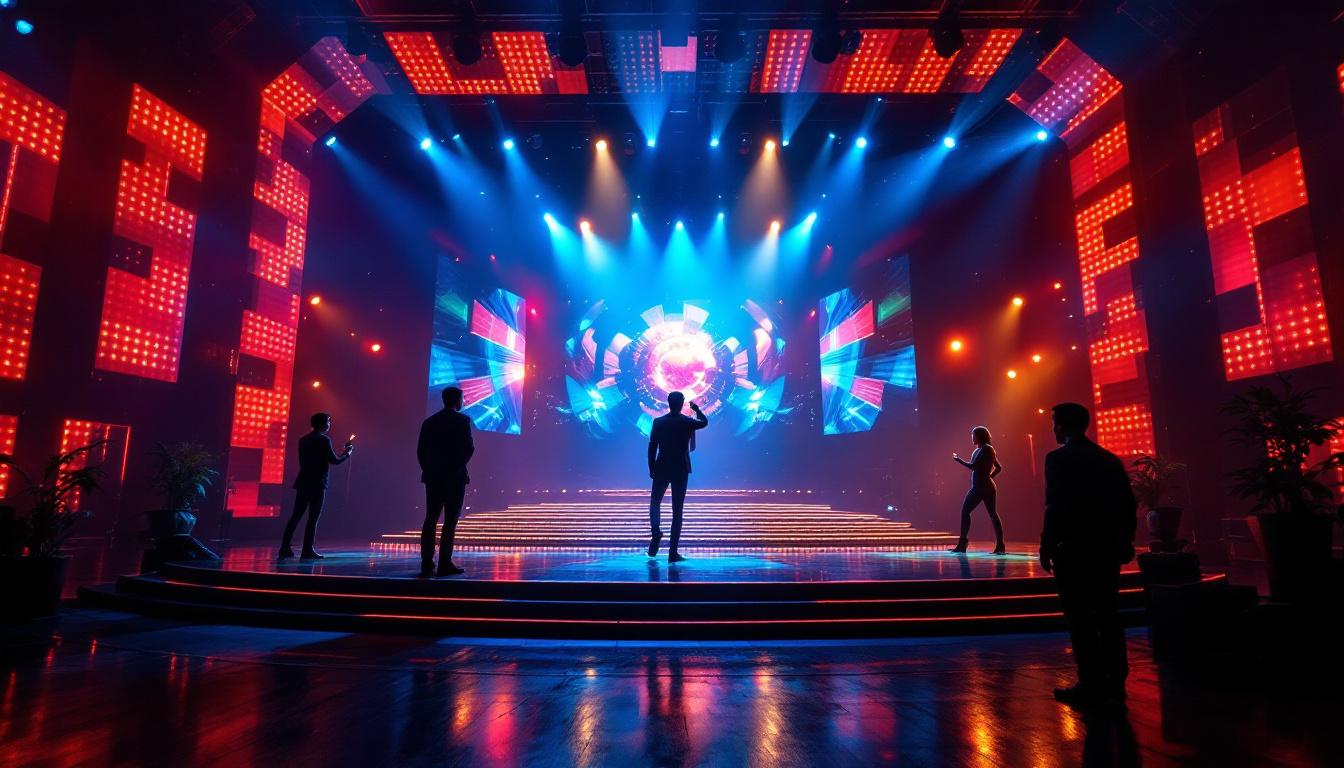
Concerts, festivals, and sporting events rely heavily on large LED screens to deliver immersive experiences. These displays provide real-time video feeds, dynamic graphics, and interactive content that engage audiences. The ability to create curved or flexible LED walls allows event producers to design visually stunning stages that enhance storytelling.
Corporate and Control Rooms
In corporate environments, LED video walls are used for presentations, video conferencing, and data visualization. Control rooms for utilities, transportation, and emergency services depend on high-resolution LED displays to monitor complex information streams with clarity and precision, enabling faster decision-making.
Broadcast and Studios
LED walls have revolutionized television and film production by serving as dynamic backdrops that can simulate various environments without the need for physical sets. This technology, often referred to as virtual production, enhances creative possibilities while reducing costs and production time.
Transportation Hubs and Public Spaces
Airports, train stations, and public squares utilize LED displays for wayfinding, announcements, and advertising. The durability and brightness of professional-grade LED panels ensure messages remain visible and legible in high-traffic areas and varying weather conditions.
Choosing the Right Professional LED Display
Selecting the appropriate LED display requires careful consideration of several factors to ensure the investment meets the specific needs of the application.
Viewing Distance and Pixel Pitch
One of the primary considerations is the typical viewing distance. Smaller pixel pitches are necessary for close-up viewing to avoid visible pixelation, while larger pixel pitches suffice for distant viewing. For example, a pixel pitch of 1.2mm is ideal for indoor conference rooms, whereas 10mm might be suitable for a highway billboard.
Brightness Requirements
Environmental lighting conditions dictate the brightness needed. Outdoor displays must be significantly brighter to overcome sunlight, while indoor displays can operate at lower brightness, conserving energy and extending lifespan.
Installation Environment
Environmental factors such as temperature, humidity, and exposure to elements influence the choice of enclosure and IP rating. Outdoor installations require weatherproof and dust-resistant designs, often rated IP65 or higher, to ensure longevity.
Content and Control Systems
The complexity of content and the need for real-time updates affect the choice of control systems and software. Professional LED displays often integrate with advanced media servers and networked control platforms to enable seamless content management and scheduling.
Budget and Total Cost of Ownership
While professional-grade LED displays represent a significant upfront investment, their durability, energy efficiency, and modularity contribute to lower total cost of ownership over time. It is essential to balance initial costs with long-term benefits and maintenance considerations.
Future Trends in Professional LED Display Technology
The LED display industry continues to evolve rapidly, driven by advancements in materials, manufacturing, and digital technologies.
MicroLED and MiniLED Innovations
MicroLED technology, which uses even smaller LEDs than traditional displays, promises higher brightness, better energy efficiency, and longer lifespan. MiniLED backlighting is also enhancing LCD displays by improving contrast and color accuracy, bridging the gap between LCD and true LED displays.
Higher Resolutions and Refresh Rates
As content demands increase, professional LED displays are pushing toward 8K resolutions and refresh rates exceeding 120Hz. These improvements benefit applications requiring ultra-smooth motion and fine detail, such as sports broadcasting and simulation training.
Integration with AI and IoT
Artificial intelligence and Internet of Things (IoT) technologies are being integrated into LED display systems to enable smarter content delivery, predictive maintenance, and enhanced interactivity. For instance, AI-driven analytics can tailor advertising content based on audience demographics in real time.
Sustainability and Energy Efficiency
Manufacturers are focusing on reducing the environmental impact of LED displays through improved energy efficiency, recyclable materials, and longer product lifecycles. This aligns with growing corporate social responsibility initiatives and regulatory requirements.
Conclusion
Professional-grade LED displays represent a pinnacle of visual technology, combining cutting-edge engineering with versatile applications. Their ability to deliver bright, accurate, and durable visuals makes them indispensable in advertising, entertainment, corporate, and public sectors. Understanding the technology, key features, and application requirements is essential for selecting the right display solution and maximizing return on investment.
As LED technology continues to advance, professionals can expect even more immersive and efficient display options that will further transform the way information and entertainment are presented worldwide.
Illuminate Your Space with LumenMatrix
Ready to elevate your visual communication with professional-grade LED displays? LumenMatrix is at the forefront of LED display innovation, offering a wide array of solutions tailored to your unique needs. From Indoor and Outdoor LED Wall Displays to specialized options like Vehicle, Sports, and Floor LED Displays, our products are designed to captivate and engage. Discover the transformative power of our Custom, All-in-One, and Transparent LED Displays. Check out LumenMatrix LED Display Solutions today and bring your brand’s message to life with unparalleled clarity and impact.