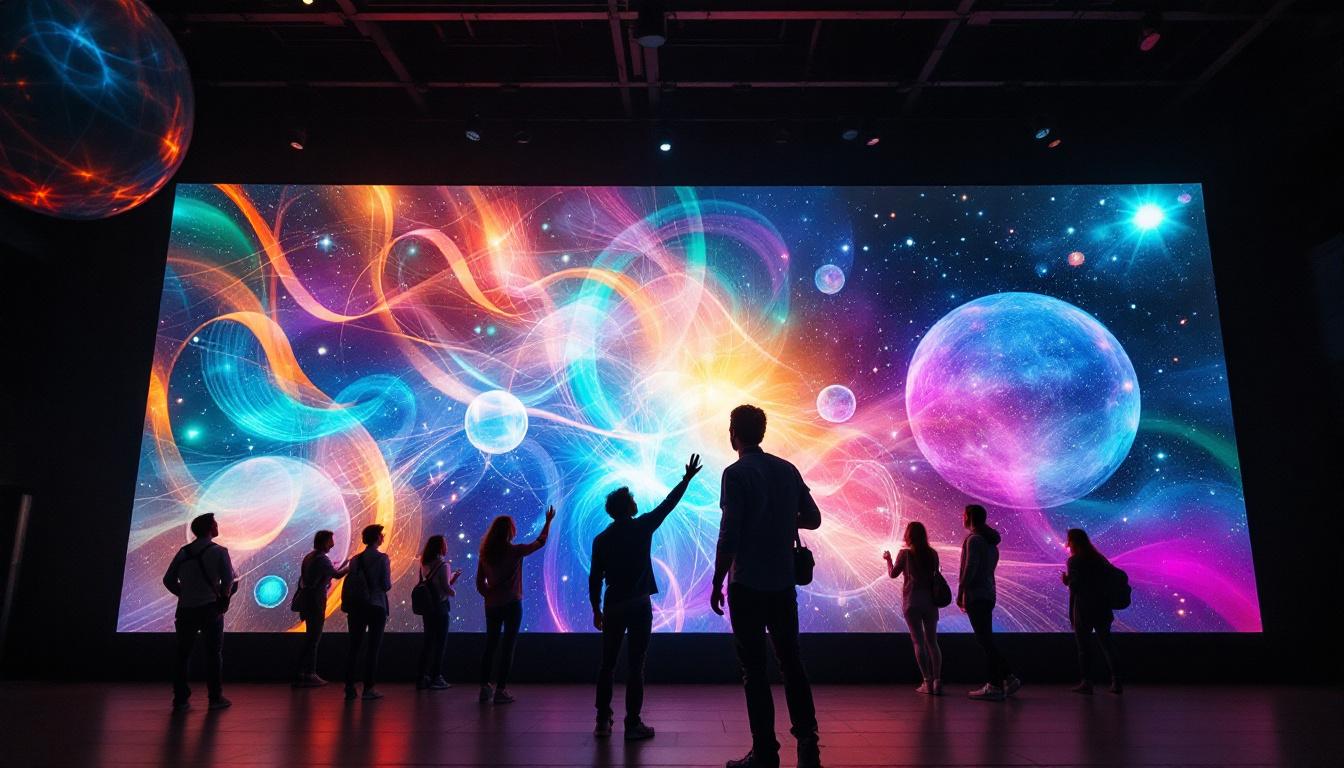
In the rapidly evolving world of film production and digital storytelling, the integration of advanced display technologies has become a game-changer. One such innovation is the use of LED displays, which have revolutionized how filmmakers create immersive environments and realistic backgrounds. The movie Touch The Wall stands out as a prime example of this technological leap, utilizing LED display technology to enhance visual storytelling in unprecedented ways.
What Is LED Display Technology?
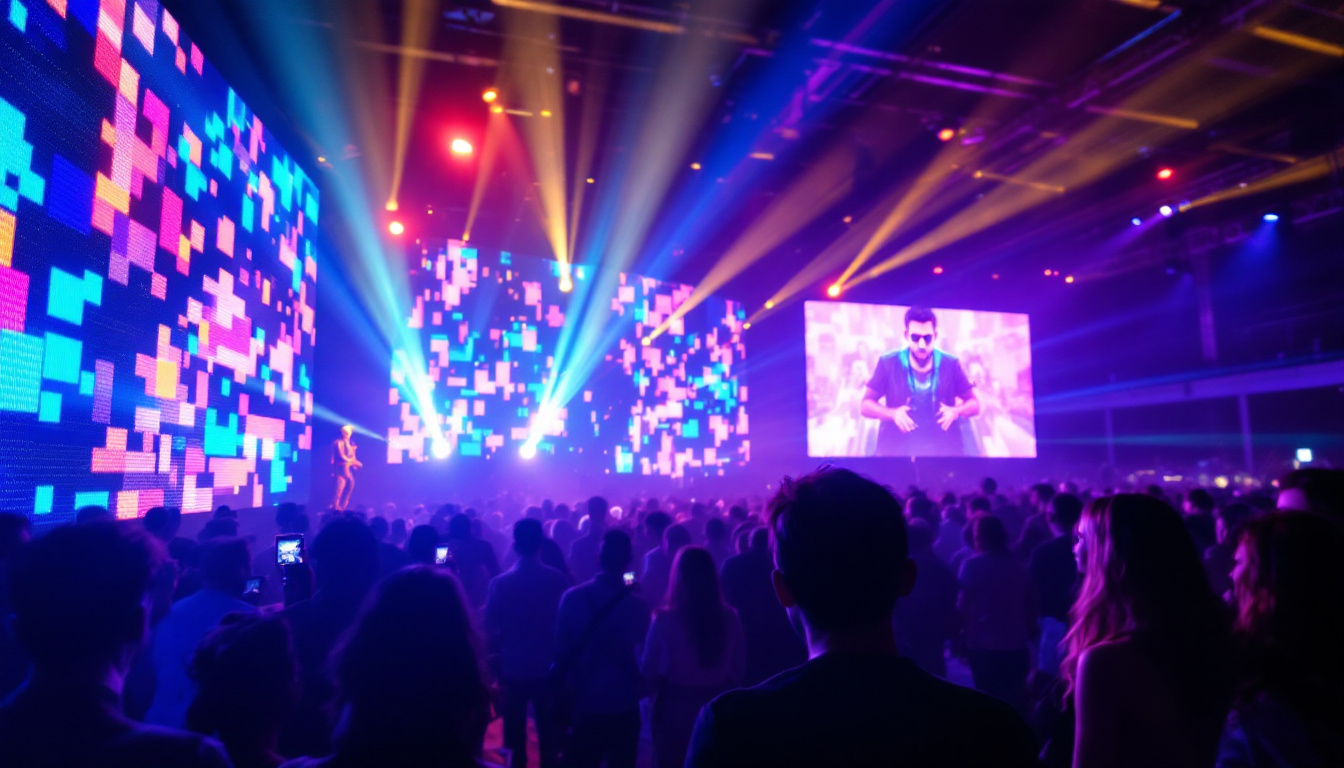
LED, or Light Emitting Diode, displays are screens made up of numerous tiny diodes that emit light when an electrical current passes through them. Unlike traditional LCD or projection screens, LED displays are self-illuminating, which means they produce their own light rather than relying on a backlight. This fundamental difference offers several advantages in terms of brightness, color accuracy, and contrast.
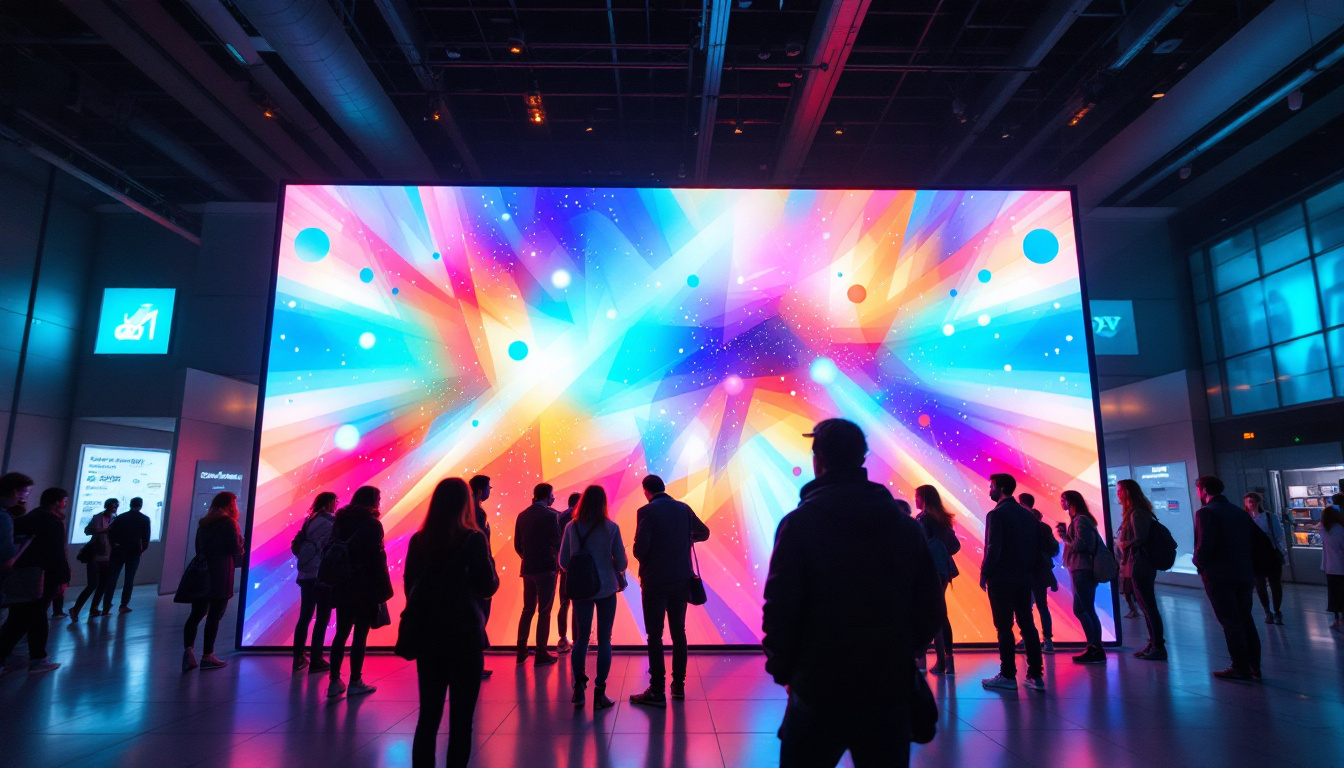
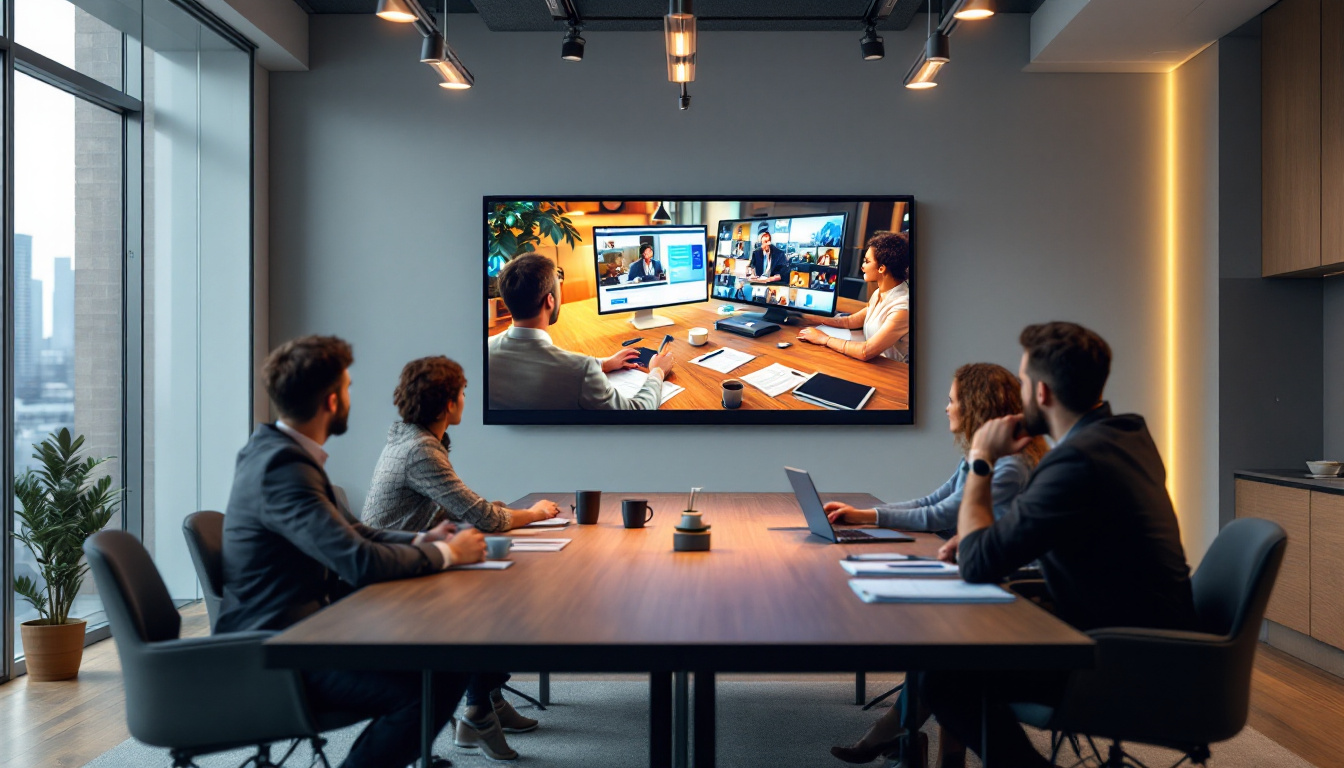
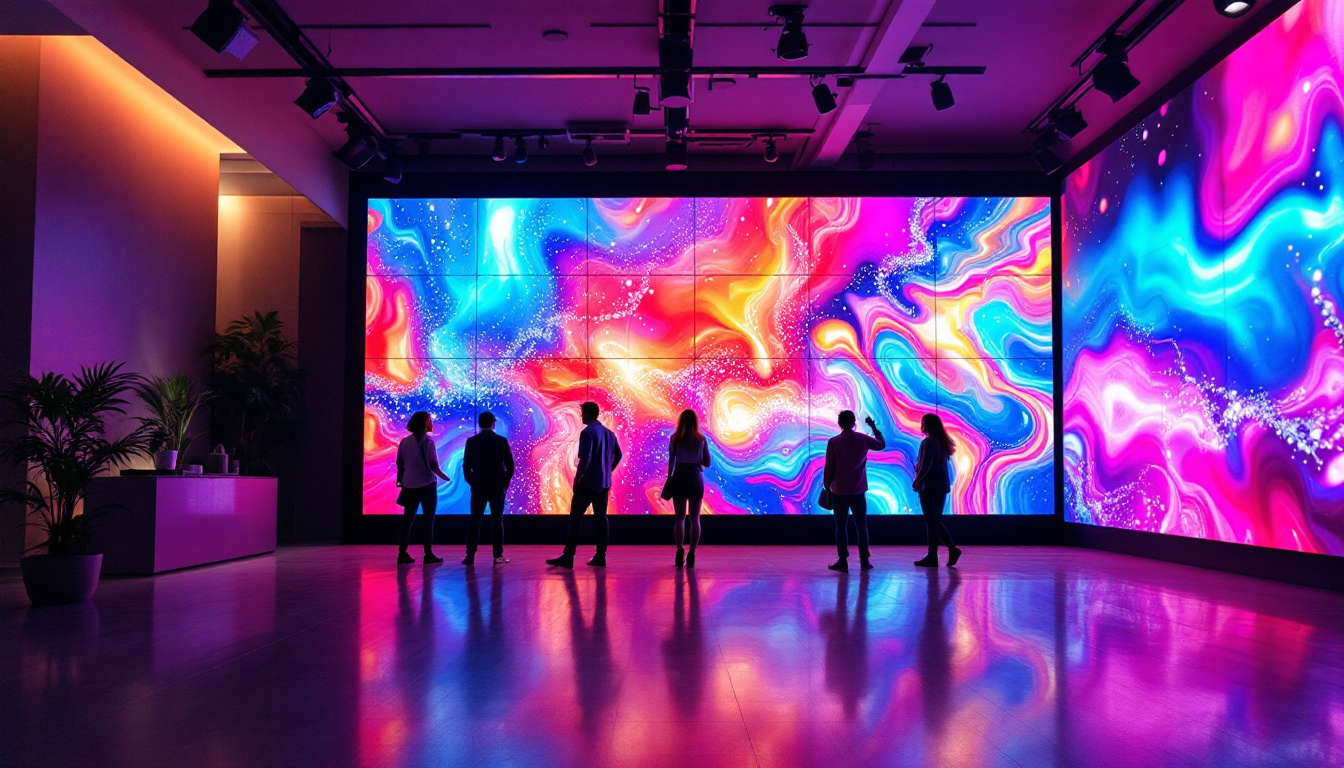
In the context of film production, LED displays are often used as large-scale video walls or panels that can be configured into various shapes and sizes. These walls serve as dynamic backgrounds or interactive sets, replacing green screens and traditional backdrops. The technology allows filmmakers to project high-resolution, real-time imagery that responds to camera movement and lighting conditions, creating a seamless integration between actors and their environments. This innovation not only enhances the visual storytelling but also opens up new creative avenues for directors and cinematographers, enabling them to craft more immersive experiences for audiences.
Key Advantages of LED Displays in Filmmaking
One of the most significant benefits of LED displays is their ability to produce vibrant colors and deep blacks simultaneously. This capability enhances the realism of digital sets and backgrounds, making scenes more visually compelling. Additionally, LED walls emit light that naturally illuminates actors and physical props, eliminating the need for complex lighting setups and reducing post-production work. This not only saves time but also minimizes the costs associated with extensive lighting equipment and labor, allowing filmmakers to allocate resources more effectively throughout the production process.
Another crucial advantage is the real-time rendering capability. With the integration of game engines like Unreal Engine, filmmakers can manipulate the content on LED walls live during shooting. This interactivity allows for dynamic scene adjustments, such as changing the time of day, weather conditions, or camera angles, all while maintaining consistent reflections and lighting on set. This level of flexibility not only enhances the creative process but also fosters collaboration among departments, as directors, visual effects artists, and cinematographers can work together in real time to achieve the desired look and feel of each shot. Furthermore, the use of LED displays can significantly reduce the environmental impact of film production by minimizing the need for extensive set builds and location shoots, aligning with the industry’s growing emphasis on sustainability and eco-friendly practices.
The Role of LED Displays in Touch The Wall
Touch The Wall is a documentary-style film that follows the journey of elite swimmers striving for Olympic glory. While the narrative centers on athleticism and human spirit, the production team chose to incorporate LED display technology to elevate the visual experience and immerse viewers in the intense environments the athletes face.
Instead of relying solely on location shoots or traditional green screen techniques, the filmmakers used LED walls to recreate swimming pools, training facilities, and even underwater scenes. This approach allowed for greater control over the visual elements and ensured continuity across different shooting days and locations.
Creating Immersive Environments
The use of LED displays in Touch The Wall enabled the production to simulate realistic water reflections and lighting effects that would have been challenging to capture on location. For example, underwater sequences were enhanced by projecting dynamic light patterns on the LED walls, mimicking the way sunlight filters through water. This technique not only improved the aesthetic quality but also contributed to the emotional tone of the scenes.
Moreover, the LED walls provided a safe and controlled environment for the actors and athletes, reducing the risks associated with filming in actual pools or open water. The ability to adjust the background visuals in real time helped the director experiment with different moods and atmospheres without the need for reshoots or extensive post-production modifications.
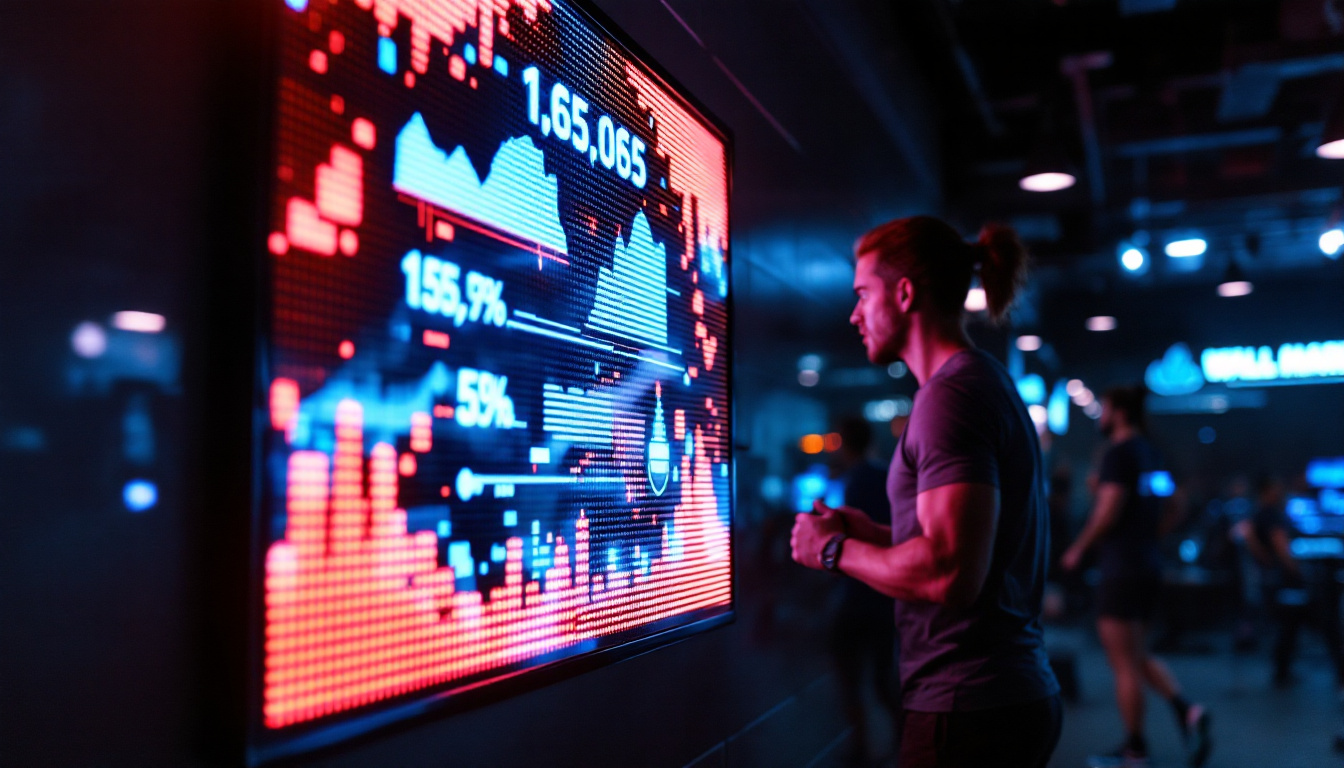
Additionally, the integration of LED technology allowed for innovative storytelling techniques. By utilizing high-resolution displays, the filmmakers were able to incorporate real-time statistics and graphics that highlighted the athletes’ performances, such as lap times and stroke counts, directly into the visual narrative. This not only informed the audience but also created a more engaging viewing experience, drawing them deeper into the world of competitive swimming. The seamless blend of live-action and digital elements showcased the athletes’ dedication and skill, making their journeys even more relatable and inspiring.
Furthermore, the LED displays facilitated a unique collaboration between the cinematography and the athletes’ training regimens. As the swimmers practiced their strokes in front of the LED walls, the production team could adjust the visuals to reflect the specific techniques being demonstrated. This synergy allowed for a more authentic representation of the athletes’ hard work and commitment, as viewers could see the immediate impact of their training on the visual narrative. The result was a film that not only celebrated the sport but also highlighted the technological advancements that are reshaping the way stories are told in cinema.
Technical Aspects Behind the LED Display Setup
Implementing LED displays for a film like Touch The Wall requires meticulous planning and collaboration between various departments, including cinematography, visual effects, and technical crews. The choice of LED panels, their resolution, refresh rate, and color calibration are critical factors that influence the final image quality.
Resolution and Pixel Pitch
High resolution is essential for LED walls used in filmmaking to ensure that the background appears sharp and detailed, even when captured by high-definition cameras. Pixel pitch—the distance between individual LEDs—determines the display’s clarity; smaller pixel pitches result in finer image quality. For Touch The Wall, the production team selected LED panels with a pixel pitch of 1.5mm, balancing cost and performance to achieve crisp visuals without visible pixelation.
Refresh Rate and Flicker-Free Imaging
One technical challenge with LED displays is flicker, which can occur when the refresh rate of the screen does not synchronize with the camera’s frame rate. Flicker manifests as visible banding or strobing effects in footage, which is undesirable in professional filmmaking. To address this, the LED walls used in Touch The Wall operated at refresh rates exceeding 1,200 Hz, ensuring flicker-free imaging even when shooting at high frame rates or slow-motion sequences.
Color Calibration and Consistency
Color accuracy is paramount when integrating LED backgrounds with live-action footage. The production team employed advanced color calibration tools to match the LED display’s output with the camera’s color profile. This process involved iterative adjustments and real-time monitoring to maintain consistency across different scenes and lighting conditions, ensuring that the LED backgrounds blended seamlessly with the physical elements on set.
Impact on Production Workflow and Post-Production
The integration of LED display technology in Touch The Wall not only enhanced the visual quality but also streamlined the production workflow. Traditional green screen setups often require extensive post-production compositing, which can be time-consuming and costly. By using LED walls, much of the visual effects work was accomplished in-camera, reducing the need for digital replacements and corrections.
This approach enabled the director and cinematographer to see the final composition live on set, facilitating better creative decisions and immediate feedback. Actors also benefited from performing in a visually rich environment, which can improve their engagement and authenticity on screen.
Cost and Time Efficiency
While the initial investment in LED display technology can be substantial, the overall cost savings in post-production and reshoots often justify the expense. For Touch The Wall, the ability to shoot complex scenes in a controlled studio environment minimized weather-related delays and logistical challenges associated with location filming.
Furthermore, the reduction in green screen compositing work accelerated the post-production timeline, allowing the film to move more swiftly from shooting to final editing and distribution.
Future Trends in LED Display Use in Filmmaking
The success of LED display technology in projects like Touch The Wall signals a broader industry shift towards virtual production techniques. As LED panels become more affordable and accessible, their use is expanding beyond big-budget productions to independent films, commercials, and even live events.
Advancements in real-time rendering software, artificial intelligence, and camera tracking systems continue to enhance the capabilities of LED walls, enabling even more immersive and interactive storytelling experiences.
Integration with Virtual and Augmented Reality
Looking ahead, LED displays are poised to play a critical role in the convergence of virtual reality (VR) and augmented reality (AR) with traditional filmmaking. By combining LED walls with VR/AR headsets and motion capture technology, creators can build hybrid environments where physical and digital elements coexist seamlessly.
This fusion opens new creative possibilities, such as interactive narratives, personalized viewing experiences, and innovative marketing campaigns that engage audiences on multiple sensory levels.
Environmental and Sustainability Considerations
Another important trend is the environmental impact of film production. LED displays offer a more sustainable alternative to location shoots by reducing travel, set construction, and resource consumption. Additionally, LED technology is energy-efficient and recyclable, aligning with the growing emphasis on green filmmaking practices.
Conclusion
The use of LED display technology in Touch The Wall exemplifies how modern filmmaking is embracing innovative tools to push the boundaries of visual storytelling. By leveraging high-resolution, flicker-free LED walls, the production achieved stunning realism, enhanced creative control, and streamlined workflows.
As this technology continues to evolve and integrate with other digital advancements, it promises to redefine the cinematic experience for creators and audiences alike. For filmmakers, understanding and adopting LED display technology is becoming essential to stay competitive and deliver compelling, immersive stories in the digital age.
Explore Cutting-Edge LED Display Solutions
As you’ve seen with Touch The Wall, LED display technology is transforming the art of filmmaking, offering unparalleled realism and creative possibilities. If you’re inspired to elevate your own projects with the latest in LED display innovation, look no further than LumenMatrix. With a diverse range of products including Indoor and Outdoor LED Wall Displays, Vehicle LED Displays, and more, LumenMatrix is at the forefront of creating immersive visual experiences. Discover how our LED solutions can bring your vision to life with clarity and impact. Check out LumenMatrix LED Display Solutions and join the revolution in visual storytelling.