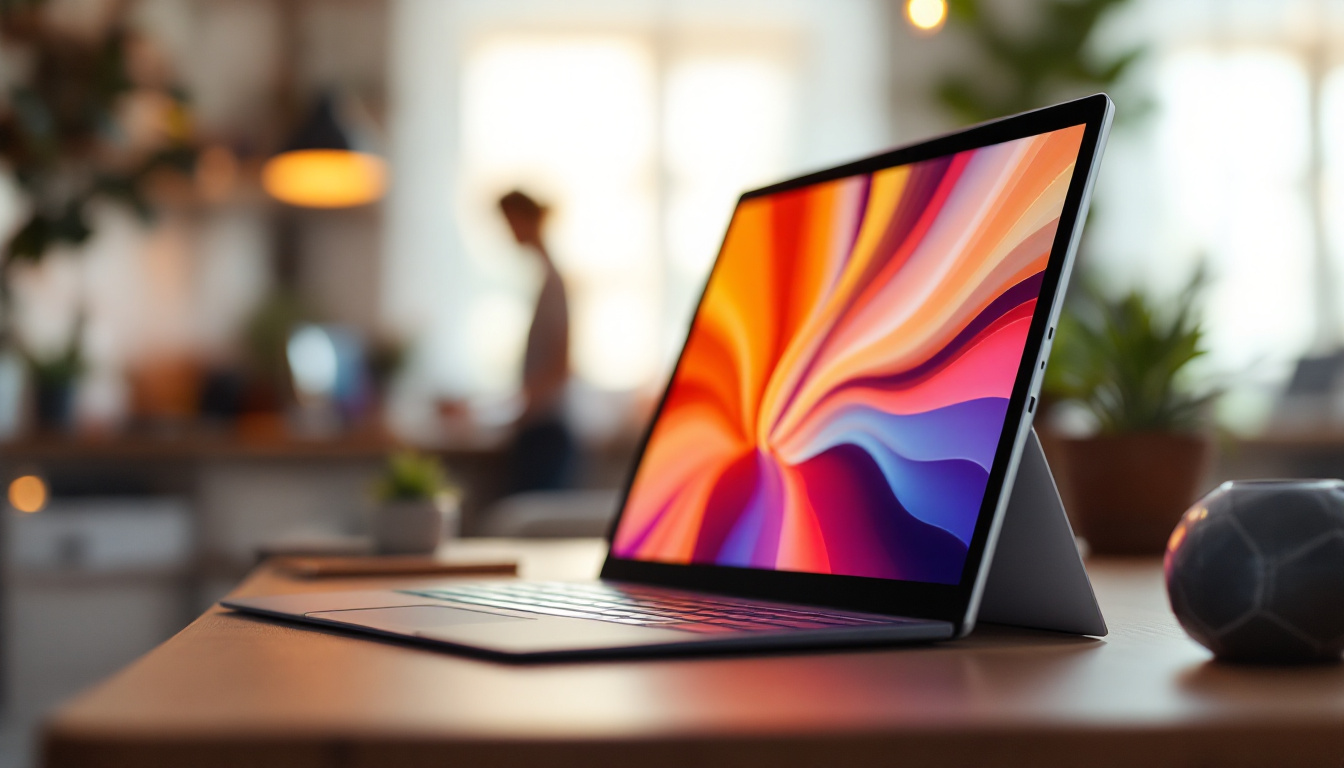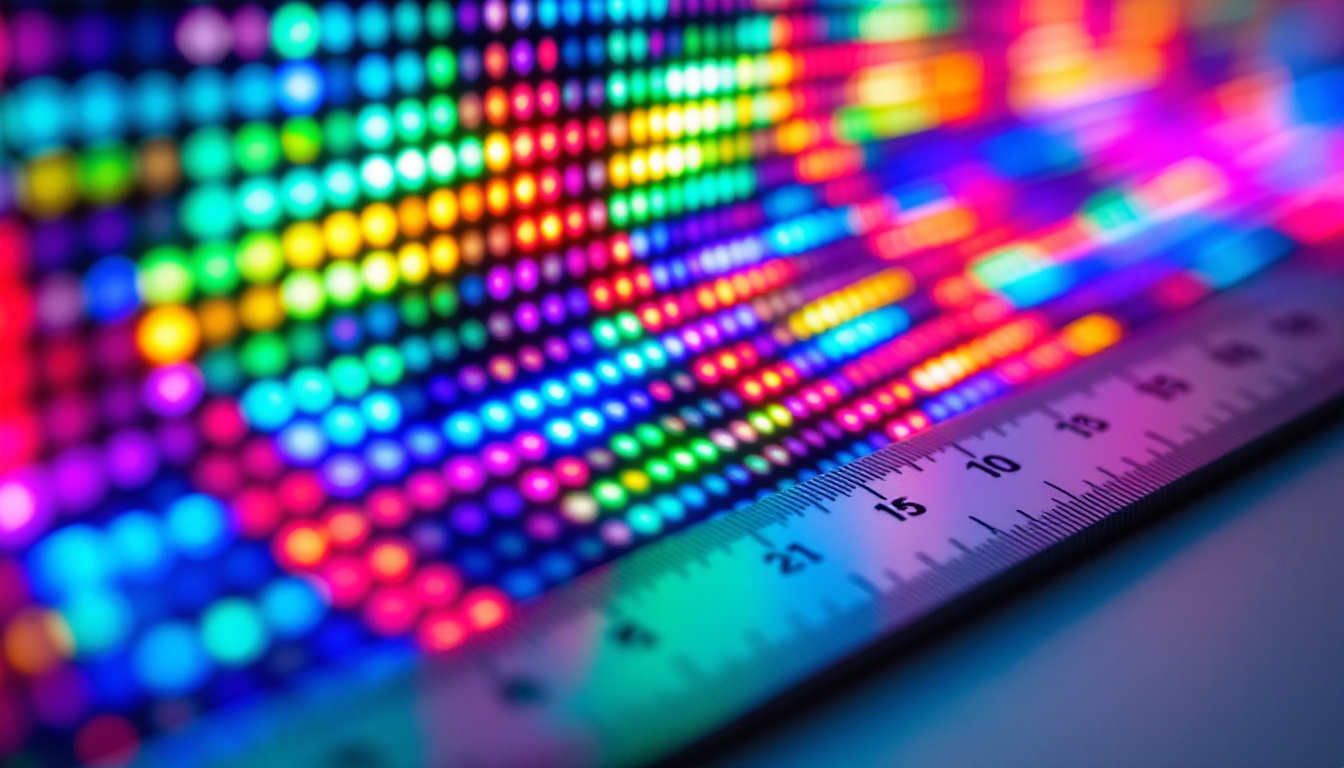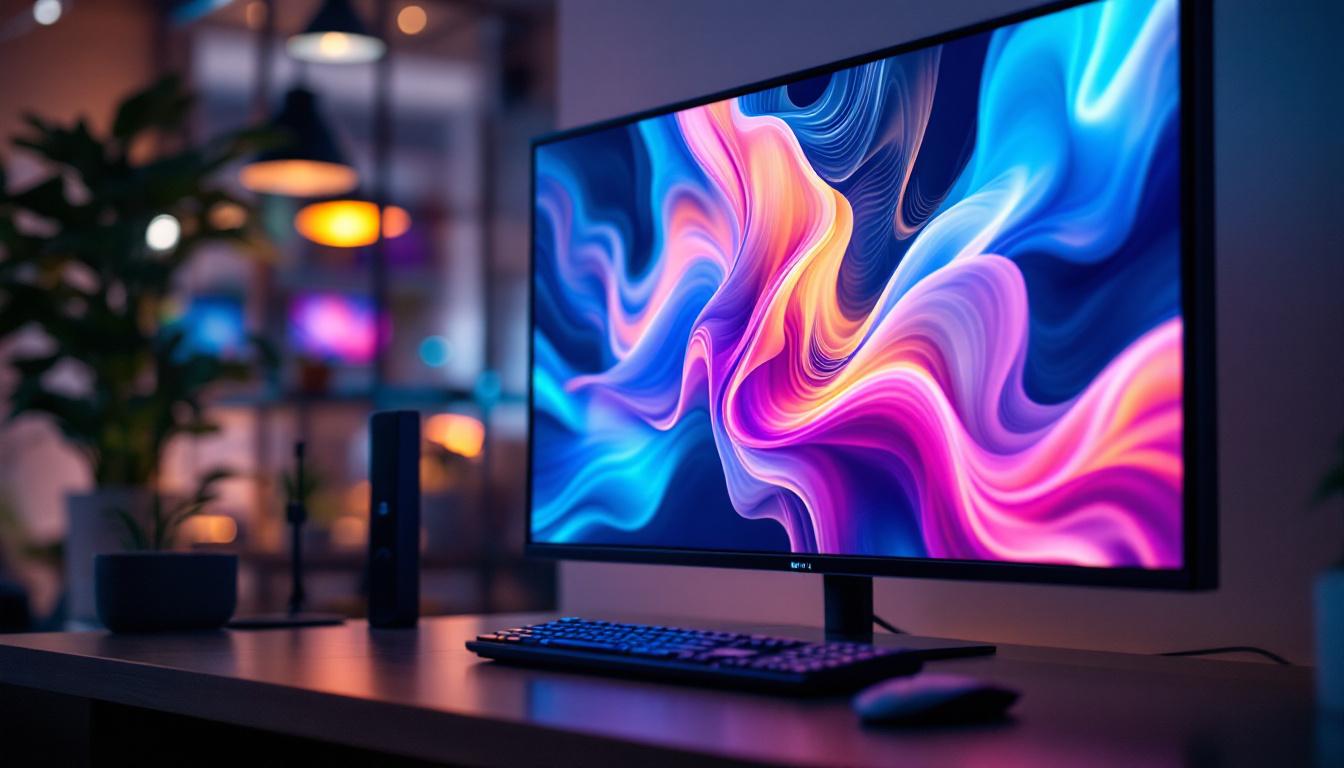
In the world of digital displays, the terms LCD and LED are often used interchangeably, leading to some confusion among consumers and professionals alike. Understanding what an LCD monitor is, how LED technology integrates with it, and the differences between various display types is essential for making informed decisions—whether purchasing a new monitor, upgrading your workstation, or simply satisfying your curiosity about modern screen technology.
Understanding LCD Technology
LCD stands for Liquid Crystal Display, a technology that has revolutionized the way images are presented on screens. Unlike older cathode ray tube (CRT) monitors, LCDs are thin, lightweight, and energy-efficient, making them the dominant technology in monitors, televisions, smartphones, and other digital devices.
How LCDs Work
At the core of an LCD monitor is a layer of liquid crystals sandwiched between two polarizing filters and glass substrates. These liquid crystals don’t emit light themselves; instead, they manipulate light passing through them. When an electric current is applied, the crystals align in such a way that they either block or allow light to pass through, creating images on the screen.
This process requires a backlight to illuminate the crystals, which is where LED technology comes into play. The backlight can vary in design, with edge-lit and direct-lit configurations offering different advantages in terms of brightness and color accuracy. Edge-lit displays tend to be thinner and more energy-efficient, while direct-lit displays often provide better uniformity and contrast, making them suitable for high-end applications.
Historical Context and Evolution
The first practical LCDs were developed in the 1960s, but it wasn’t until the late 1990s and early 2000s that they became mainstream in computer monitors and televisions. Early LCDs used cold cathode fluorescent lamps (CCFLs) as backlights, which were bulky and consumed more power. The transition to LED backlighting marked a significant advancement in display technology. This shift not only improved energy efficiency but also allowed for thinner and lighter designs, paving the way for the sleek devices we use today.
As technology progressed, advancements such as In-Plane Switching (IPS) and Twisted Nematic (TN) panels emerged, each offering unique benefits in terms of color reproduction and viewing angles. IPS panels, for instance, are renowned for their superior color accuracy and wider viewing angles, making them a favorite among graphic designers and photographers. On the other hand, TN panels are often favored for gaming due to their faster response times and lower costs. This diversity in panel technology has allowed consumers to choose displays that best fit their specific needs and preferences, further solidifying LCD’s place in modern technology.
What Is LED in LCD Monitors?
LED stands for Light Emitting Diode. When people refer to an “LED monitor,” they are generally talking about an LCD monitor that uses LED backlighting instead of CCFLs. This distinction is crucial because the display technology remains LCD, but the light source behind the liquid crystals has changed.
Types of LED Backlighting
There are primarily two types of LED backlighting used in LCD monitors:
- Edge-Lit LED: LEDs are placed along the edges of the screen, and light is distributed across the display using light guides. This design allows for thinner monitors and is common in consumer-grade displays.
- Full-Array LED: LEDs are placed directly behind the entire screen, allowing for more precise control of brightness and contrast through local dimming zones. This results in better picture quality, especially in dark scenes.
Full-array LED backlighting is often found in higher-end monitors and televisions and is preferred for professional use and home theaters.
Advantages of LED Backlighting
Switching from CCFL to LED backlighting brought several benefits:
- Improved Energy Efficiency: LED backlights consume less power, contributing to longer device battery life and lower electricity costs.
- Thinner and Lighter Designs: LEDs are smaller and more flexible, enabling slimmer displays.
- Better Brightness and Color Accuracy: LED backlights can achieve higher brightness levels and support wider color gamuts, enhancing visual experience.
- Longer Lifespan and Environmental Benefits: LEDs have a longer operational life and do not contain mercury, unlike CCFLs, making them more environmentally friendly.
Comparing LCD with LED, OLED, and Other Display Technologies
While LCD with LED backlighting is prevalent, it’s important to understand how it compares to other display technologies such as OLED and QLED. Each has unique characteristics that suit different needs and preferences.
LCD (LED Backlit) vs. OLED
Organic Light Emitting Diode (OLED) displays differ fundamentally from LCDs. OLED pixels emit their own light, meaning no backlight is required. This allows for:
- True blacks and infinite contrast ratios, since pixels can be turned off completely.
- Faster response times, beneficial for gaming and fast-moving content.
- Wider viewing angles without color distortion.
However, OLEDs tend to be more expensive and can suffer from burn-in issues over time, which is less common in LCDs.
QLED and Other Variants
Quantum Dot LED (QLED) is a marketing term used primarily by certain manufacturers to describe LCD monitors enhanced with quantum dot technology. This technology improves color accuracy and brightness by using quantum dots in the backlight system.
QLED displays still rely on LCD panels but offer a significant improvement over traditional LED-backlit LCDs, especially in terms of color volume and peak brightness.
Key Performance Metrics of LCD Monitors with LED Backlighting
When evaluating LCD monitors with LED backlighting, several performance metrics are crucial to consider. These factors impact the overall viewing experience and suitability for different tasks.
Resolution and Pixel Density
Resolution refers to the number of pixels displayed on the screen. Common resolutions include Full HD (1920×1080), Quad HD (2560×1440), and 4K UHD (3840×2160). Higher resolution means more detail and sharper images, especially important for professional photo and video editing.
Pixel density, measured in pixels per inch (PPI), affects how crisp the display appears. A higher PPI results in finer detail and less visible pixelation.
Refresh Rate and Response Time
Refresh rate, measured in Hertz (Hz), indicates how many times the screen updates per second. Standard monitors have 60Hz, but gaming and professional monitors can reach 120Hz, 144Hz, or even 240Hz, providing smoother motion.
Response time measures how quickly a pixel can change from one color to another, typically in milliseconds (ms). Lower response times reduce motion blur and ghosting, important for fast-paced gaming and video playback.
Color Accuracy and Gamut
Color accuracy is critical for creative professionals. It is often measured using Delta E values, with lower values indicating more accurate color reproduction.
Color gamut refers to the range of colors a monitor can display. Common standards include sRGB, Adobe RGB, and DCI-P3. Monitors covering wider gamuts are better suited for professional photo and video work.
Brightness and Contrast Ratio
Brightness is measured in nits (cd/m²) and affects visibility in bright environments. Typical office monitors have brightness levels around 250-350 nits, while HDR-capable monitors can exceed 600 nits.
Contrast ratio is the difference between the darkest black and the brightest white a monitor can display. Higher contrast ratios contribute to more vivid and dynamic images.
Practical Applications and Choosing the Right LCD Monitor
Understanding the technology and performance metrics helps in selecting the right LCD monitor with LED backlighting for specific needs.
For General Use and Office Work
Basic Full HD monitors with LED backlighting are sufficient for everyday tasks such as browsing, document editing, and video conferencing. Energy efficiency and eye comfort features like blue light filters and flicker-free technology are beneficial for prolonged use.
For Creative Professionals
Photographers, graphic designers, and video editors require monitors with high resolution, excellent color accuracy, and wide color gamut support. Monitors with full-array LED backlighting and local dimming zones can provide better contrast and color consistency.
For Gamers
Gaming monitors prioritize high refresh rates (120Hz or above), low response times (under 5ms), and adaptive sync technologies like G-Sync or FreeSync to reduce screen tearing. LED-backlit LCDs with fast IPS panels are popular choices.
For Home Entertainment
Monitors and TVs designed for movies and streaming often feature HDR support, high brightness, and wide color gamuts. Full-array LED backlighting with local dimming improves black levels and overall picture quality.
Future Trends in LCD and LED Display Technology
Display technology continues to evolve rapidly, with ongoing research and development aimed at improving performance, efficiency, and user experience.
Mini-LED and Micro-LED
Mini-LED technology uses thousands of tiny LEDs for backlighting, allowing for even more precise local dimming and improved contrast. This technology bridges the gap between traditional LED-backlit LCDs and OLEDs, offering superior brightness and color performance.
Micro-LED displays, where each pixel is a microscopic LED, promise self-emissive displays with the benefits of OLED but without burn-in issues. While still emerging, Micro-LED is expected to play a significant role in future high-end displays.
Advancements in Quantum Dot Technology
Quantum dots continue to enhance color performance and energy efficiency in LCD monitors. Researchers are developing new quantum dot materials that are more stable and environmentally friendly, potentially leading to even better displays.
Integration of AI and Smart Features
Artificial intelligence is being integrated into display technology to optimize image quality dynamically based on content and ambient lighting conditions. Smart monitors with built-in sensors and adaptive algorithms improve user comfort and visual experience.
Conclusion
LCD monitors with LED backlighting represent a mature and versatile technology that balances performance, cost, and energy efficiency. Understanding the underlying principles of LCD and LED technologies, along with key performance metrics, empowers consumers and professionals to choose the best display for their needs.
As display technology advances, innovations like Mini-LED, Micro-LED, and quantum dot enhancements promise even better visual experiences in the near future. Staying informed about these developments ensures that users can make wise investments and enjoy the full benefits of modern display technology.
Explore Cutting-Edge LED Display Solutions with LumenMatrix
As you consider the advancements and future trends in LCD and LED display technology, LumenMatrix stands at the forefront of innovation, offering a wide array of LED display modules tailored to your unique needs. From enhancing brand visibility with Indoor and Outdoor LED Wall Displays to creating dynamic environments with Floor and Custom LED Displays, LumenMatrix is committed to revolutionizing visual communication. Elevate your visual experience and engage your audience like never before. Check out LumenMatrix LED Display Solutions today and witness the transformative power of state-of-the-art LED technology.