In today’s fast-paced digital environment, visual communication plays a pivotal role in capturing attention and conveying information effectively. Among the most impactful technologies driving this trend are monitor video walls, particularly those utilizing LED displays. These expansive, high-resolution screens are transforming industries ranging from retail and corporate environments to control rooms and entertainment venues.
This article delves into the world of monitor video walls, focusing on LED display technology. It explains how these systems work, their benefits, and the considerations involved in selecting and implementing them. Whether you are a business owner, IT professional, or technology enthusiast, understanding LED video walls will help you make informed decisions about integrating this powerful visual tool into your space.
What Is a Monitor Video Wall?
Definition and Basic Concept
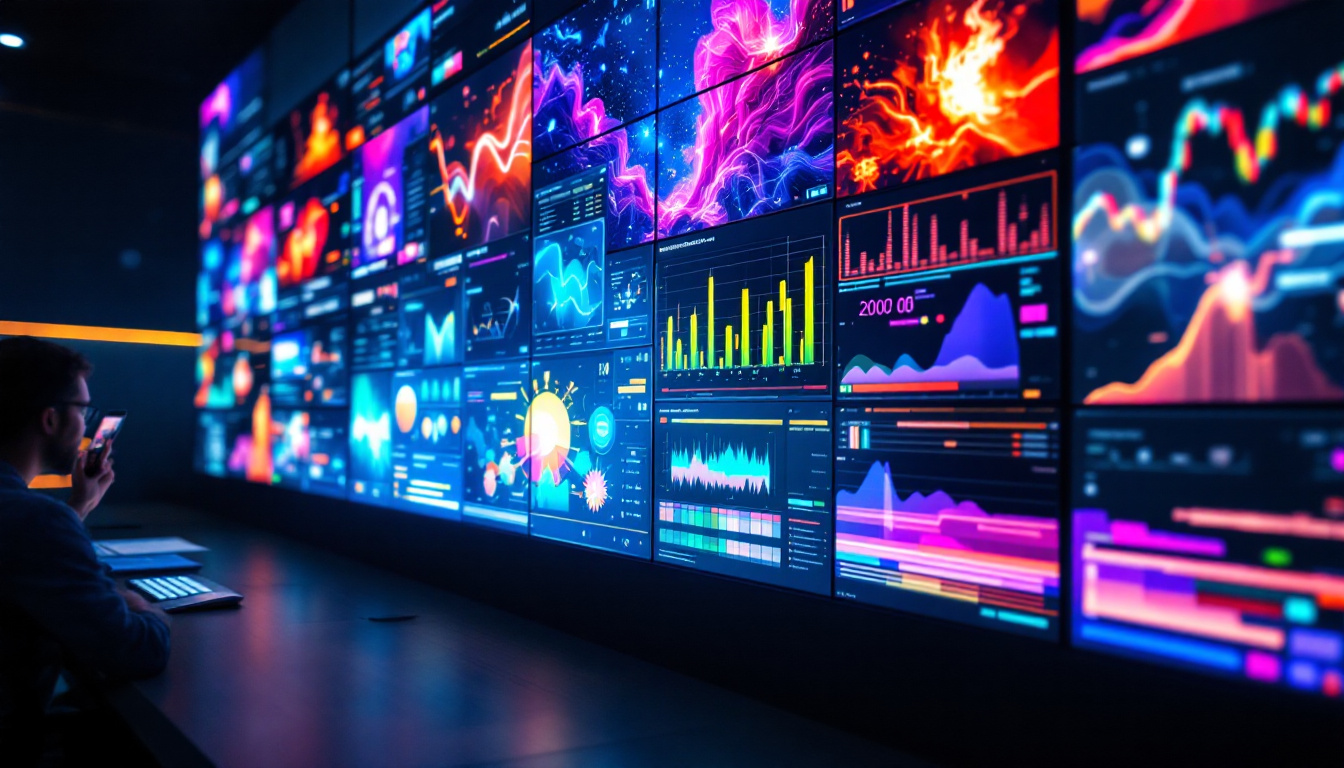
A monitor video wall is a large-scale display system composed of multiple monitors or panels tiled together to form one continuous screen. Unlike a single large display, video walls use an array of smaller screens that work in unison to display images, videos, or data with high resolution and brightness. This modular approach allows for flexible sizing and configurations tailored to specific needs.
Video walls are often used where standard monitors or projectors cannot meet the demands of size, clarity, or brightness. The technology behind them enables seamless visuals that appear as one large, cohesive image rather than a collection of individual screens. This capability is particularly beneficial in environments such as control rooms, command centers, and large public venues where information needs to be conveyed clearly and effectively to a wide audience.
Moreover, the integration of advanced software solutions allows for dynamic content management, enabling users to display a variety of content types—from real-time data feeds to high-definition videos—simultaneously. This versatility enhances the overall user experience, making video walls not just a display tool, but a powerful medium for storytelling and information dissemination.
Types of Video Walls
Video walls come in various technologies, including LCD, projection, and LED. LCD video walls use liquid crystal displays arranged in a grid, offering high resolution but sometimes limited brightness and contrast. Projection video walls rely on multiple projectors to create a large image, but they require controlled lighting environments and can suffer from alignment issues.
LED video walls, the focus of this article, use light-emitting diodes as pixels, providing superior brightness, contrast, and durability. This makes LED video walls ideal for both indoor and outdoor applications where visibility and impact are critical. In addition to their impressive performance metrics, LED video walls are also energy-efficient and have a longer lifespan compared to traditional display technologies, making them a cost-effective choice in the long run.
Furthermore, the modular nature of LED video walls allows for easy scalability; organizations can start with a smaller configuration and expand as their needs grow. This adaptability is particularly appealing for businesses and event organizers who may require different setups for various occasions. Additionally, advancements in technology have led to the development of ultra-thin bezels, minimizing the gaps between individual screens and enhancing the overall visual experience. This creates a more immersive environment, perfect for exhibitions, concerts, and corporate events where captivating visuals are essential to engage the audience.
Understanding LED Display Technology
How LED Displays Work
LED (Light Emitting Diode) displays consist of thousands to millions of tiny LEDs arranged in a matrix. Each LED acts as an individual pixel that emits light when an electrical current passes through it. By controlling the intensity and color of each LED, the display can produce vibrant images and videos with high precision.
LED displays are categorized into two main types: direct view LED and LED-backlit LCD. Direct view LED video walls use LEDs as the actual pixels, creating bright, vivid images visible even in bright ambient light. LED-backlit LCDs, on the other hand, use LEDs to illuminate LCD panels but do not offer the same brightness or viewing angles as direct view LED walls.
Pixel Pitch and Resolution
One of the most important technical specifications of LED video walls is pixel pitch, which refers to the distance between the centers of two adjacent LEDs. Pixel pitch is measured in millimeters and directly affects the resolution and viewing distance of the display. A smaller pixel pitch means more LEDs per square meter, resulting in higher resolution and sharper images.
For example, a video wall with a 1.5mm pixel pitch is suitable for close-up viewing environments like control rooms or retail stores, while a 10mm or larger pitch is better suited for outdoor advertising where viewers are farther away.
Brightness and Contrast
LED video walls are known for their exceptional brightness, often exceeding 1,000 nits for indoor models and reaching up to 5,000 nits or more for outdoor displays. This high brightness ensures clear visibility even under direct sunlight or brightly lit indoor spaces.
Contrast ratio—the difference between the darkest black and the brightest white—is another critical factor. LED displays offer deep blacks and vibrant colors thanks to their ability to turn off individual LEDs completely, unlike LCDs which rely on backlighting and can suffer from light bleed.
Applications of LED Monitor Video Walls
Corporate and Control Room Environments
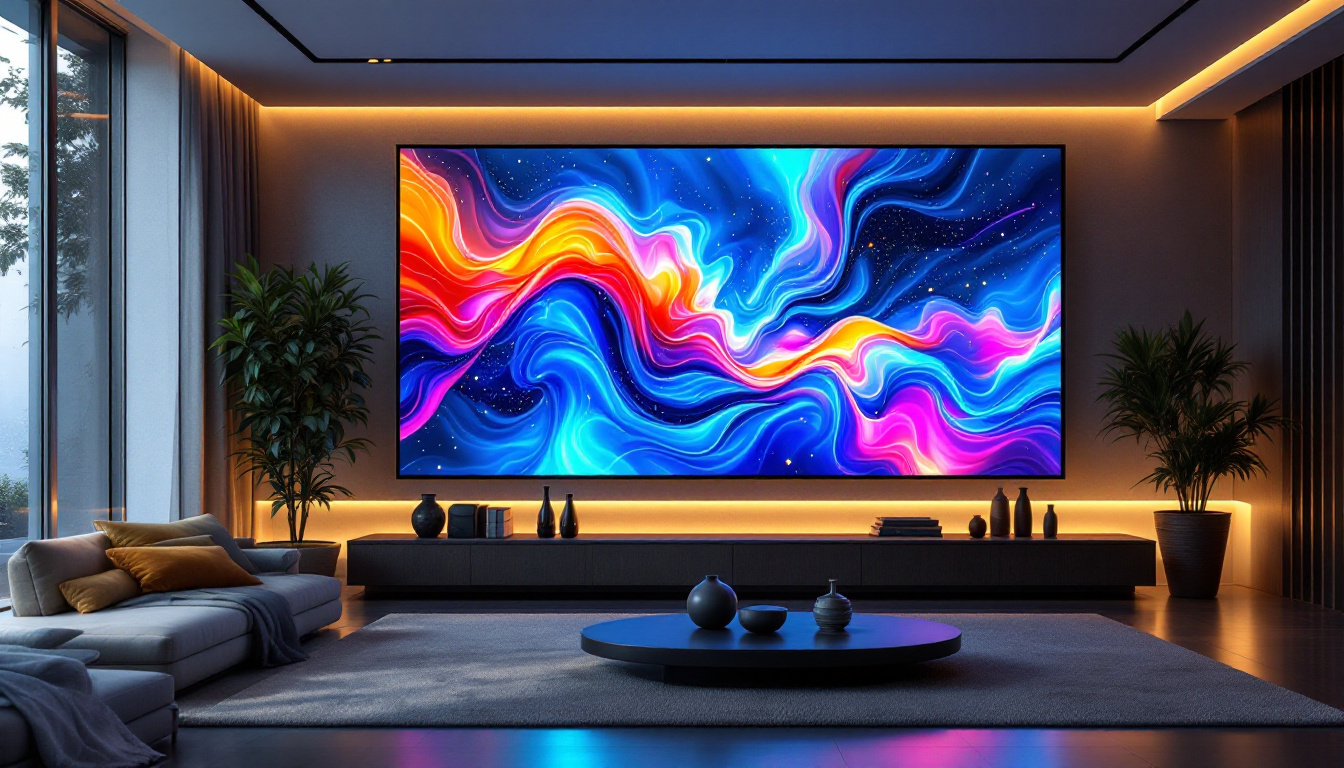
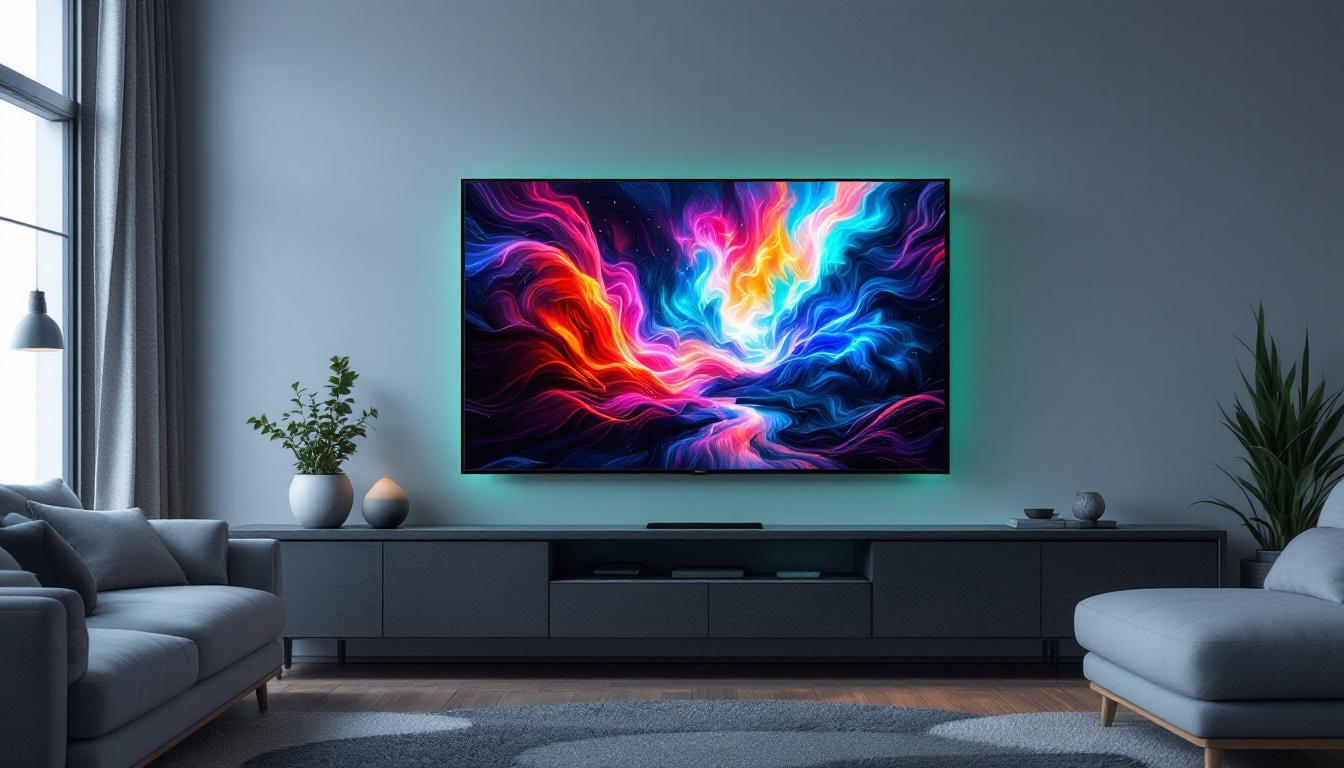
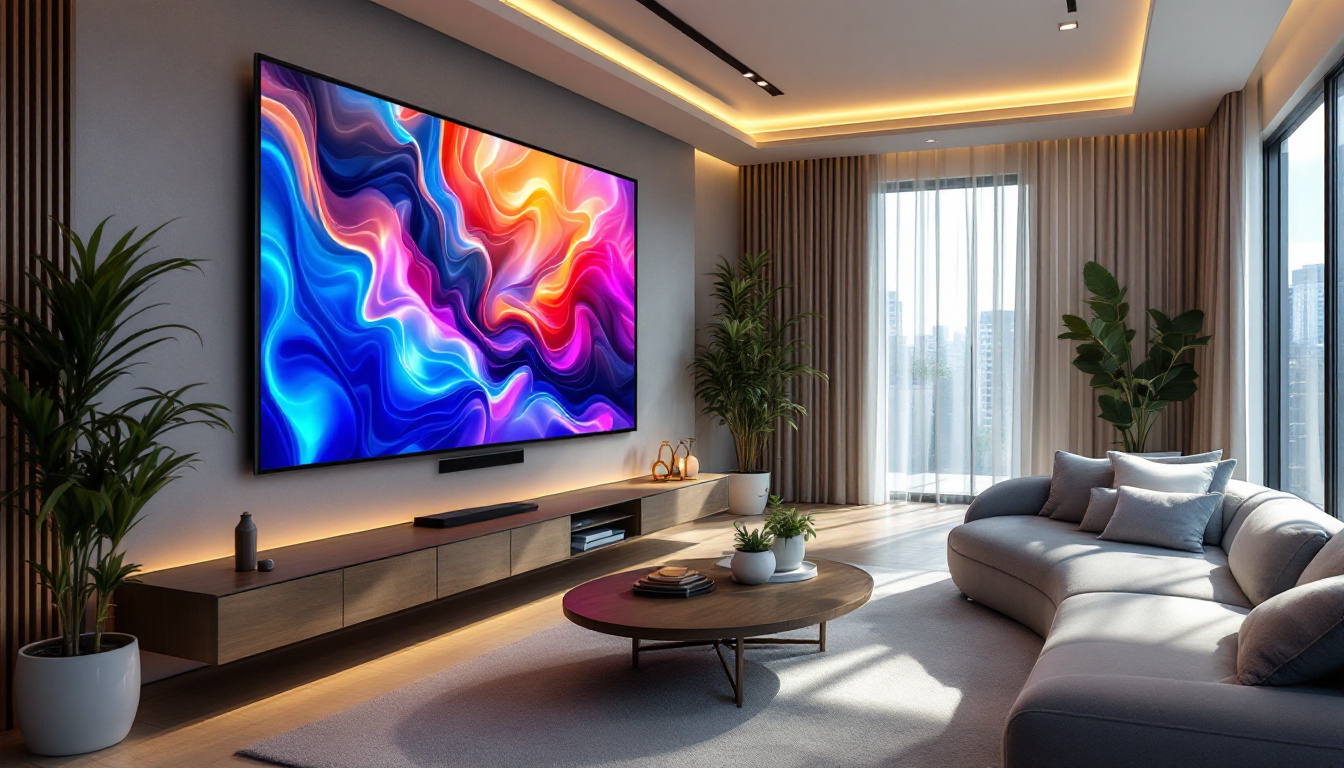
In corporate settings, LED video walls are widely used in boardrooms, lobbies, and collaboration spaces. They facilitate dynamic presentations, video conferencing, and real-time data visualization, enhancing communication and decision-making.
Control rooms, such as those in utilities, transportation, and emergency services, rely heavily on LED video walls for monitoring critical information. The clarity and reliability of LED displays enable operators to track multiple data streams simultaneously, improving situational awareness and response times.
Retail and Advertising
Retailers leverage LED video walls to create immersive shopping experiences and promote products dynamically. These displays can be customized to fit store layouts and attract customers with eye-catching visuals and interactive content.
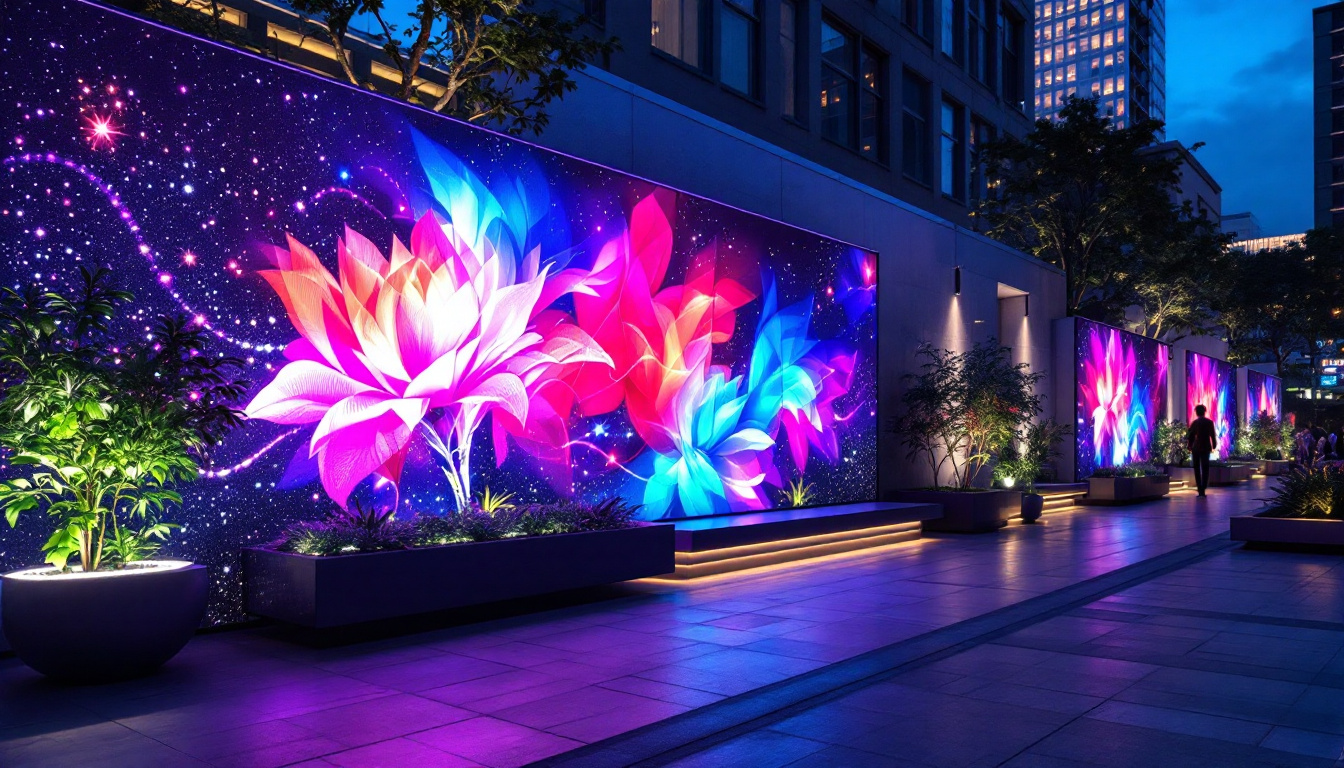
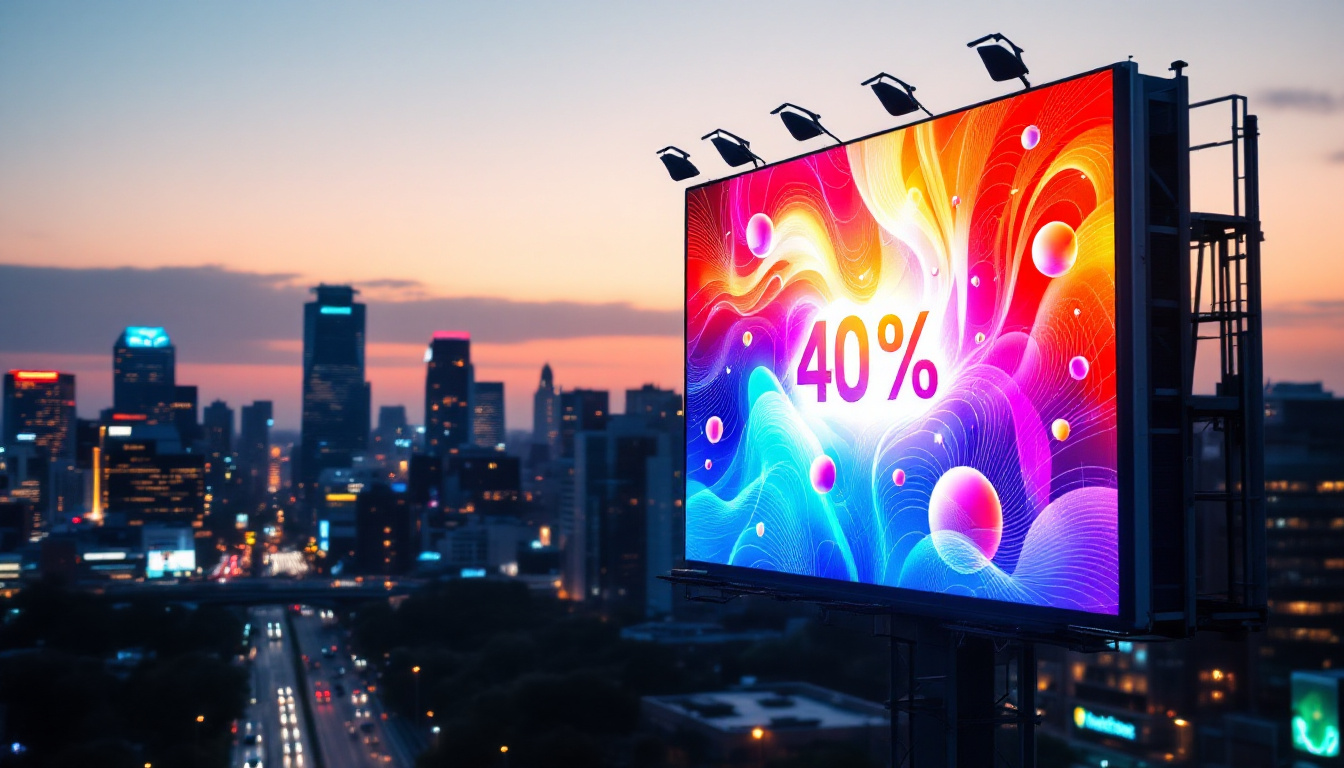
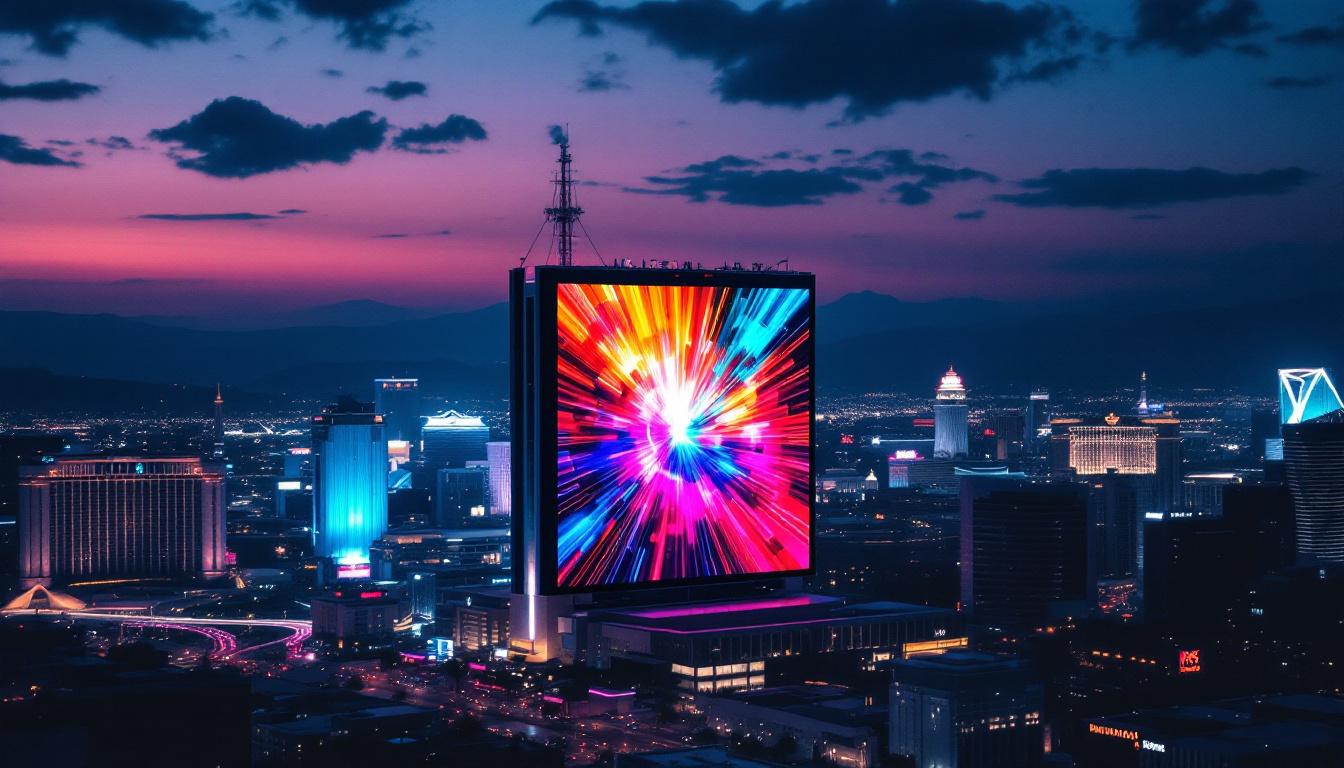
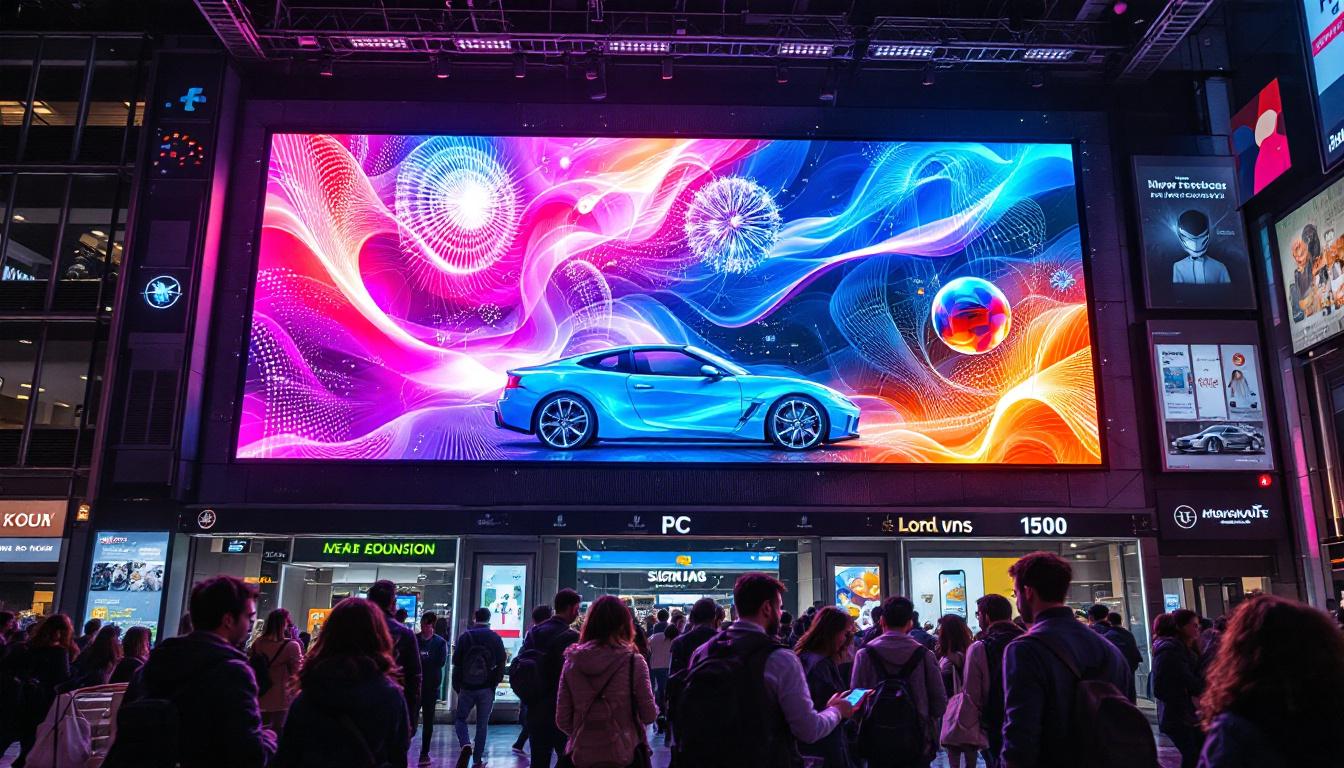
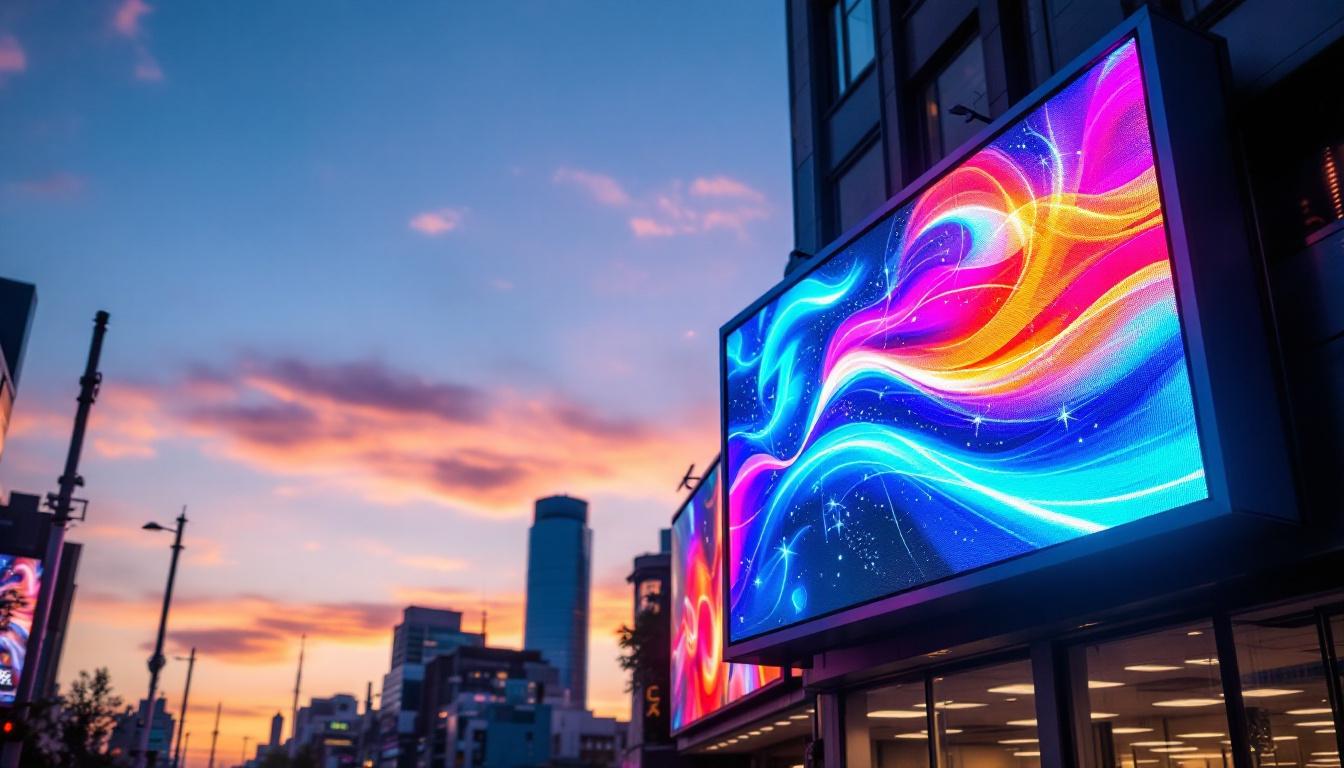
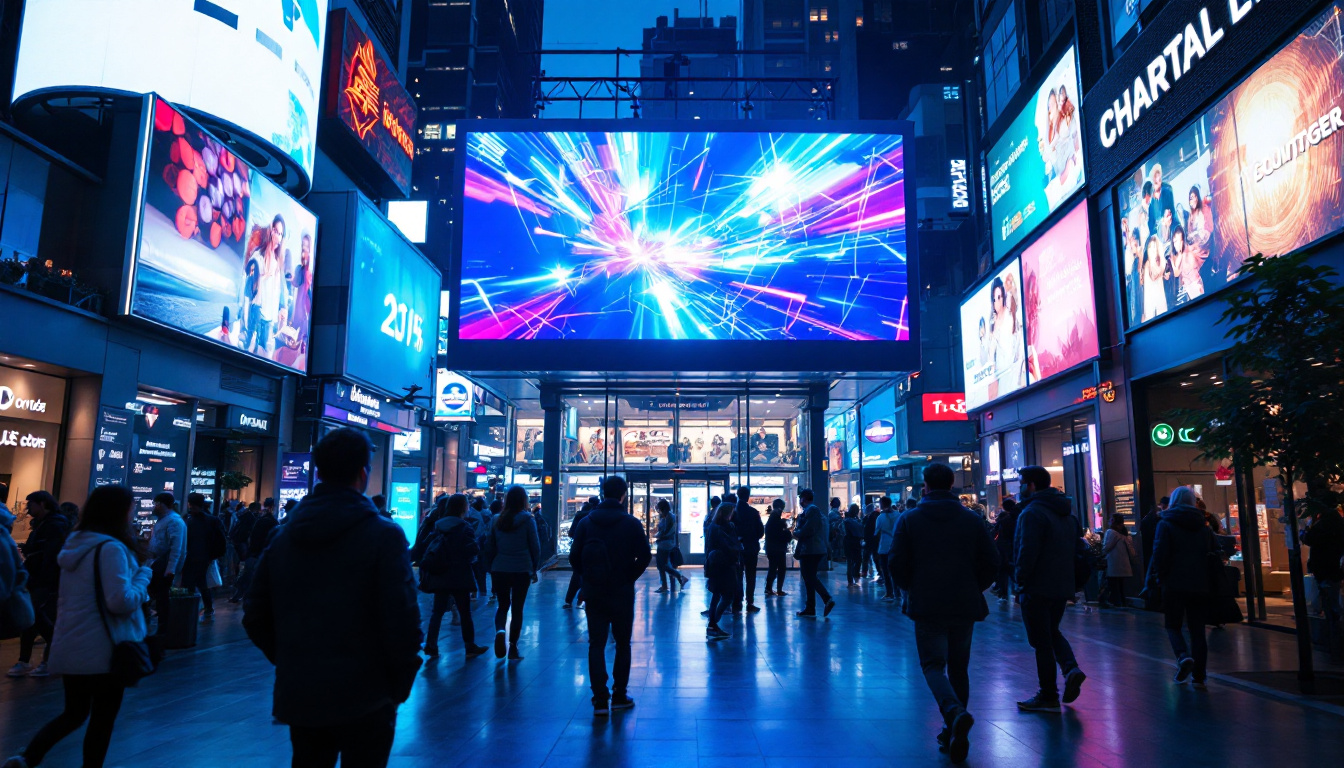
Outdoor LED video walls are a staple of modern advertising, used in billboards, stadiums, and city centers worldwide. Their durability and brightness make them effective tools for brand visibility and engagement, even in challenging weather conditions.
Entertainment and Events
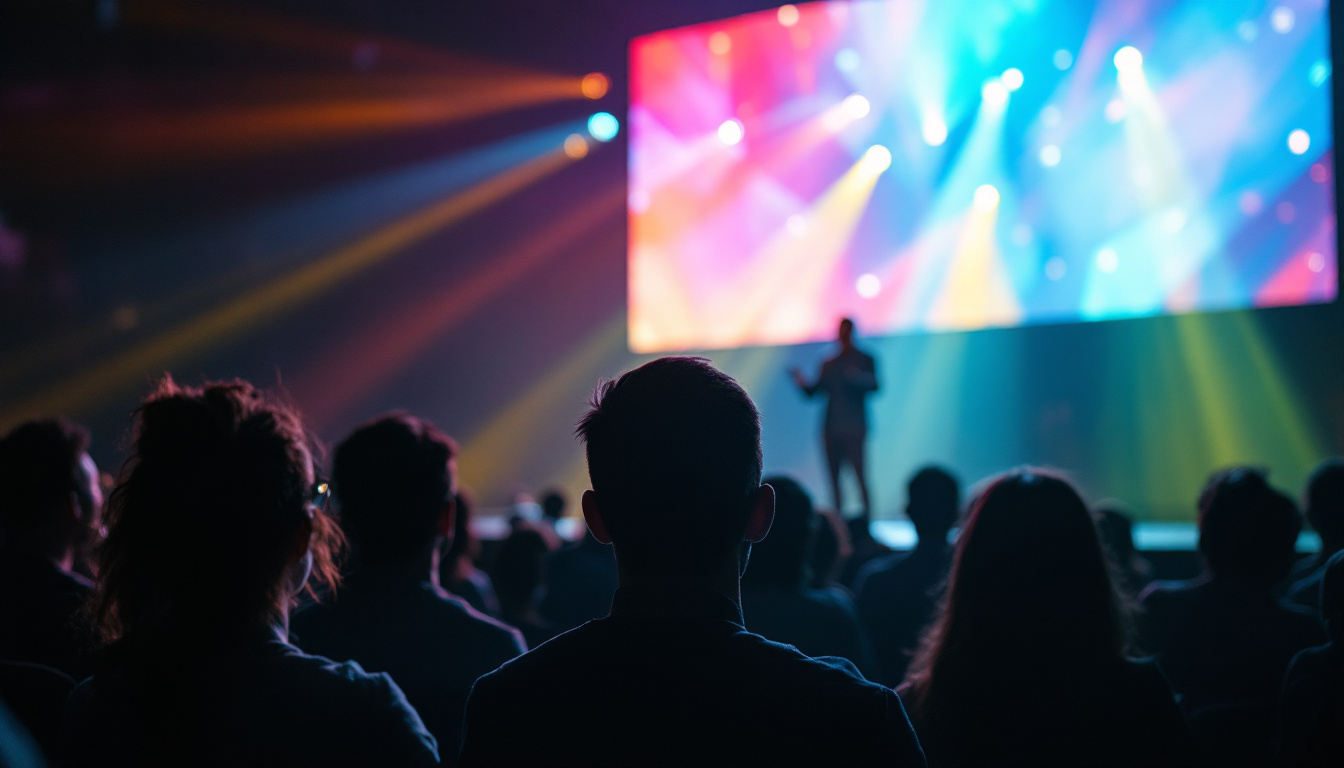
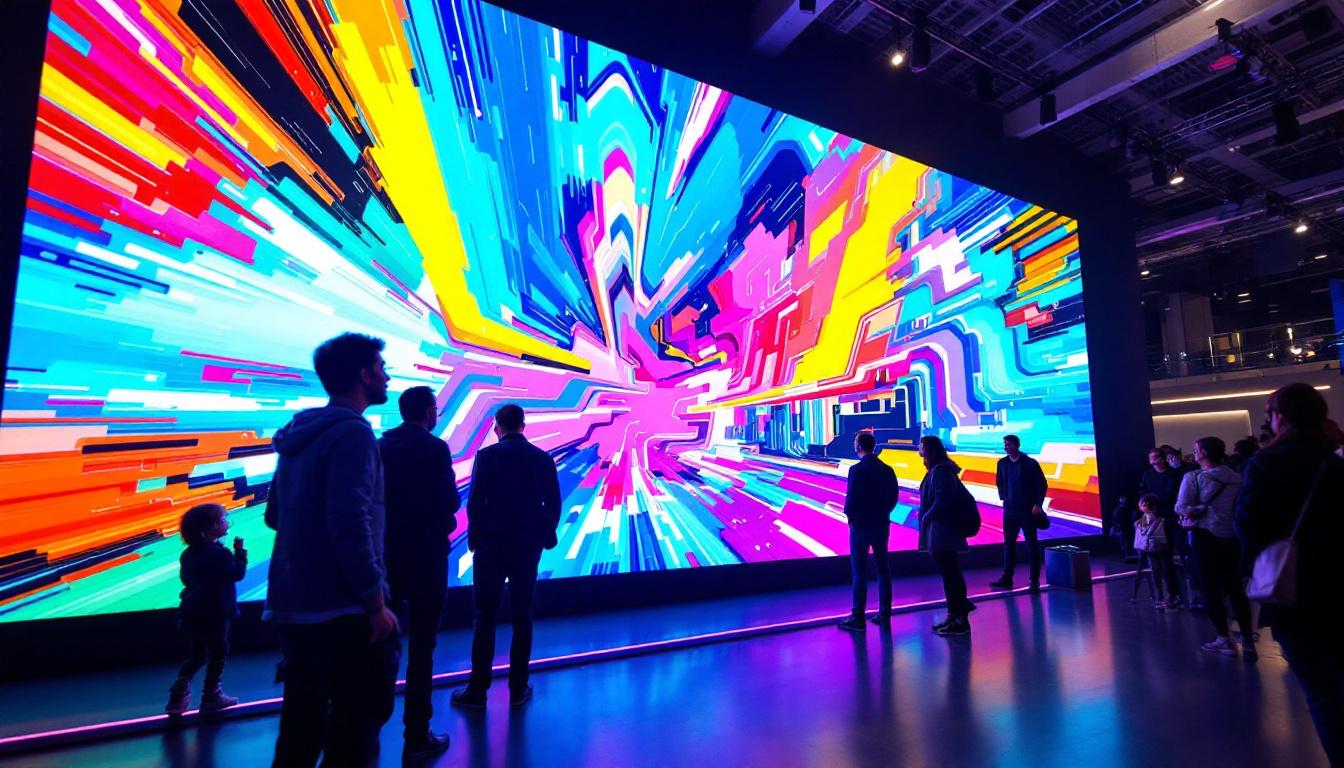
Concerts, theaters, and sports venues utilize LED video walls to enhance audience experiences. These displays provide large-scale visuals, live feeds, and special effects that complement performances and keep spectators engaged.
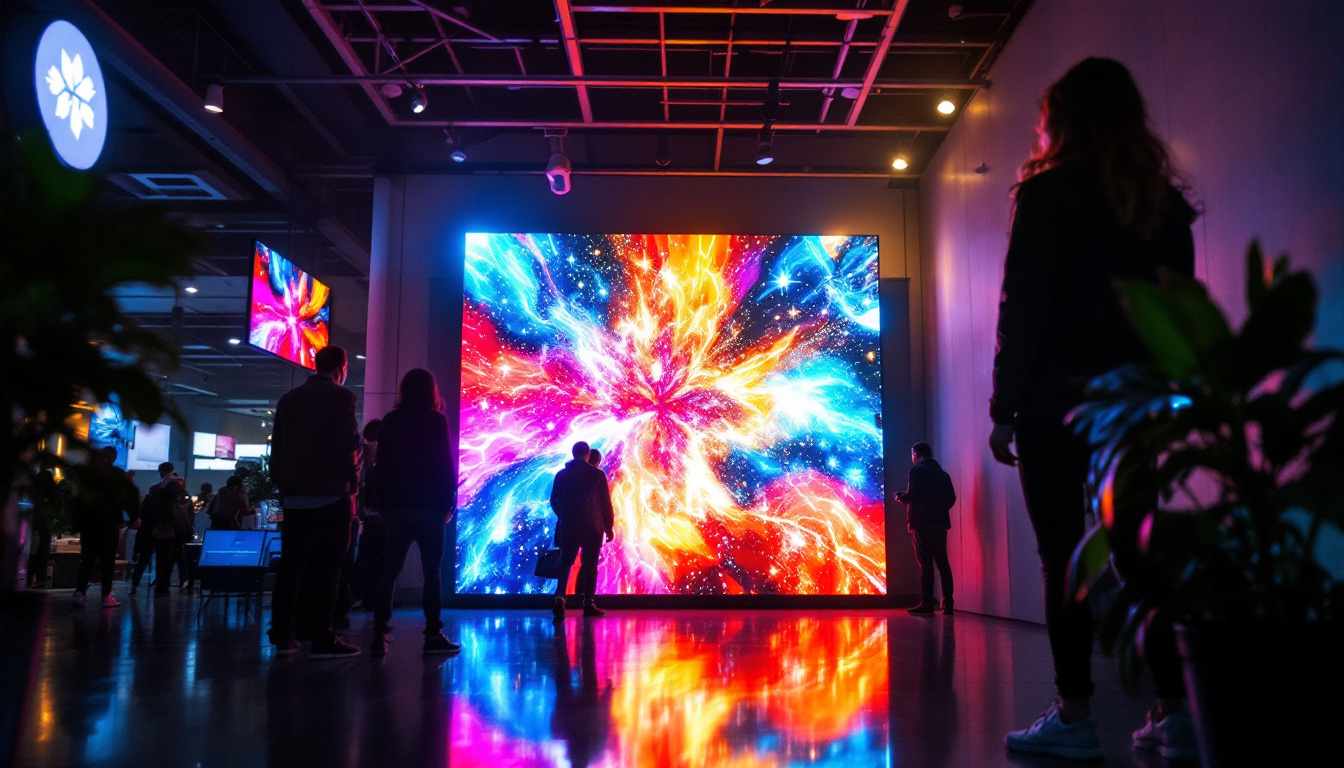
Event organizers also use portable LED video walls for trade shows, conferences, and exhibitions, offering flexible solutions that can be quickly installed and customized.
Advantages of LED Video Walls Over Other Technologies
Superior Image Quality
LED video walls deliver unmatched image quality with vibrant colors, high brightness, and excellent contrast. Their ability to display true blacks and wide color gamuts makes them ideal for applications demanding visual excellence.
Scalability and Flexibility
The modular nature of LED video walls allows for virtually limitless scalability. Panels can be combined to create displays of any size and shape, accommodating unique architectural and design requirements.
Additionally, LED panels can be curved or shaped to fit creative installations, offering versatility that traditional screens cannot match.
Durability and Longevity
LED displays are highly durable, with lifespans often exceeding 100,000 hours of operation. They are resistant to shock, vibration, and environmental factors, making them suitable for both indoor and outdoor use.
Maintenance is generally straightforward, with individual panels or modules replaceable without dismantling the entire wall.
Energy Efficiency
Compared to projection systems and some LCD video walls, LED video walls consume less power relative to their brightness output. Advances in LED technology continue to improve energy efficiency, reducing operational costs and environmental impact.
Key Considerations When Choosing an LED Video Wall
Viewing Distance and Environment
Understanding the typical viewing distance is critical for selecting the appropriate pixel pitch and resolution. Closer viewing distances require finer pixel pitches to avoid visible pixelation, while larger distances allow for coarser pitches.
The environment also influences the choice of brightness and weatherproofing. Outdoor installations demand higher brightness and protective enclosures to withstand weather conditions.
Content and Usage
The type of content displayed—whether static images, videos, or real-time data—affects the technical requirements. High-motion video or detailed graphics require higher refresh rates and color accuracy.
Consider how often the content will change and whether interactive features or integration with other systems are necessary.
Installation and Maintenance
Installation complexity varies based on the size and location of the video wall. Some setups require specialized mounting structures, cooling systems, and power management.
Maintenance plans should include easy access to panels, remote diagnostics, and support services to minimize downtime and ensure consistent performance.
Budget and Total Cost of Ownership
While LED video walls can be a significant investment upfront, their durability and low maintenance costs often justify the expense over time. It is important to consider not only the initial purchase price but also installation, operation, and potential upgrade costs.
Future Trends in LED Video Wall Technology
Higher Resolution and Smaller Pixel Pitch
Technological advances continue to push pixel pitches smaller, enabling near-retina display quality even on large video walls. This trend will expand the use of LED walls in environments requiring close-up viewing, such as retail stores and control rooms.
Improved Energy Efficiency and Sustainability
Manufacturers are focusing on reducing power consumption and using eco-friendly materials. Innovations in LED chip design and power management will make video walls more sustainable and cost-effective.
Integration with AI and IoT
Smart video walls integrated with artificial intelligence and Internet of Things (IoT) technologies will offer enhanced interactivity, content personalization, and automated maintenance. These capabilities will transform video walls from passive displays into dynamic communication platforms.
Flexible and Transparent Displays
Emerging technologies are enabling flexible, bendable, and even transparent LED displays. These innovations open new possibilities for creative installations in retail, architecture, and public spaces.
Conclusion
Monitor video walls using LED display technology represent a powerful medium for visual communication across diverse industries. Their superior brightness, image quality, scalability, and durability make them a preferred choice for applications demanding impactful and reliable displays.
Understanding the technical aspects such as pixel pitch, brightness, and environmental considerations is essential for selecting the right LED video wall solution. As technology advances, LED video walls will continue to evolve, offering even greater flexibility, efficiency, and interactivity.
For businesses and organizations looking to enhance their visual presence and engagement, investing in an LED monitor video wall is a strategic decision that can deliver significant returns in communication effectiveness and audience impact.
Discover LumenMatrix’s Innovative LED Solutions
Ready to elevate your visual communication strategy with a cutting-edge LED video wall? LumenMatrix is at the forefront of LED display technology, offering a diverse range of solutions tailored to meet your specific needs. From immersive Indoor and Outdoor LED Wall Displays to dynamic Vehicle and Sports LED Displays, our products are designed to captivate your audience and amplify your message. Experience the transformative power of our Custom, All-in-One, and Transparent LED Displays. Check out LumenMatrix LED Display Solutions today and step into the future of digital signage.