Ultra Wide TV: LED Display Explained
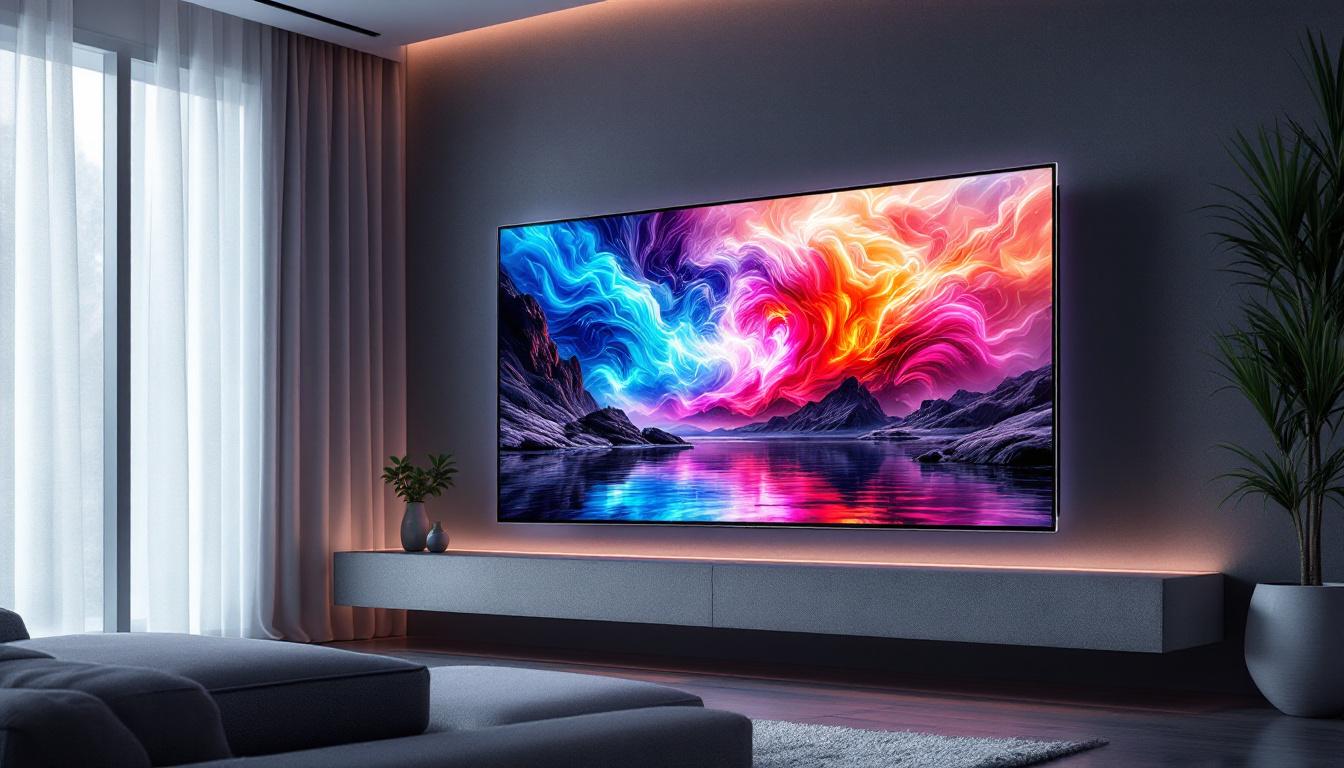
In the evolving landscape of television technology, ultra wide TVs with LED displays have become a focal point for consumers seeking immersive viewing experiences. These displays offer a broader aspect ratio than traditional TVs, providing enhanced cinematic visuals and a more engaging way to consume media. This article explores the technical aspects, benefits, and considerations of ultra wide LED TVs, helping readers understand why this technology is gaining traction and how it might fit into their home entertainment setups.
Understanding Ultra Wide TVs: What Sets Them Apart?
Ultra wide TVs distinguish themselves primarily through their aspect ratio and screen dimensions. While standard HDTVs typically feature a 16:9 aspect ratio, ultra wide TVs offer ratios such as 21:9 or even wider, closely mimicking the dimensions used in many cinematic productions. This wider format allows for a more expansive field of view, which can significantly enhance the viewing experience, especially for movies and gaming.
The increased horizontal screen space means viewers can see more content without the intrusive black bars often present on standard widescreen TVs when watching films shot in ultra wide formats. Additionally, the ultra wide format can be advantageous for multitasking and productivity, as it allows for multiple windows or applications to be displayed side-by-side without compromising screen real estate.
The Role of LED Technology in Ultra Wide TVs
LED, or Light Emitting Diode, technology is the backbone of many modern ultra wide TVs. Unlike older LCD screens that relied on cold cathode fluorescent lamps (CCFLs) for backlighting, LED displays use arrays of LEDs to illuminate the screen. This shift has brought numerous advantages, including improved brightness, better energy efficiency, and enhanced color accuracy.
In ultra wide TVs, LED technology enables manufacturers to maintain high levels of brightness and contrast across the extended screen area. This is particularly important because larger screens can sometimes suffer from uneven lighting or diminished picture quality at the edges. With advancements such as full-array local dimming and quantum dot enhancements, LED ultra wide TVs deliver vibrant images that maintain consistency across the entire display.
Benefits of Ultra Wide LED TVs for Home Entertainment
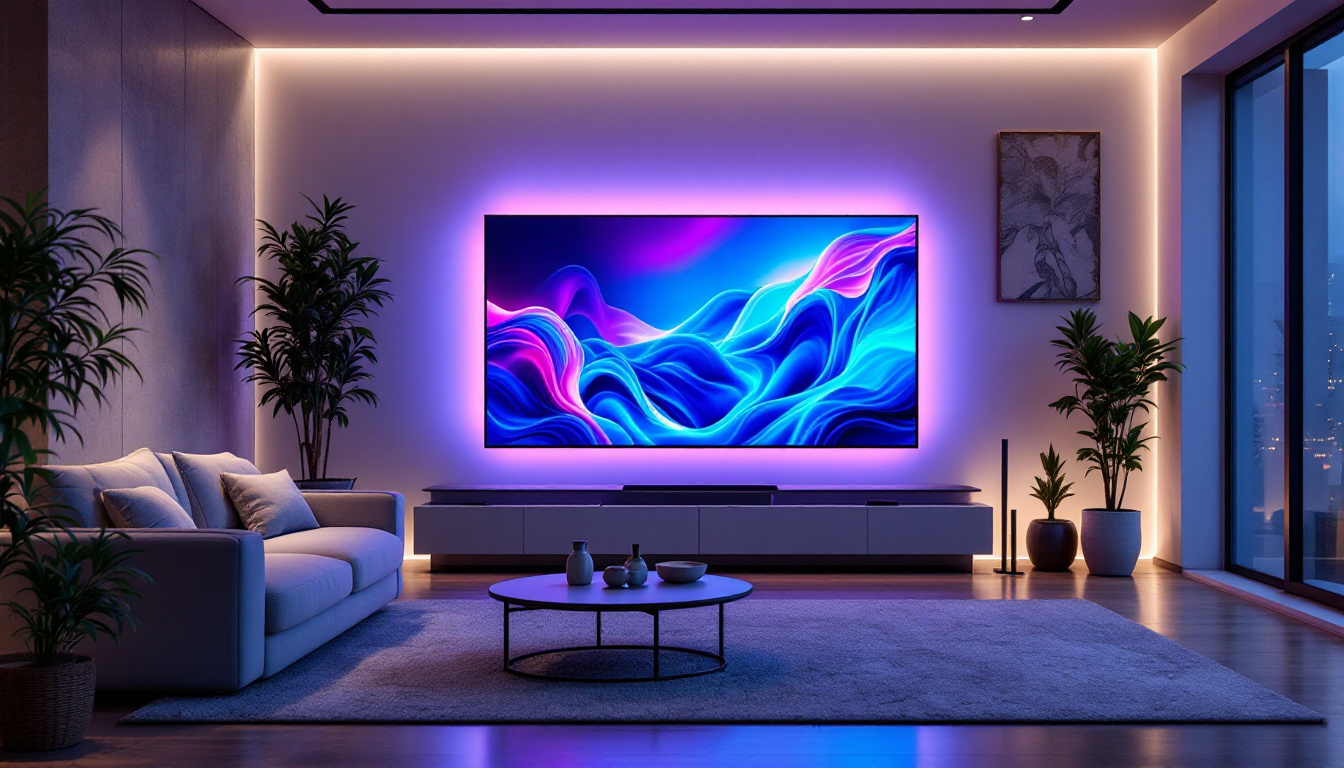
The adoption of ultra wide LED TVs offers several compelling benefits for consumers looking to elevate their home entertainment experience. These advantages extend beyond just the physical size of the screen and delve into the quality and versatility of the display technology.
Immersive Cinematic Experience
One of the most significant benefits of ultra wide TVs is their ability to replicate the cinematic aspect ratio of many films, which is often around 2.35:1 or 2.39:1. Traditional 16:9 TVs display these films with black bars on the top and bottom, reducing the immersive effect. Ultra wide TVs eliminate or drastically reduce these bars, allowing movies to fill the screen edge-to-edge.
This immersive experience is further enhanced by the LED display’s ability to produce deep blacks and vivid colors, which are critical for accurately rendering cinematic visuals. For film enthusiasts, this means a viewing experience that is closer to what directors intended in theaters.
Enhanced Gaming Experience
Gamers also benefit from ultra wide LED TVs. Many modern games support ultra wide resolutions, providing a wider field of view that can offer competitive advantages in gameplay. The increased screen width allows players to see more of the game environment without needing to pan the camera, which can improve situational awareness and reaction times.
LED technology contributes to this by offering fast response times and high refresh rates, reducing motion blur and input lag. This combination of ultra wide format and LED display technology creates a compelling setup for both casual and serious gamers.
Productivity and Multitasking
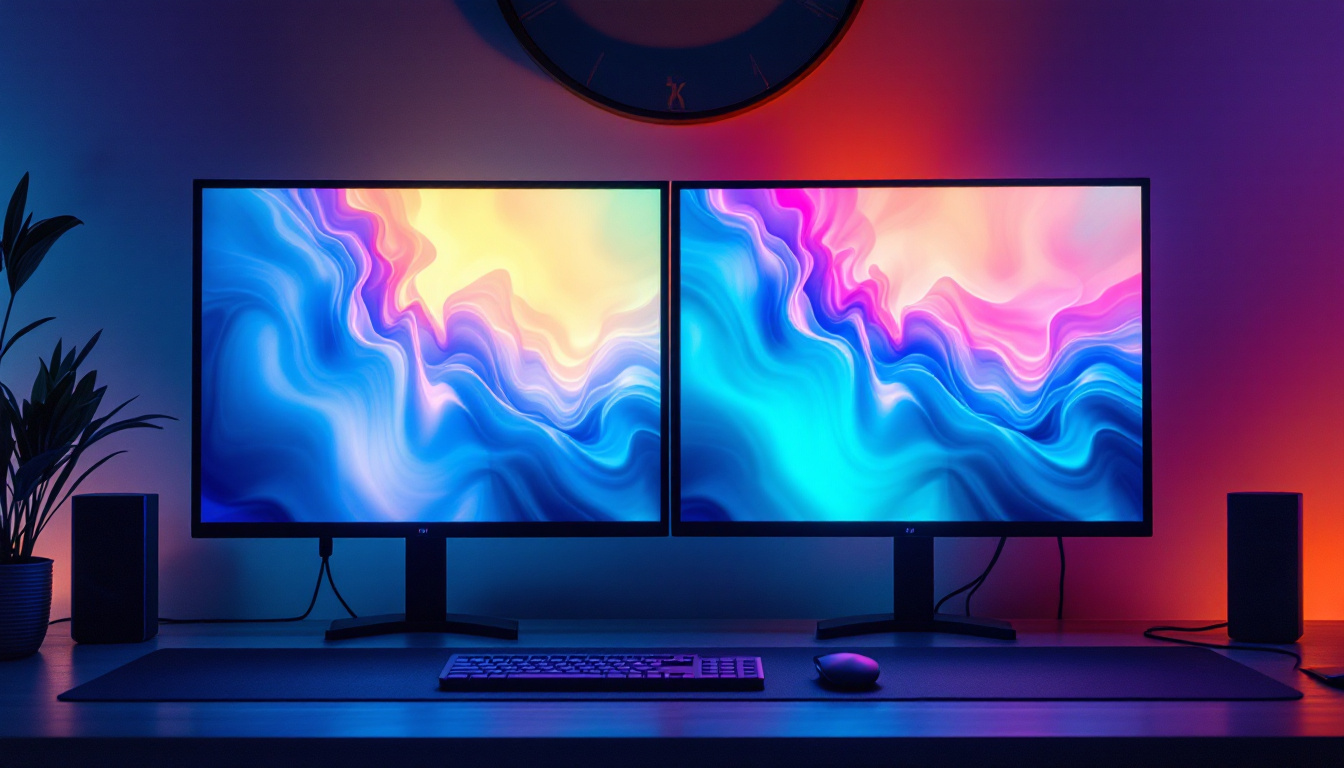
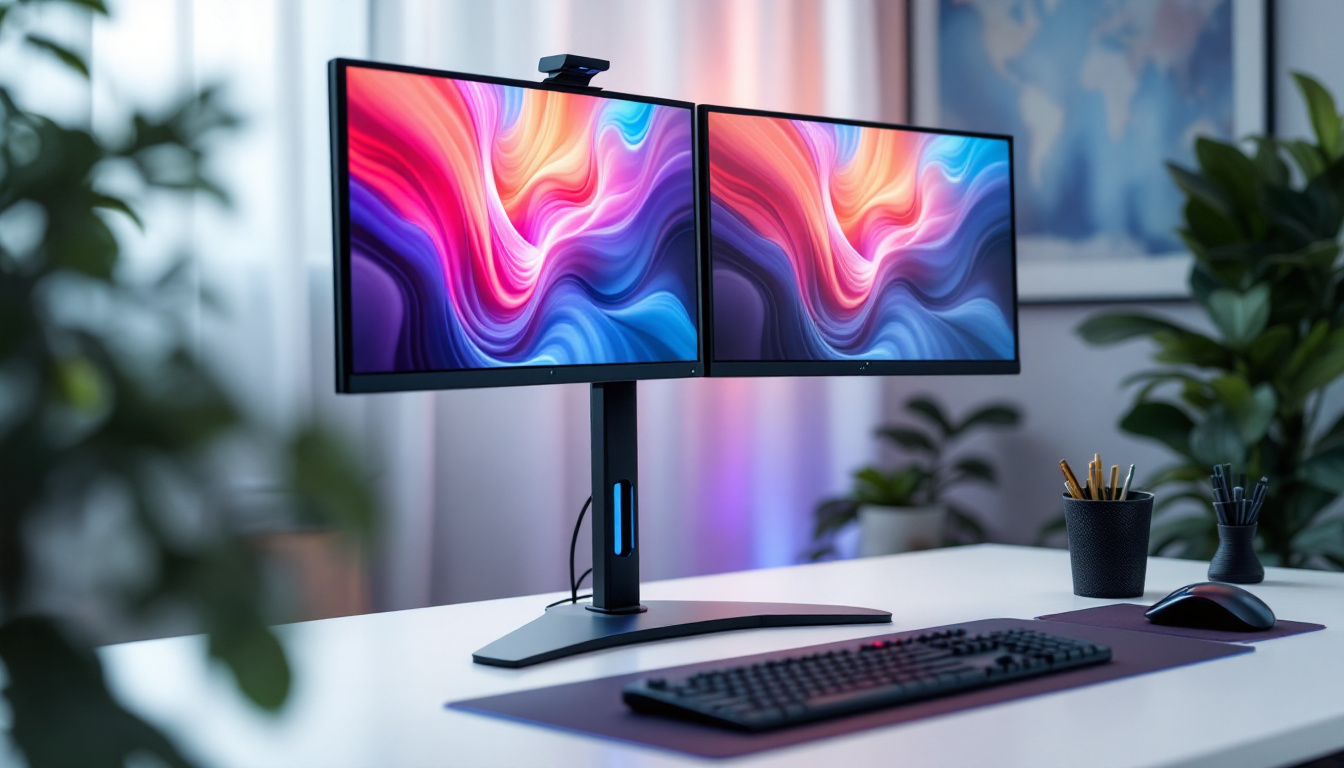
While ultra wide TVs are primarily marketed for entertainment, they also hold potential for productivity applications. The expansive screen real estate allows users to open multiple applications or documents side-by-side without the need for multiple monitors. This can be particularly useful for professionals working from home or those who require extensive screen space for tasks such as video editing, graphic design, or financial analysis.
LED displays ensure that text and images remain sharp and clear across the entire screen, reducing eye strain during extended use. The combination of ultra wide format and LED technology thus supports both entertainment and work needs efficiently.
Technical Considerations When Choosing an Ultra Wide LED TV
Before investing in an ultra wide LED TV, it is important to understand several technical factors that influence performance and compatibility. These considerations help ensure that the TV meets the user’s specific needs and integrates well with existing devices.
Resolution and Pixel Density
Ultra wide TVs often come with resolutions such as 3440×1440 or 3840×1600 pixels, which differ from the standard 4K UHD resolution of 3840×2160 pixels. While these resolutions provide a wide horizontal pixel count, the vertical resolution may be lower than traditional 4K TVs, which can affect the clarity of vertical details.
Pixel density, measured in pixels per inch (PPI), is also a crucial factor. Larger ultra wide TVs with lower pixel density may display images that appear less sharp when viewed up close. Therefore, buyers should consider the screen size and viewing distance to ensure the resolution meets their expectations for image quality.
Compatibility with Content and Devices
Not all content is optimized for ultra wide aspect ratios. While many movies and games support ultra wide formats, most television broadcasts and streaming services are designed for 16:9 screens. This can result in letterboxing, pillarboxing, or image stretching when viewing standard content on an ultra wide TV.
Additionally, compatibility with devices such as gaming consoles, Blu-ray players, and streaming boxes should be verified. Some devices may not support ultra wide resolutions natively, requiring adjustments or resulting in reduced image quality.
Connectivity and Smart Features
Modern ultra wide LED TVs often include a range of connectivity options, including multiple HDMI ports, USB inputs, and Wi-Fi capabilities. These features facilitate connection to various devices and enable smart TV functionalities such as streaming apps, voice control, and screen mirroring.
When selecting an ultra wide TV, it is important to consider the availability and version of HDMI ports (e.g., HDMI 2.1 for high bandwidth needs), support for HDR formats like HDR10+ or Dolby Vision, and the responsiveness of the smart TV interface. These factors contribute to the overall user experience and future-proofing of the device.
Popular Ultra Wide LED TV Models and Market Trends
The market for ultra wide LED TVs has grown steadily, with several manufacturers introducing models that cater to different budgets and use cases. Understanding current trends and popular models can help consumers make informed decisions.
Leading Brands and Models
Brands such as LG, Samsung, and Sony have been at the forefront of ultra wide LED TV development. For example, LG’s OLED lineup includes ultra wide models that combine OLED technology with ultra wide aspect ratios, offering exceptional contrast and color performance. Samsung’s QLED series incorporates quantum dot technology to enhance brightness and color accuracy in ultra wide formats.
While OLED TVs are often praised for their superior picture quality, LED models remain popular due to their typically lower price points and higher brightness levels, which are beneficial in well-lit rooms.
Market Adoption and Consumer Preferences
According to recent industry reports, the ultra wide TV segment is projected to grow at a compound annual growth rate (CAGR) of approximately 8% over the next five years. This growth is driven by increasing consumer demand for immersive content consumption and the rise of gaming and streaming platforms that support ultra wide formats.
Consumers increasingly prioritize screen size and aspect ratio alongside traditional factors like resolution and smart features. As a result, manufacturers are focusing on delivering ultra wide LED TVs that balance performance, price, and design aesthetics.
Future Outlook: Innovations in Ultra Wide LED Display Technology
The future of ultra wide LED TVs looks promising, with ongoing innovations aimed at enhancing picture quality, user experience, and integration with emerging technologies.
Advancements in Display Panels and Backlighting
Emerging technologies such as mini-LED and micro-LED backlighting are set to revolutionize ultra wide LED TVs. Mini-LED technology uses thousands of tiny LEDs to provide more precise local dimming, resulting in improved contrast ratios and deeper blacks. Micro-LED, still in its early stages, promises even higher brightness, better energy efficiency, and longer lifespan without burn-in risks.
These advancements will enable ultra wide TVs to deliver picture quality rivaling or surpassing OLED displays while maintaining the benefits of LED technology.
Integration with AI and Smart Home Ecosystems
Artificial intelligence (AI) is increasingly being integrated into ultra wide LED TVs to optimize picture settings dynamically based on content and ambient lighting. AI-powered upscaling improves the appearance of lower-resolution content on ultra wide screens, enhancing overall viewing quality.
Moreover, ultra wide TVs are becoming central hubs in smart home ecosystems, supporting voice assistants, smart device control, and personalized content recommendations. These features contribute to a more seamless and interactive entertainment experience.
Conclusion
Ultra wide LED TVs represent a significant advancement in home entertainment technology, offering wider aspect ratios, enhanced picture quality, and versatile applications ranging from cinematic viewing to gaming and productivity. Understanding the technical nuances, benefits, and potential limitations of these displays is essential for consumers considering an upgrade.
As LED technology continues to evolve and ultra wide content becomes more prevalent, these TVs are poised to become a staple in modern living rooms. Whether for immersive movie nights, competitive gaming, or efficient multitasking, ultra wide LED TVs provide a compelling combination of innovation and practicality that caters to a diverse range of user needs.
Discover the Future of Home Entertainment with LumenMatrix
Ready to transform your viewing experience with the latest in ultra wide LED TV technology? LumenMatrix is at the forefront of innovation, offering a wide array of LED display solutions that bring your favorite content to life. From the comfort of your living room to the excitement of outdoor events, our displays are designed to maximize engagement and redefine visual storytelling. Embrace the future of immersive entertainment and check out LumenMatrix LED Display Solutions today to see how we can enhance your space with unparalleled clarity and impact.