In the realm of professional visual technology, LED displays have emerged as a dominant force, transforming how businesses, broadcasters, event organizers, and advertisers engage their audiences. From massive stadium screens to sleek indoor video walls, LED technology offers unparalleled brightness, color accuracy, and versatility. This article delves into the intricacies of LED displays, exploring their technology, advantages, applications, and what sets professional-grade LED displays apart from consumer alternatives.
Understanding LED Display Technology
What is an LED Display?
LED stands for Light Emitting Diode, a semiconductor device that emits light when an electric current passes through it. An LED display is a flat panel that uses an array of these tiny LEDs as pixels to produce images, videos, and animations. Unlike traditional LCD or plasma screens, LED displays generate their own light, which allows for higher brightness and contrast levels.
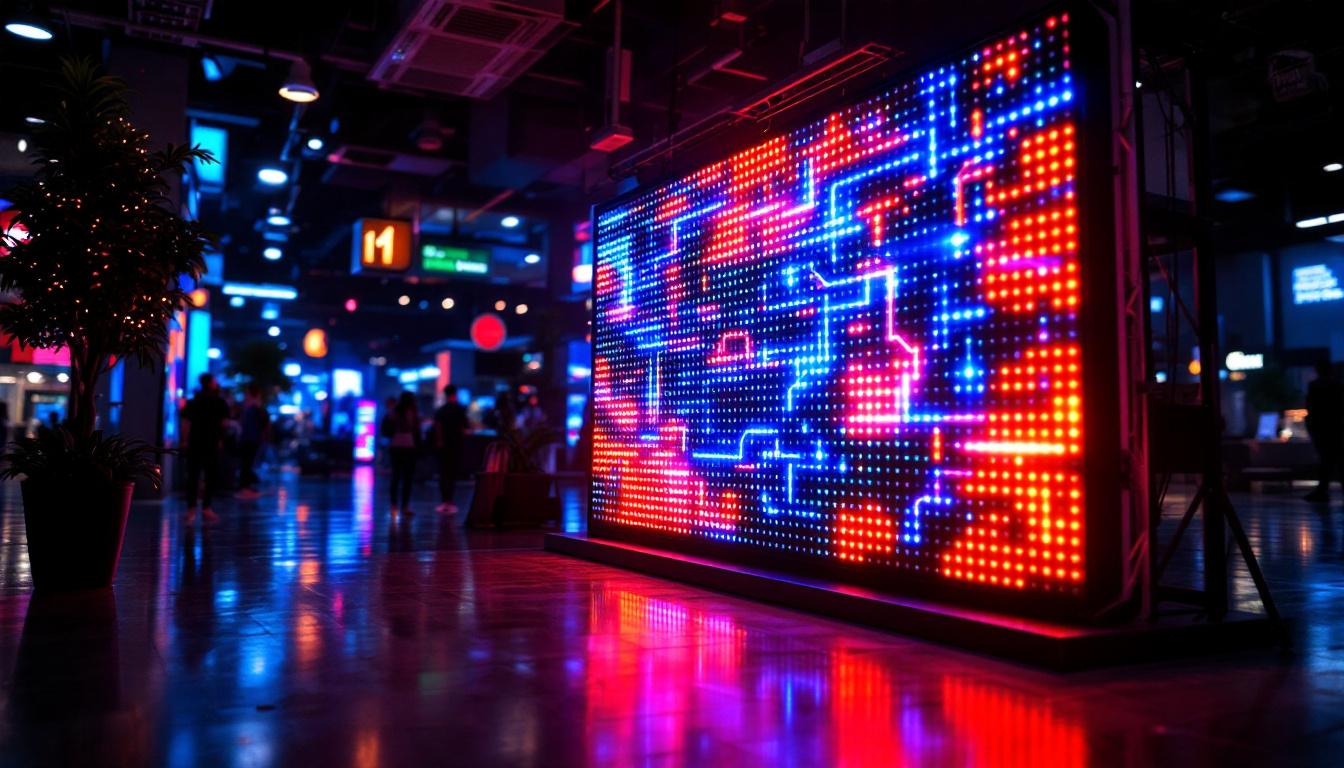
Professional LED displays are composed of modular panels, each containing thousands of LEDs arranged in a grid. These panels can be seamlessly combined to create large-scale screens of virtually any size and shape. The modular design also facilitates easy maintenance and scalability, which is critical for professional installations.
Types of LEDs Used in Displays
LEDs in displays come in several varieties, primarily categorized by color and size. The most common are:
- Surface-Mounted Device (SMD) LEDs: These are tiny LEDs mounted on the surface of the circuit board. SMD LEDs combine red, green, and blue diodes within a single package, enabling fine pixel pitch and high resolution, making them ideal for indoor and close-viewing applications.
- Through-Hole LEDs: Larger LEDs inserted through holes in the circuit board. They are typically used in outdoor displays where pixel pitch is larger and viewing distance is greater.
- Mini-LED and Micro-LED: Emerging technologies that promise even higher brightness, contrast, and energy efficiency. Micro-LEDs, in particular, offer potential for ultra-high-resolution displays with excellent color accuracy.
Pixel Pitch and Resolution
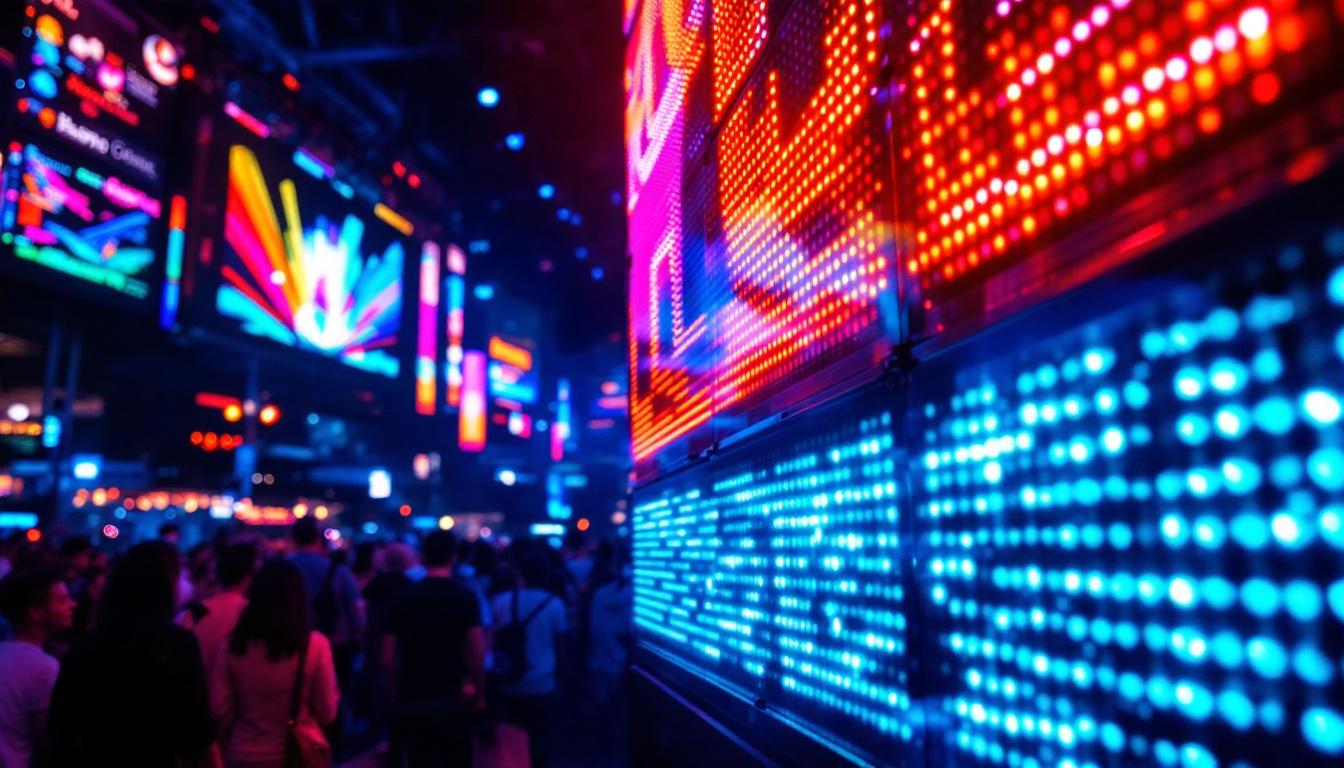
Pixel pitch—the distance between the centers of two adjacent pixels—is a key factor in LED display quality. It is measured in millimeters and directly affects the resolution and viewing distance of the display. Smaller pixel pitch means higher pixel density and sharper images, suitable for close-up viewing such as in control rooms or retail environments.
For example, a 1.2mm pixel pitch LED display offers crisp visuals even at a few feet away, while an outdoor stadium screen might have a pixel pitch of 10mm or more, optimized for visibility from hundreds of feet. Choosing the right pixel pitch is essential to balance cost, resolution, and viewing distance.
Advantages of Professional LED Displays
Brightness and Visibility
One of the most significant advantages of LED displays is their exceptional brightness. Professional LED panels can achieve brightness levels exceeding 5,000 nits, far surpassing typical LCD screens that max out around 500 nits. This makes LED displays highly visible even under direct sunlight, a crucial feature for outdoor advertising, sports arenas, and transportation hubs.
High brightness also enhances image clarity and vibrancy, ensuring that content remains eye-catching in diverse lighting conditions. This capability is especially important for brands and broadcasters aiming to capture attention in crowded or brightly lit environments.
Color Accuracy and Contrast
LED displays offer superior color reproduction with wide color gamut coverage. Modern professional LED modules can cover over 90% of the DCI-P3 color space, which is the industry standard for cinema and broadcast. This results in richer, more lifelike colors that elevate the viewing experience.
Additionally, LED displays provide excellent contrast ratios, thanks to their ability to turn individual pixels completely off, producing true blacks. This feature is critical for delivering high dynamic range (HDR) content, which enhances depth and realism in images and videos.
Durability and Longevity
Professional LED displays are engineered for continuous operation in demanding environments. They typically have a lifespan of 100,000 hours or more, translating to over 11 years of 24/7 usage. Their robust construction and weatherproof designs make them suitable for both indoor and outdoor installations.
Moreover, LED displays require less maintenance compared to projection systems or LCD video walls. Individual panels can be replaced without dismantling the entire display, minimizing downtime and service costs.
Energy Efficiency
While LED displays consume more power than traditional LCDs due to their high brightness, advances in LED technology have significantly improved energy efficiency. Modern LED modules use less power per pixel and incorporate intelligent brightness controls that adjust output based on ambient light, reducing overall energy consumption.
For large-scale installations, energy efficiency translates into substantial cost savings over the display’s lifetime, making LED technology an environmentally and economically responsible choice.
Applications of Professional LED Displays
Outdoor Advertising and Digital Billboards
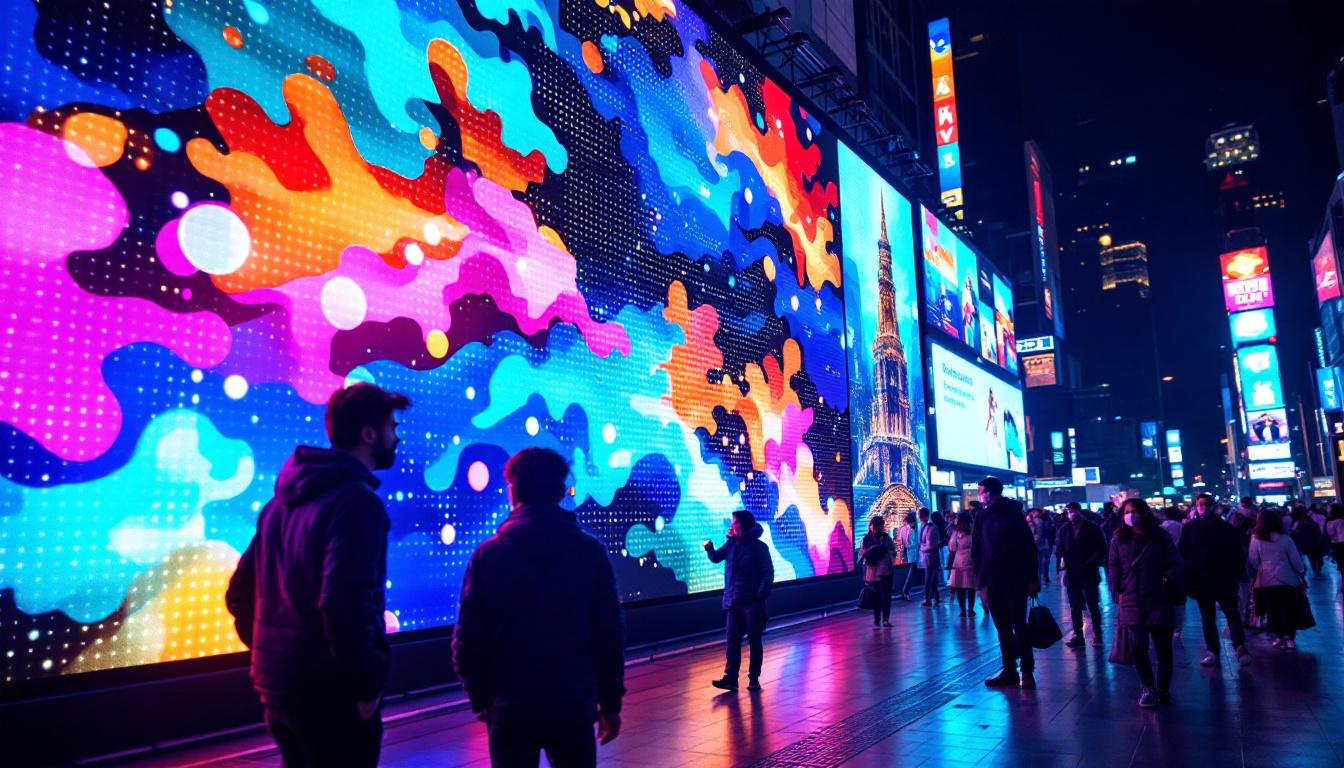
LED displays have revolutionized outdoor advertising by enabling dynamic, high-impact digital billboards that can be updated remotely and in real time. According to industry reports, the global digital out-of-home (DOOH) advertising market is expected to grow at a CAGR of over 10% through 2028, driven largely by LED display adoption.
These displays attract more viewers than static billboards due to their motion, brightness, and ability to display multiple ads in rotation. They also allow advertisers to tailor content based on time of day, weather, or audience demographics, increasing campaign effectiveness.
Broadcast and Control Rooms
In broadcast studios and control rooms, LED video walls provide critical real-time information with exceptional clarity and reliability. Their seamless design allows for large, uninterrupted displays that can show multiple data feeds, live video, and graphics simultaneously.
For newsrooms and live event productions, LED displays enhance storytelling by delivering vivid visuals that engage viewers and support complex workflows.
Sports and Entertainment Venues
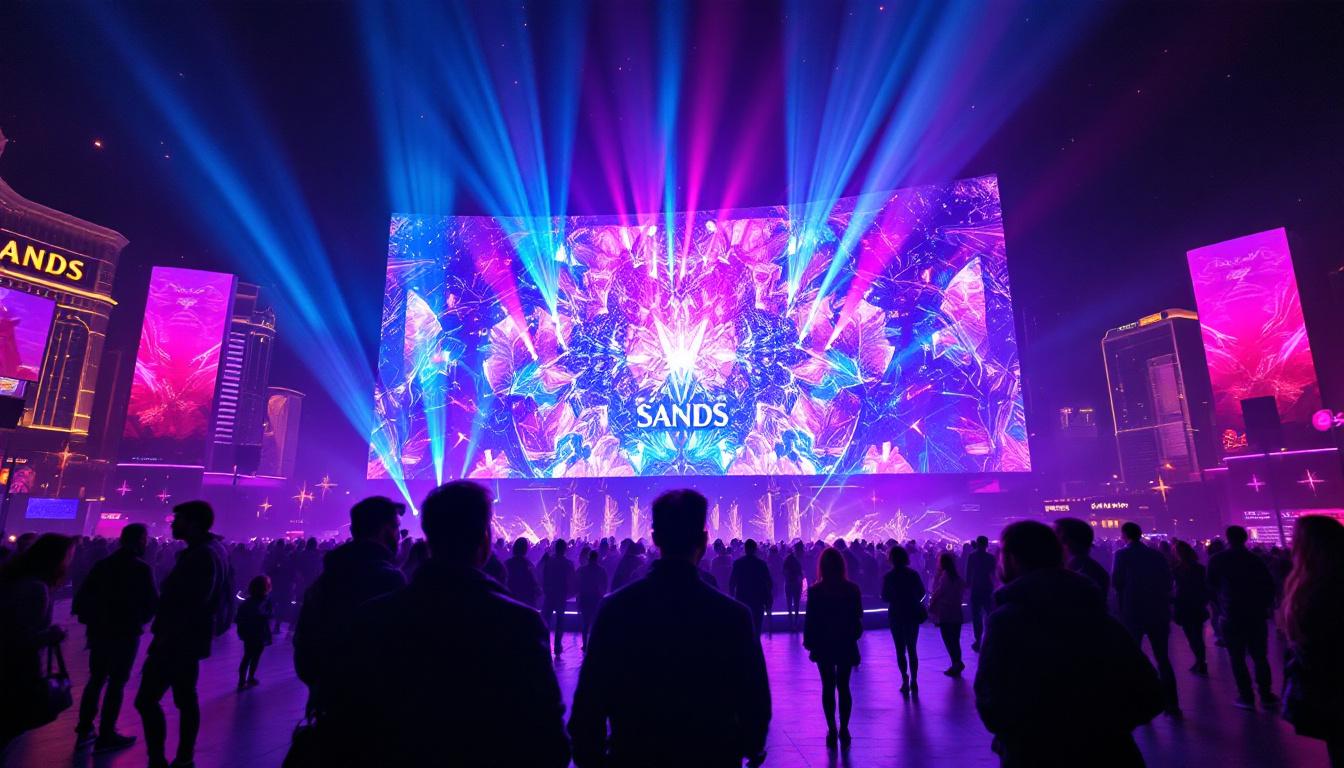
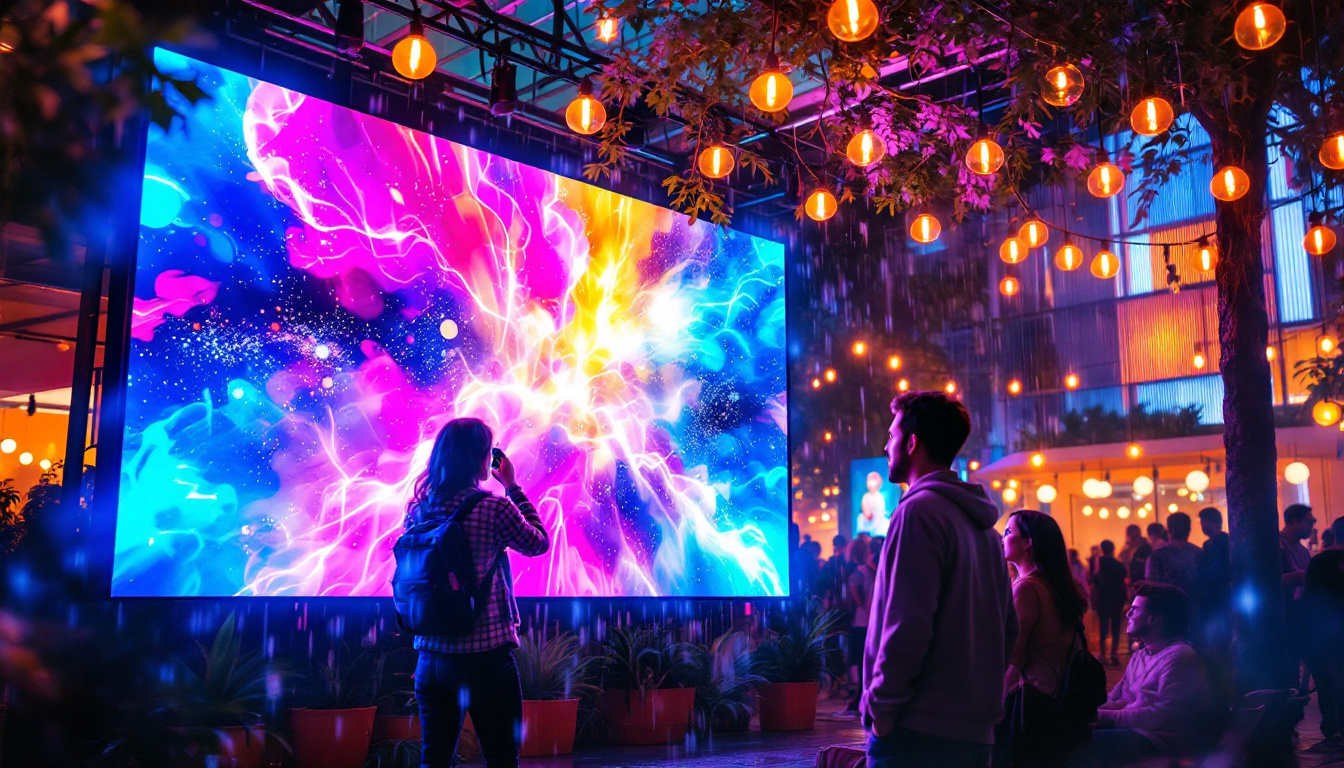
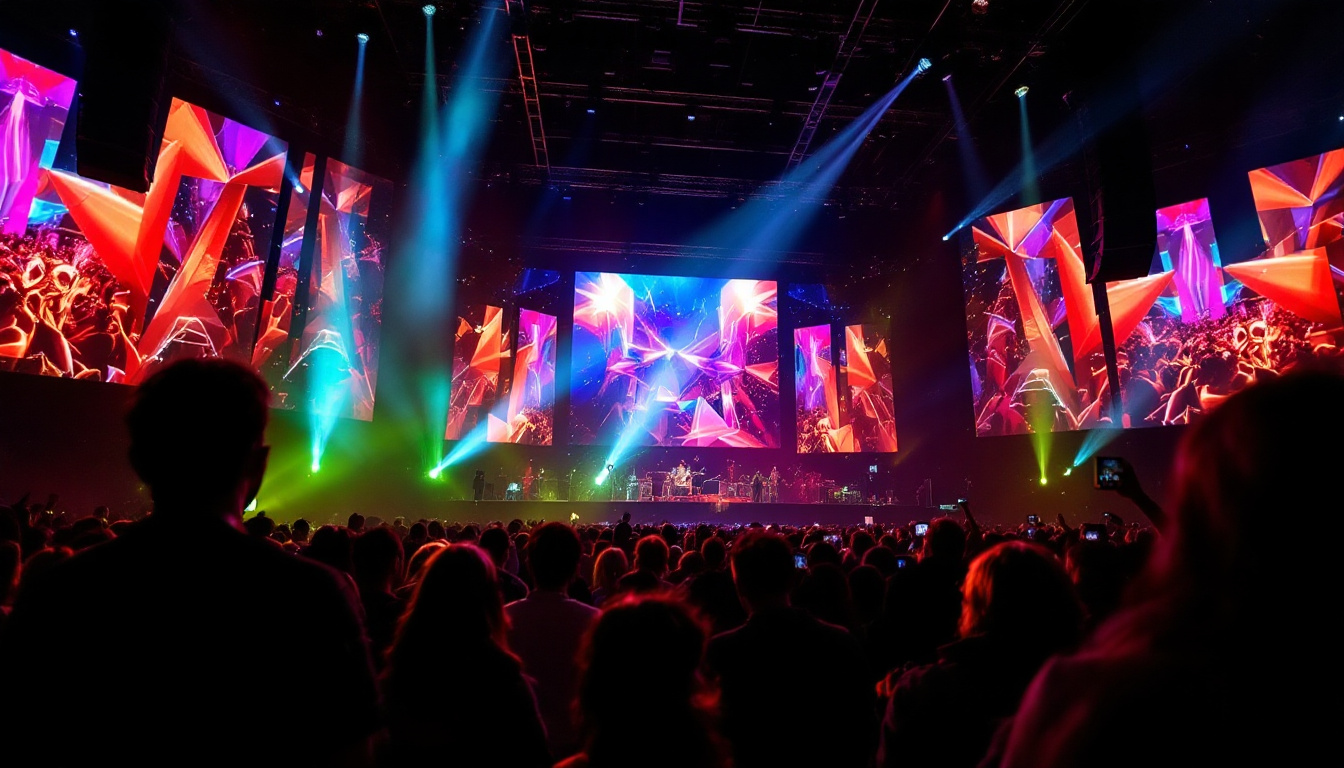
From giant stadium screens to immersive arena displays, LED technology has become the standard for live event visuals. These displays offer fans close-up views of the action, instant replays, and interactive content that elevate the spectator experience.
LED displays also enable creative content delivery, such as 360-degree wraps around arenas or synchronized lighting effects, enhancing the atmosphere and brand presence.
Corporate and Retail Environments
In corporate settings, LED video walls are used for presentations, digital signage, and immersive meeting spaces. Their high resolution and color fidelity make them ideal for showcasing products, data visualization, and branding.
Retailers use LED displays to create engaging storefronts and in-store experiences that attract customers and drive sales. Interactive LED walls can respond to customer movement or touch, offering personalized content and entertainment.
Choosing the Right Professional LED Display
Assessing Viewing Distance and Environment
Selecting the appropriate pixel pitch and brightness depends heavily on the intended viewing distance and environment. For example, an LED display in a conference room viewed from a few feet away requires a much finer pixel pitch than a billboard seen from a highway.
Environmental factors such as ambient light, weather exposure, and installation location also influence the choice of LED technology. Outdoor displays must be weatherproof and capable of operating in extreme temperatures, while indoor displays prioritize resolution and color accuracy.
Resolution and Content Considerations
The resolution of the LED display should match the type of content to be shown. High-resolution video, detailed graphics, and text require fine pixel pitch and high pixel density. Conversely, simple animations or text-based messages can be effectively displayed on screens with larger pixel pitch.
Content management systems (CMS) also play a vital role in professional LED setups, enabling easy scheduling, remote updates, and integration with other media sources.
Budget and Total Cost of Ownership
While professional LED displays represent a significant upfront investment, it is important to consider the total cost of ownership, including installation, maintenance, energy consumption, and potential upgrades. High-quality LED displays offer better longevity and lower maintenance costs, which can justify the initial expense.
Working with experienced integrators and suppliers ensures that the selected LED display meets both technical requirements and budget constraints, delivering maximum value over time.
The Future of LED Display Technology
Emerging Trends and Innovations
LED display technology continues to evolve rapidly. Micro-LED displays promise ultra-high resolution with superior brightness and energy efficiency, potentially revolutionizing everything from smartphones to large-scale video walls.
Flexible and transparent LED panels are also gaining traction, enabling new design possibilities such as curved screens, wearable displays, and architectural integrations that blend seamlessly with building facades.
Integration with Smart Technologies
Integration with Internet of Things (IoT) and artificial intelligence (AI) is enhancing the functionality of LED displays. Smart displays can adapt content dynamically based on real-time data, audience engagement, and environmental conditions.
For example, AI-driven analytics can optimize advertising campaigns by analyzing viewer demographics and behavior, while IoT sensors adjust brightness and color temperature automatically for optimal viewing comfort.
Sustainability and Environmental Impact
As sustainability becomes a priority, LED manufacturers are focusing on eco-friendly materials, energy-efficient designs, and recycling programs. Advances in LED lifespan and power management reduce environmental impact, aligning with corporate social responsibility goals.
Future innovations are expected to further minimize waste and energy use, making LED displays a greener choice for professional visual communication.
Conclusion
Professional LED displays represent a pinnacle of visual technology, combining brightness, color accuracy, durability, and versatility to meet the demanding needs of diverse industries. Understanding the underlying technology, advantages, and application-specific requirements is essential for selecting the right LED display solution.
As LED technology advances, it continues to open new possibilities for immersive, dynamic, and sustainable visual experiences. Whether for advertising, entertainment, corporate communication, or control room monitoring, professional LED displays offer a powerful platform to captivate audiences and deliver impactful messages.
Discover LumenMatrix’s Innovative LED Display Solutions
Ready to elevate your visual communication to the next level? Explore LumenMatrix’s comprehensive range of LED display solutions, crafted for those who demand the best in brightness, color accuracy, and innovative design. Whether you’re looking to captivate audiences with an Indoor LED Wall Display, make a statement with an Outdoor LED Wall Display, or create a unique experience with Custom LED Displays, LumenMatrix has the technology to bring your vision to life. Check out LumenMatrix LED Display Solutions today and see how our commitment to excellence can transform your space into a dynamic visual showcase.