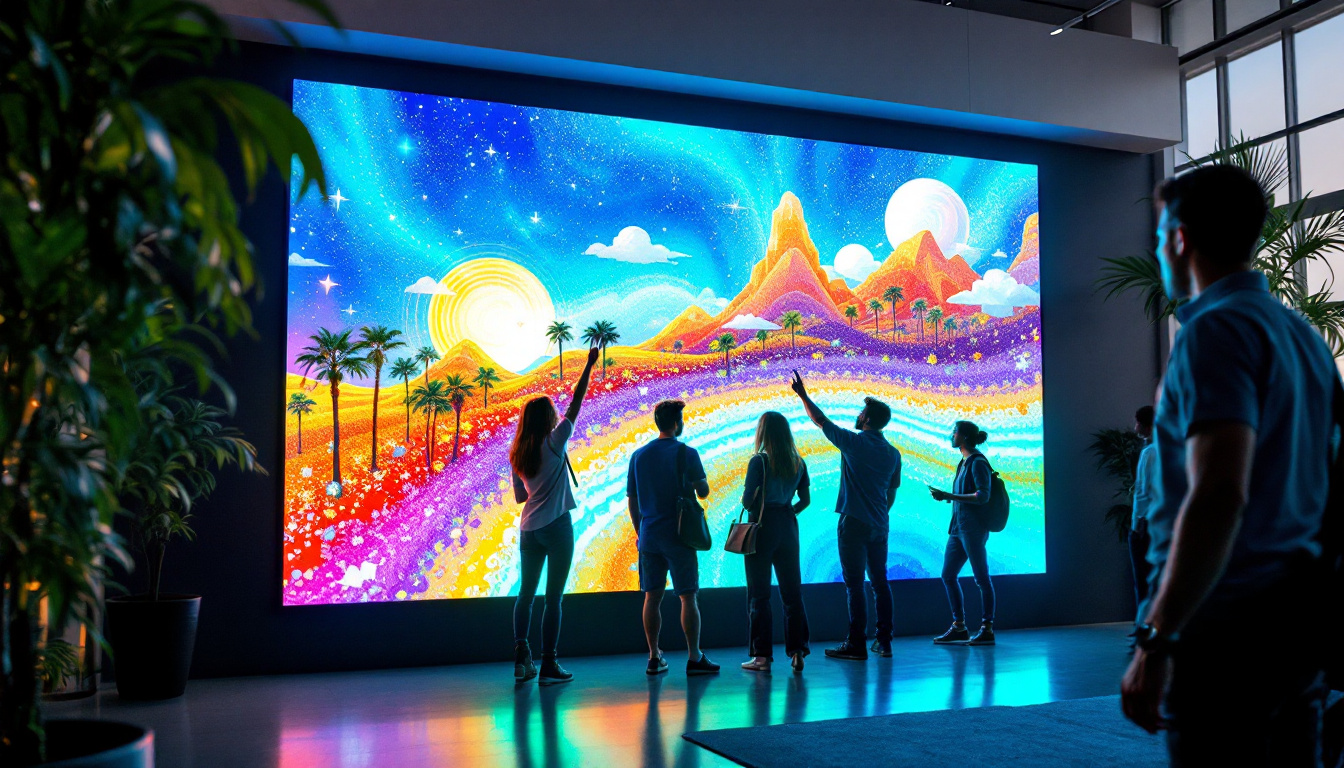
The television landscape has evolved dramatically over the past two decades, with LED displays becoming the standard for delivering vibrant, high-definition content. Among the many TV series that have captivated audiences, “Touch” stands out not only for its compelling storytelling but also for the way it leverages modern display technology to enhance viewer experience. This article delves into the intricacies of LED displays, explaining how they work, why they are important for TV series like “Touch,” and what future innovations viewers can expect.
Understanding LED Display Technology
LED, or Light Emitting Diode, technology has revolutionized the way images are displayed on television screens. Unlike traditional LCD screens that rely on fluorescent backlighting, LED displays use tiny diodes that emit light when an electric current passes through them. This fundamental shift has resulted in several advantages, including better brightness, contrast, and energy efficiency.
In the context of TV series such as “Touch,” which often feature intricate visual storytelling and dynamic scenes, the quality of the display can significantly impact the viewer’s immersion. The LED display ensures that colors pop and details are crisp, making every frame more engaging.
How LED Displays Work
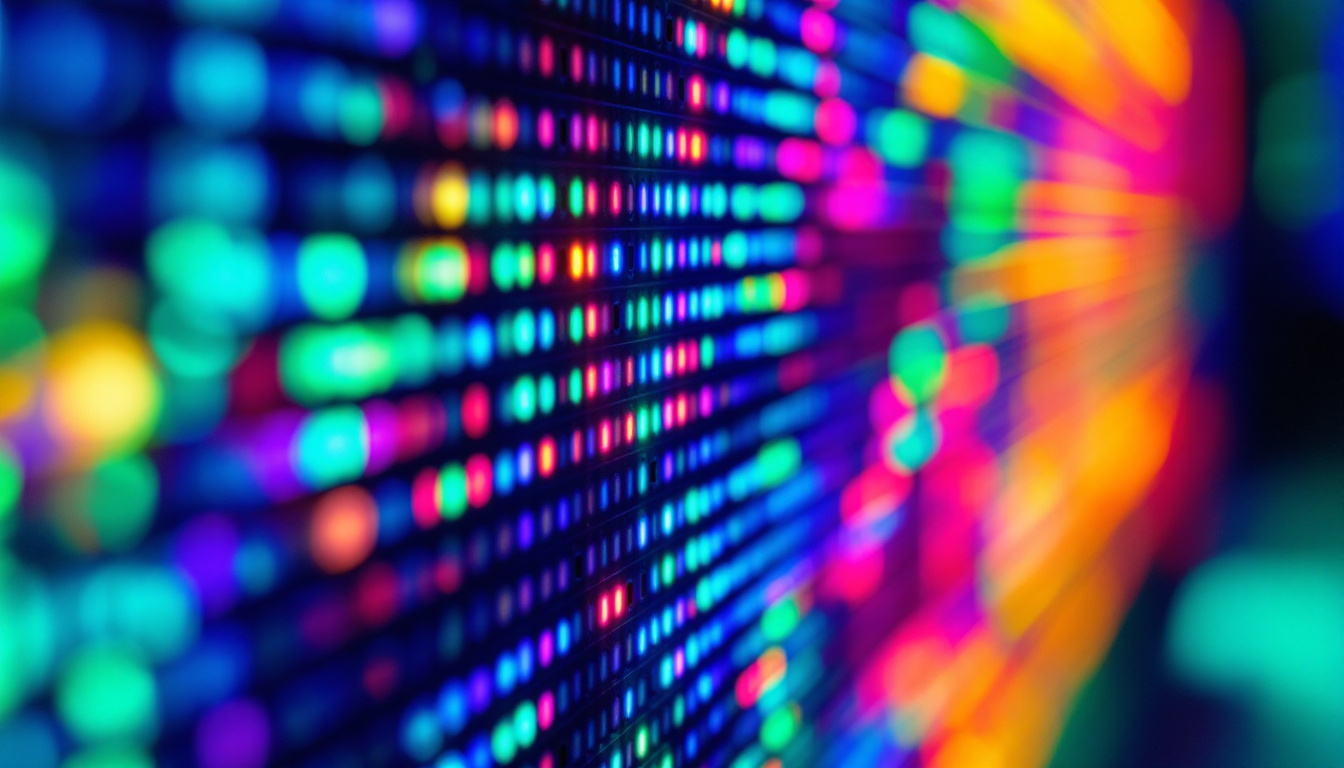
At the core of an LED display are millions of tiny LEDs arranged in a grid. These LEDs can be either directly responsible for creating the image (as in OLED displays) or serve as a backlight for an LCD panel. In most modern LED TVs, the latter method is used, where LEDs provide the backlighting behind an LCD screen that controls the color and intensity of each pixel.
This combination allows for precise control over brightness and contrast. For example, local dimming technology can turn off LEDs in dark areas of the screen, producing deeper blacks and enhancing the overall picture quality, which is crucial for scenes with dramatic lighting like those often seen in “Touch.”
Types of LED Displays
There are several types of LED displays commonly used in televisions:
- Edge-Lit LED: LEDs are positioned around the edges of the screen, providing a thinner design but sometimes less uniform brightness.
- Direct-Lit LED: LEDs are placed directly behind the screen, offering better brightness and uniformity.
- Full-Array LED: A more advanced form of direct-lit LED with local dimming zones for improved contrast.
- OLED (Organic LED): Each pixel emits its own light, allowing for perfect blacks and exceptional color accuracy, though OLED is a different technology from traditional LED-backlit LCDs.
For a TV series like “Touch,” which often uses shadow and light to convey mood and emotion, full-array LED displays with local dimming provide an optimal viewing experience.
The Role of LED Displays in Enhancing the “Touch” TV Series Experience
“Touch,” a series known for its complex narratives and emotional depth, benefits immensely from the capabilities of LED display technology. The show’s visual storytelling relies heavily on subtle cues, facial expressions, and atmospheric lighting — all of which are enhanced by high-quality displays.
Color Accuracy and Emotional Impact
Color plays a critical role in setting the tone of each scene. LED displays are capable of reproducing a wider color gamut compared to older display technologies, which means that viewers see colors closer to what the creators intended. In “Touch,” scenes that alternate between warm, hopeful moments and cold, tense situations are rendered with vivid colors and precise shading, amplifying the emotional impact.
Studies show that accurate color reproduction can increase viewer engagement by up to 30%, as it helps convey mood and atmosphere more effectively. This is particularly important for a show like “Touch,” where emotional nuance is key to the storytelling.
High Dynamic Range (HDR) and Contrast
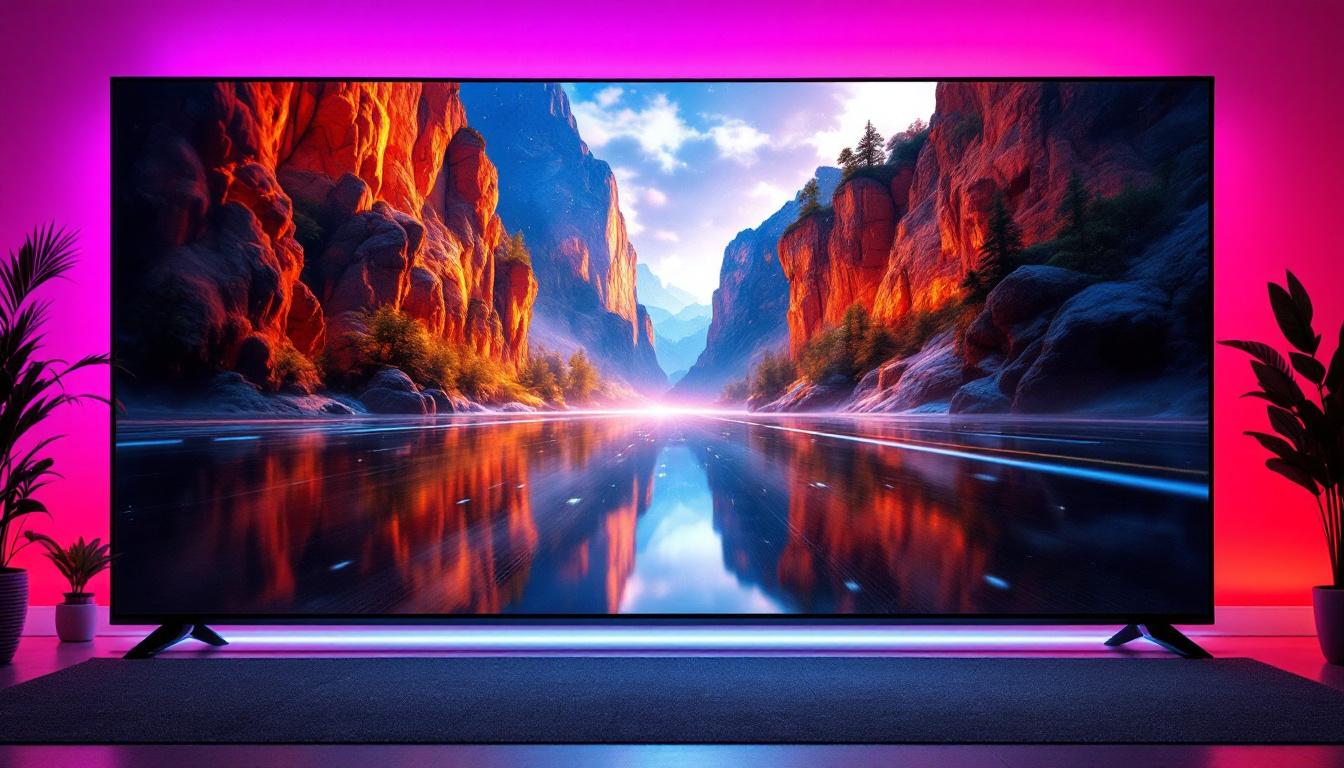
Many modern LED TVs support High Dynamic Range (HDR), a technology that expands the contrast ratio and color palette beyond standard capabilities. HDR allows for brighter highlights and deeper shadows, making scenes more realistic and visually striking.
In “Touch,” where lighting often symbolizes thematic elements such as hope, danger, or mystery, HDR enhances these visual metaphors. For instance, a scene illuminated by a single candle or a flickering streetlight gains depth and texture, drawing viewers deeper into the narrative.
Motion Clarity for Fast-Paced Scenes
Though “Touch” is primarily a drama, it includes moments of tension and action where motion clarity becomes important. LED displays with higher refresh rates and advanced motion smoothing technologies reduce blurring and judder, ensuring that fast-moving scenes remain clear and easy to follow.
This technical detail may seem minor, but it significantly improves the overall viewing experience, allowing audiences to stay fully immersed without distraction.
Comparing LED Displays to Other TV Technologies for Series Viewing
While LED displays dominate the market, it’s useful to compare them with other popular technologies to understand their strengths and limitations in the context of TV series like “Touch.”
LED vs. OLED
OLED displays offer superior contrast and perfect blacks because each pixel emits its own light and can be turned off individually. This results in a more cinematic experience with richer colors and deeper shadows, which can be ideal for visually rich series.
However, OLED TVs tend to be more expensive and may suffer from burn-in issues with static images, which can be a concern for viewers who watch series with recurring logos or subtitles. LED TVs, especially full-array models, provide a cost-effective alternative with excellent brightness and durability.
LED vs. QLED
QLED, or Quantum Dot LED, is an enhancement of traditional LED technology that uses quantum dots to improve color accuracy and brightness. QLED TVs often outperform standard LED models in vividness and peak brightness, making them excellent for HDR content.
For “Touch,” which benefits from nuanced color palettes and high contrast, QLED displays can offer a superior viewing experience, especially in well-lit rooms where brightness is crucial.
LED vs. Plasma
Plasma TVs, once popular for their deep blacks and smooth motion, have largely been phased out in favor of LED technology. While plasma offered excellent picture quality for drama series, LED TVs now surpass plasma in energy efficiency, screen size variety, and overall lifespan.
Future Trends in LED Display Technology and Their Impact on TV Series
The evolution of LED display technology continues at a rapid pace, promising even more immersive viewing experiences for TV series fans. Several emerging trends are poised to shape how audiences watch shows like “Touch” in the coming years.
MicroLED: The Next Generation
MicroLED technology uses microscopic LEDs to create displays that combine the best attributes of OLED and traditional LED. These displays offer perfect blacks, high brightness, and exceptional color accuracy without the burn-in risk associated with OLED.
As MicroLED becomes more affordable and widely available, it could redefine home viewing, making series like “Touch” look more lifelike than ever before.
8K Resolution and Beyond
While 4K has become the standard for high-definition content, 8K TVs are entering the market, offering four times the resolution of 4K. Although native 8K content is still scarce, upscaling technologies enable current shows to benefit from enhanced detail and clarity.
For visually detailed series such as “Touch,” 8K displays can reveal subtle facial expressions and background details that enrich storytelling, though the full benefits will depend on content availability and production quality.
AI-Enhanced Display Technologies
Artificial intelligence is increasingly integrated into display technologies to optimize picture quality in real-time. AI algorithms analyze scene content to adjust brightness, contrast, and color dynamically, ensuring the best possible presentation for each frame.
This smart enhancement is particularly useful for series with varied lighting and pacing like “Touch,” as it maintains visual consistency and enhances viewer engagement.
Choosing the Right LED TV for Watching “Touch”
For viewers looking to maximize their enjoyment of “Touch” and similar TV series, selecting the right LED TV is crucial. Several factors should be considered to ensure an optimal viewing experience.
Screen Size and Viewing Distance
The size of the TV and the distance from which it is viewed significantly affect immersion and comfort. For most living rooms, a screen size between 55 and 75 inches is ideal for HD and 4K content. The recommended viewing distance is roughly 1.5 to 2.5 times the diagonal screen size, balancing image clarity and eye comfort.
Display Features to Prioritize
- Full-Array Local Dimming: Enhances contrast and black levels.
- HDR Support: Provides richer colors and dynamic range.
- High Refresh Rate: Ensures smooth motion during fast scenes.
- Wide Color Gamut: Delivers more vibrant and accurate colors.
These features collectively improve the visual storytelling of “Touch,” making each episode more engaging.
Sound Quality Considerations
While the focus here is on LED displays, sound quality is equally important for immersive viewing. Many LED TVs come with built-in sound enhancement technologies, but pairing the TV with a quality soundbar or home theater system can elevate the experience further, especially for dialogue-heavy series like “Touch.”
Conclusion
LED display technology has transformed the way audiences experience television series, offering brighter images, richer colors, and sharper details. For a show like “Touch,” which relies heavily on visual storytelling and emotional nuance, the quality of the display can significantly enhance viewer engagement and enjoyment.
As LED technology continues to evolve with innovations like MicroLED, 8K resolution, and AI-driven enhancements, the future of TV viewing promises to be even more immersive and visually stunning. Selecting the right LED TV with features tailored to the demands of modern series will ensure that viewers can fully appreciate the artistry and narrative depth of “Touch” and other captivating shows.
Experience the Future of Viewing with LumenMatrix
As you seek to immerse yourself in the visual splendor of TV series like “Touch,” LumenMatrix stands at the forefront of LED display innovation, ready to elevate your viewing experience. With a comprehensive range of solutions from Indoor and Outdoor LED Wall Displays to specialized options like Vehicle and Sports LED Displays, LumenMatrix is committed to revolutionizing the way stories are told and received. Embrace the next level of engagement and clarity in visual communication. Check out LumenMatrix LED Display Solutions today and transform your viewing experience into something truly extraordinary.