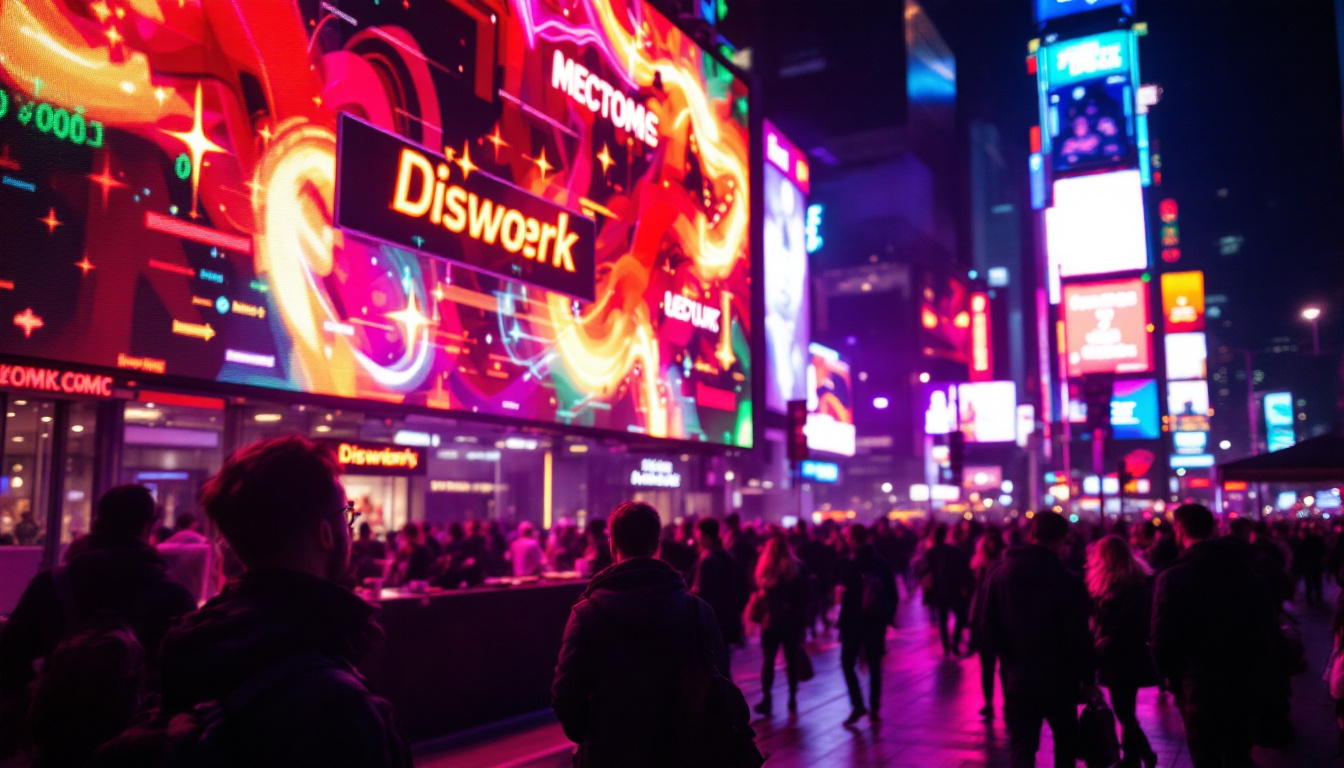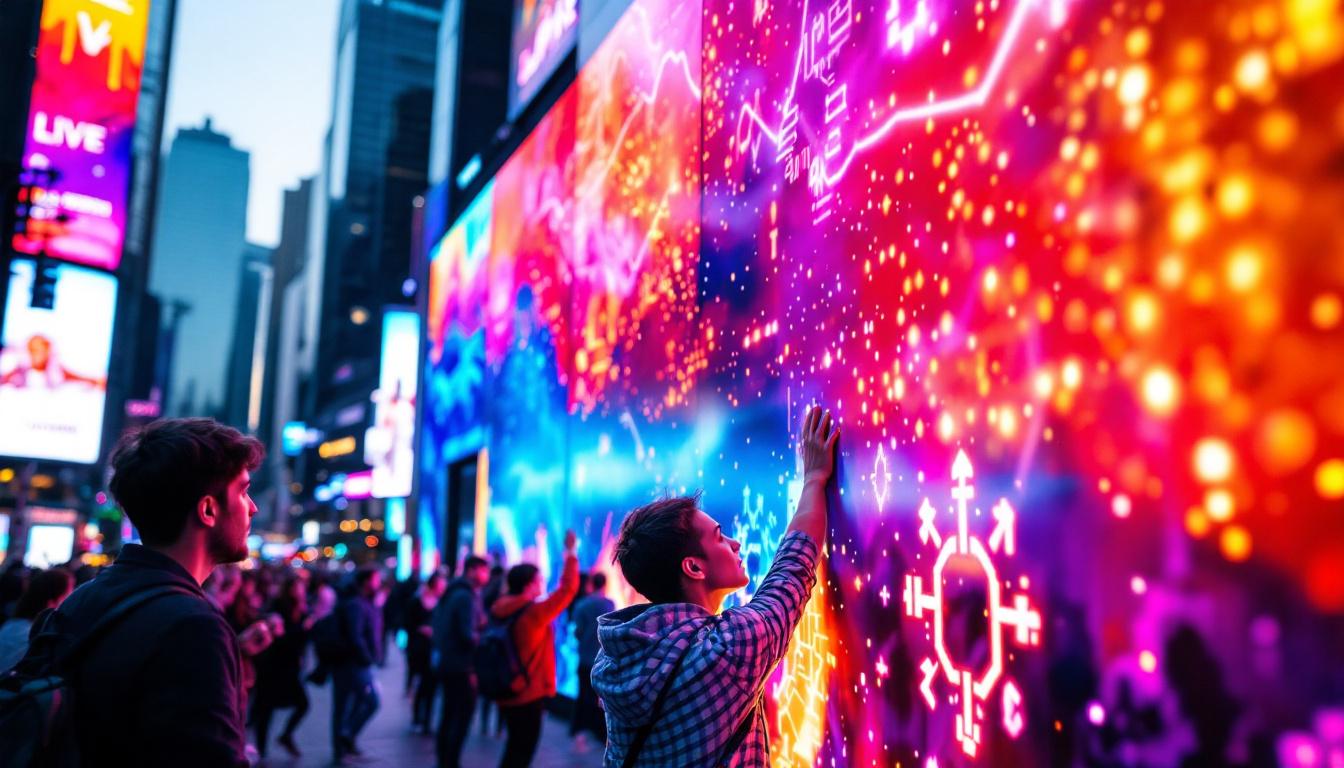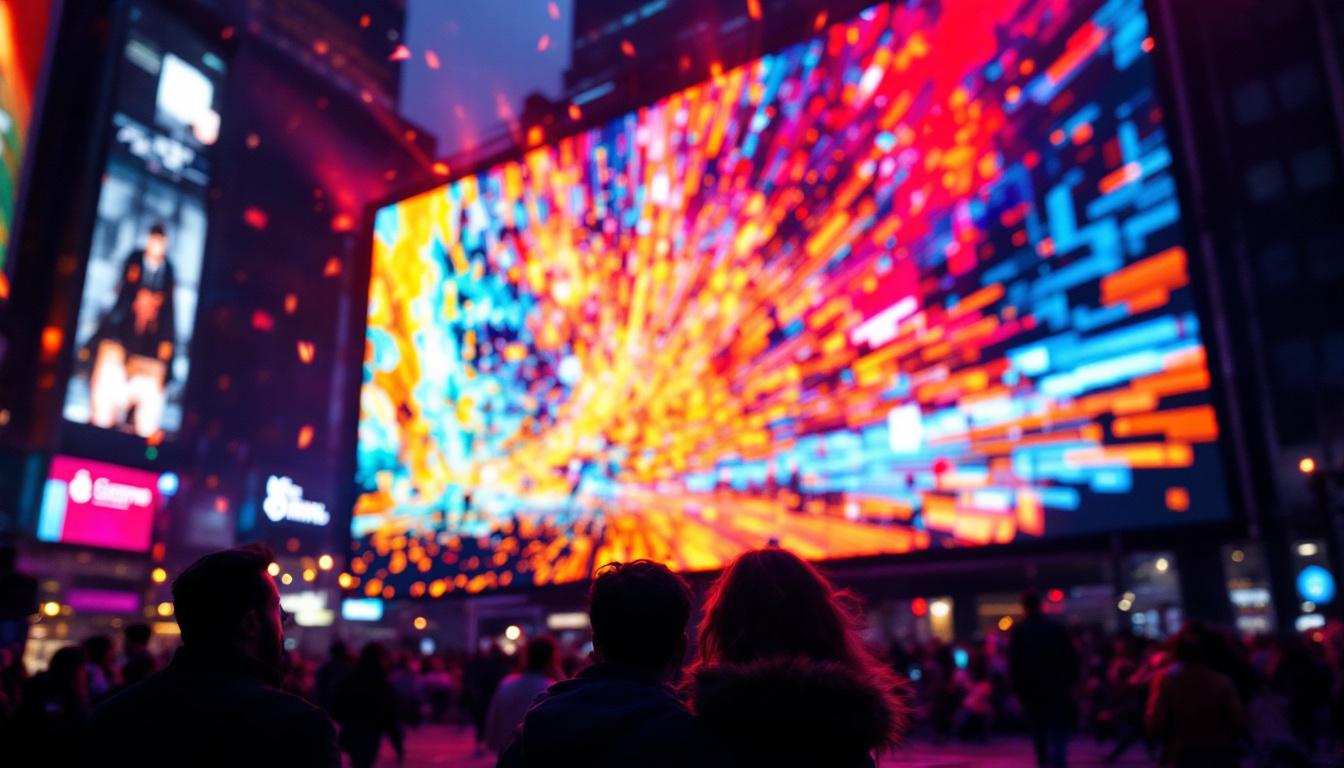
In today’s fast-paced digital world, advertising has evolved beyond traditional billboards and print media. One of the most dynamic and visually captivating tools in modern advertising is the LED display screen. From Times Square in New York to bustling city centers worldwide, LED screens have transformed how brands communicate with their audiences. This article delves into the technology behind LED displays, their advantages, applications, and why they have become indispensable in advertising.
What Are LED Displays?
LED stands for Light Emitting Diode, a semiconductor device that emits light when an electric current passes through it. LED displays are composed of thousands to millions of these tiny diodes arranged in a matrix to form images, videos, or text. Unlike traditional LCD or plasma screens, LED displays generate their own light, which results in brighter and more vivid images. This self-illuminating property not only enhances visibility in various lighting conditions but also contributes to energy efficiency, making LED technology a popular choice for both commercial and residential applications.
There are two primary types of LED displays used in advertising: direct view LED displays and LED-backlit LCD displays. Direct view LED displays use LEDs as the actual pixels that create the image, making them ideal for large-scale outdoor advertising. In contrast, LED-backlit LCDs use LEDs as a light source behind an LCD panel, common in smaller indoor screens. The versatility of these displays allows businesses to choose the right type based on their specific needs, whether it be for high-impact outdoor signage or for engaging indoor presentations.
How LED Displays Work
Each LED in the display acts as a pixel, and by controlling the intensity and color of individual LEDs, the screen can produce detailed images and videos. Modern LED displays use RGB (Red, Green, Blue) LEDs, which combine these three colors in varying intensities to create a full spectrum of colors. This ability to mix colors at the pixel level allows for stunning visual effects and dynamic content that can capture the attention of viewers. Furthermore, advancements in technology have led to the development of features such as high dynamic range (HDR) and wide color gamut (WCG), which enhance the visual experience by providing deeper contrasts and more vibrant colors.
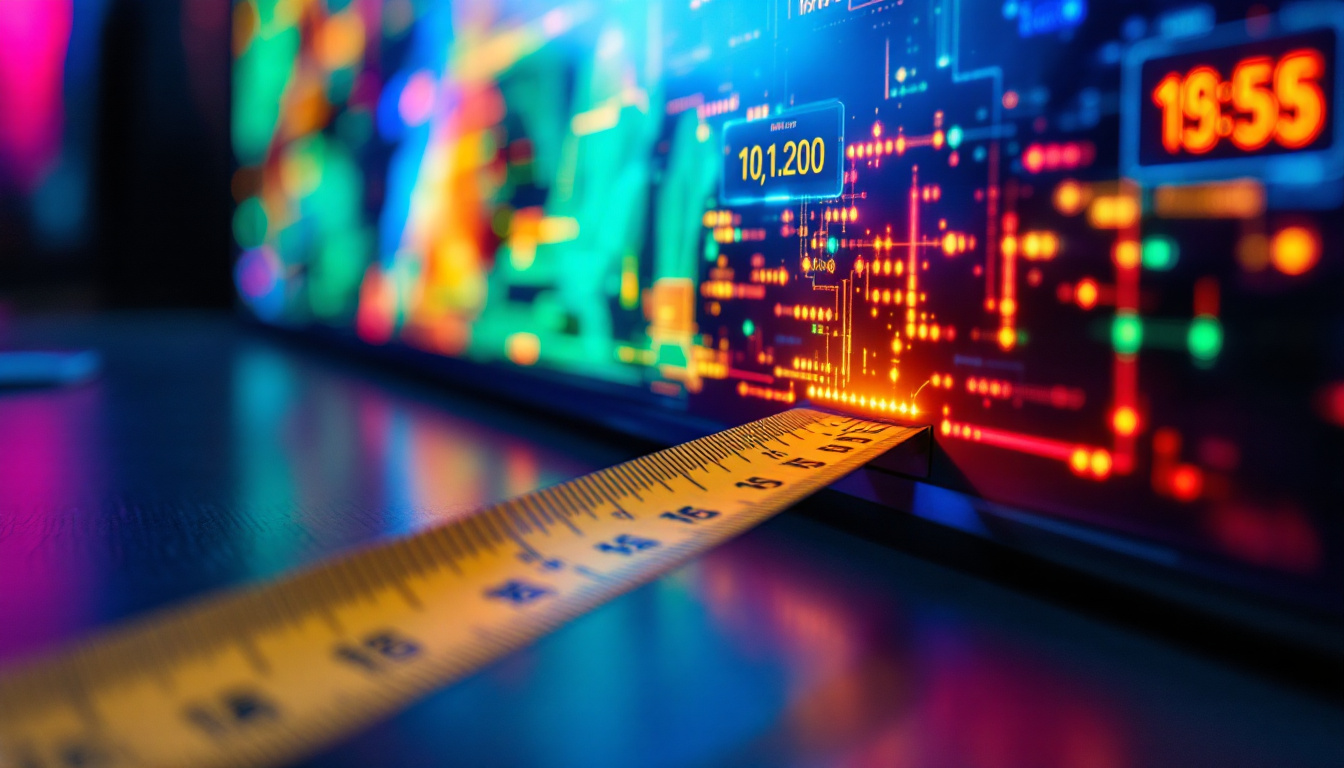
The resolution of an LED display depends on the pixel pitch — the distance between the centers of two adjacent LEDs. Smaller pixel pitch means higher resolution and clearer images, which is crucial for close viewing distances. For example, a pixel pitch of 1.5mm is common for indoor displays where viewers are close, while outdoor screens might have pixel pitches of 10mm or more. Additionally, the design of LED displays allows for modular construction, enabling larger screens to be created by combining multiple smaller panels. This scalability makes LED displays an attractive option for a variety of applications, from stadiums and concert venues to retail environments and corporate events. As the technology continues to evolve, we can expect even more innovative uses and improved performance in LED display systems.
Advantages of LED Displays in Advertising
High Brightness and Visibility
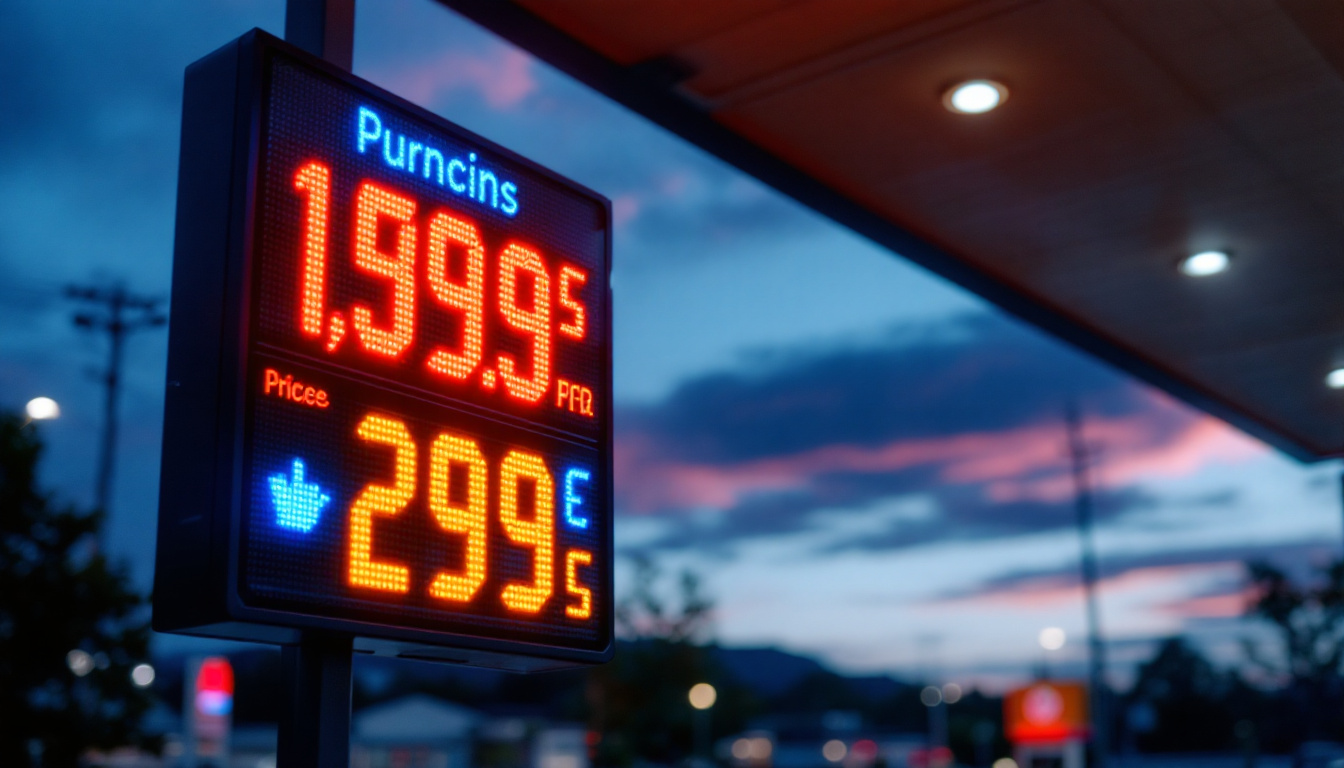
One of the most significant advantages of LED displays is their brightness. Outdoor LED screens can reach brightness levels of up to 8,000 nits, which is several times brighter than conventional LCD screens. This high brightness ensures that advertisements remain visible even in direct sunlight, making them perfect for outdoor environments.
Moreover, LED displays offer excellent visibility from wide viewing angles, ensuring that the message reaches a broad audience regardless of their position relative to the screen. This feature is particularly beneficial in busy urban settings where pedestrians and vehicles may be approaching from various directions. The ability to capture attention from afar enhances the effectiveness of advertising campaigns, drawing in potential customers who might not have otherwise noticed the message.
Energy Efficiency and Longevity
LED technology is inherently energy-efficient compared to older display technologies. LEDs consume less power while delivering brighter images, which translates into lower operating costs for advertisers and businesses. Additionally, LED displays have a long lifespan, often exceeding 100,000 hours of operation, reducing maintenance and replacement expenses. This longevity not only benefits advertisers financially but also contributes to a more sustainable approach to advertising, as fewer displays need to be manufactured and disposed of over time.
Furthermore, the energy efficiency of LED displays aligns with the growing demand for environmentally friendly solutions. Many businesses are now prioritizing sustainability in their operations, and utilizing LED technology can significantly reduce their carbon footprint. This shift not only appeals to eco-conscious consumers but also enhances the brand image of companies committed to green practices.
Dynamic and Flexible Content
Unlike static billboards, LED screens allow advertisers to display dynamic content that can be changed instantly. This flexibility enables real-time updates, targeted advertising, and interactive campaigns. For example, a retailer can showcase different promotions throughout the day or adjust messaging based on weather conditions or events. This adaptability ensures that the content remains relevant and engaging, which is crucial in today’s fast-paced advertising landscape.
Furthermore, LED displays support high-definition video, animations, and even live feeds, creating engaging and memorable advertising experiences. The ability to incorporate multimedia elements not only captivates viewers but also enhances storytelling, allowing brands to convey their messages more effectively. Interactive features, such as QR codes or social media integration, can also be utilized, encouraging audience participation and driving traffic to websites or physical locations.
Durability and Weather Resistance
Outdoor LED screens are designed to withstand harsh weather conditions, including rain, snow, wind, and extreme temperatures. They are typically housed in rugged enclosures with IP65 or higher ratings, indicating protection against dust and water ingress. This durability ensures continuous operation in various environments, making them reliable advertising platforms. Businesses can confidently invest in LED technology, knowing that their advertising will remain intact and effective regardless of the elements.
In addition to weather resistance, the robust construction of LED displays also protects against physical impacts, reducing the risk of damage from vandalism or accidental collisions. This resilience is particularly important in high-traffic areas where screens are more susceptible to wear and tear. By investing in durable LED displays, advertisers can ensure a consistent and professional appearance, which is essential for maintaining brand reputation and visibility in competitive markets.
Applications of LED Displays in Advertising
Outdoor Advertising: Digital Billboards and Signage
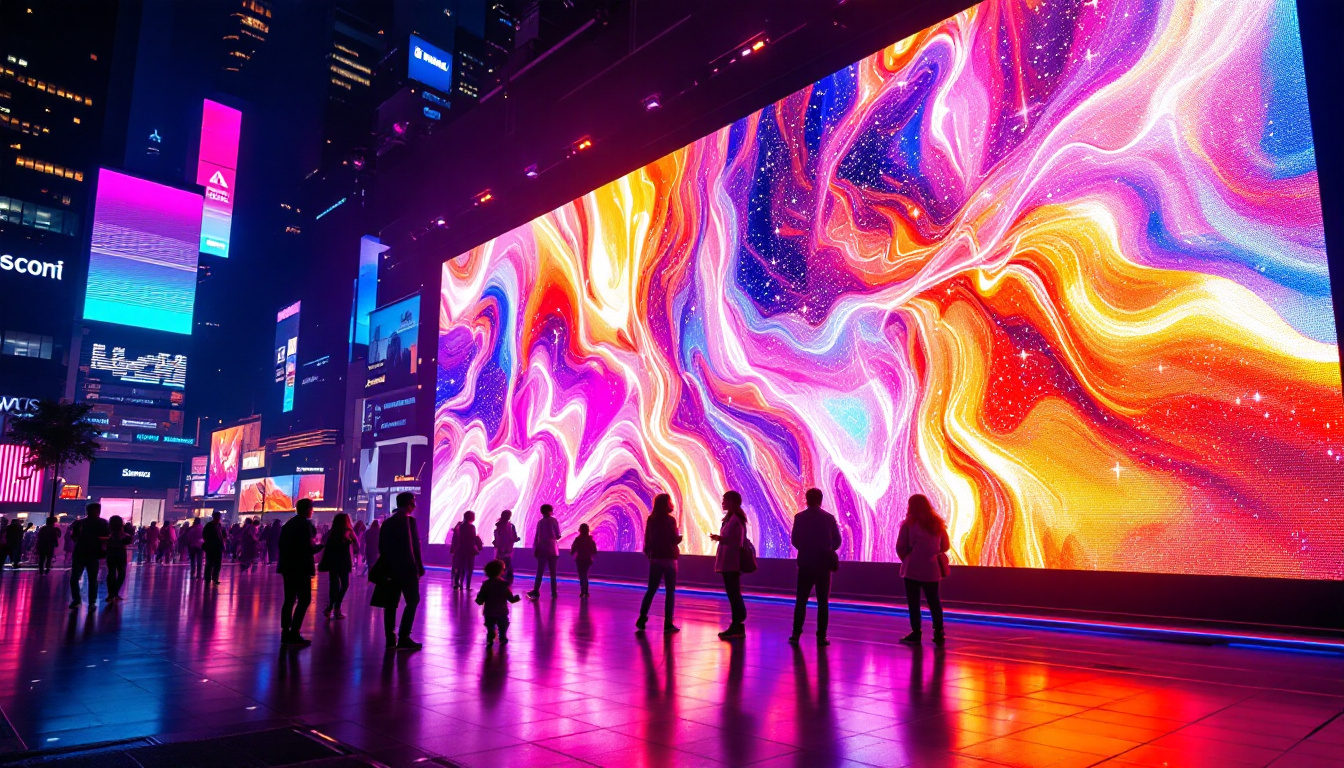
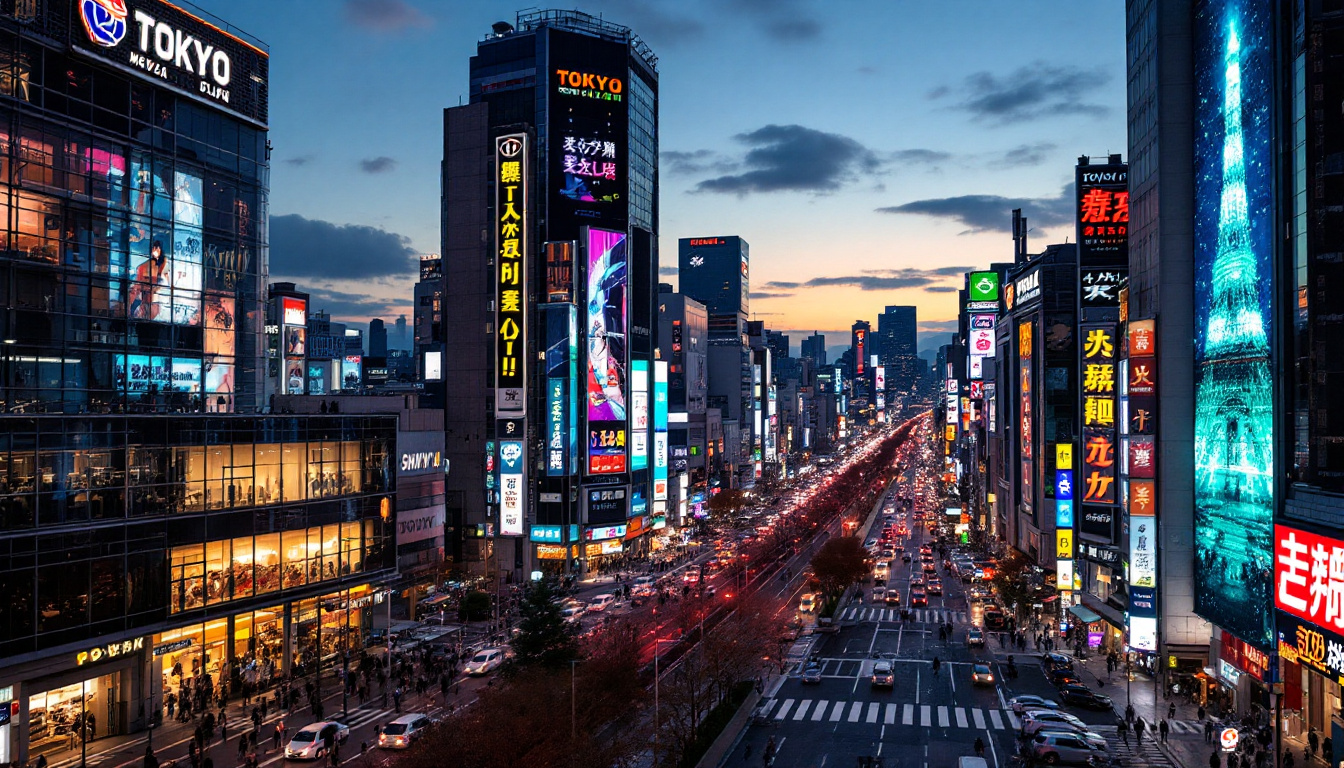
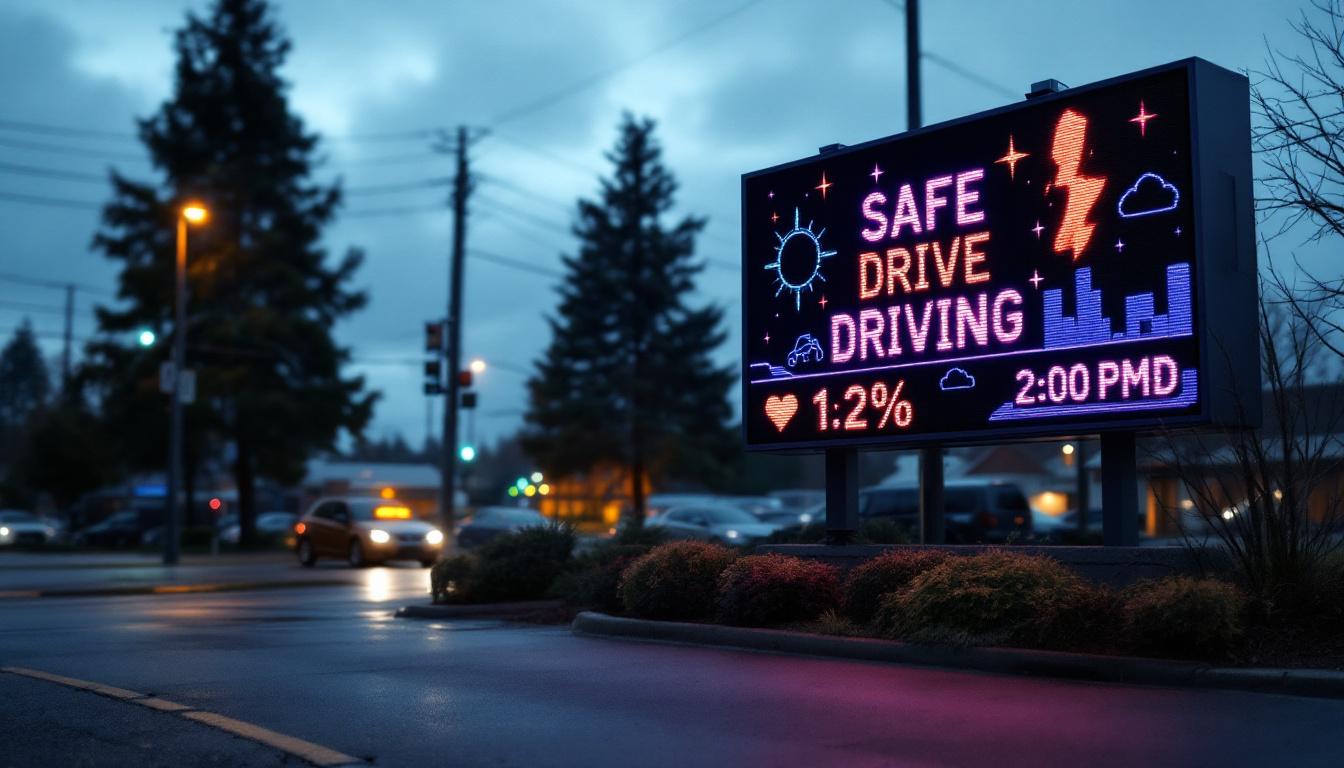
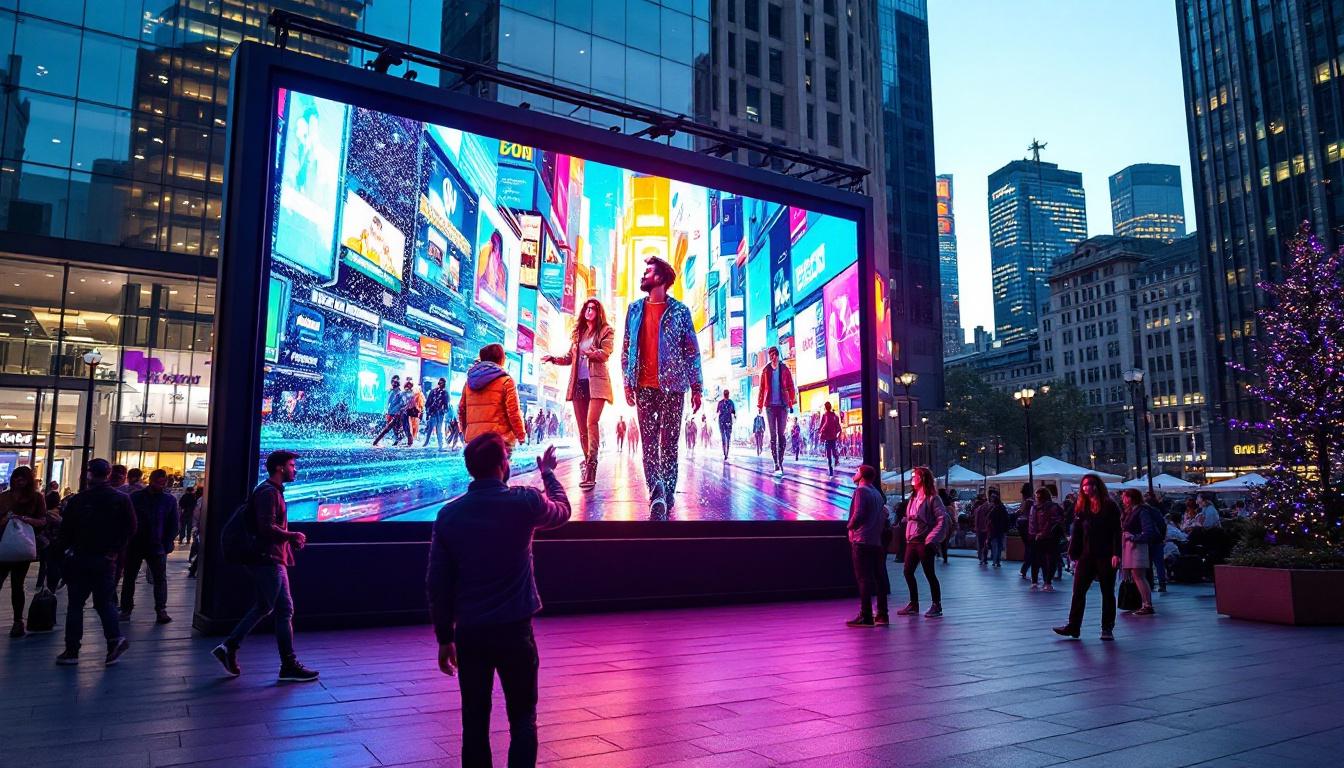
Digital billboards are among the most common applications of LED displays. Their ability to display bright, eye-catching content makes them ideal for high-traffic areas such as highways, city centers, and shopping districts. According to a report by Grand View Research, the global digital billboard market is expected to reach USD 6.6 billion by 2027, driven by the increasing adoption of LED technology.
These billboards enable advertisers to rotate multiple ads, schedule content by time of day, and even incorporate interactive elements like QR codes or social media feeds.
Retail and Shopping Centers
LED screens are widely used in retail environments to attract customers and enhance brand visibility. From large video walls in store windows to smaller displays inside stores, LED technology helps retailers showcase promotions, new products, and brand stories effectively.
Interactive LED displays also engage shoppers by providing product information, virtual try-ons, and personalized recommendations, thereby improving the overall shopping experience.
Events, Sports, and Entertainment Venues
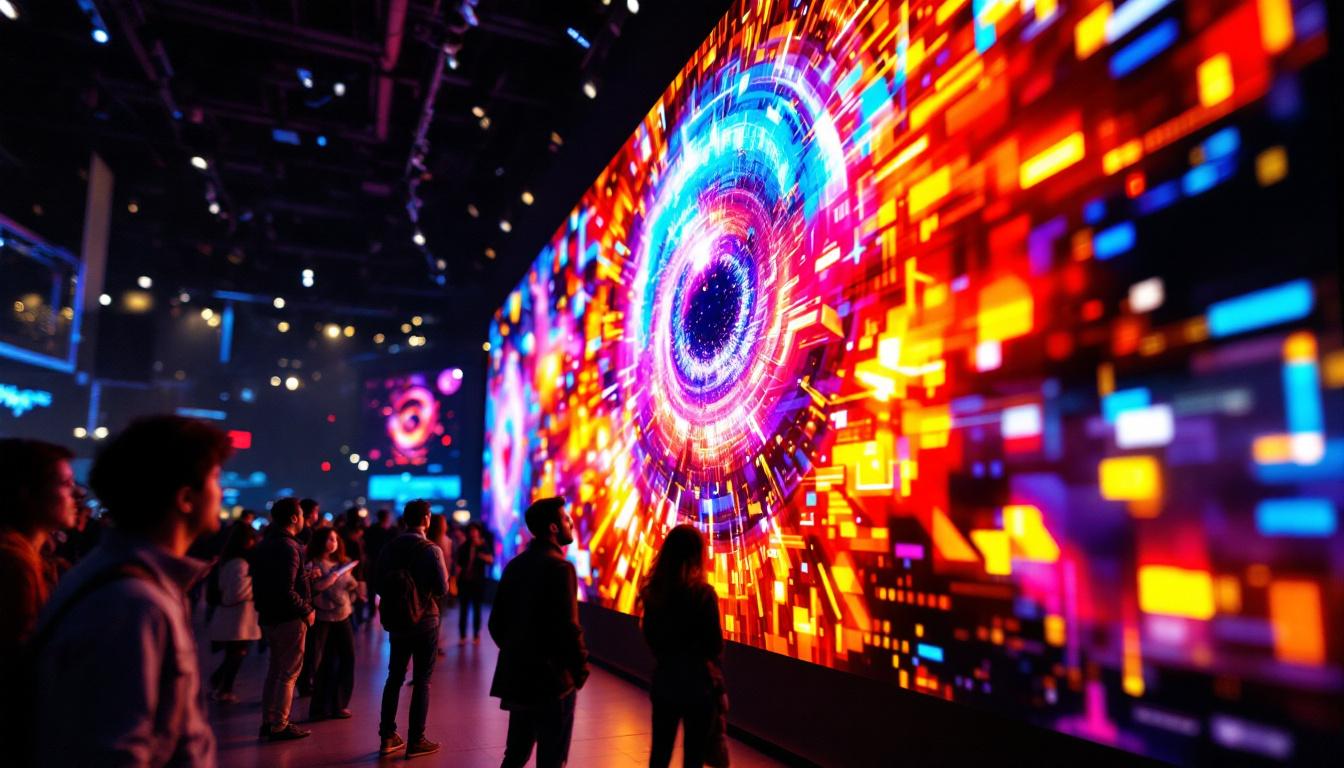
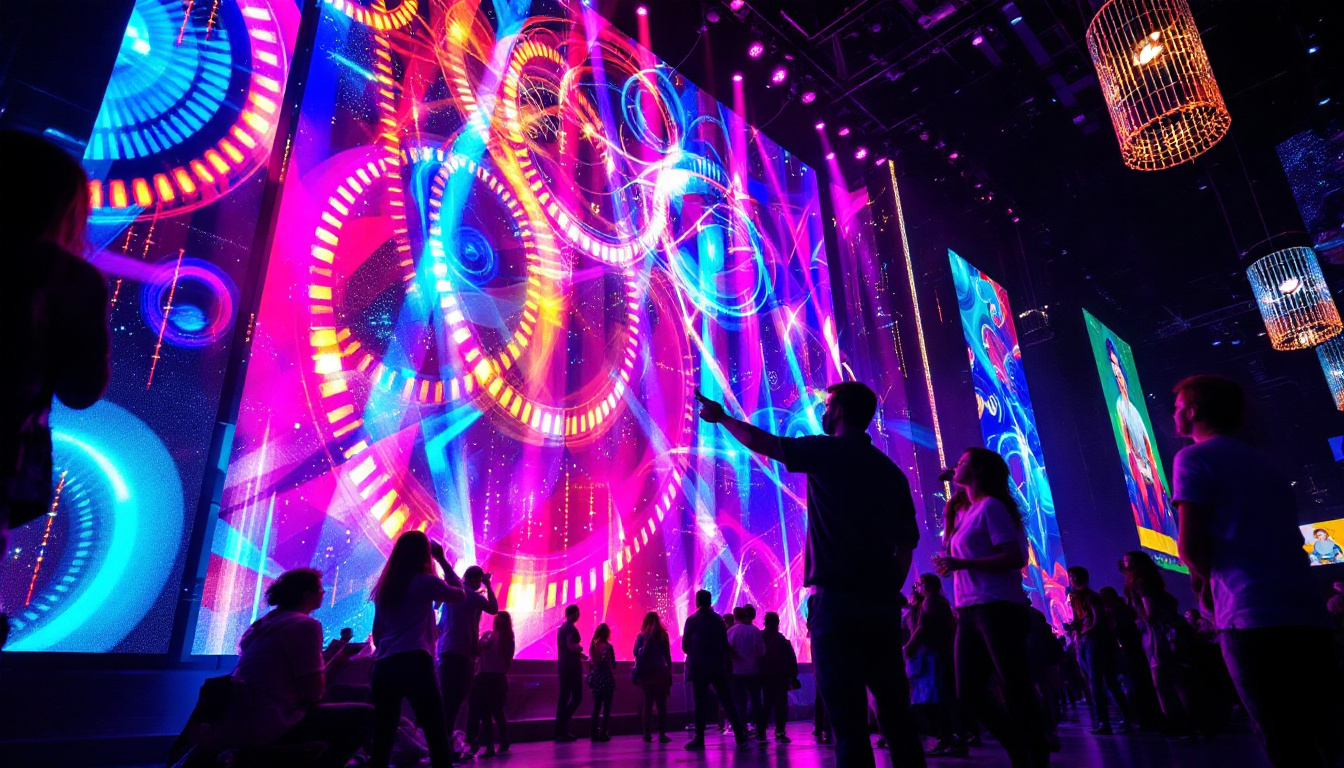
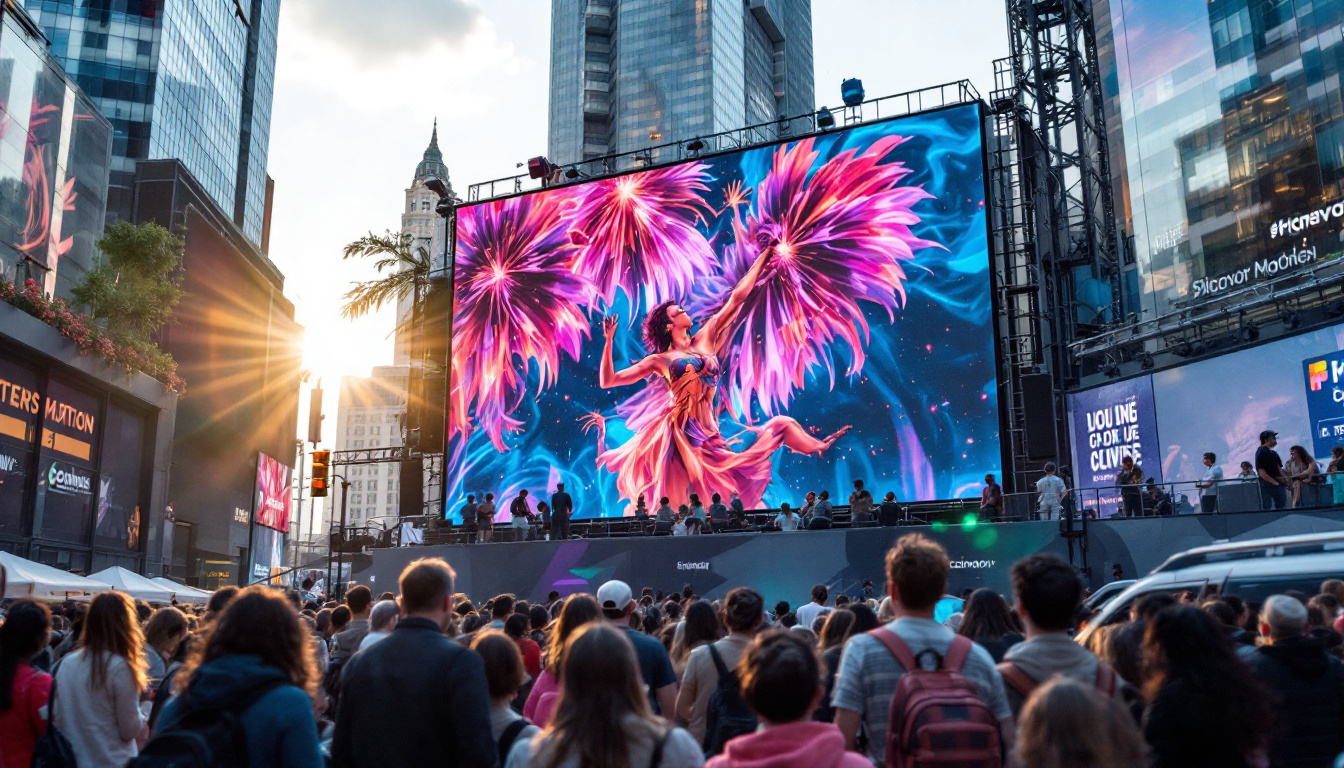
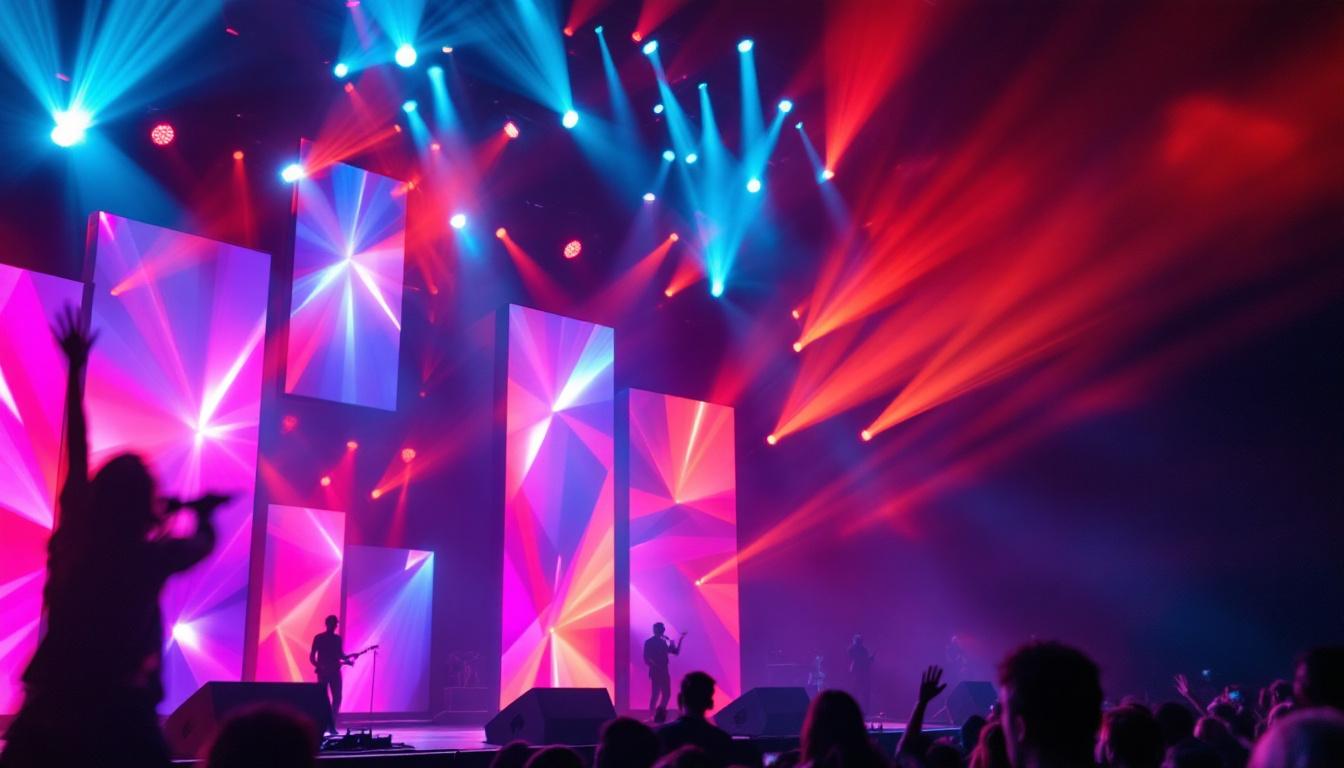
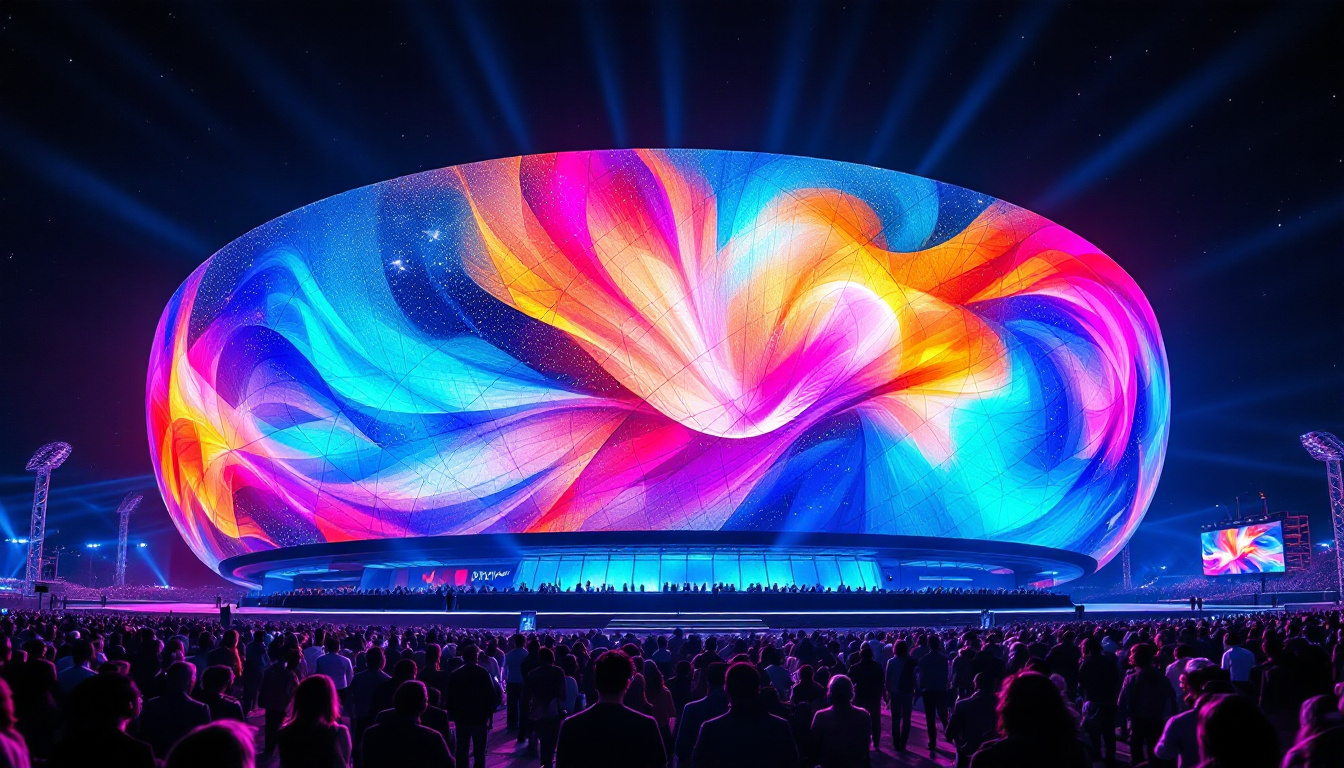
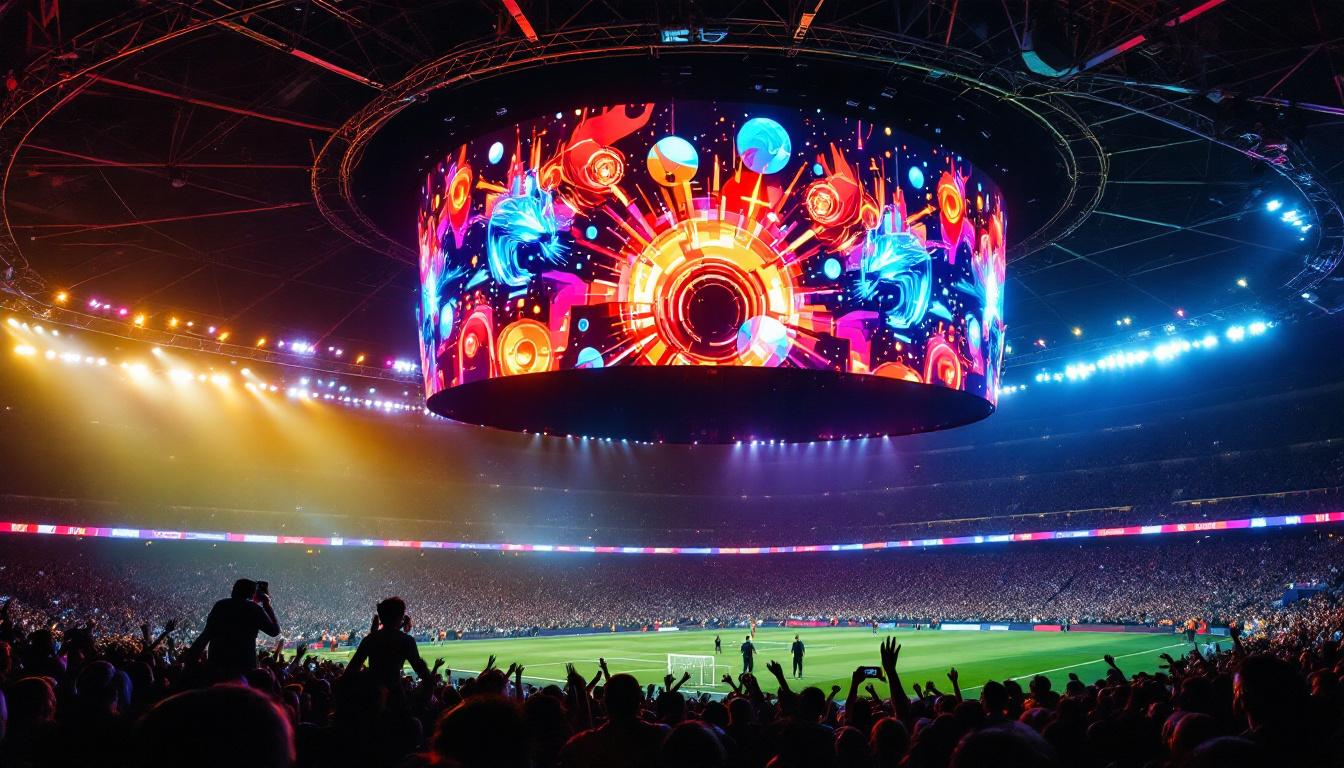
LED screens are integral to live events, concerts, and sports arenas. They provide clear, high-resolution visuals that can be seen from great distances, enhancing audience engagement. Advertisers leverage these venues to reach captive audiences with targeted messaging during breaks or intermissions.
For example, stadium LED ribbon boards and jumbotrons display real-time statistics, advertisements, and interactive content, creating immersive experiences for attendees.
Transportation Hubs and Public Spaces
Airports, train stations, and bus terminals utilize LED displays to communicate information and advertise simultaneously. The high visibility and dynamic content capabilities of LED screens make them perfect for these busy environments where travelers are constantly on the move.
Moreover, cities are increasingly adopting LED displays in public spaces for community announcements, emergency alerts, and cultural promotions, blending advertising with public service.
Key Considerations When Choosing an LED Display for Advertising
Resolution and Pixel Pitch
Choosing the appropriate resolution and pixel pitch is critical to ensure the display delivers clear and sharp images. For indoor advertising where viewers are close, a smaller pixel pitch (1.2mm to 2.5mm) is recommended. Outdoor displays, viewed from a distance, can have larger pixel pitches (10mm to 20mm) without compromising visual quality.
Brightness and Contrast Ratio
Brightness levels must be sufficient to counteract ambient light, especially outdoors. A minimum of 5,000 nits is advisable for outdoor screens, while indoor displays typically require 800 to 1,500 nits. Contrast ratio also affects image quality, with higher ratios providing deeper blacks and more vibrant colors.
Installation and Maintenance
Consider the installation environment, including mounting options, structural support, and accessibility for maintenance. Modular LED panels simplify repairs and upgrades, minimizing downtime. Additionally, ensure the display has adequate ventilation and protection against environmental factors.
Content Management System (CMS)
A robust CMS is essential for managing and scheduling content efficiently. It should support multiple media formats, remote updates, and real-time monitoring. Integration with data sources and social media can enhance the interactivity and relevance of advertisements.
The Future of LED Advertising Displays
As technology advances, LED displays continue to evolve with innovations such as microLED and transparent LED screens. MicroLED offers even higher brightness, better color accuracy, and longer lifespan, promising to revolutionize both indoor and outdoor advertising.
Transparent LED displays, which can be integrated into glass surfaces, open new possibilities for retail storefronts and architectural applications, blending advertising seamlessly with the environment.
Furthermore, the integration of artificial intelligence and data analytics enables hyper-targeted advertising, where content adapts in real-time based on audience demographics, behavior, and environmental factors.
Conclusion
LED displays have become a cornerstone of modern advertising, offering unparalleled brightness, flexibility, and engagement. Their ability to deliver dynamic, high-quality content in diverse environments makes them invaluable for brands seeking to capture attention and communicate effectively.
Understanding the technology, advantages, and applications of LED displays empowers advertisers and businesses to make informed decisions and harness the full potential of this powerful medium. As LED technology continues to advance, its role in advertising is set to grow even more prominent, shaping the future of visual communication.
Discover LumenMatrix’s Innovative LED Display Solutions
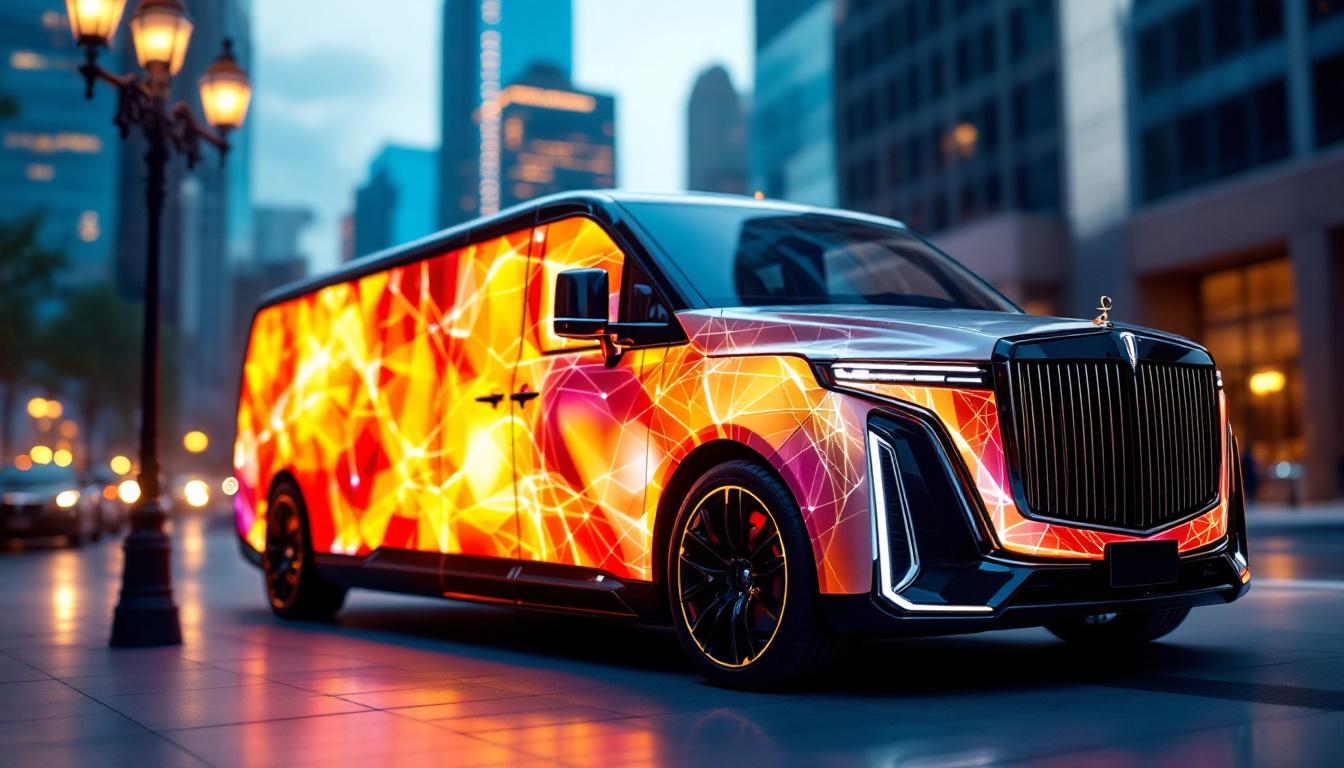
Ready to elevate your advertising strategy with the latest in LED display technology? LumenMatrix is at the forefront of creating immersive visual experiences that captivate and engage. From versatile Indoor and Outdoor LED Wall Displays to specialized solutions like Vehicle LED Displays, LED Sports Displays, and even Custom LED Displays, we have the cutting-edge tools to bring your brand to life. Embrace the future of visual communication with LumenMatrix and transform the way you connect with your audience. Check out LumenMatrix LED Display Solutions today and make a lasting impression with every display.