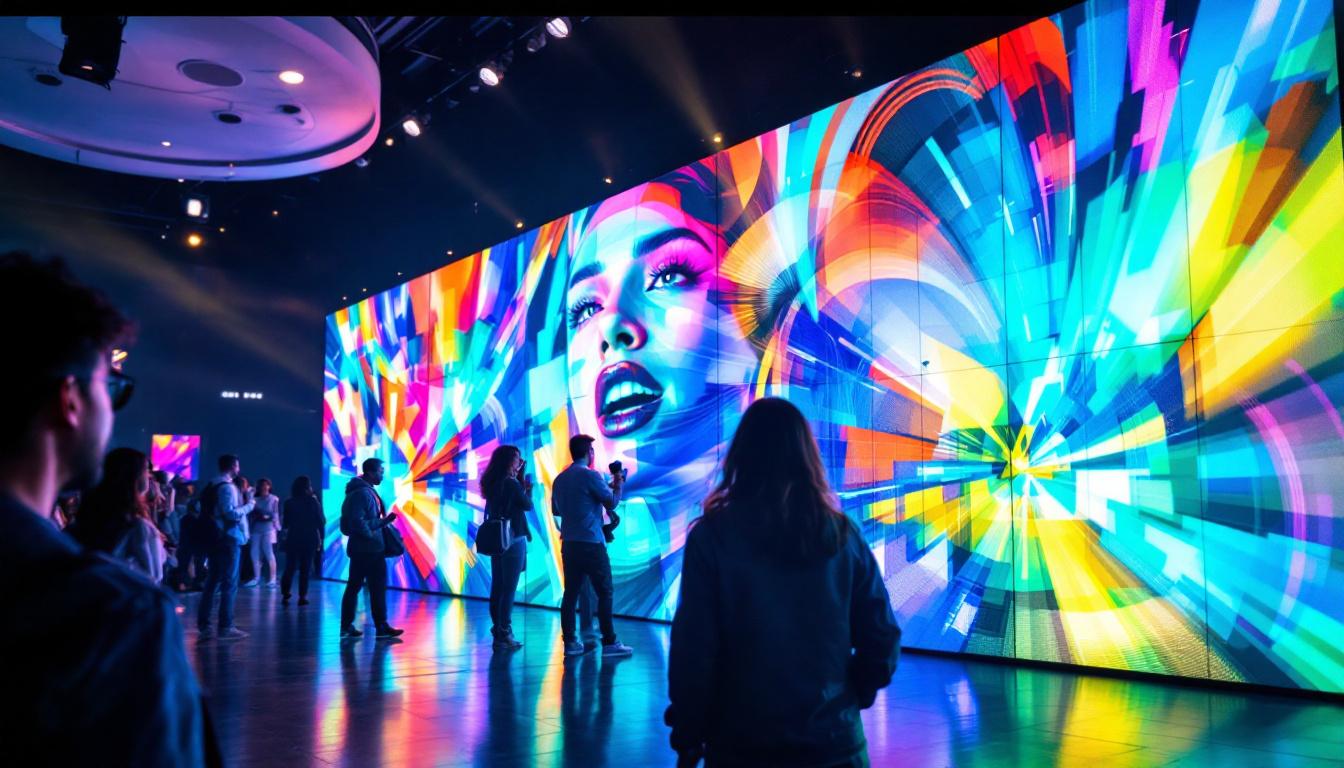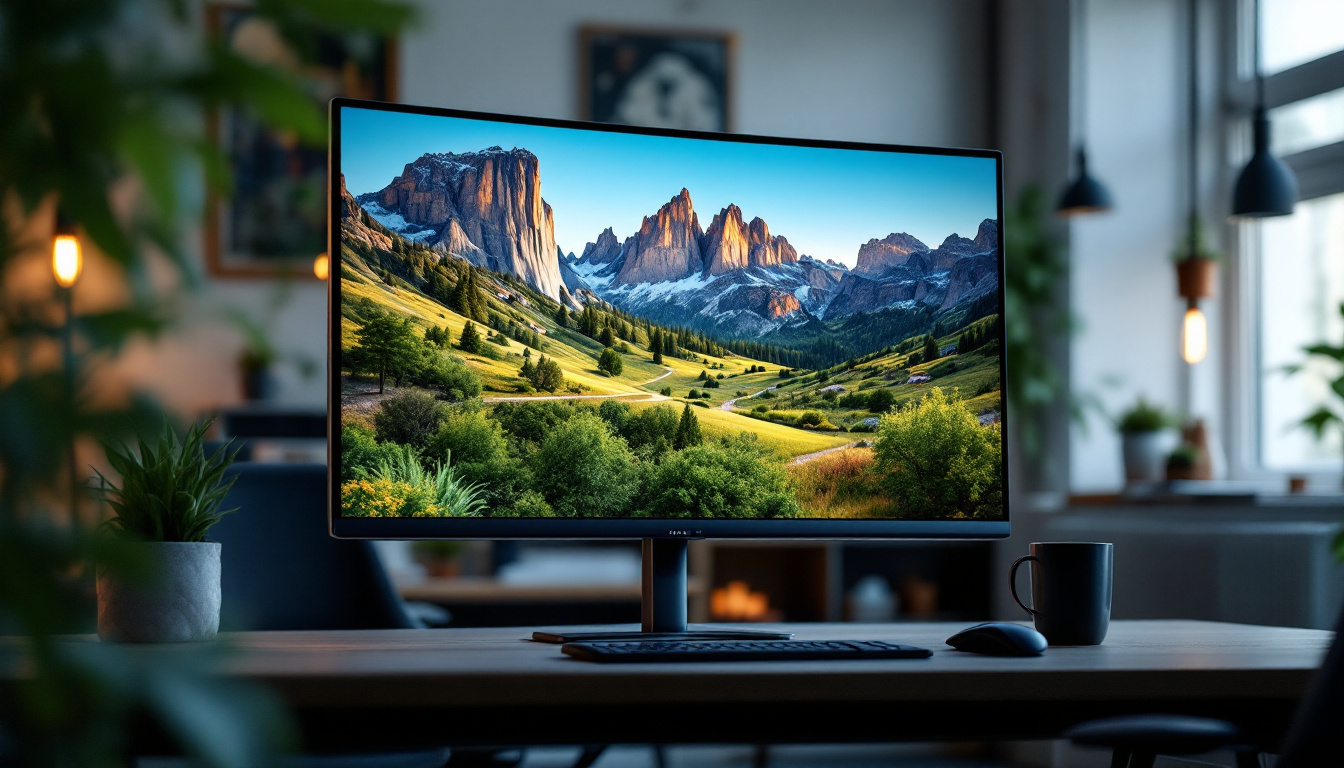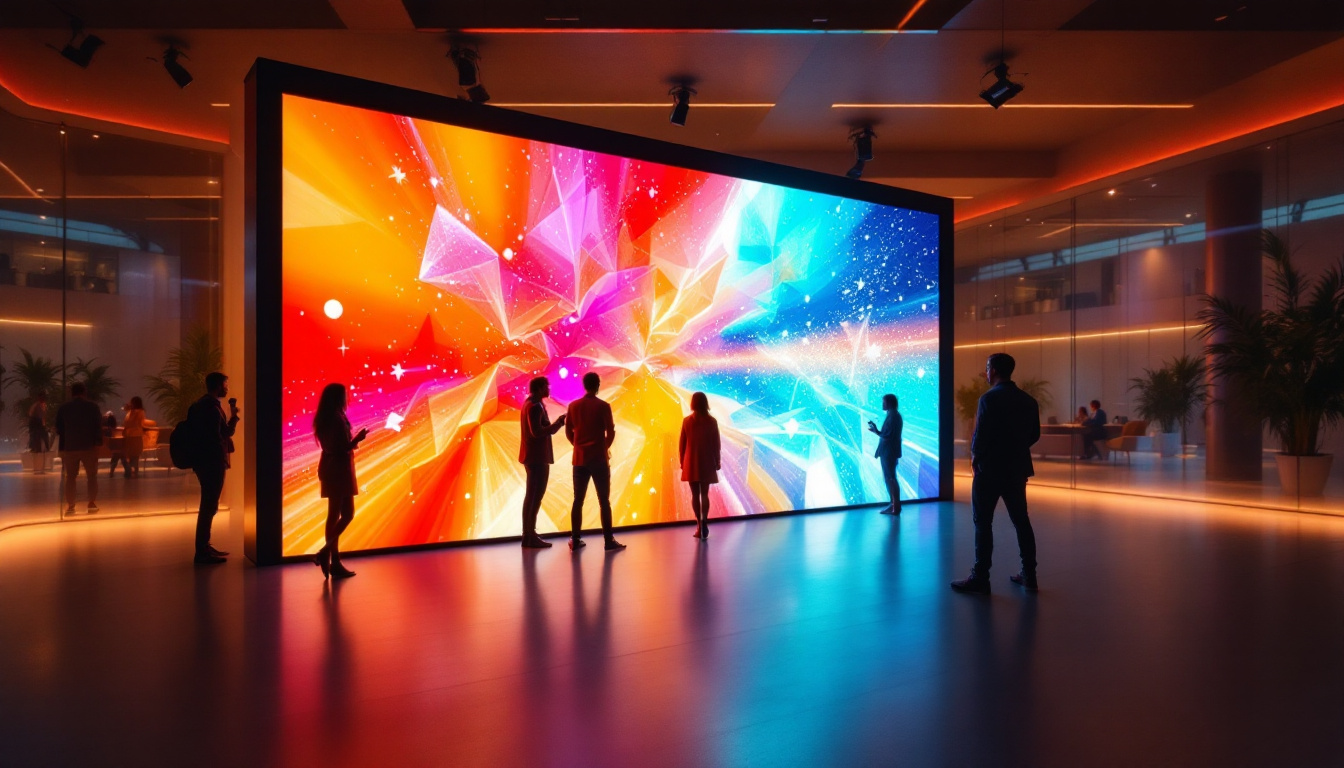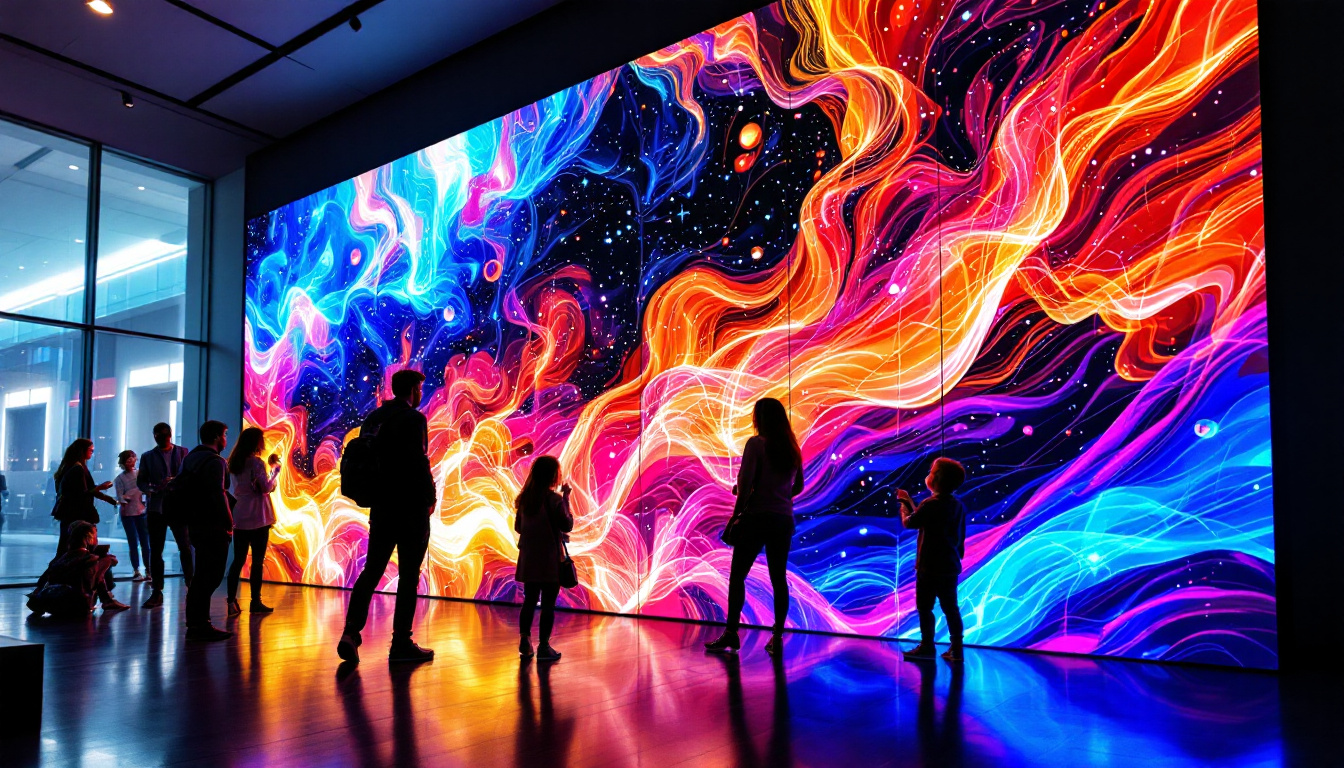
In the dynamic world of live events, concerts, theater productions, and corporate presentations, video screens have become an indispensable part of the stage setup. Among the various display technologies available, LED displays stand out for their brightness, versatility, and impact. This article delves into the essentials of LED video screens for stage use, exploring their technology, benefits, applications, and considerations for selecting the right display for your event.
Understanding LED Display Technology
What Is an LED Video Screen?
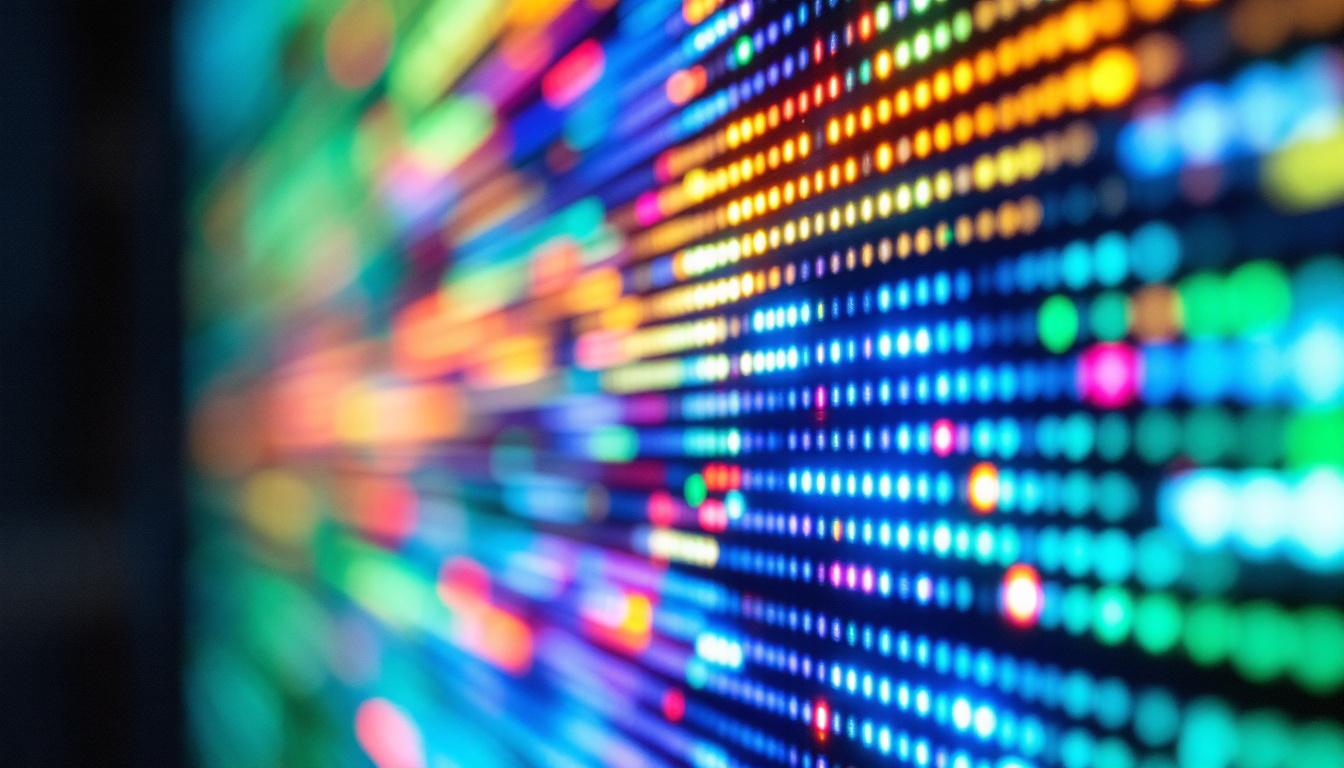
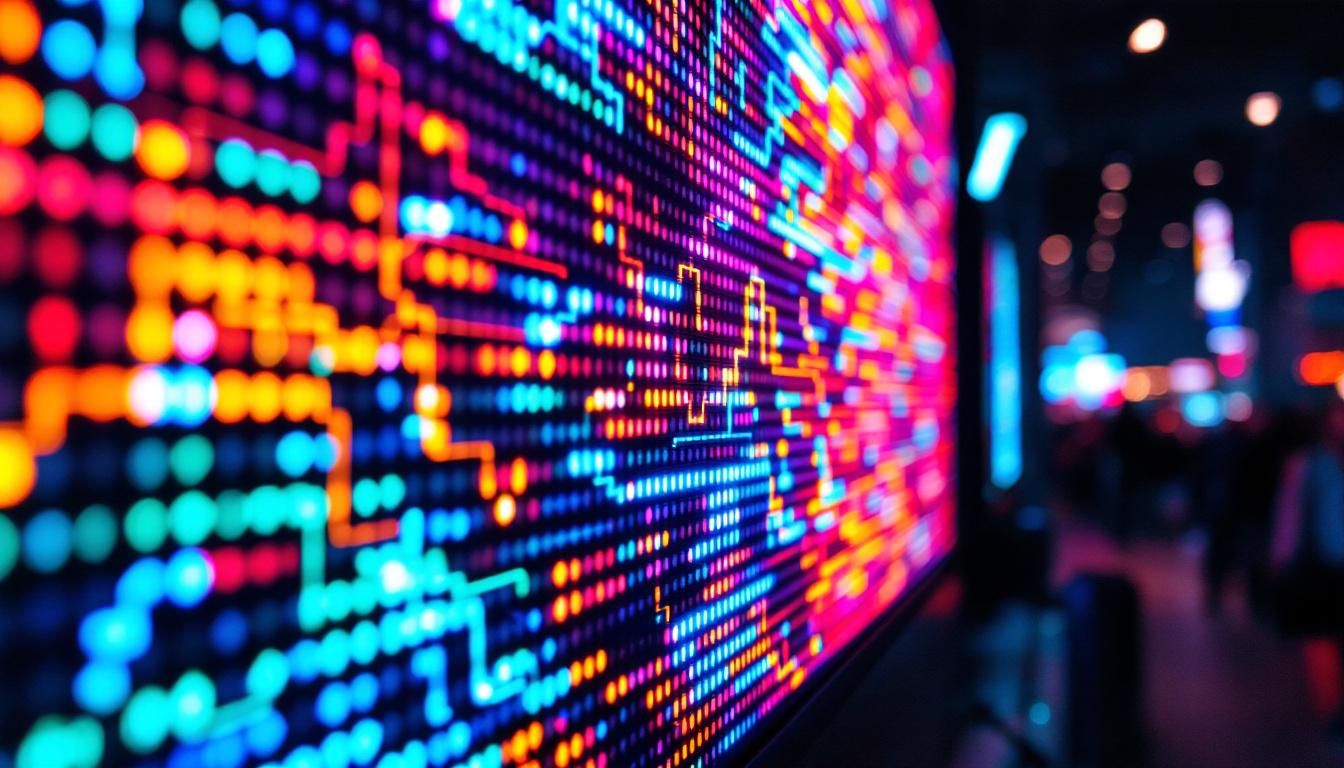
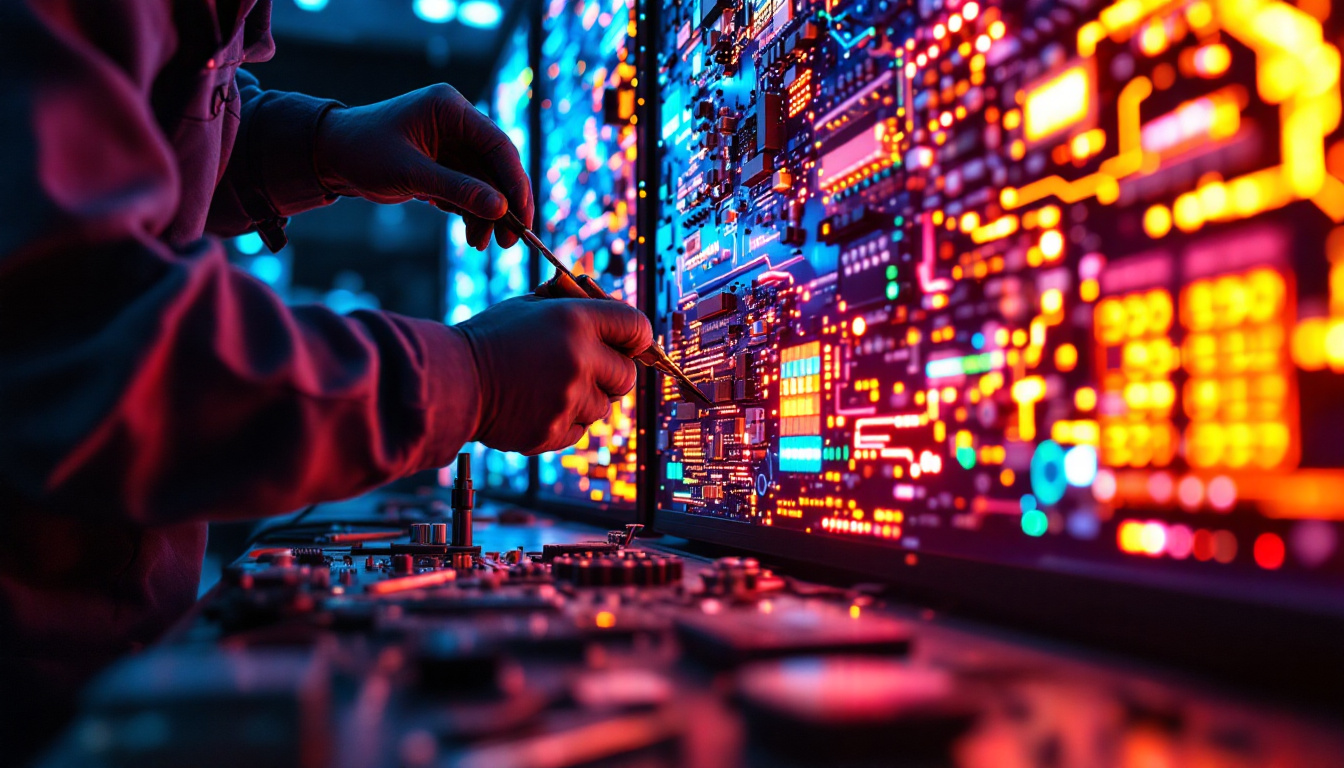
LED stands for Light Emitting Diode, a semiconductor device that emits light when an electric current passes through it. An LED video screen is essentially a large-scale display composed of thousands of these tiny diodes arranged in a grid pattern. Each diode acts as a pixel, producing light in red, green, and blue (RGB) colors. By varying the intensity of these colors, the screen can display a full spectrum of colors, creating vivid and dynamic images.
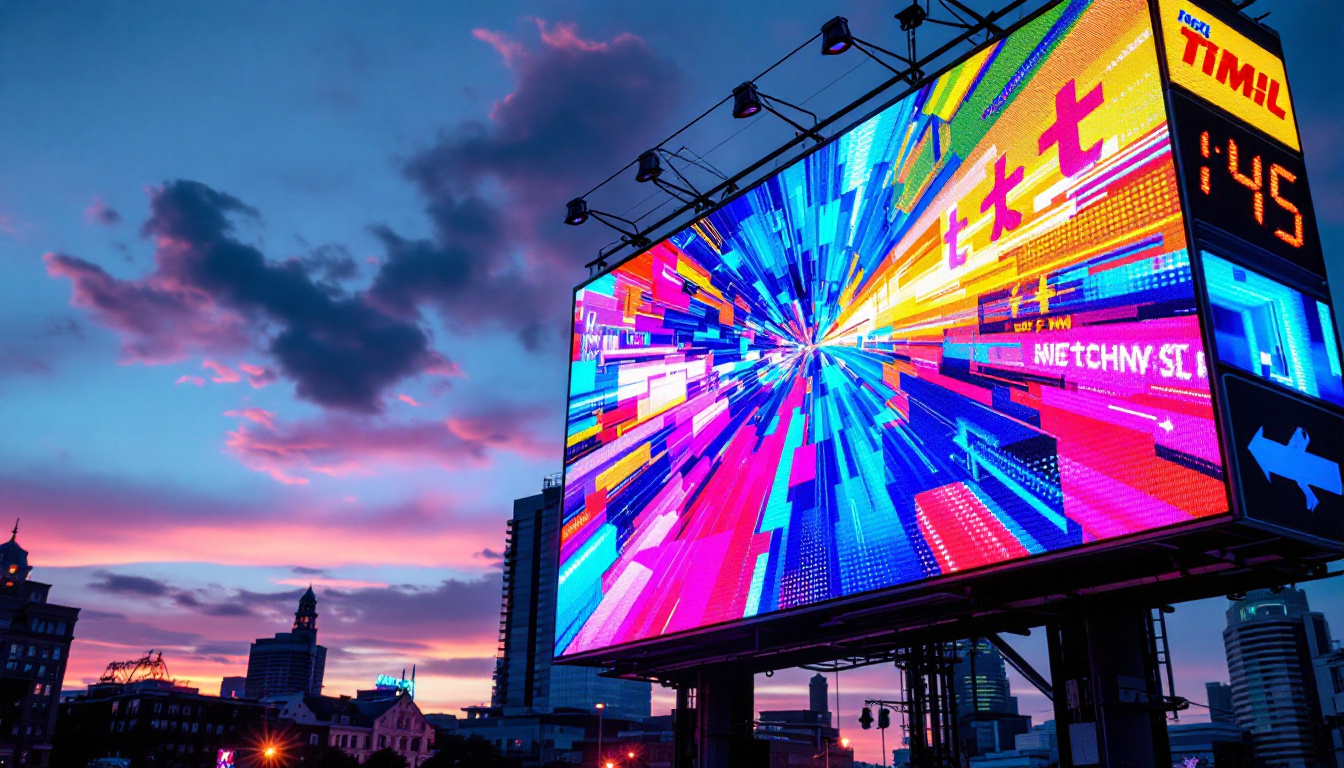
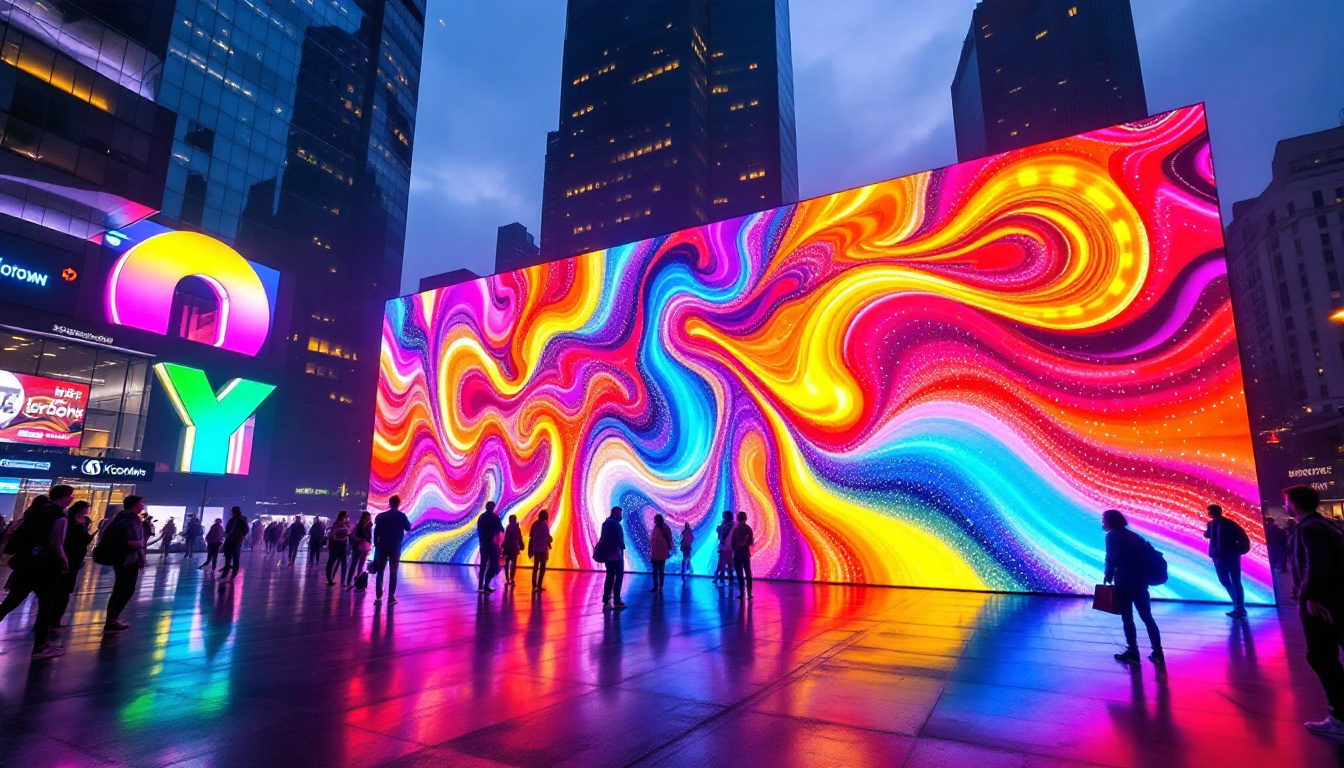
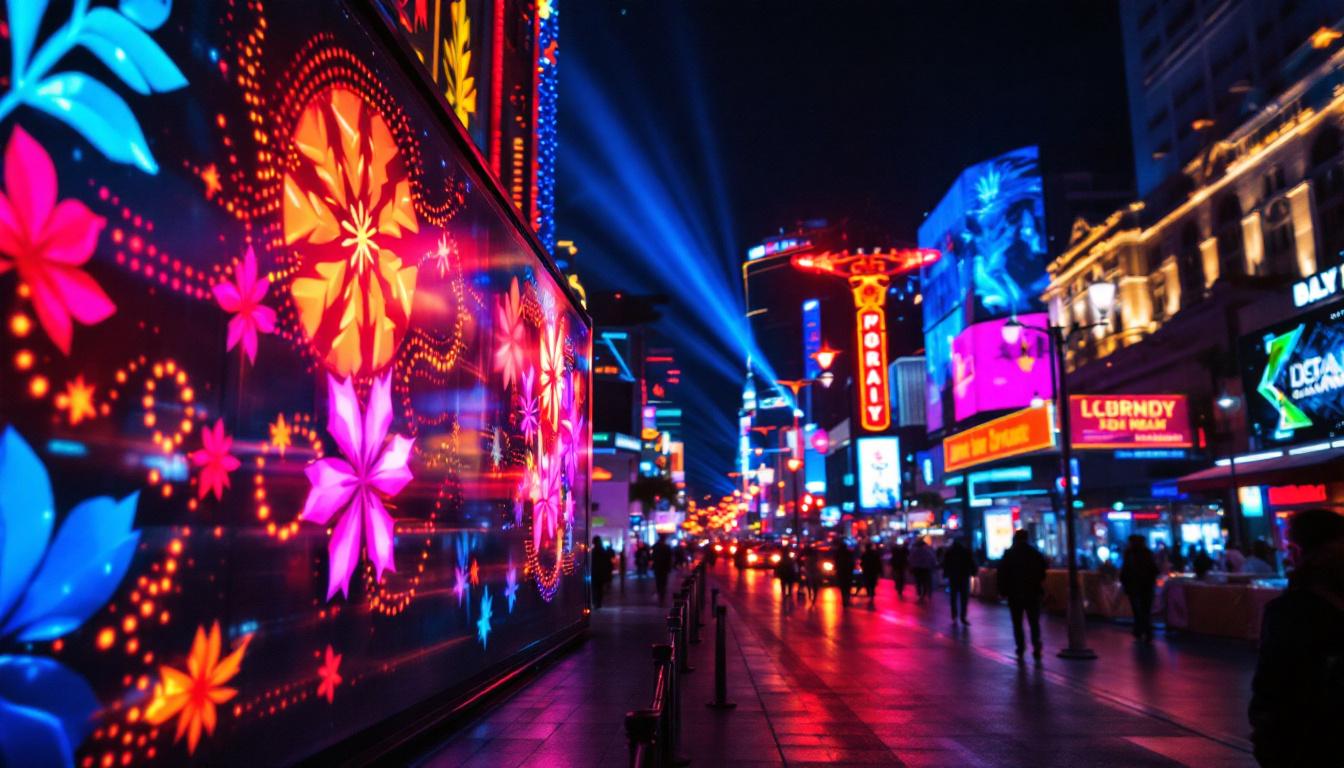
The modular nature of LED screens allows for flexible sizing and shapes, making them ideal for stage environments where space and design requirements vary widely. Unlike traditional projection or LCD screens, LED displays are self-illuminating, which means they do not rely on external light sources, resulting in higher brightness and better visibility even in brightly lit venues. This capability is particularly advantageous in outdoor events, where ambient light can often wash out images on less powerful screens. The energy efficiency of LED technology also contributes to its growing popularity, as it consumes less power compared to conventional lighting solutions, reducing both operational costs and environmental impact.
Types of LED Screens Used on Stage
There are several types of LED screens commonly used in stage productions, each with unique characteristics:
- Indoor LED Screens: Designed for controlled environments, these screens have a finer pixel pitch (distance between pixels) for higher resolution at closer viewing distances. They are often used in concerts, corporate events, and theater productions where audience proximity demands sharp image clarity.
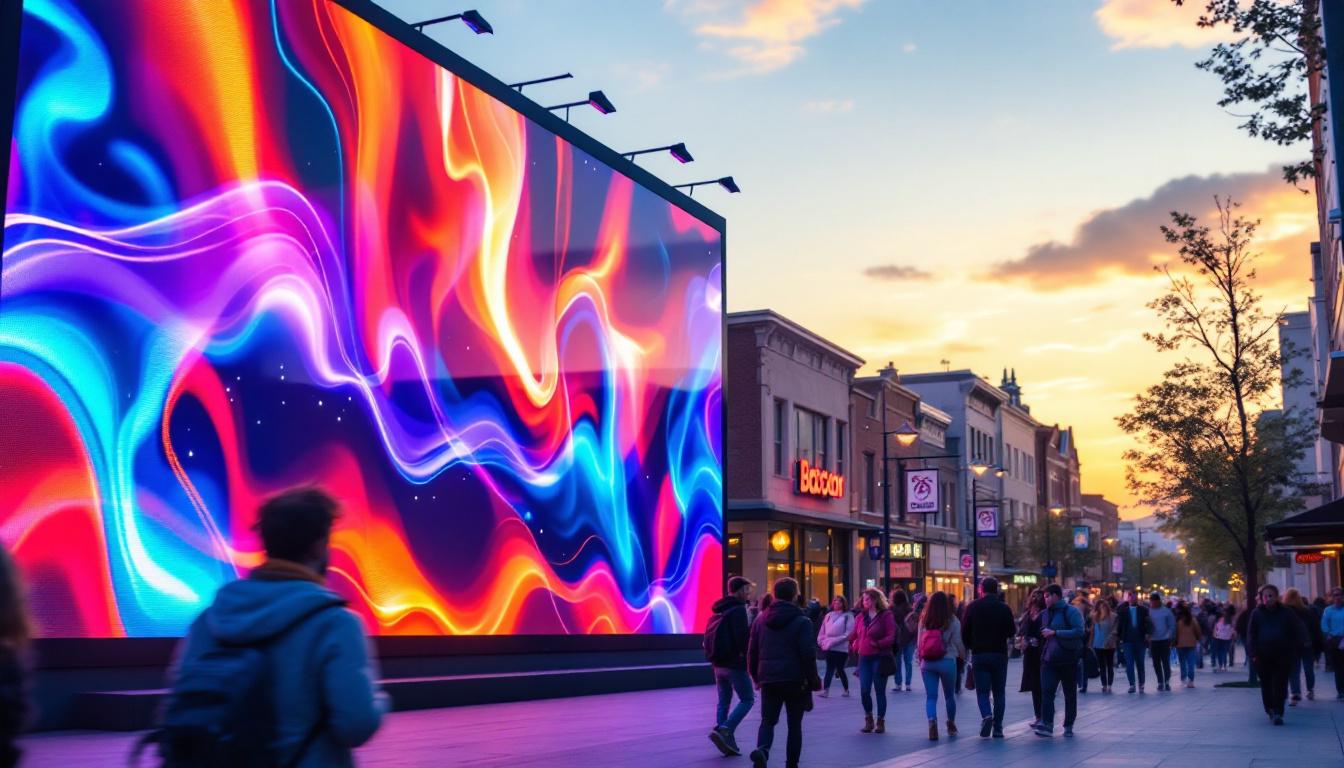
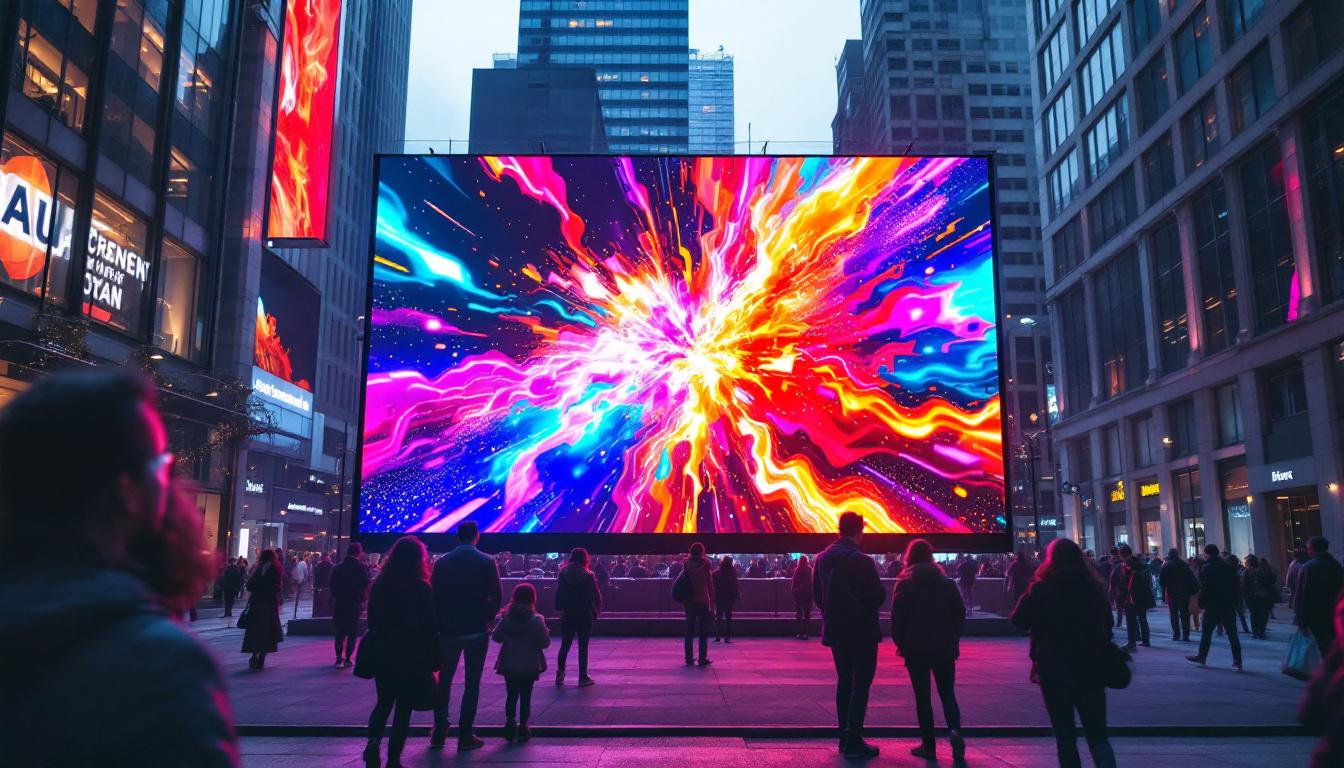
- Outdoor LED Screens: Built to withstand weather conditions, these screens offer higher brightness levels to combat sunlight and have a more rugged construction. Their durability ensures that they can function effectively in rain, wind, and extreme temperatures, making them a staple for festivals and sporting events.
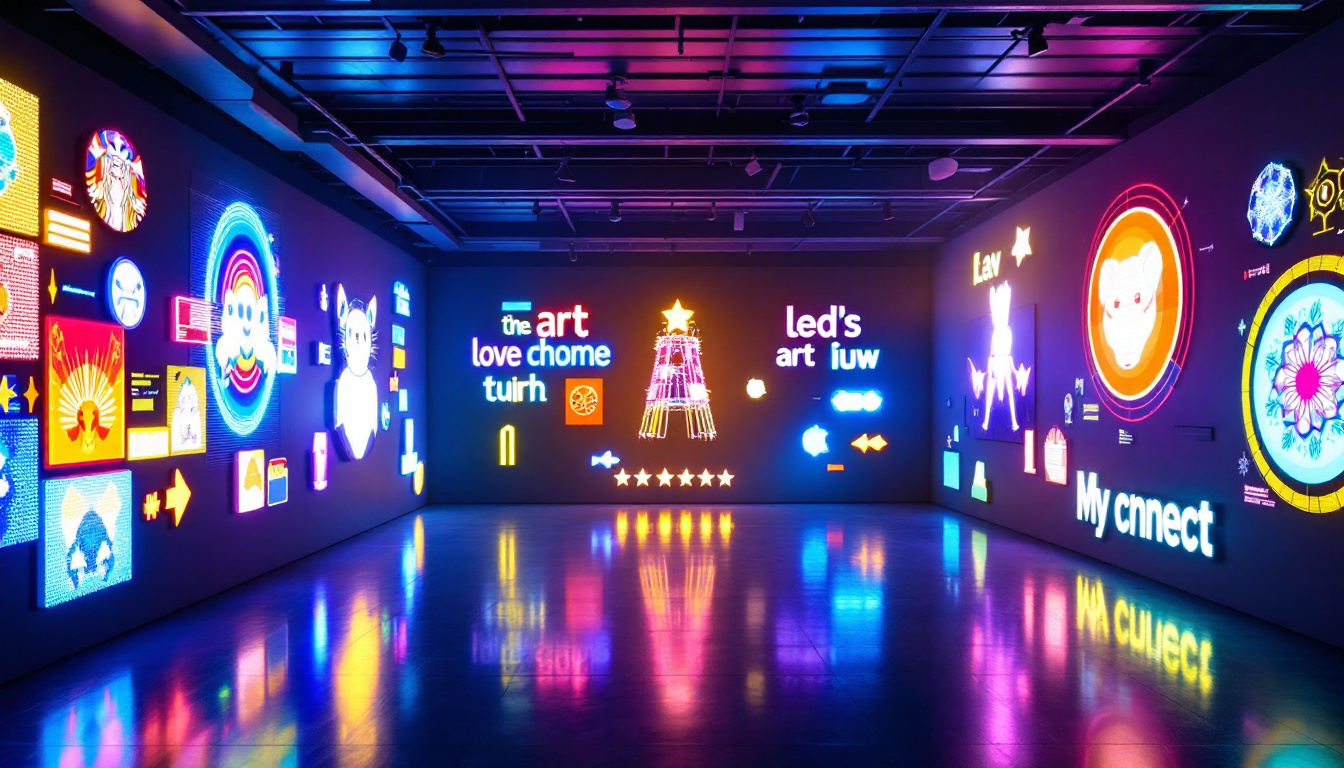
- Flexible and Curved LED Screens: These innovative displays can bend or curve to fit creative stage designs, offering immersive visual experiences. They allow designers to create captivating visual narratives that wrap around performers or blend seamlessly with the stage architecture.
- Transparent LED Screens: Allowing light to pass through, these screens can be integrated into glass surfaces or layered over stage elements without blocking visibility. This technology opens up exciting possibilities for artistic expression, enabling designers to create layered visuals that interact with physical objects and performers in real-time.
In addition to these types, LED screens can also be categorized based on their pixel density, which plays a crucial role in determining the viewing experience. High pixel density screens are essential for applications where viewers are close to the display, such as in intimate venues or exhibitions. Conversely, lower pixel density screens are more suitable for larger venues where the audience is positioned further away. The advancements in LED technology continue to evolve, leading to the development of even more sophisticated displays that enhance the overall production value of live events. As the demand for high-quality visuals grows, the integration of LED screens into stage design is becoming increasingly innovative and essential.
Why LED Video Screens Are Ideal for Stage Use
Exceptional Brightness and Visibility
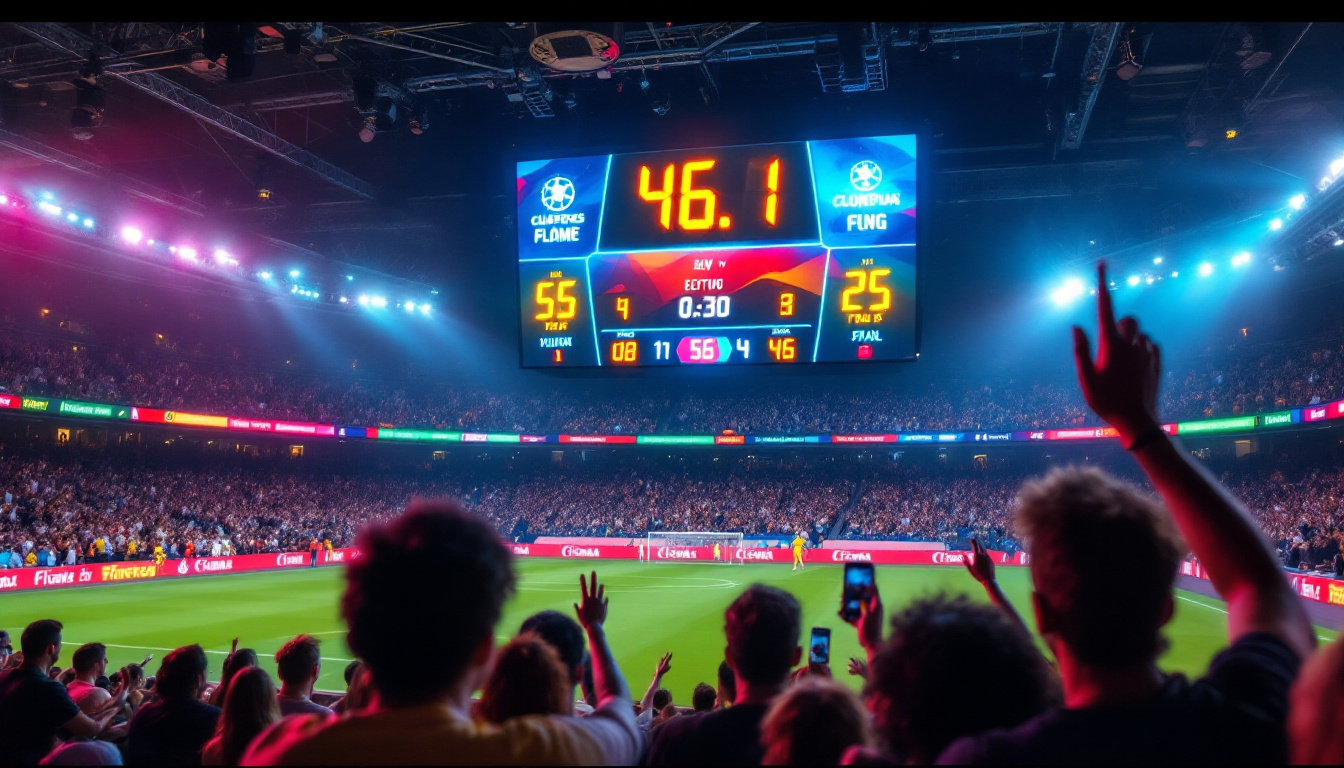
One of the most significant advantages of LED screens is their brightness. Typical LED displays can reach brightness levels of 1,000 to 5,000 nits or more, far surpassing traditional projection systems. This makes them highly effective in environments with strong ambient lighting, such as outdoor concerts or well-lit theaters.
For example, during large-scale music festivals like Coachella or Glastonbury, LED video walls are used extensively to ensure that even audience members hundreds of feet away can clearly see the performers and visual content. Their ability to maintain image clarity regardless of lighting conditions is a game-changer for event organizers.
Superior Image Quality and Color Accuracy
LED screens offer excellent color reproduction and contrast ratios, enabling vibrant and lifelike visuals. The RGB diodes provide a broad color gamut, making it possible to display intricate graphics, videos, and animations with precision. This level of image quality enhances the storytelling and emotional impact of performances, whether it’s a theatrical production or a corporate keynote.
Scalability and Customization
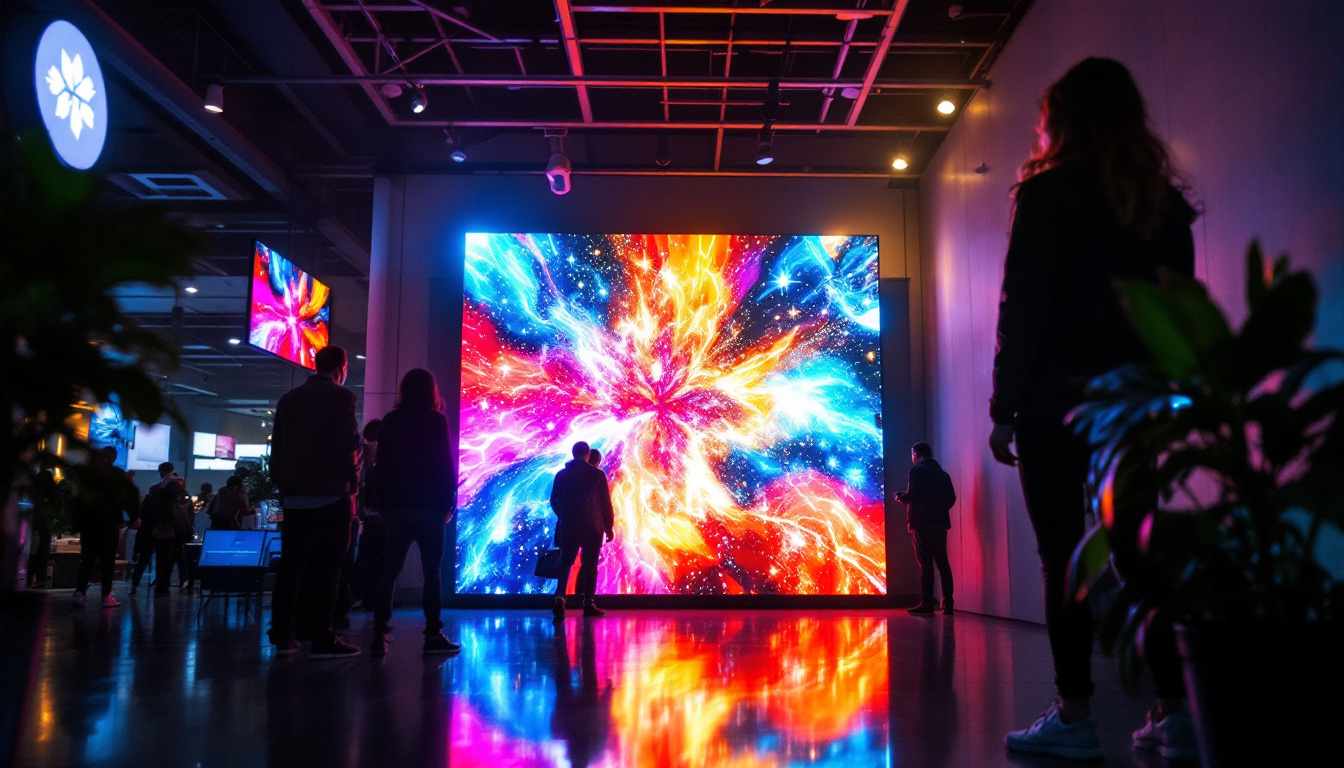
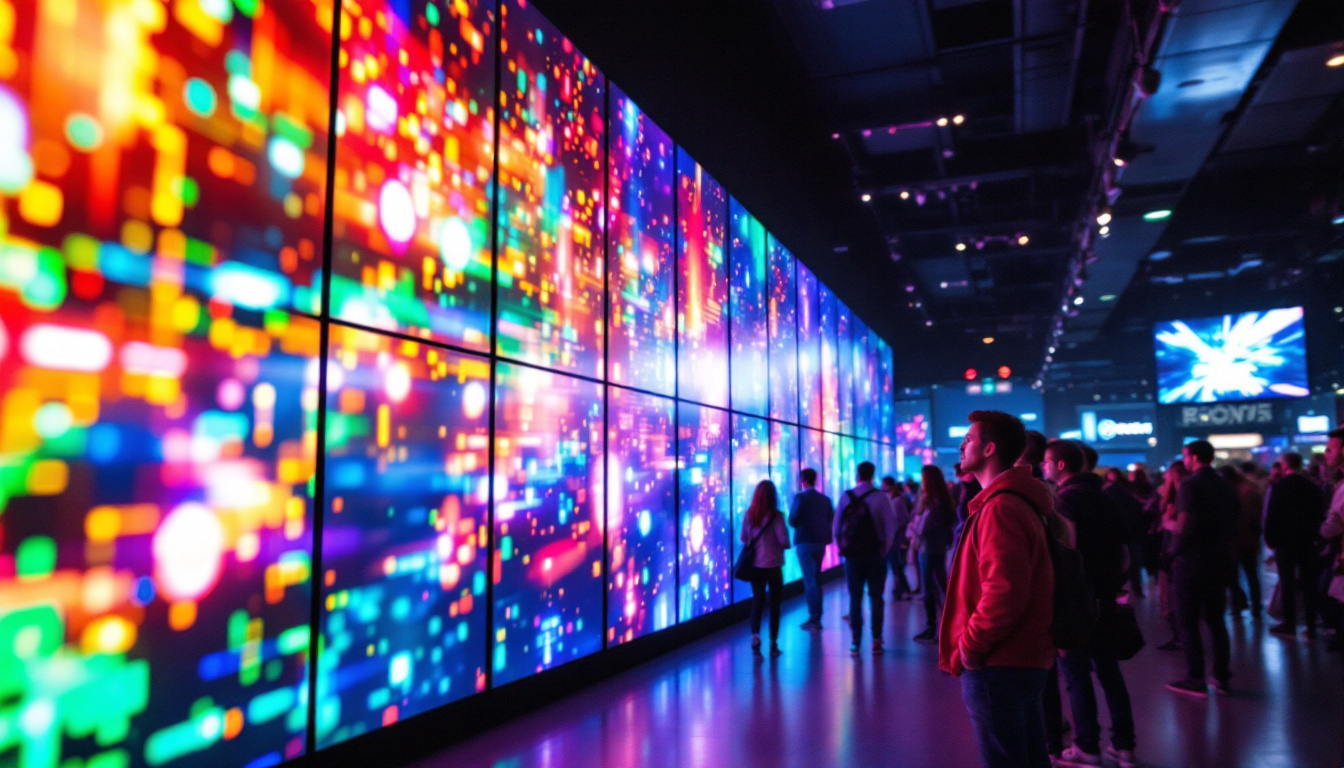
LED video walls are highly modular, allowing event planners to customize the screen size and shape to fit the stage design perfectly. Panels can be seamlessly connected to create ultra-wide or unusually shaped displays that integrate with lighting and set elements. This flexibility supports creative freedom and helps produce visually stunning environments that captivate audiences.
Durability and Longevity
LED technology is known for its durability and long operational life, often exceeding 100,000 hours of use. This reliability is crucial for touring productions and rental companies that require equipment capable of withstanding frequent setup, teardown, and transportation. Additionally, LED screens are less prone to damage from vibration or impact compared to projection screens or LCD panels.
Applications of LED Video Screens on Stage
Concerts and Live Music Events
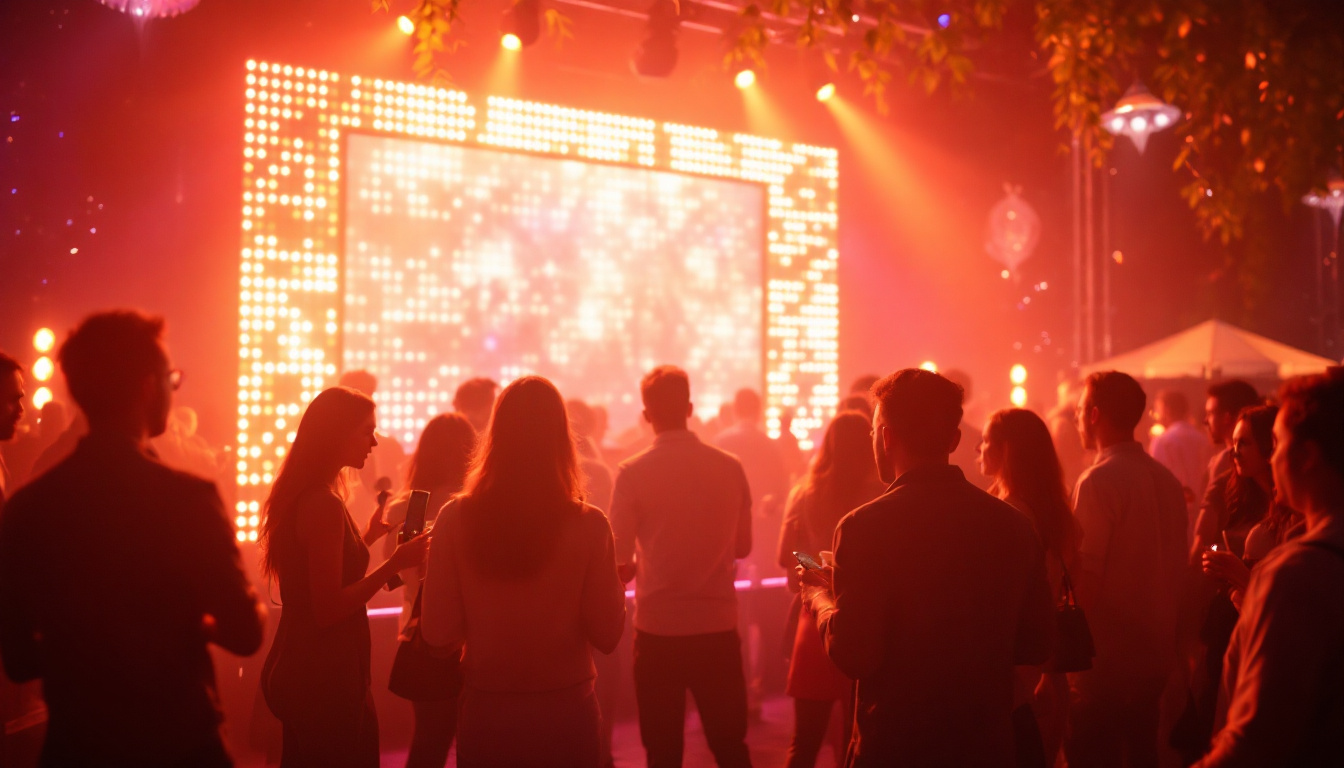
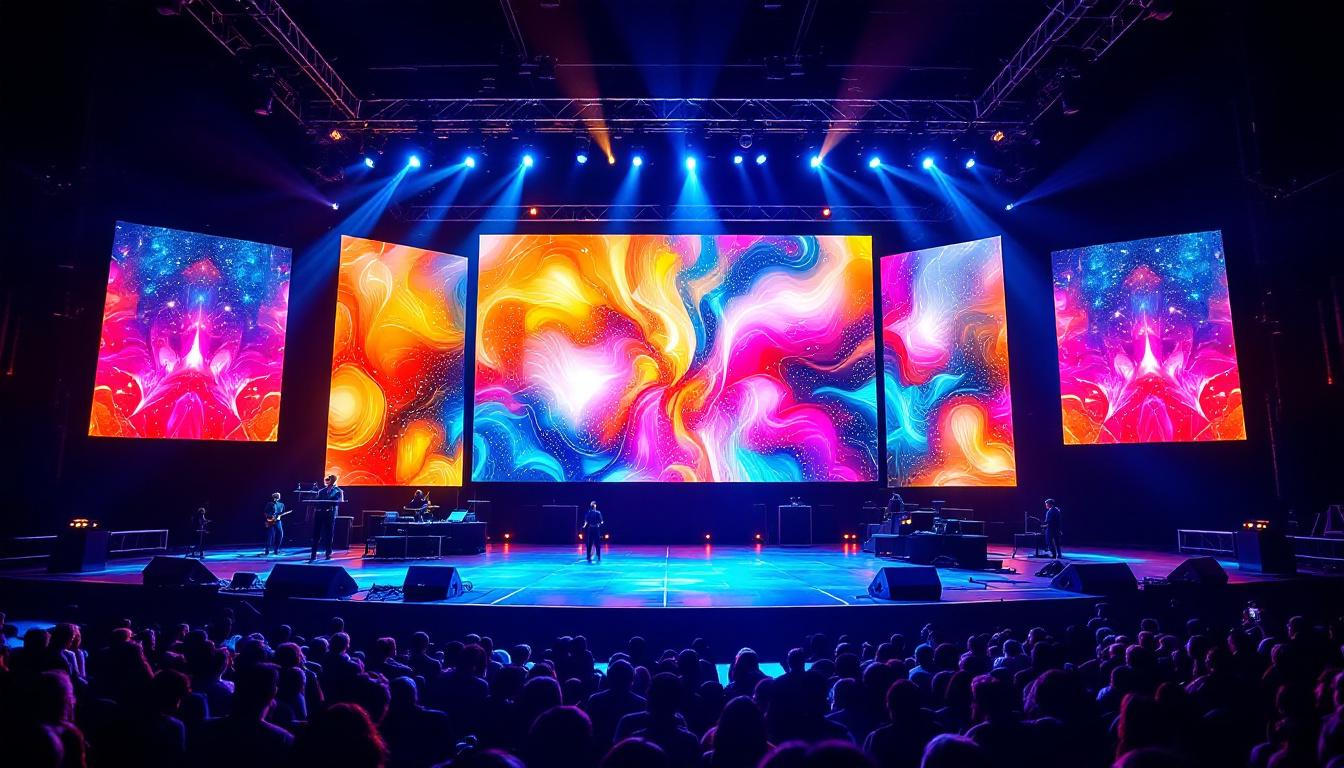
In the music industry, LED video walls have revolutionized stage design and audience engagement. They serve multiple purposes, from displaying live camera feeds and dynamic backgrounds to creating interactive visual effects synchronized with the music. Artists like Beyoncé, U2, and Coldplay have incorporated massive LED screens in their tours to enhance the concert experience, making visuals an integral part of the performance.
Theater and Performing Arts
Theater productions benefit from LED screens by using them as digital backdrops that can change instantly, replacing traditional painted sets. This capability allows for more fluid scene changes and imaginative storytelling. Productions such as “The Lion King” and “Harry Potter and the Cursed Child” have utilized LED technology to create immersive environments that transport audiences into the story world.
Corporate Events and Conferences
For corporate presentations, product launches, and conferences, LED screens provide a professional and impactful way to communicate messages. Their high resolution and brightness ensure that slides, videos, and live feeds are visible to large audiences, even in expansive venues. Companies like Apple and Microsoft often use LED video walls to showcase product demos and keynote presentations with striking visuals.
Broadcast and Television Studios
LED screens are increasingly used in television studios as dynamic backgrounds that can be easily changed to suit different shows or segments. This flexibility reduces the need for physical set changes and allows for more creative and visually appealing broadcasts.
Key Considerations When Choosing an LED Video Screen for Stage
Pixel Pitch and Resolution
Pixel pitch, measured in millimeters, is the distance between the centers of two adjacent pixels. It directly affects the screen’s resolution and viewing distance. A smaller pixel pitch (e.g., 1.5mm to 3mm) means higher resolution and better image quality at close range, which is ideal for indoor stages where the audience is near. Larger pixel pitches (5mm or more) are suitable for outdoor or large venues where viewers are farther away.
Choosing the correct pixel pitch is essential to balance cost and visual performance. Higher resolution screens tend to be more expensive, so understanding your venue size and audience proximity helps optimize investment.
Brightness and Contrast Ratio
Brightness is critical for visibility, especially in outdoor or brightly lit indoor environments. LED screens with adjustable brightness settings allow operators to optimize the display for different lighting conditions. Contrast ratio, the difference between the darkest black and brightest white, affects image depth and clarity. High contrast ratios contribute to more vivid and engaging visuals.
Screen Size and Aspect Ratio
The physical size of the LED screen should complement the stage dimensions and audience sightlines. Oversized screens can overwhelm the stage, while undersized ones may not be visible to all attendees. Aspect ratio, typically 16:9 for widescreen content, should be considered to ensure compatibility with the media being displayed.
Installation and Rigging Requirements
LED screens can be mounted on trusses, flown above the stage, or placed on stands. Understanding the rigging points, weight limits, and power requirements is crucial for safe and efficient installation. Rental companies and production teams often collaborate closely to ensure the screen integrates seamlessly with other stage elements.
Control Systems and Content Management
Modern LED video walls use sophisticated control systems that allow real-time content management, multi-source input, and synchronization with lighting and audio. Choosing a system with user-friendly software and reliable hardware ensures smooth operation during live events.
Future Trends in LED Video Screens for Stage
Mini-LED and Micro-LED Technologies
Emerging technologies like Mini-LED and Micro-LED promise even higher resolution and better energy efficiency. Micro-LED displays, with pixel sizes measured in micrometers, offer exceptional brightness and color accuracy, potentially transforming stage visuals in the coming years.
Interactive and Augmented Reality Integration
Advancements in interactive LED screens allow performers and audiences to engage with visuals in real time. Combined with augmented reality (AR), these screens can create immersive experiences where digital content blends seamlessly with live action on stage.
Eco-Friendly and Energy-Efficient Designs
As sustainability becomes a priority, manufacturers are developing LED screens with lower power consumption and recyclable materials. This shift benefits event organizers by reducing operational costs and environmental impact.
Conclusion
LED video screens have become a cornerstone of modern stage production, offering unparalleled brightness, flexibility, and visual impact. Whether enhancing a concert, theatrical performance, corporate event, or broadcast, these displays elevate the audience experience and open new creative possibilities. Understanding the technology, applications, and key considerations ensures that event professionals can select the right LED solution to meet their unique needs.
As LED technology continues to evolve, its role in live events will only grow more significant, promising exciting innovations that will redefine how stories are told on stage.
Illuminate Your Stage with LumenMatrix
Ready to take your live event to the next level with brilliant, flexible, and impactful LED display solutions? Look no further than LumenMatrix, a pioneer in LED display technology. From indoor and outdoor events to custom and interactive displays, LumenMatrix offers a wide array of LED solutions that will transform your stage and captivate your audience. Elevate your production value and ensure your message resonates with clarity. Check out LumenMatrix LED Display Solutions today and experience the revolution in visual communication.